
The 2026 FiSahara Film Festival marked the 50th anniversary of the Saharawi exile in the desert in Algeria. Minutes after the withdrawal of the Spanish colonialists from Western Sahara in 1975, the Mococcan army invaded, led by an apparently apolitical but devestating civilian invasion called the Green March. Upwards of 300,000 civilians from Morocco crossed the border into Western Sahara, followed by the Moroccan miitary. Morocco has remained as occupiers ever since, applying strict rules of governance which quickly quell resistance from the indigenous Sahrawis, often by violence and political oppression.

Rather than face cruel oppression, many Sahrawis crossed the border into Algeria, where the Algerian government established compounds near the border with Morocco, where exiled Sahrawis could live. The main compounds became acknowledged Refugee camps each named after a principal city in Western Sahara and remain so today. A Government, the Sahrawi Arab Democratic Republic (SADR) also known as the Polisario Front, was formed in exile and the stand off between Western Sahara and Morocco became largely a guerilla war which went on for 16 years. Sahrawi military crossed from Algeria into Western Sahara, seeking to reclaim territory. Morocco built huge earthen walls called ‘berms’ to resist the offences, whilst contemporaneously destroying resistance in the Western Saharan cities.
Western Sahara are still claiming their right to return to their homeland, a right supported by the United Nations though practically denied by an allegiance of western Governments who side with Morocco. A promise of a referendum in Western Sahara by the UN has never been supported by the Moroccan government. There has been much investment by western industries in exploitation of the natural resources of Western Sahara, as documented by Western Sahara Resource Watch ( https://wsrw.org/en ).
Resistance turned from military to peaceful resistance. Sahrawi songs and poems had long featured accounts of the colonialisation by Spain, and now began to feature cultural defiance of their Moroccan colonisers. Art and cinema became an increasing part of the ‘soft power’ of the resistance movement.
Here is a link to ‘An Archaeology of Colonialism, Conflict, and Exclusion: Conflict Landscapes of Western Sahara: Volumes One and Two’, an archaeological study of the landscape by Professor Salvatore Garfi. Dr Garfi surveys the land but also provides detail of the original ‘art as resistance’, between 2007 and 2010, held in a series of Art Festivals in Tifariti, a town in the Free Zone behind the berms in Western Sahara.
He writes Tifariti ‘hosted a unique art festival between 2007 and 2010′ He continues of his study ‘. The third, finer level, will look at the land art that was created as a result of the art festival, and which is now a new stratum of contemporary archaeology, overlying the extensive prehistoric archaeology evident in the region’. Sahrawi resistance art has become contemporary archaeology.
Images : Day 1
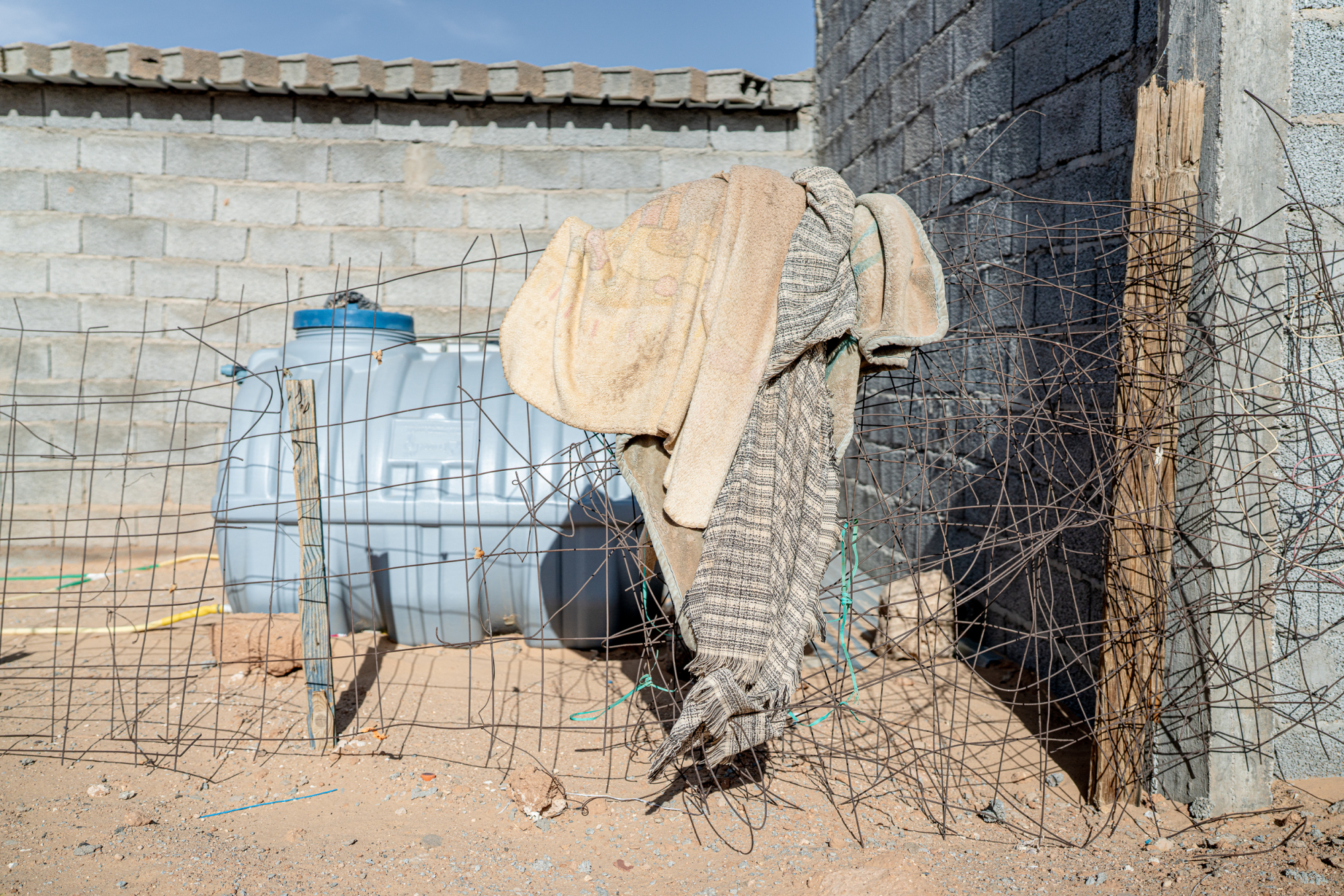
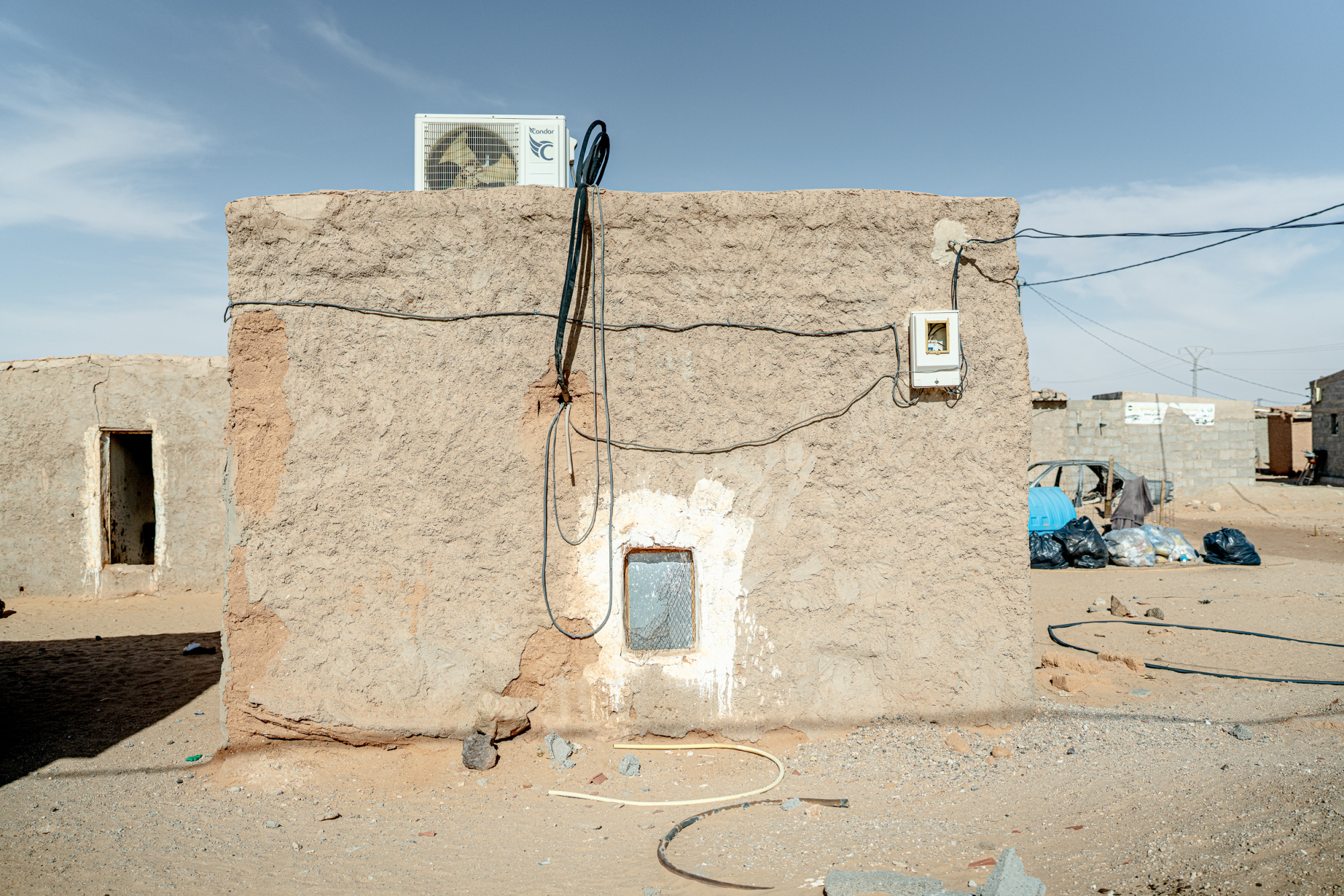
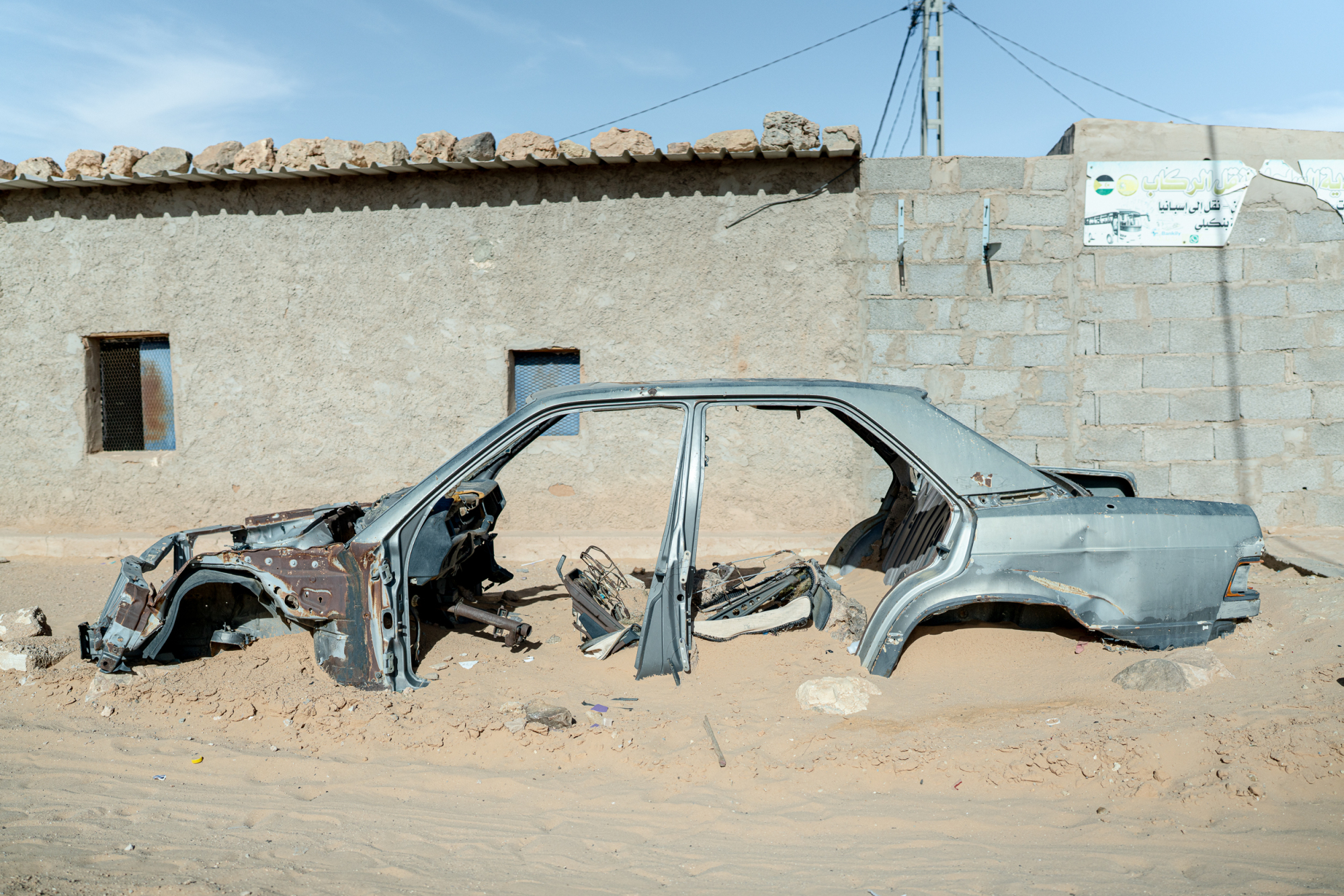
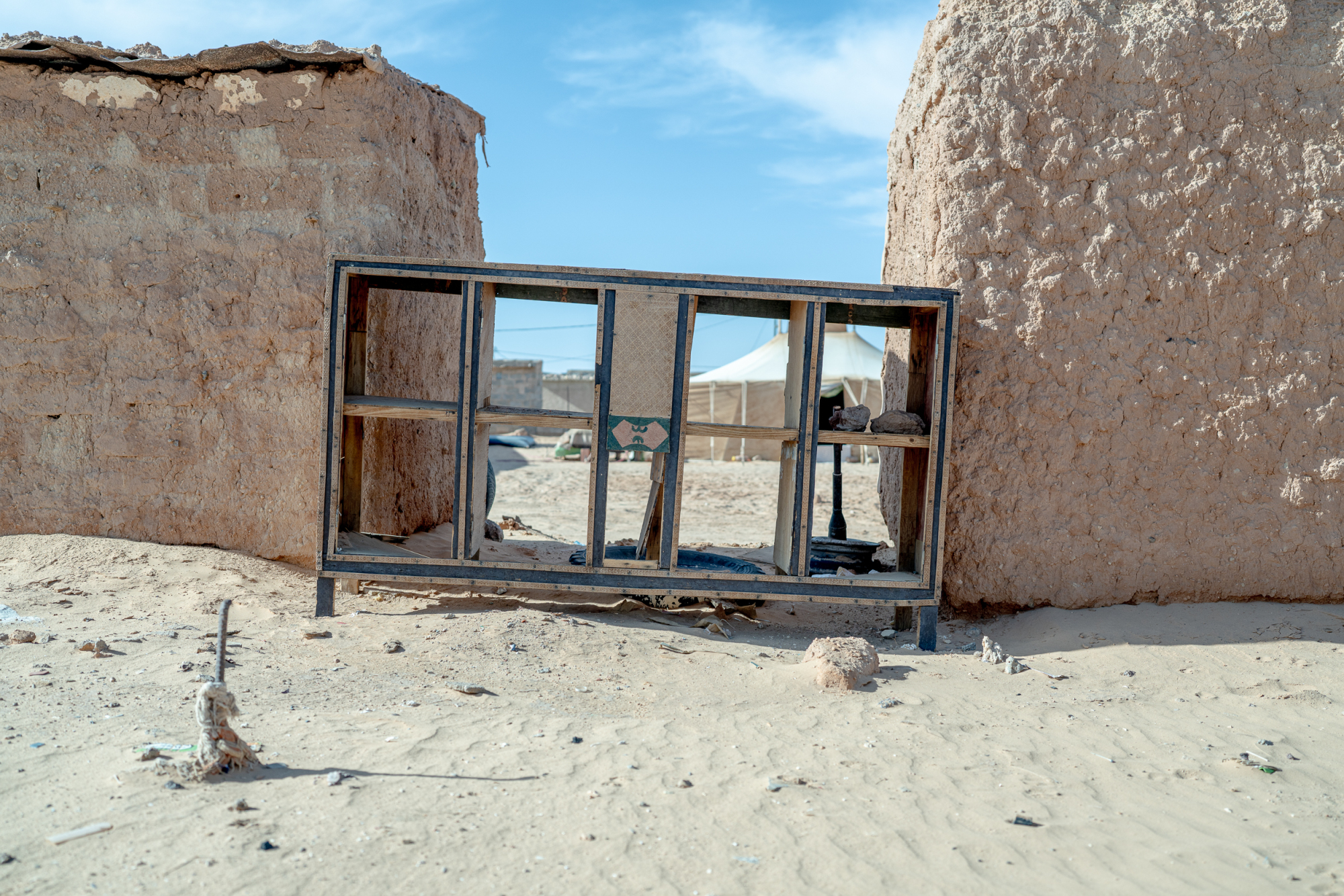
To Perform is Ultimately to Survive
‘As armed conflict once again simmers and diplomatic solutions remain frozen, Sahrawi culture ensures that the struggle endures beyond the battlefield. It lives in theatres, bookstores, music festivals, and whispered poems at checkpoints. In a world where political recognition remains elusive, art and culture have become not only forms of resistance, but also proofs of existence. For the Sahrawi, to sing, to film, to write, and to perform is ultimately to survive.’
Mimeta, a Norwegian based human rights activist organisation, suggests that the roles of art and culture ‘functions as instruments through which a stateless people assert existence in the face of erasure’.. Its article here provides information how it achieves that.
Images : Day 2
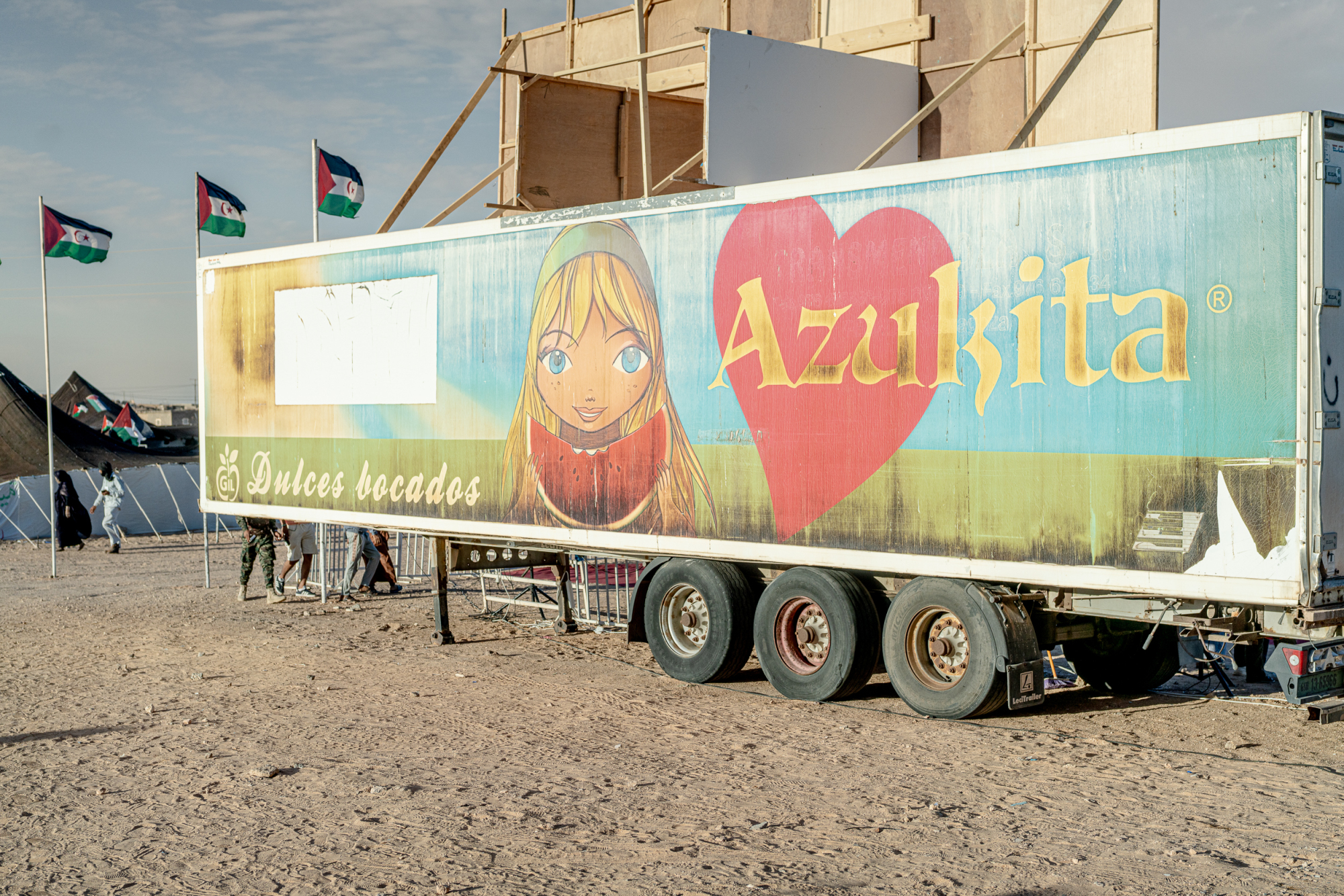
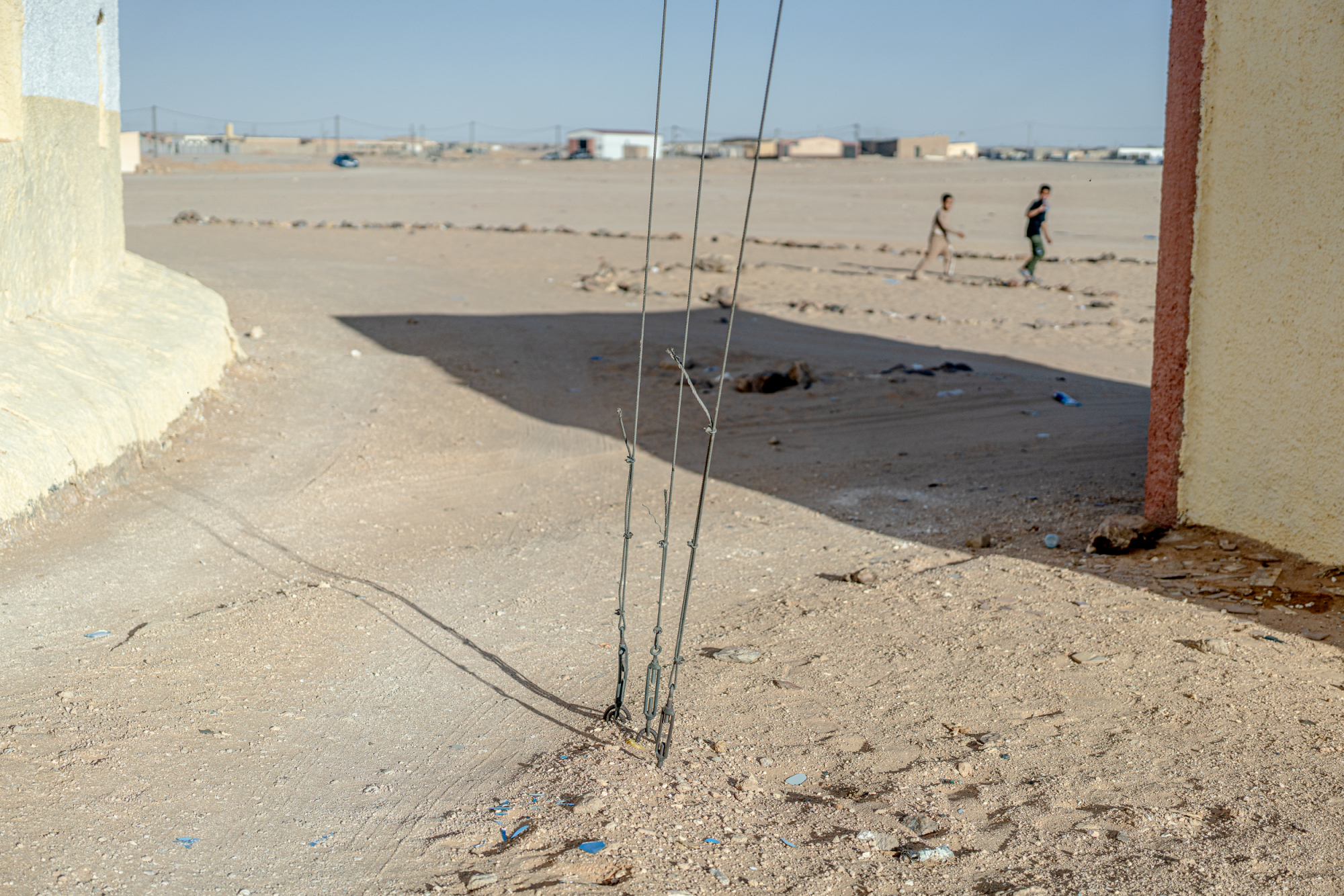
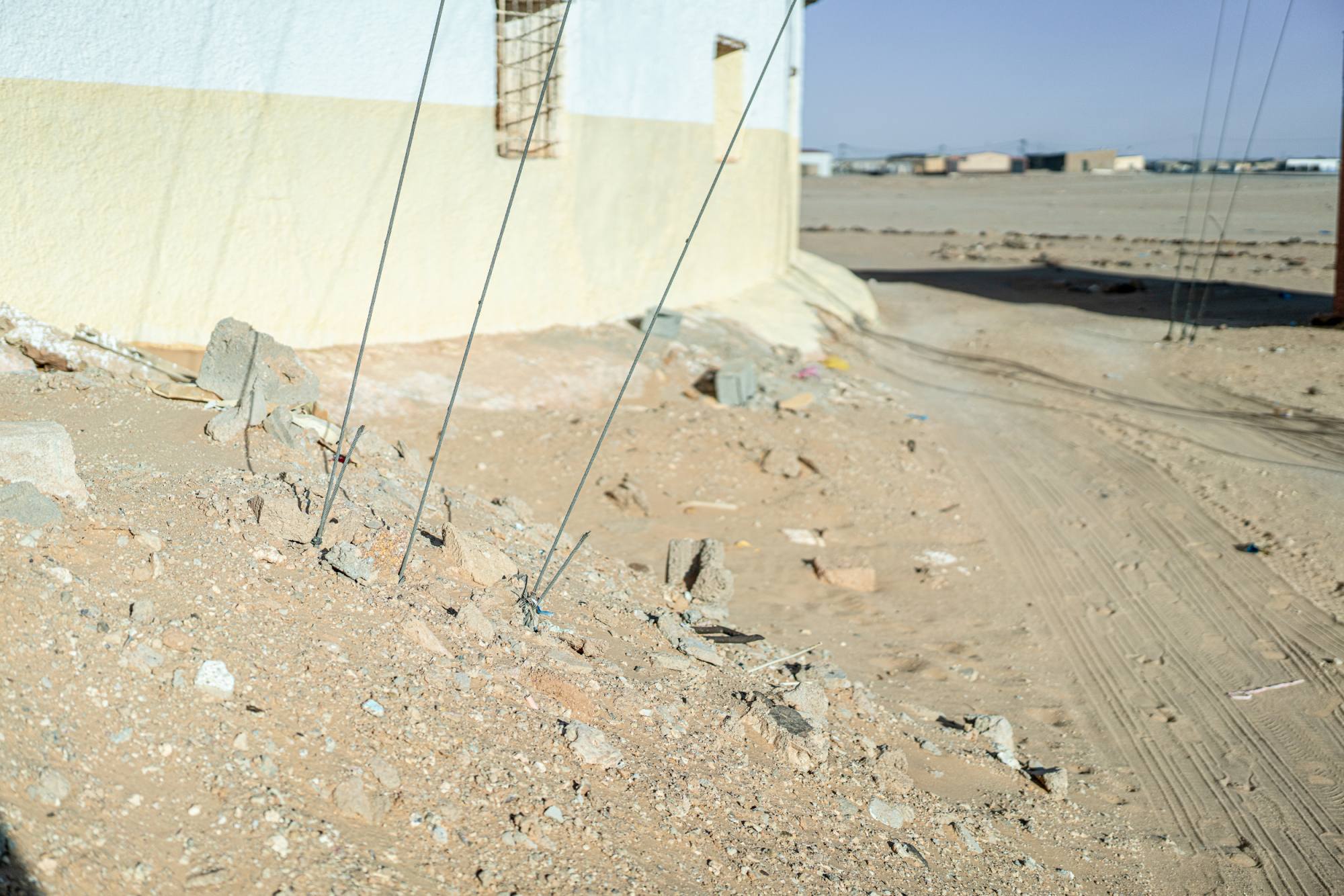
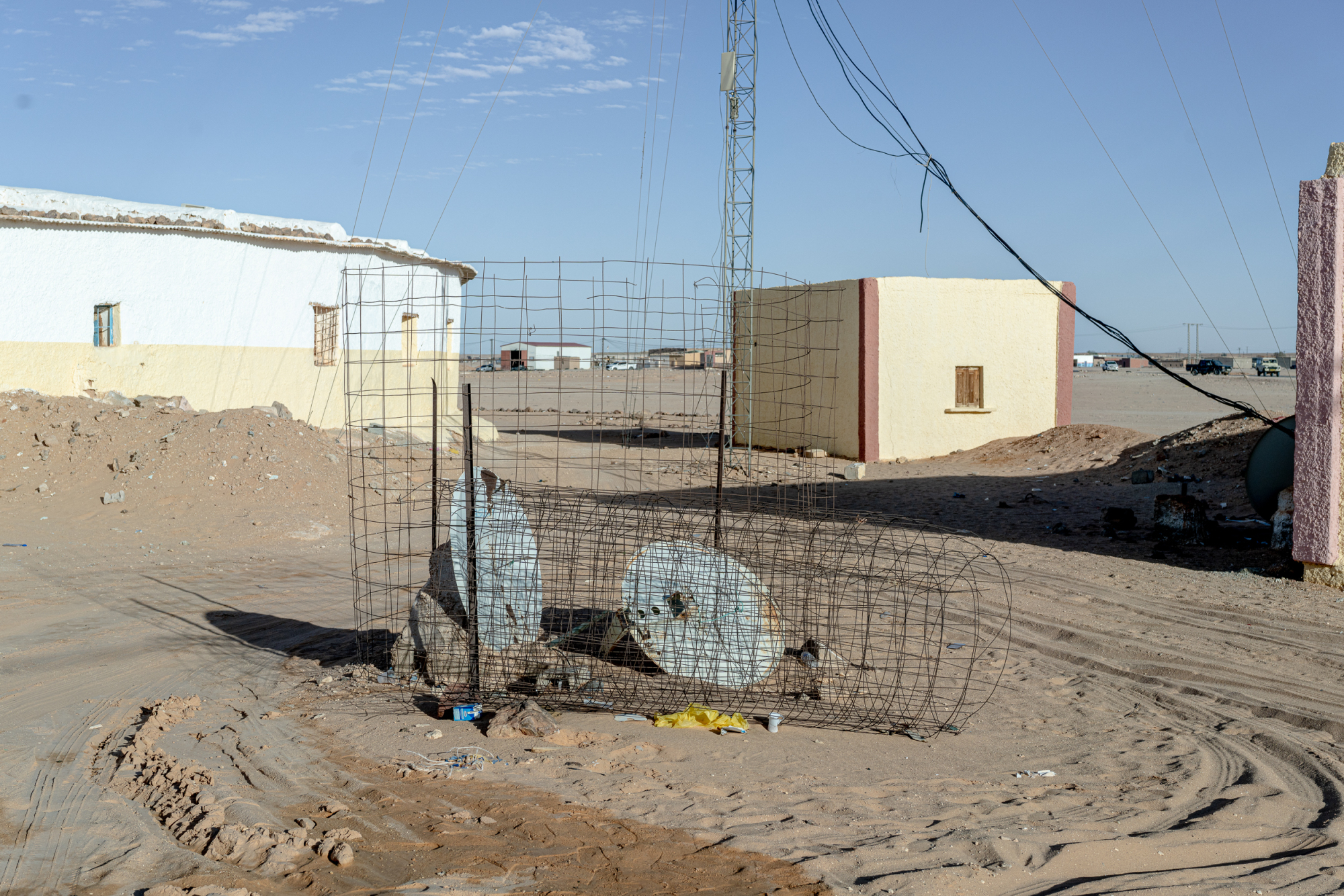
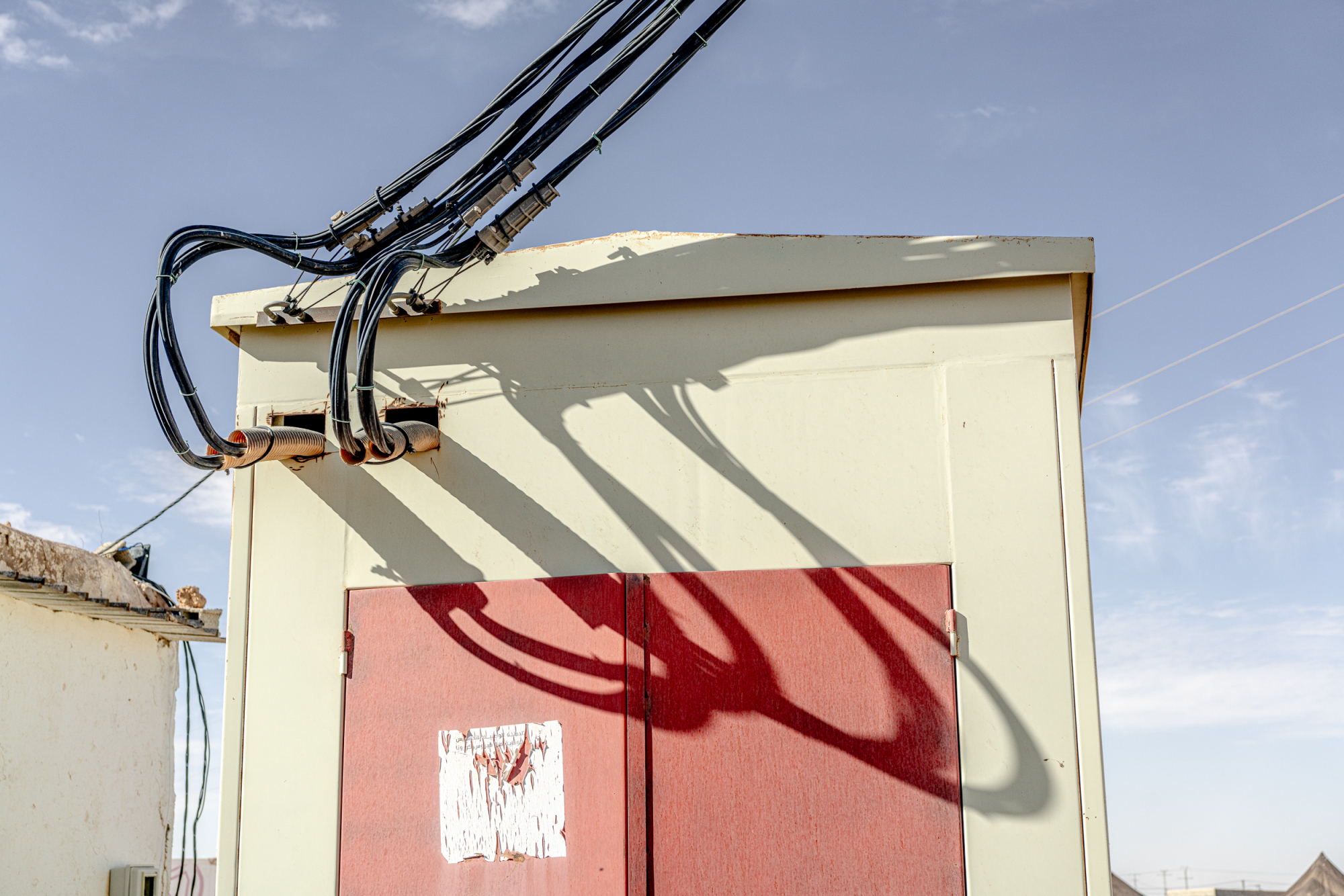

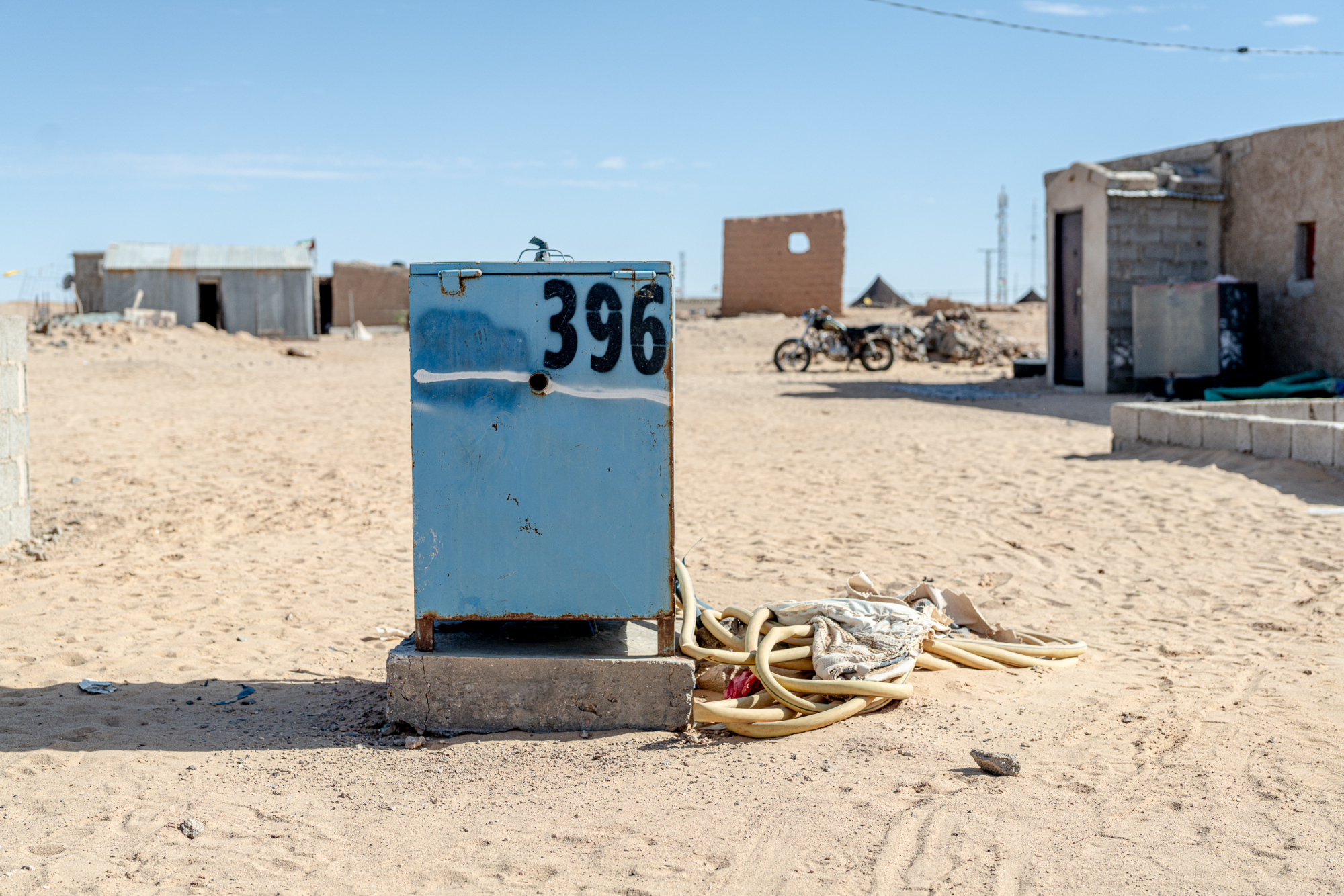
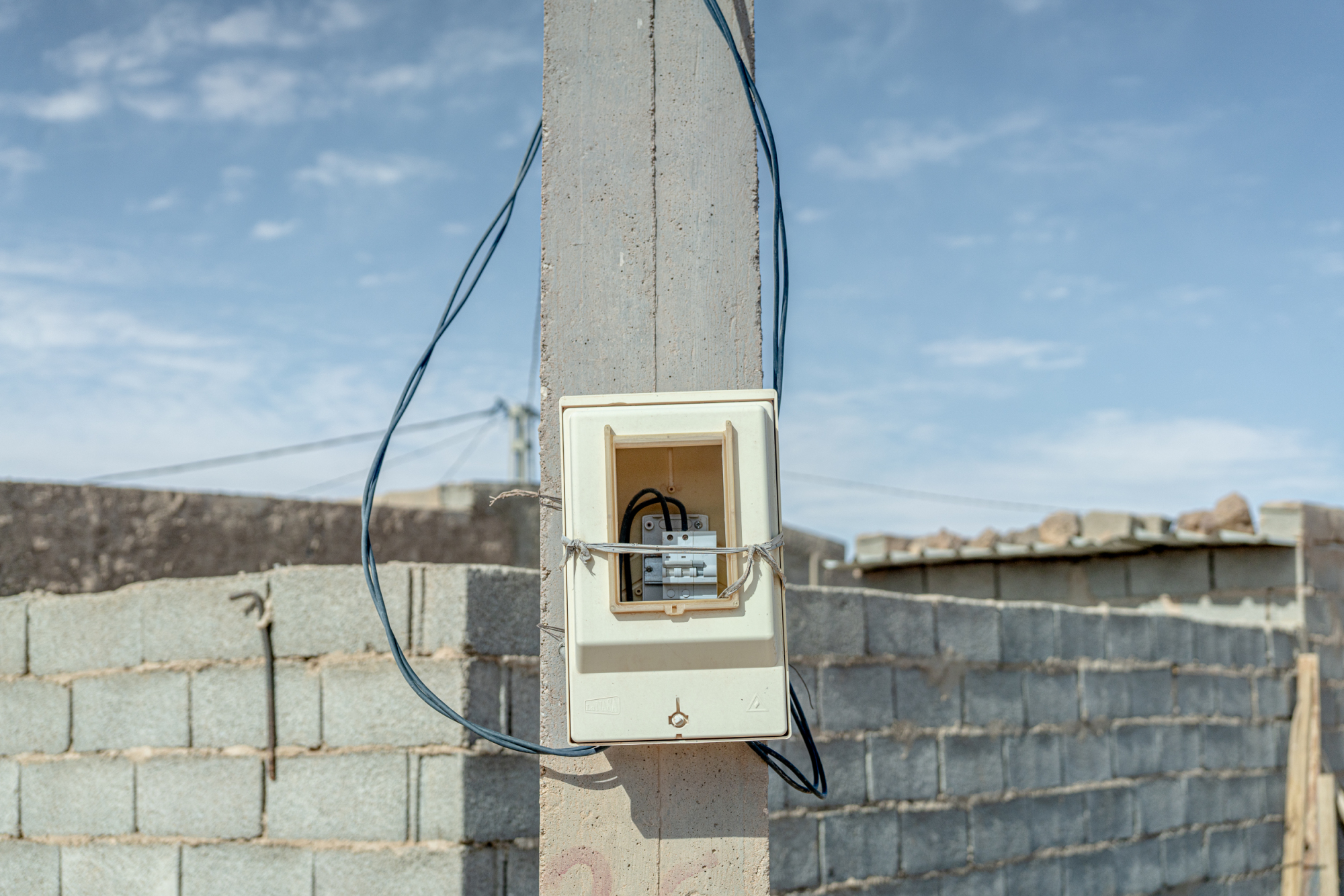
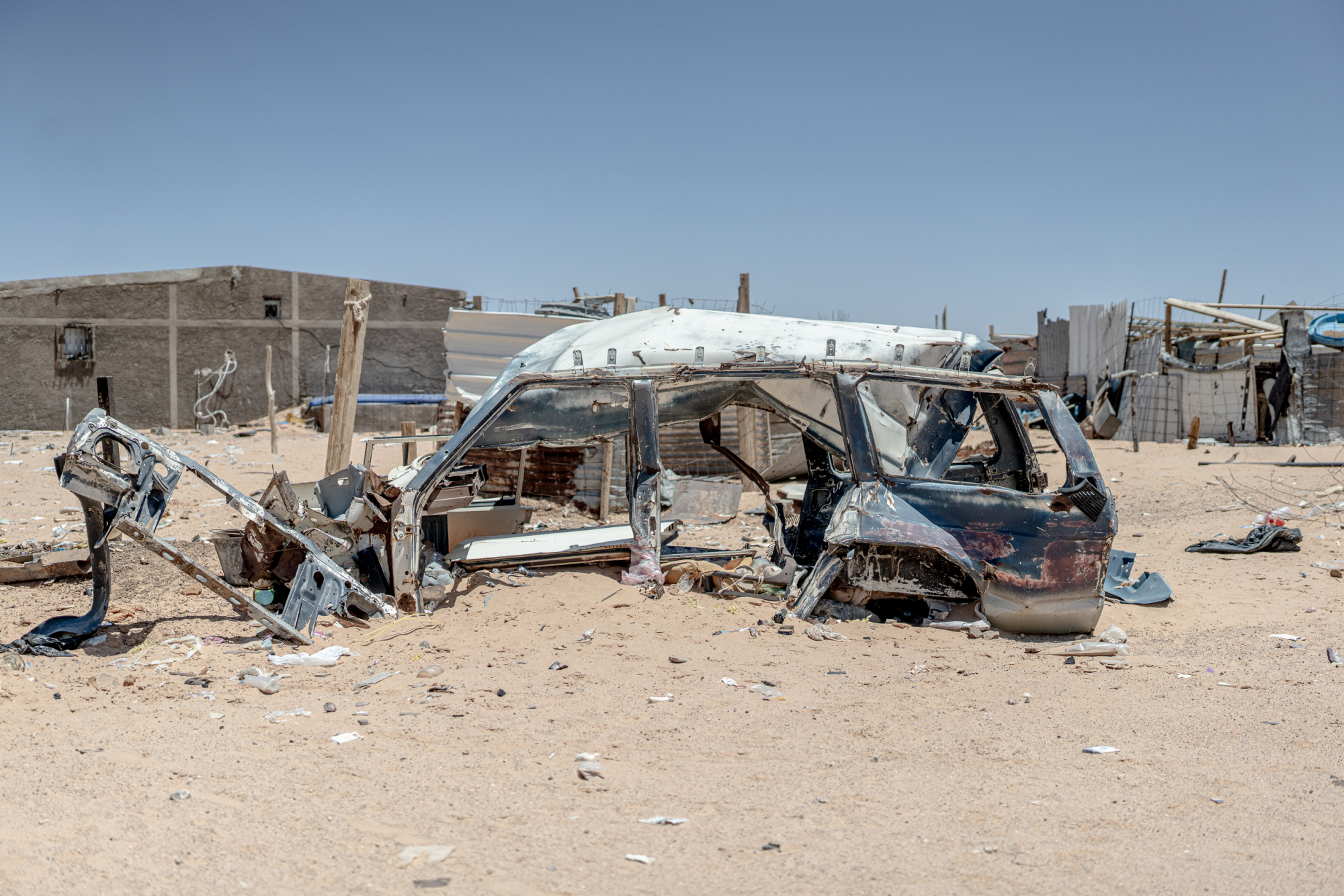
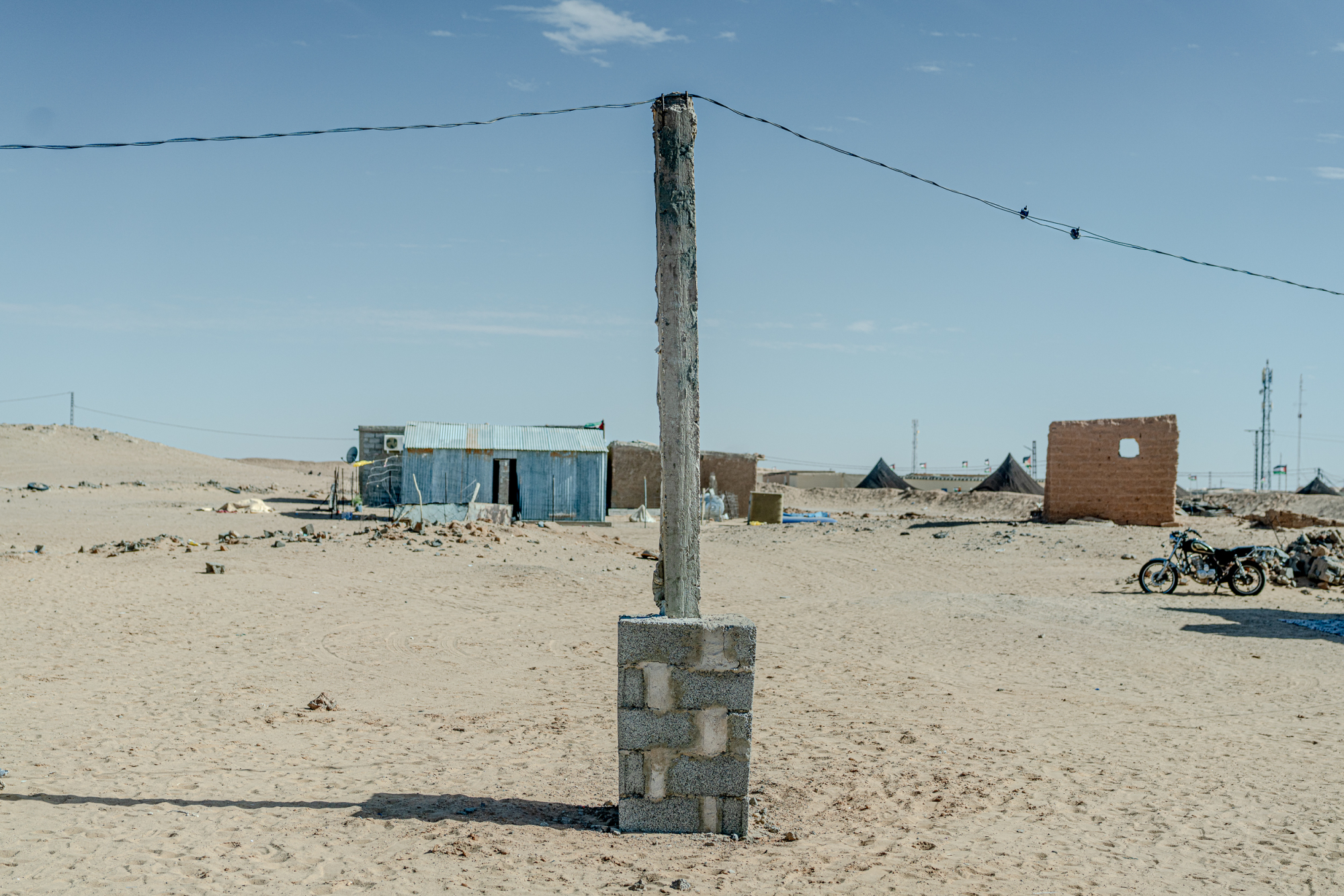
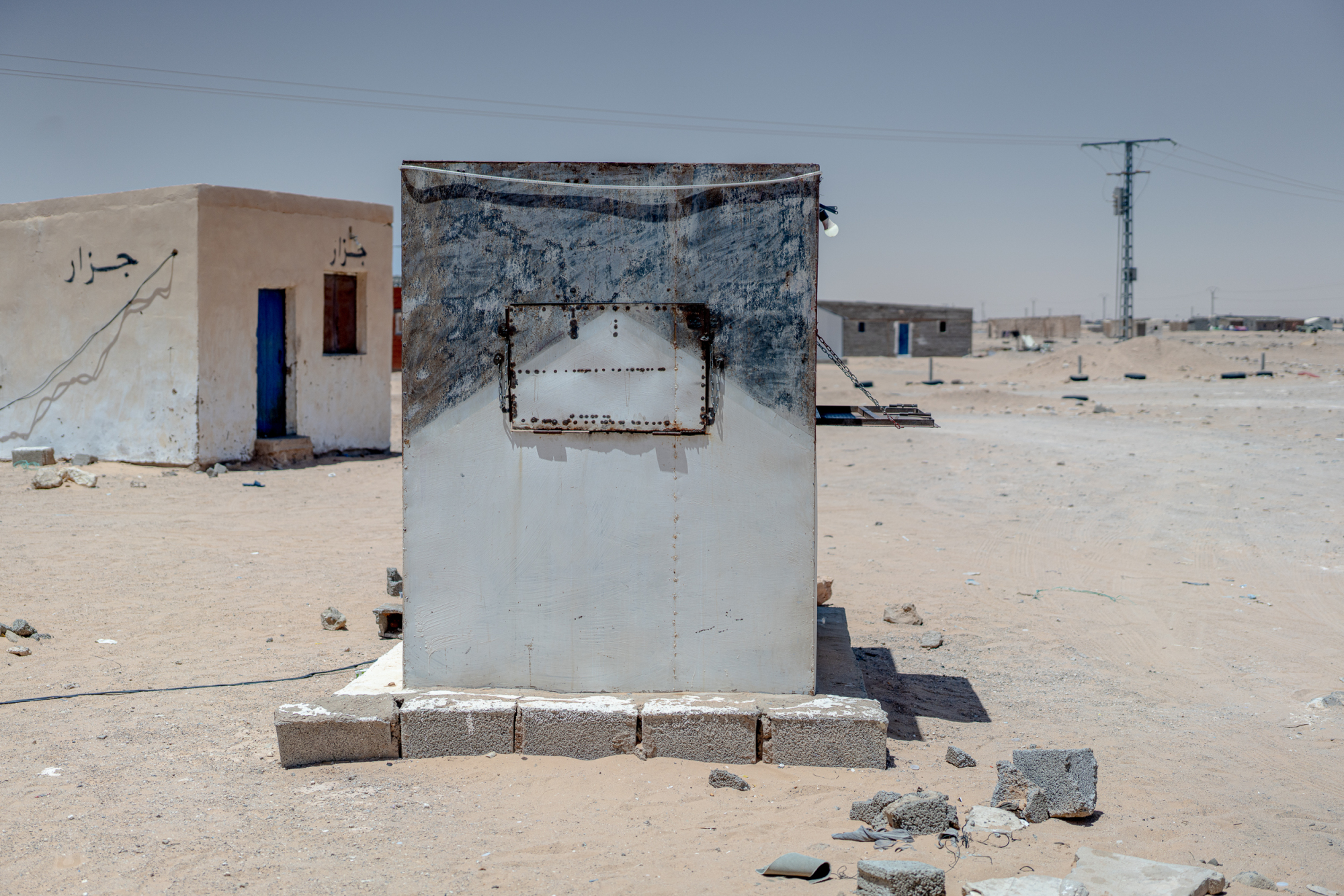
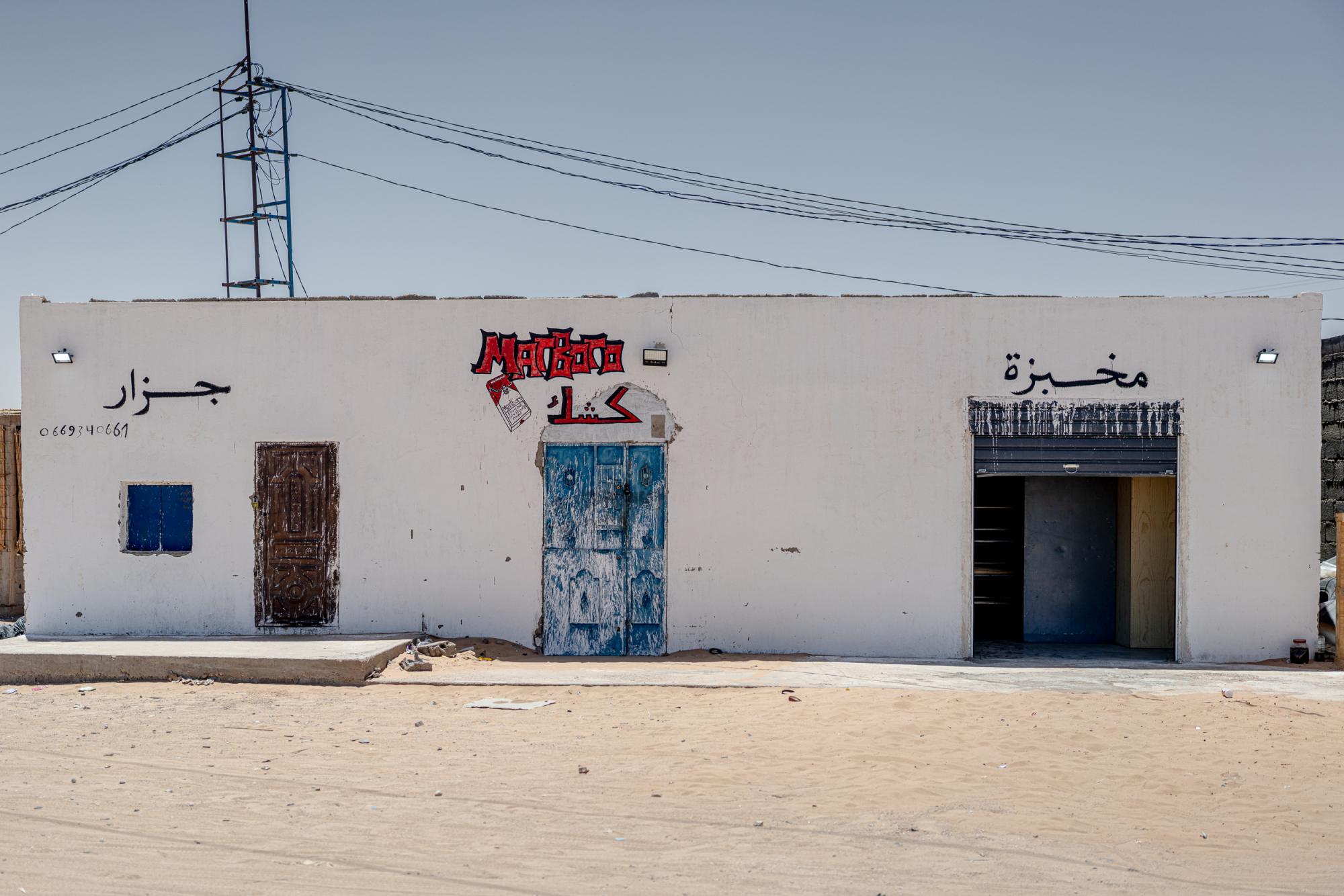
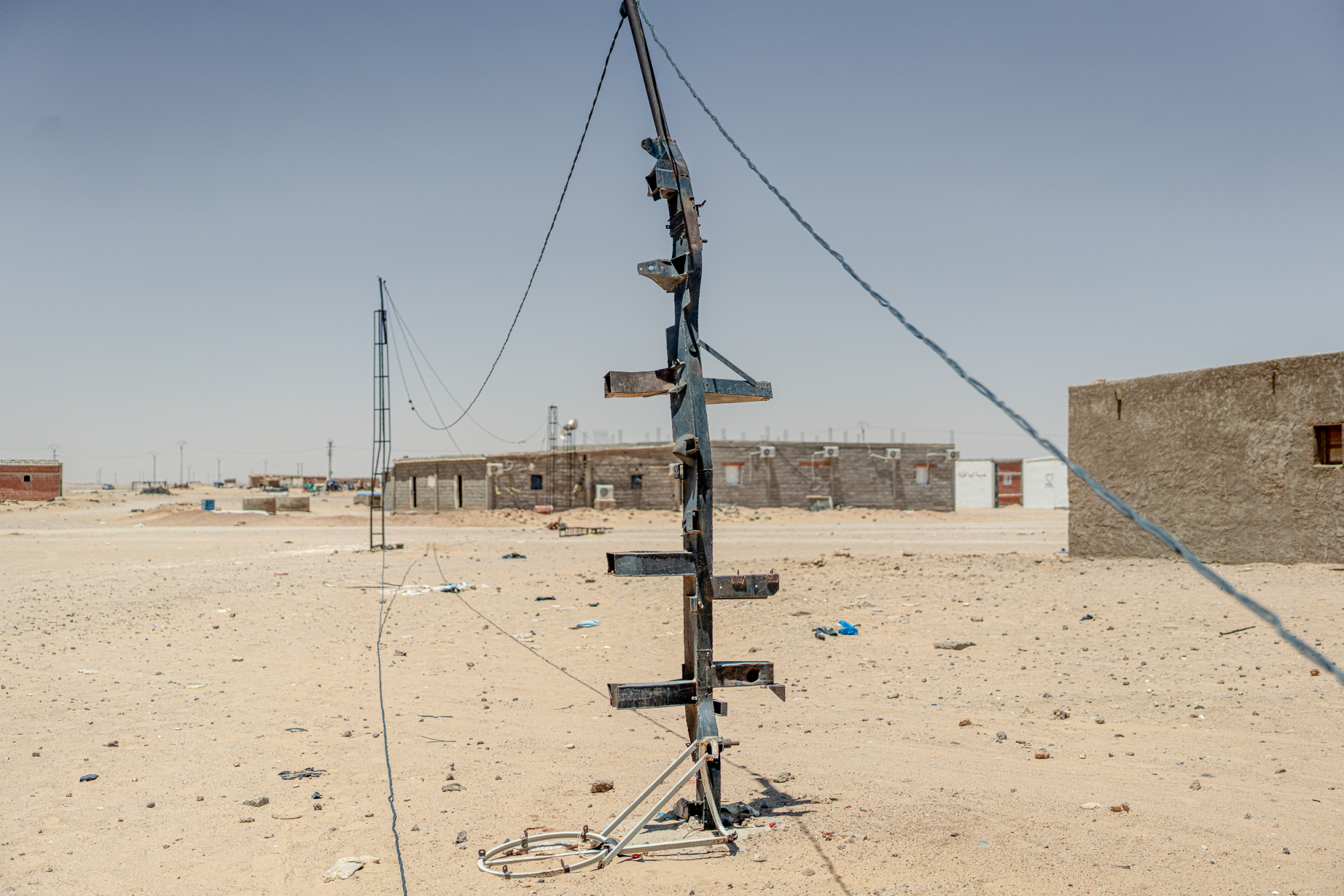
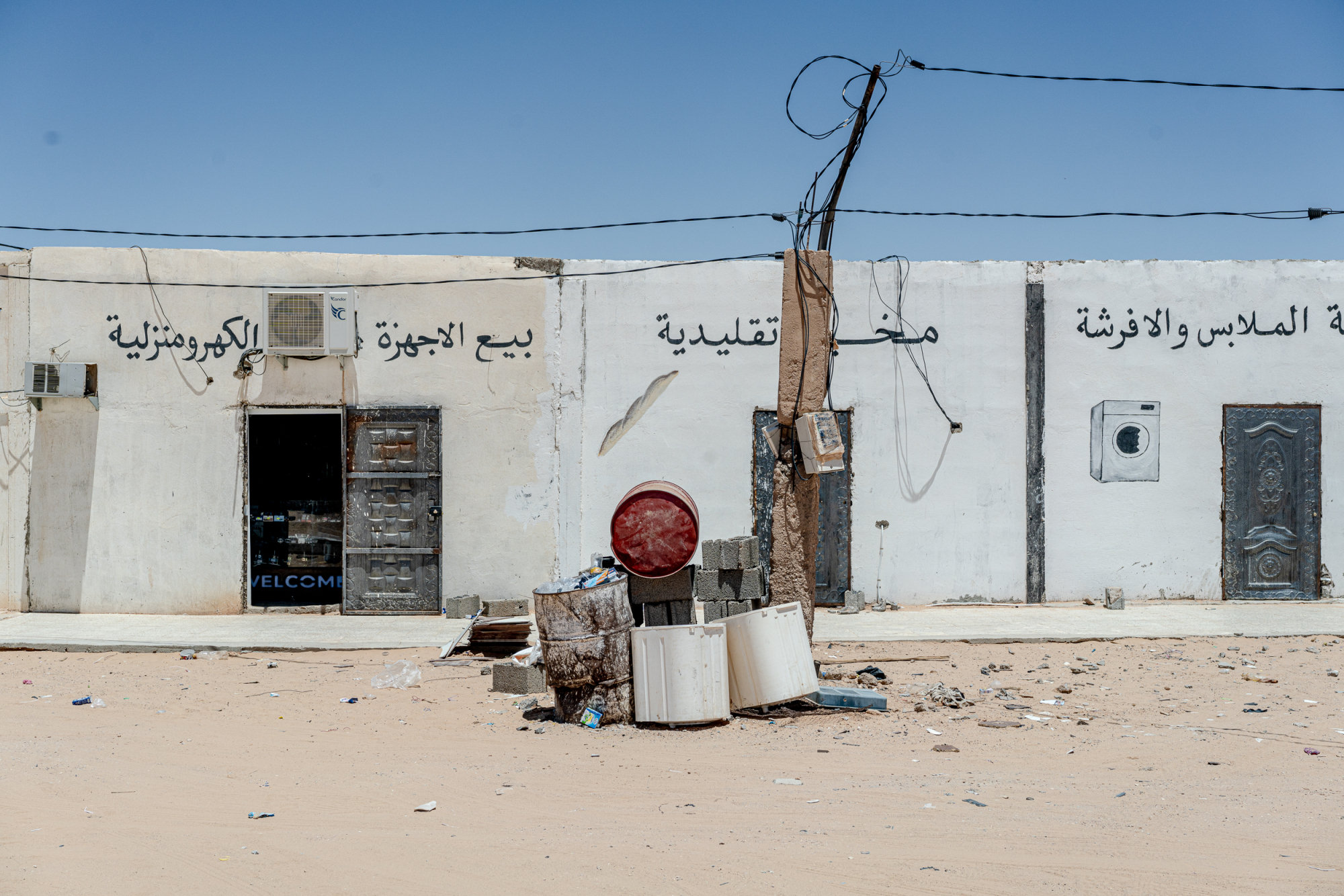
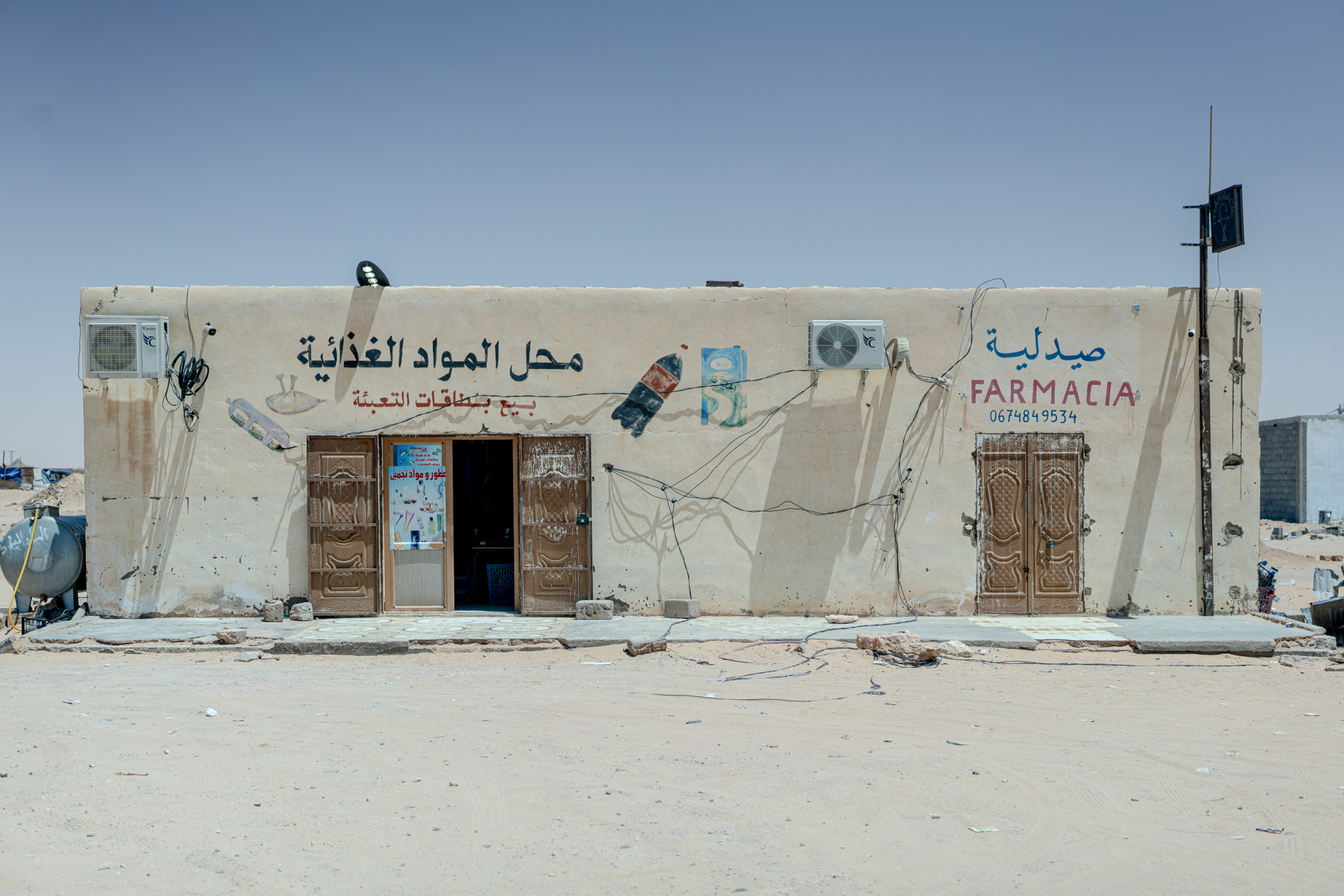
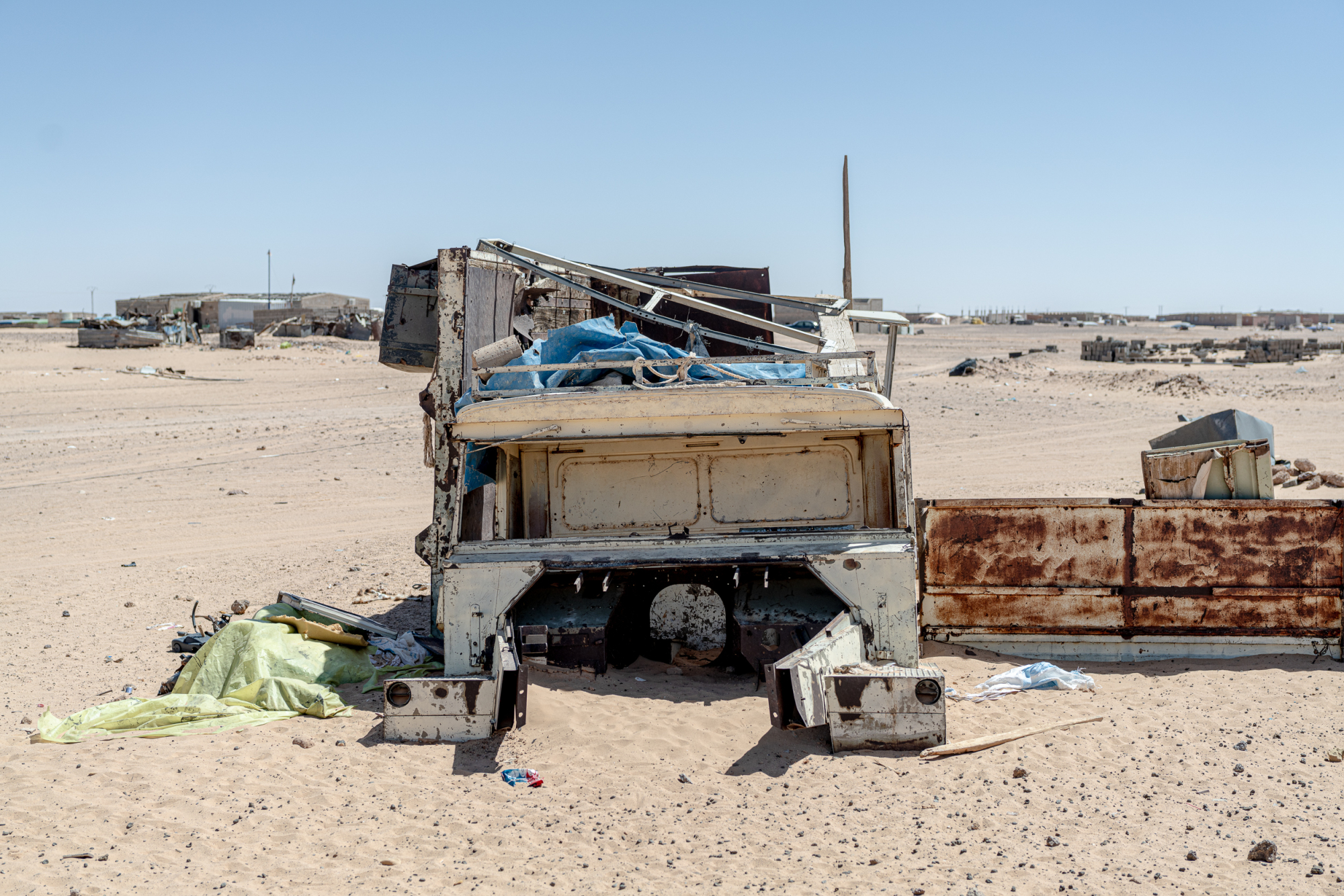
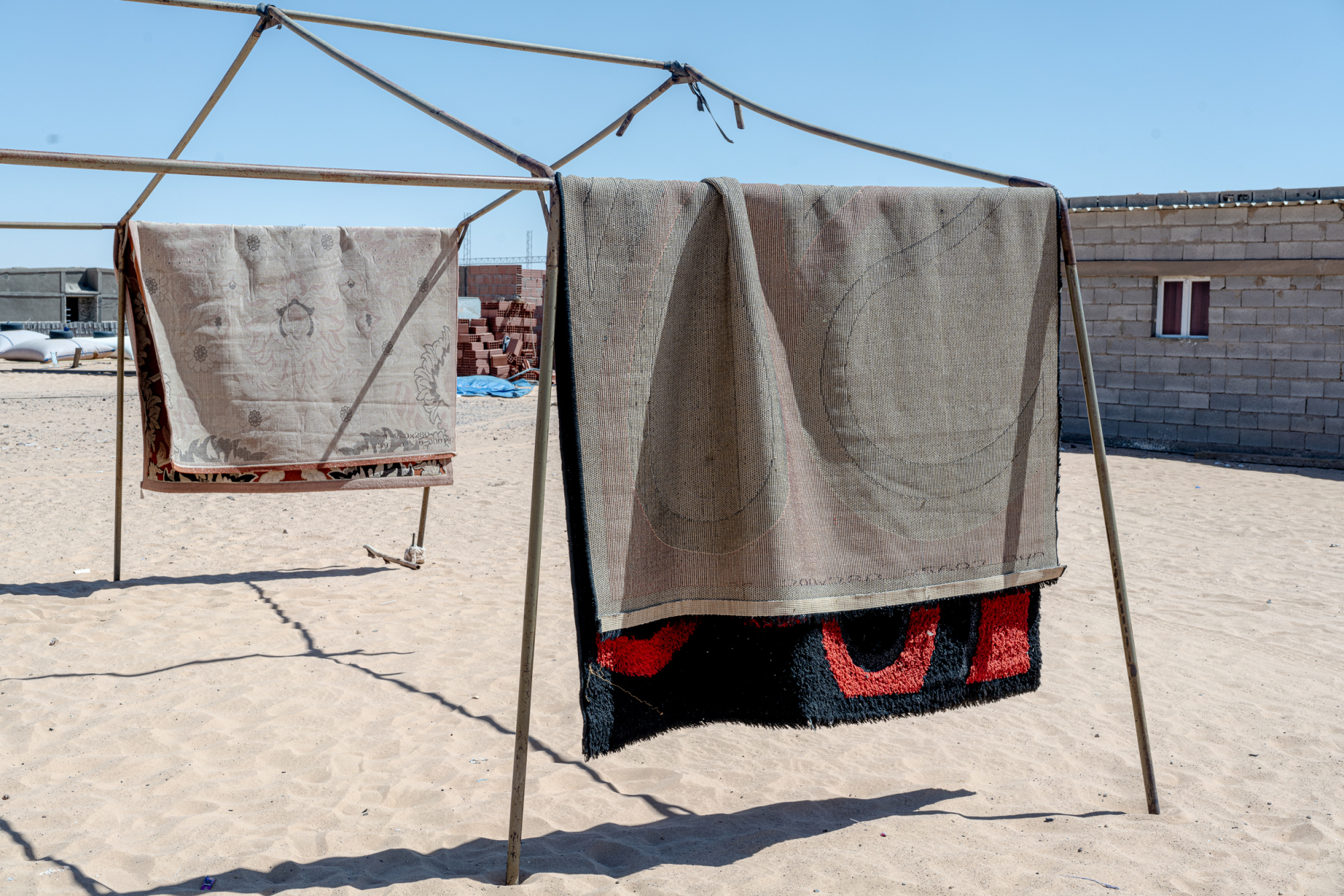
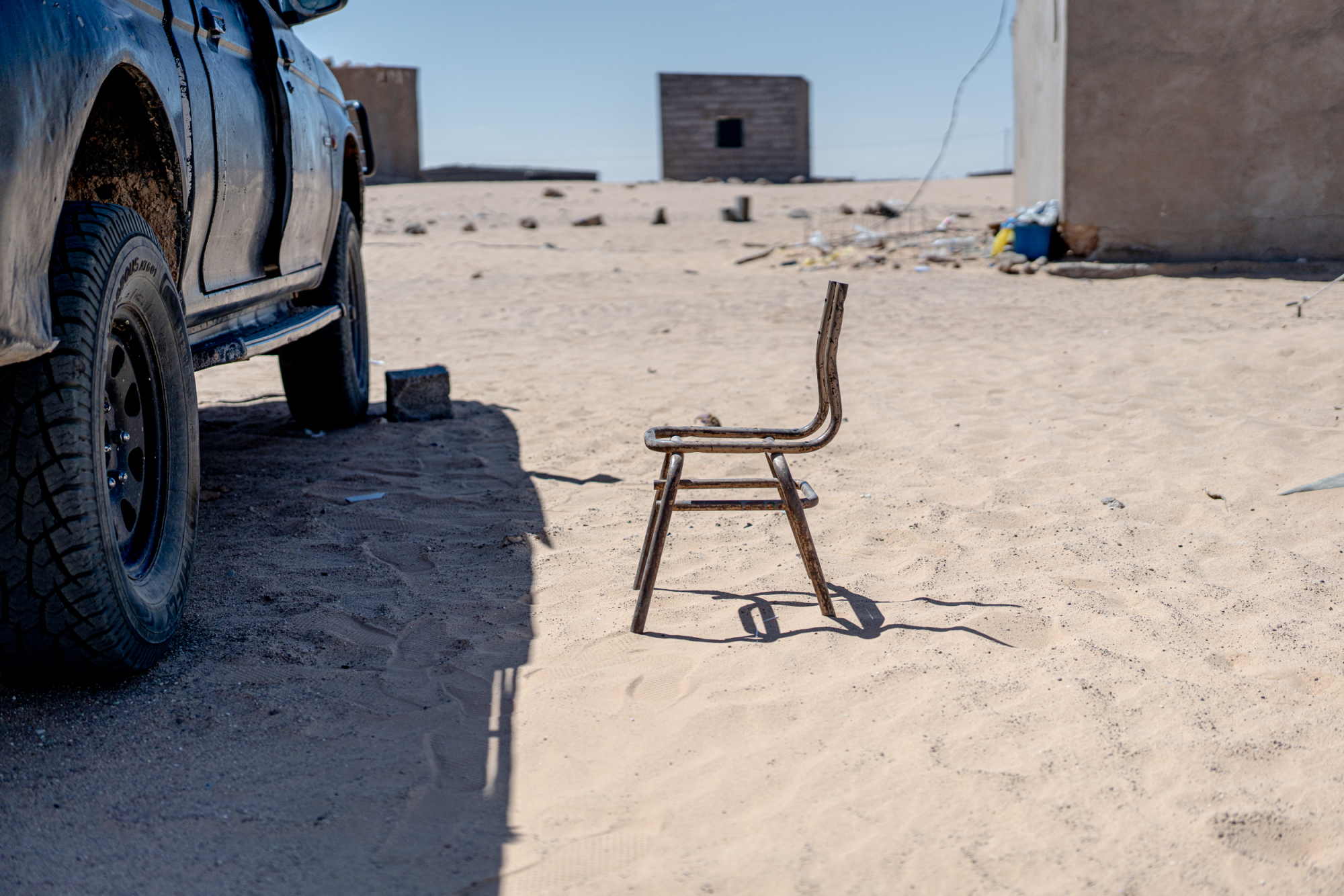
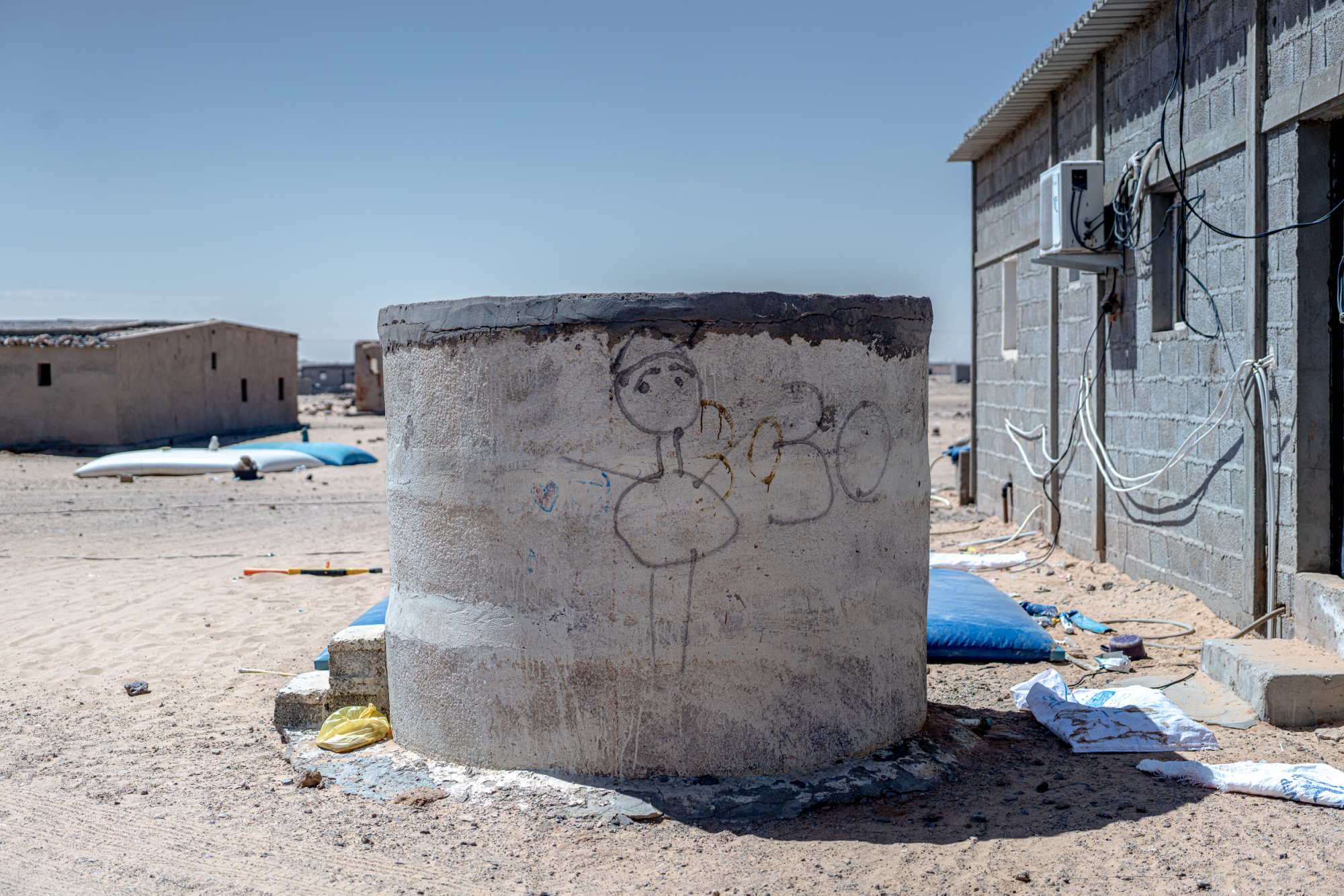
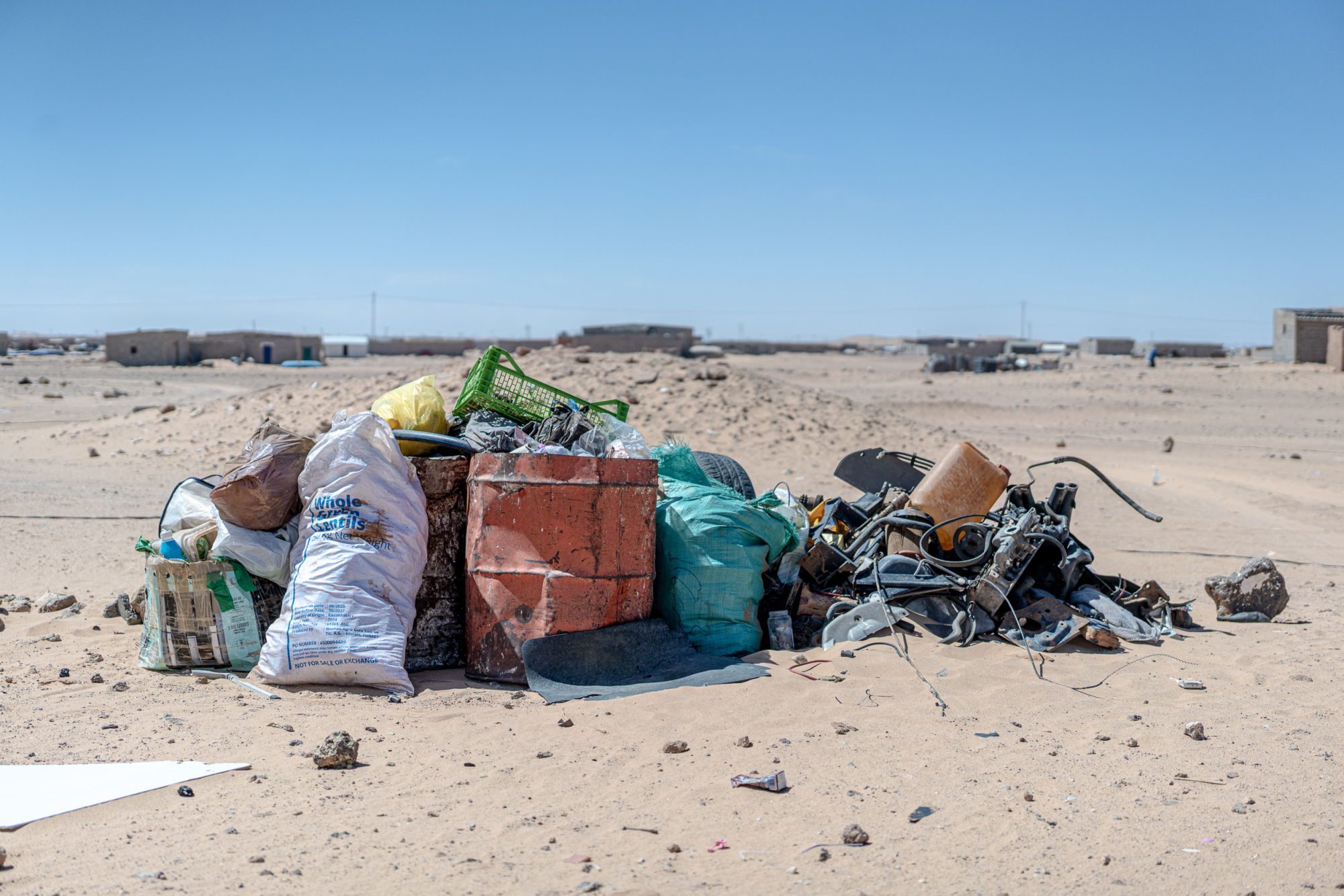
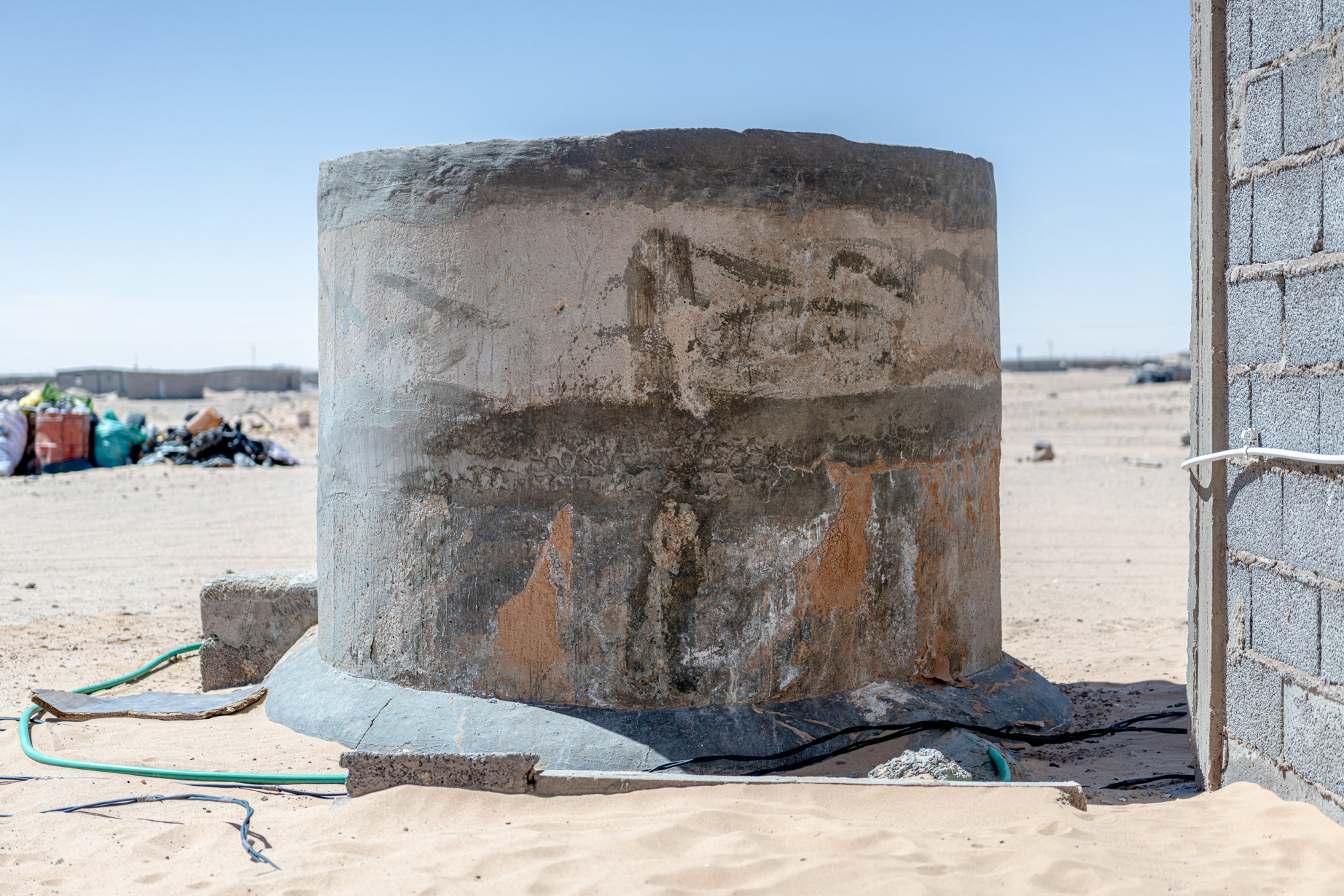
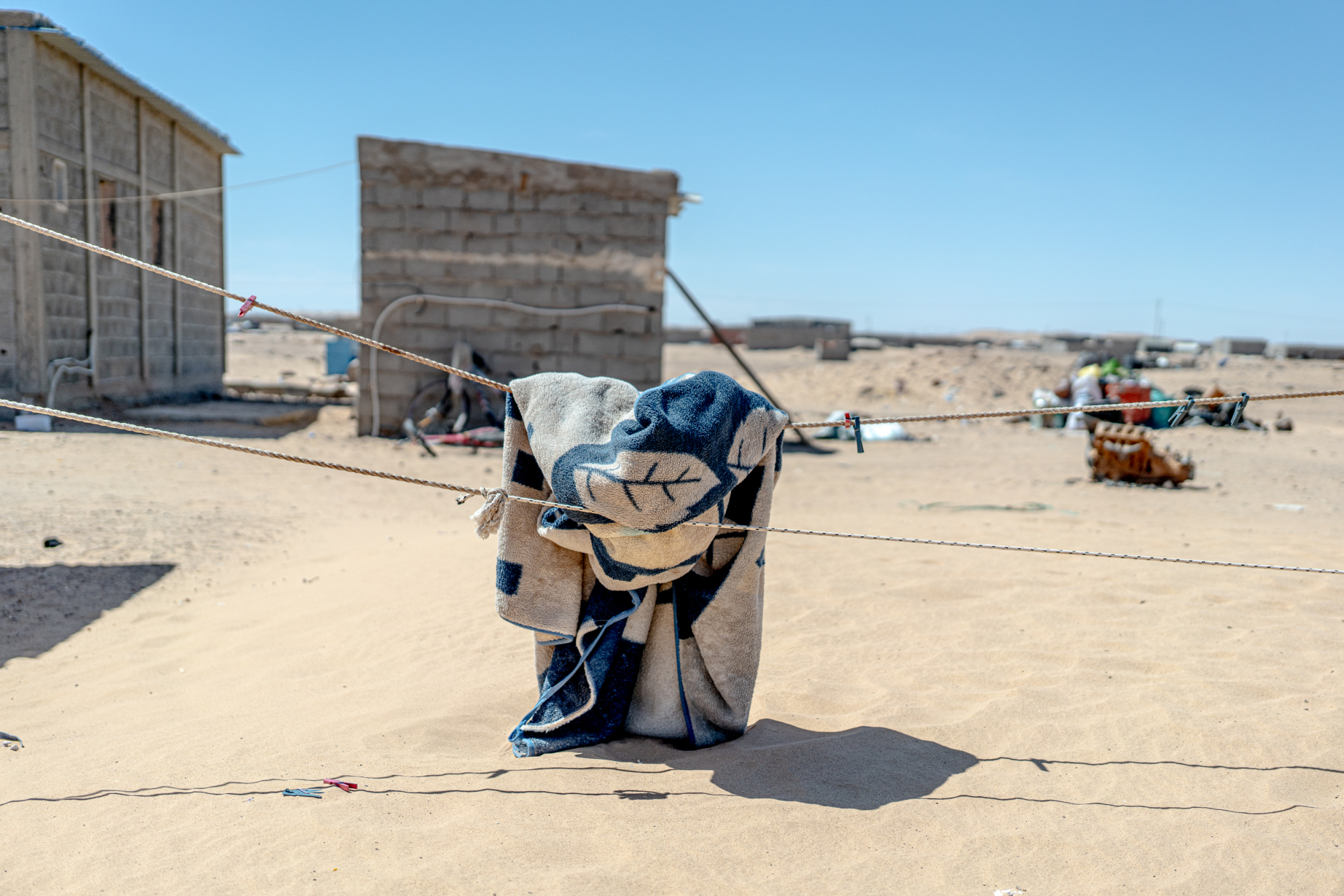
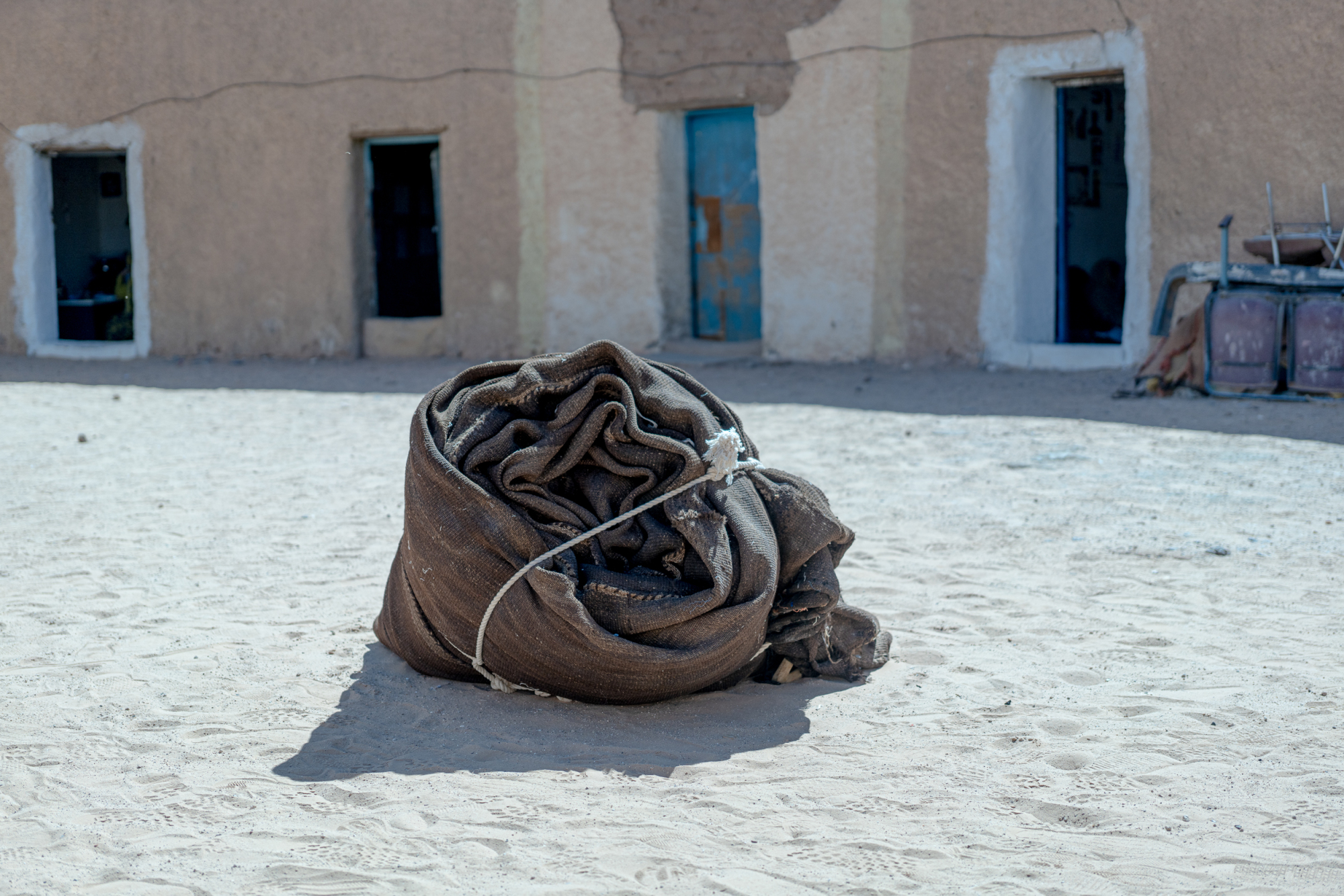
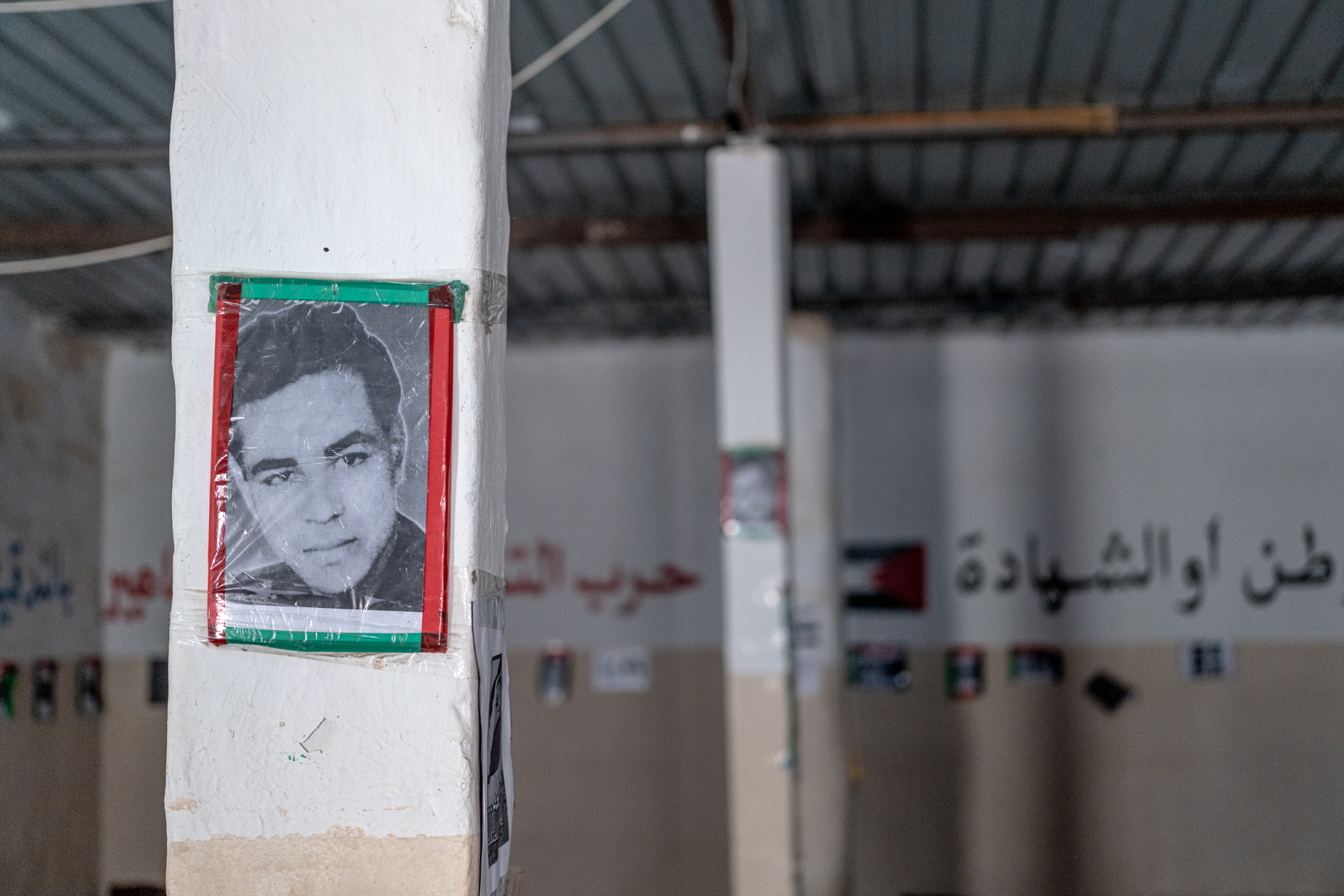
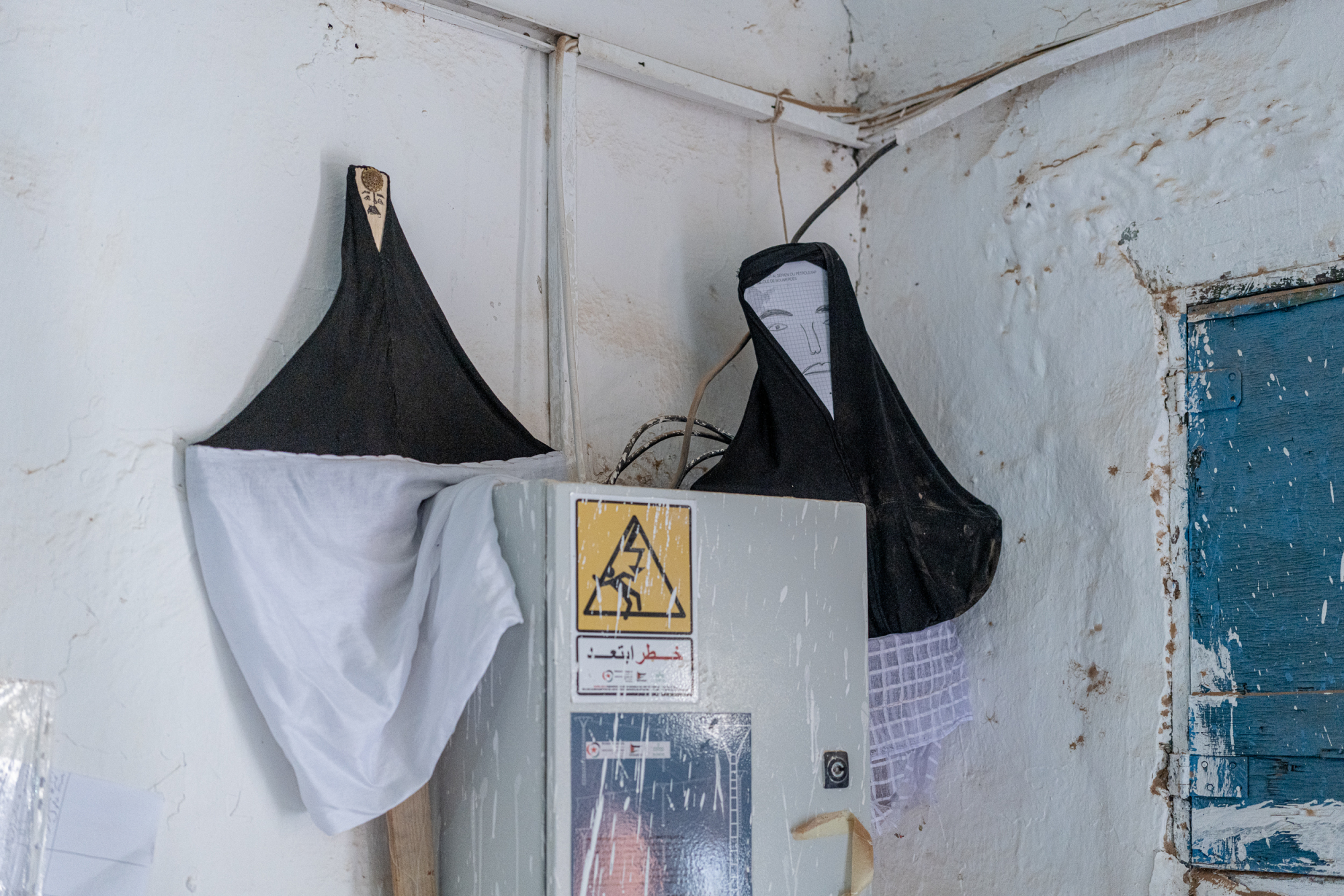
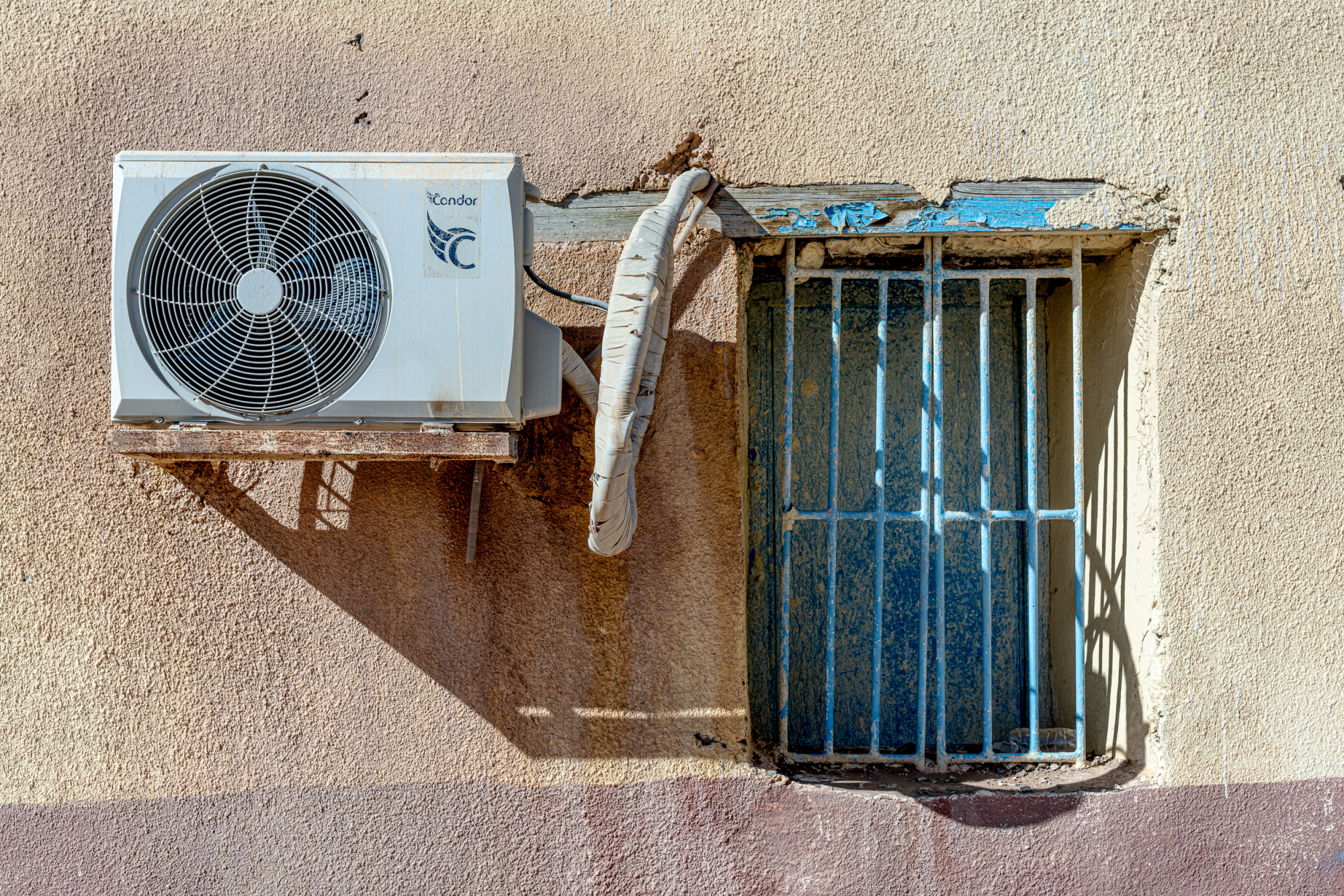
On 27th April 2026 a group of about 100 people flew from Terminal 4 Madrid airport to Commandant Ferradj Airport in Tindouf. The trip was organised by FiSahara, a Spanish based collaboration of creatives, which organise the Western Sahara International Film Festival on an annual basis. Its aims are :
- To empower, entertain and convey media skills to the refugees from the Western Sahara using film as a vehicle for social change.
- To bring entertainment, culture and skill-building to the refugees through an annual film festival that combines film screenings, cultural activities, media workshops and high-profile visits from international filmmakers.
- To provide young refugees with year-round media training at the audiovisual school so that they can tell their own stories, address critical issues and empower their communities through media and film.
- To help the refugee community bring international attention to their long-term suffering and plight by engaging and informing the film community and the international media.
From Tindouf, in the early hours of the morning, a convoy of vehicles transferred us to Ausserd, the camp where the Festival and the screenings occur..
For 7 days we were guests of the citizens of Ausserd as the Film Festival unfolded. This link provides full details of the films screened.
Images : Day 3
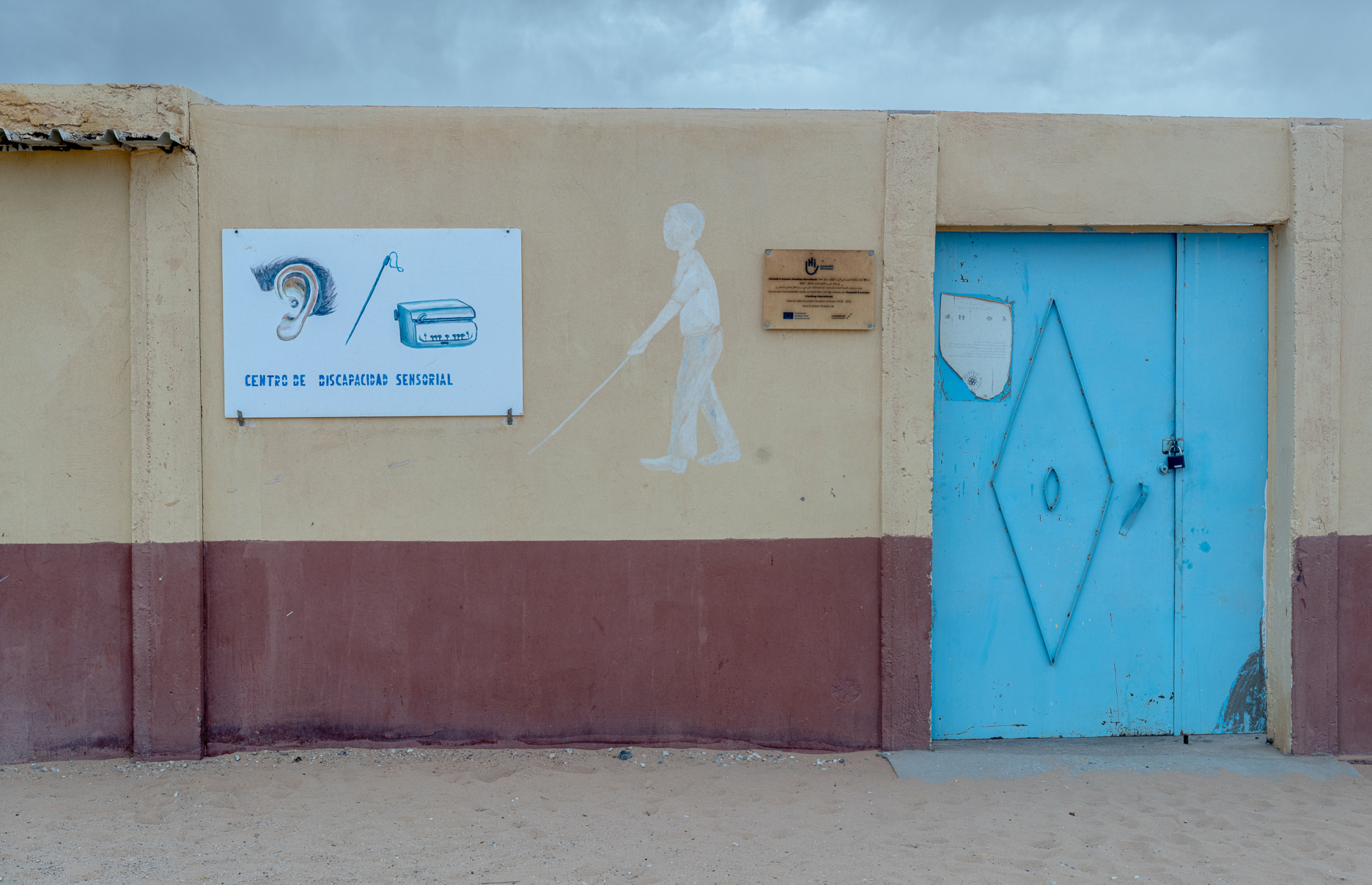
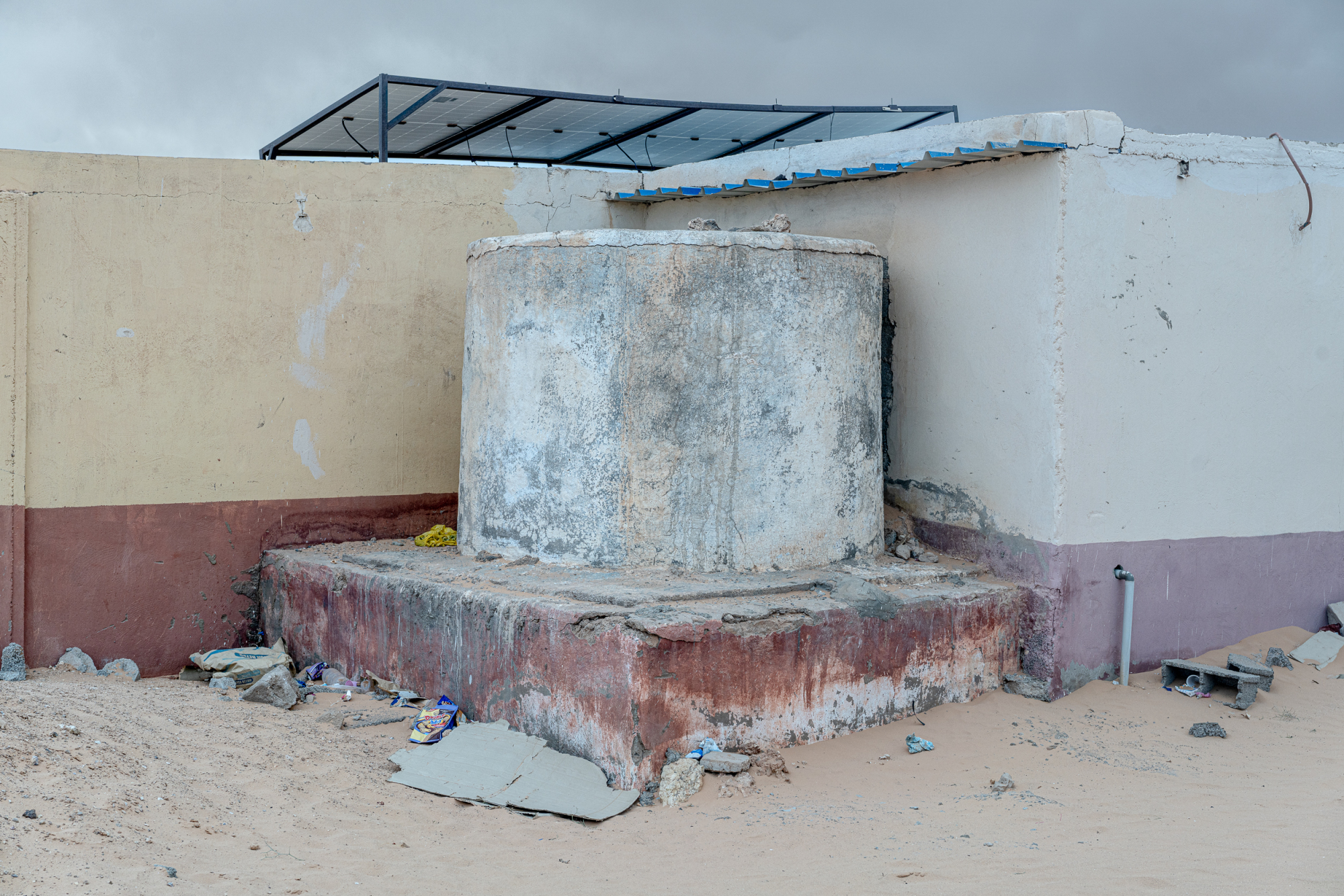
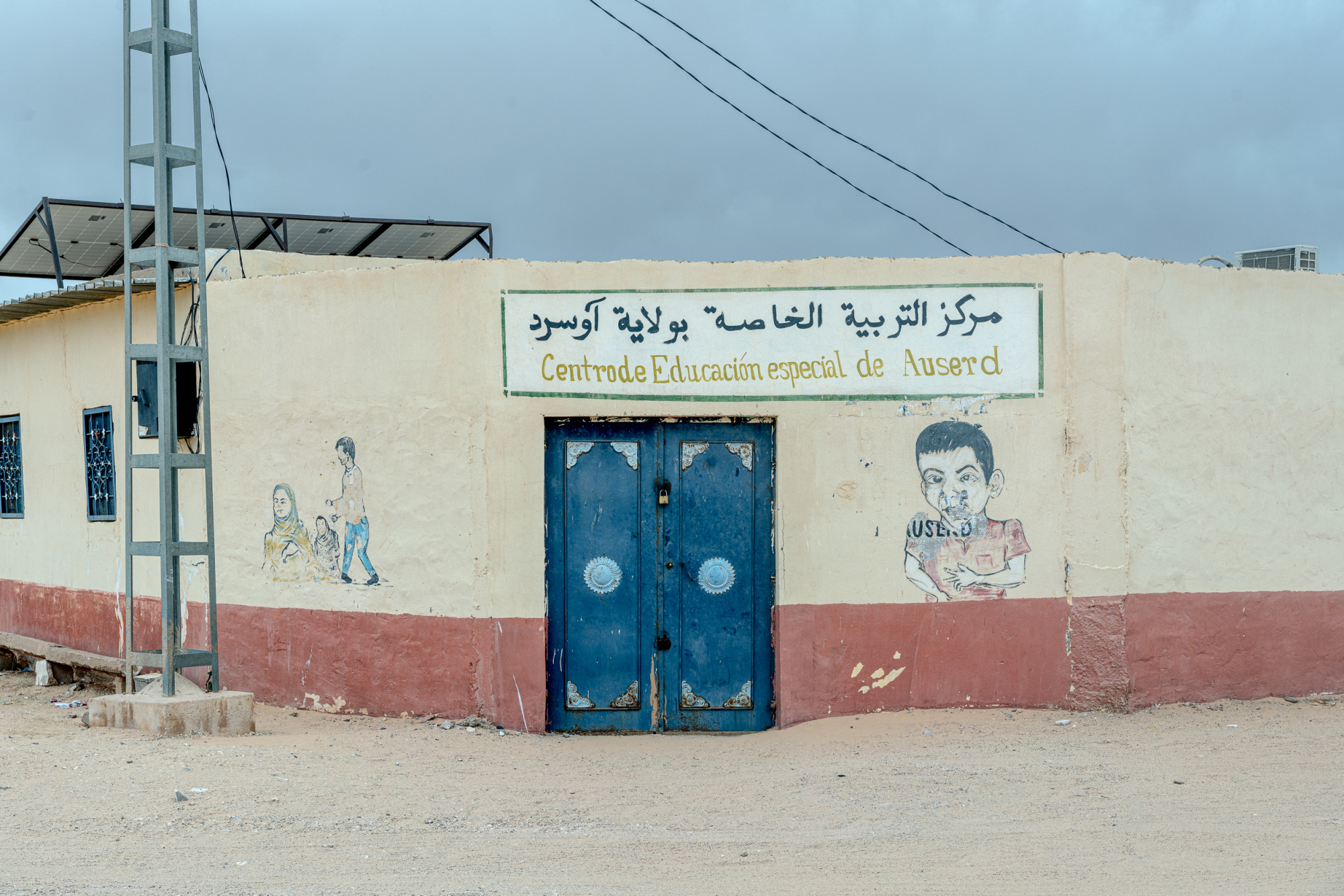
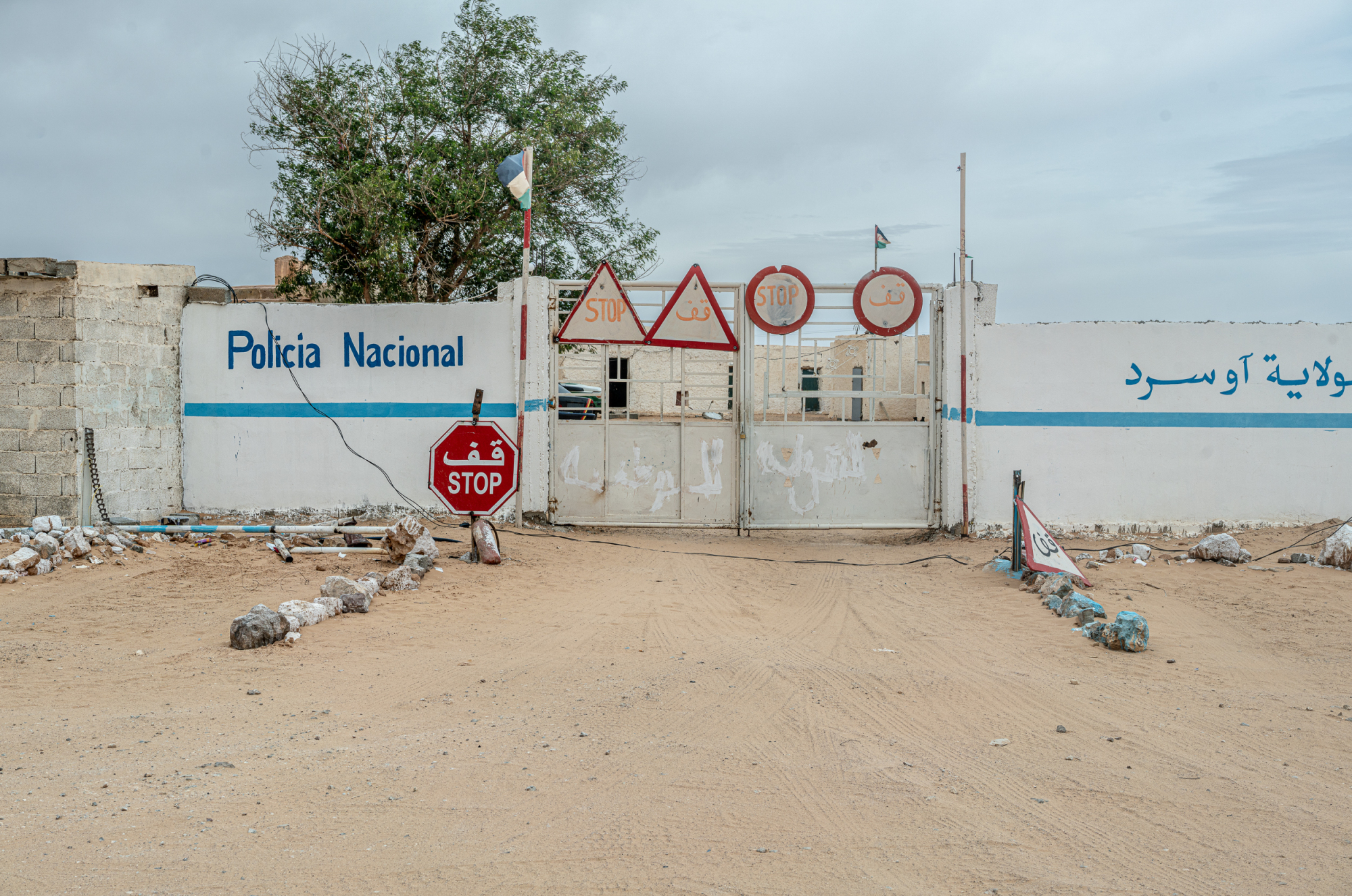
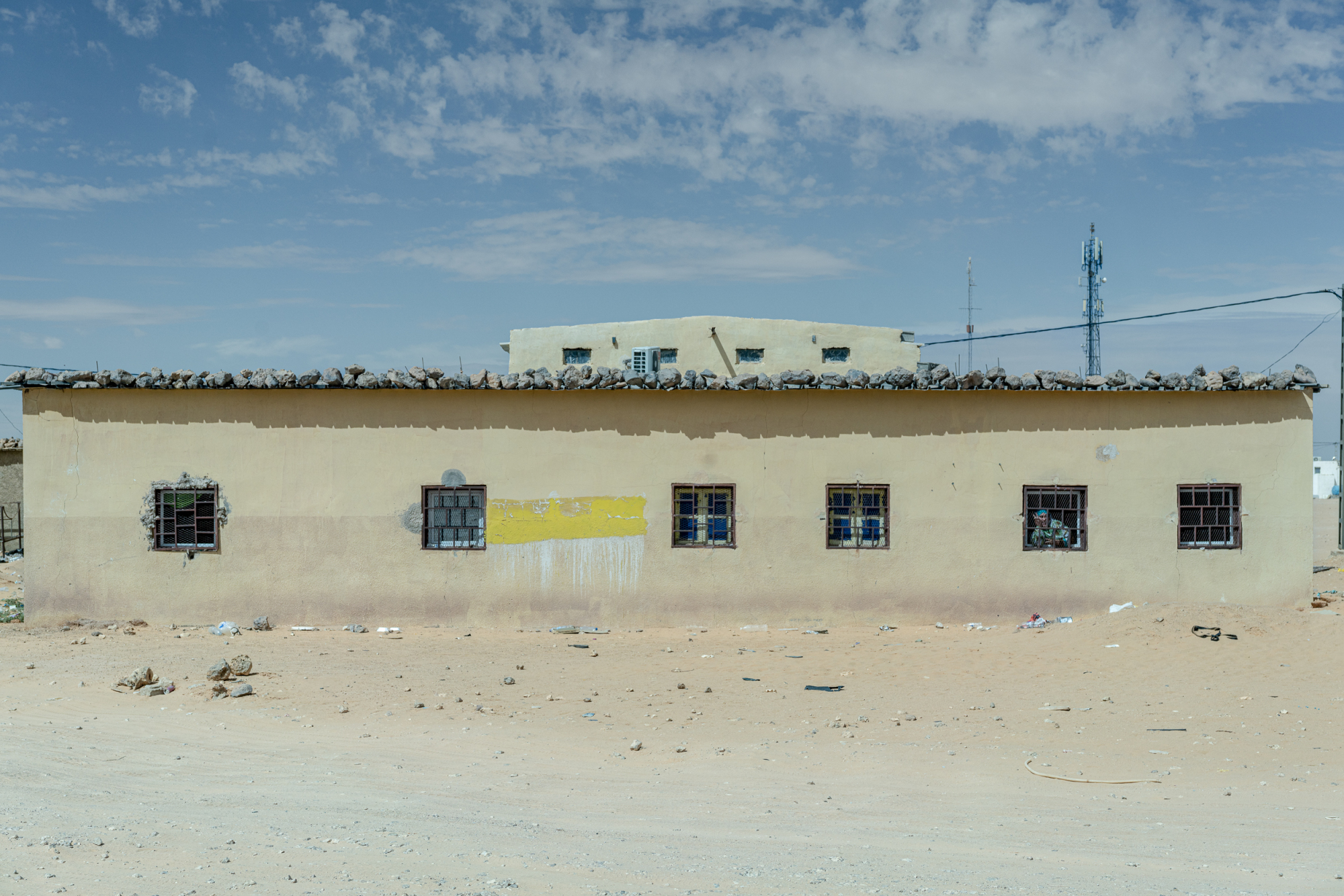
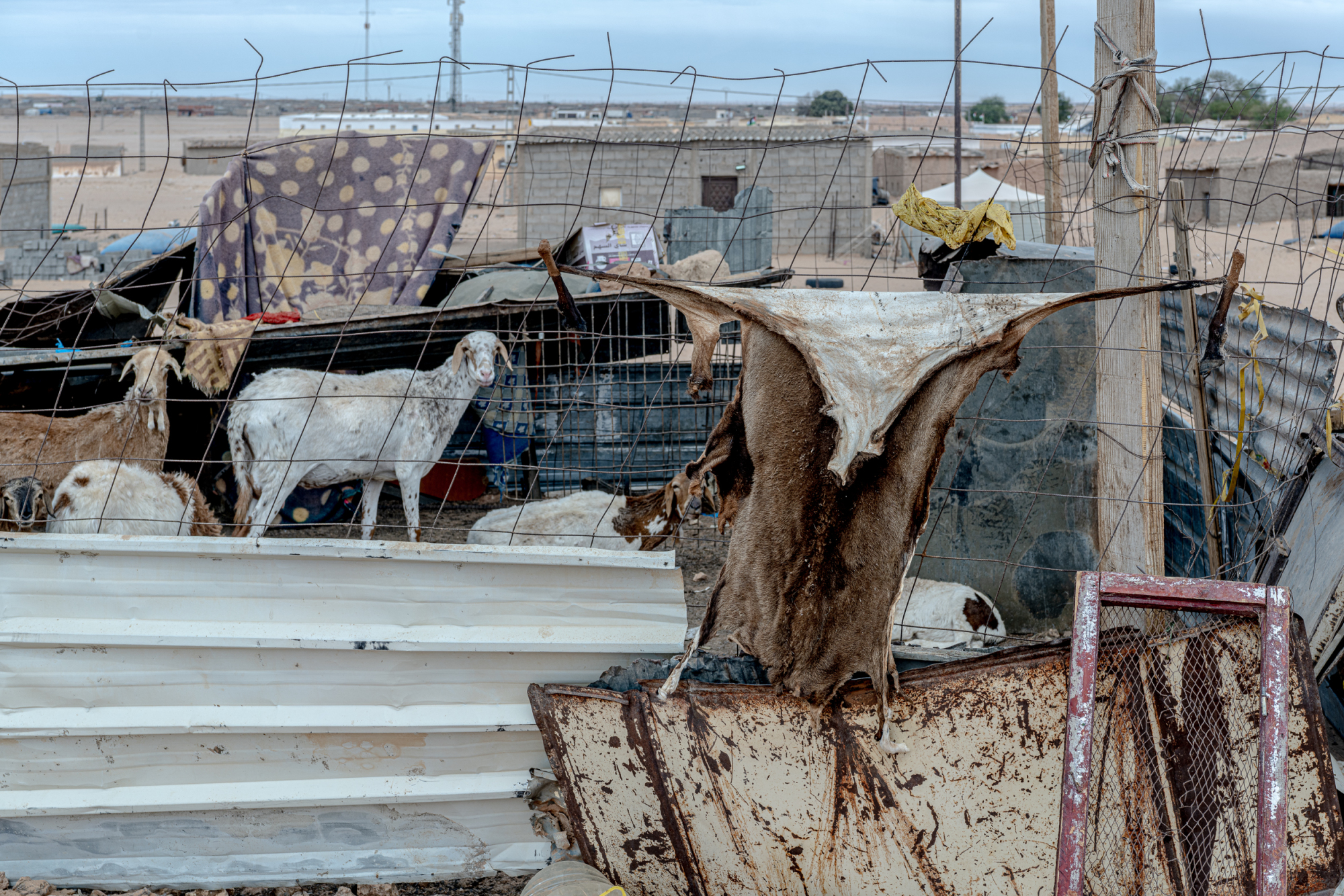
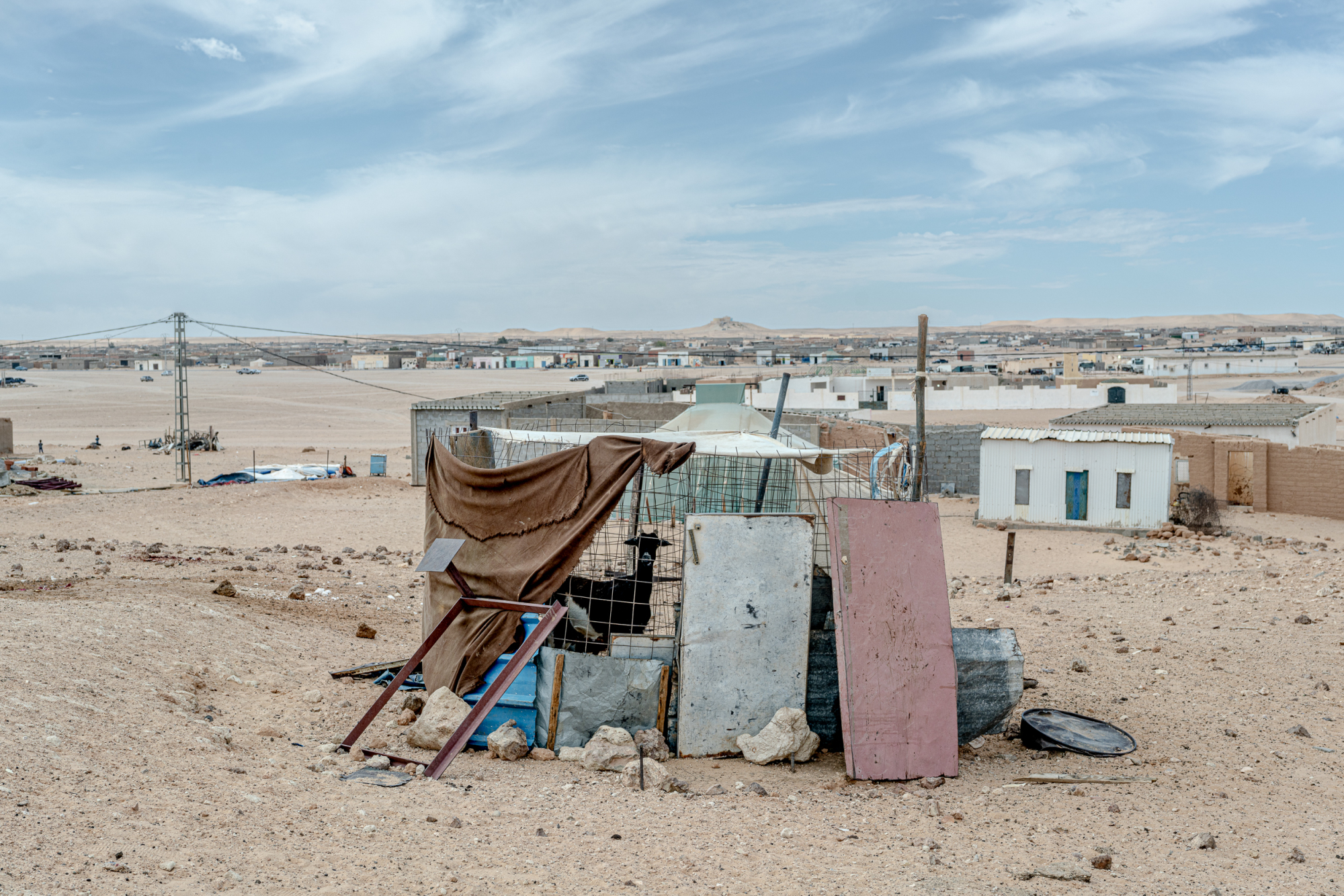
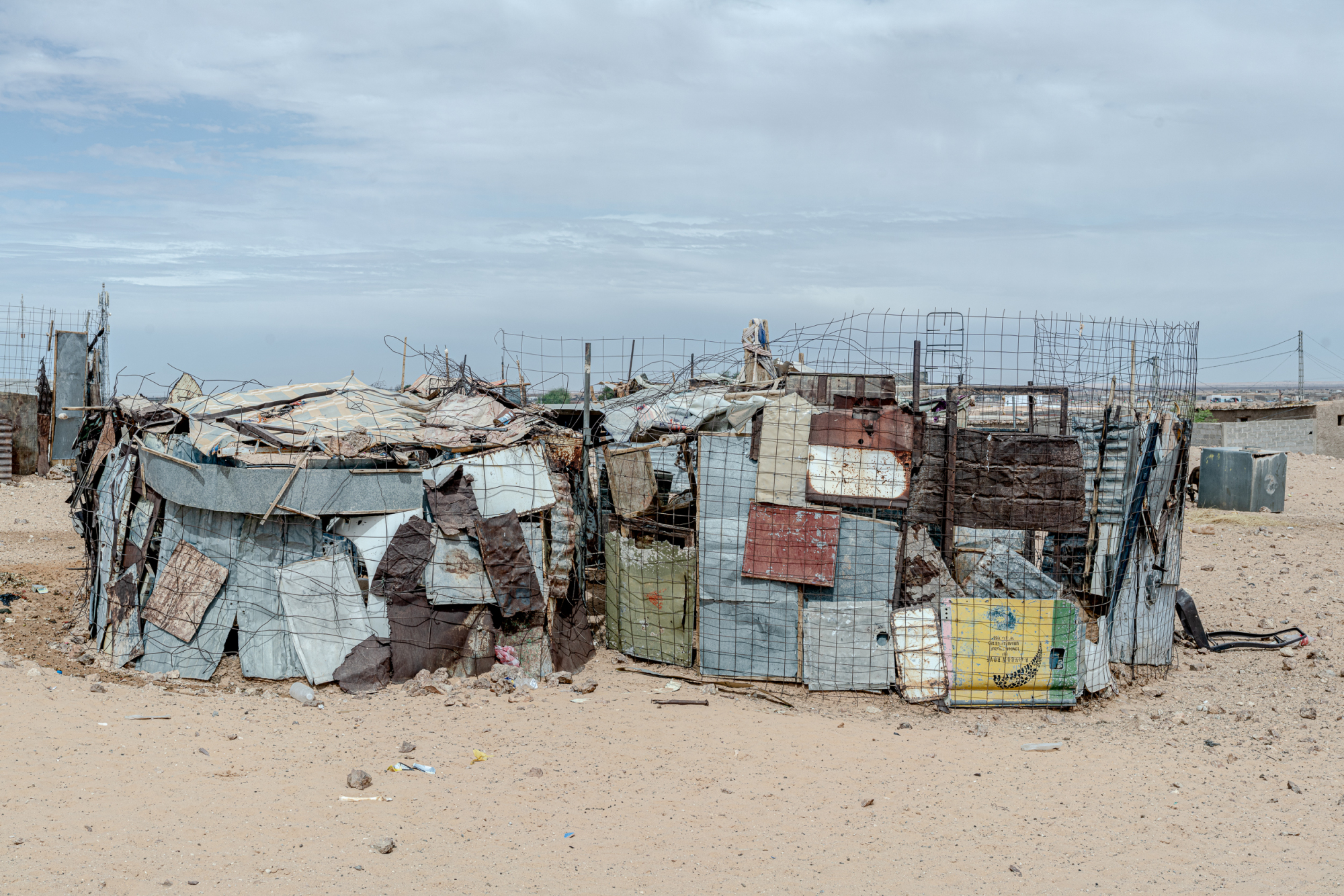
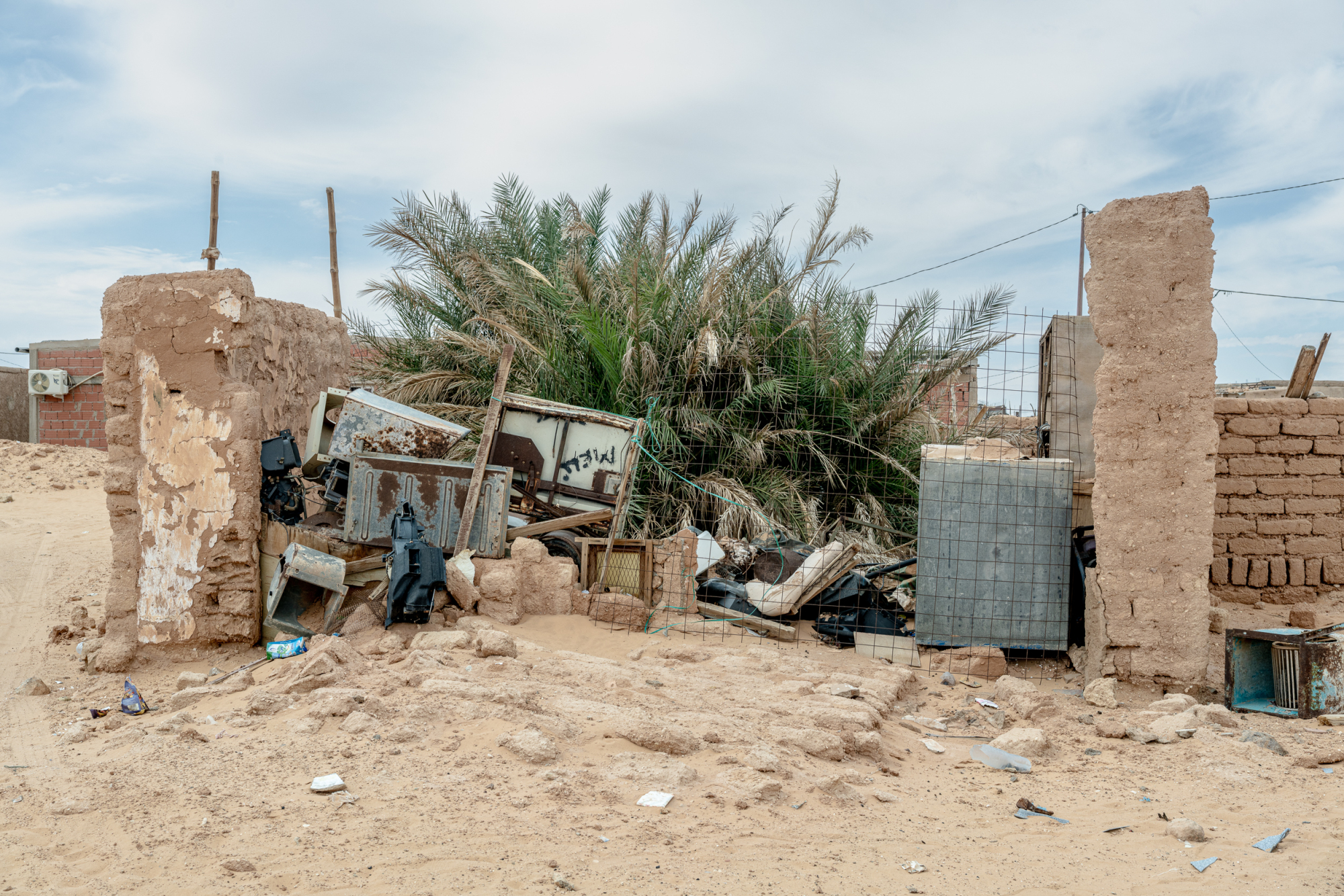
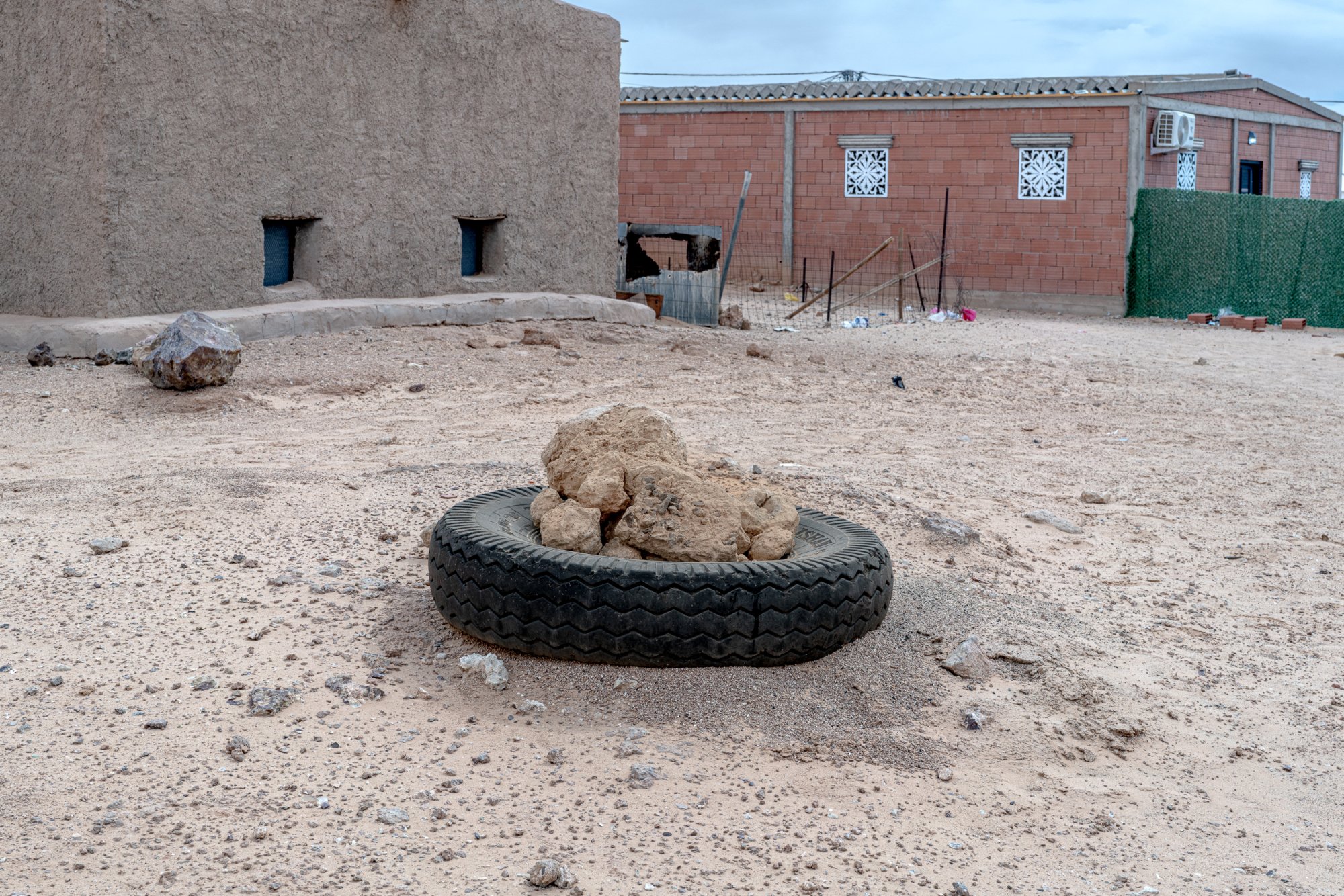
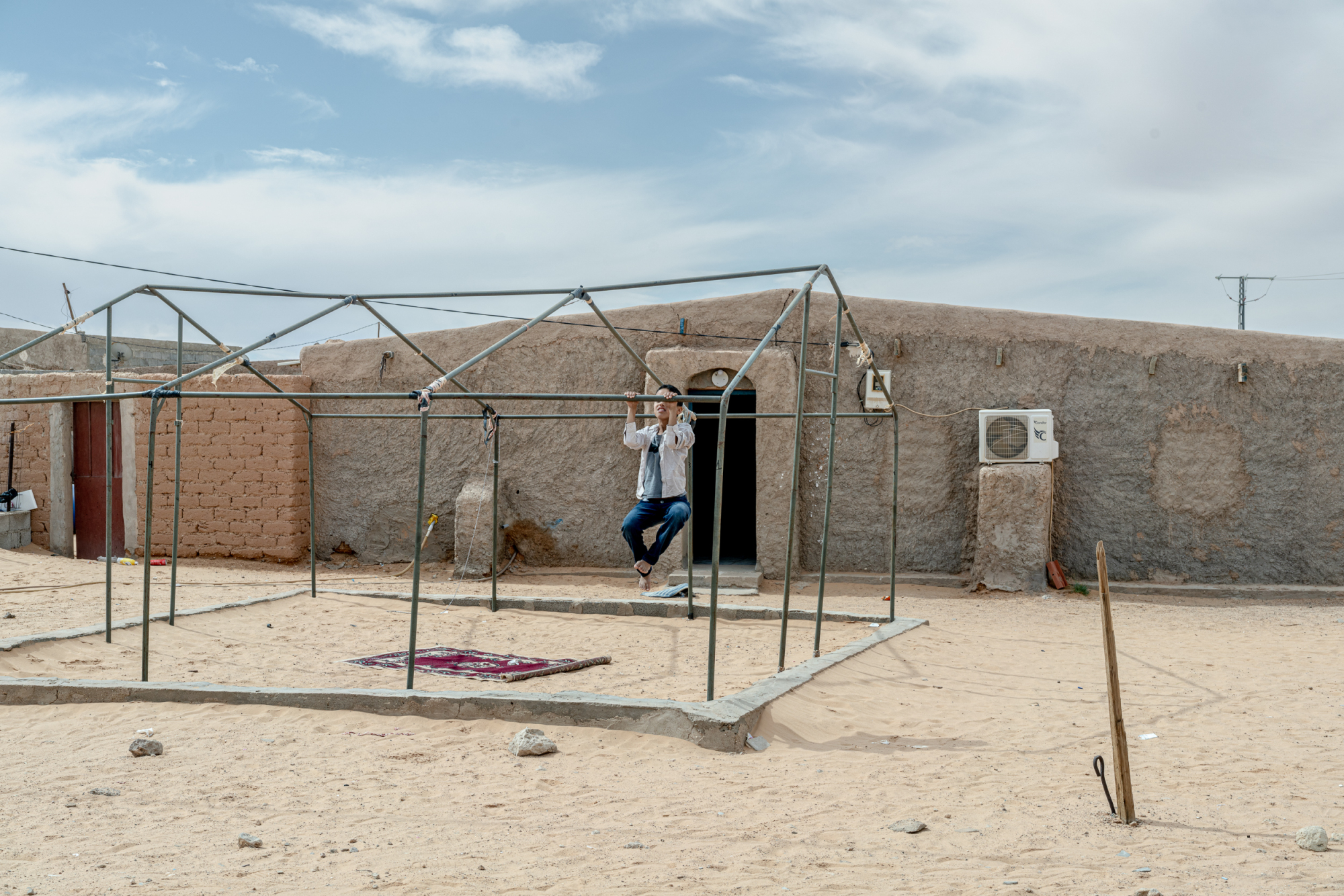
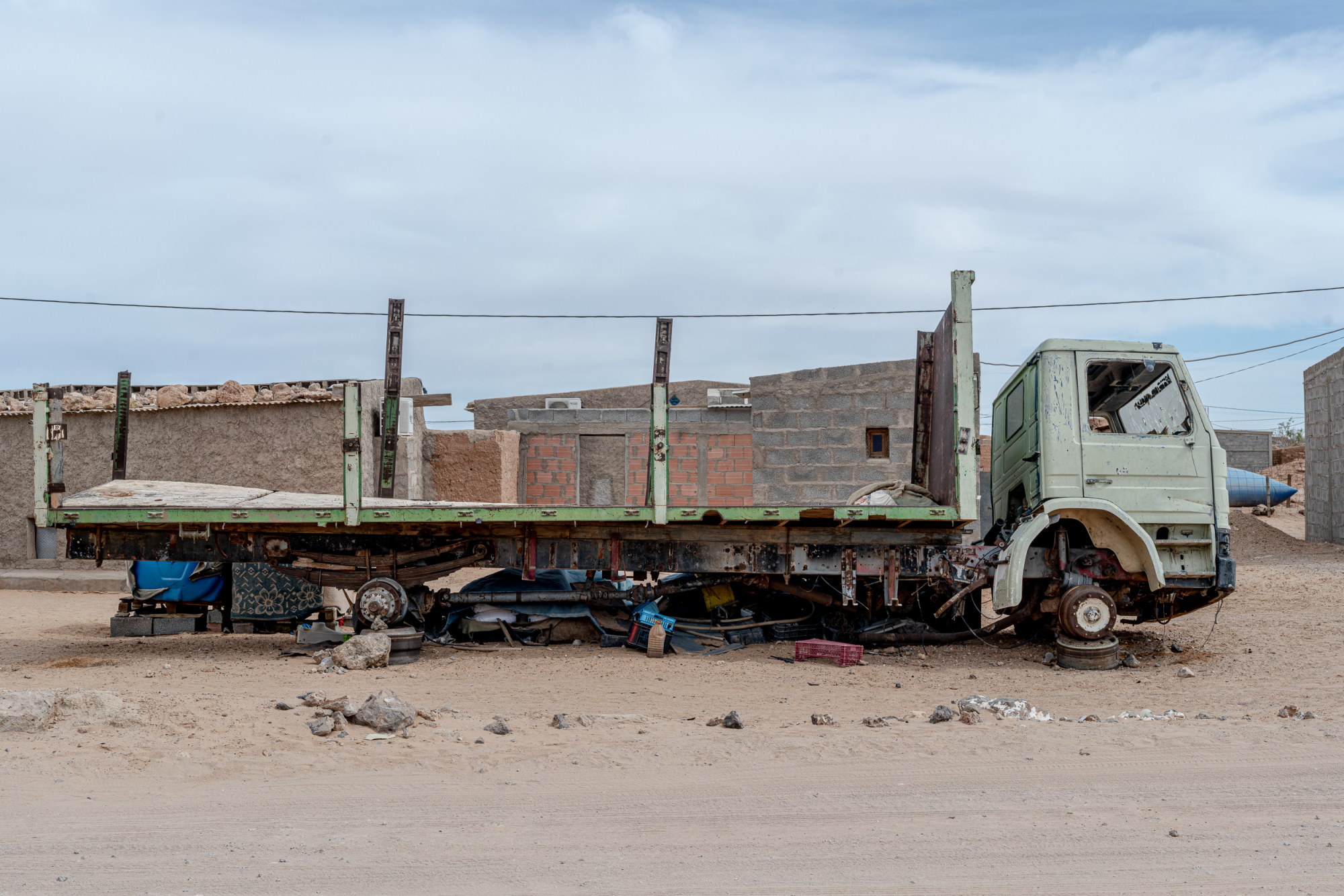
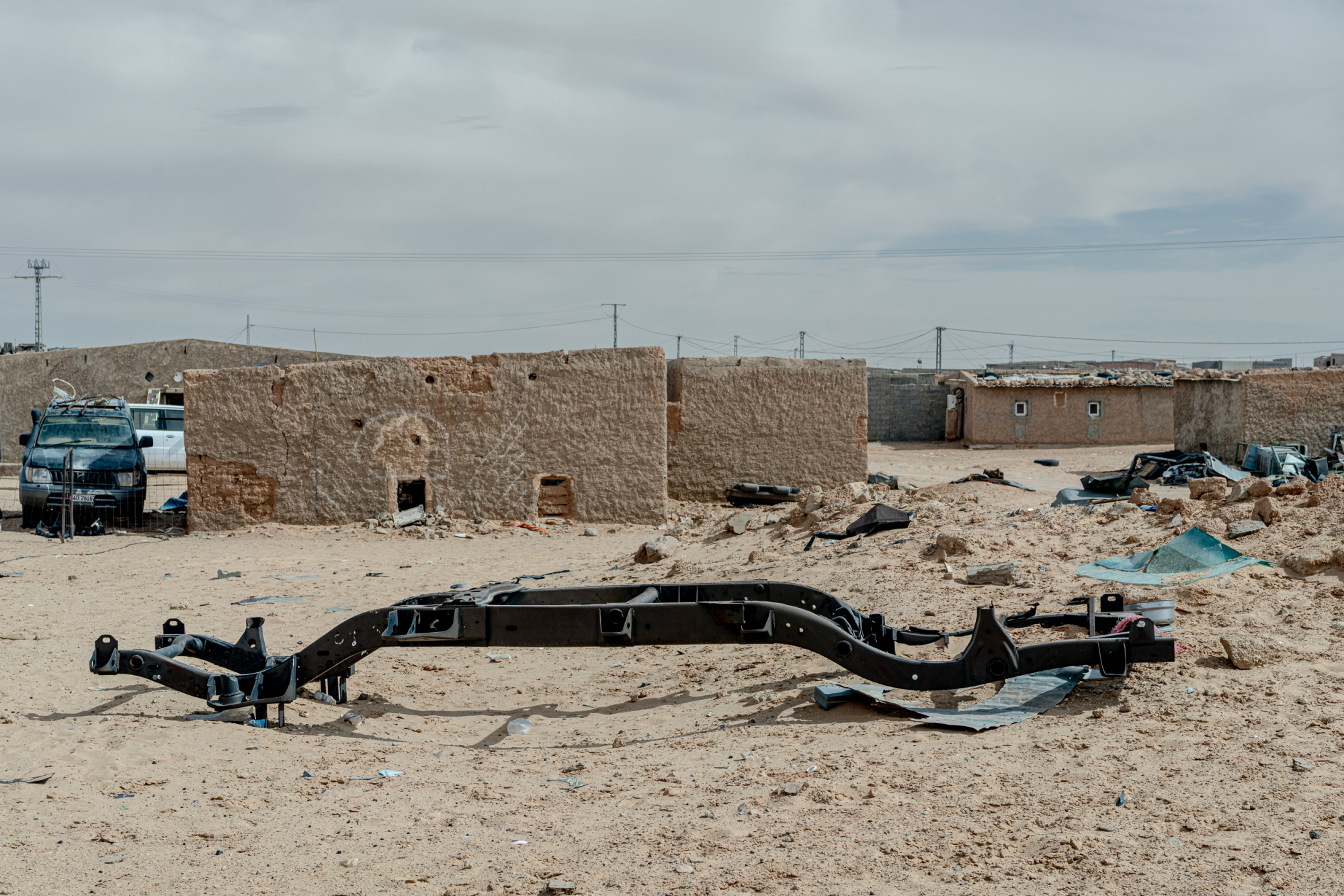
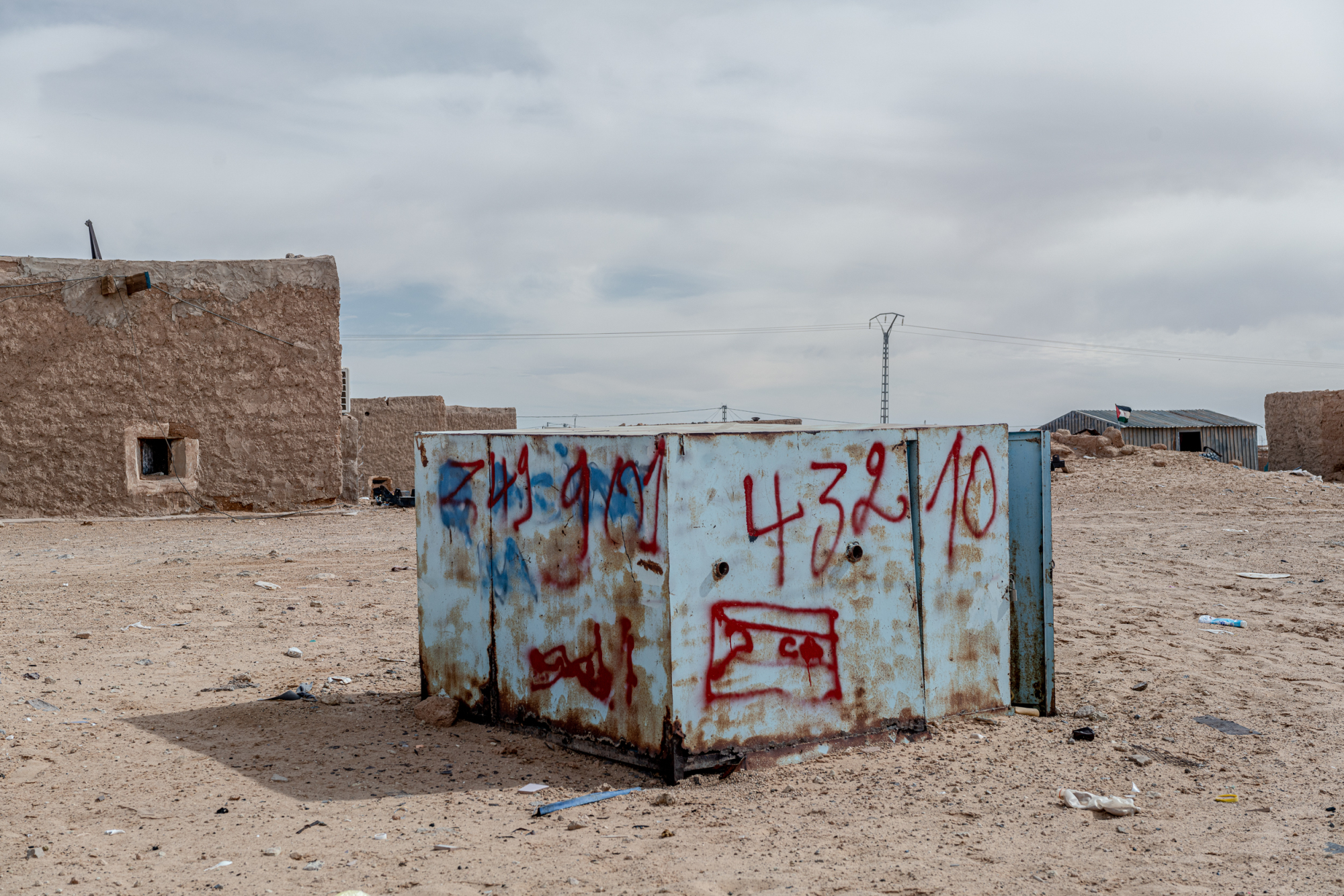
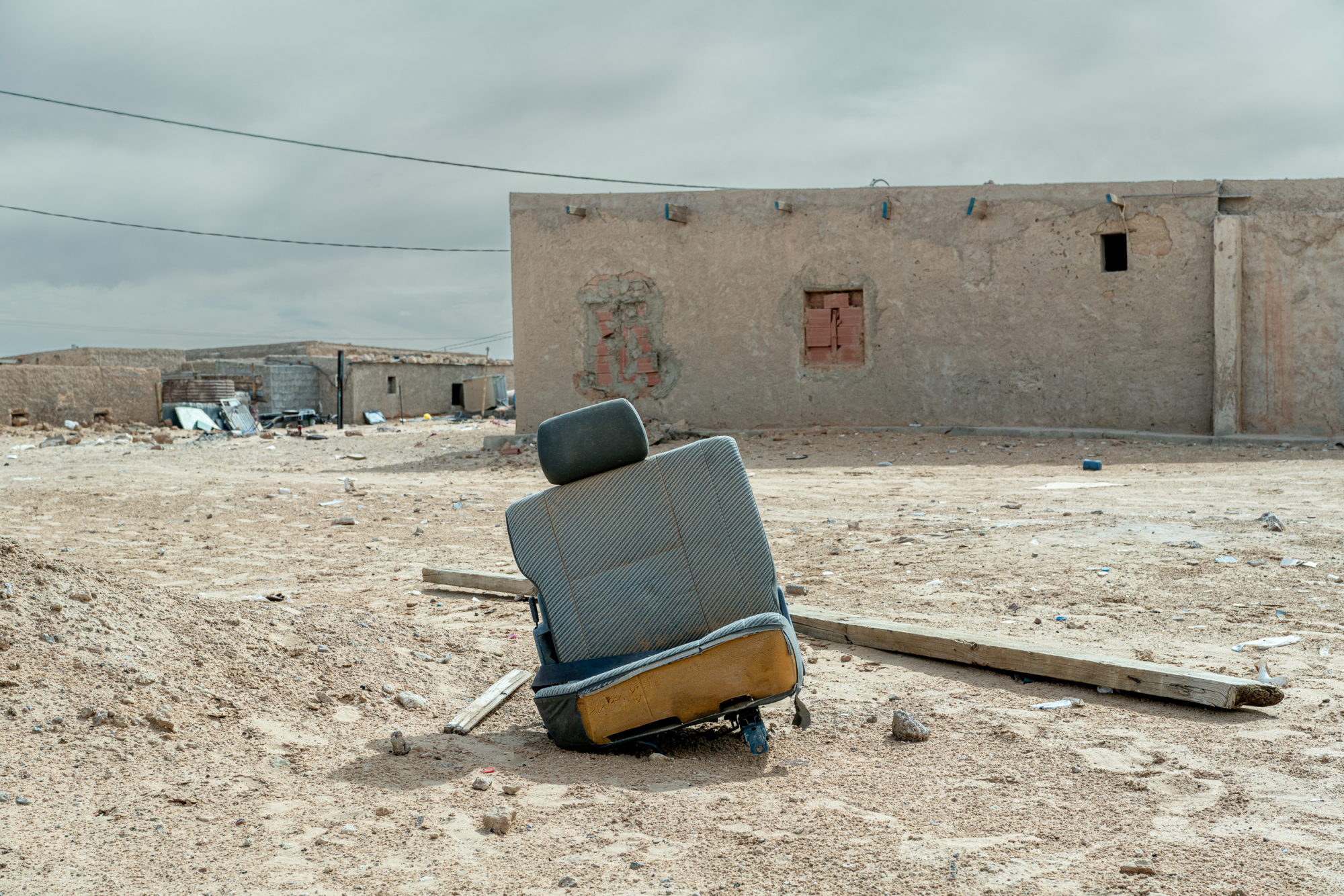
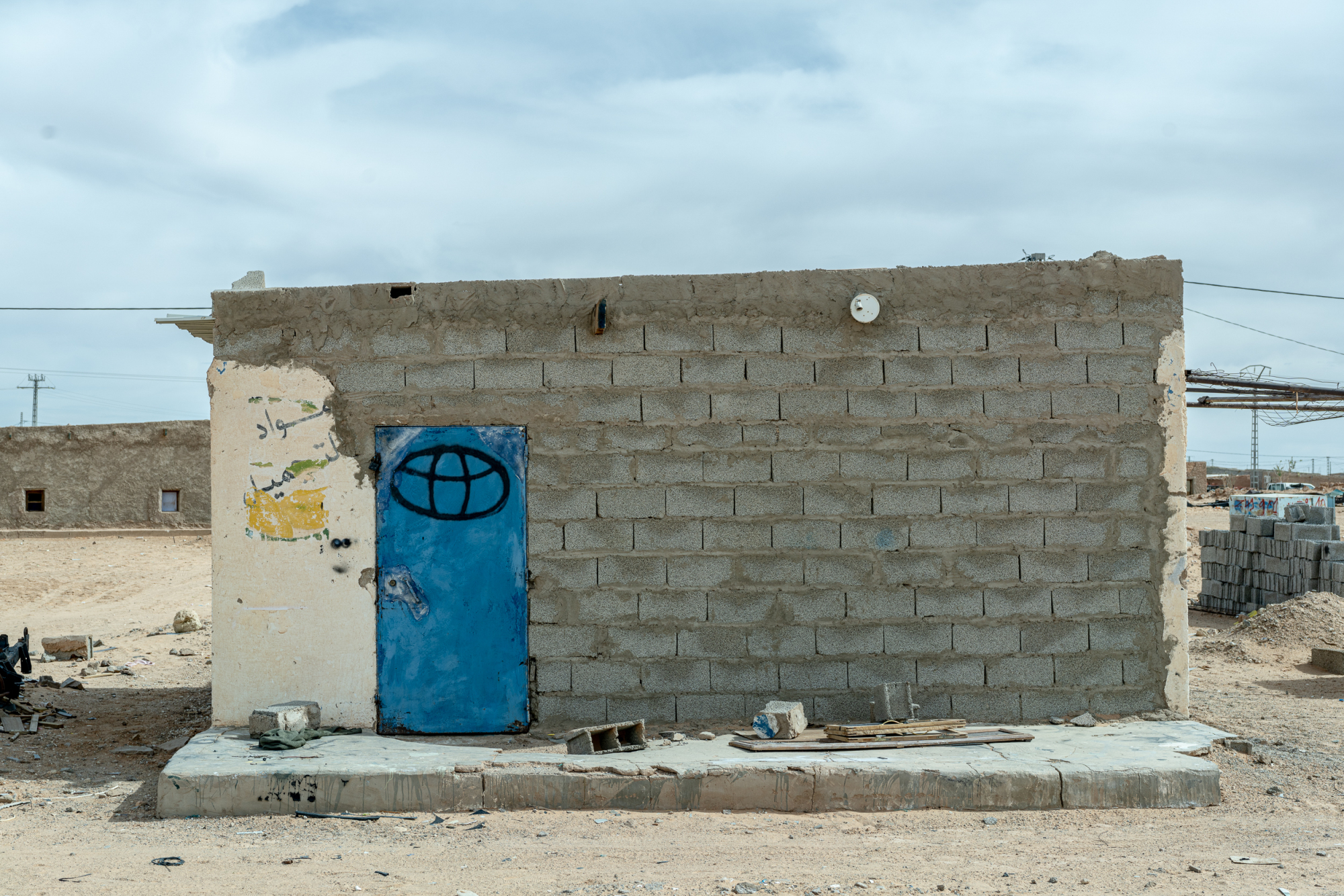
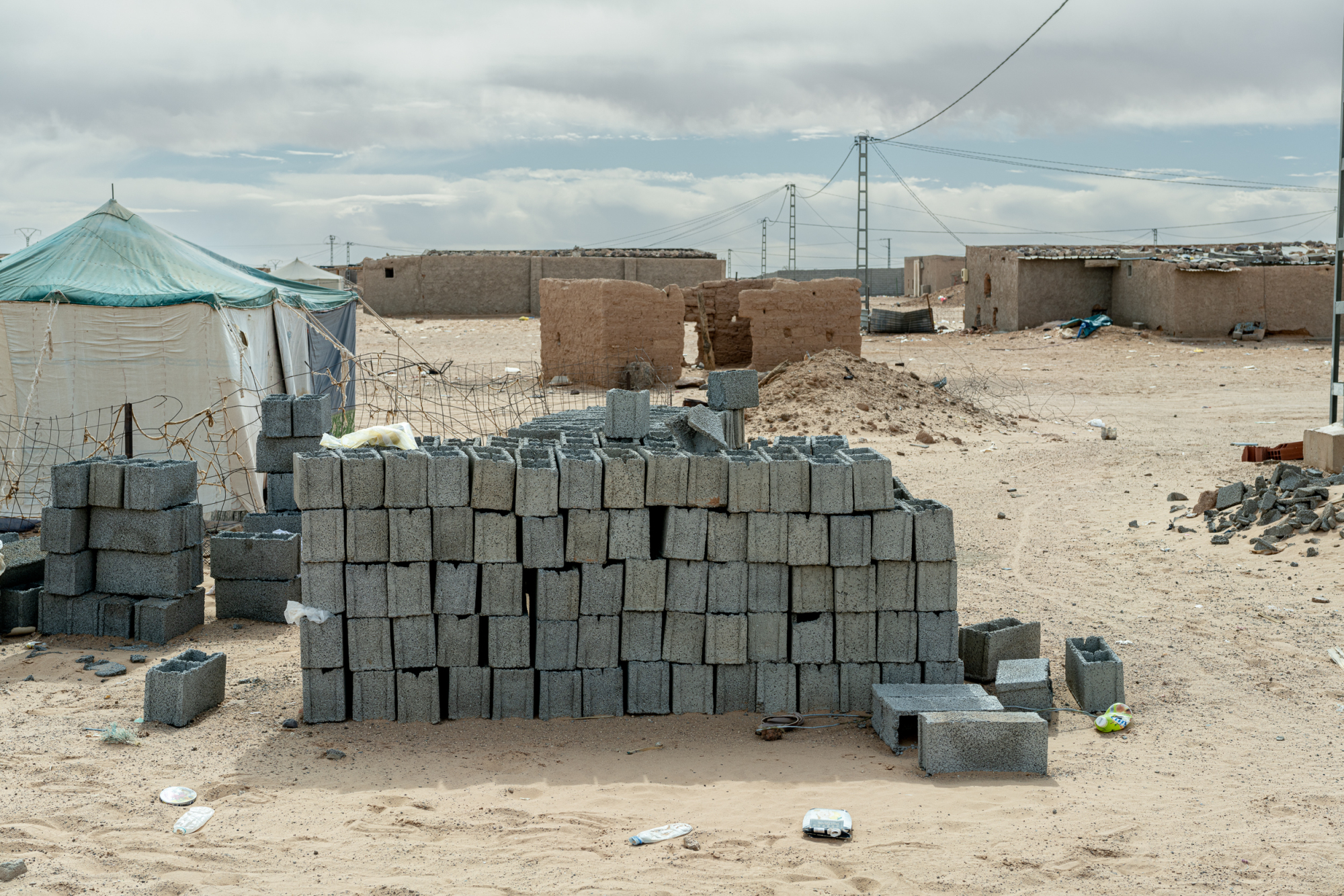
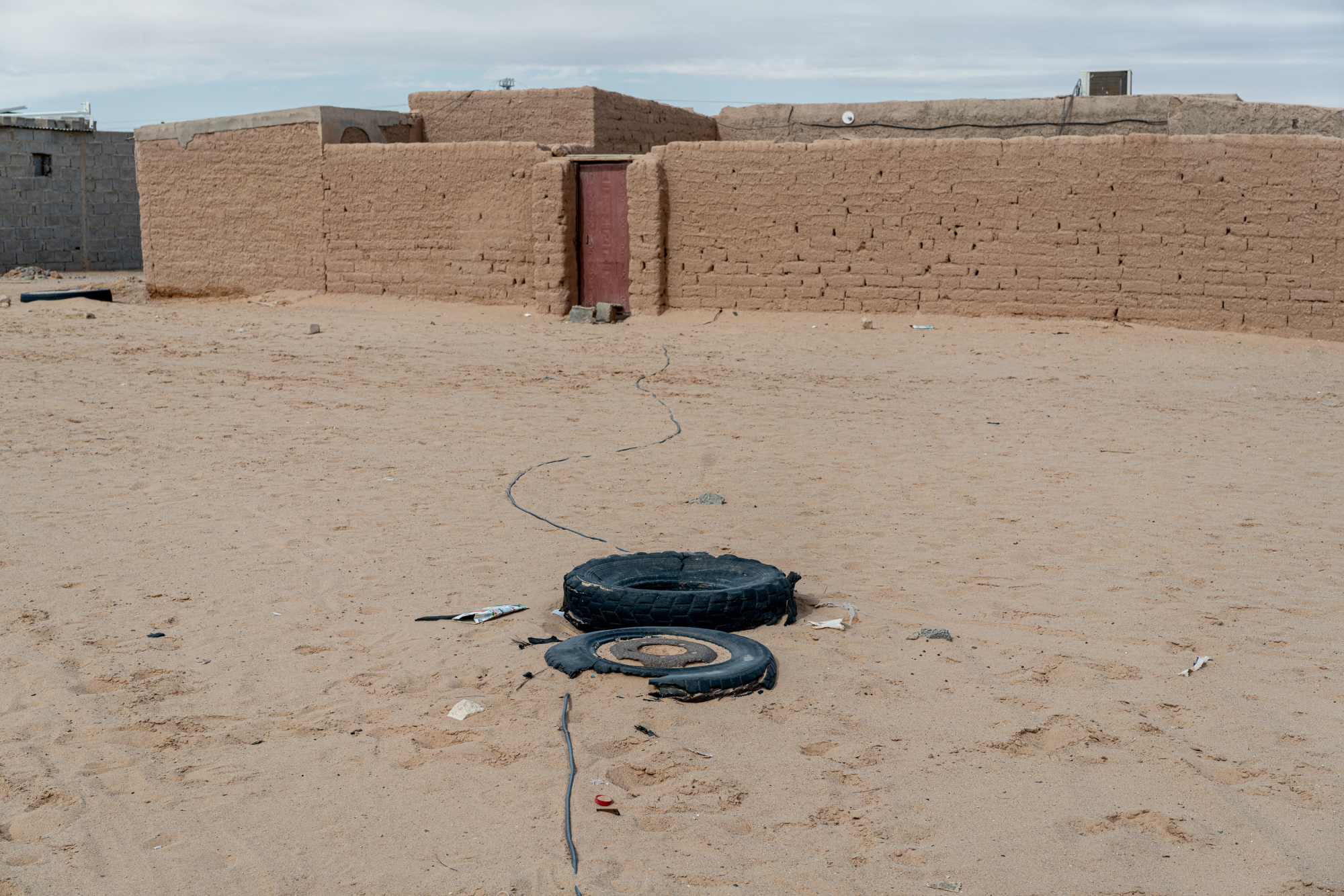
Images
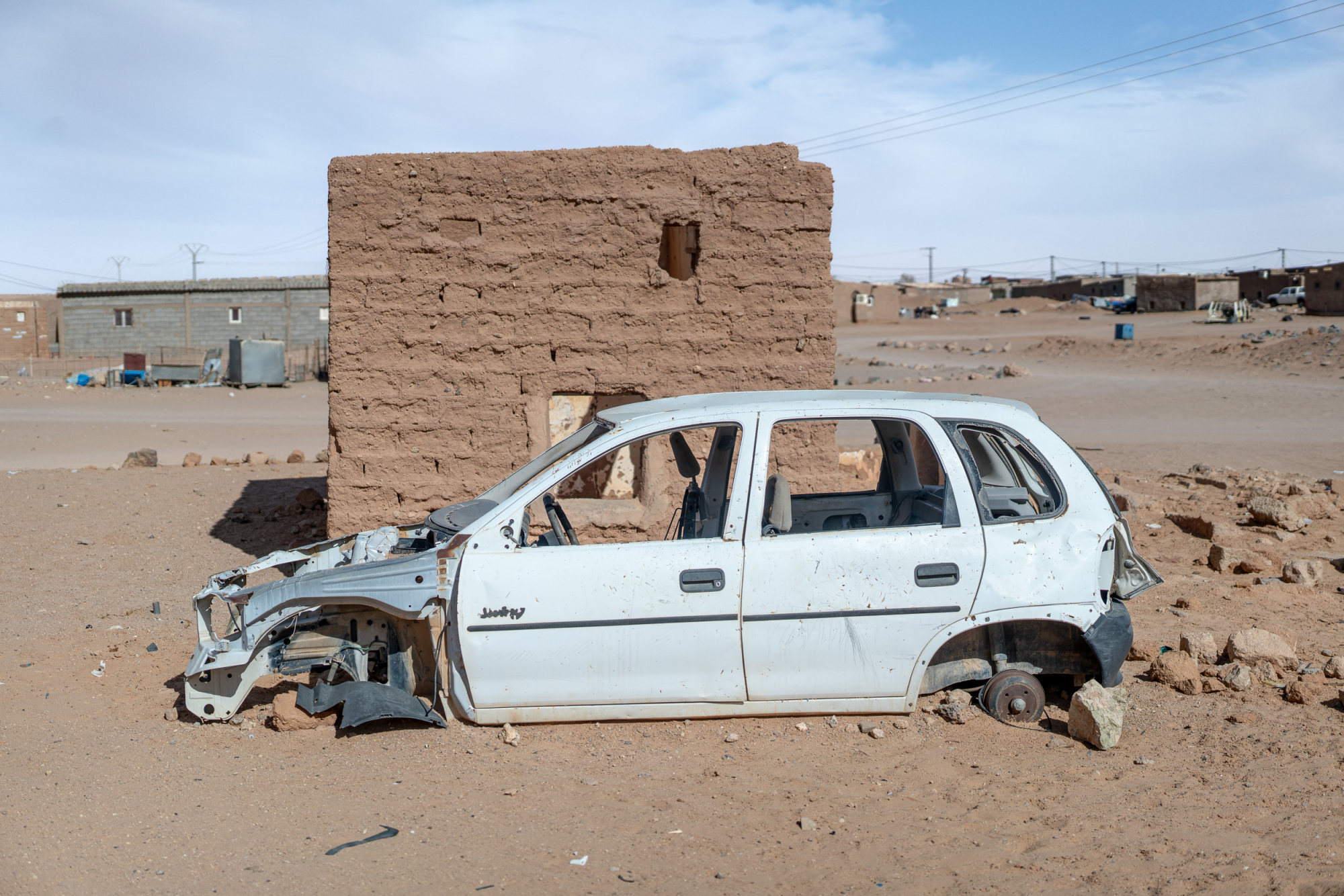
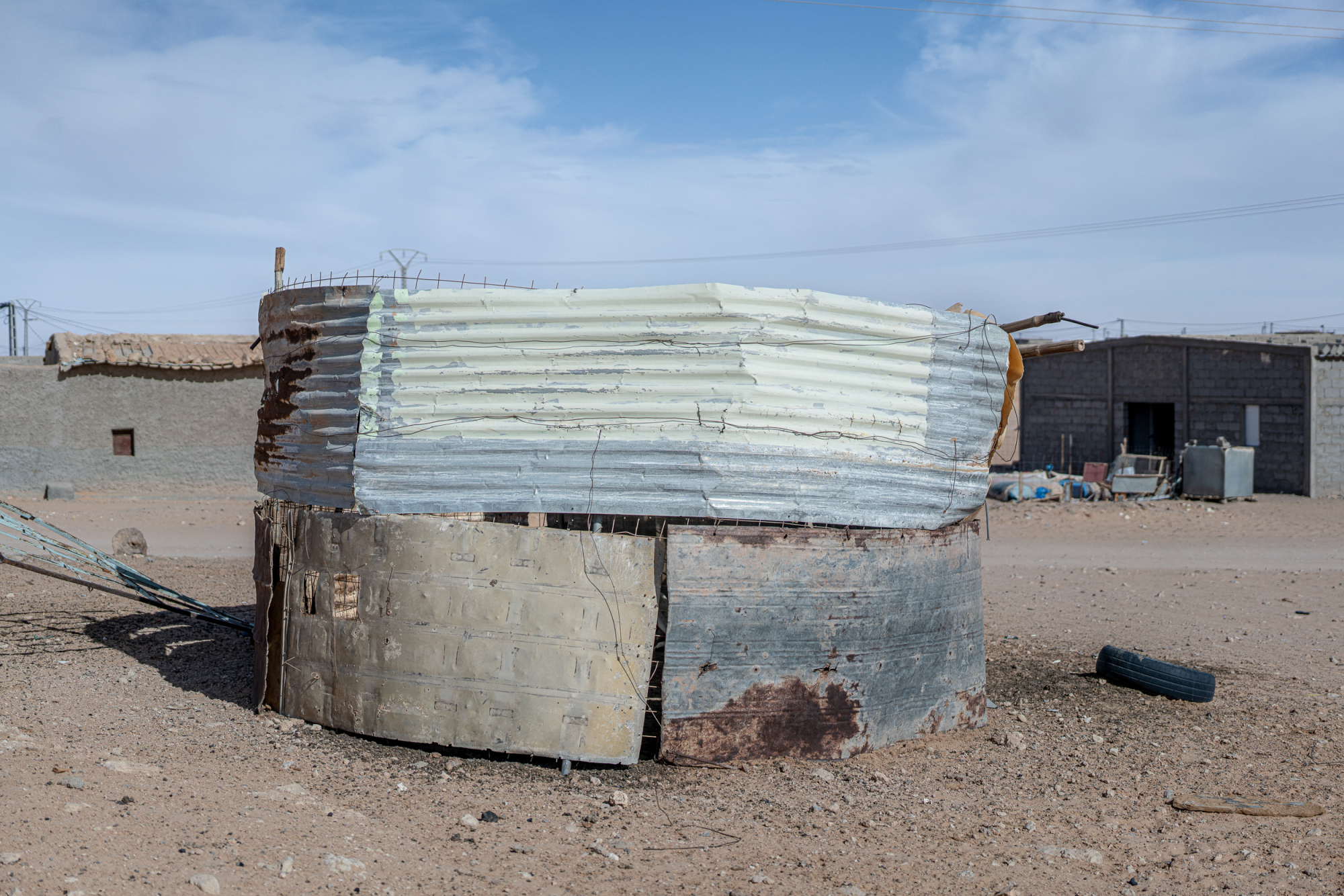
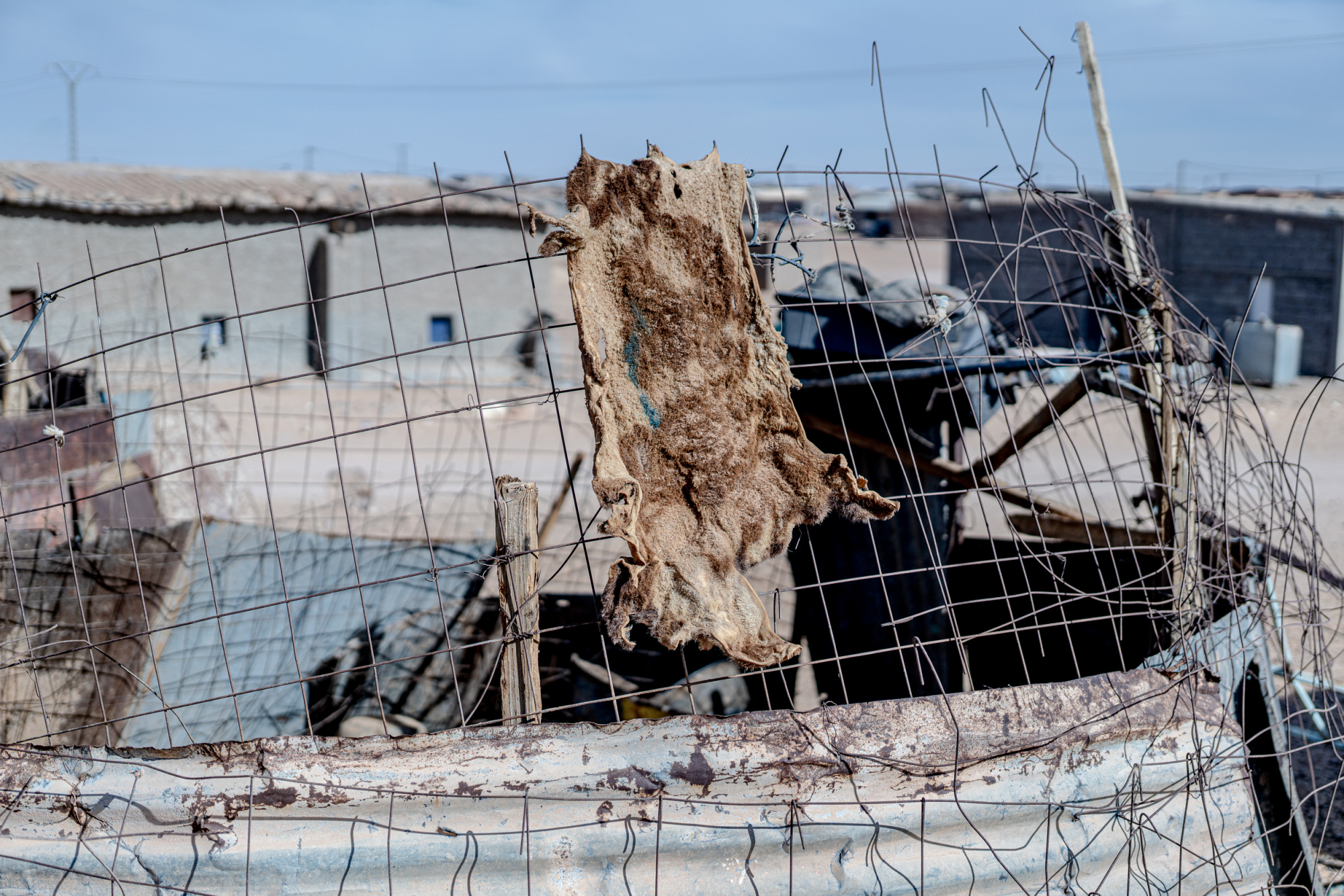
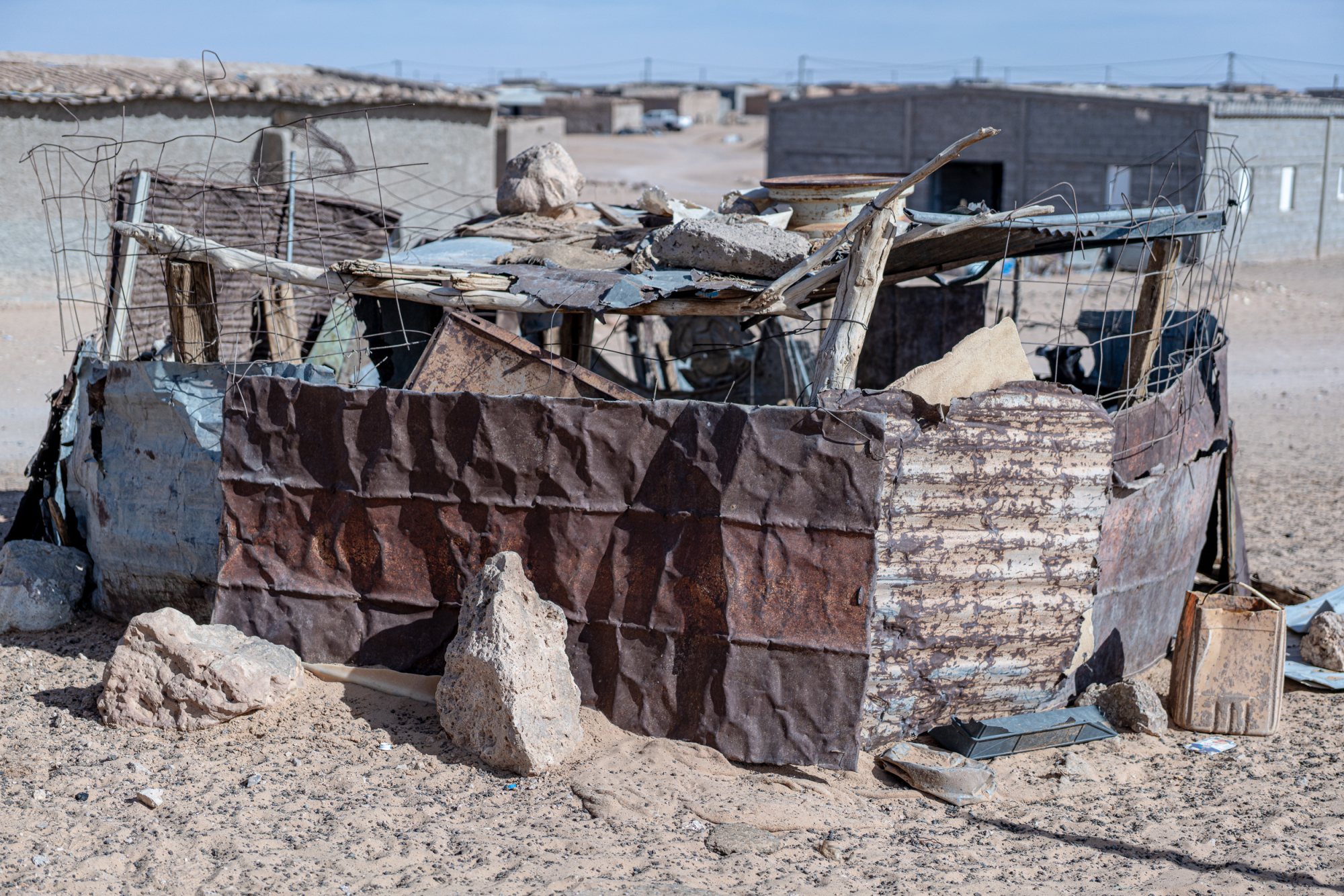
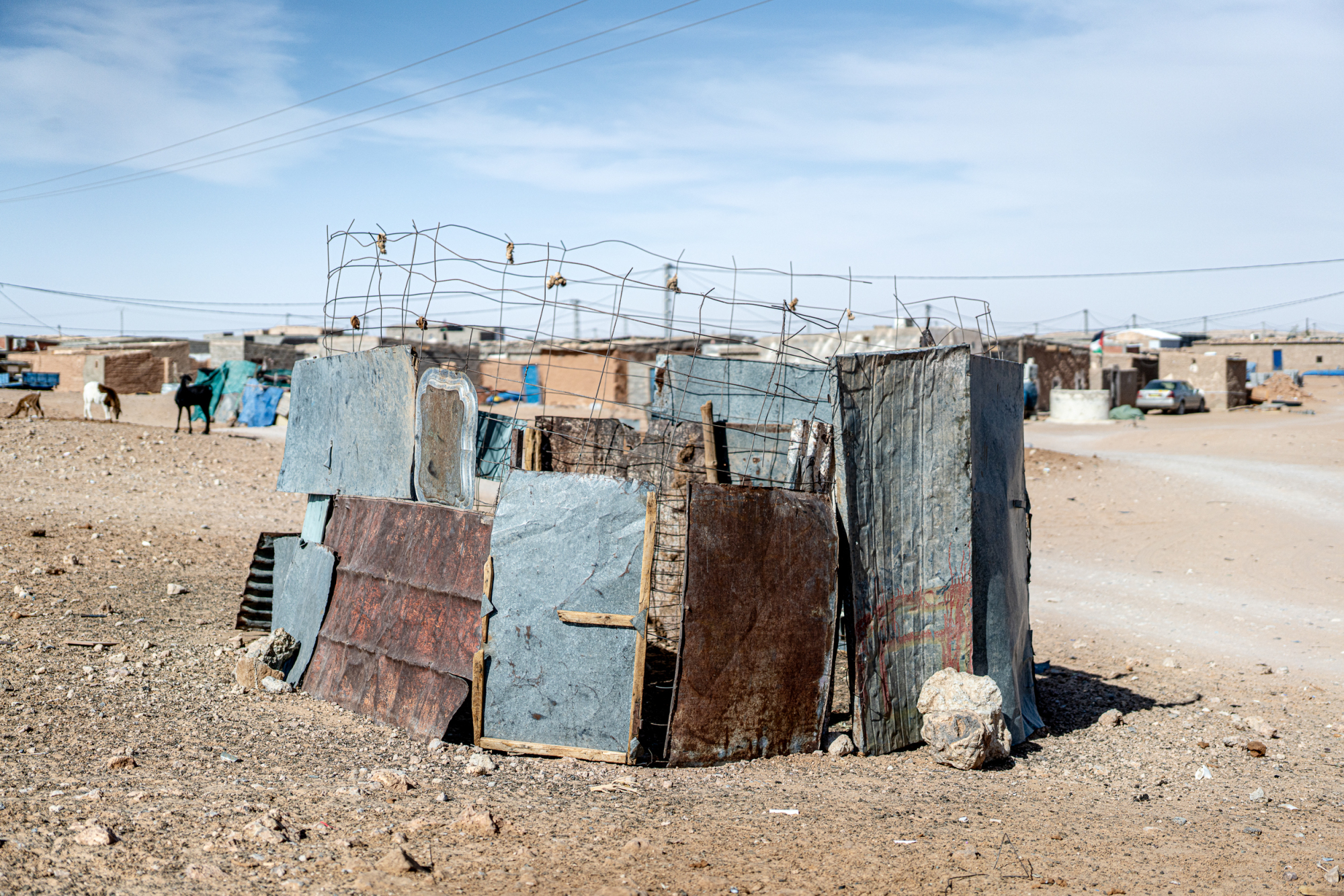
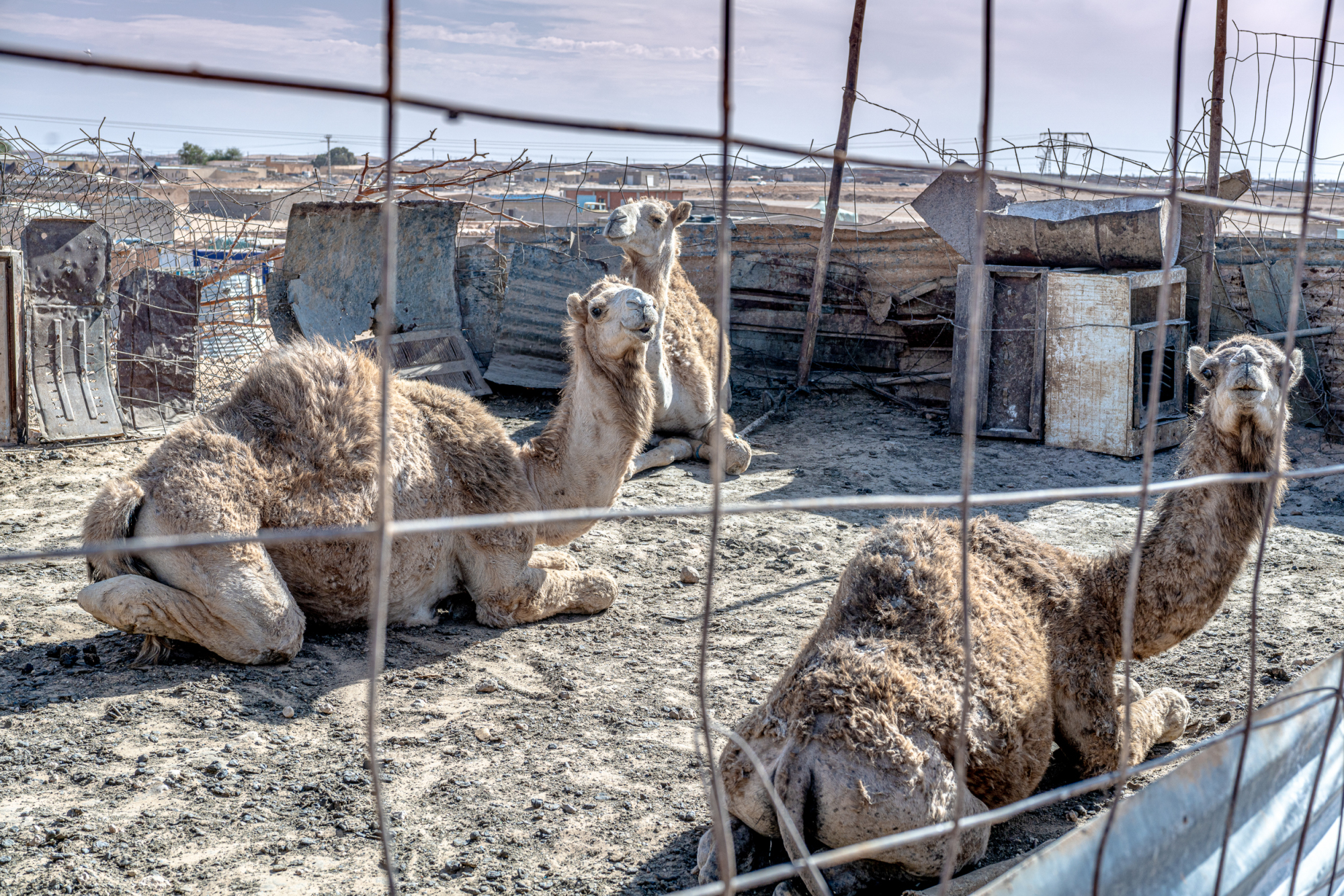
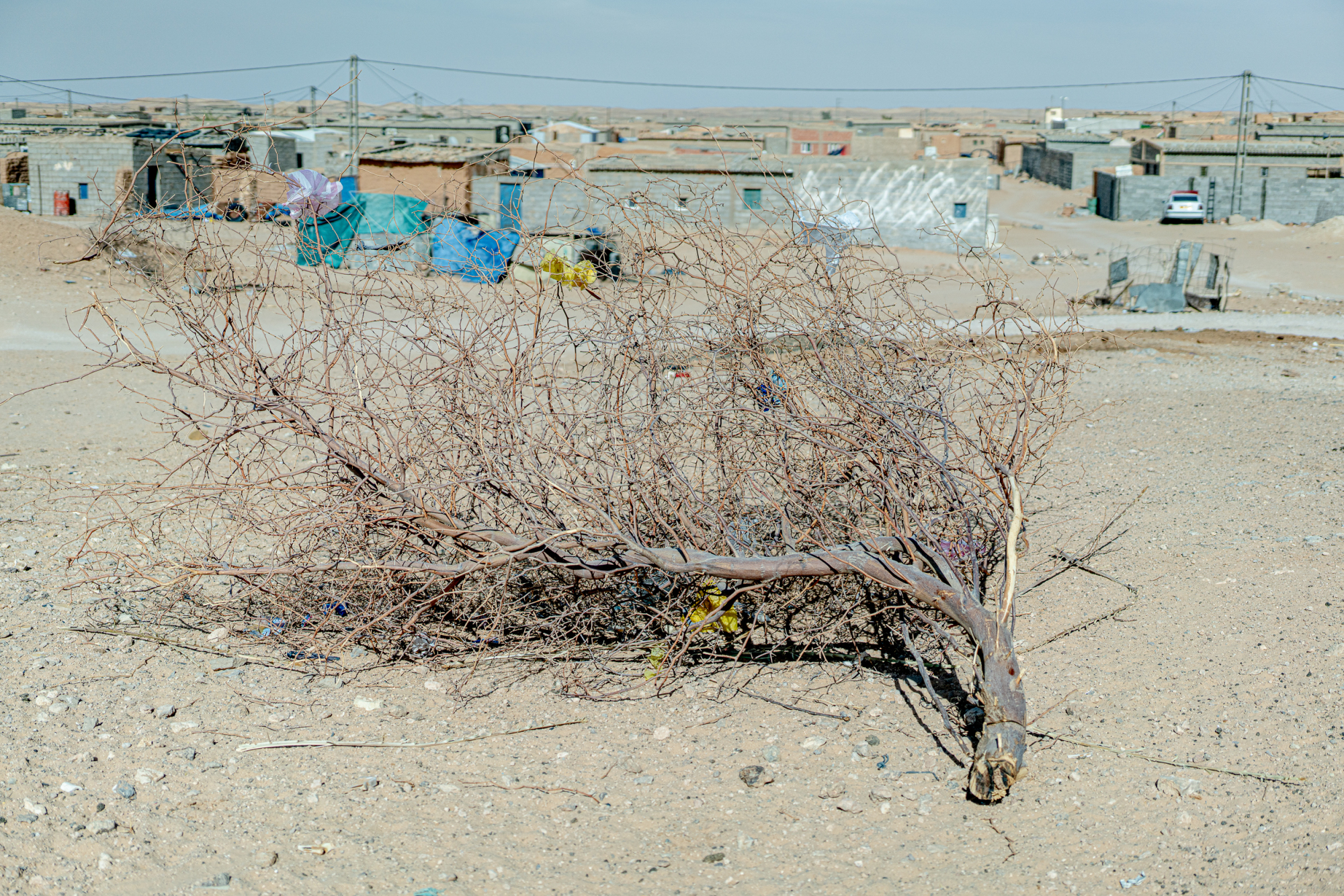
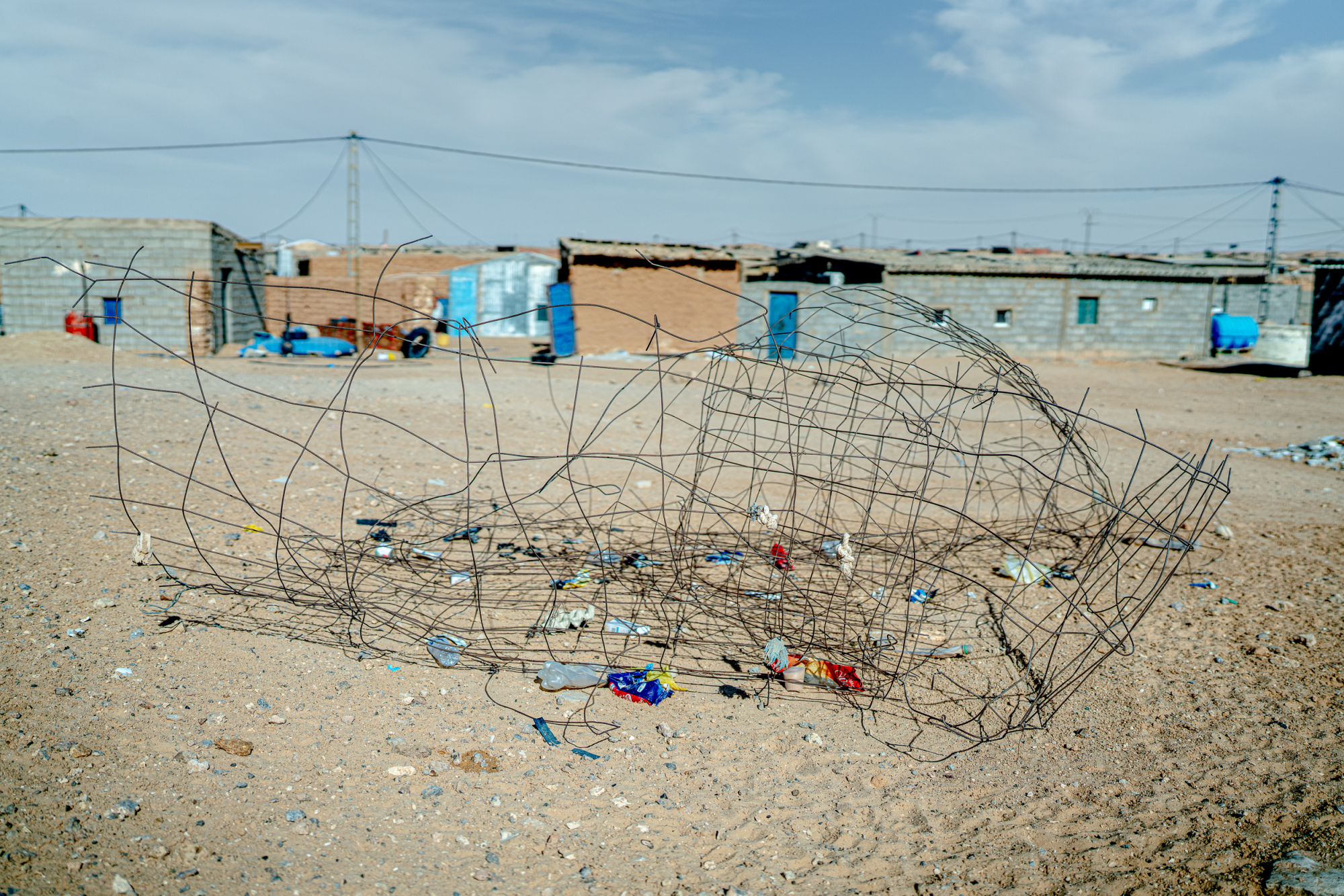
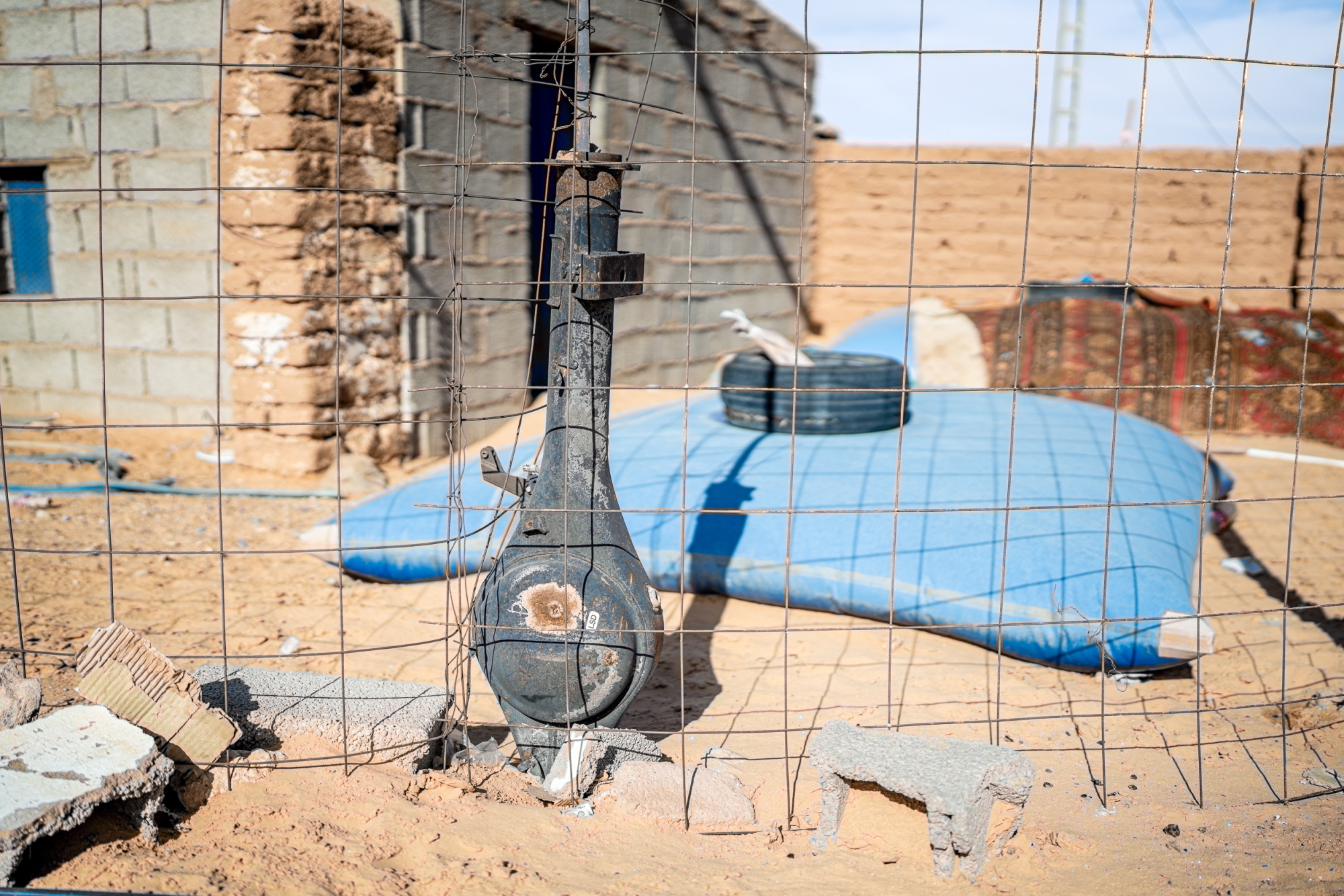
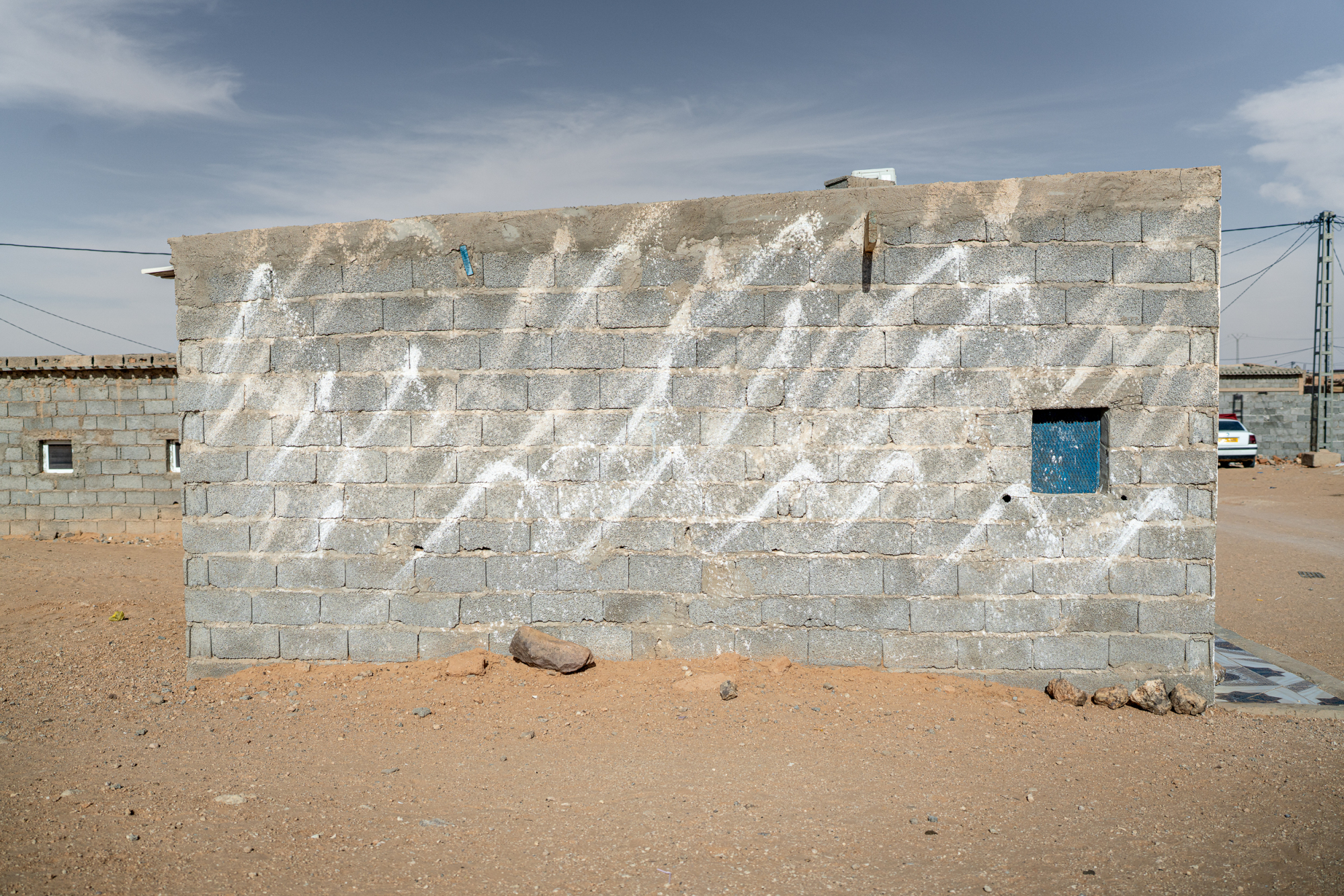
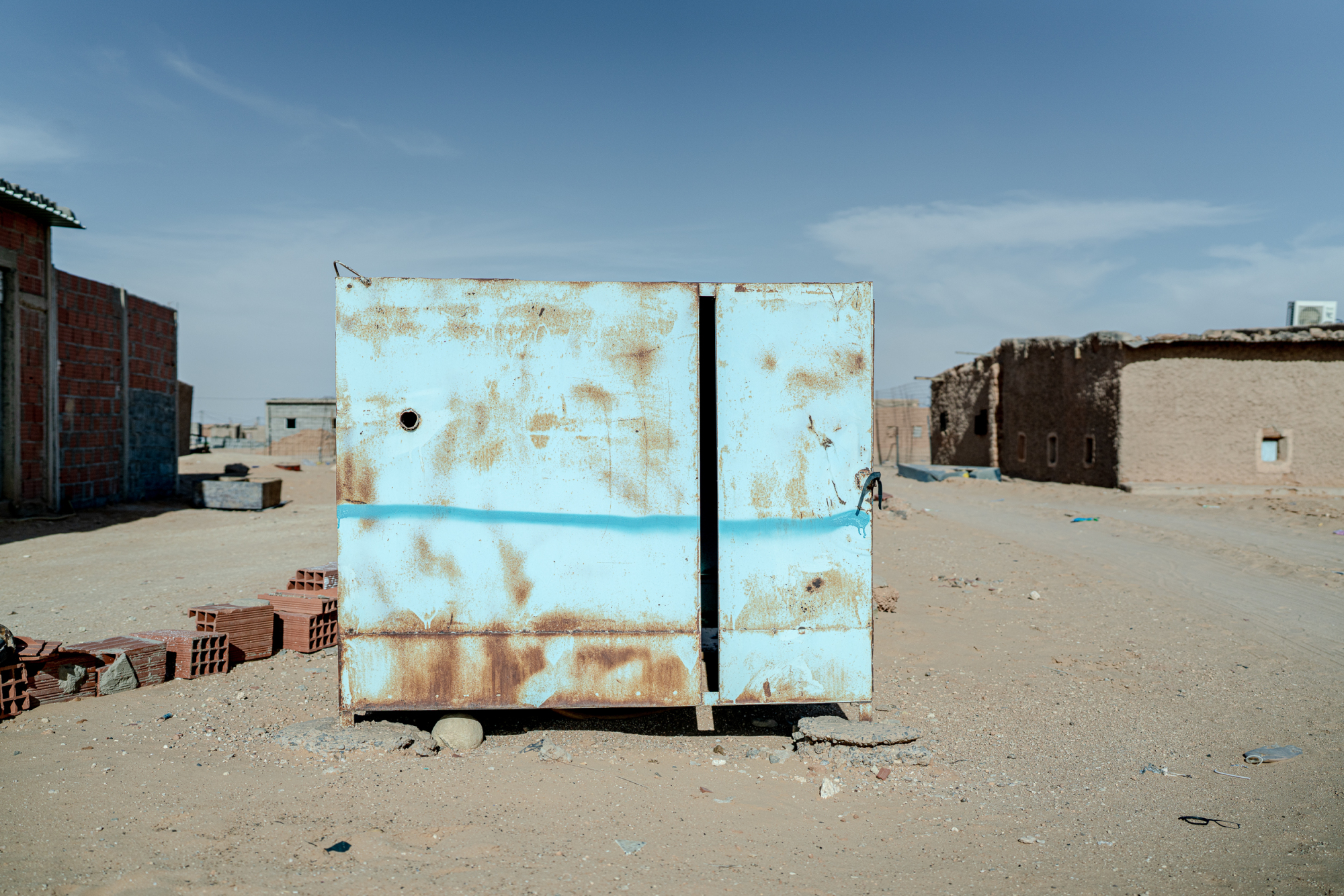
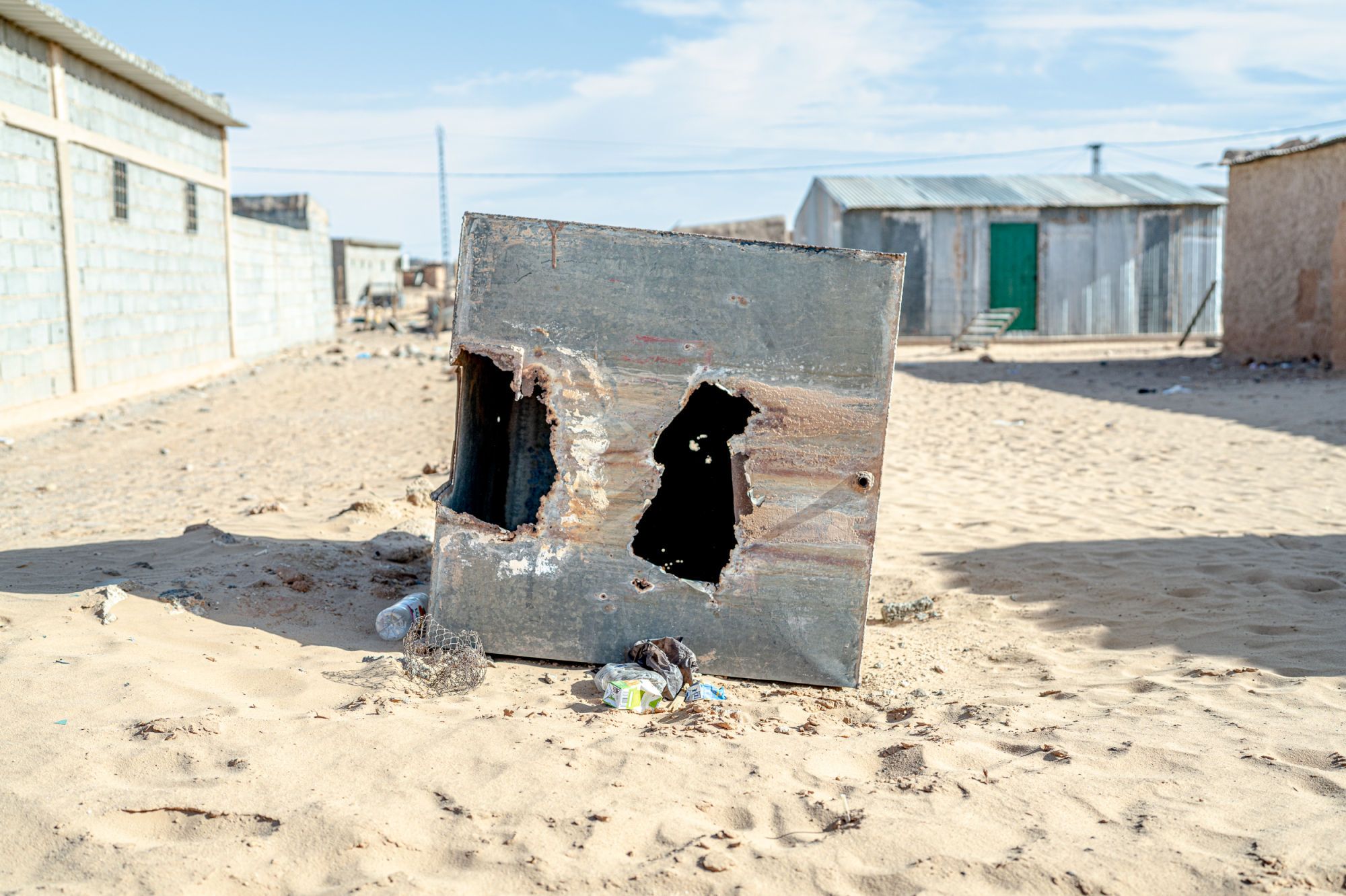
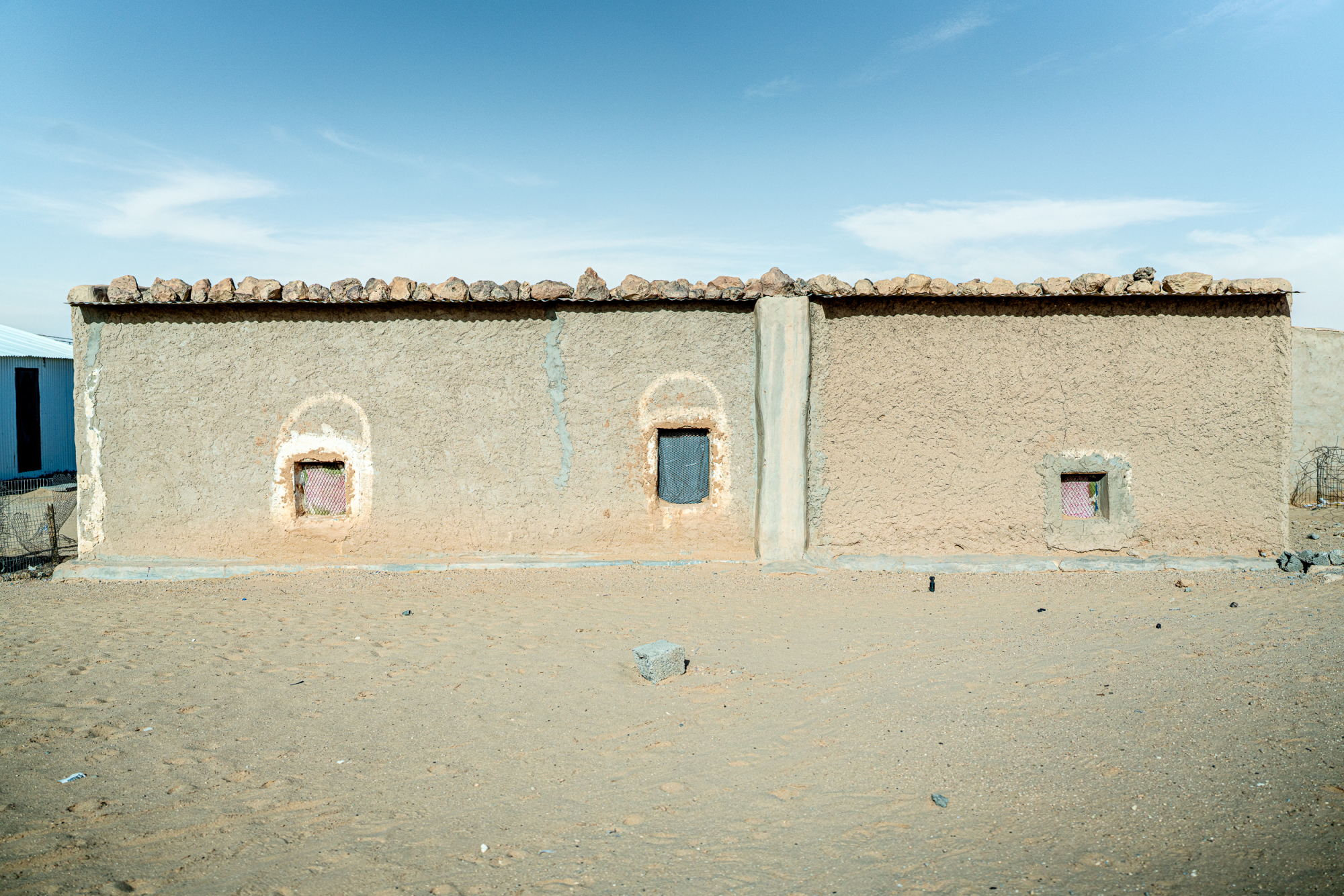
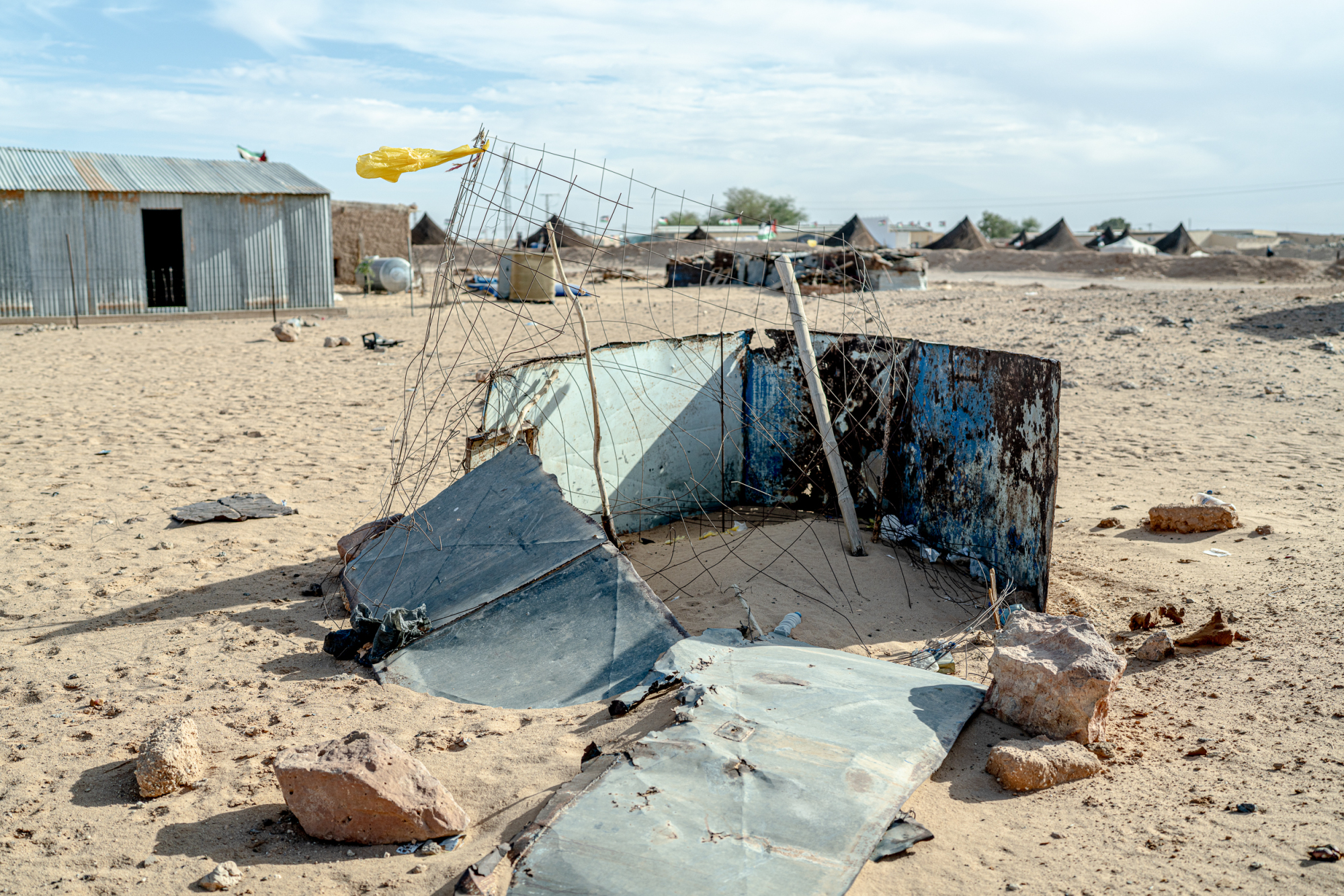
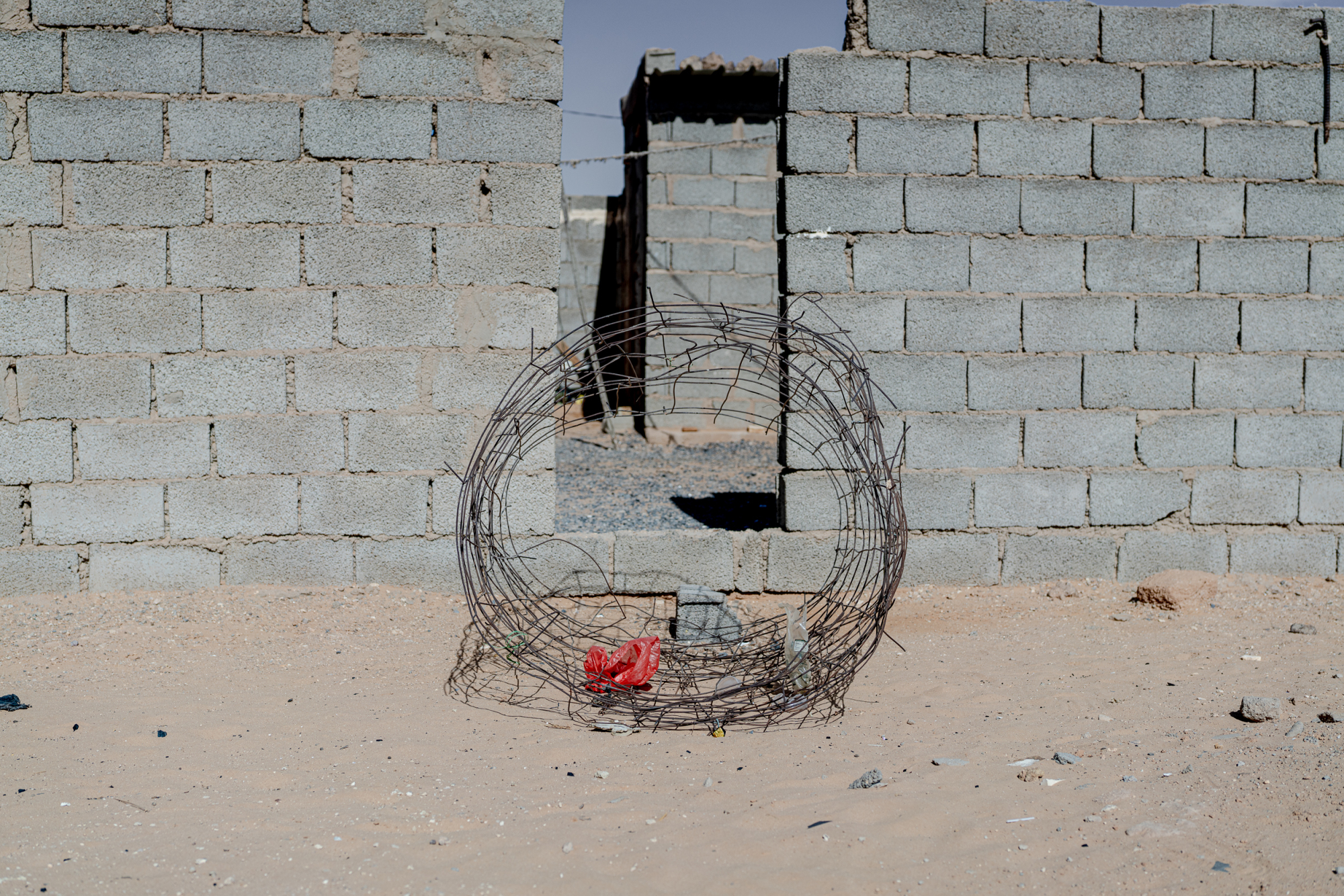
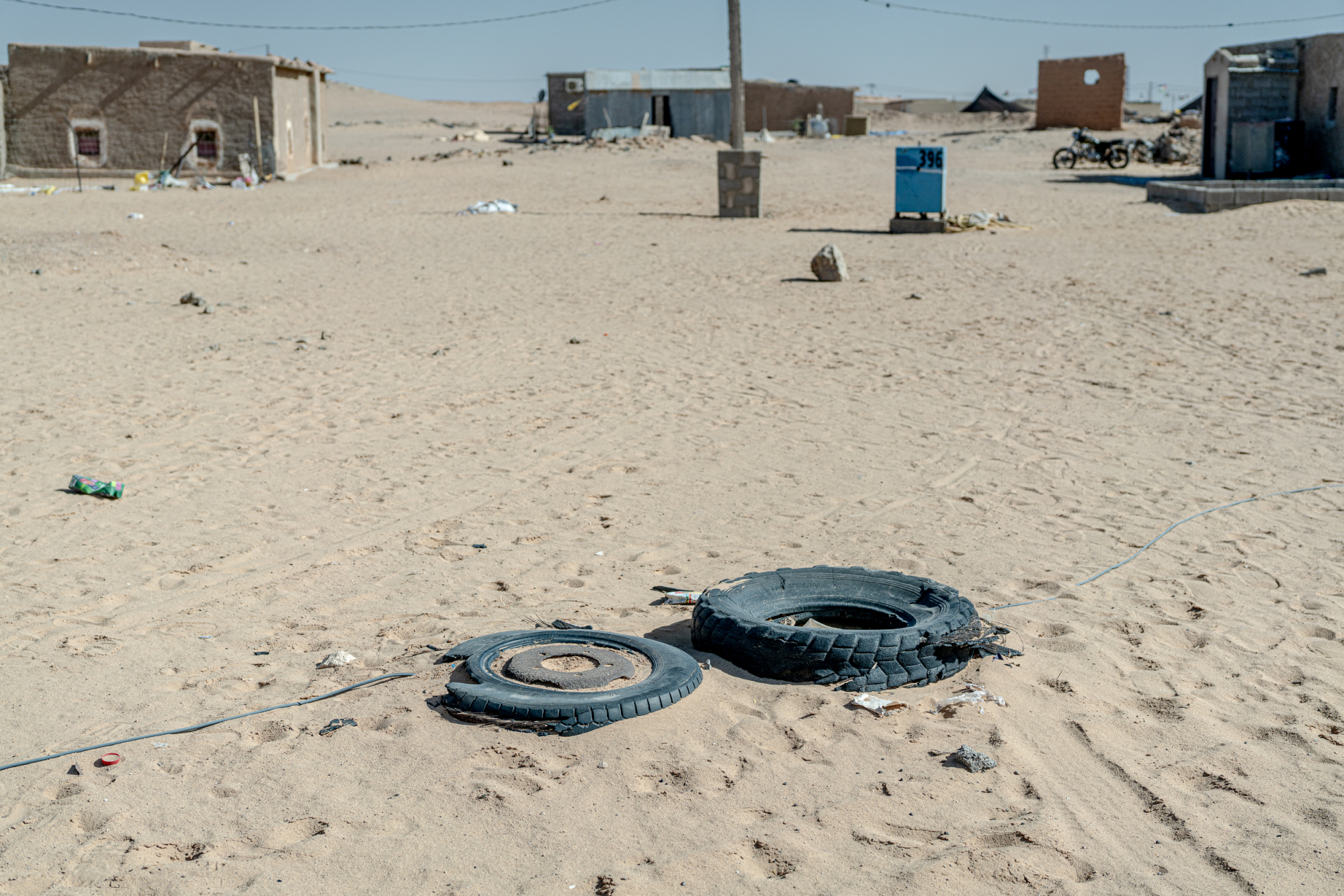
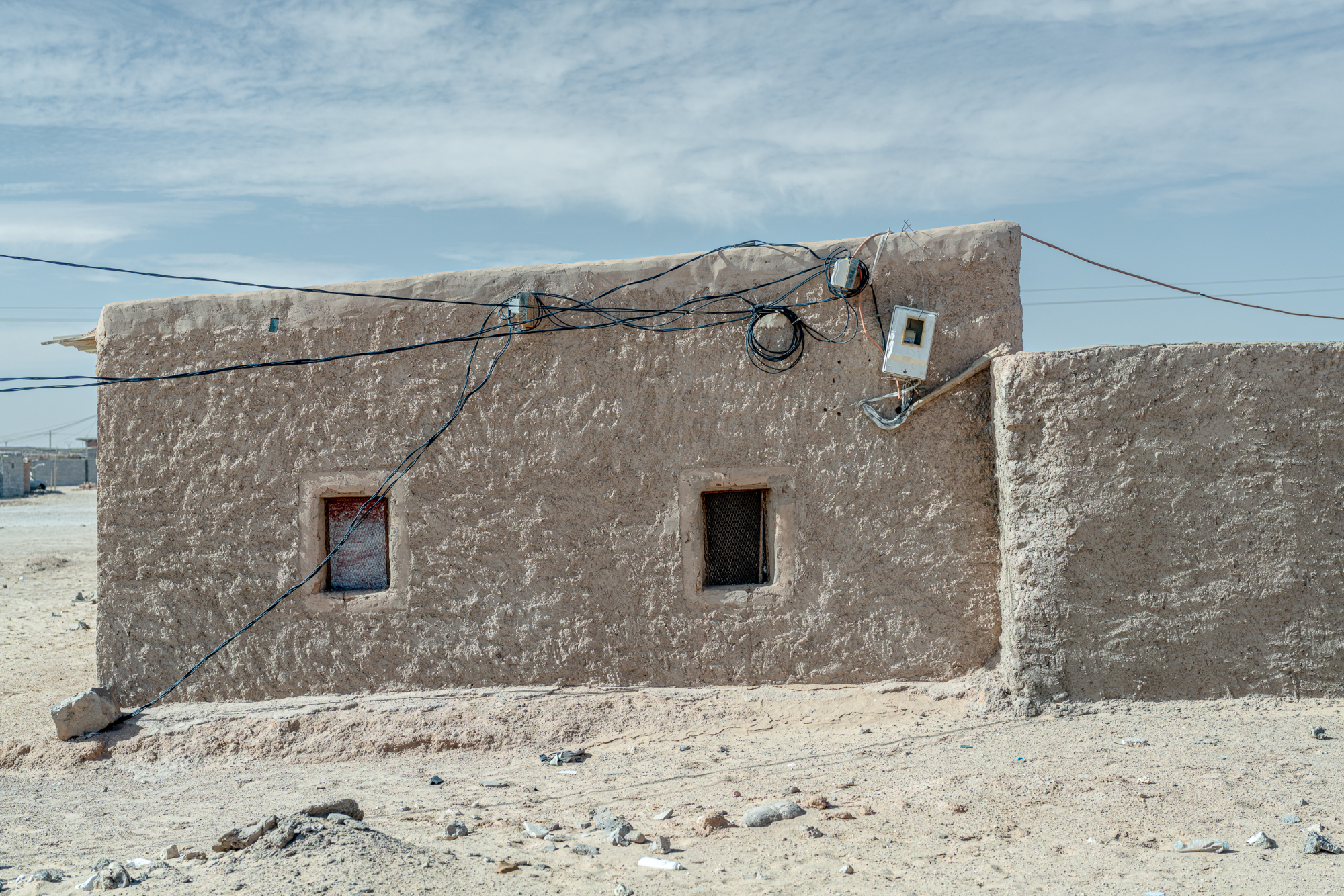
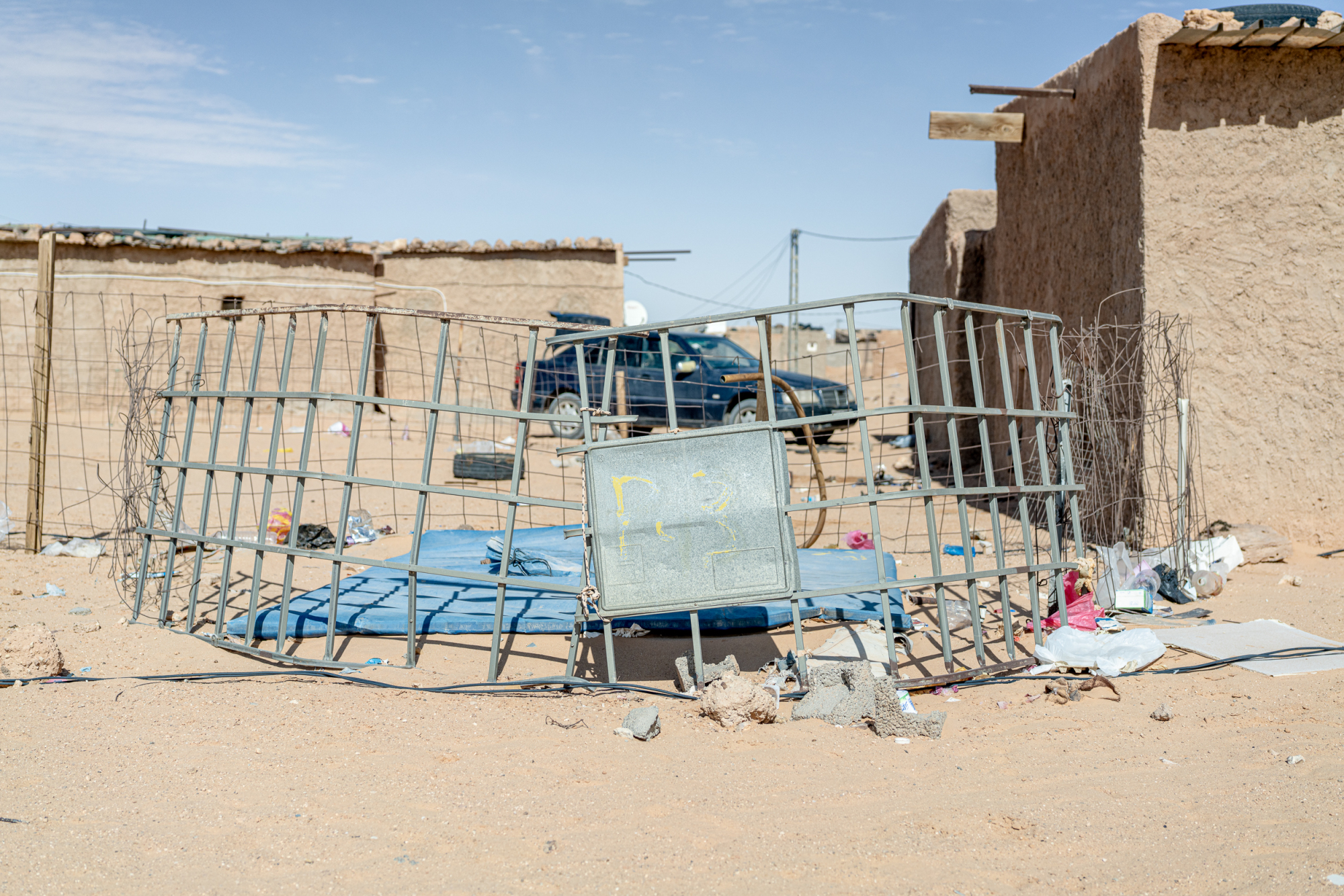
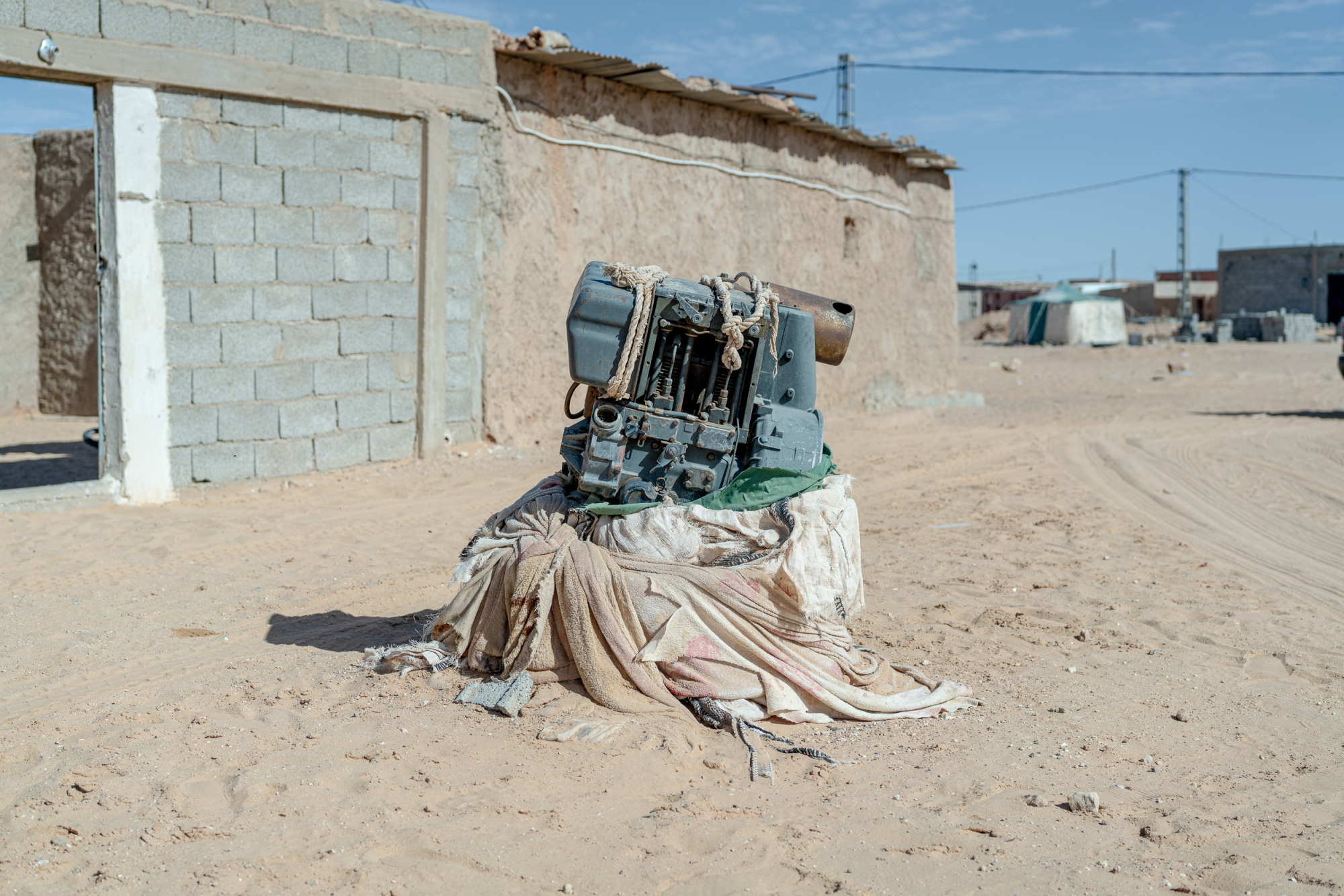
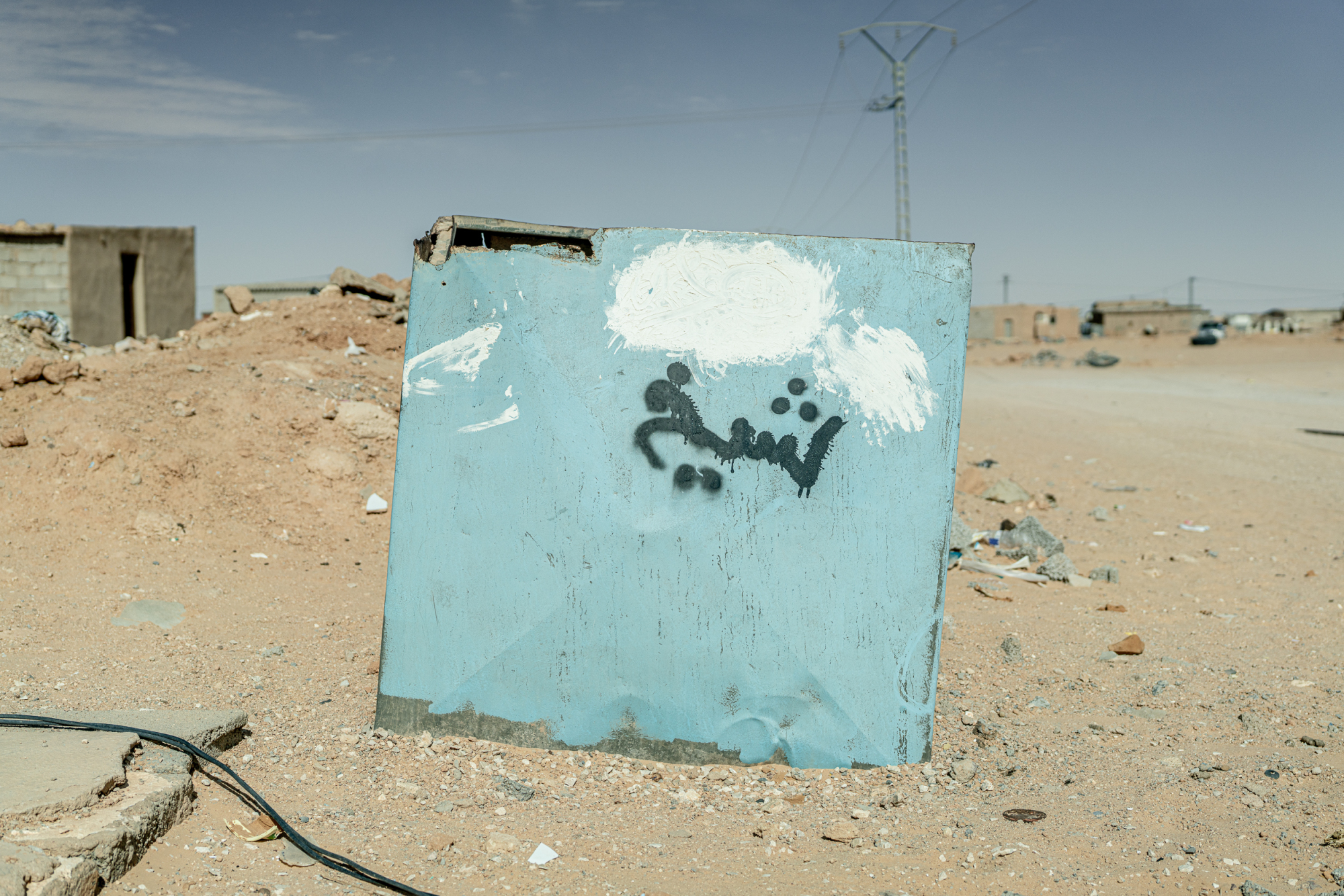
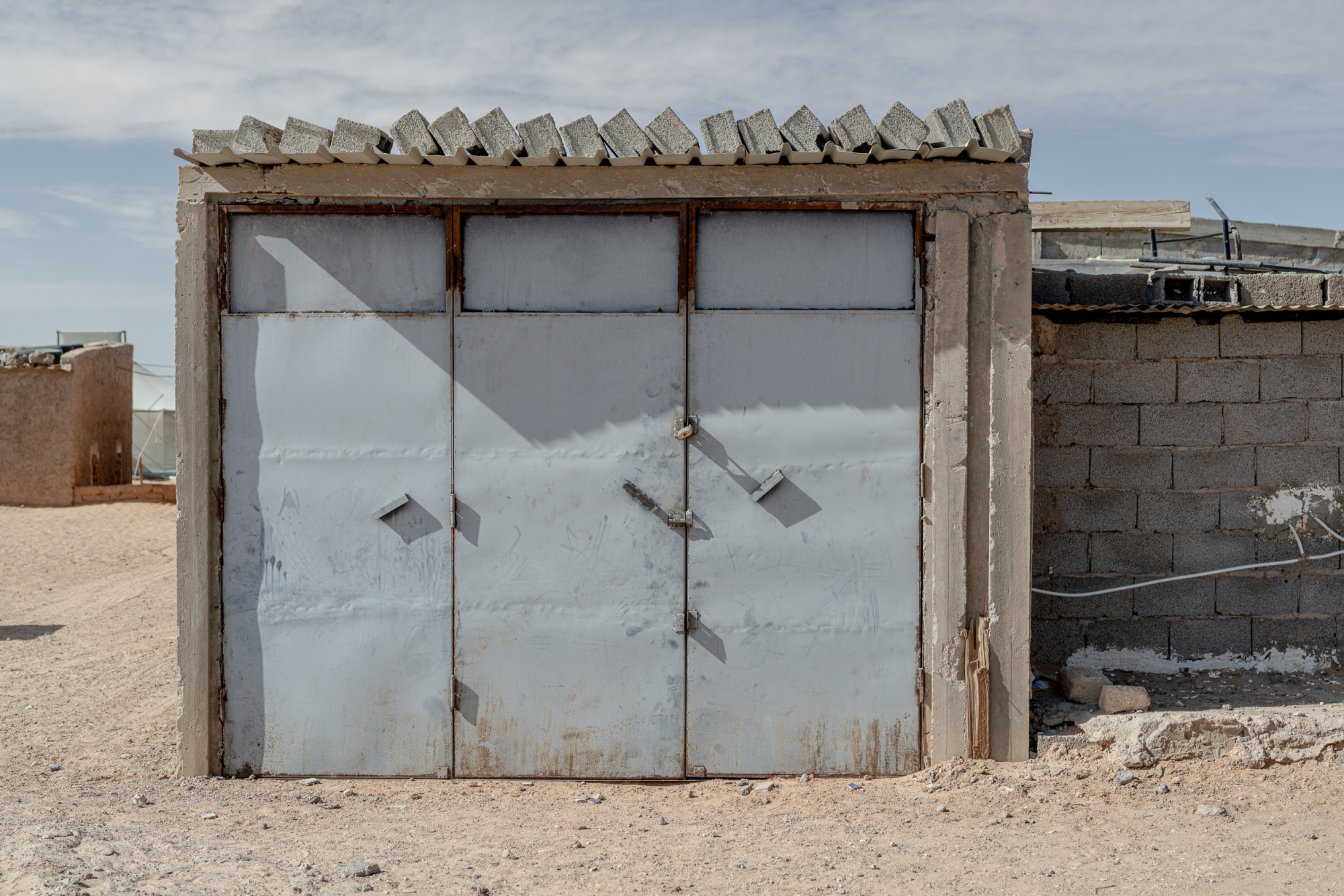
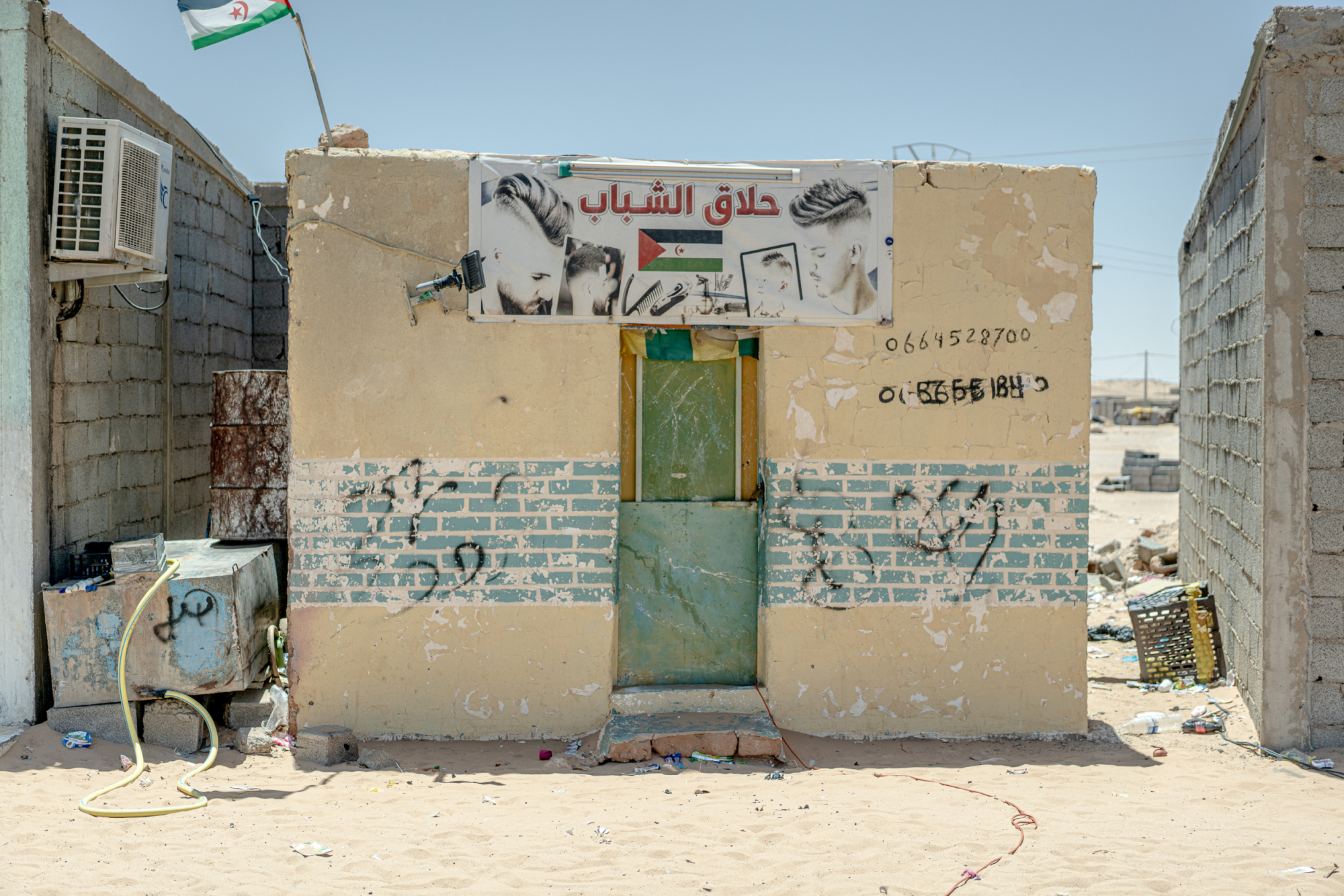
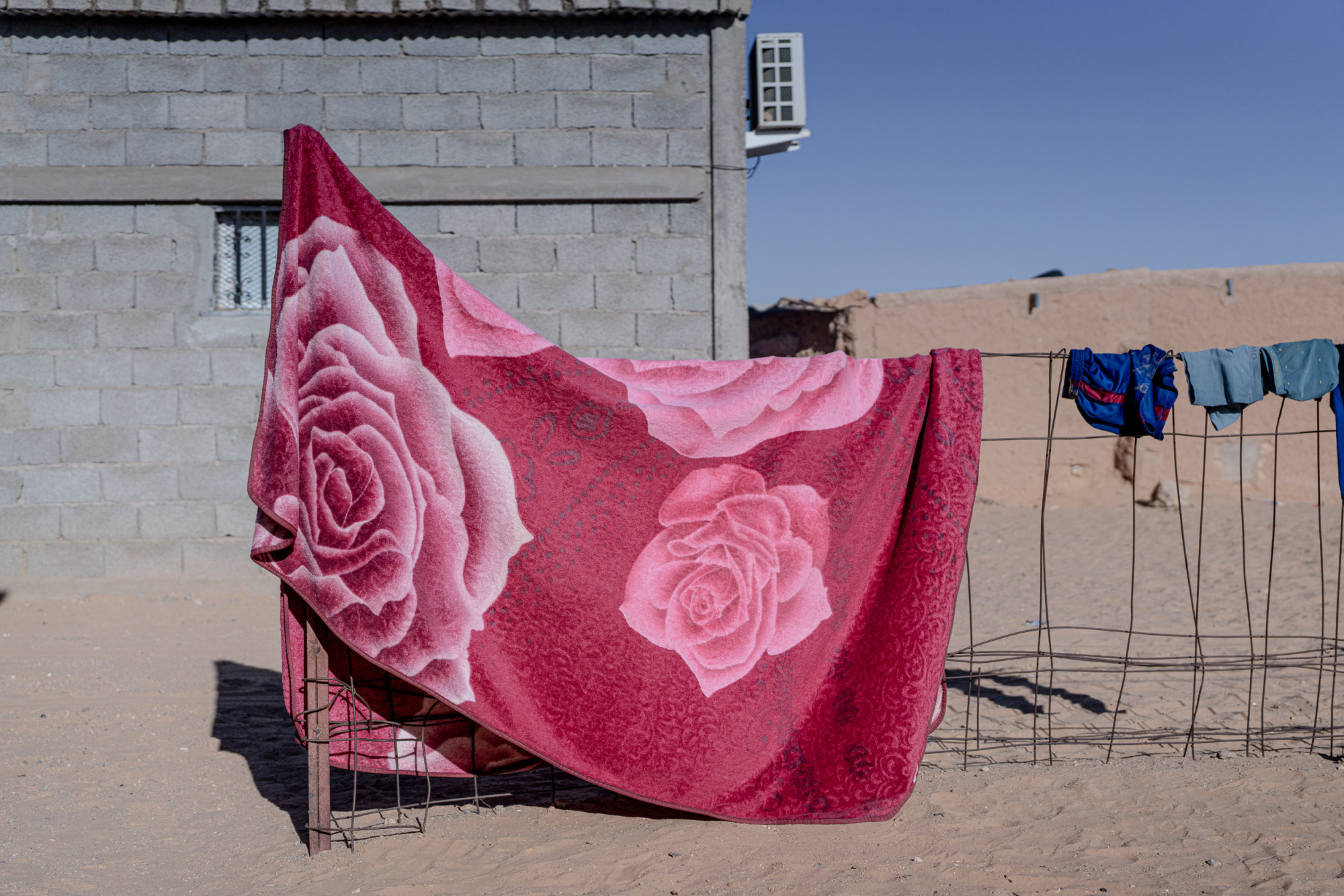
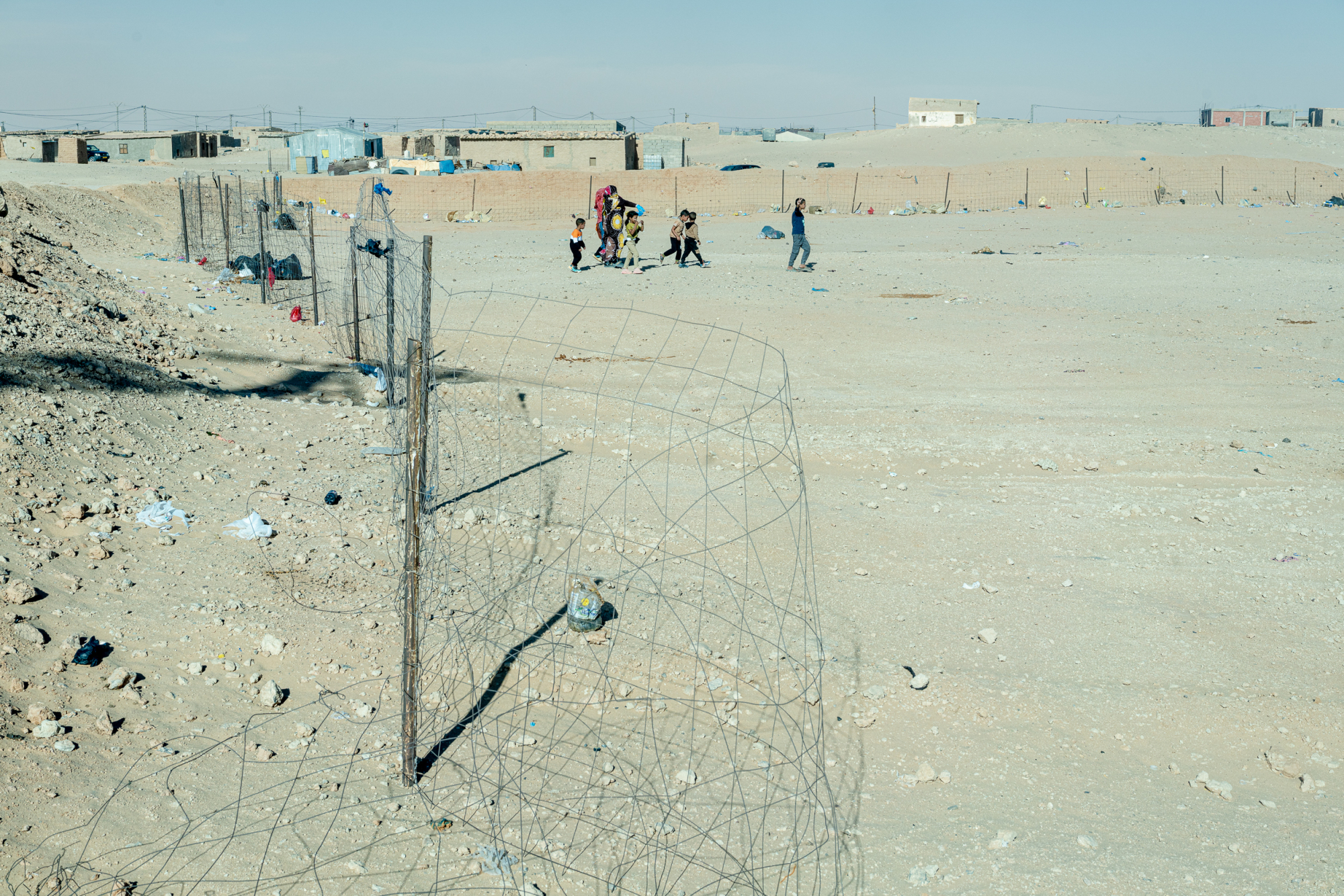
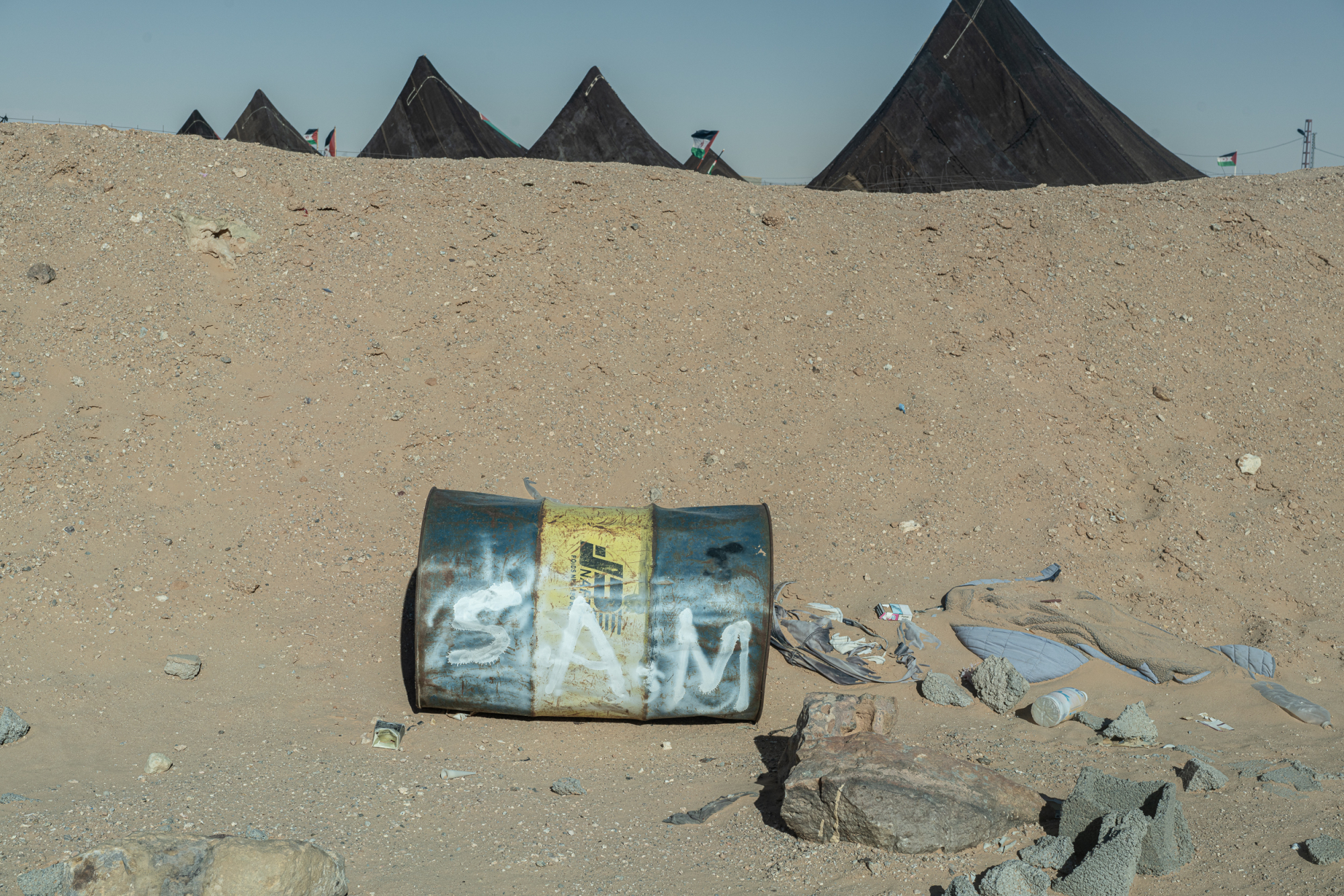
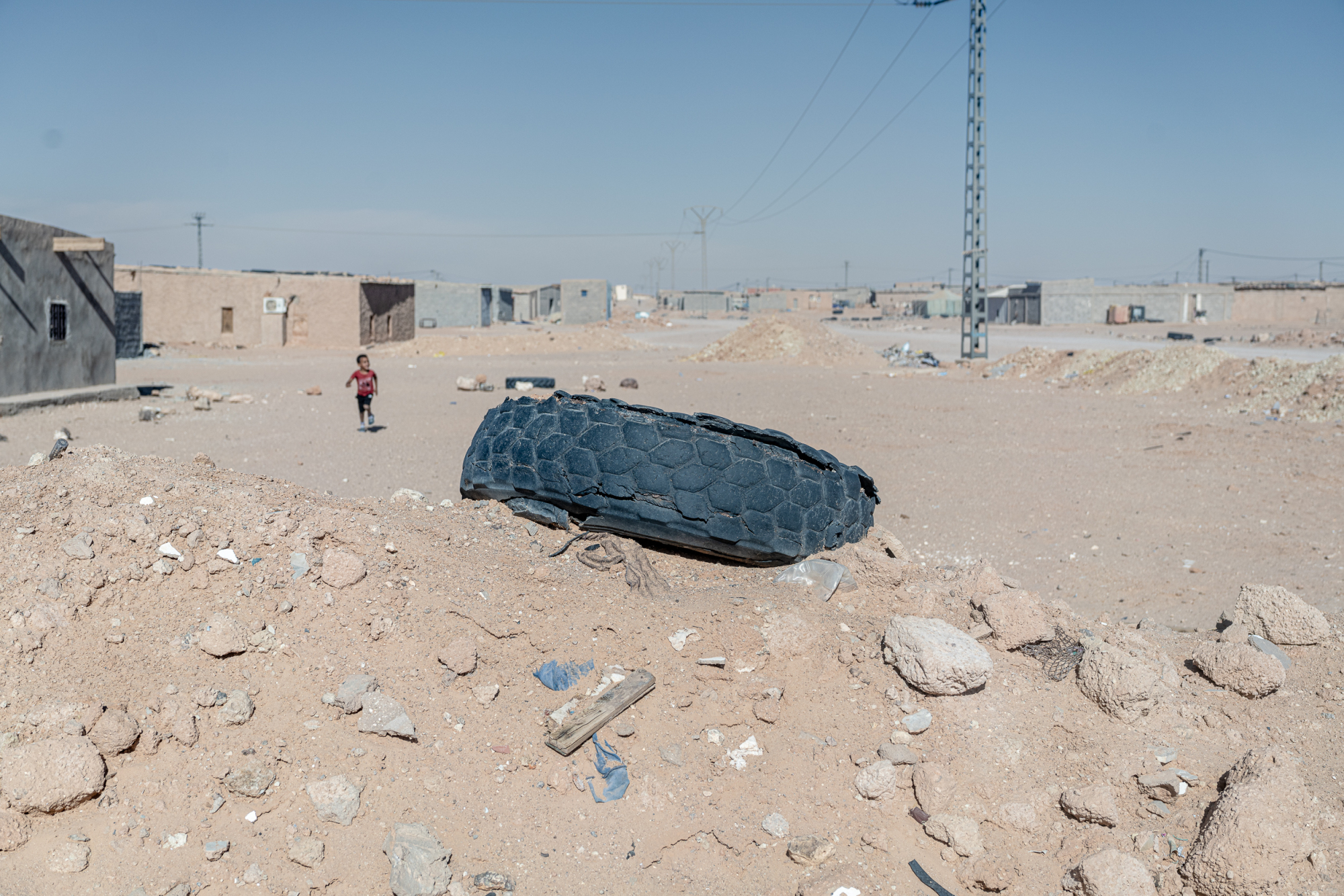
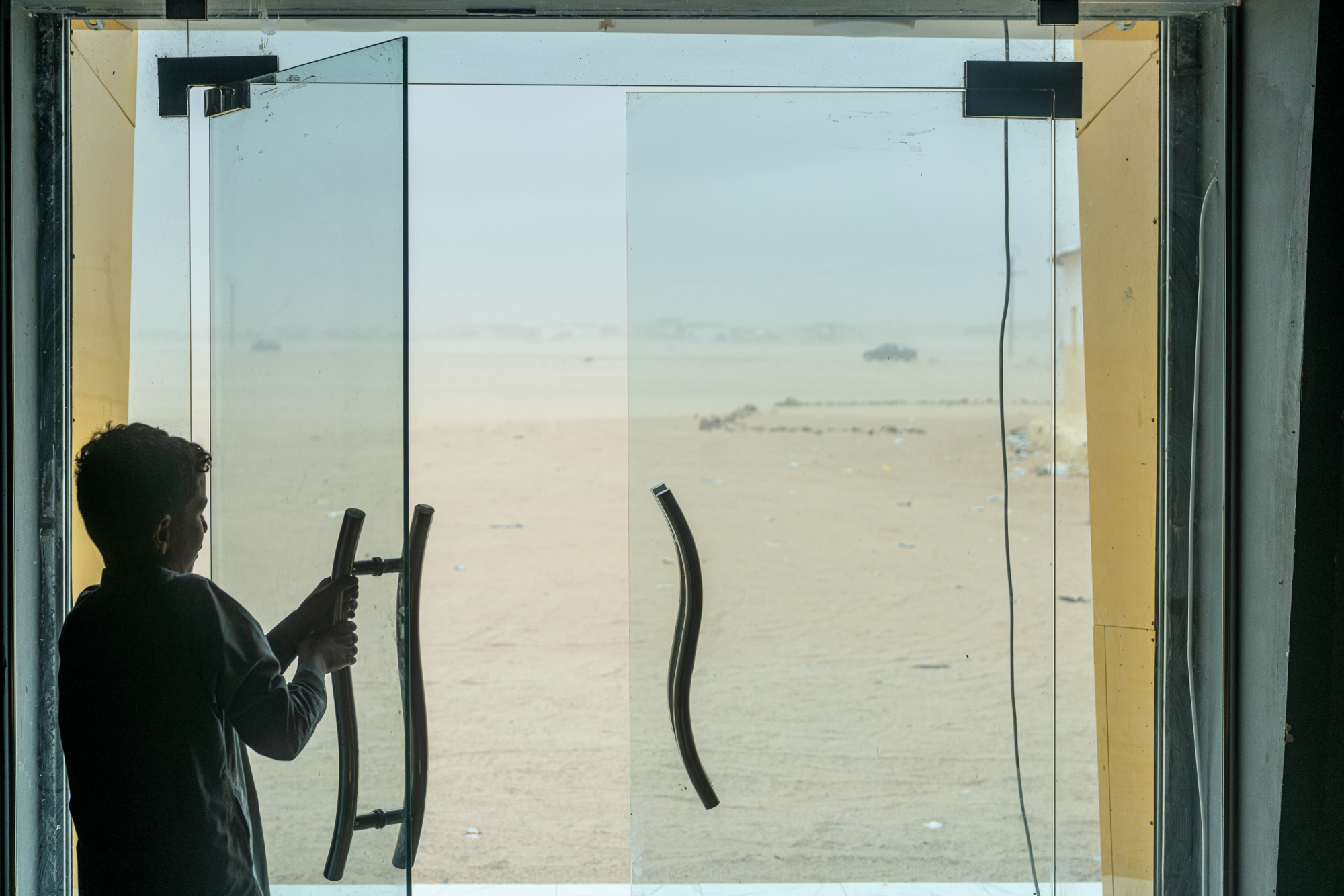
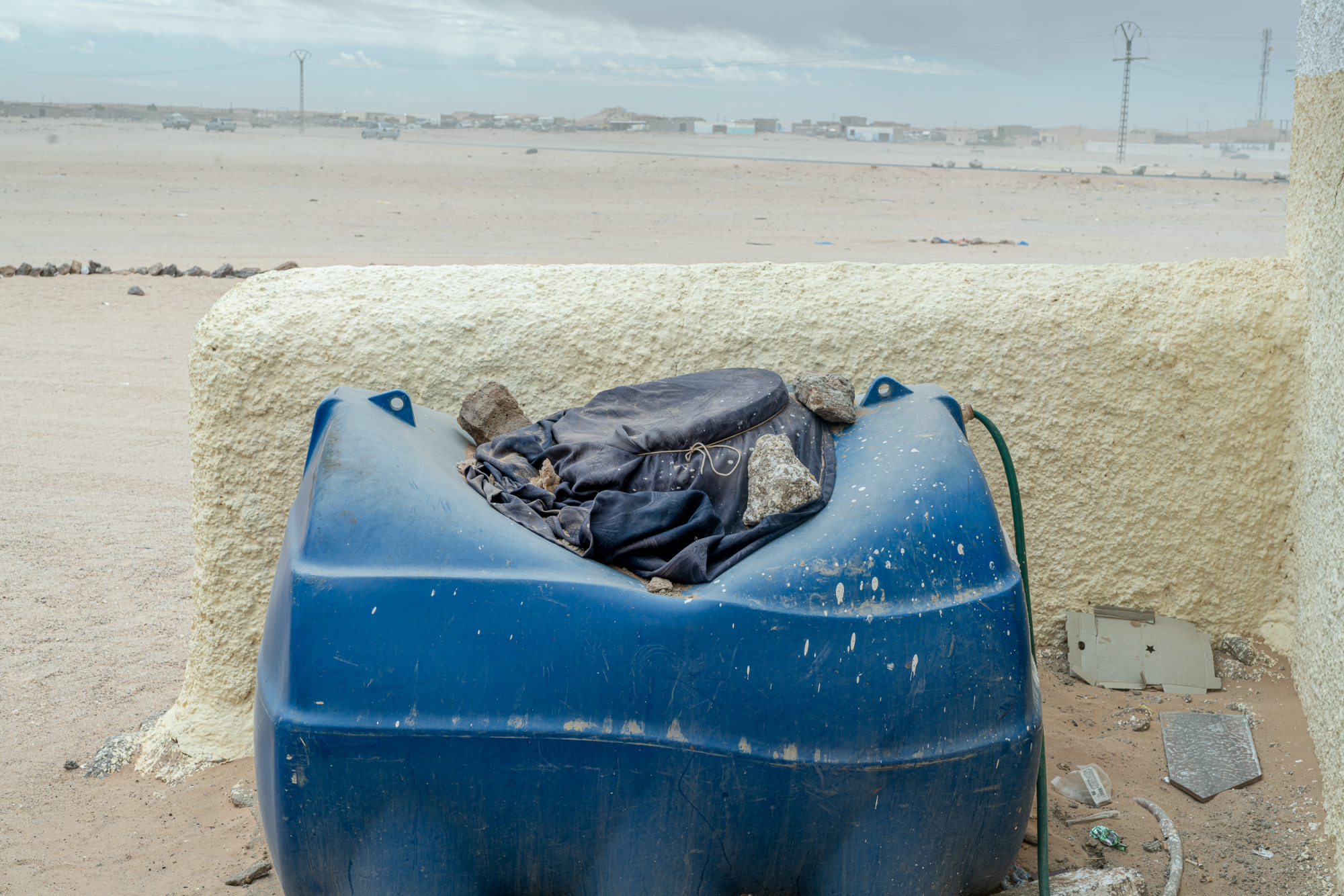
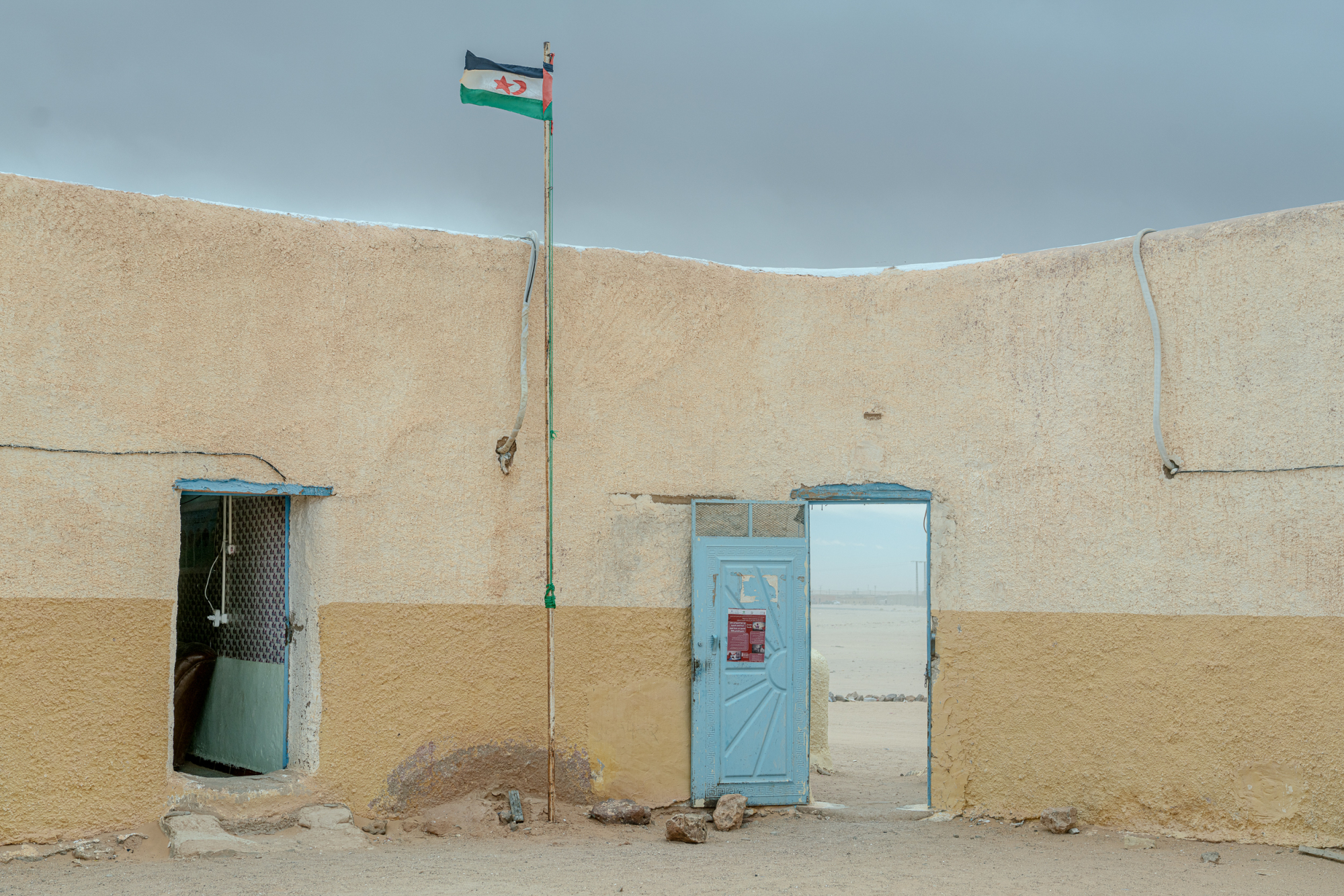
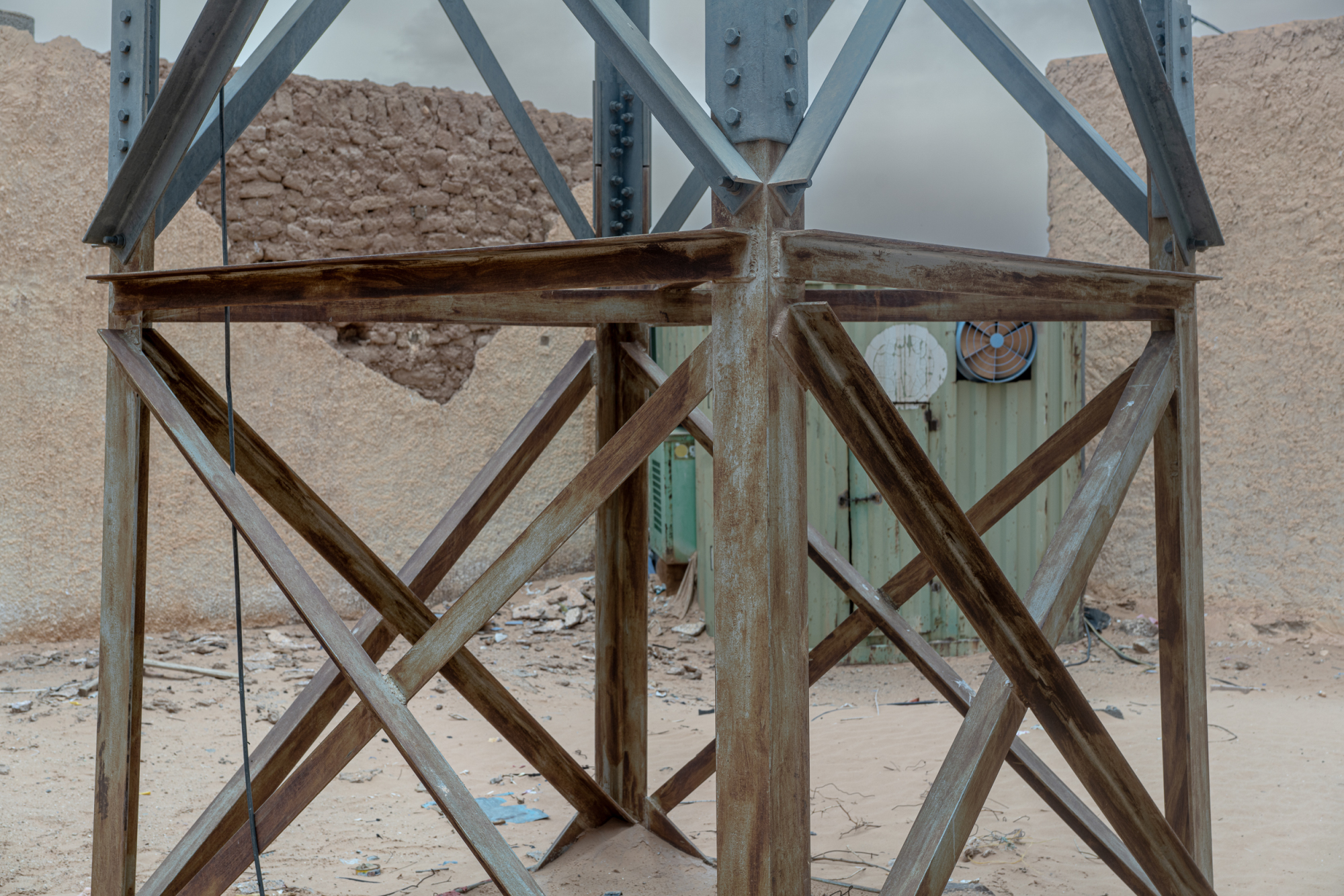
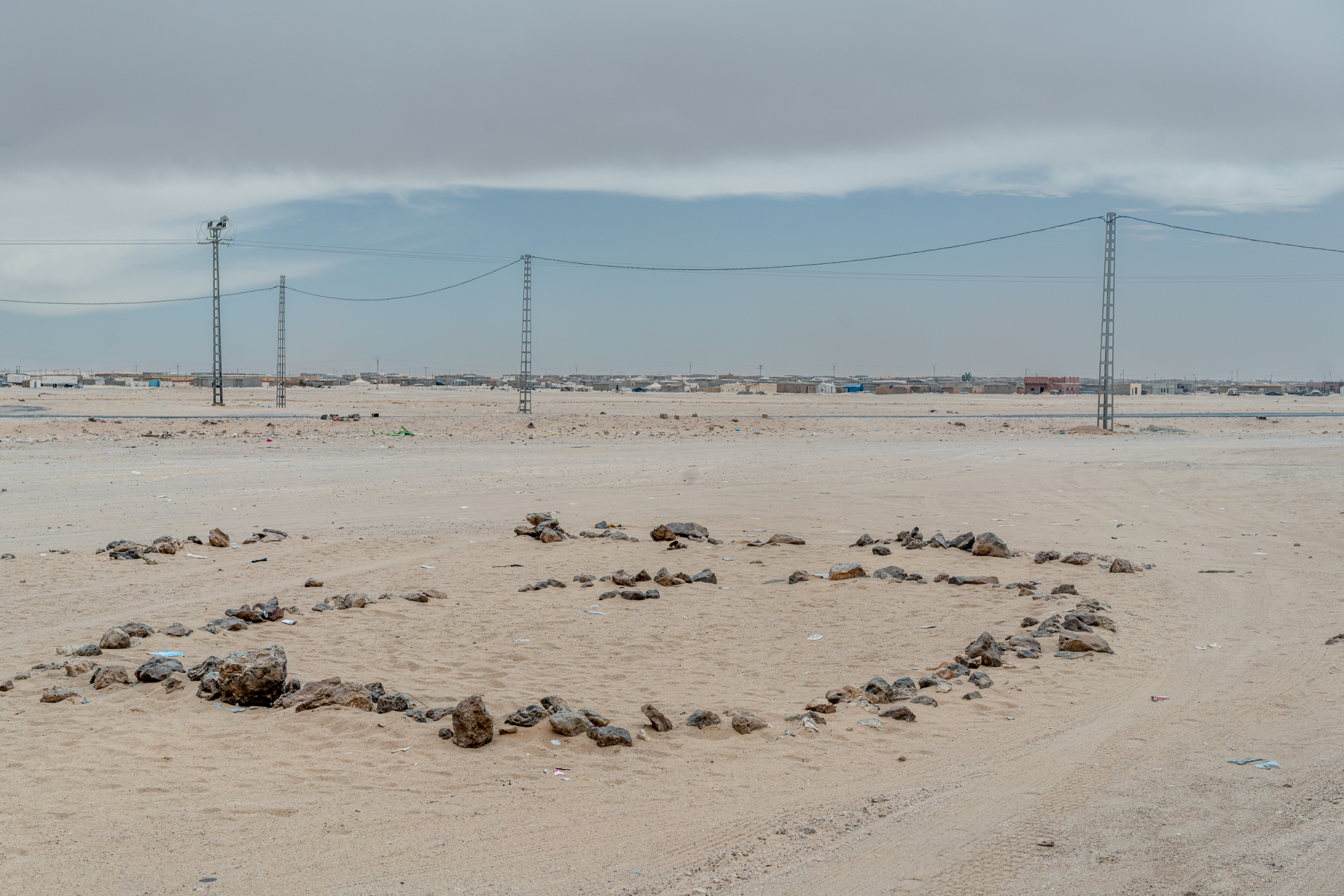
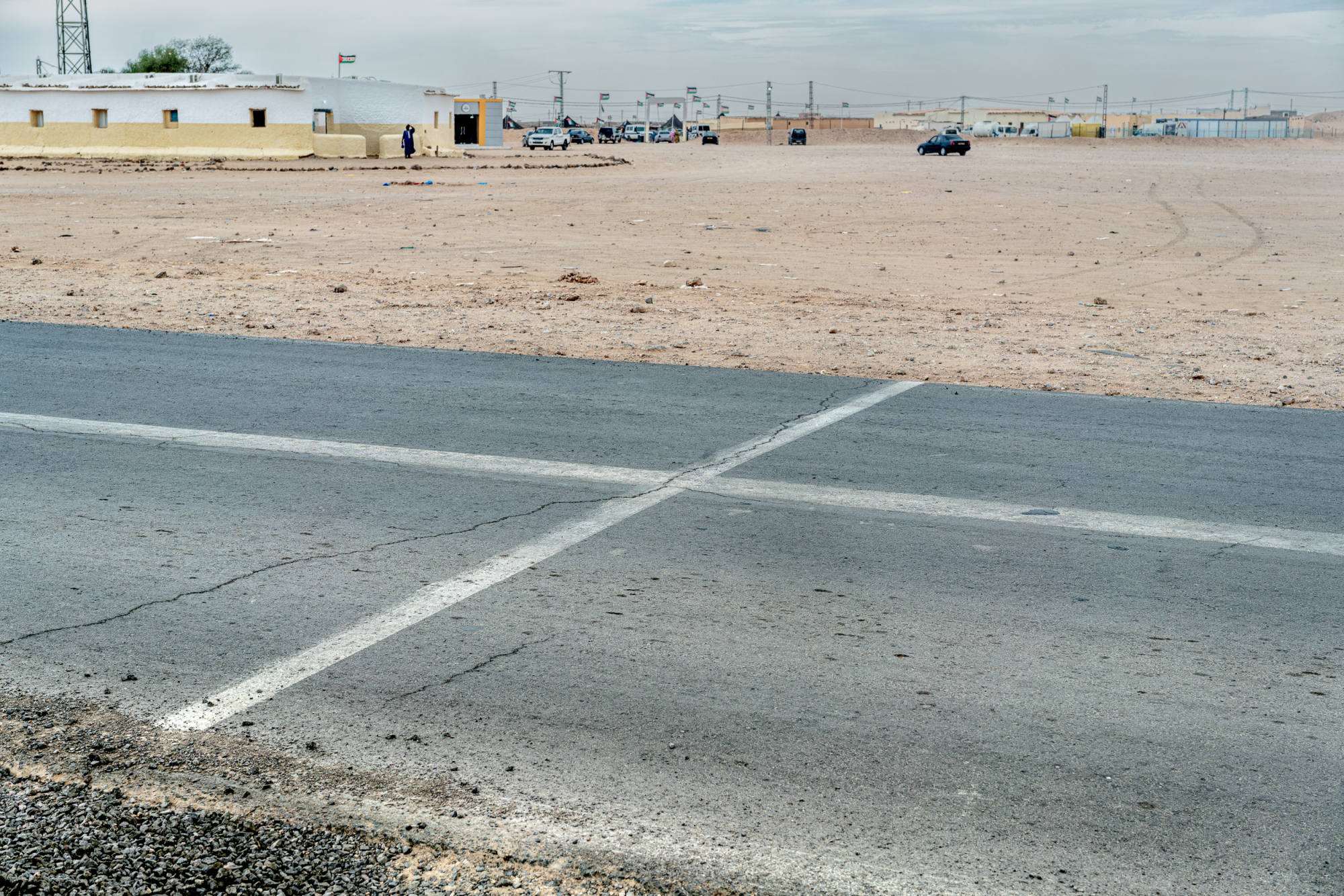
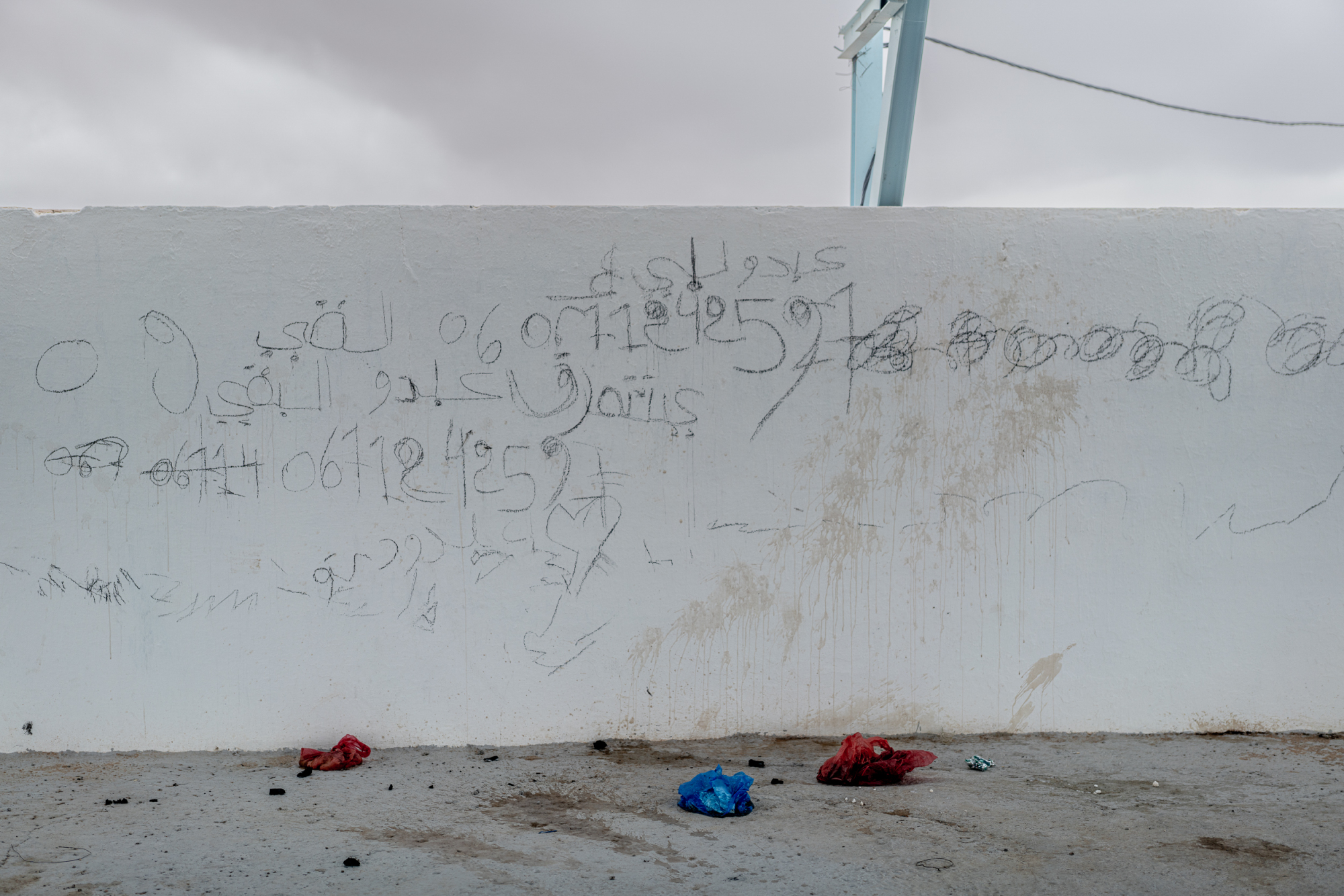
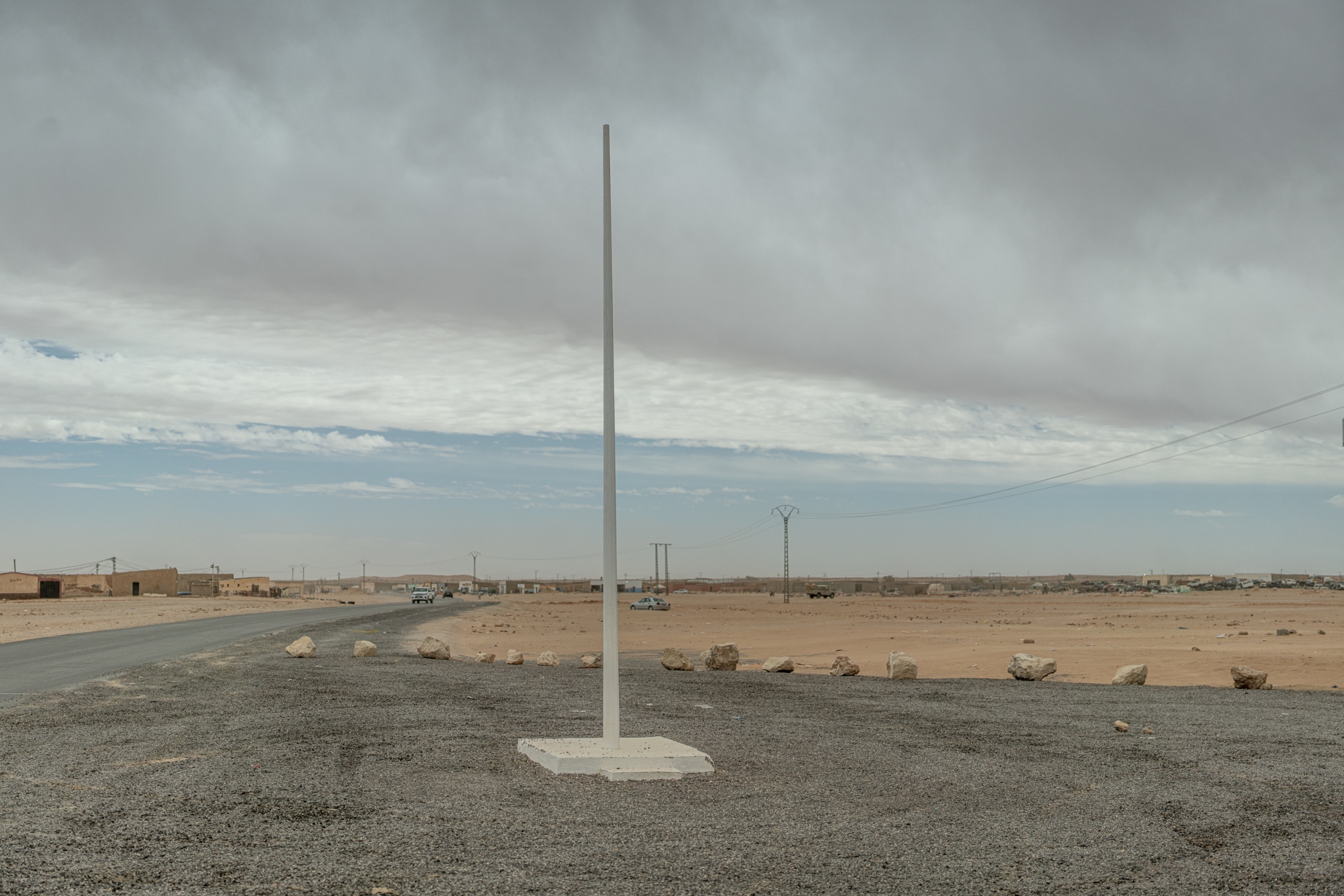
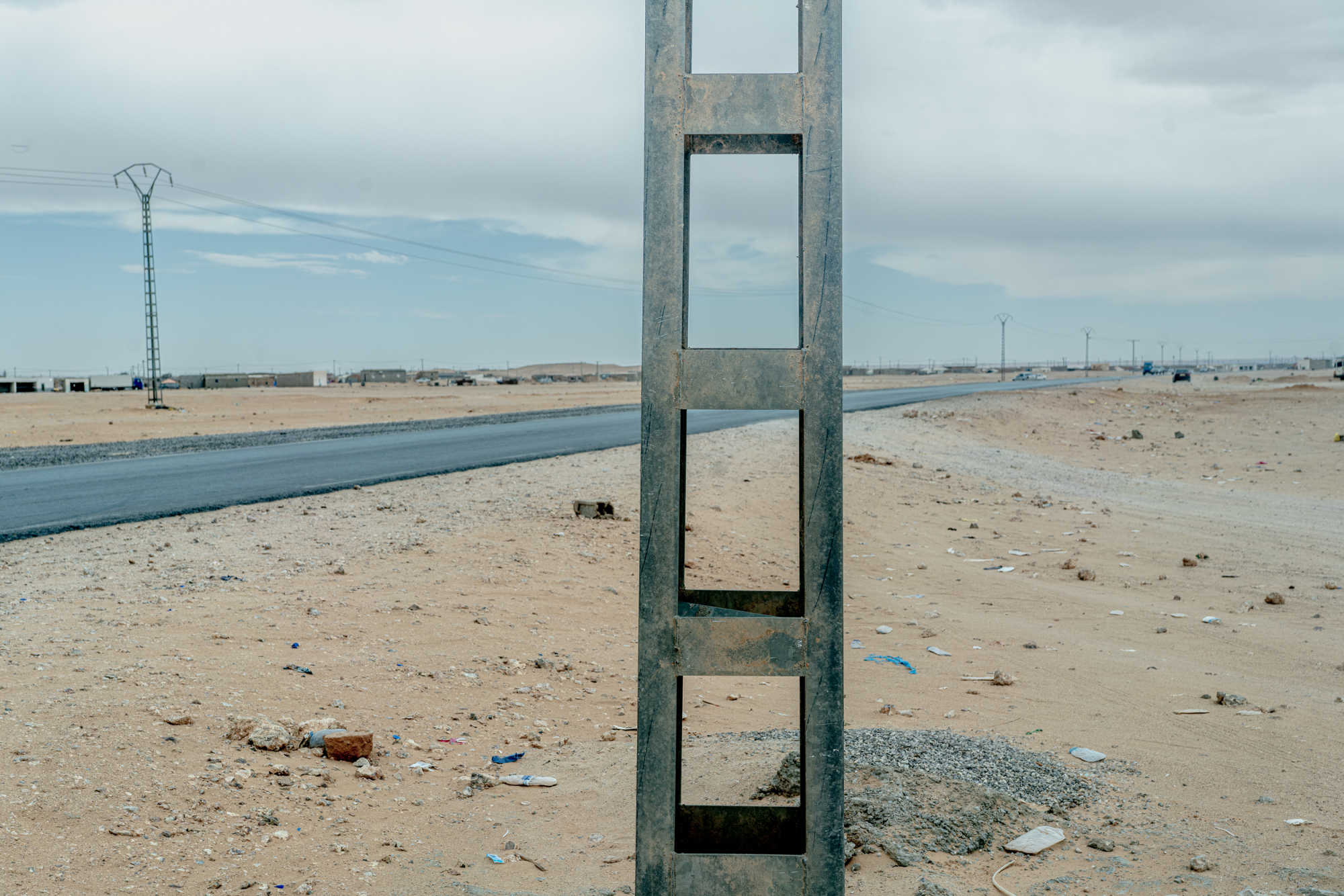
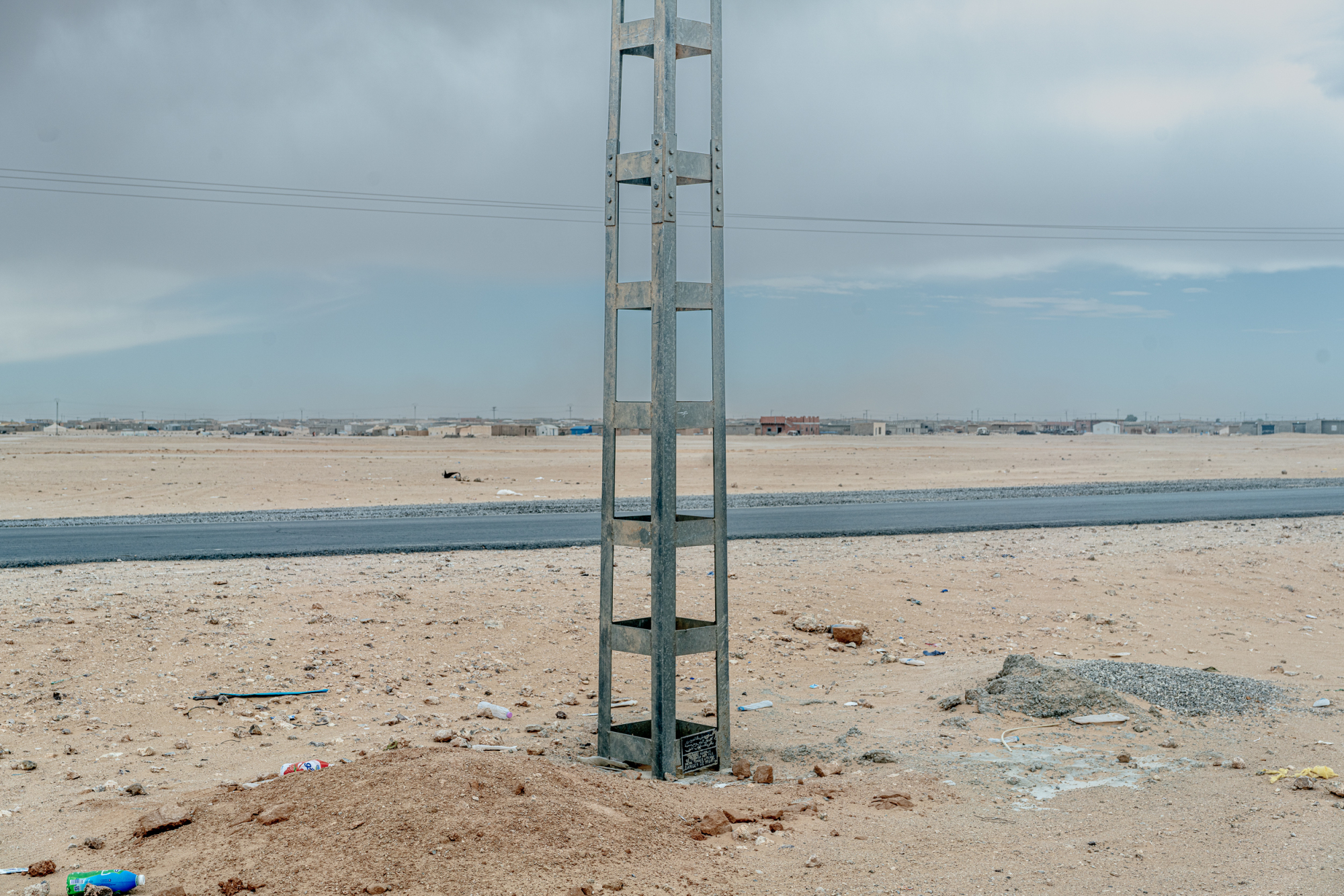
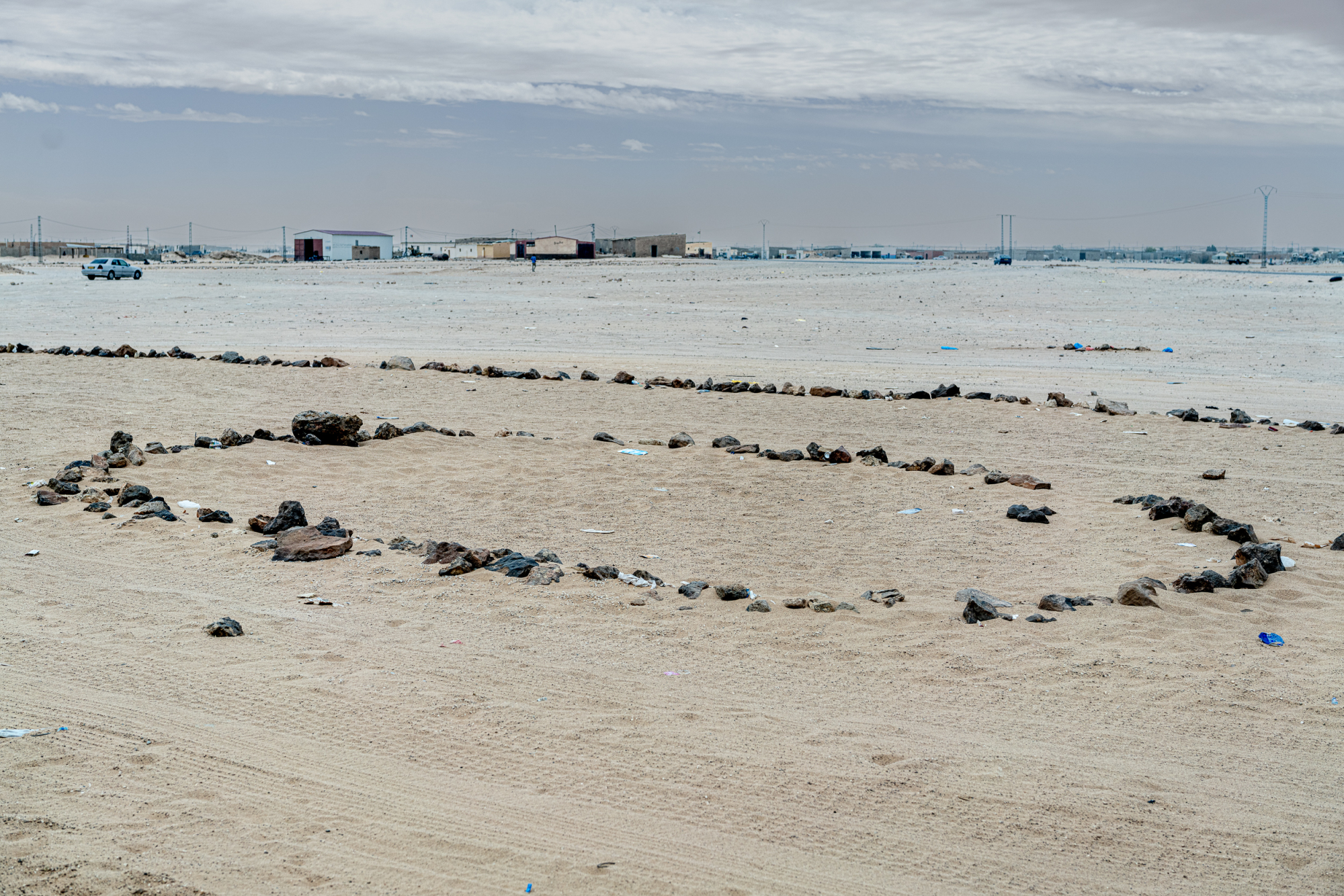
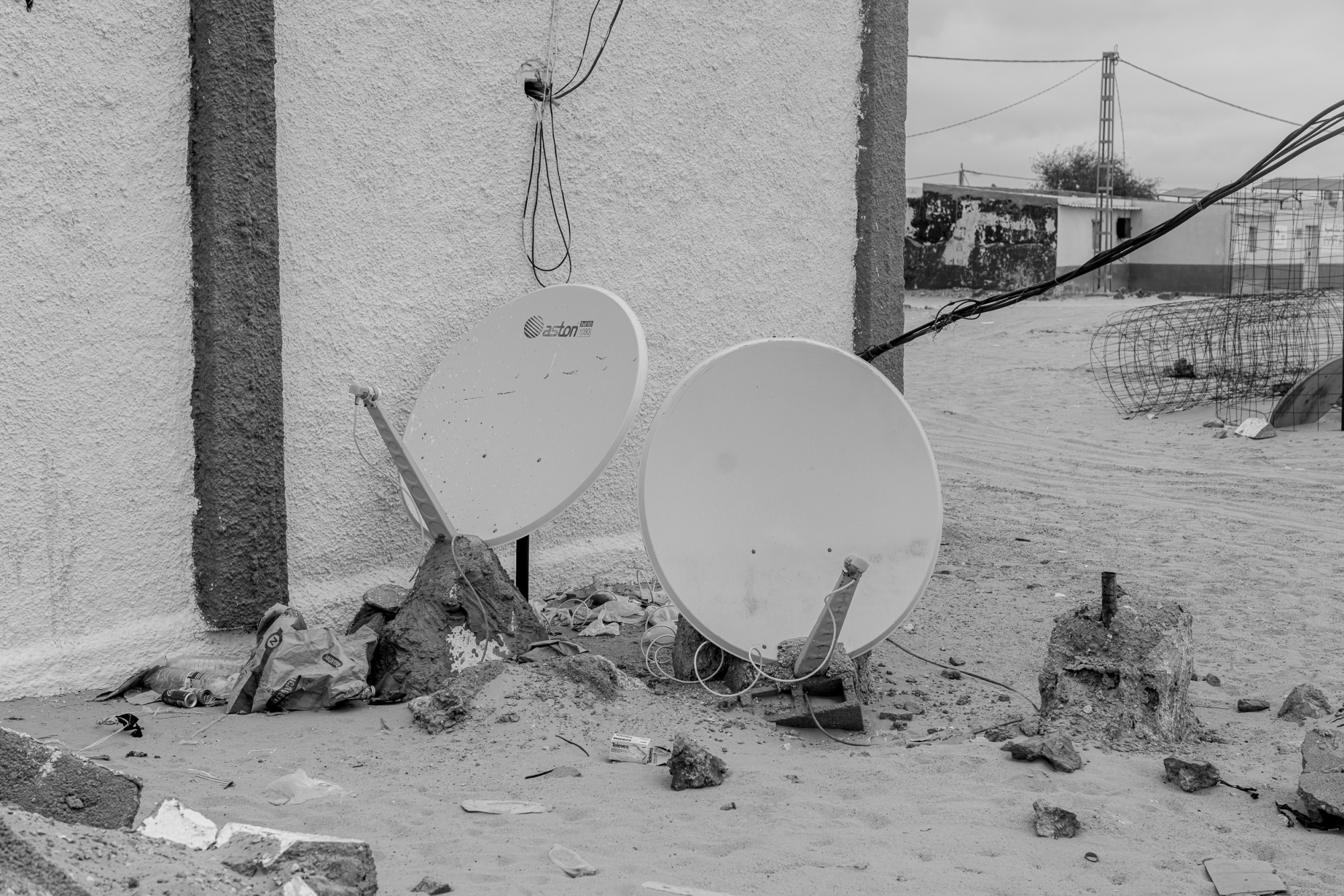
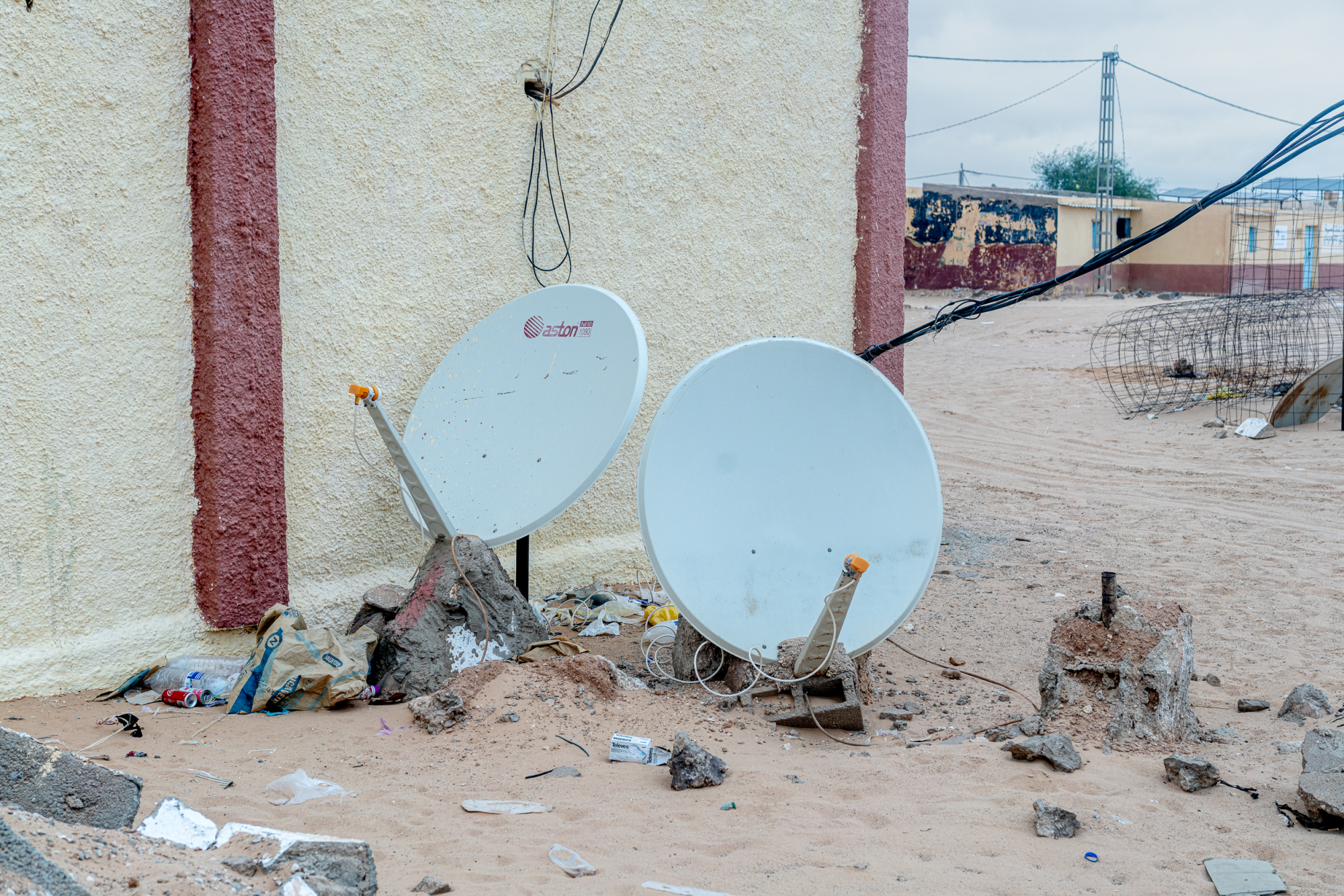
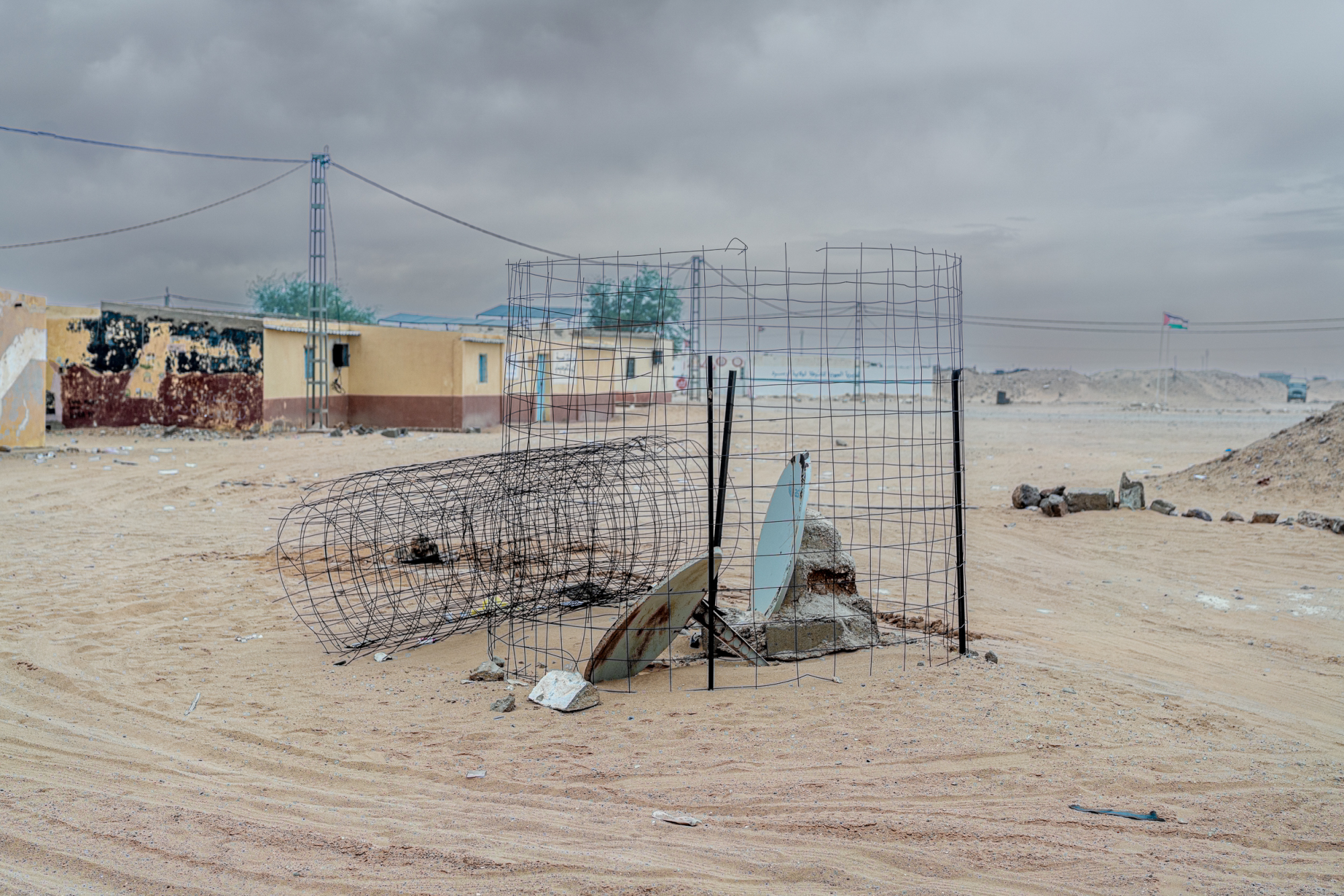
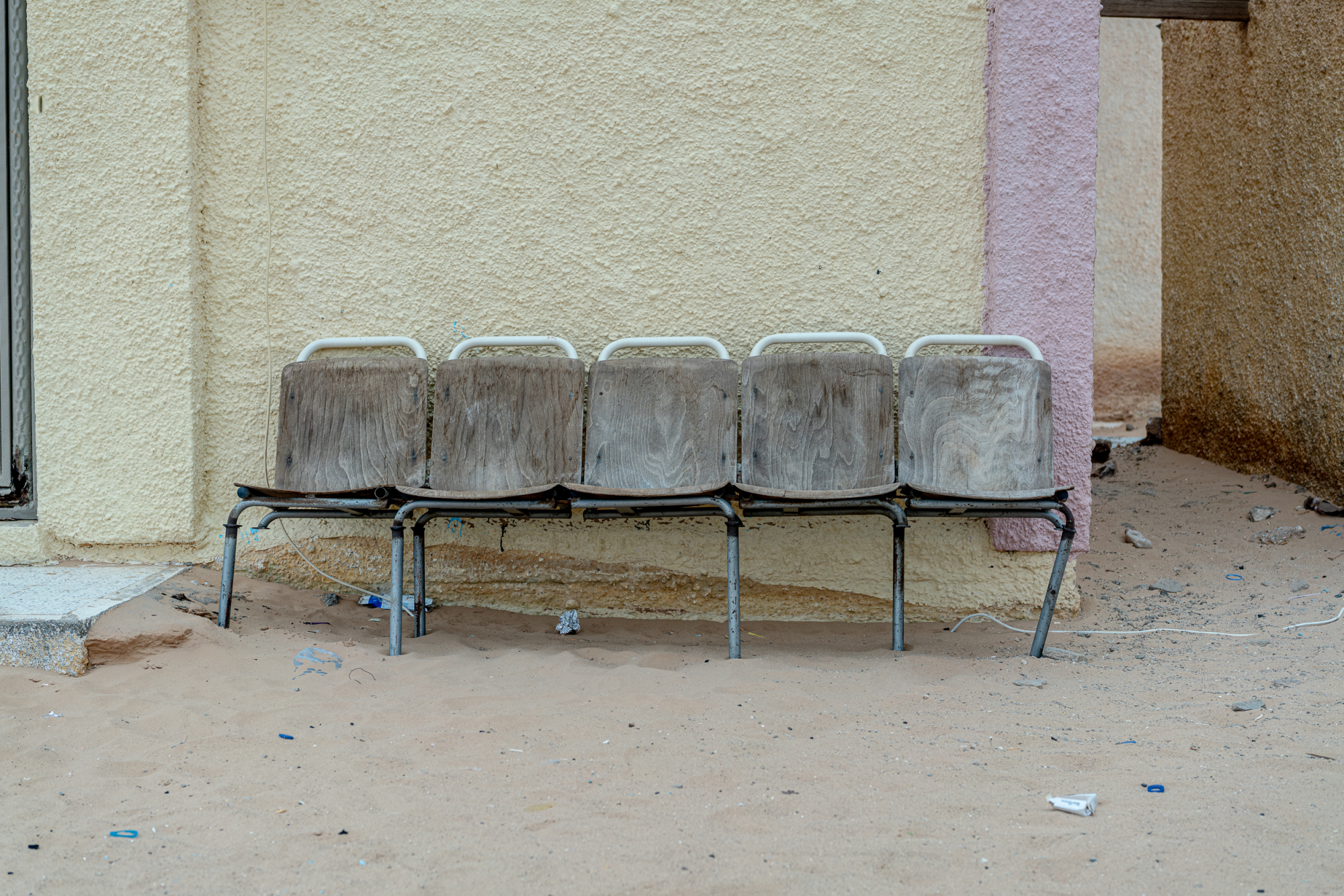
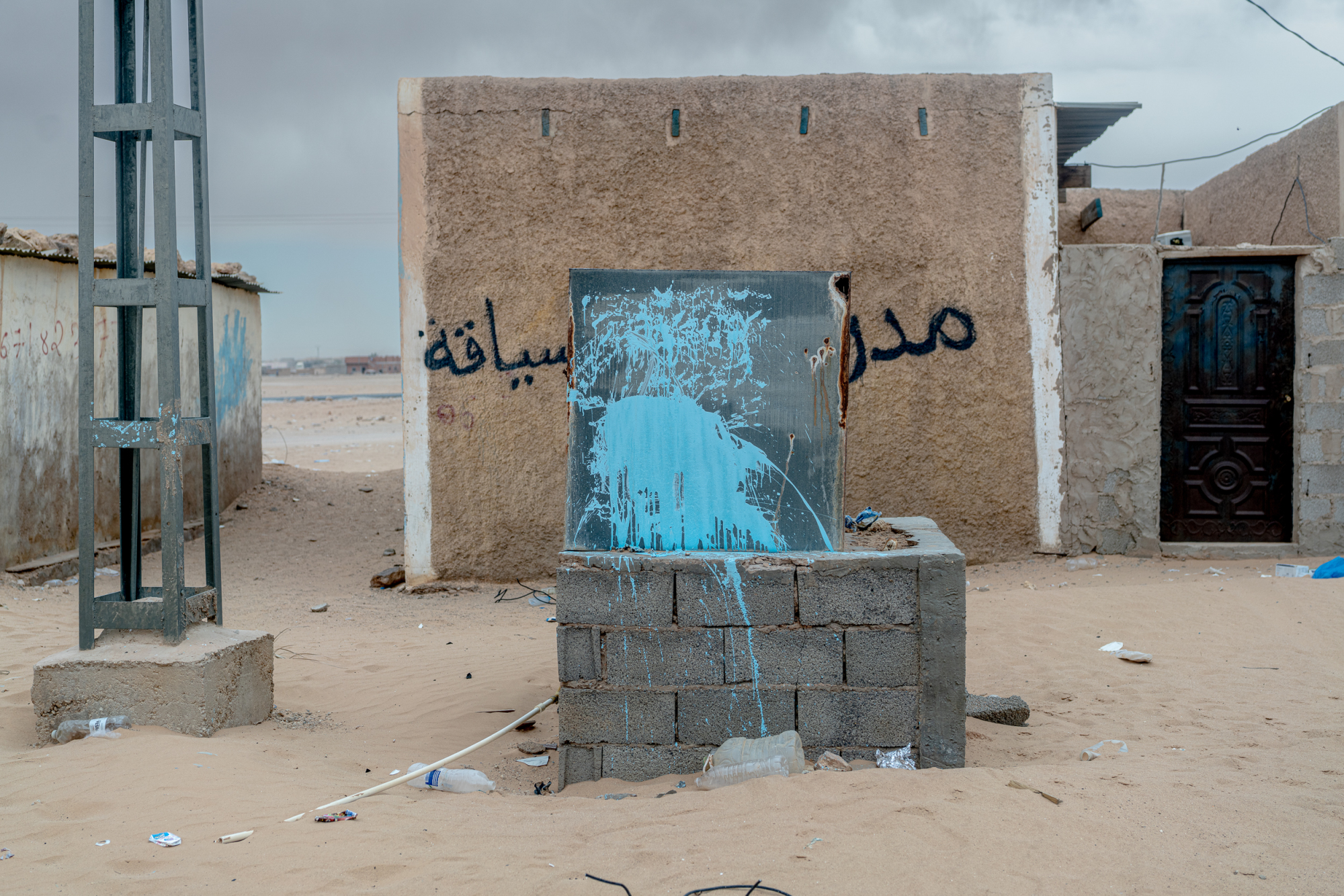
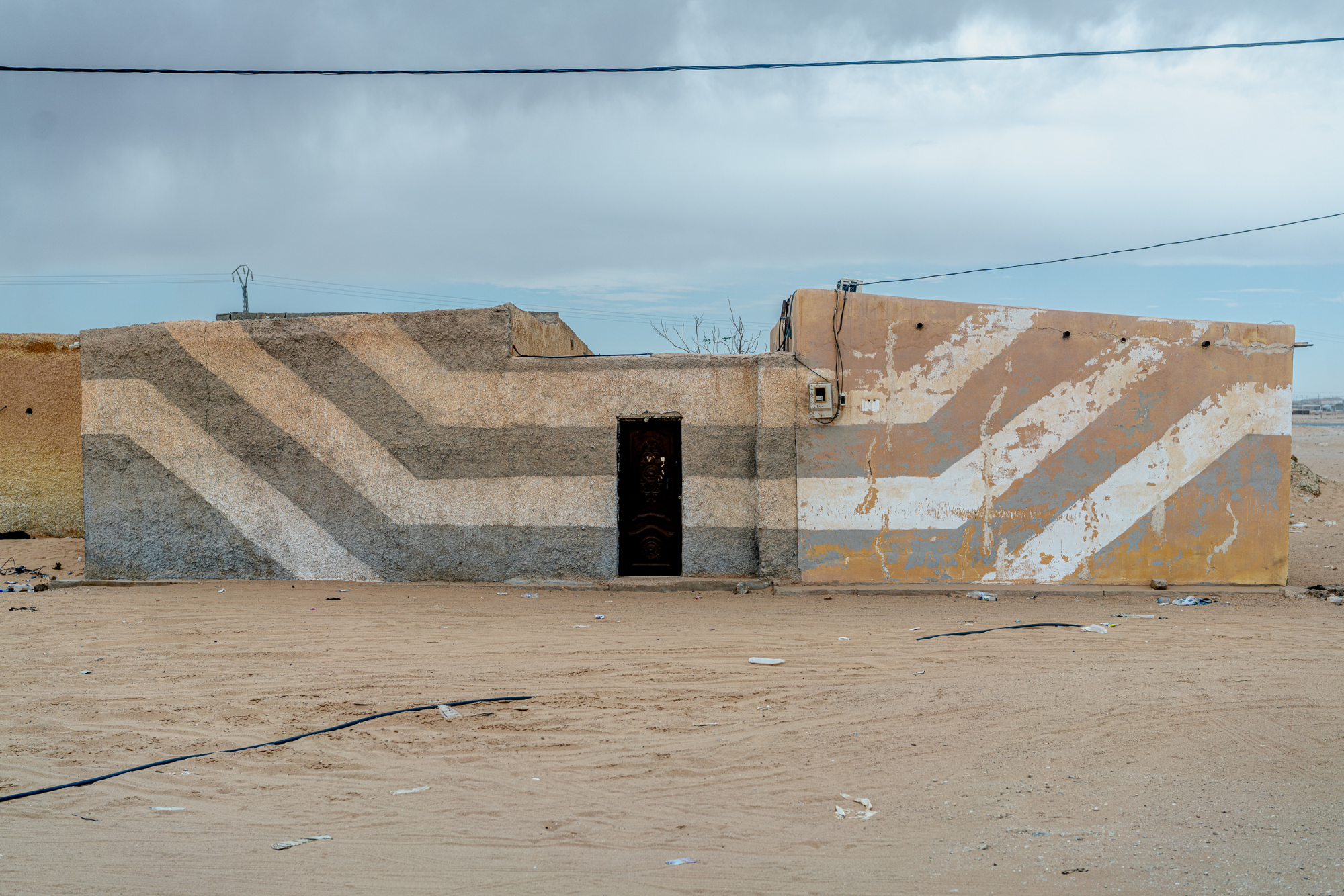
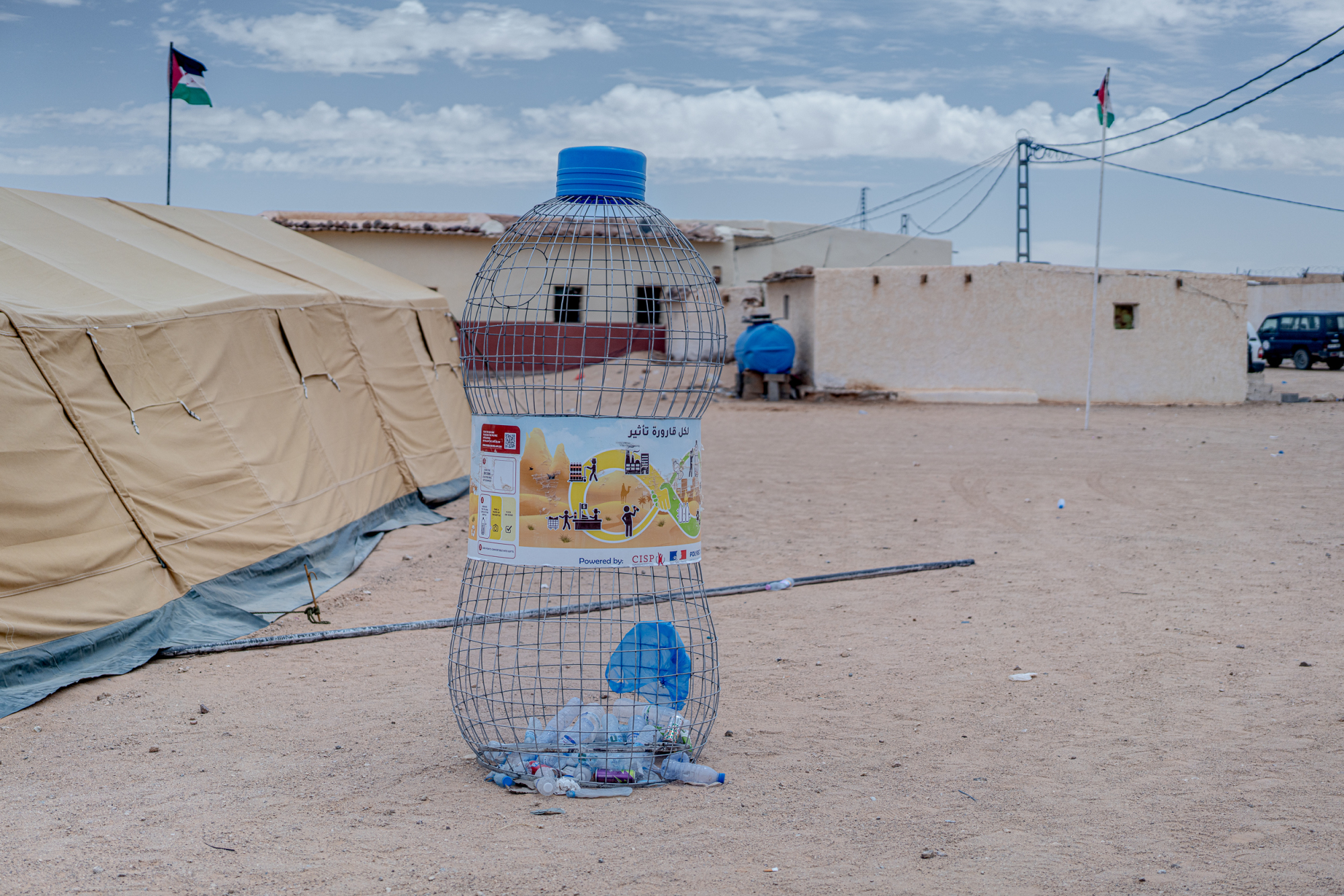
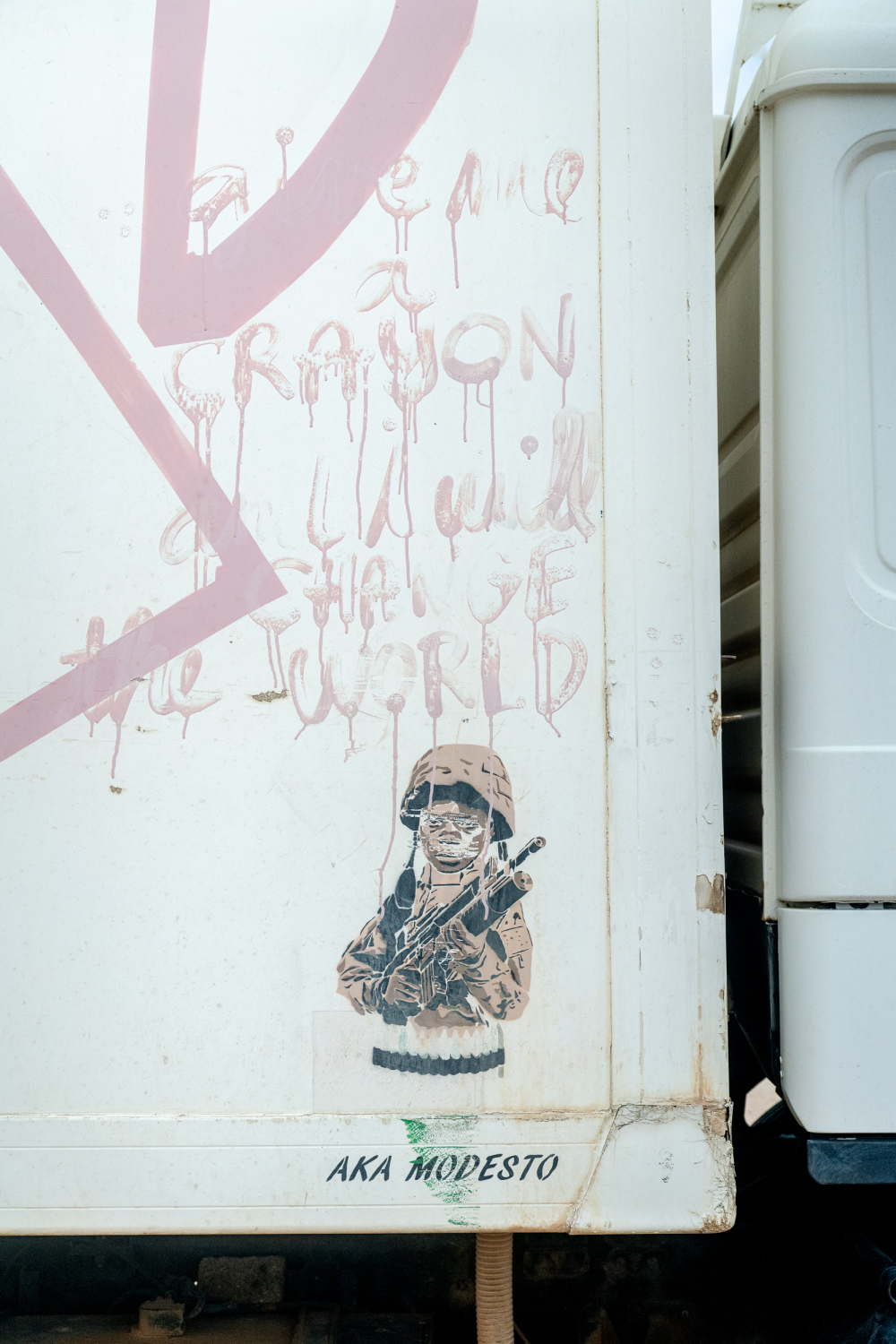
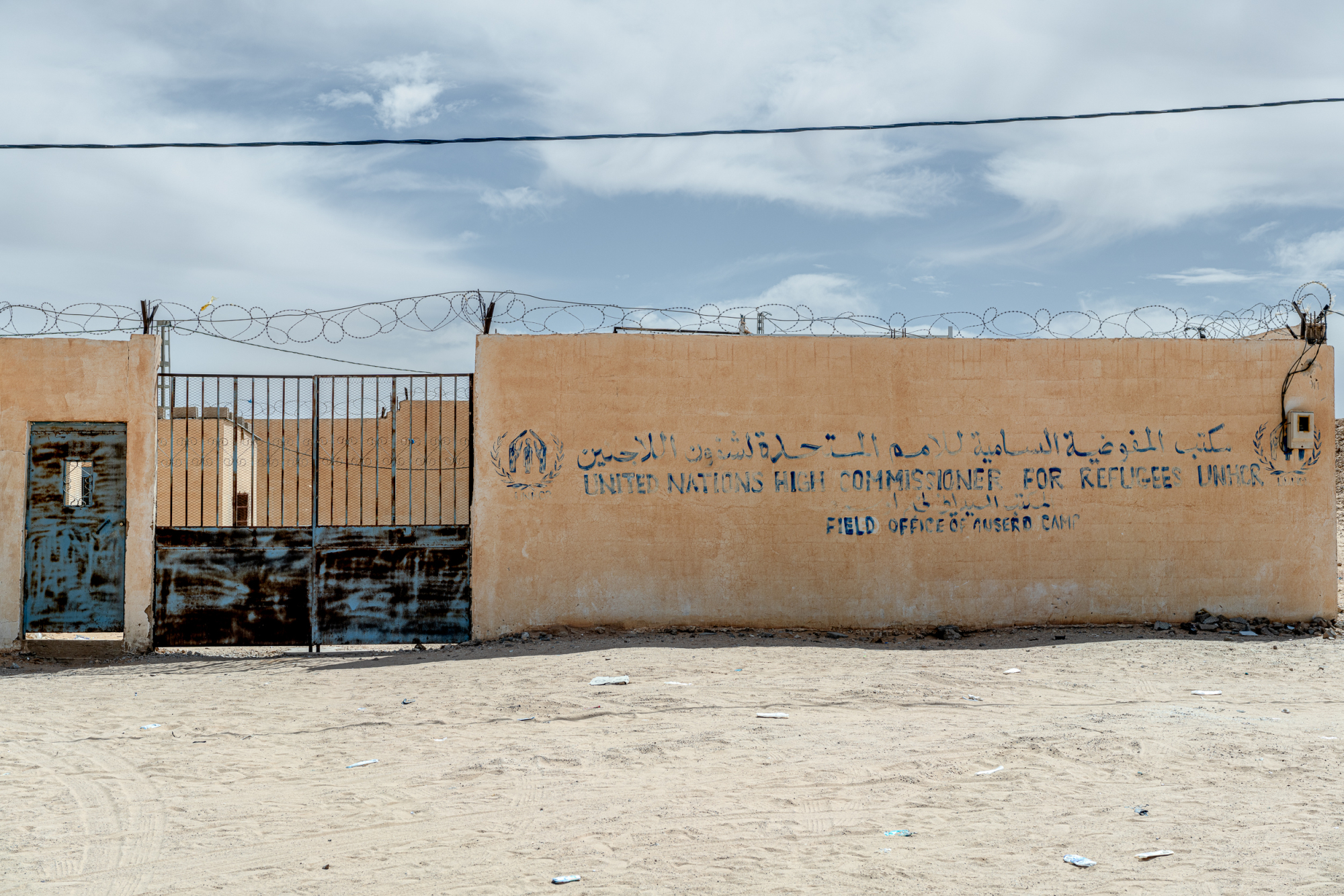
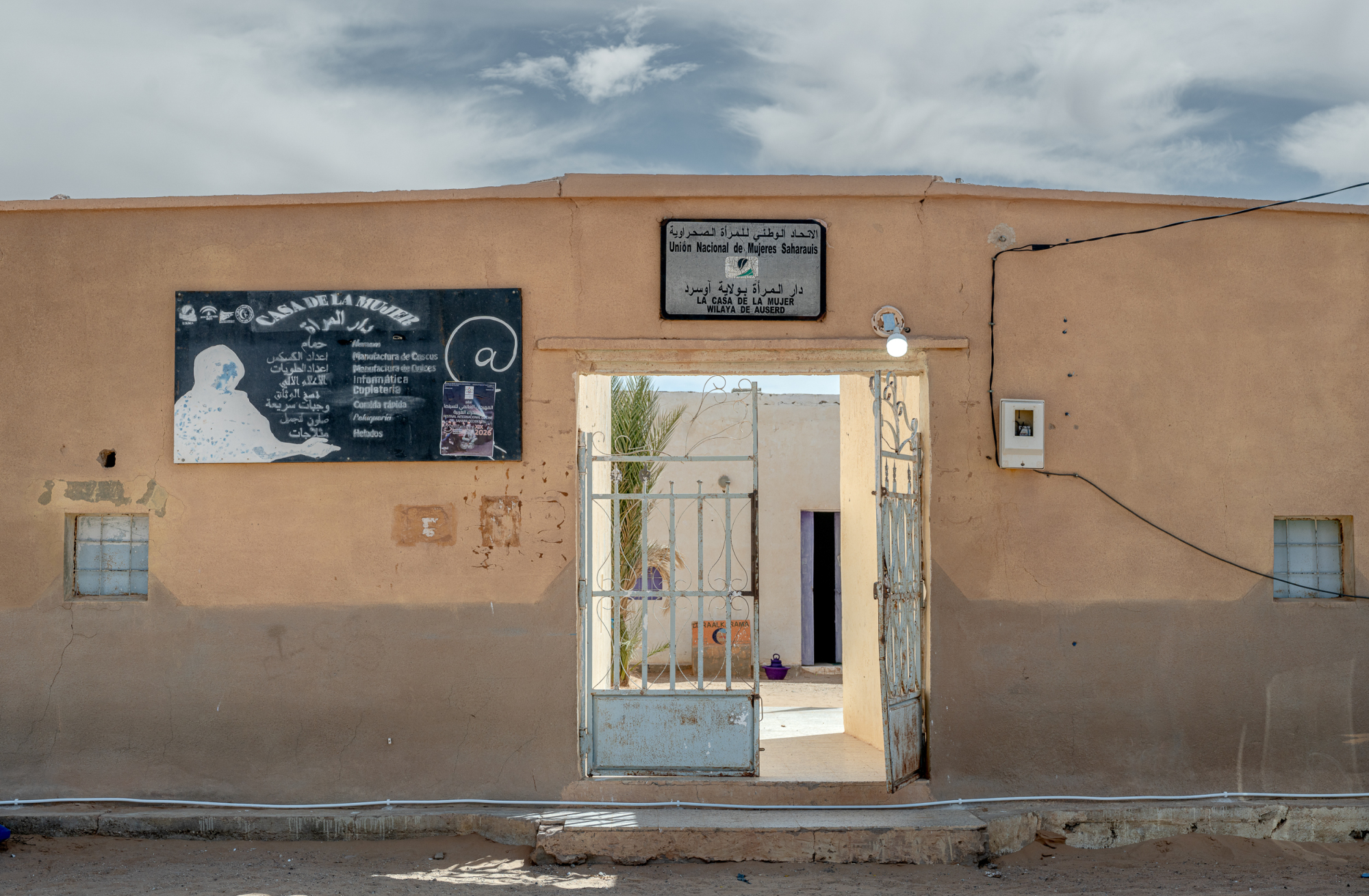
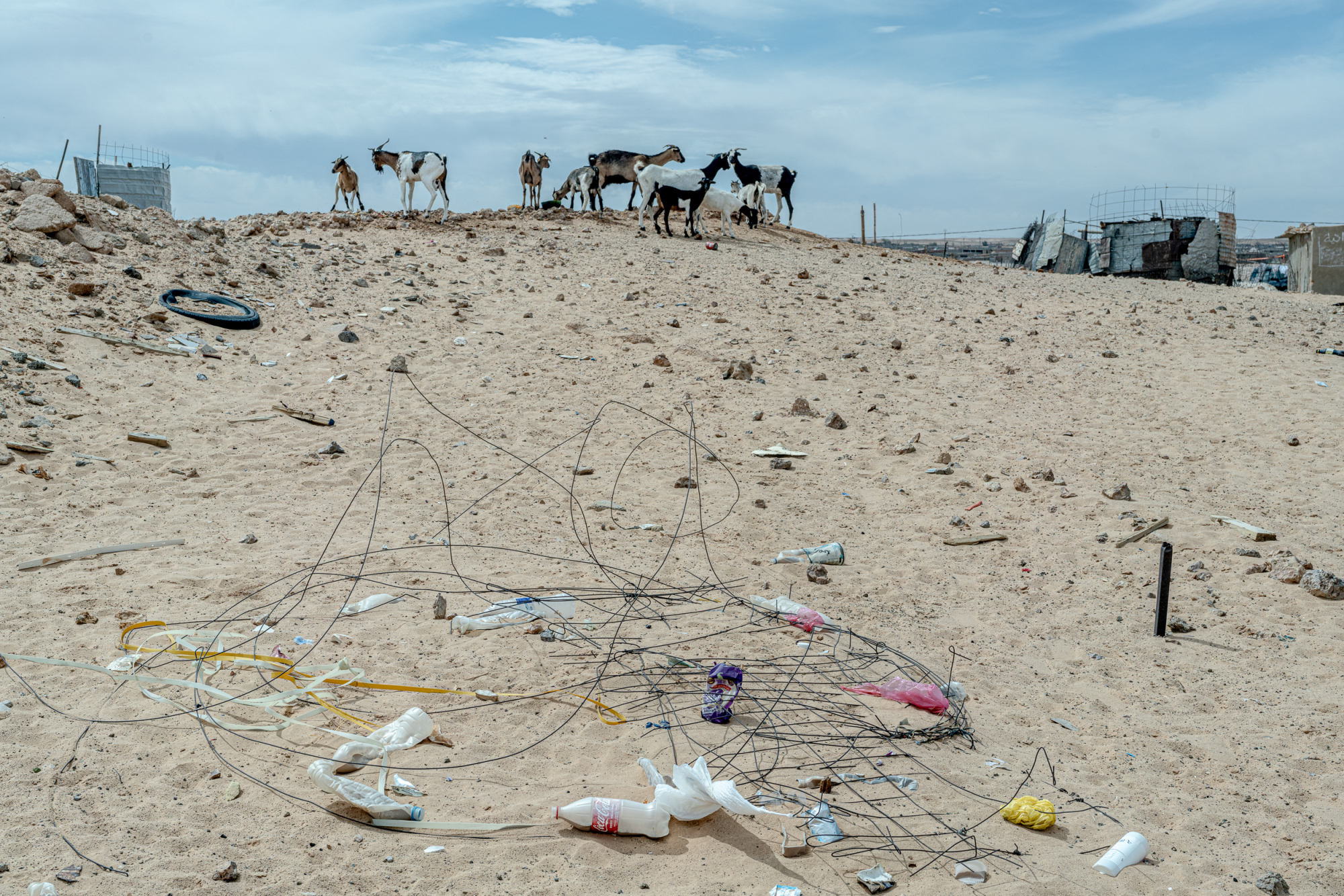
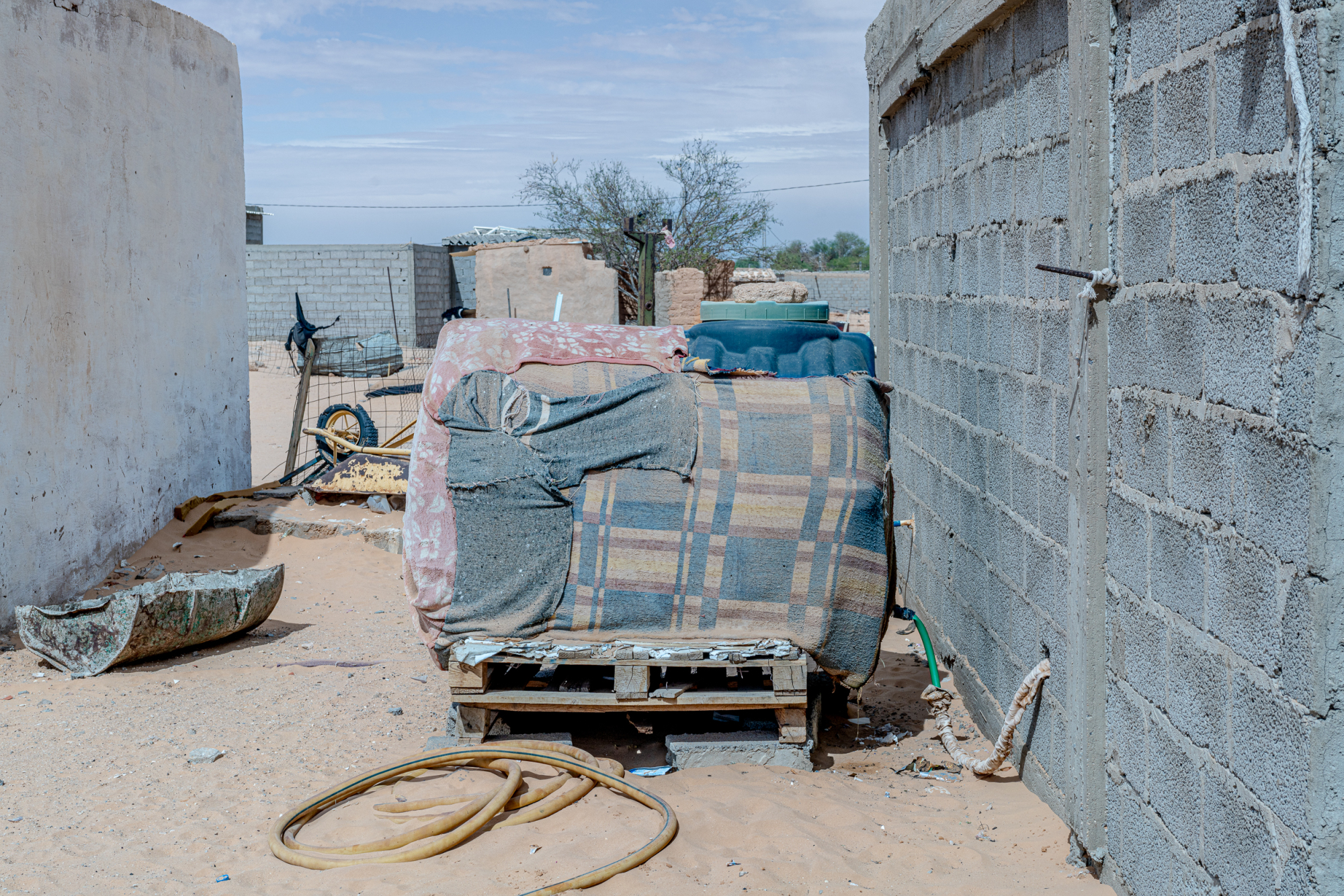
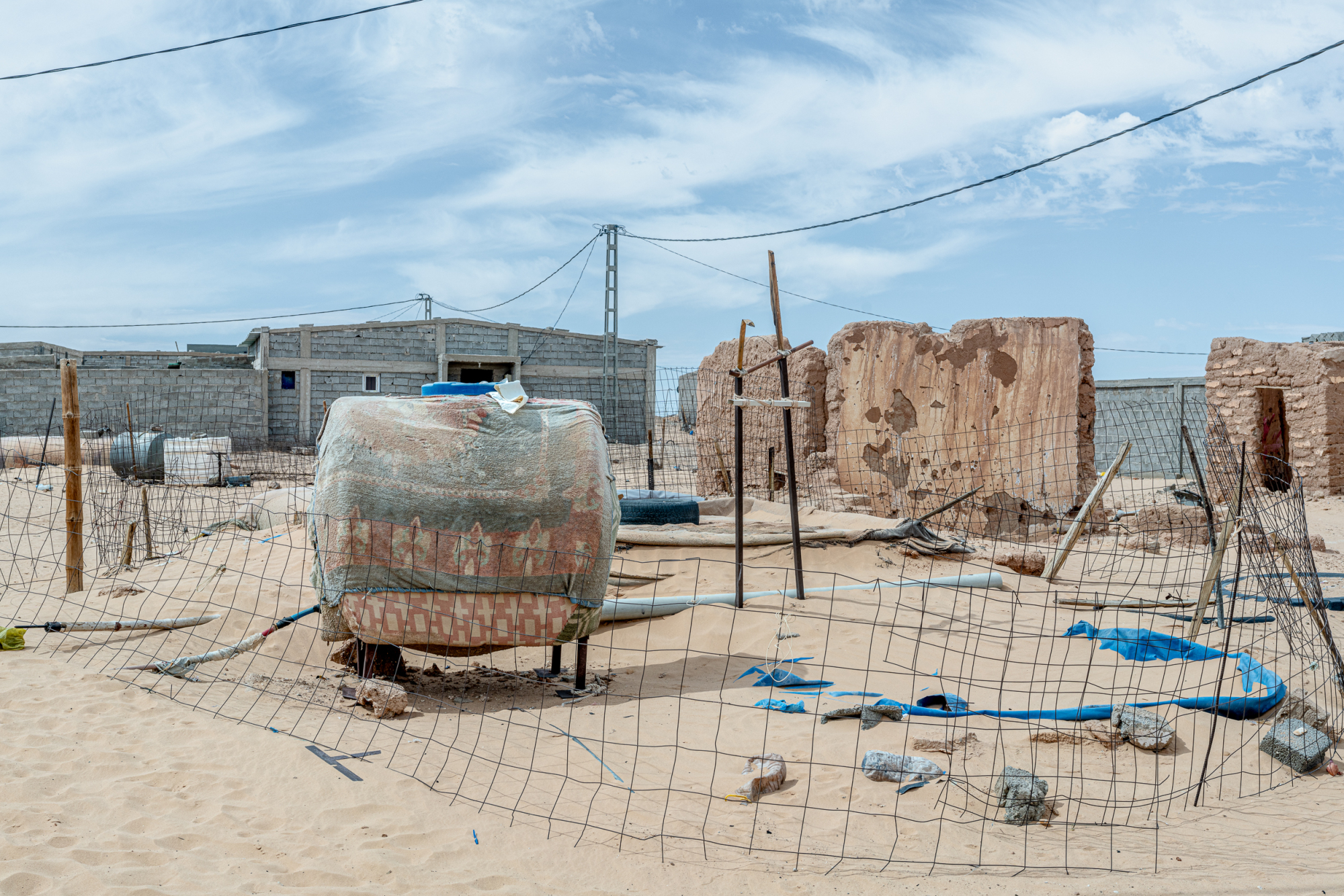
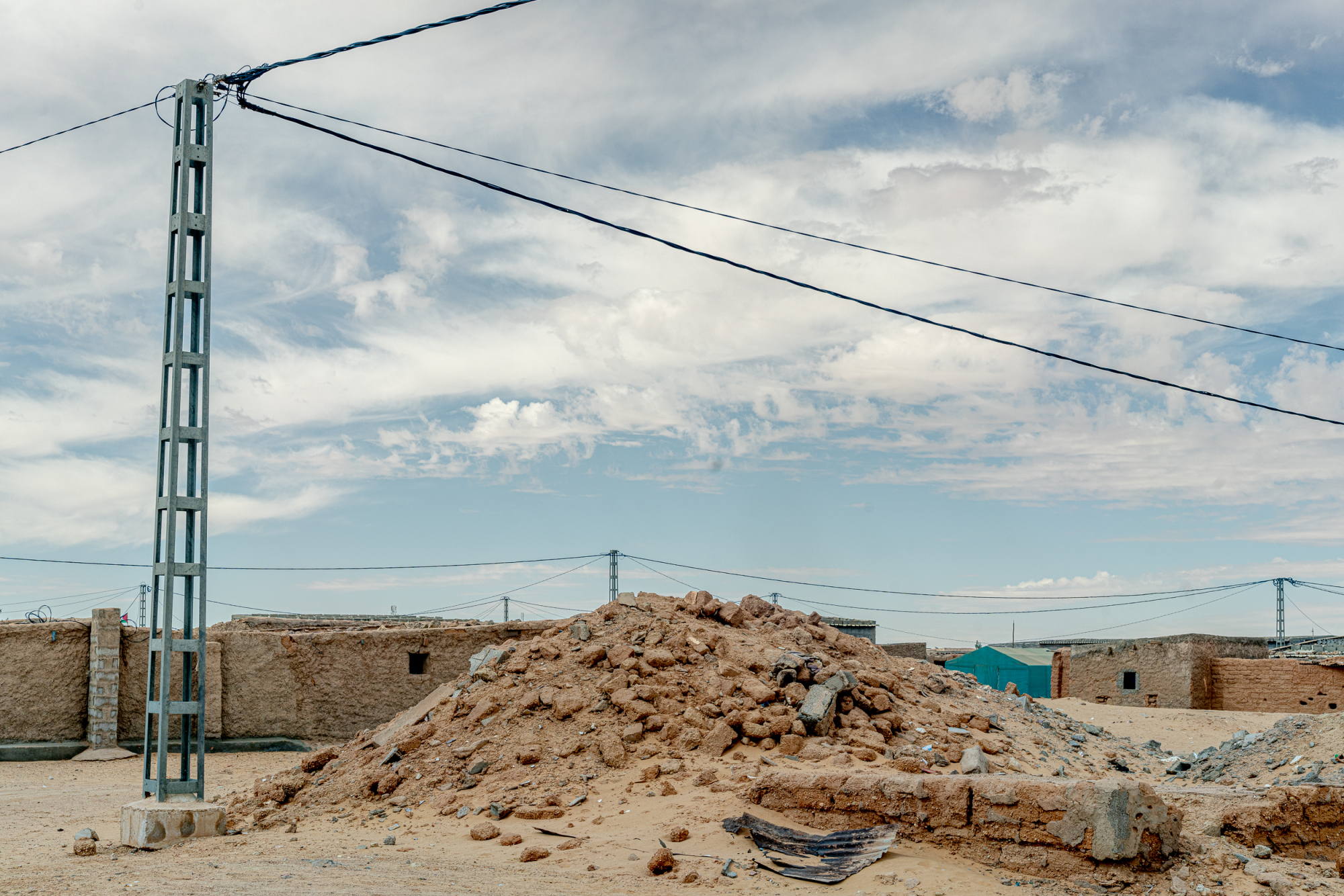
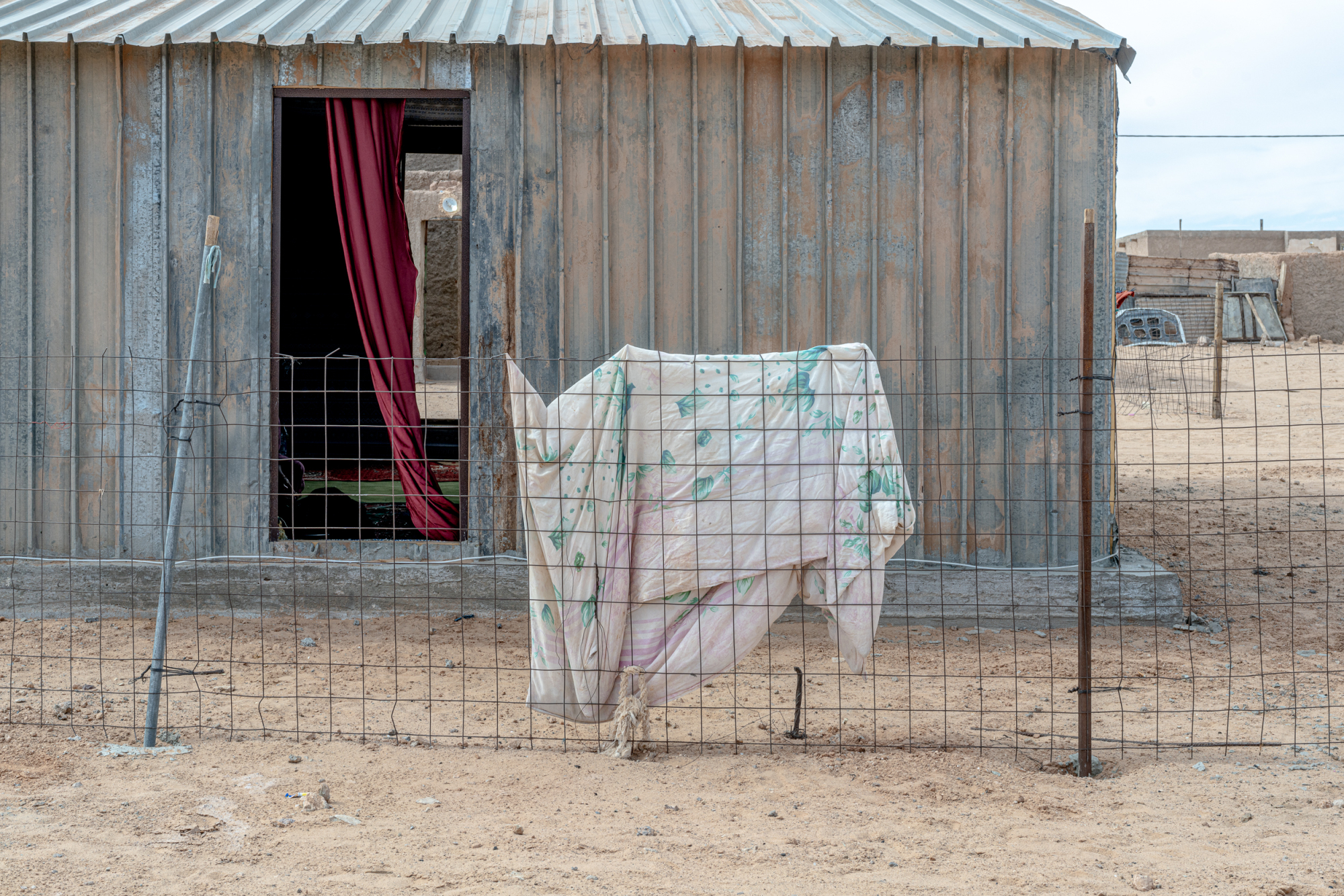
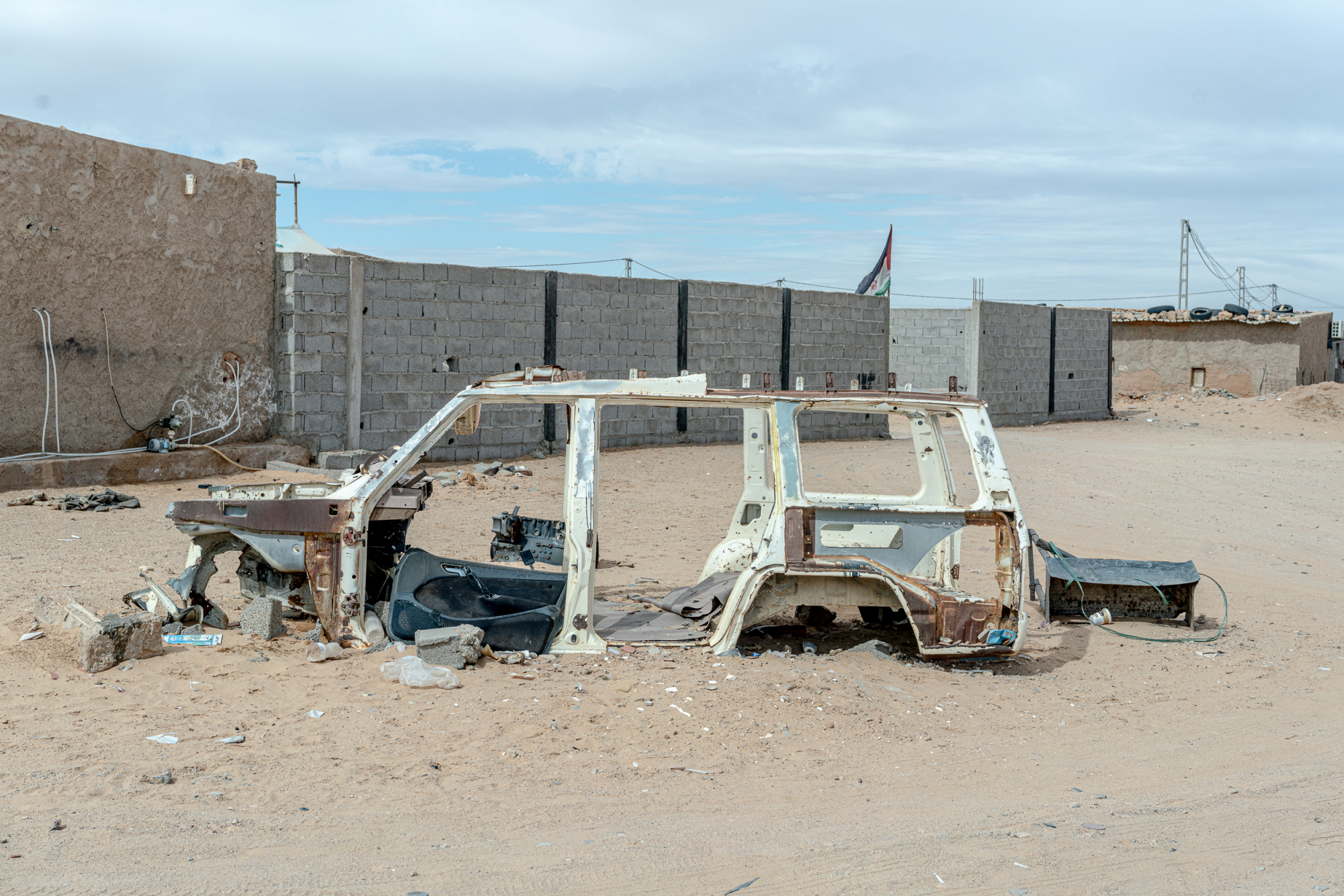
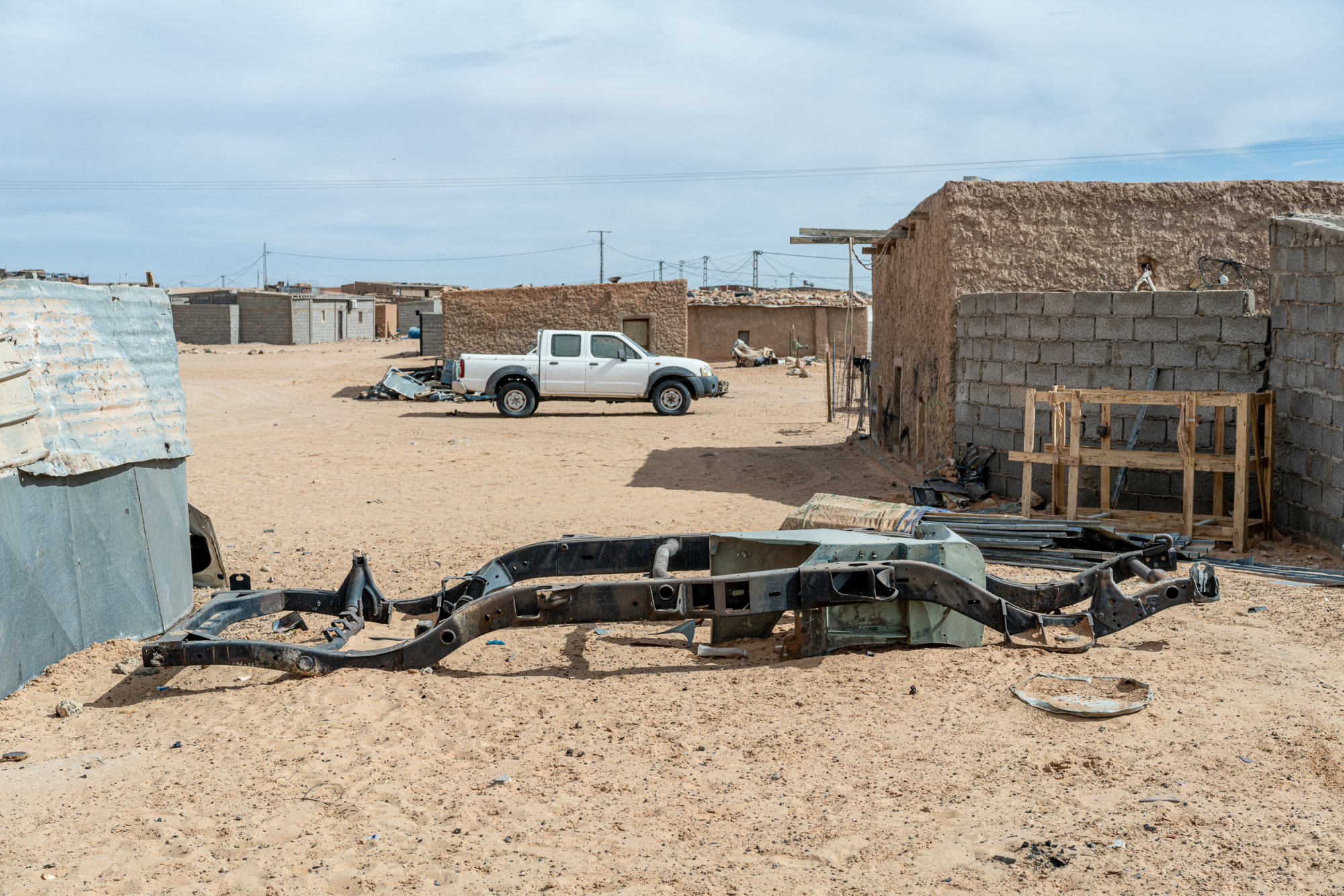
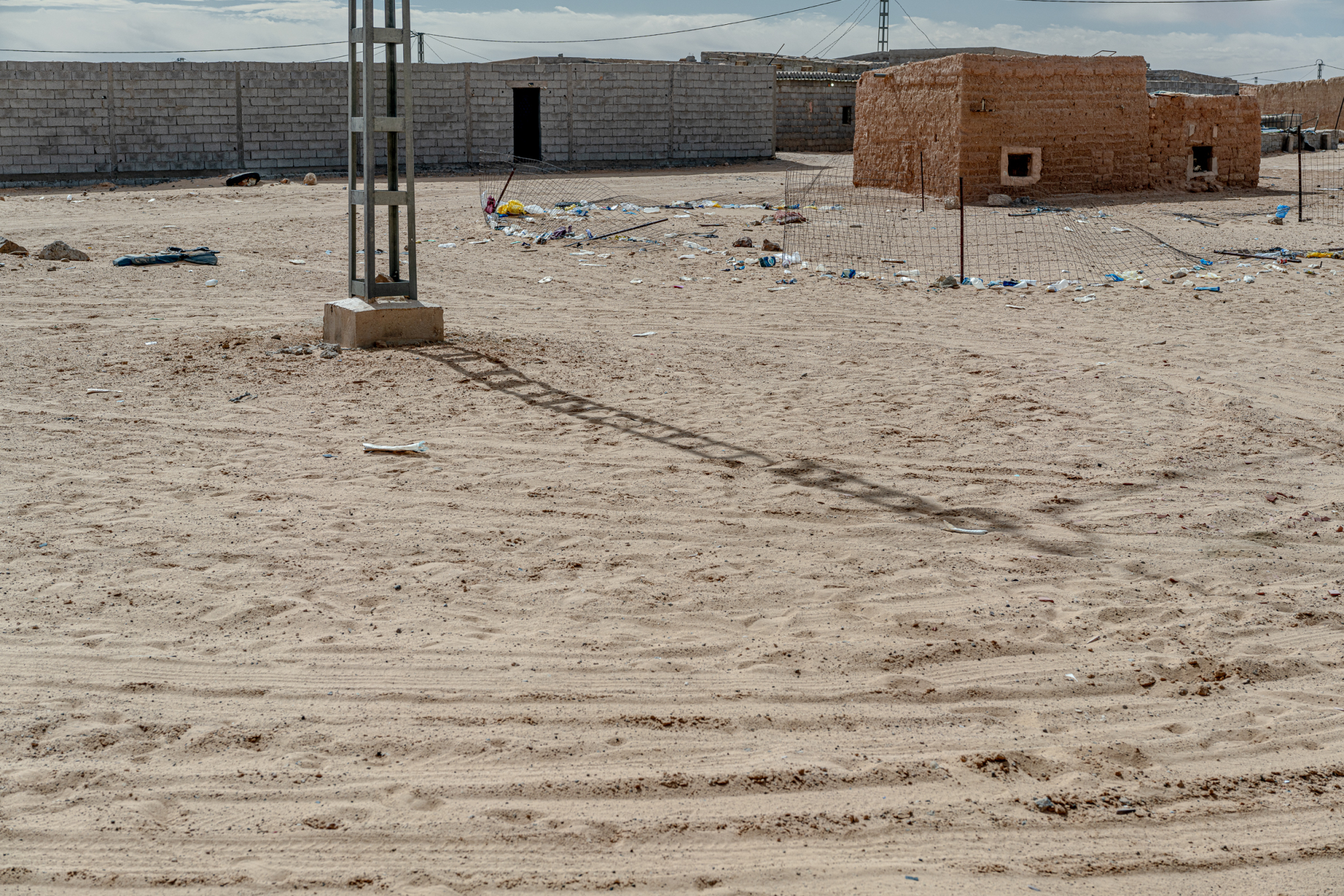
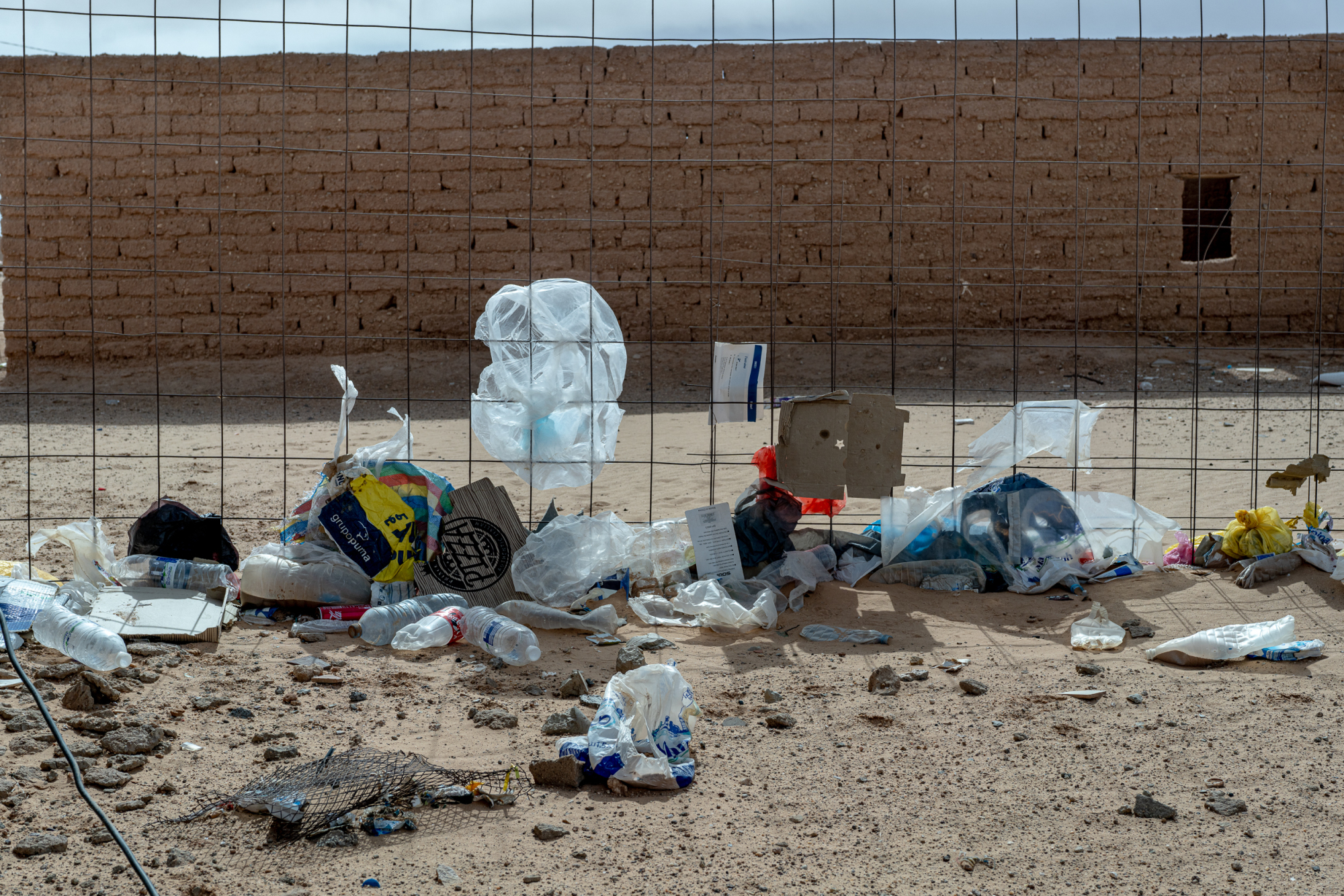
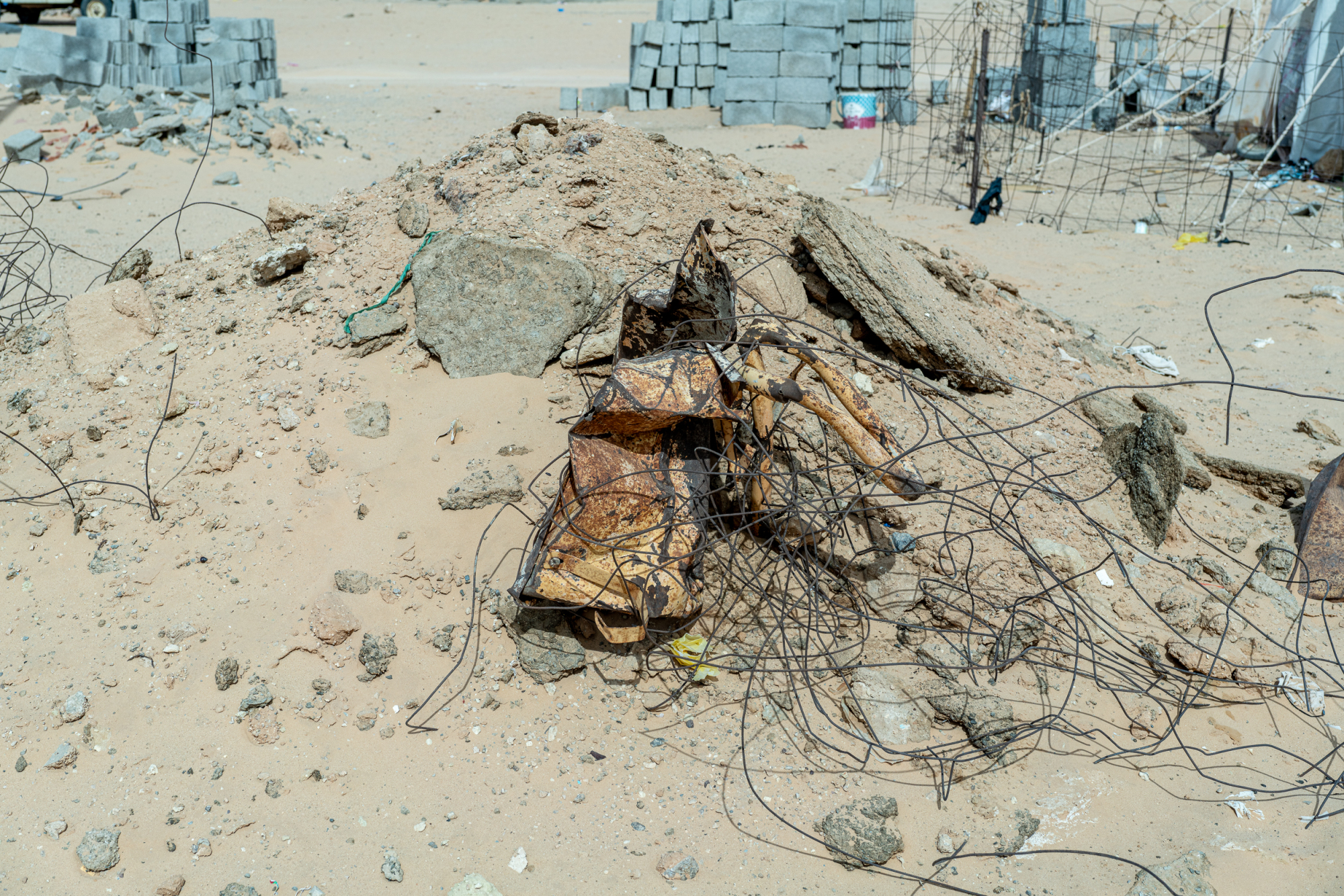
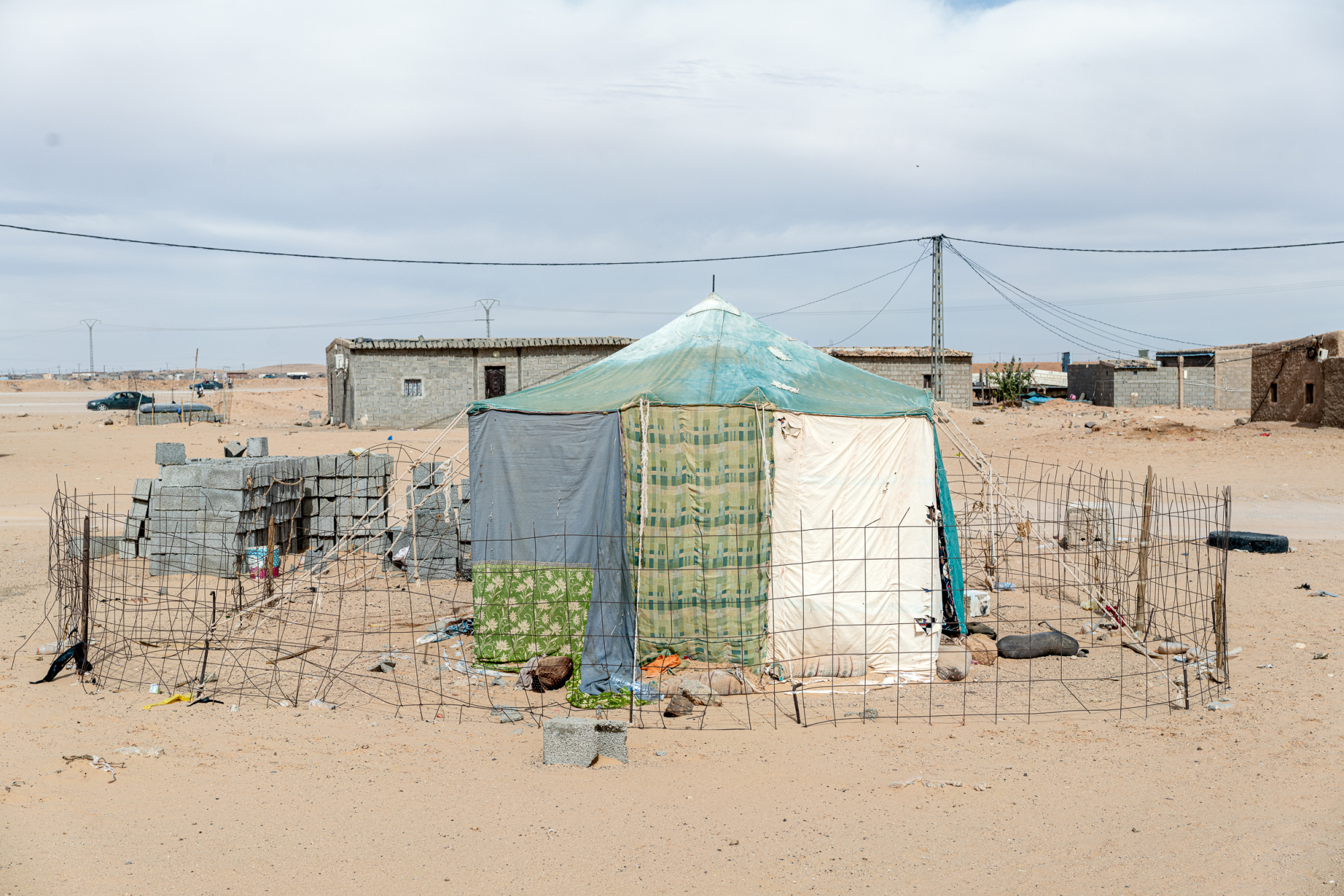
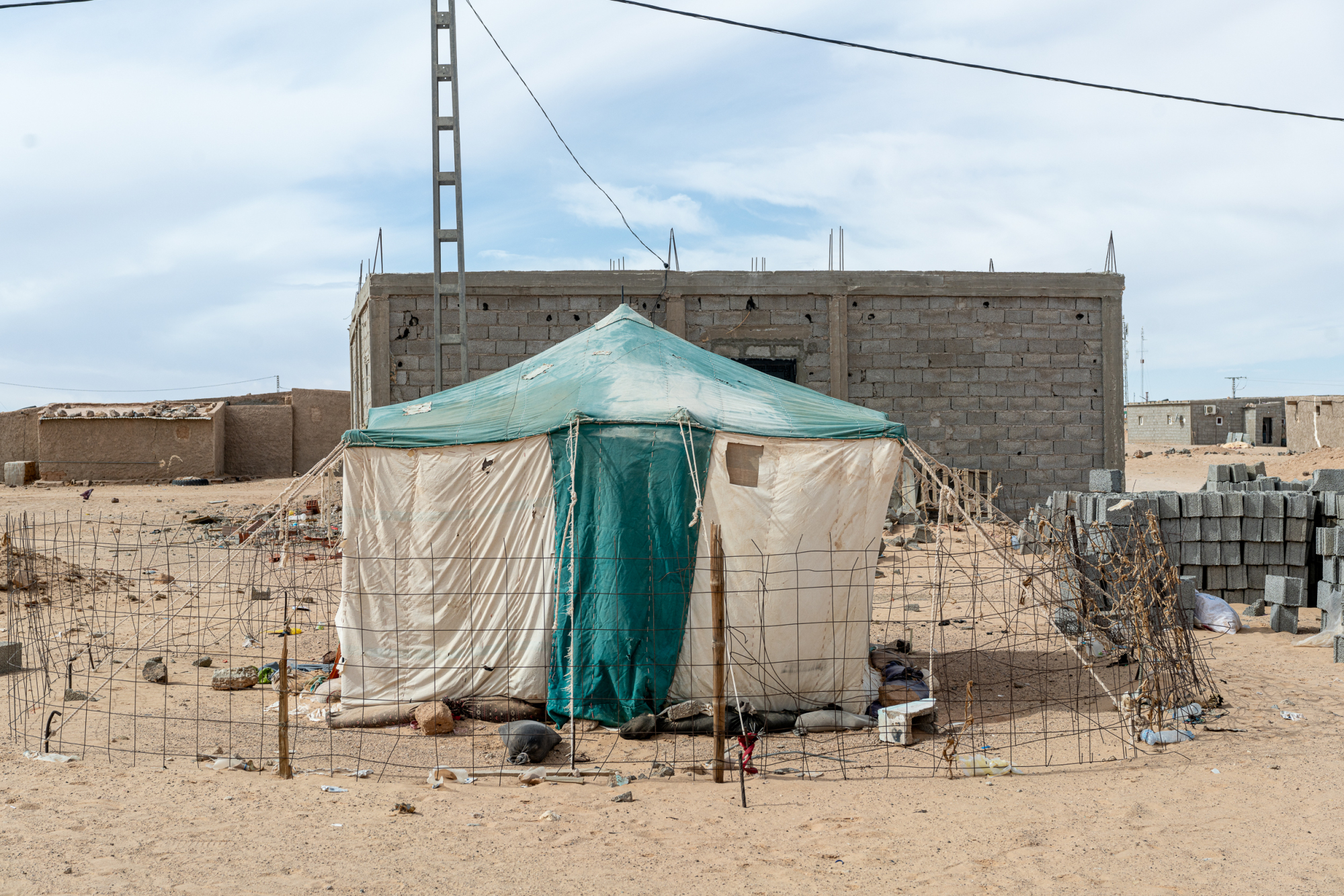
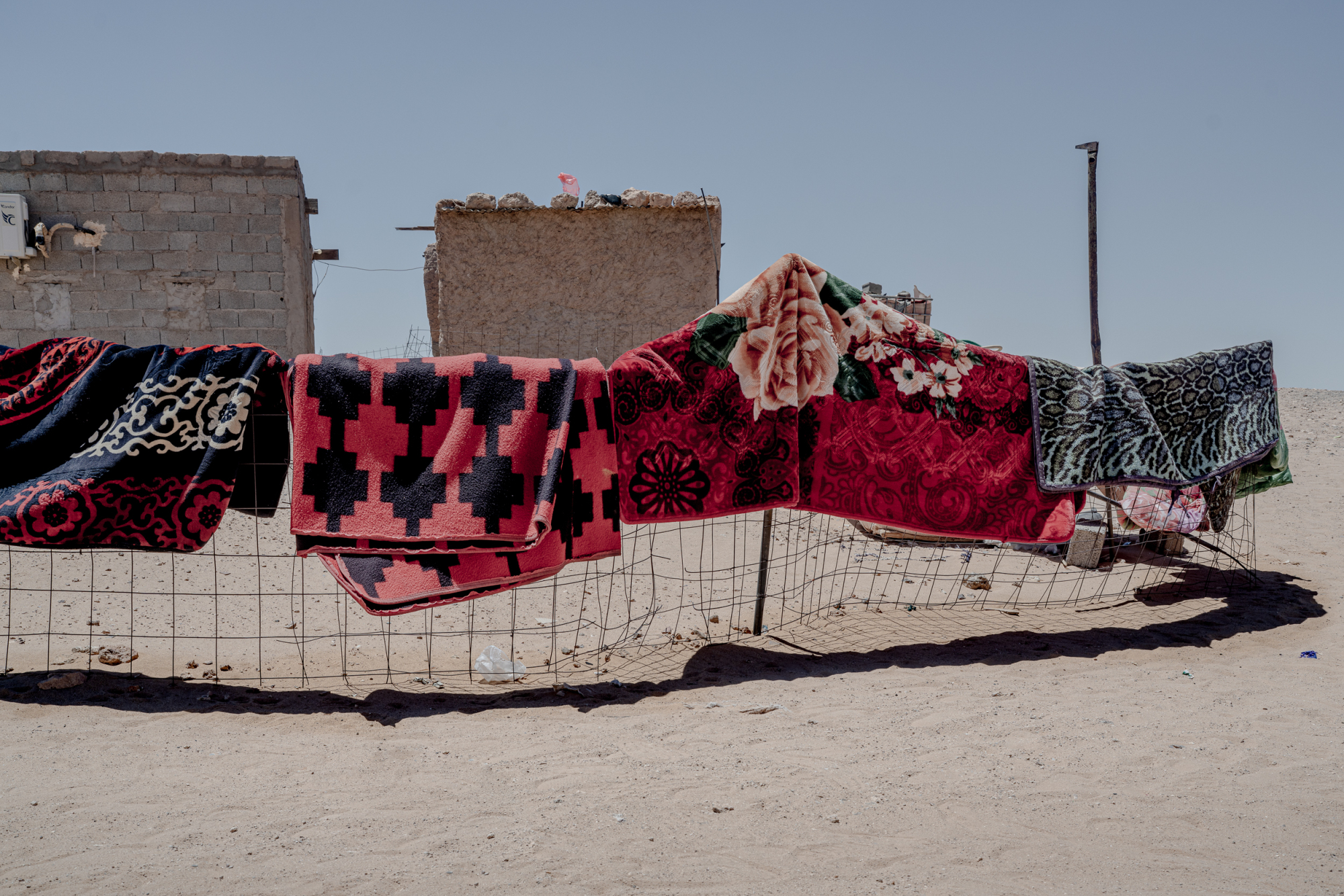
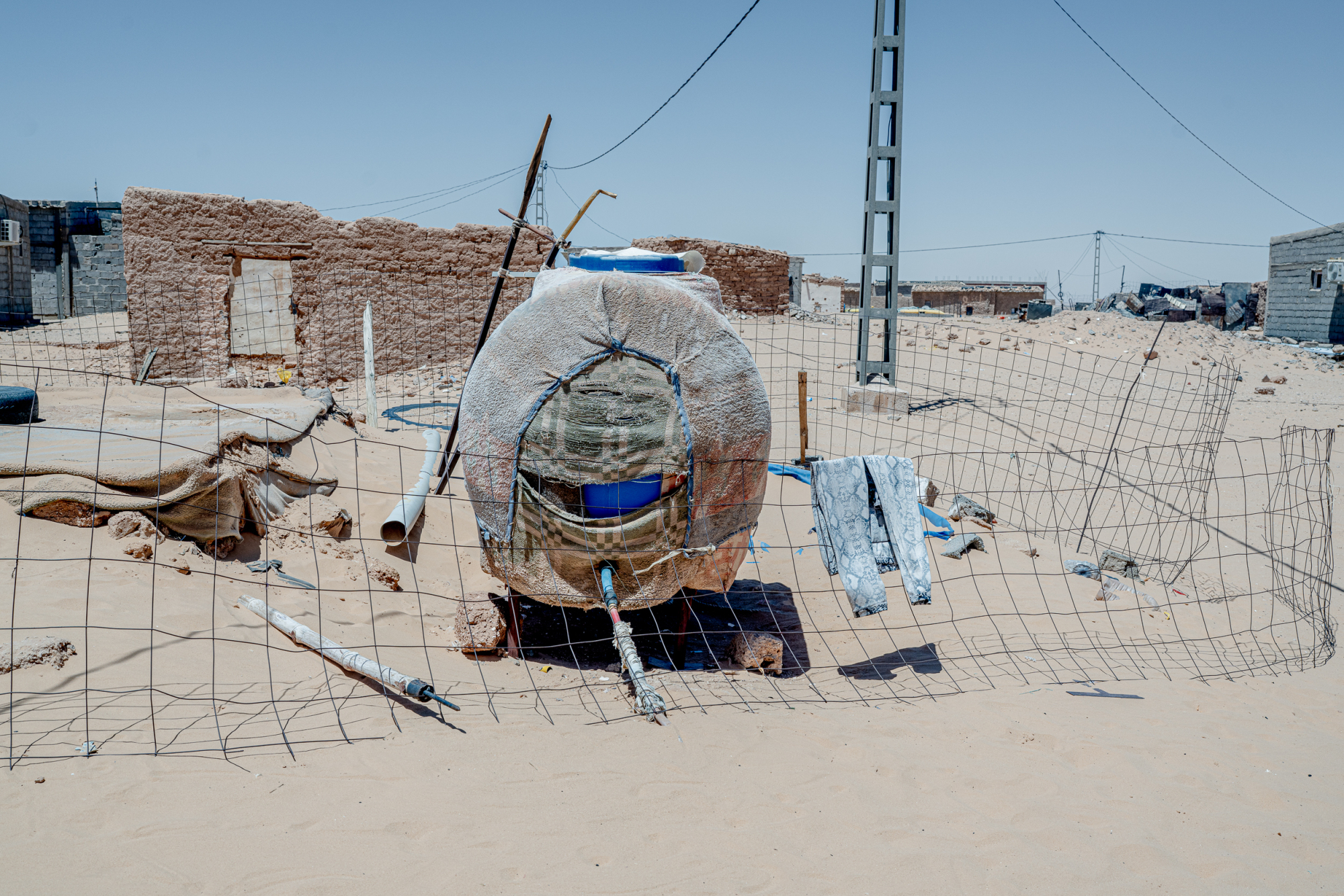
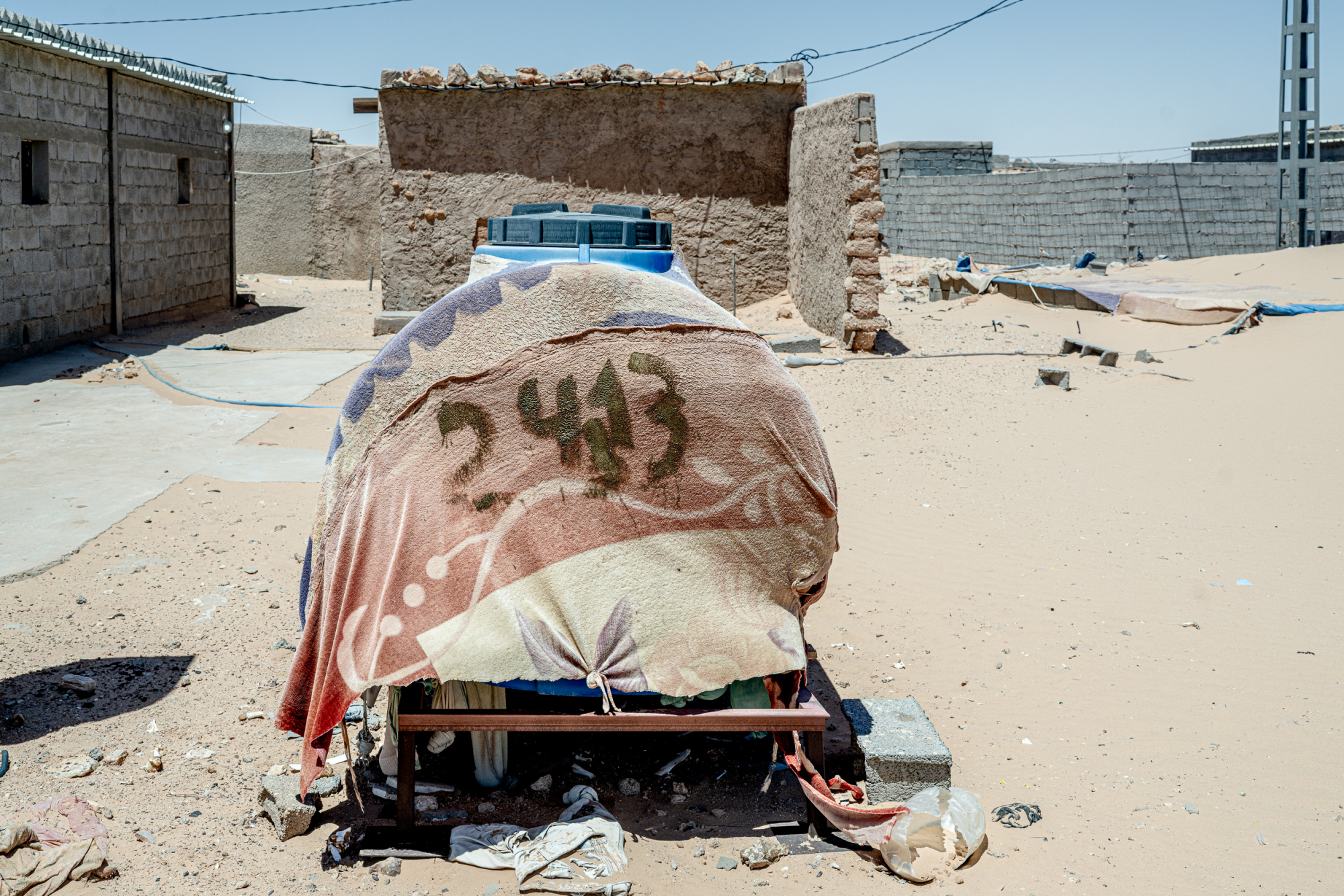
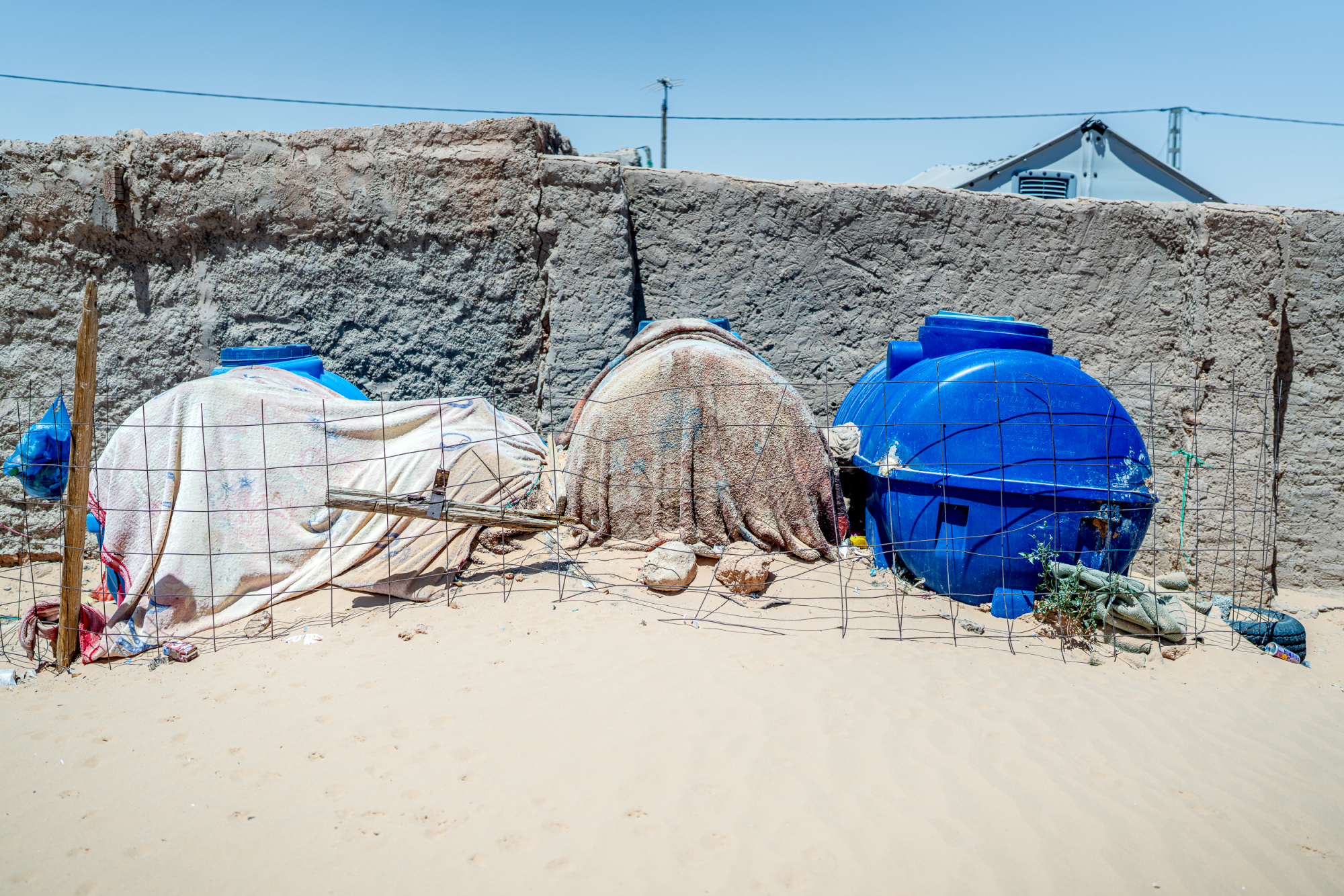
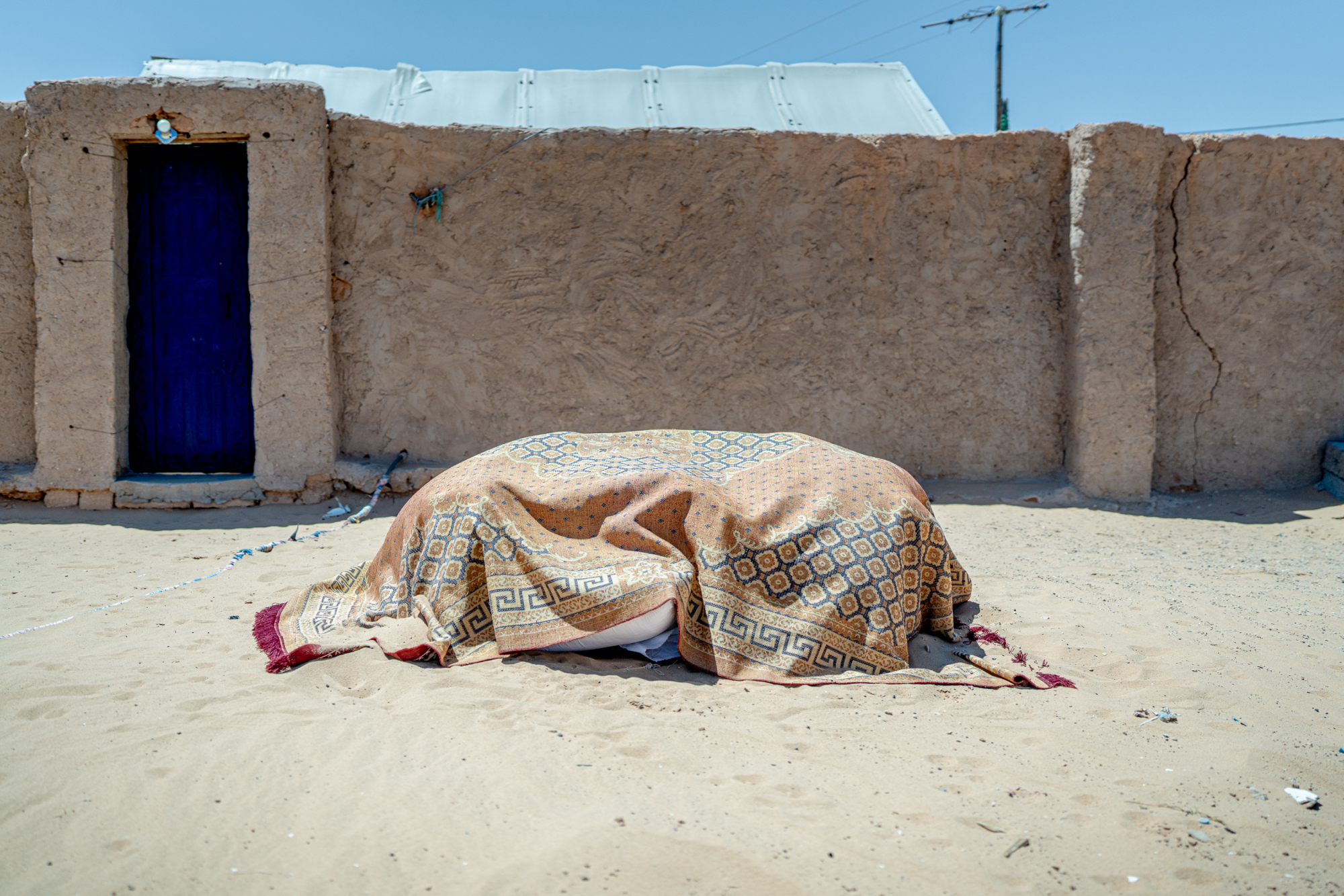
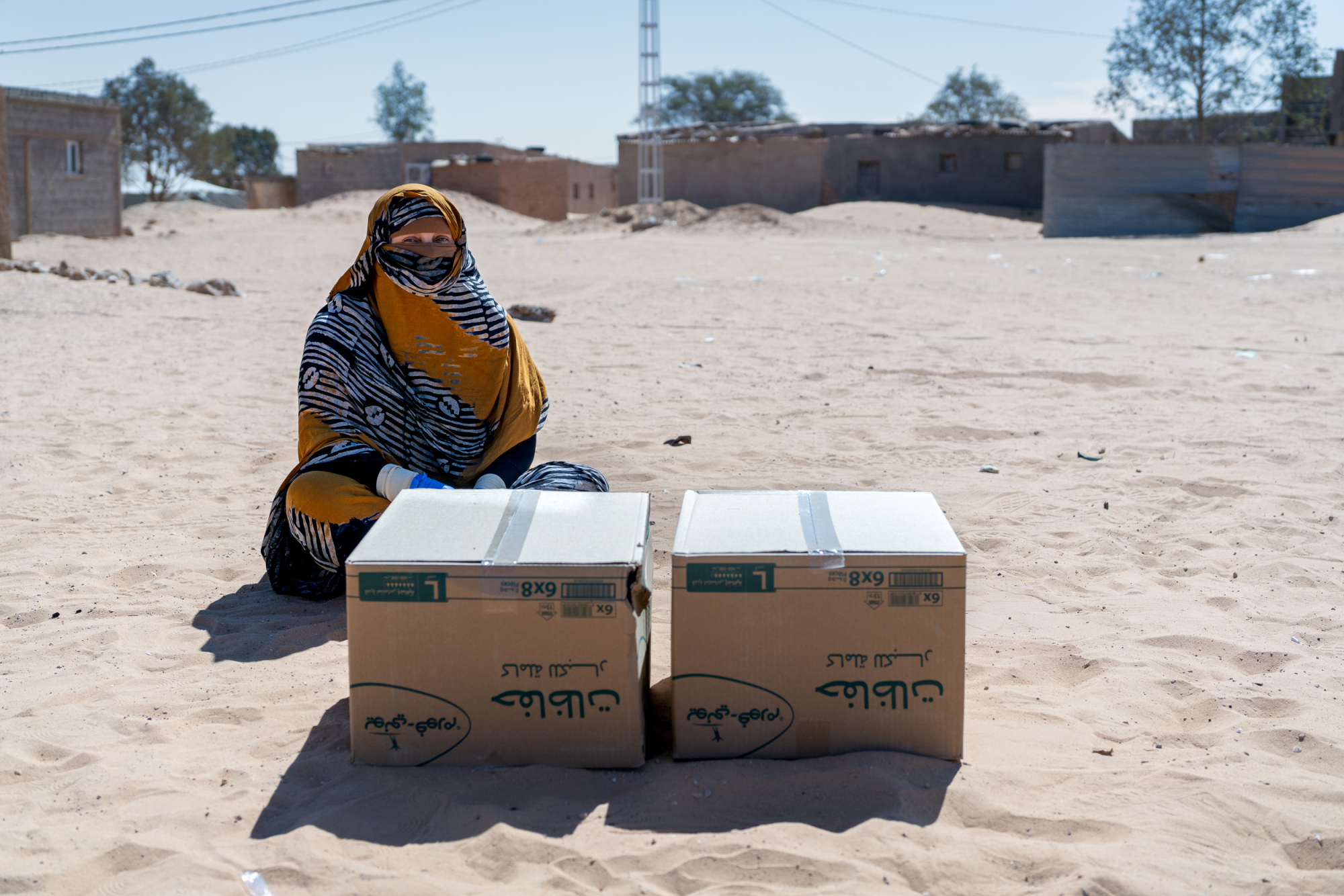
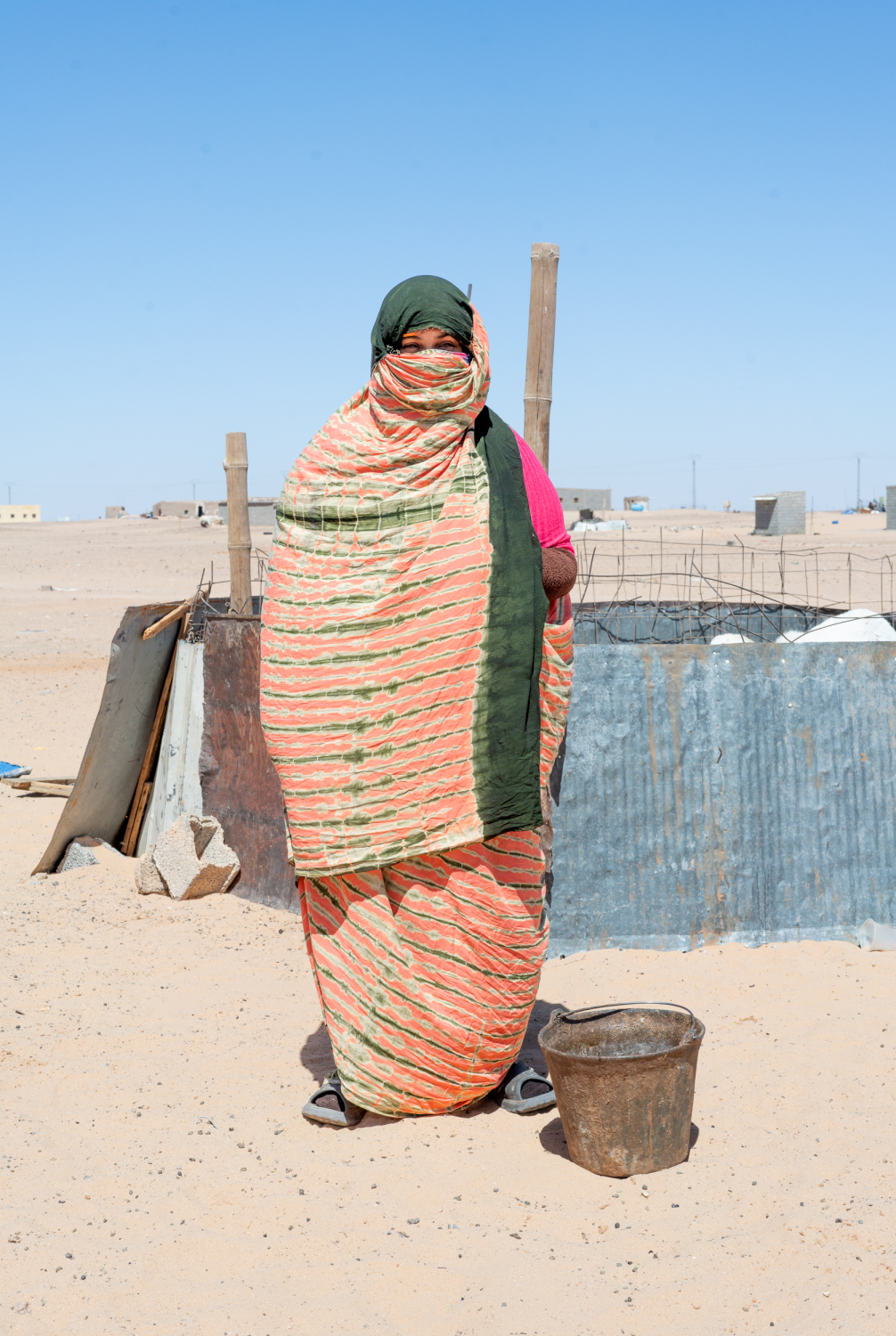
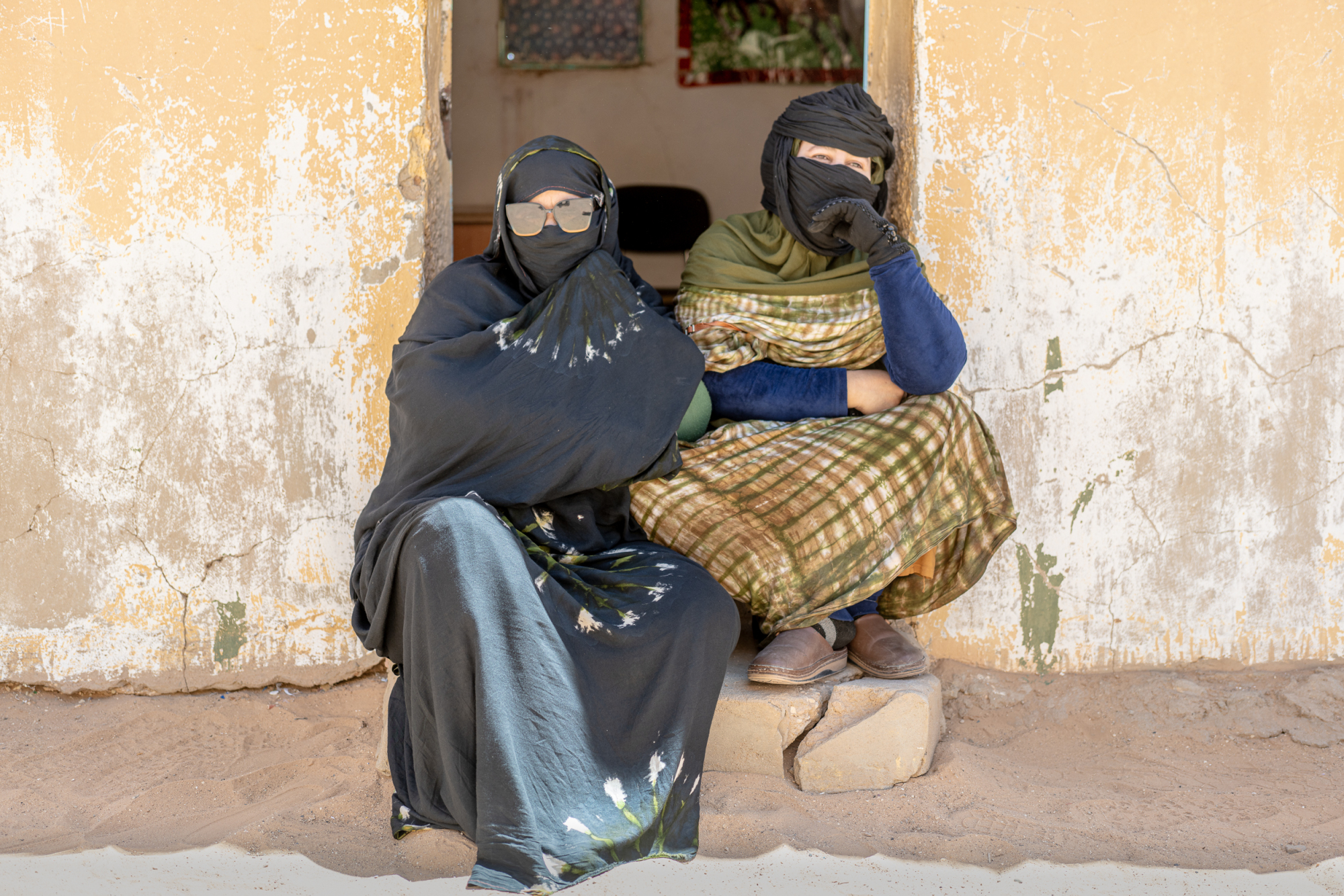
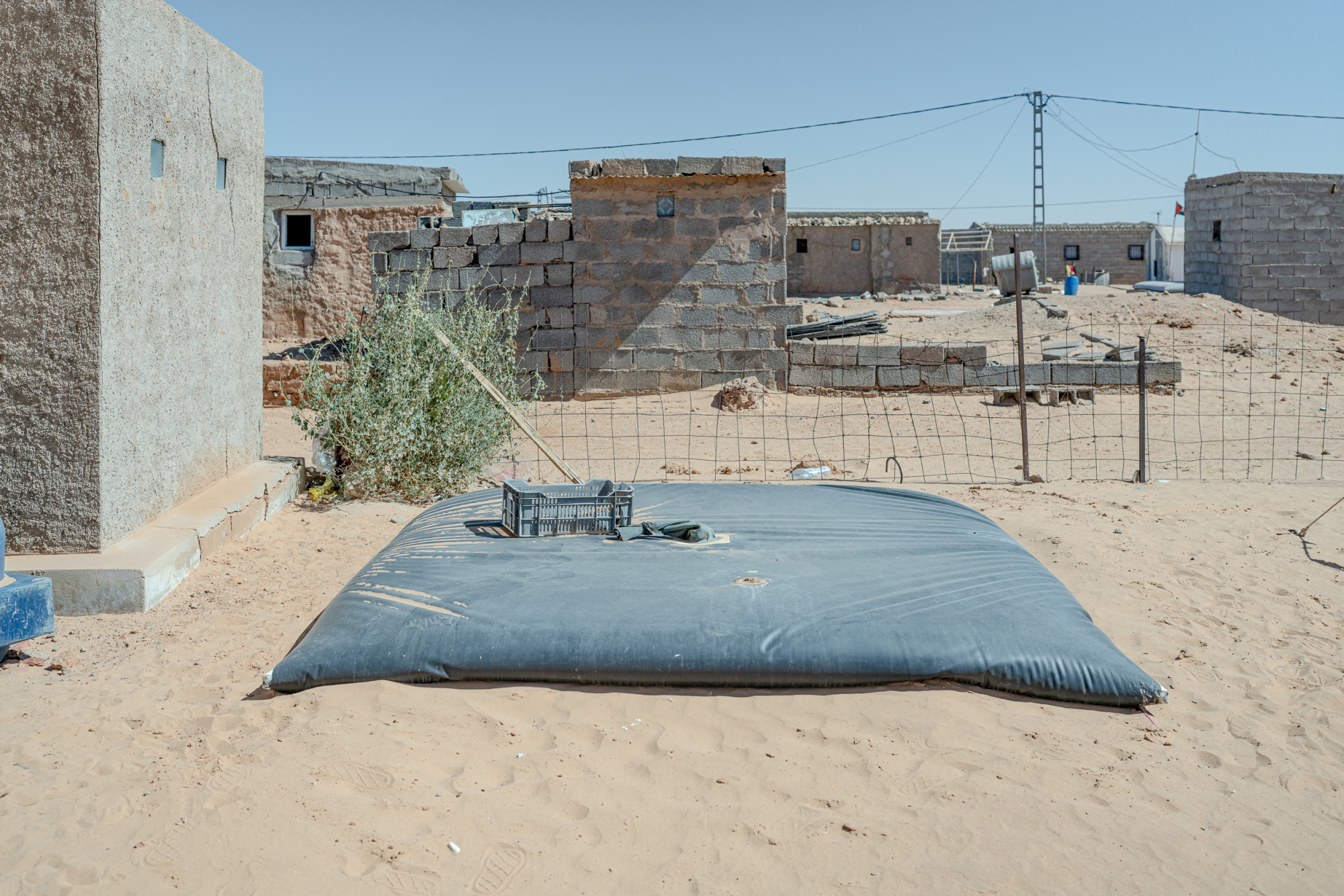
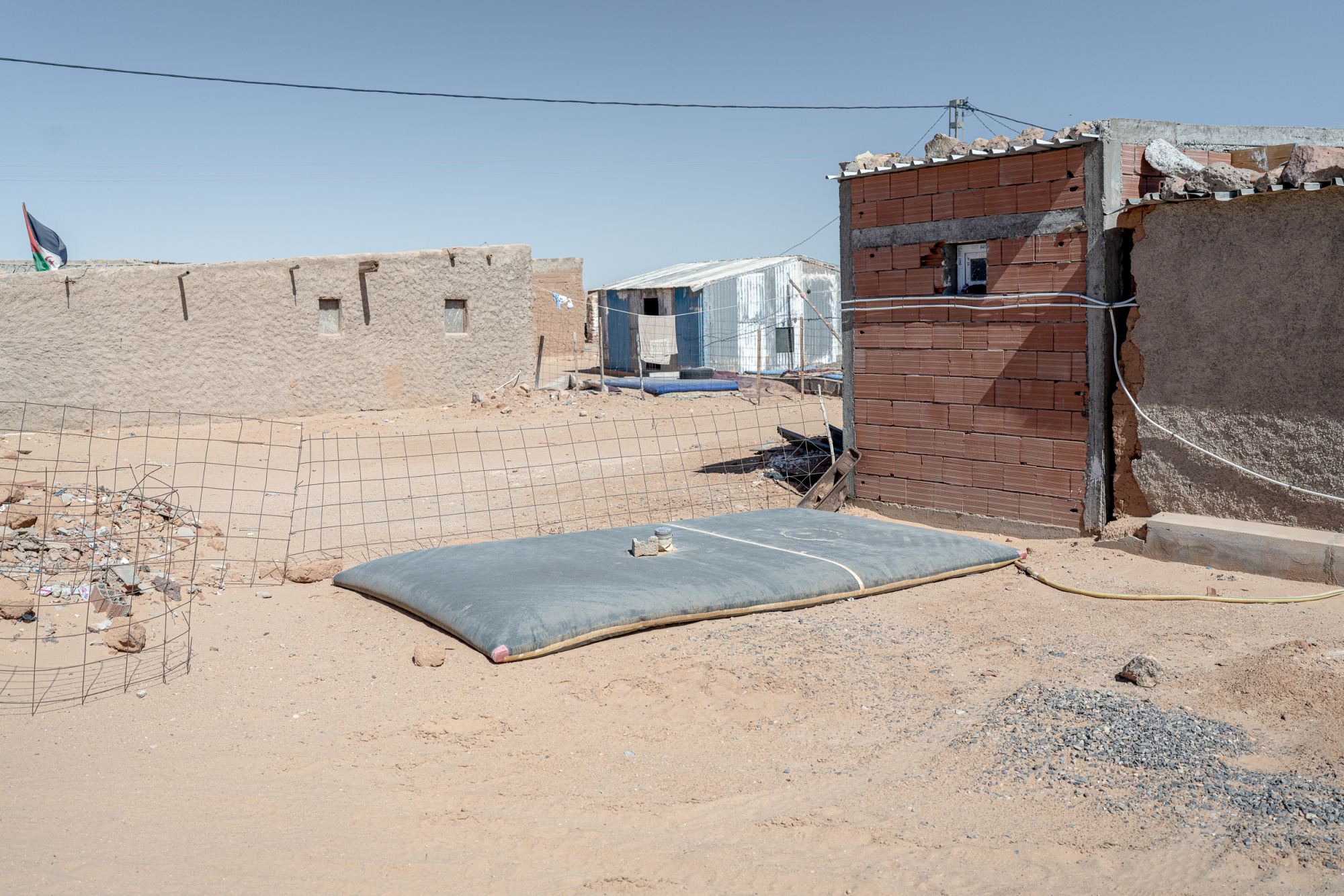
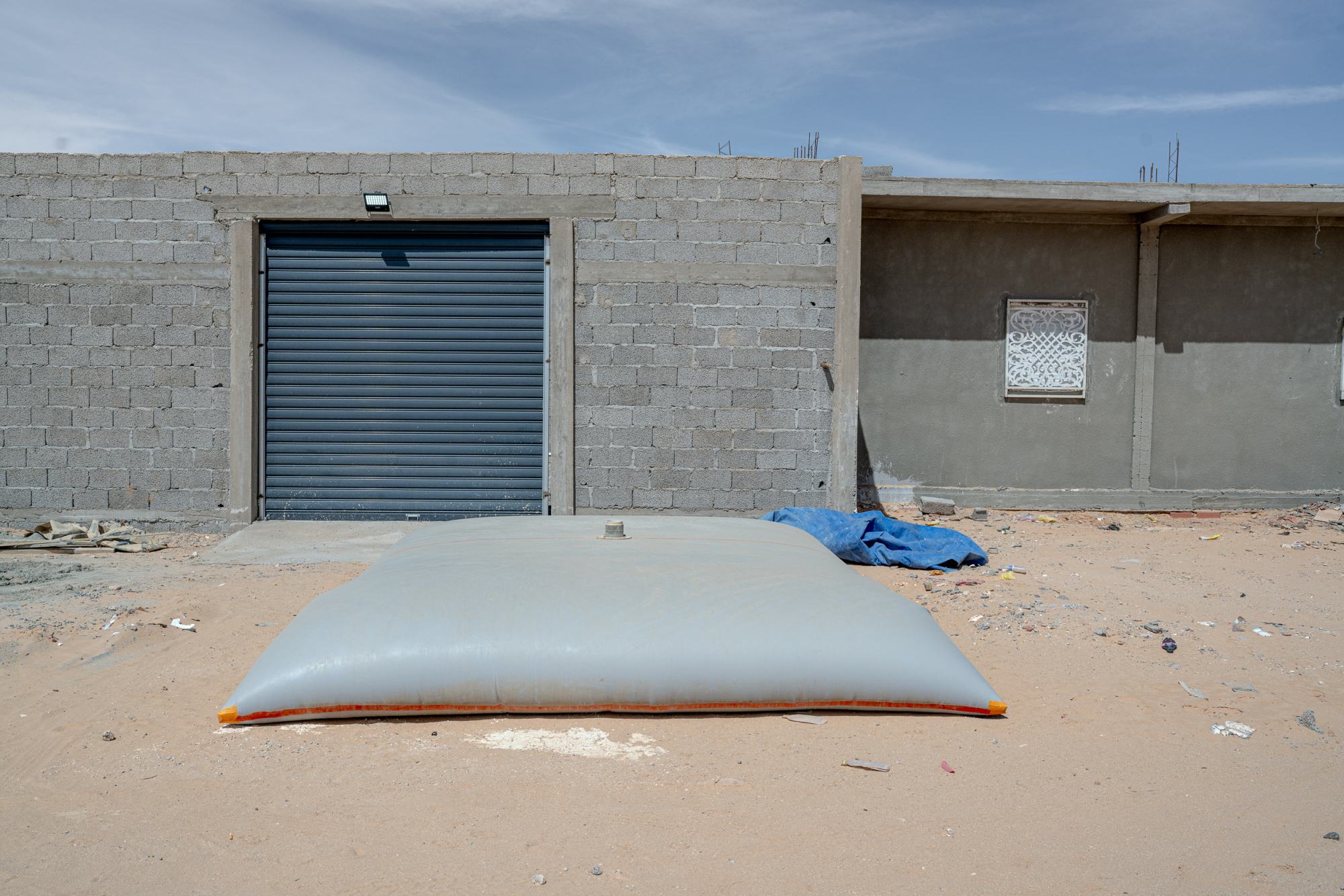
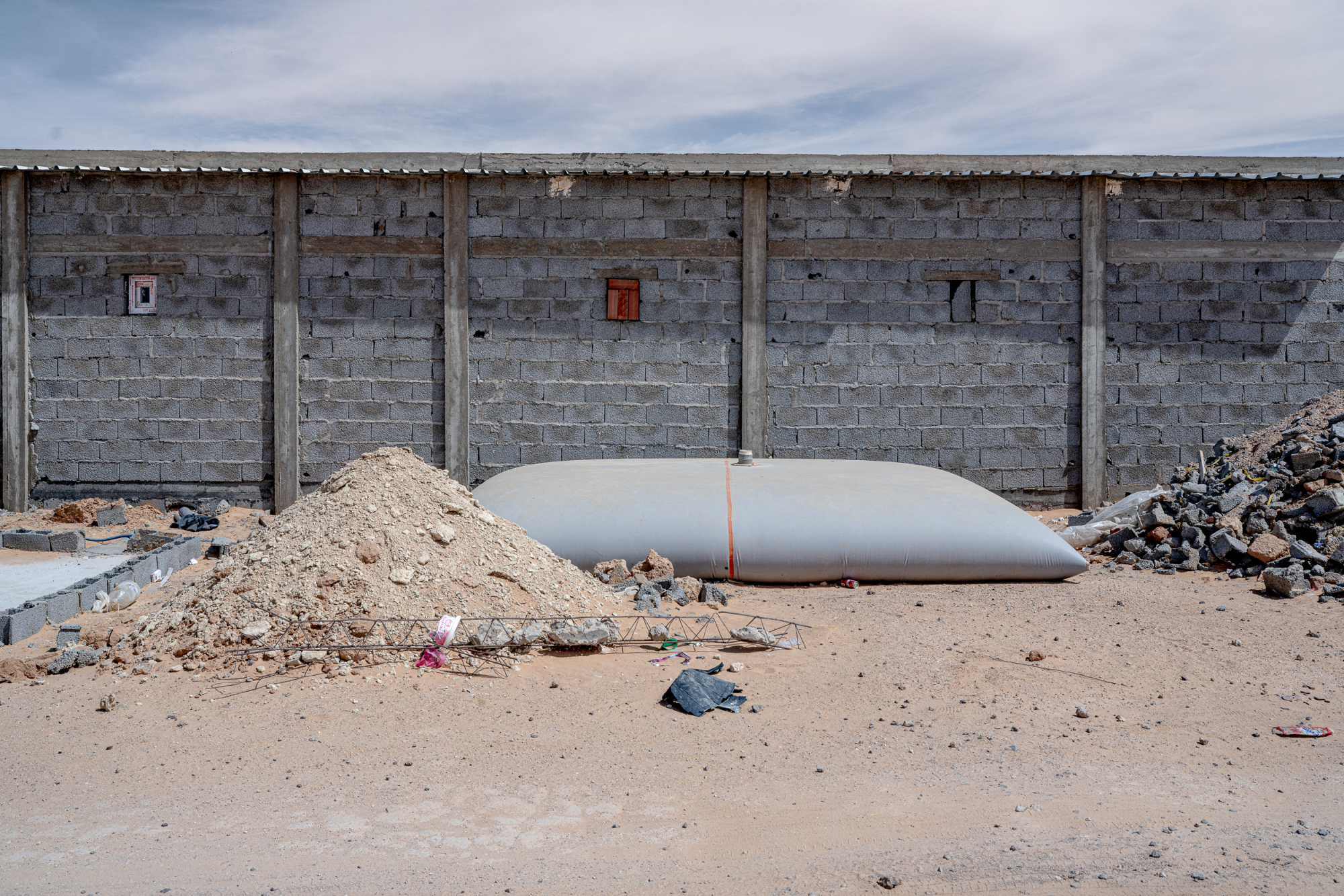
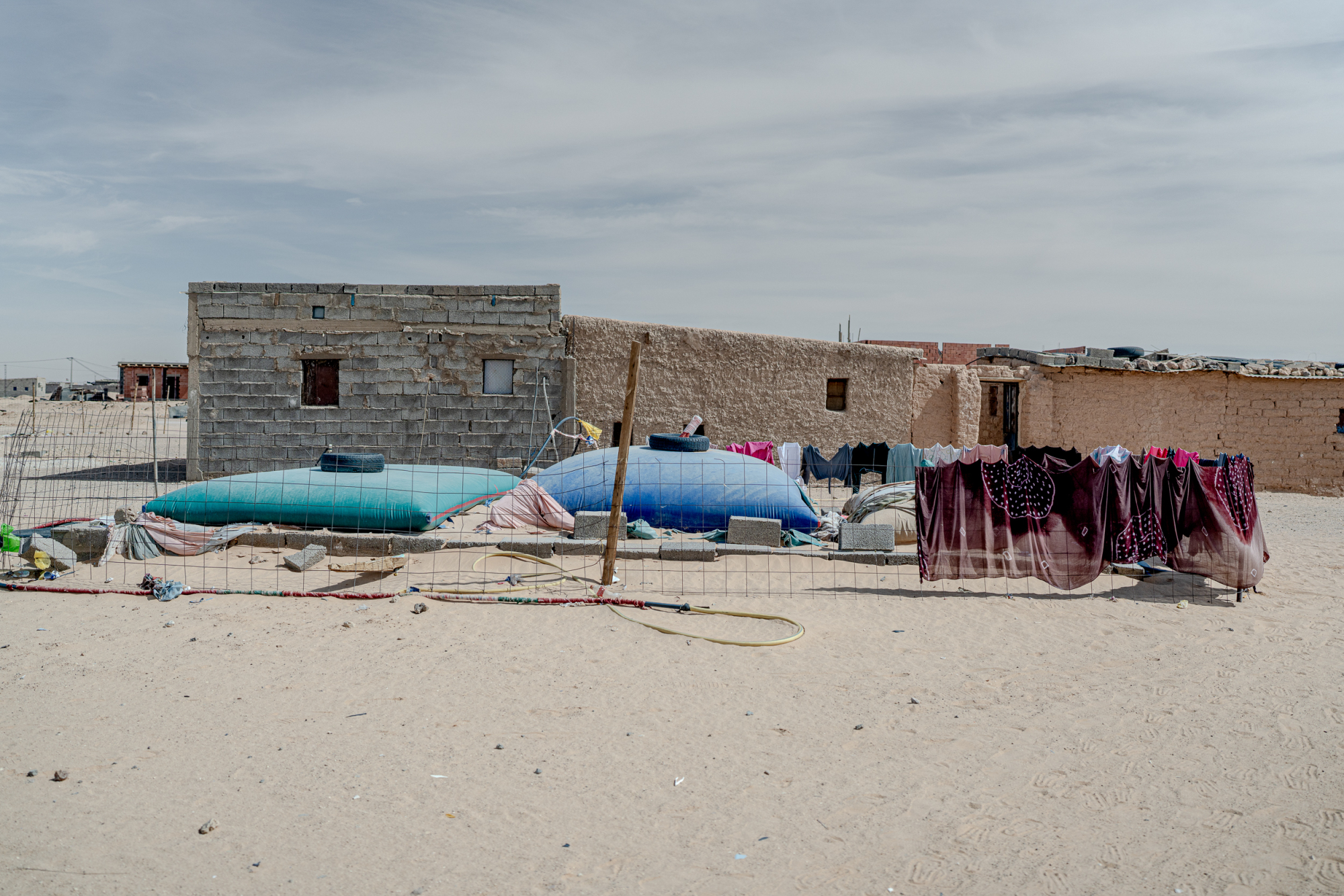
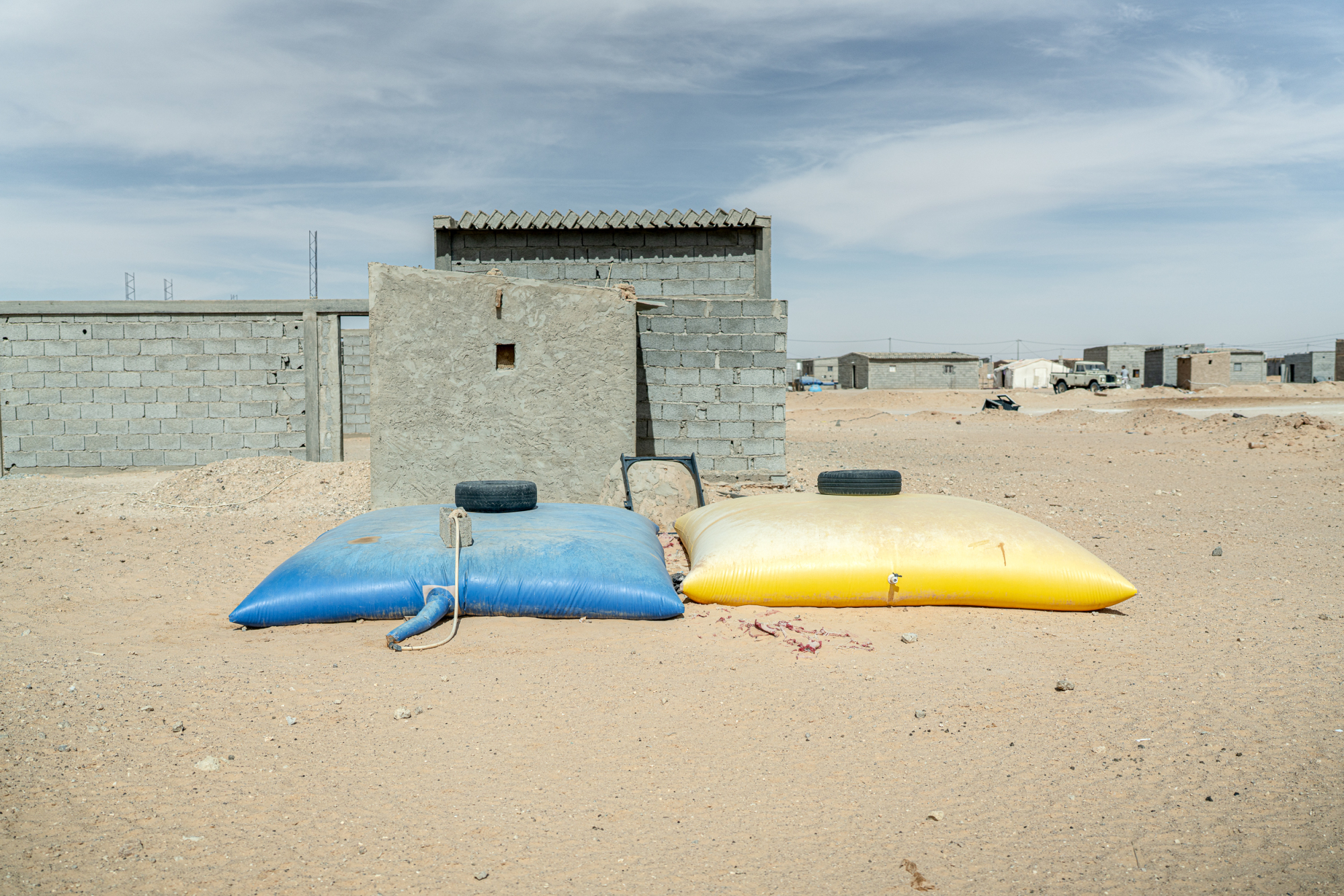
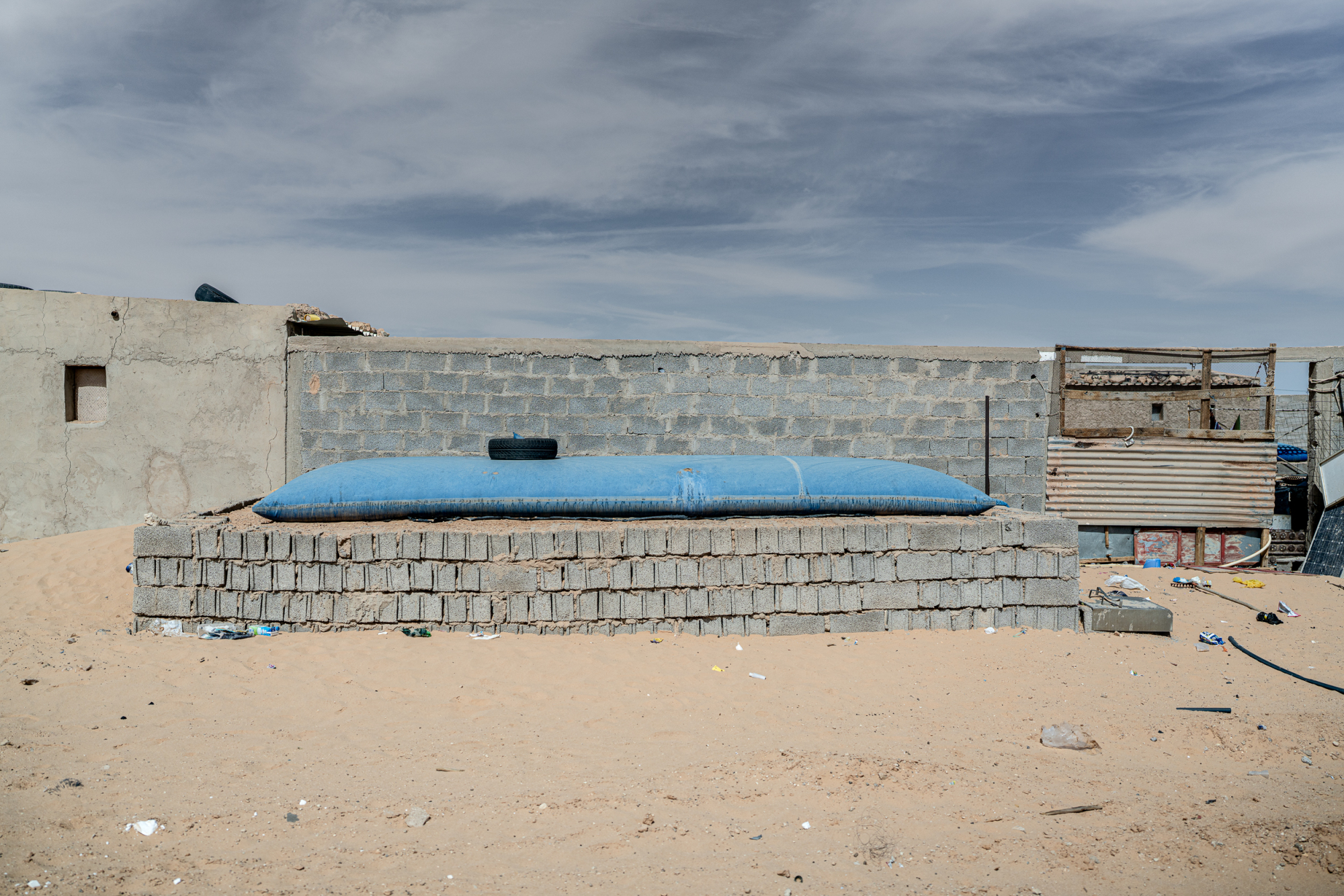
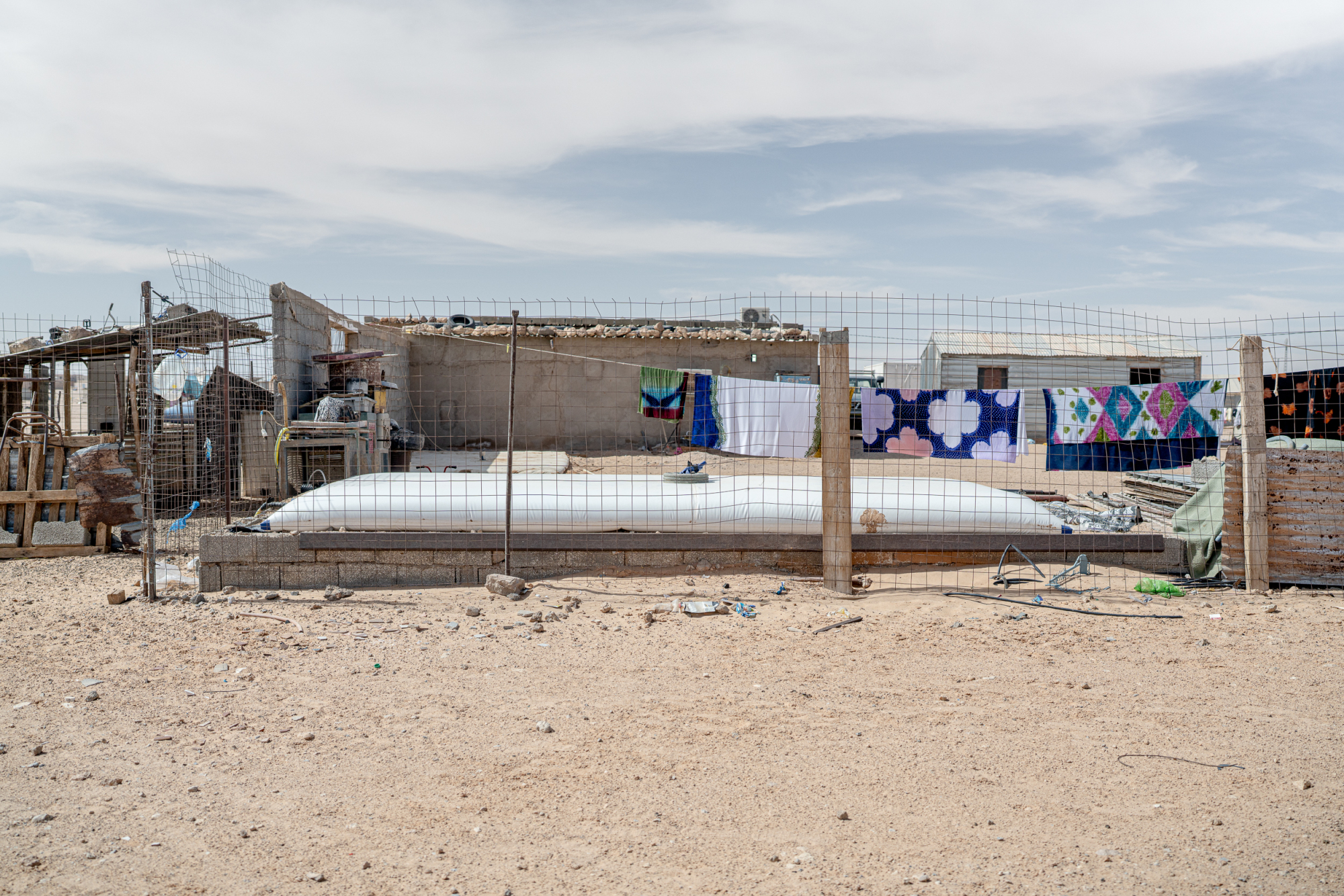
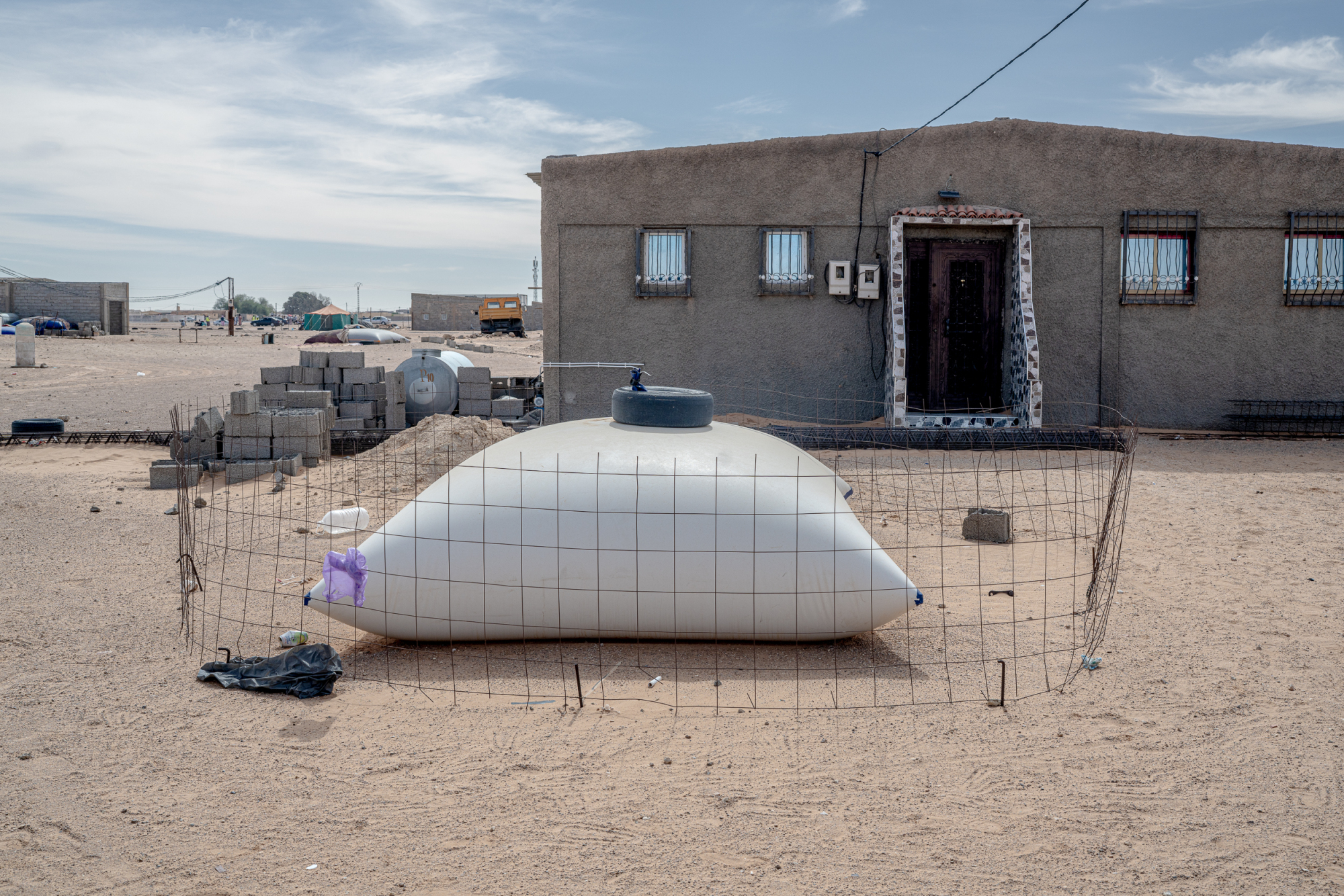
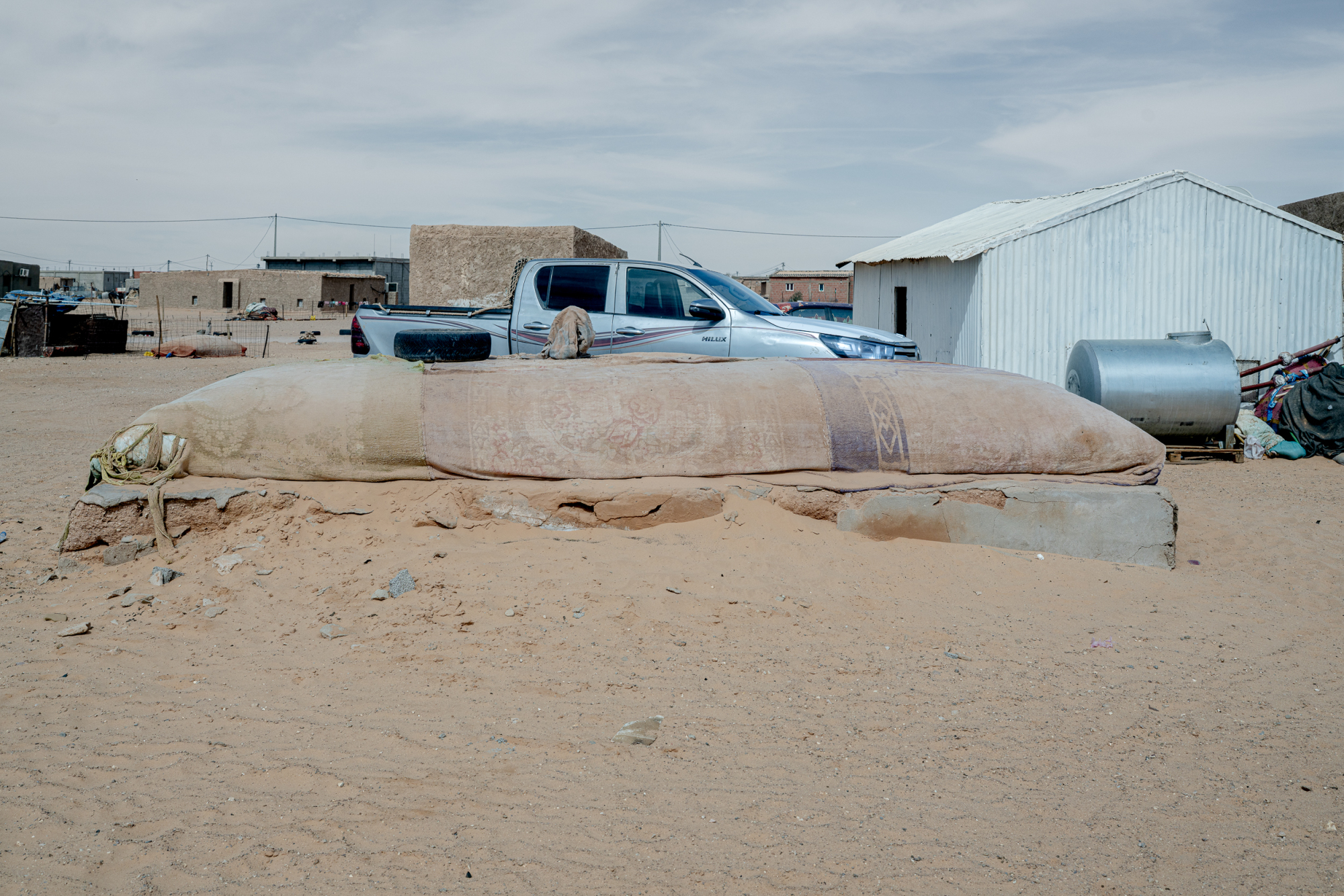
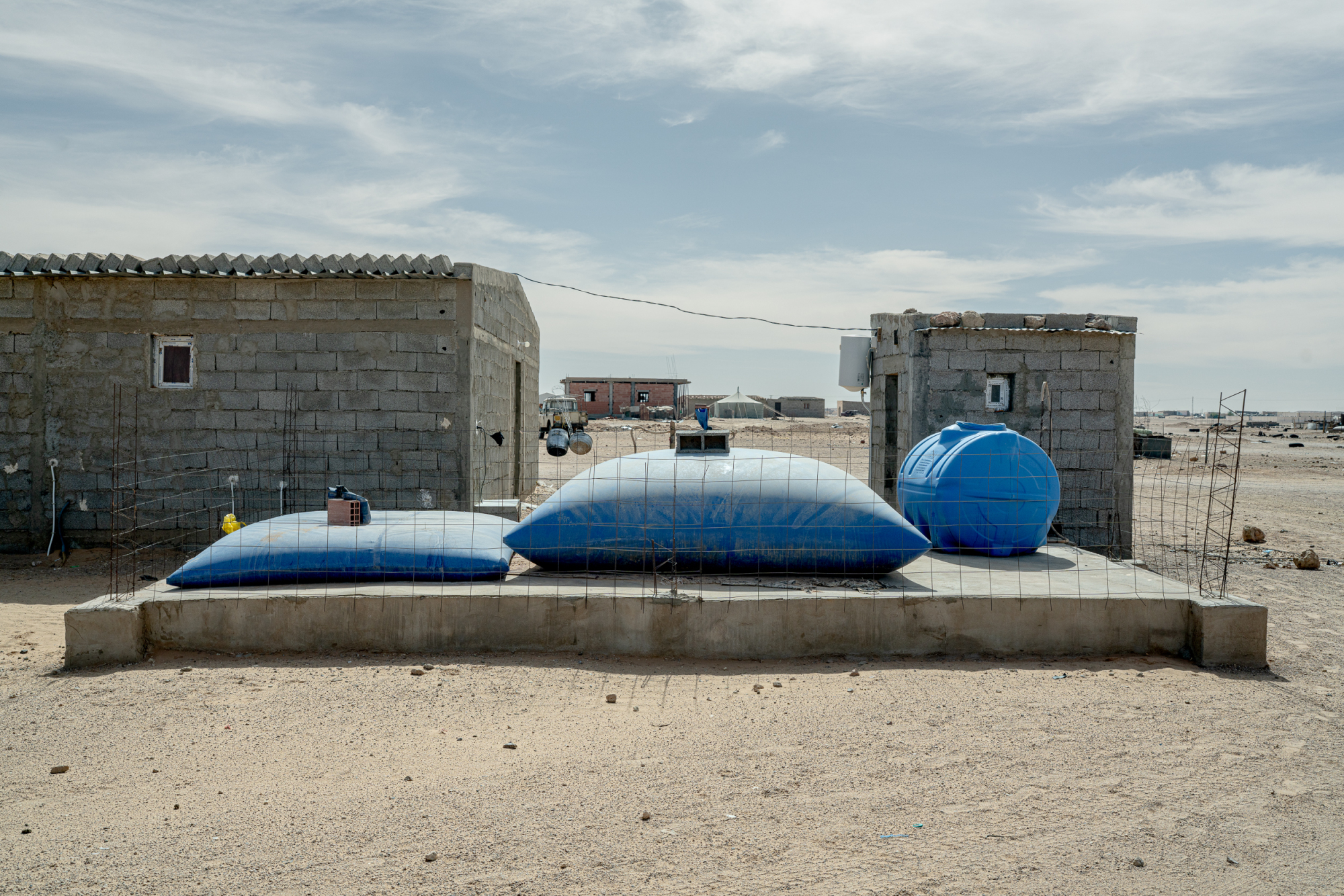
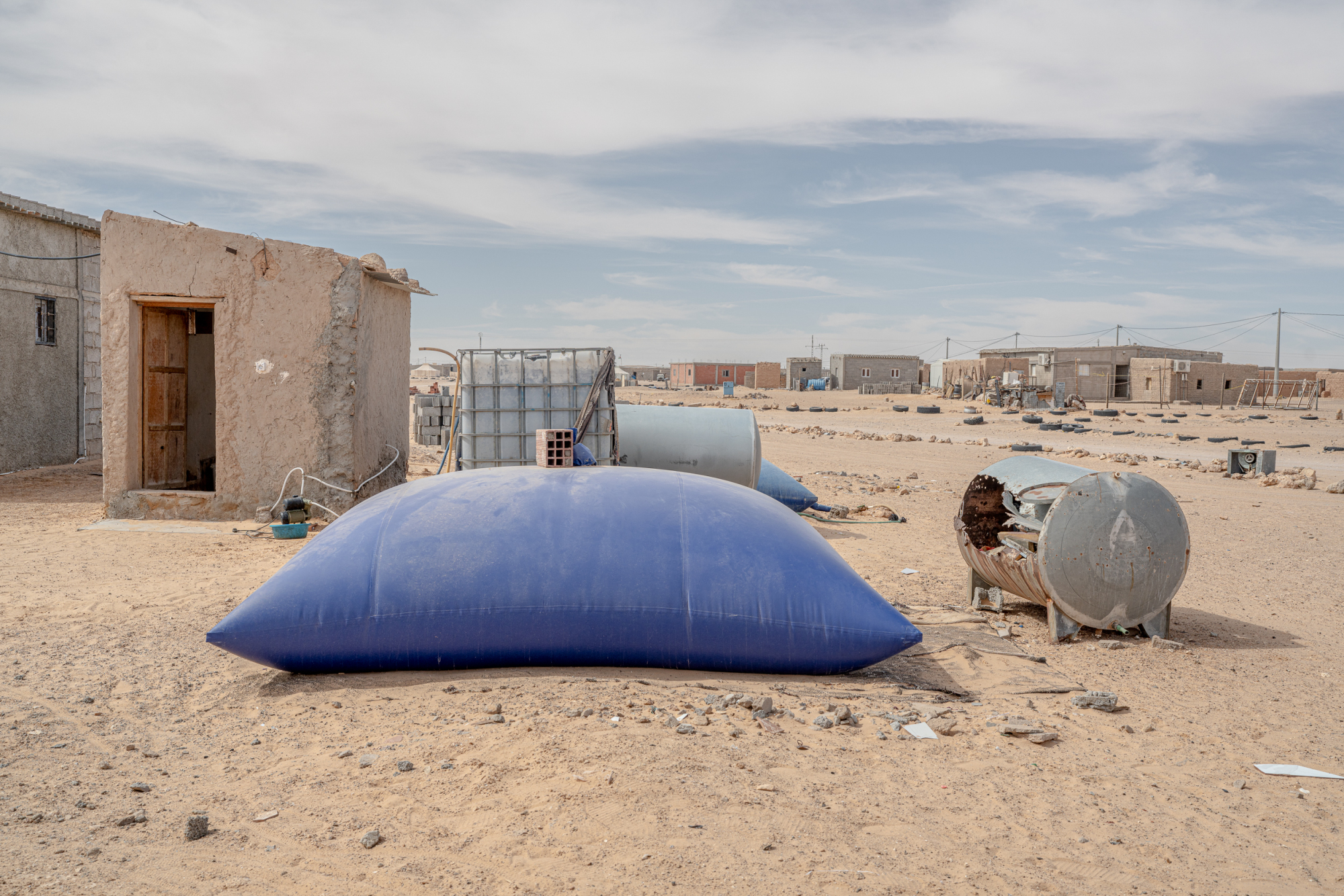
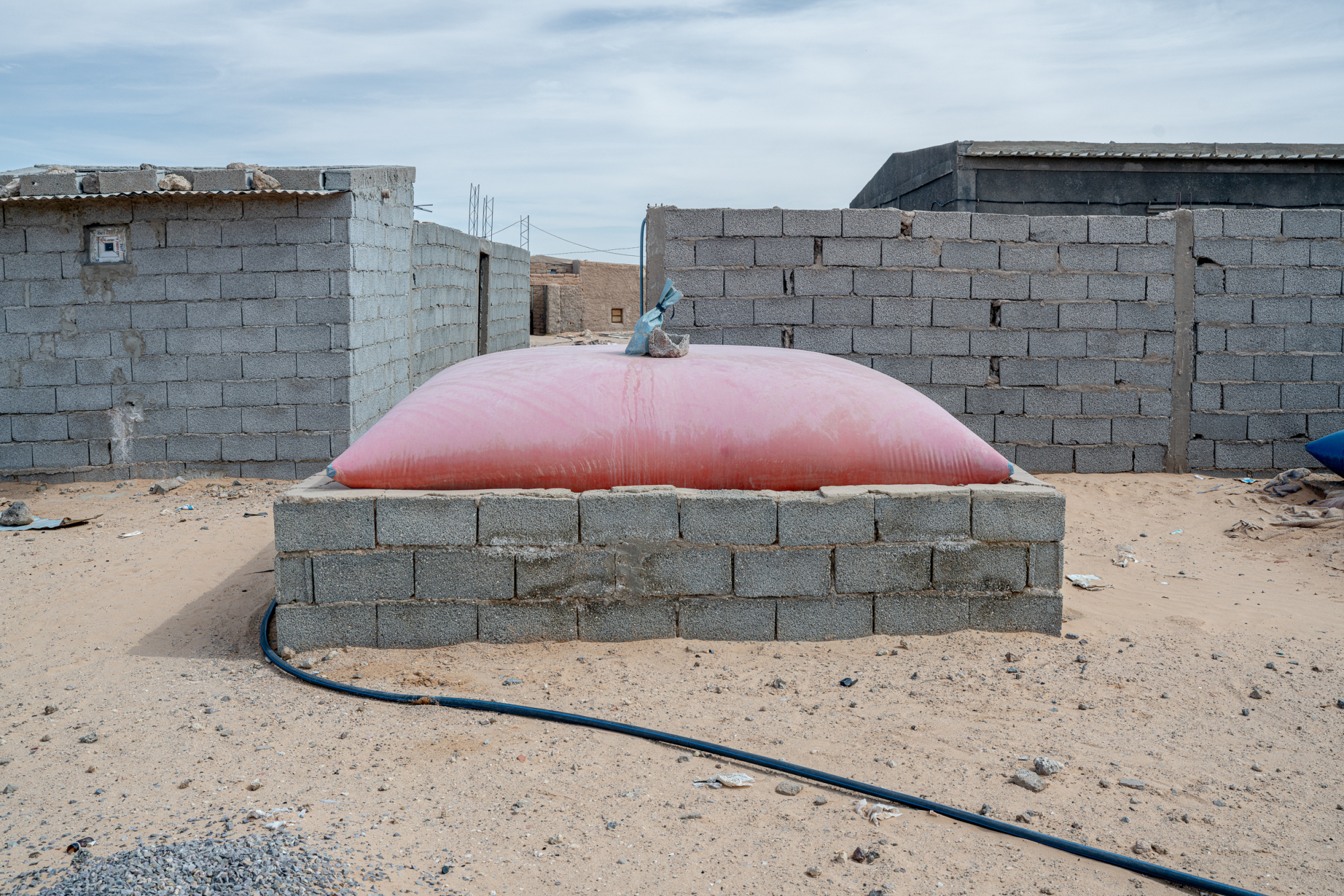
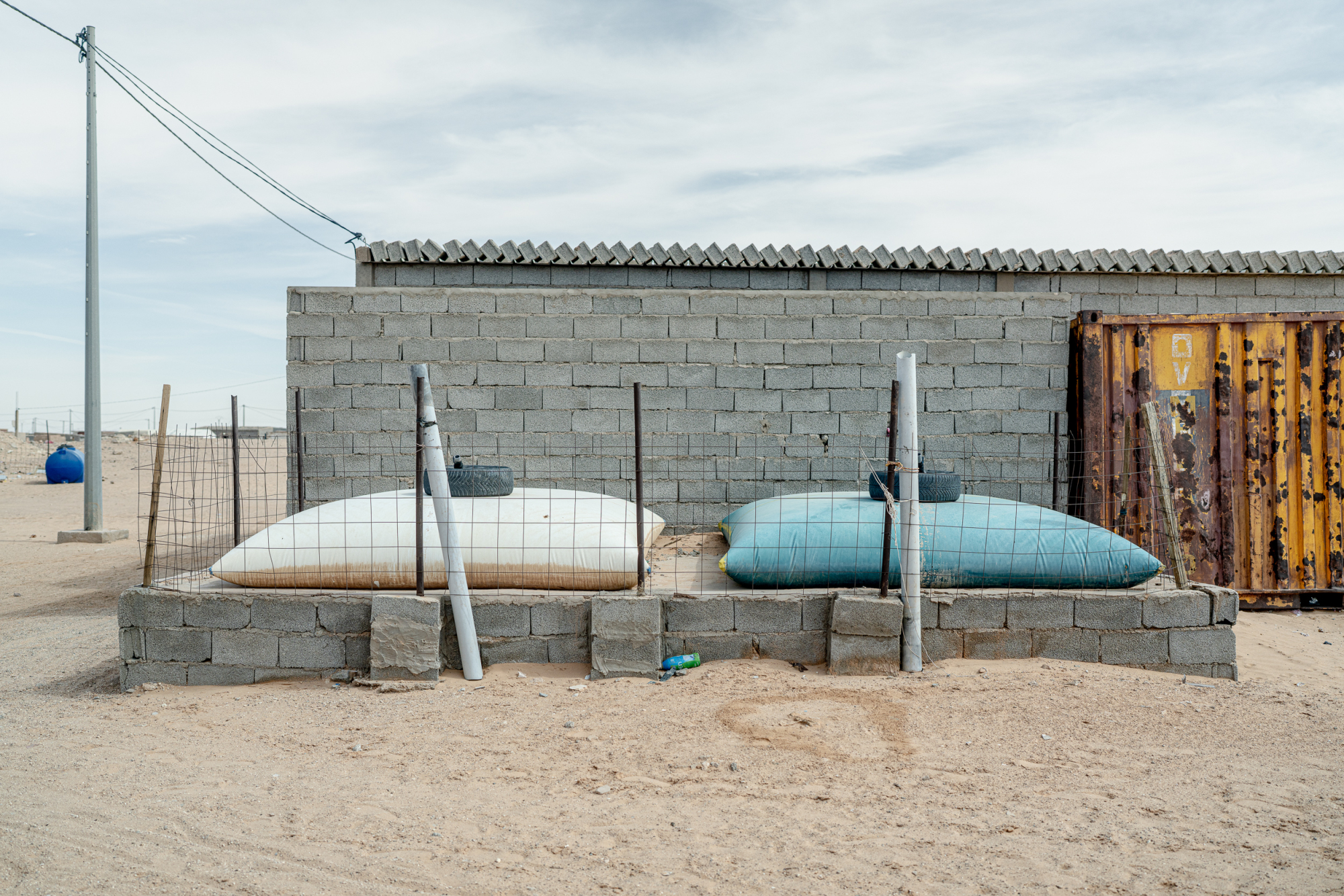
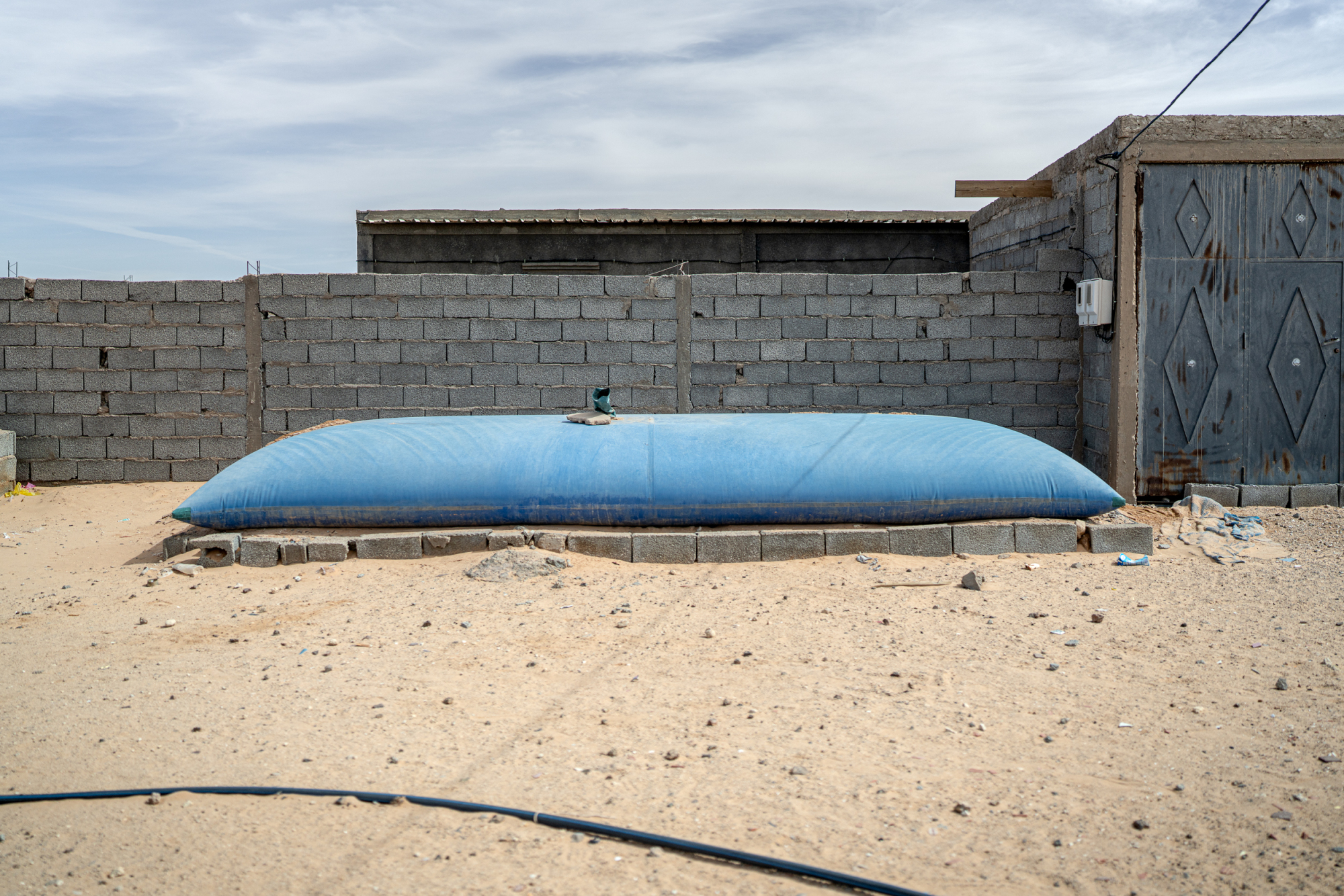
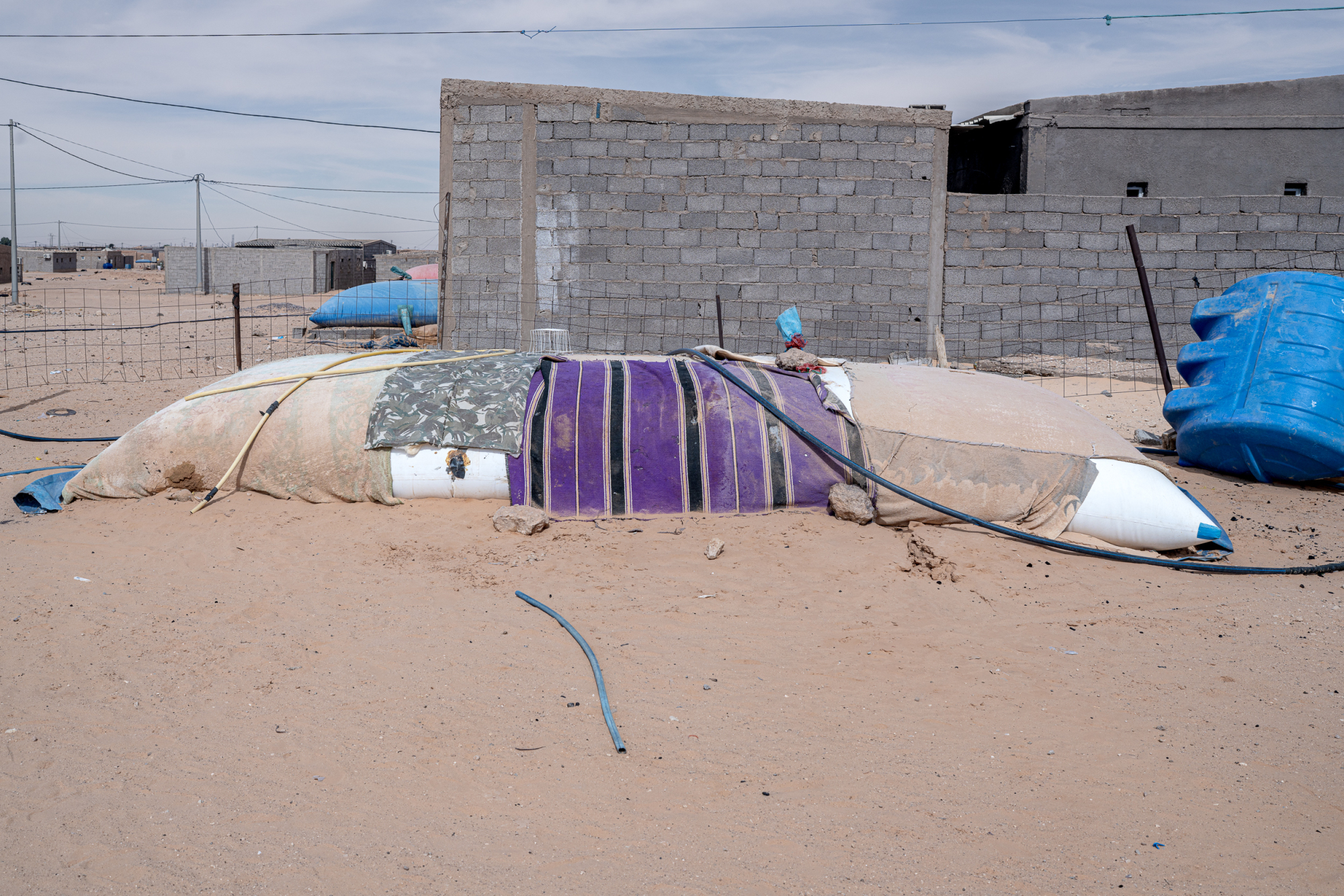
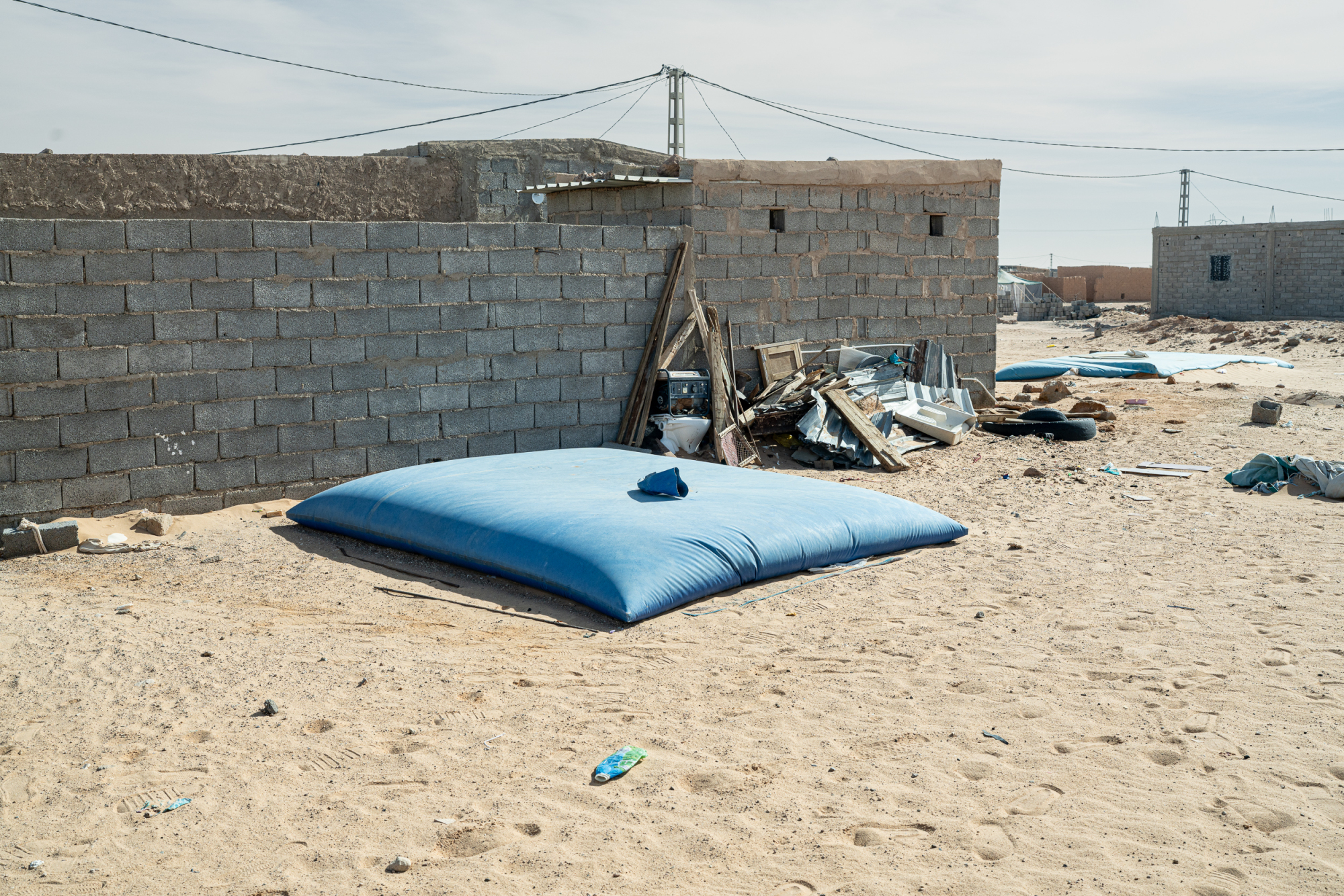
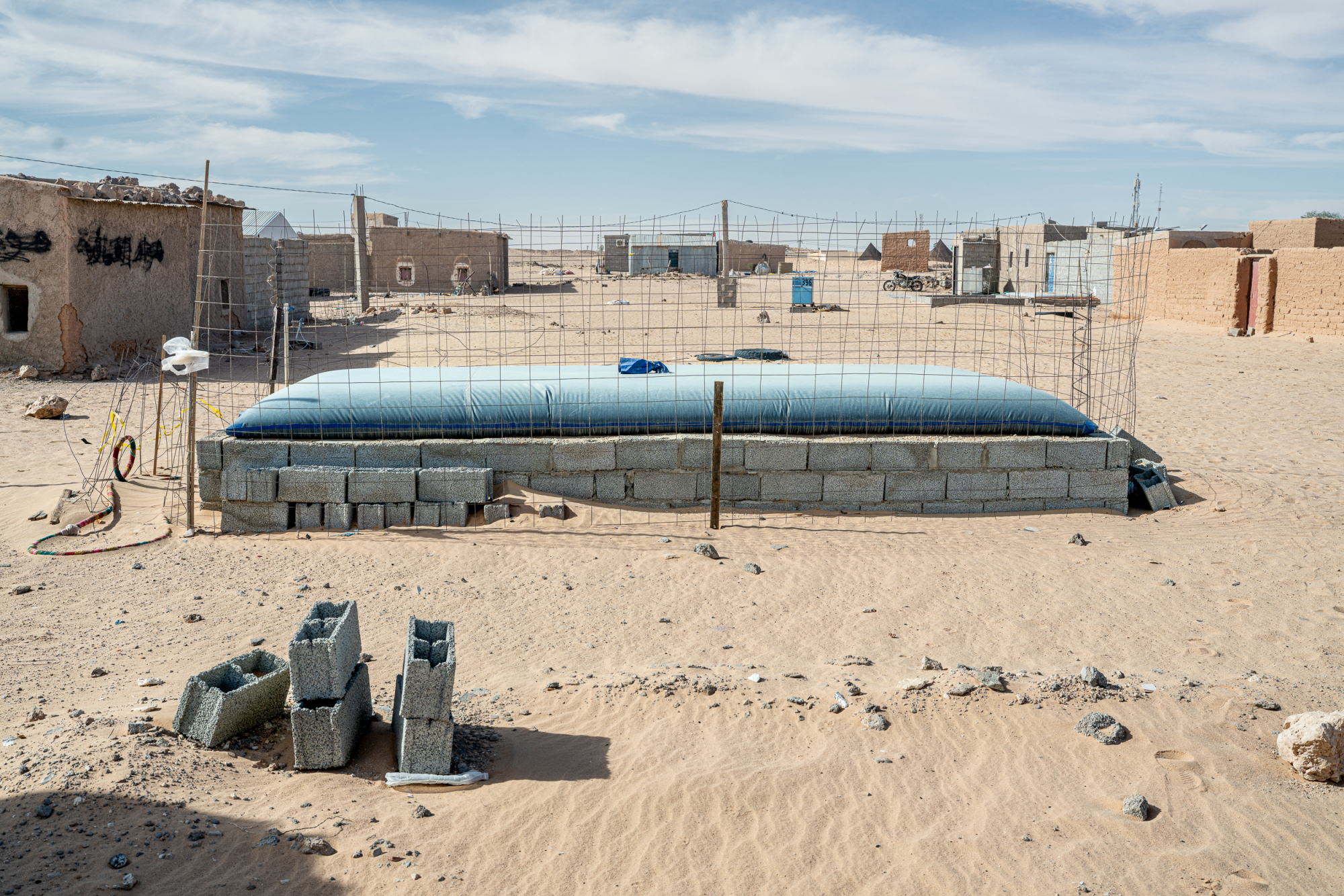
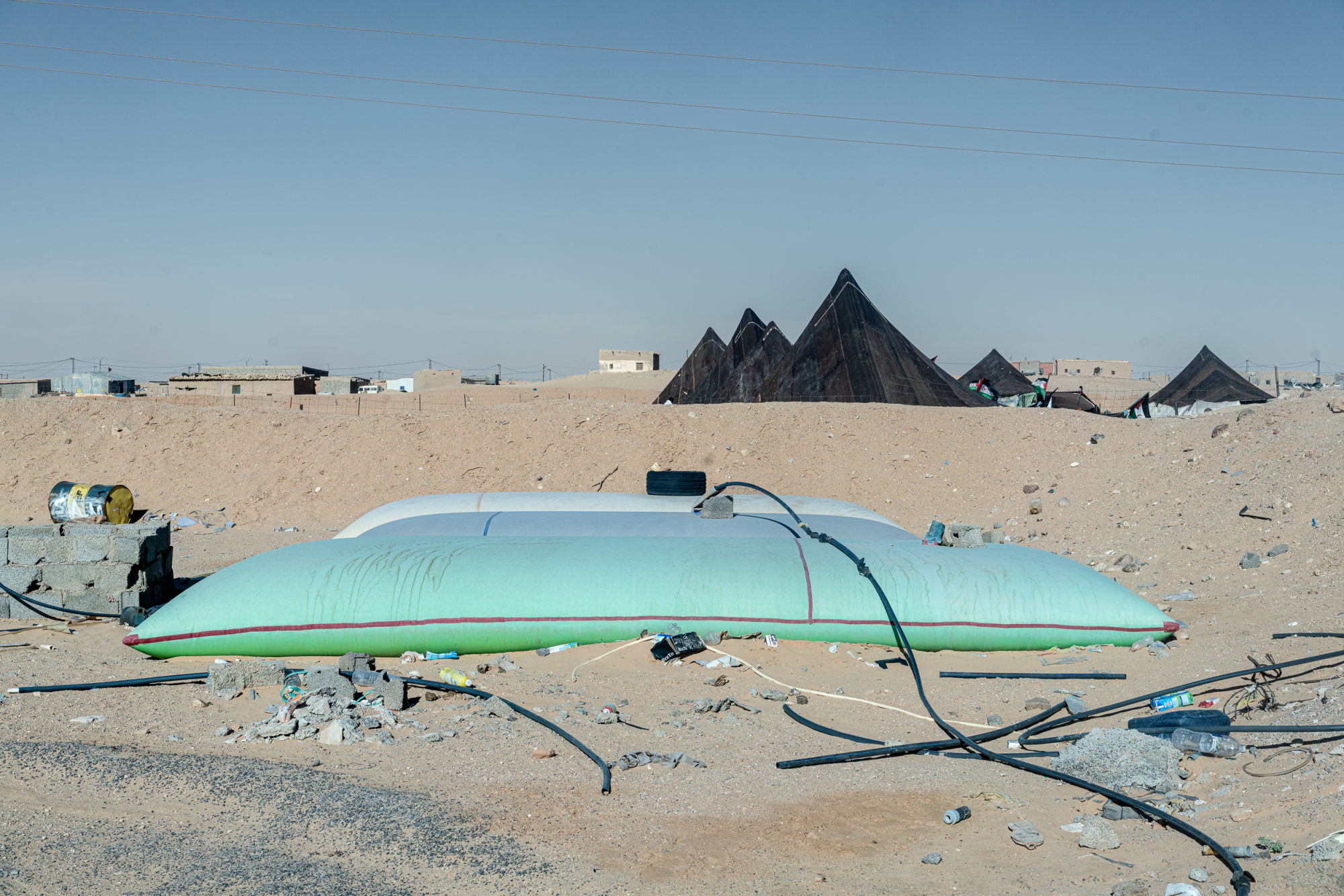
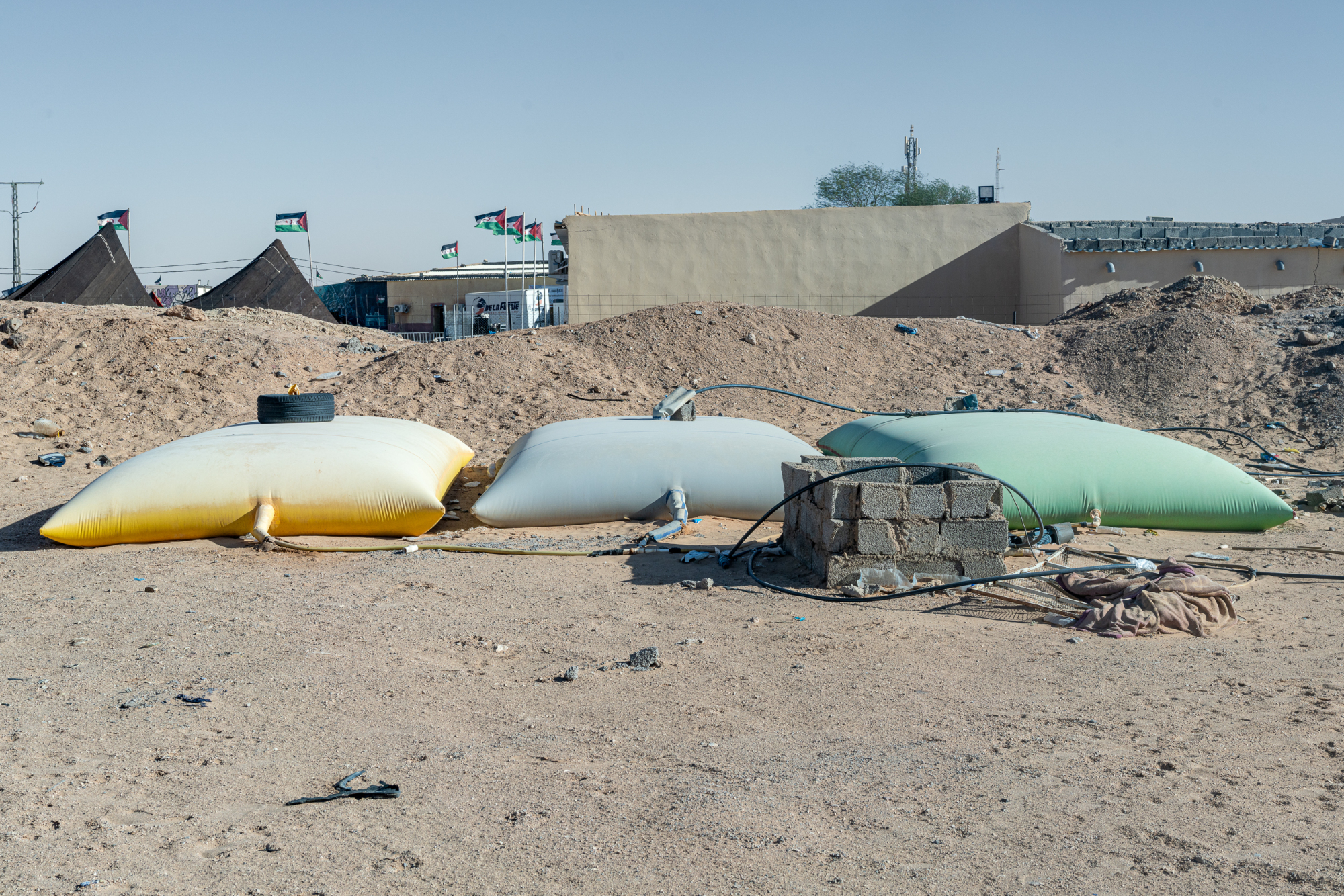
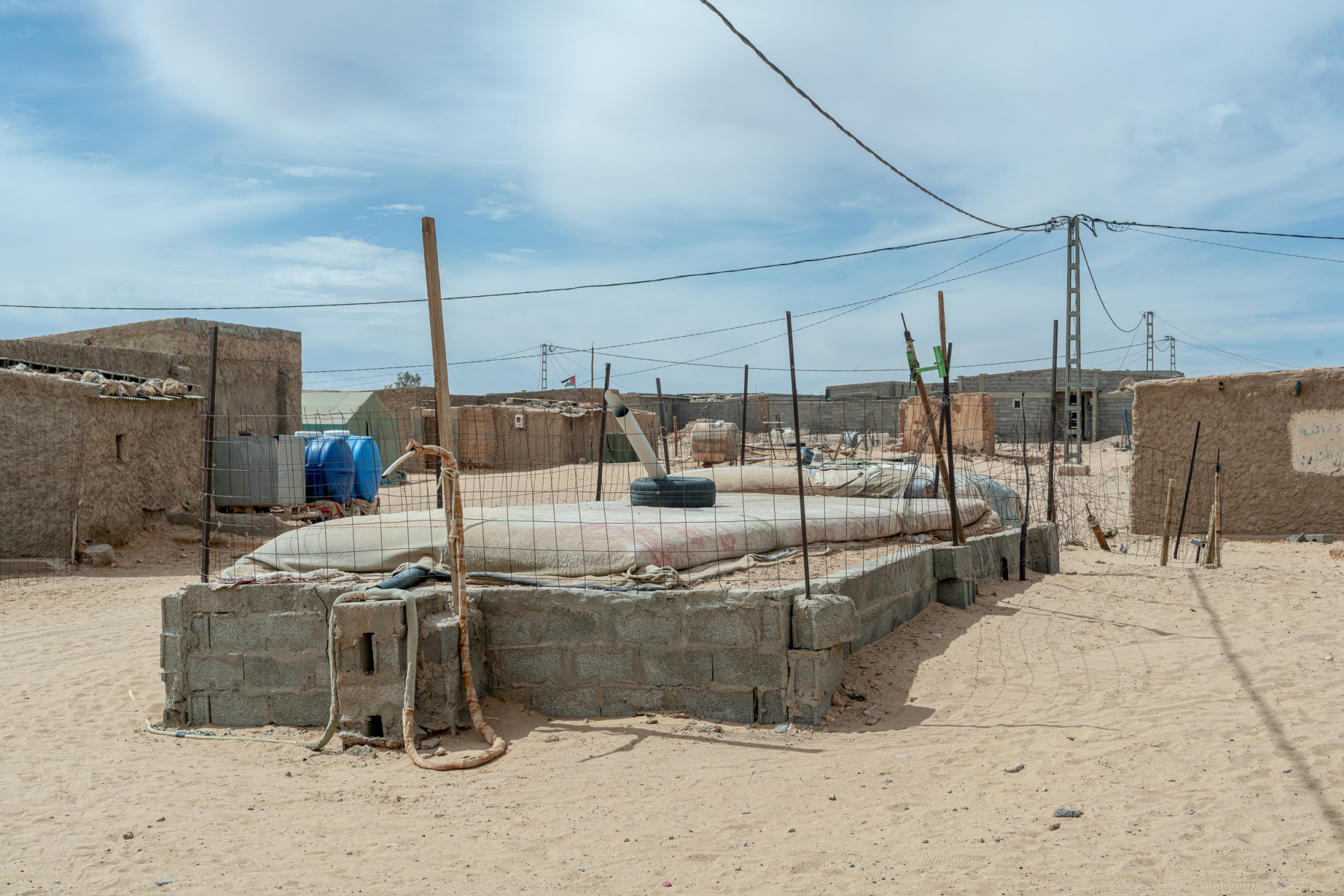
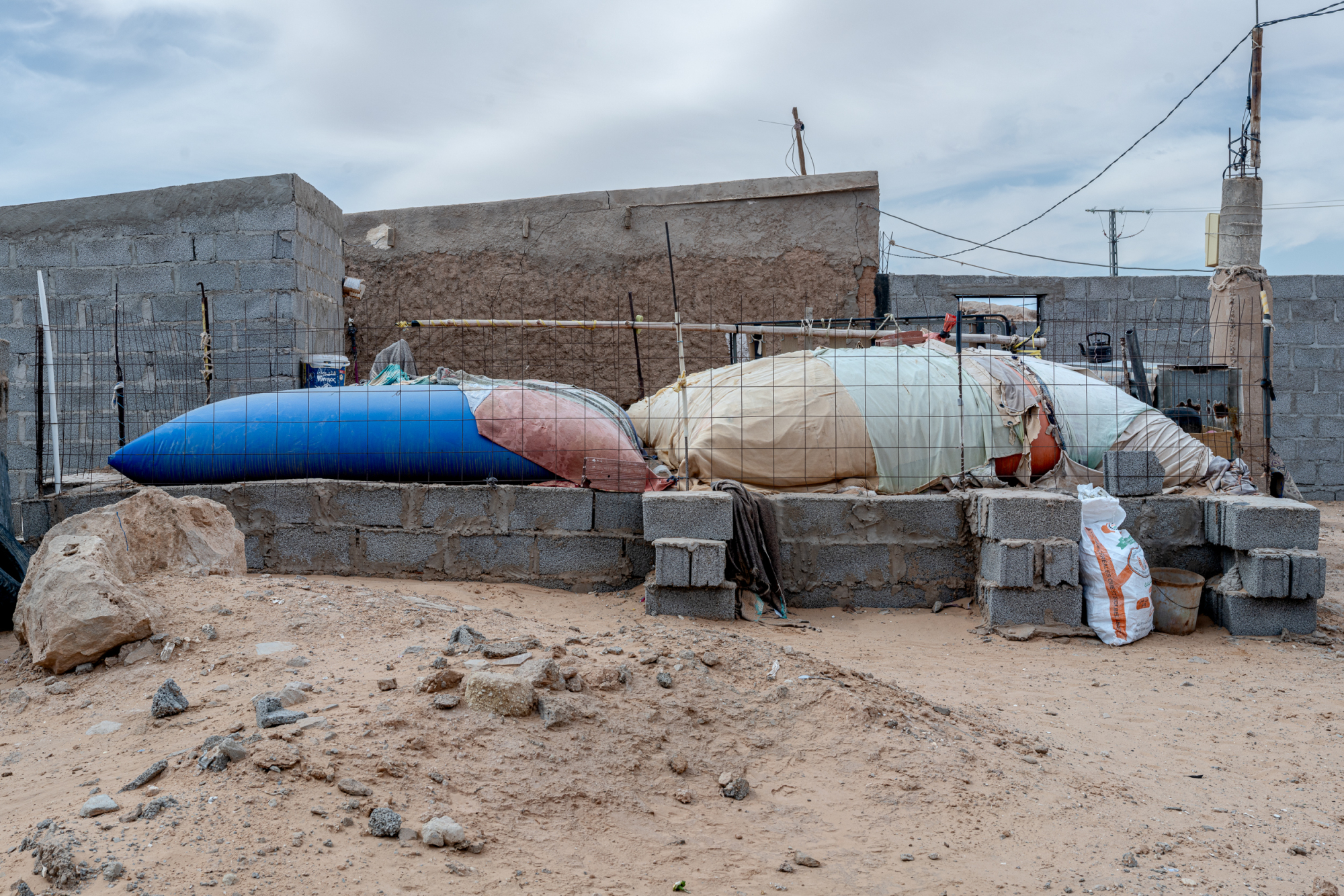
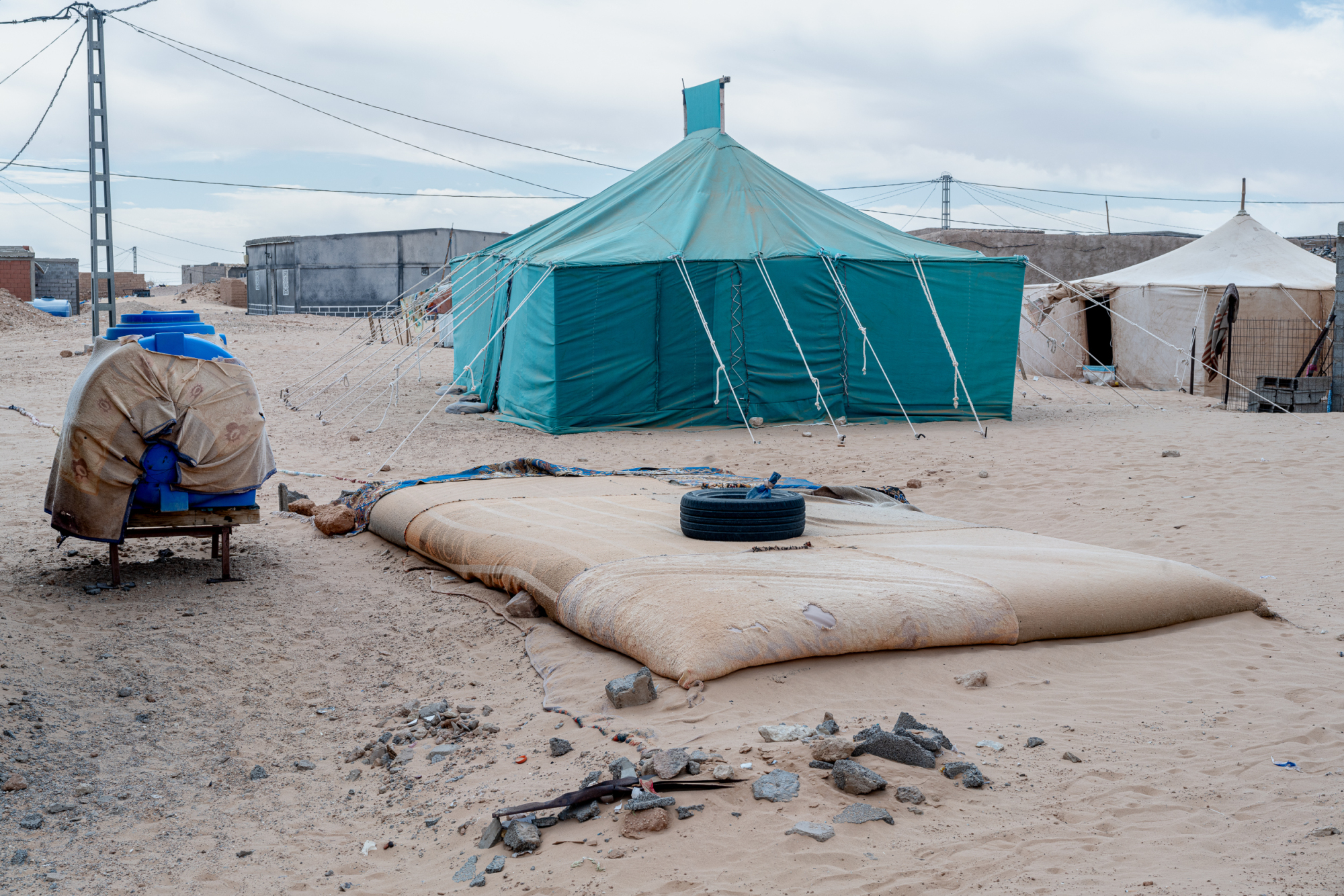
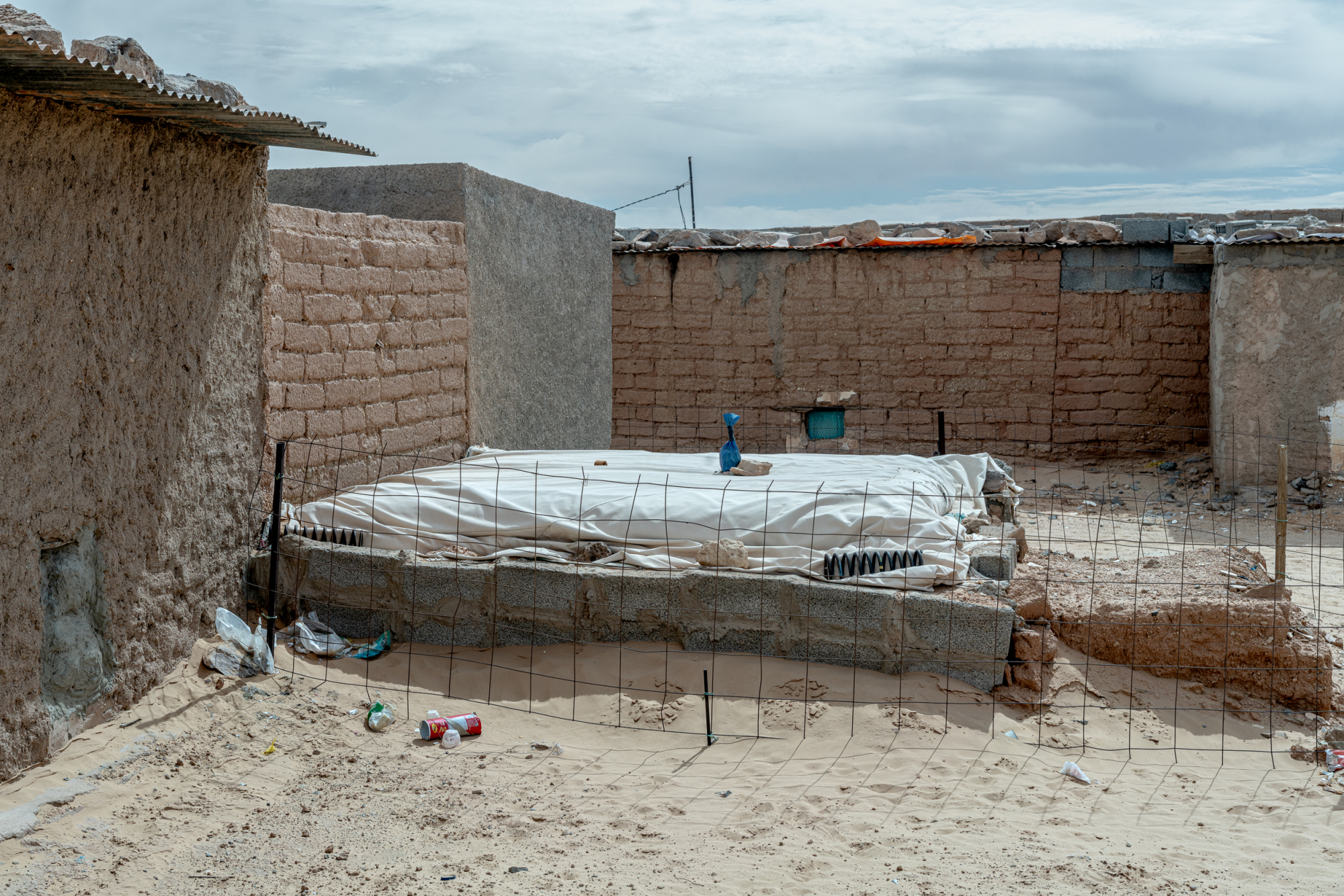
This post contains a selection of Images I made over those 7 days in gallery form. The images include landscape images of the Refugee camp itself in the immediate area of my family, animal pens reflecting the Sahrawan pastoral heritage, some portraits, images from schools and a collection of photographs of water storage, mostly in the form of ‘water mattresses’. The importance and complexities of the water supply are crucial to ongoing survival and will be detailed underneath the gallery of images.
Walking independently was mostly discouraged; a story of someone previously being kidnapped was given as a rationale for having either a family member or an official translator with us at all times.
Several visits by the SADR leader Brahim Ghali caused waves of visible adoration in the crowds.
Images : Day 4
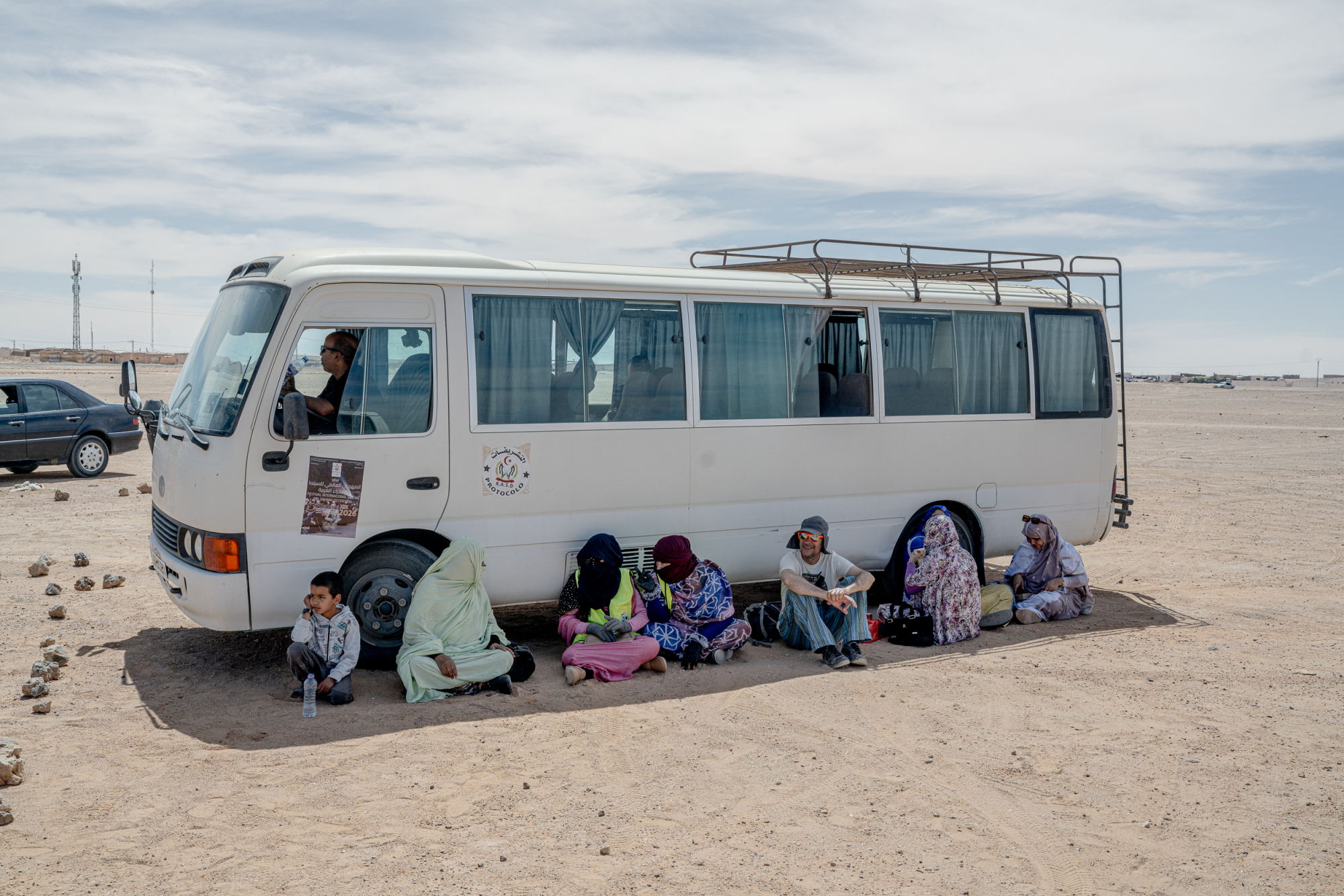
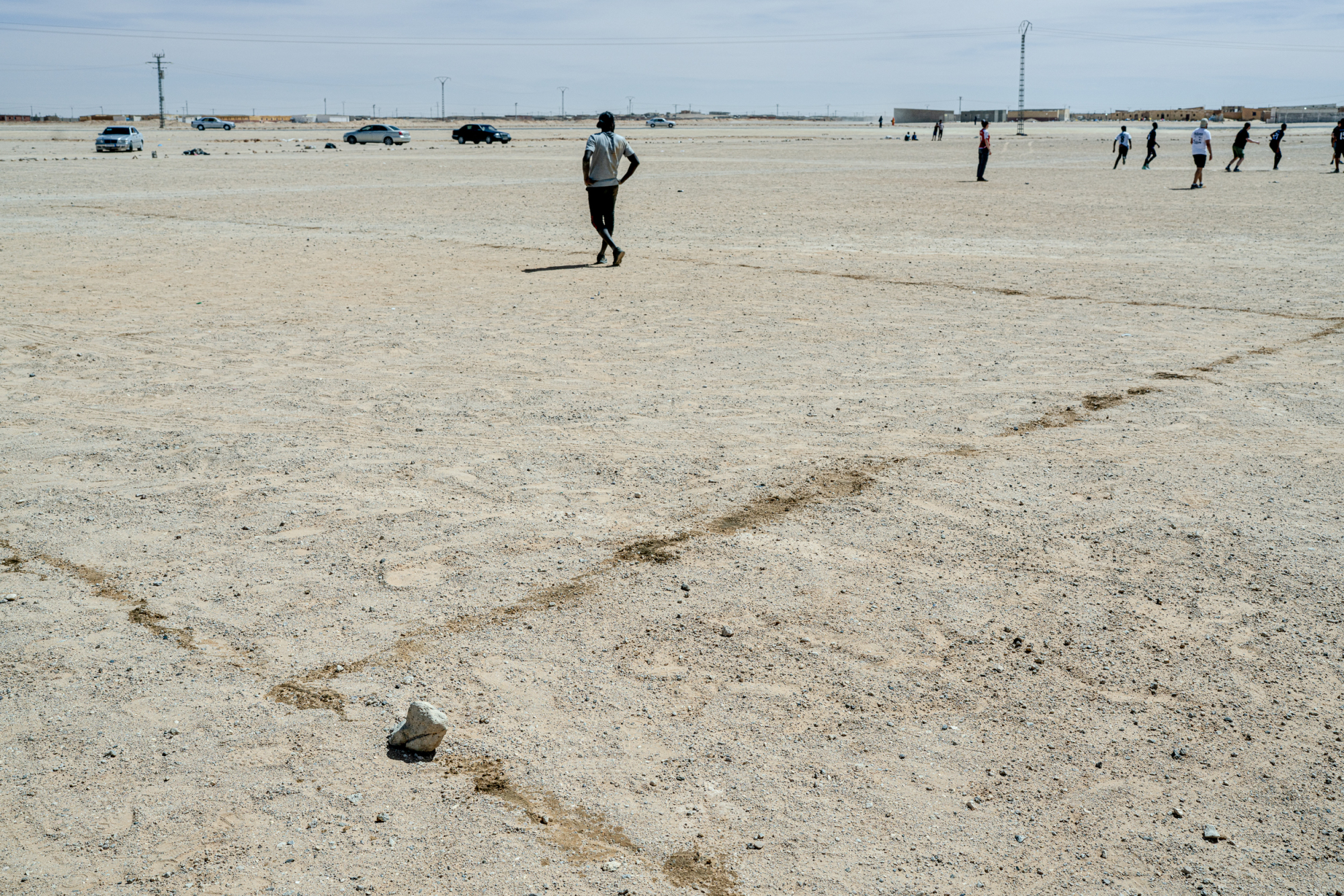
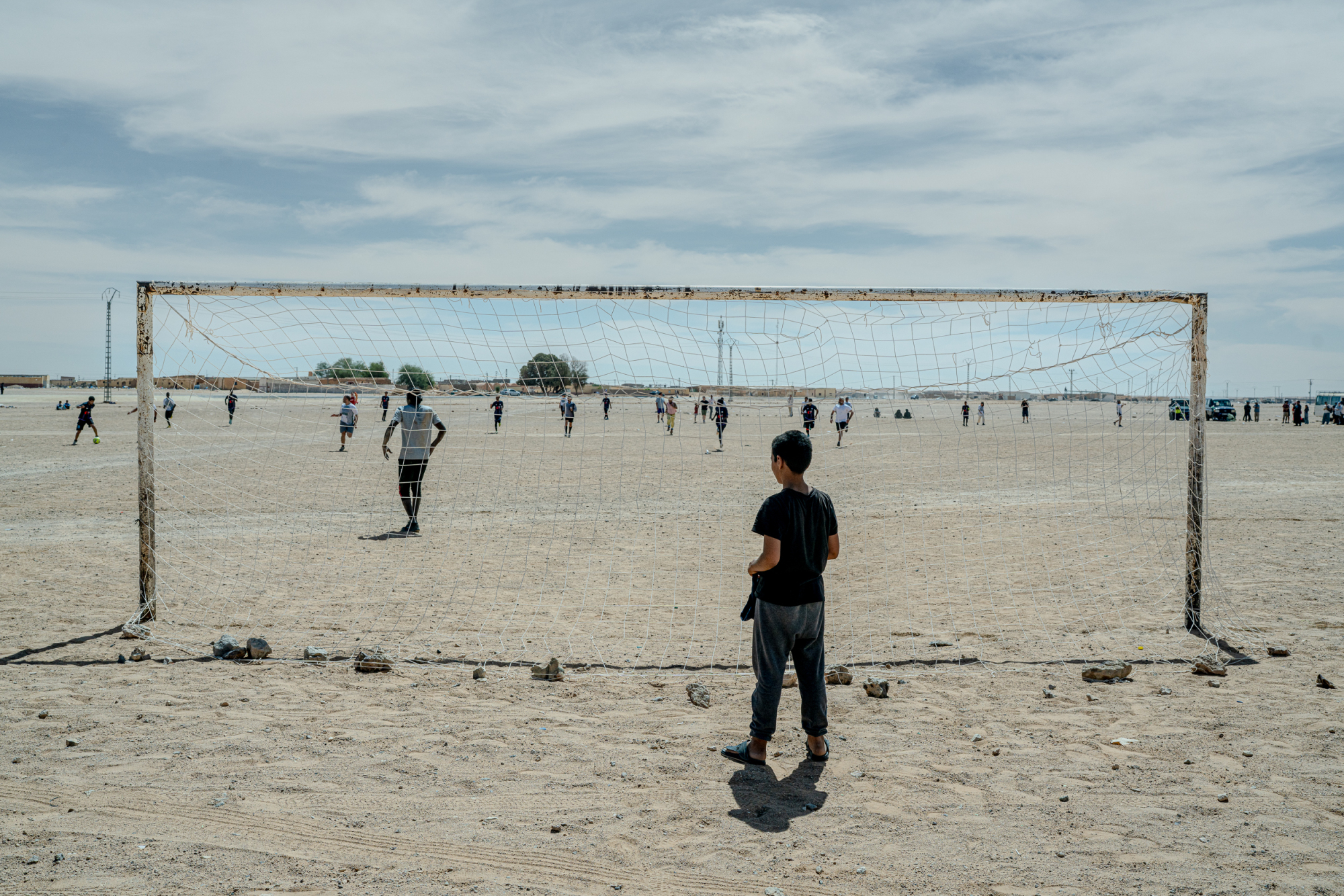
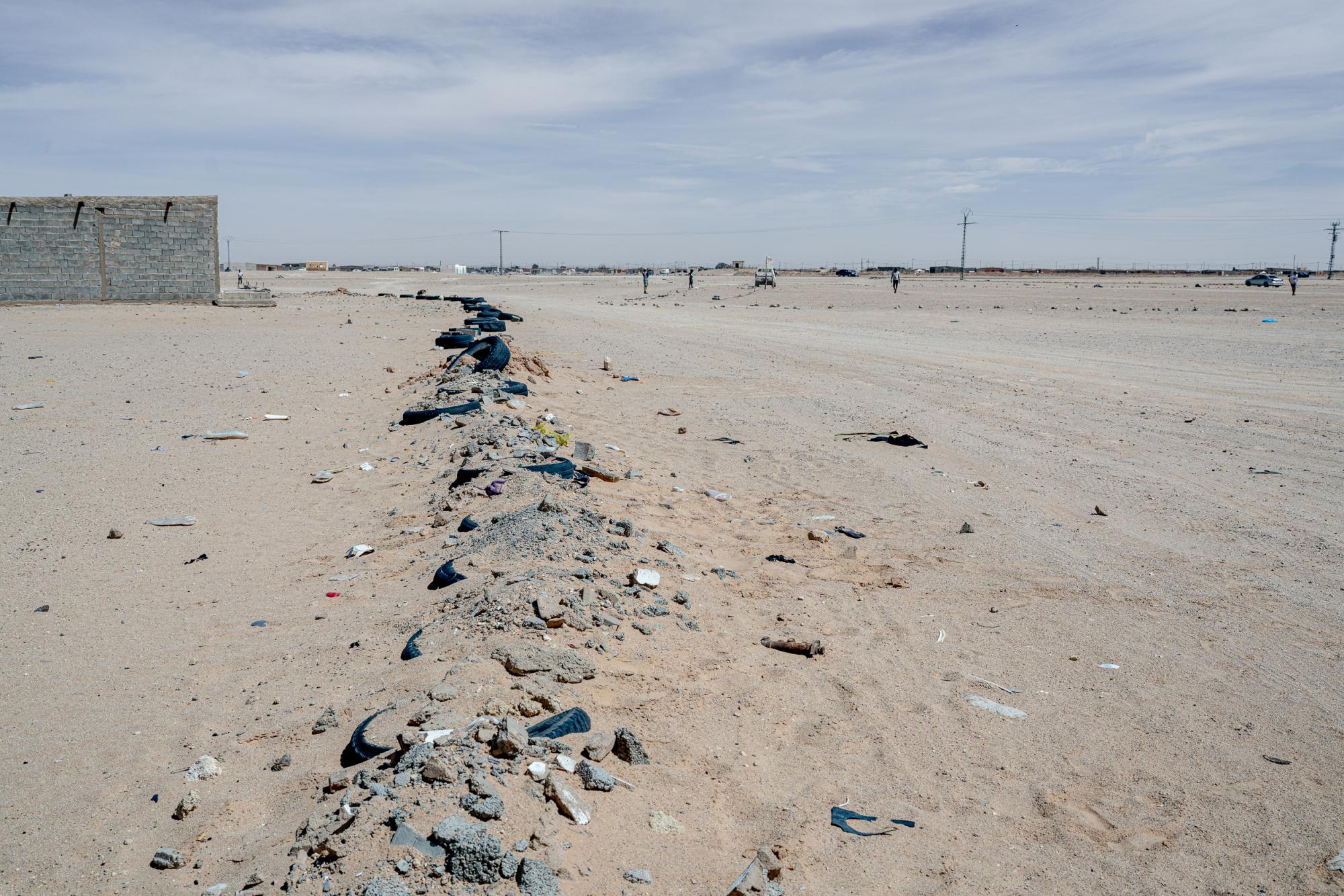
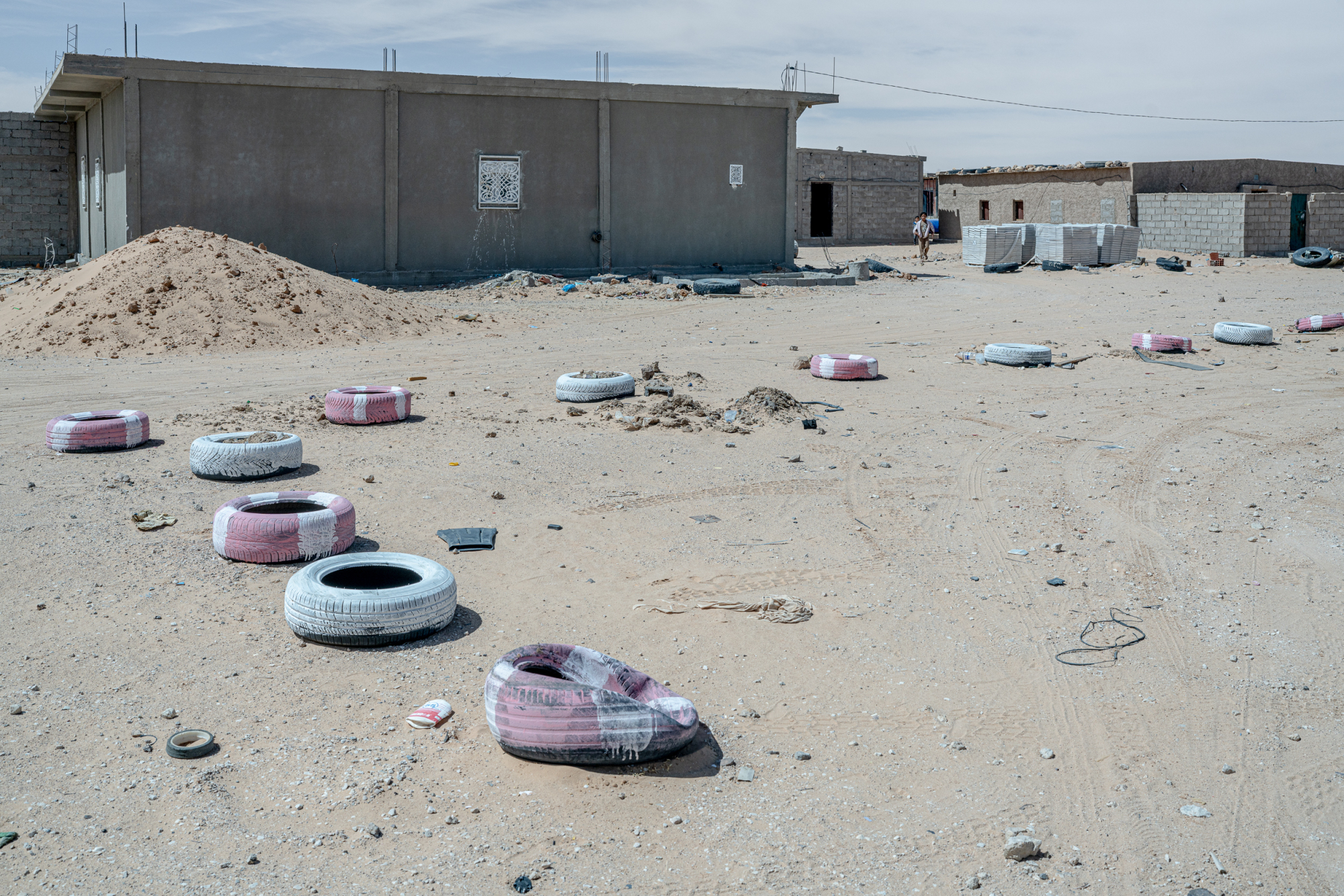
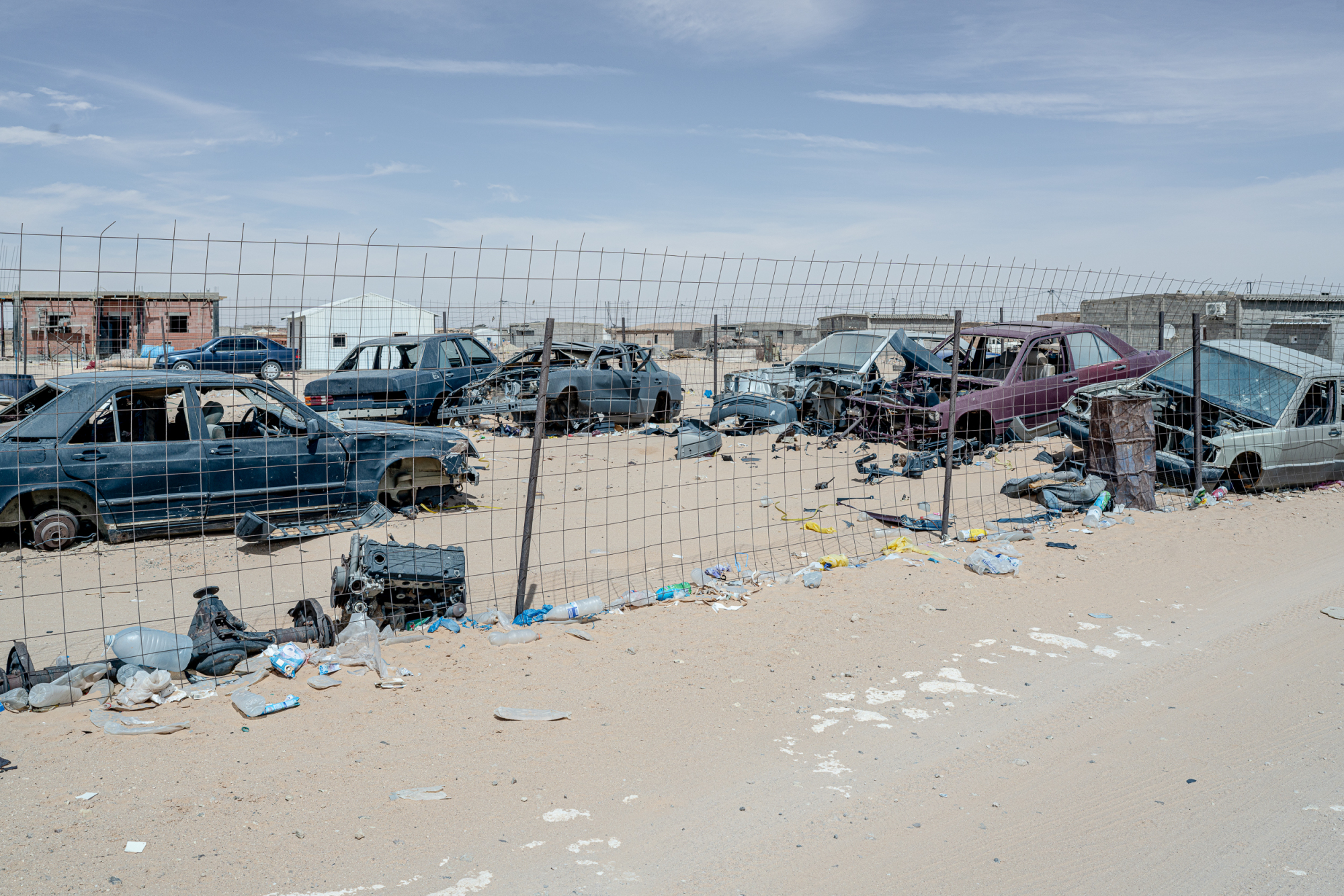
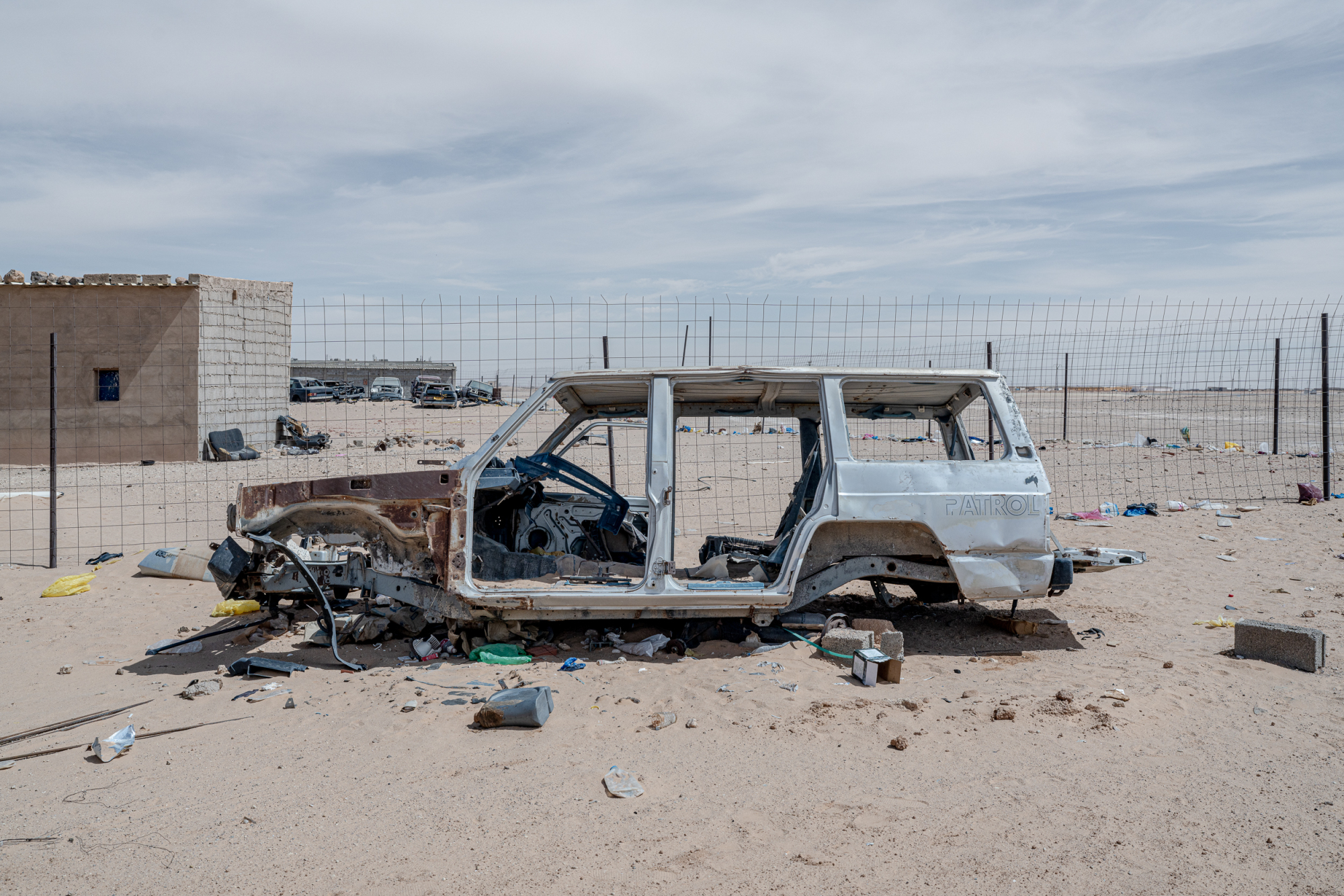
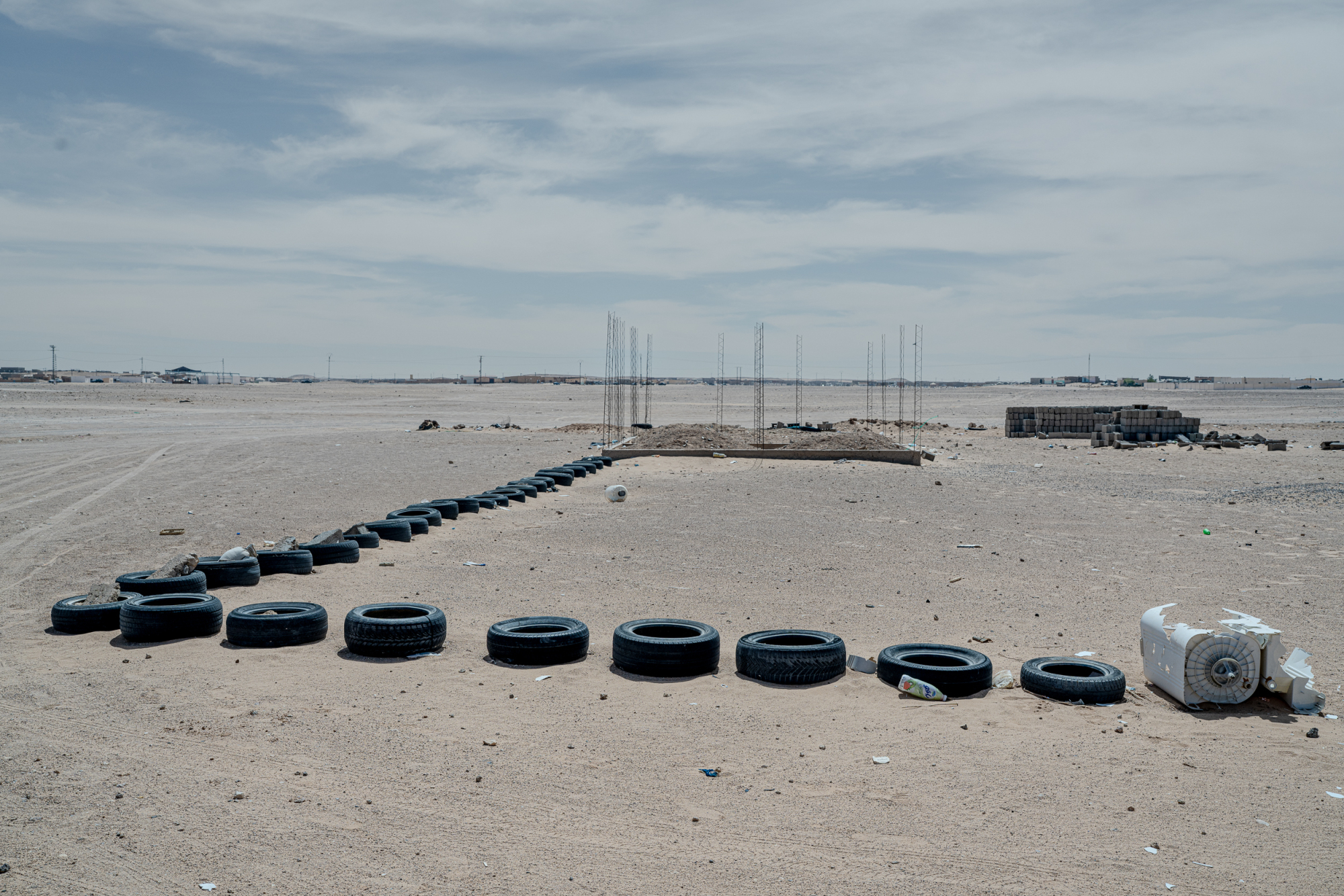
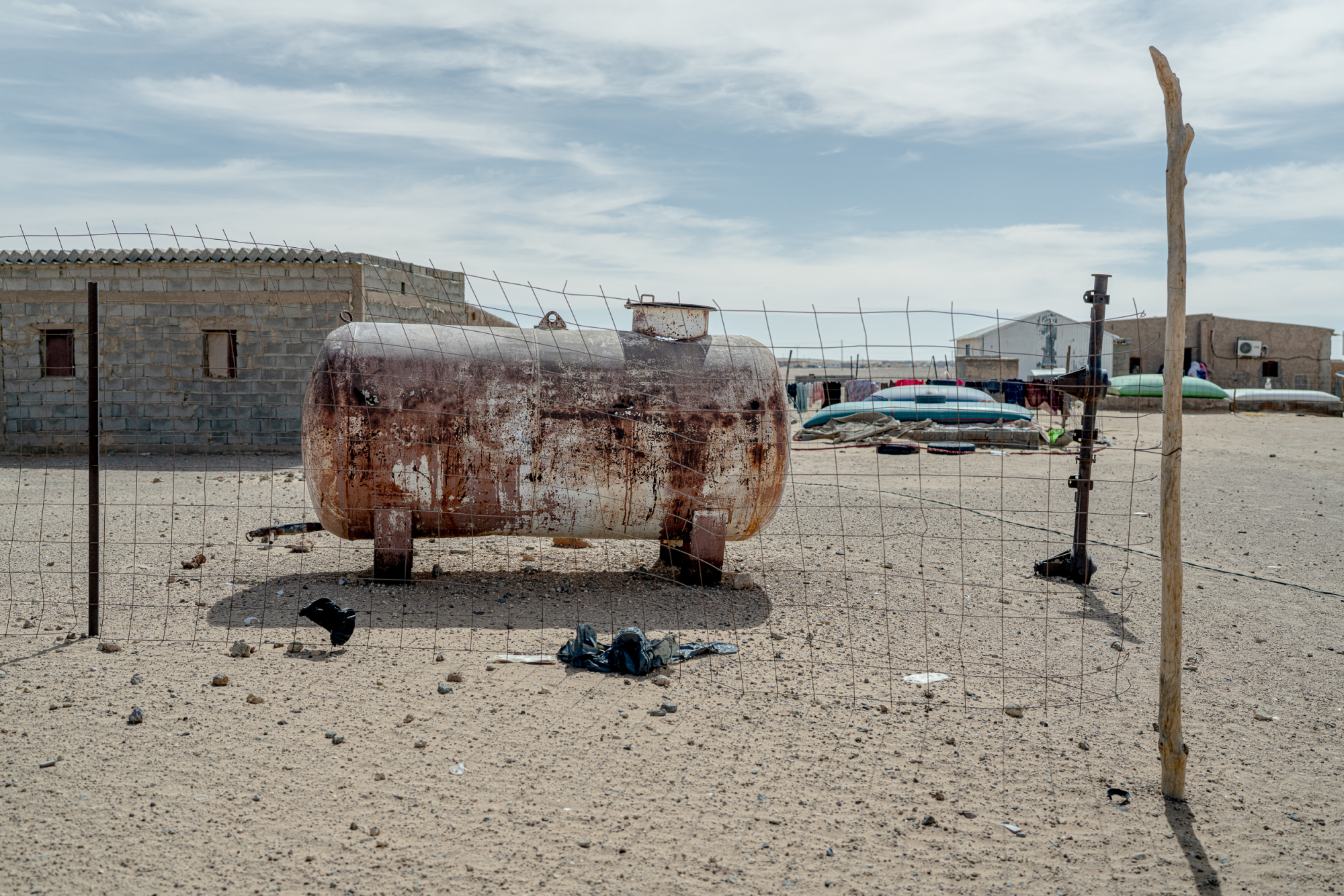
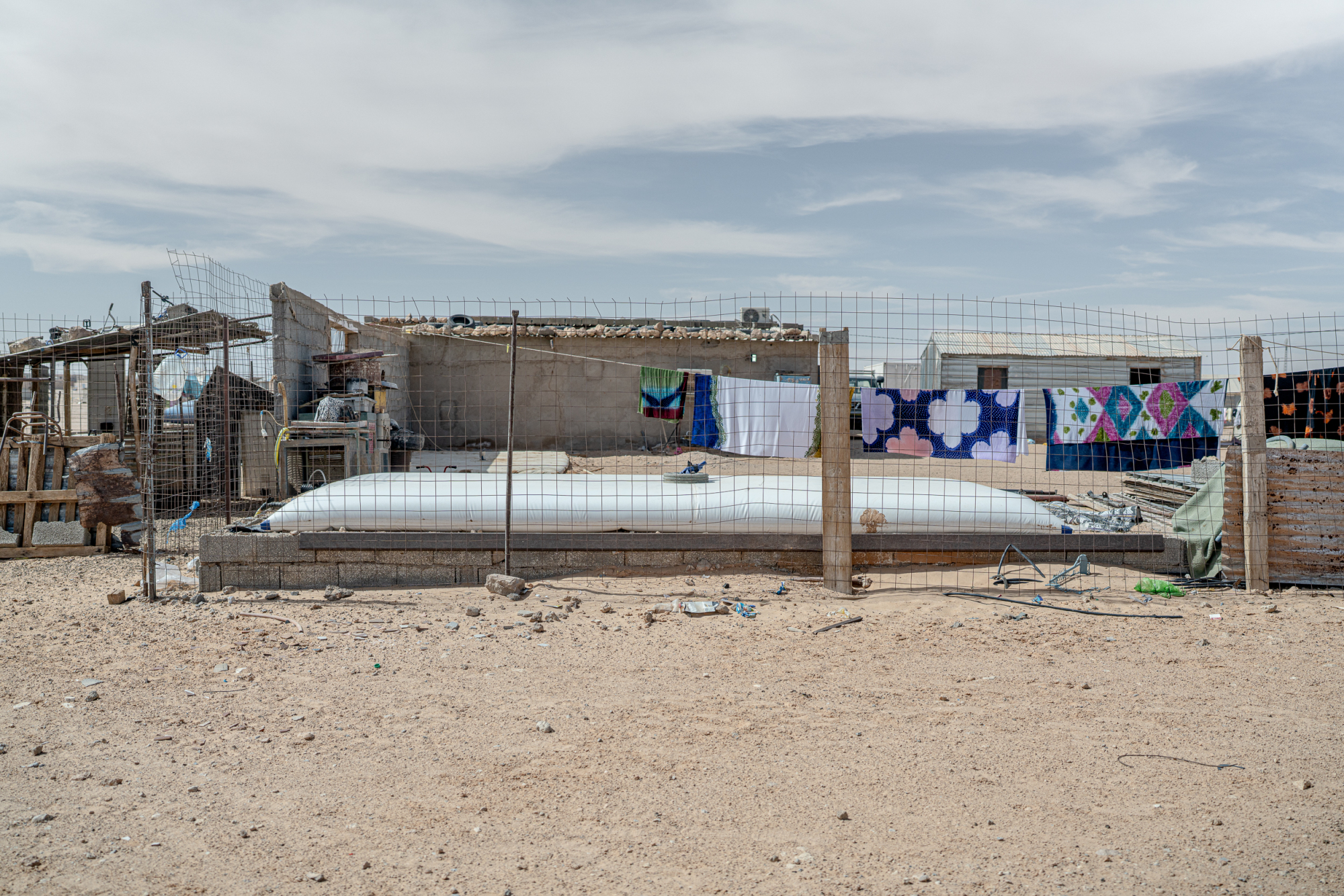
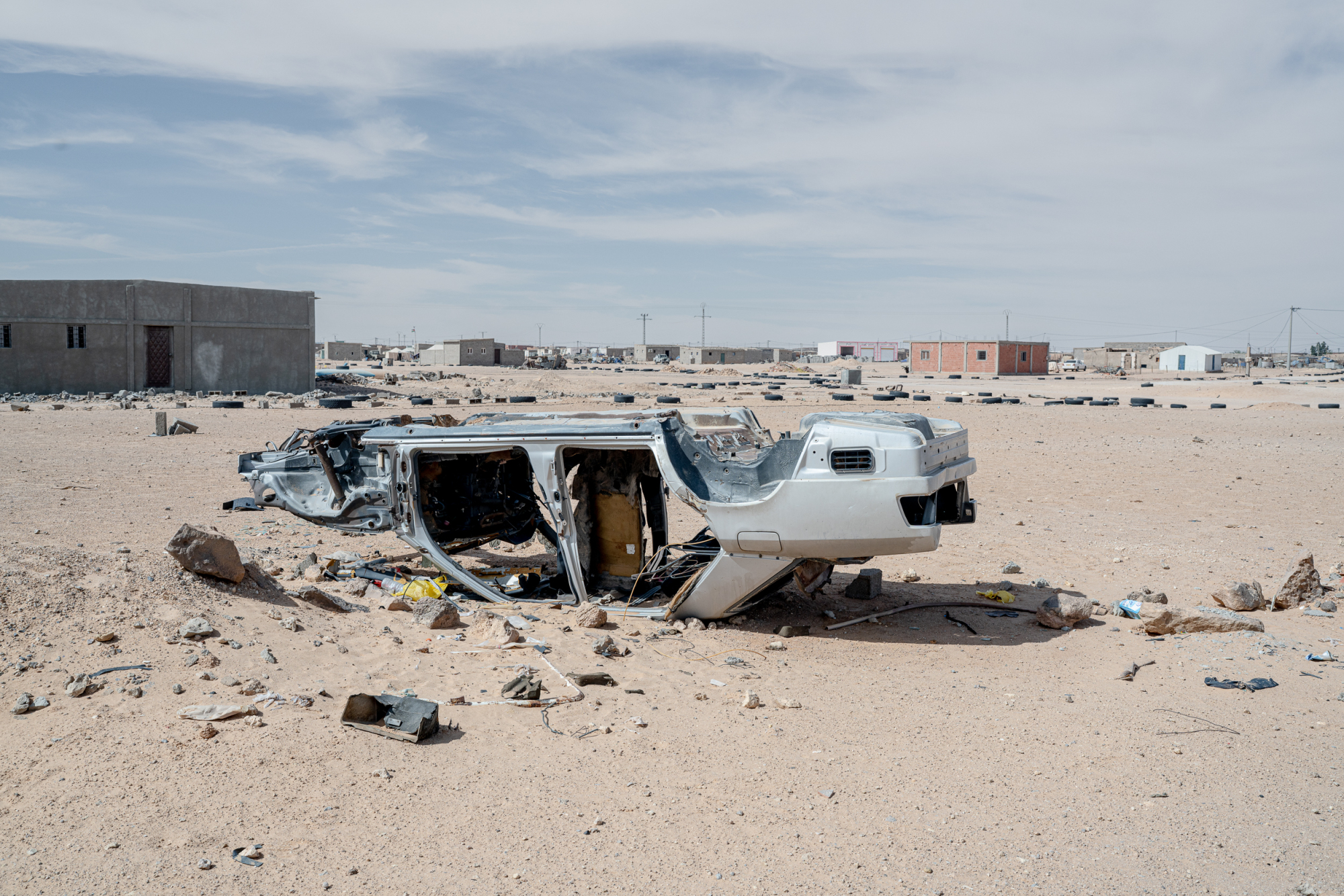
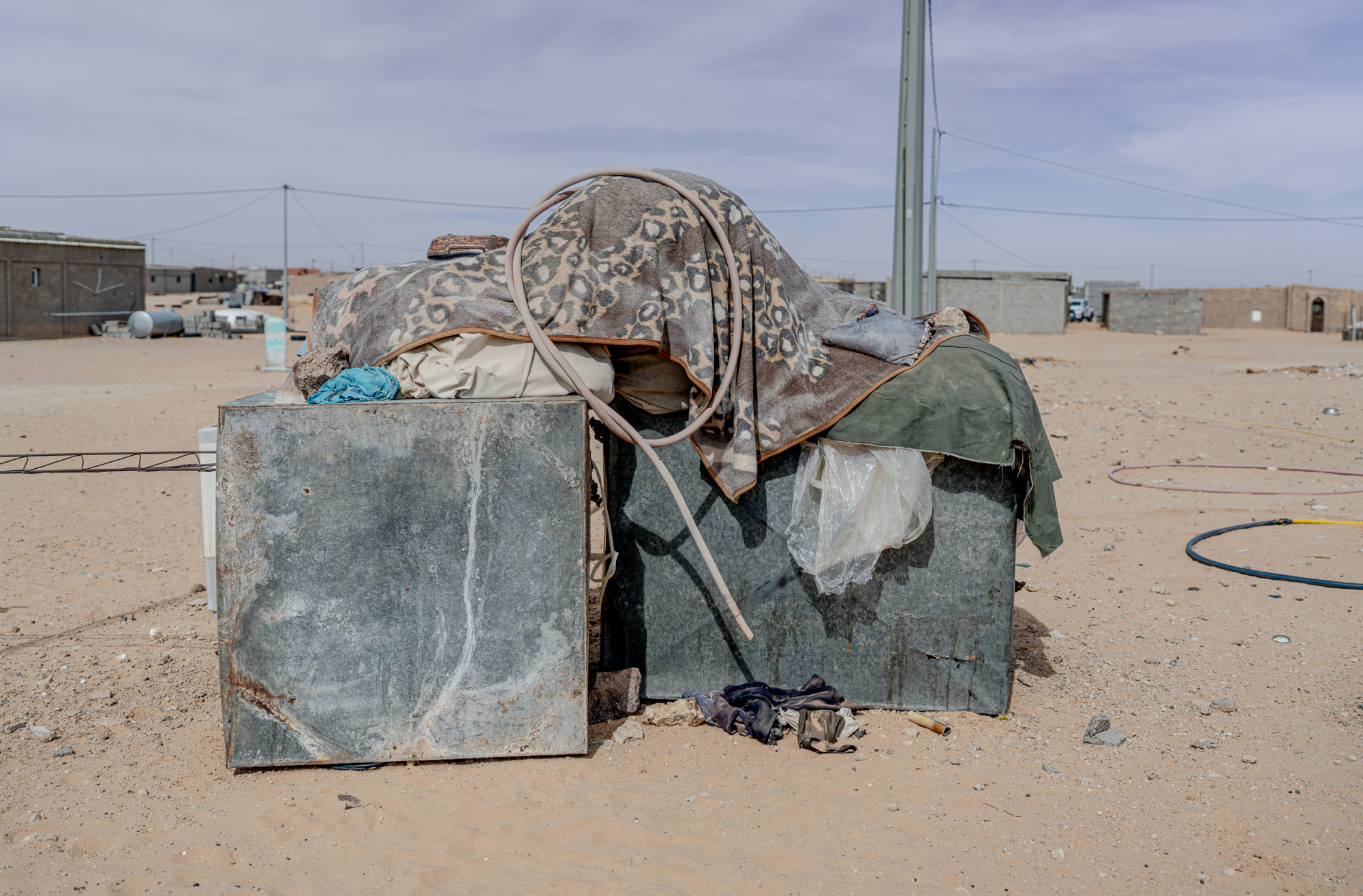
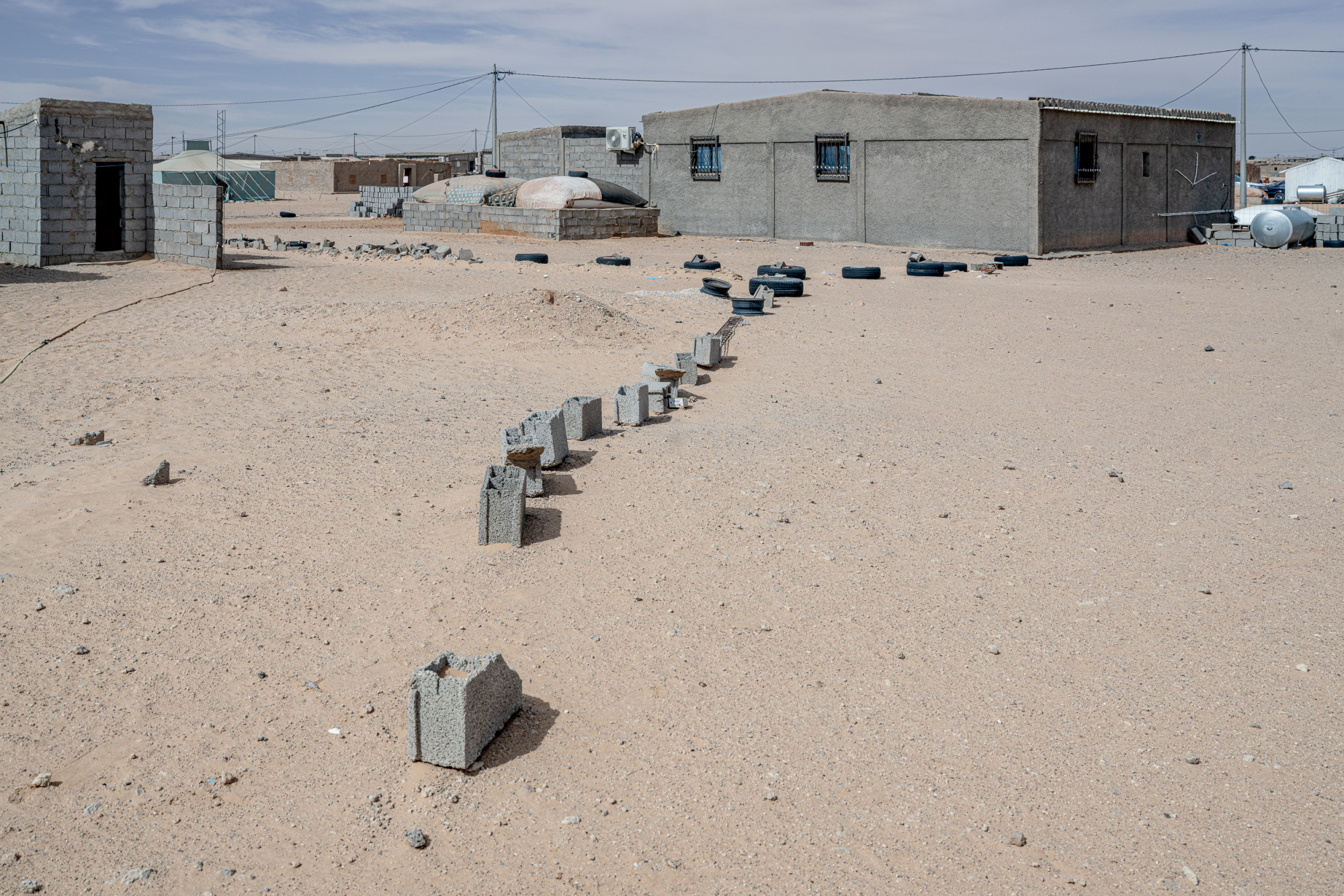
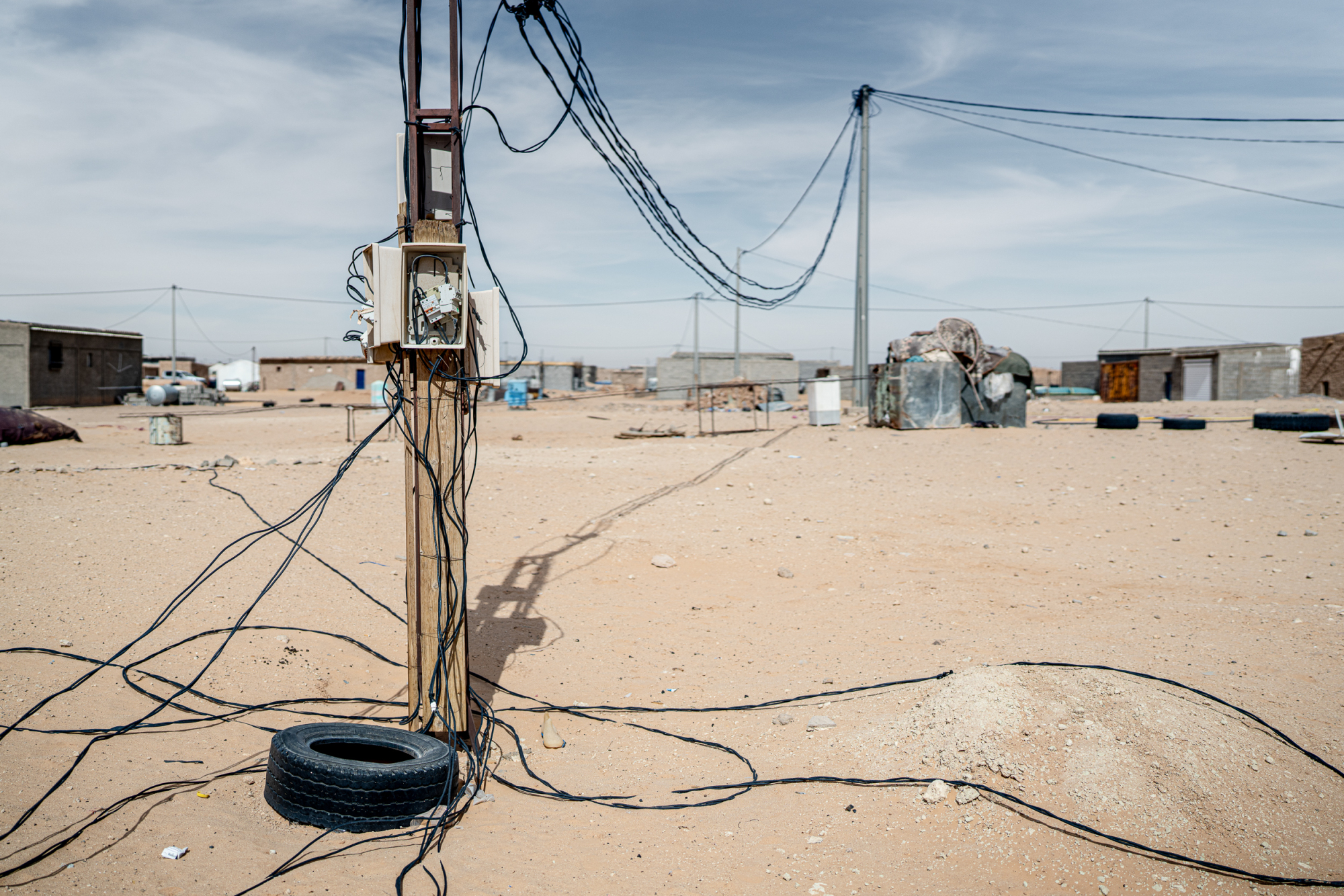
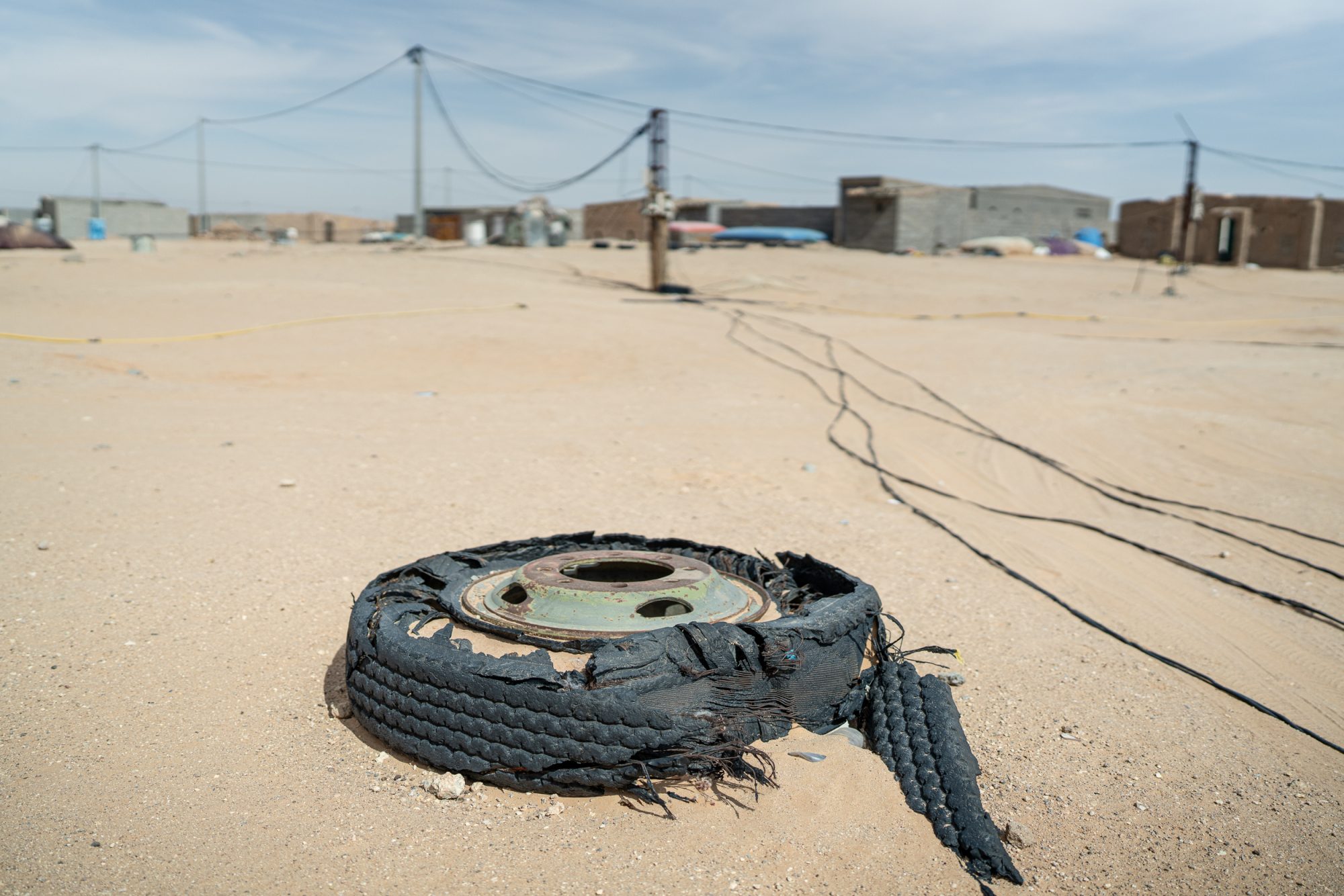
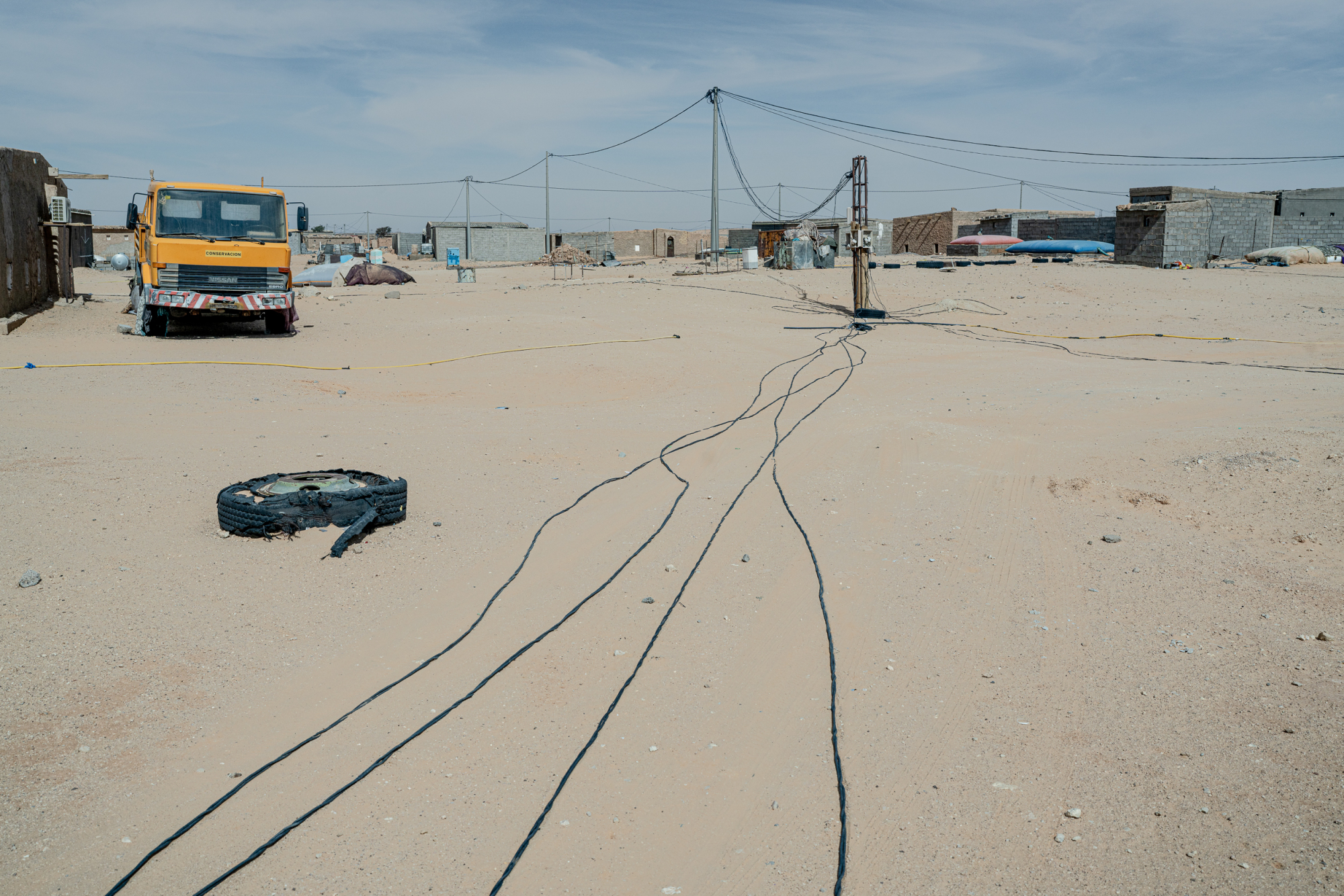
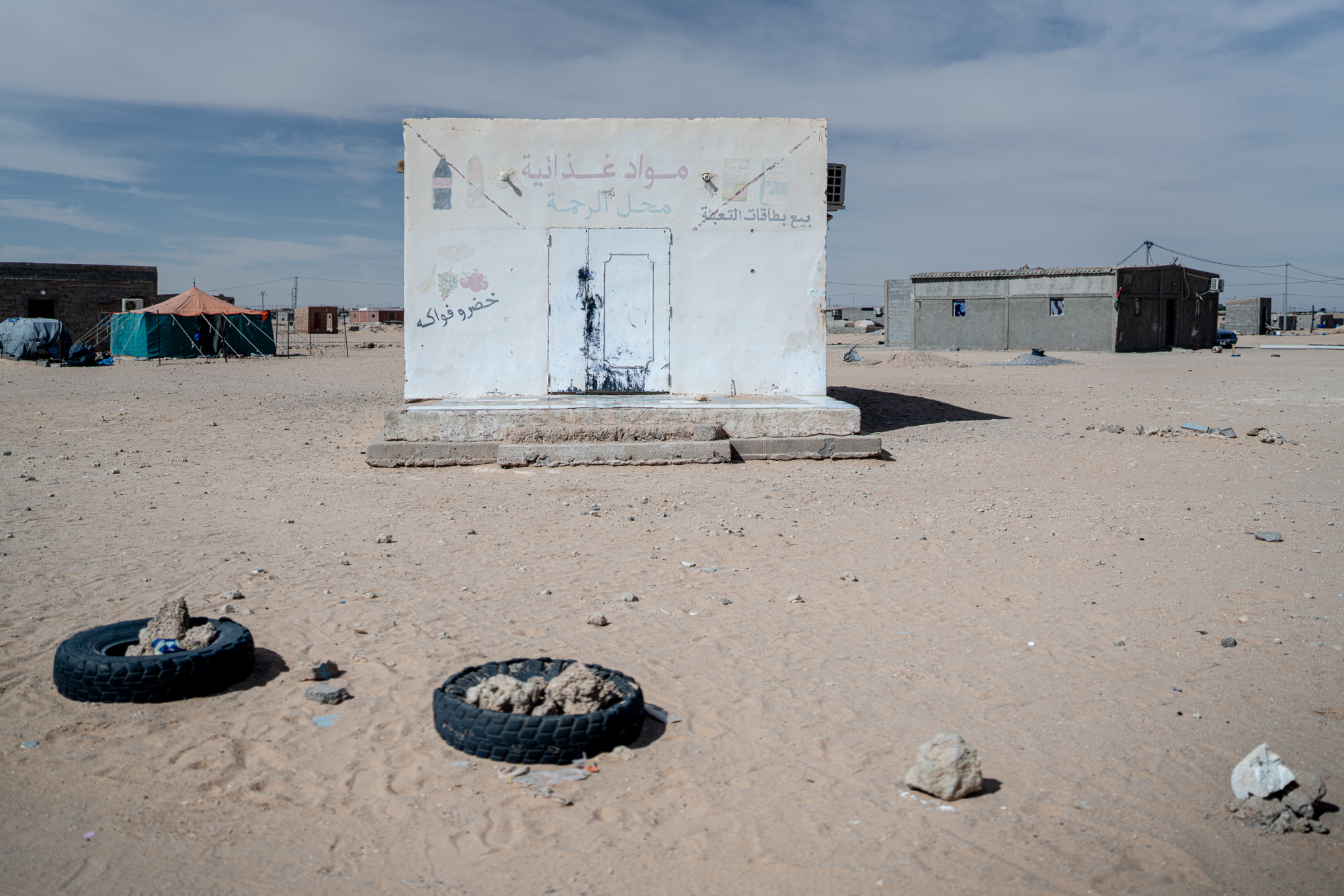
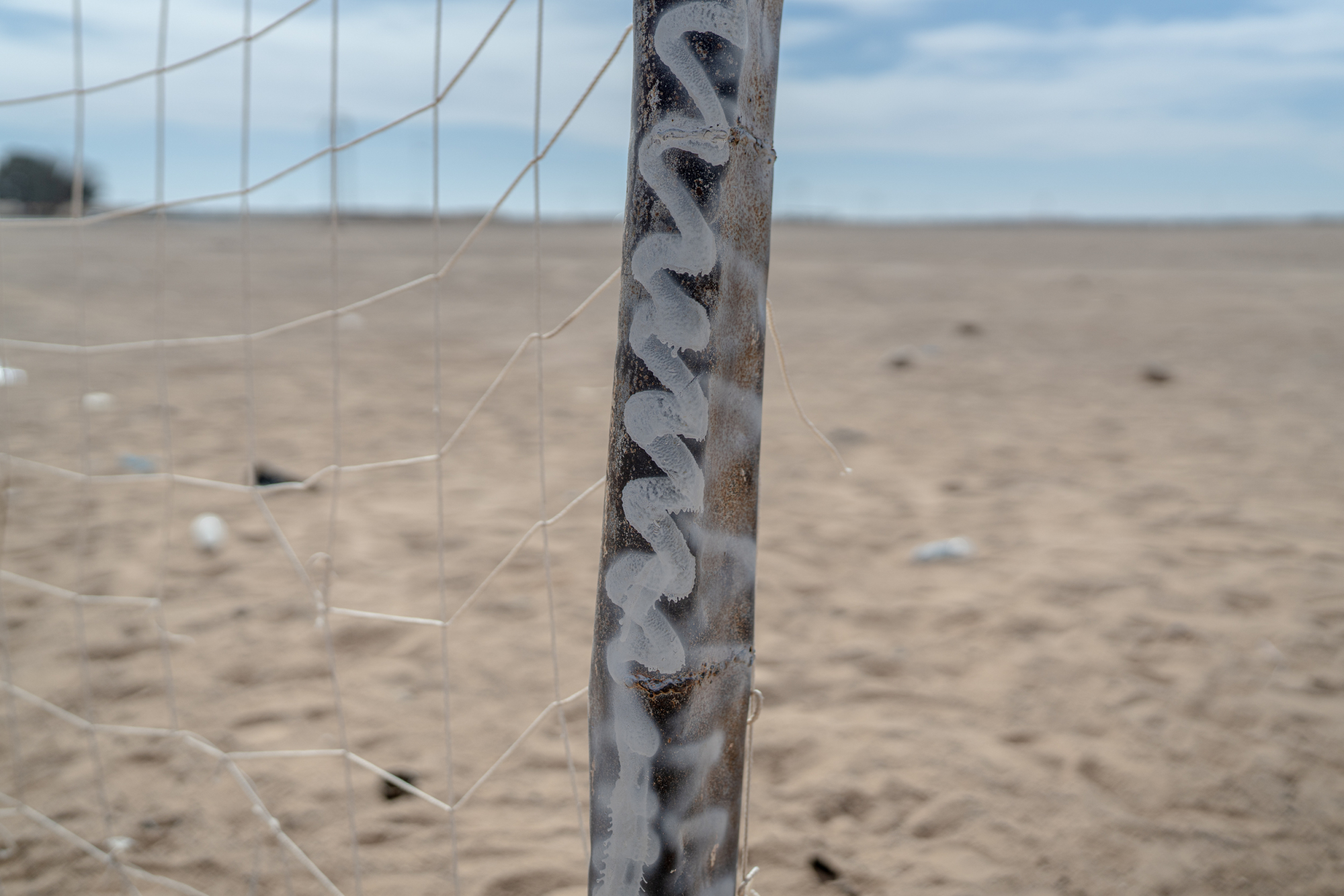
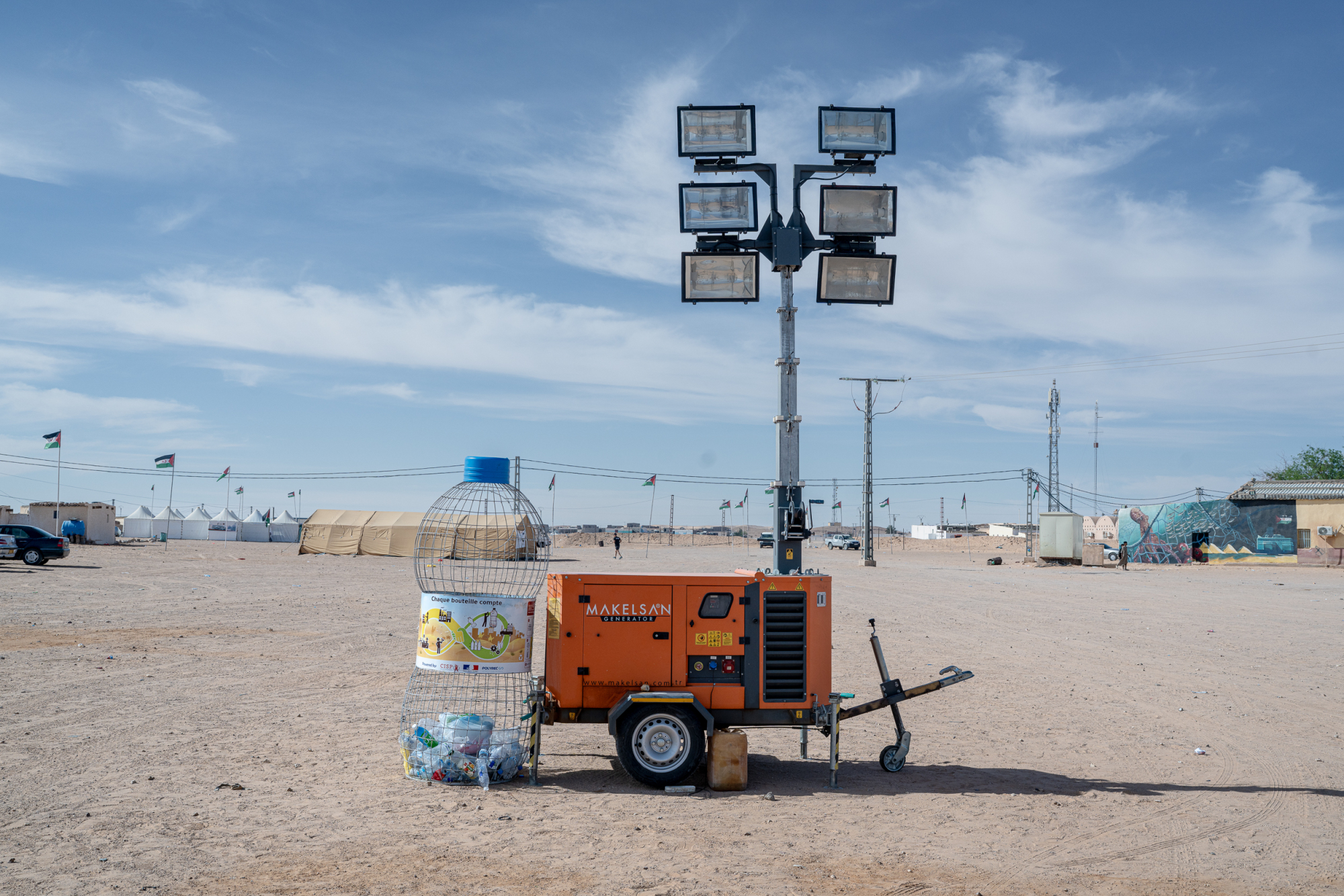
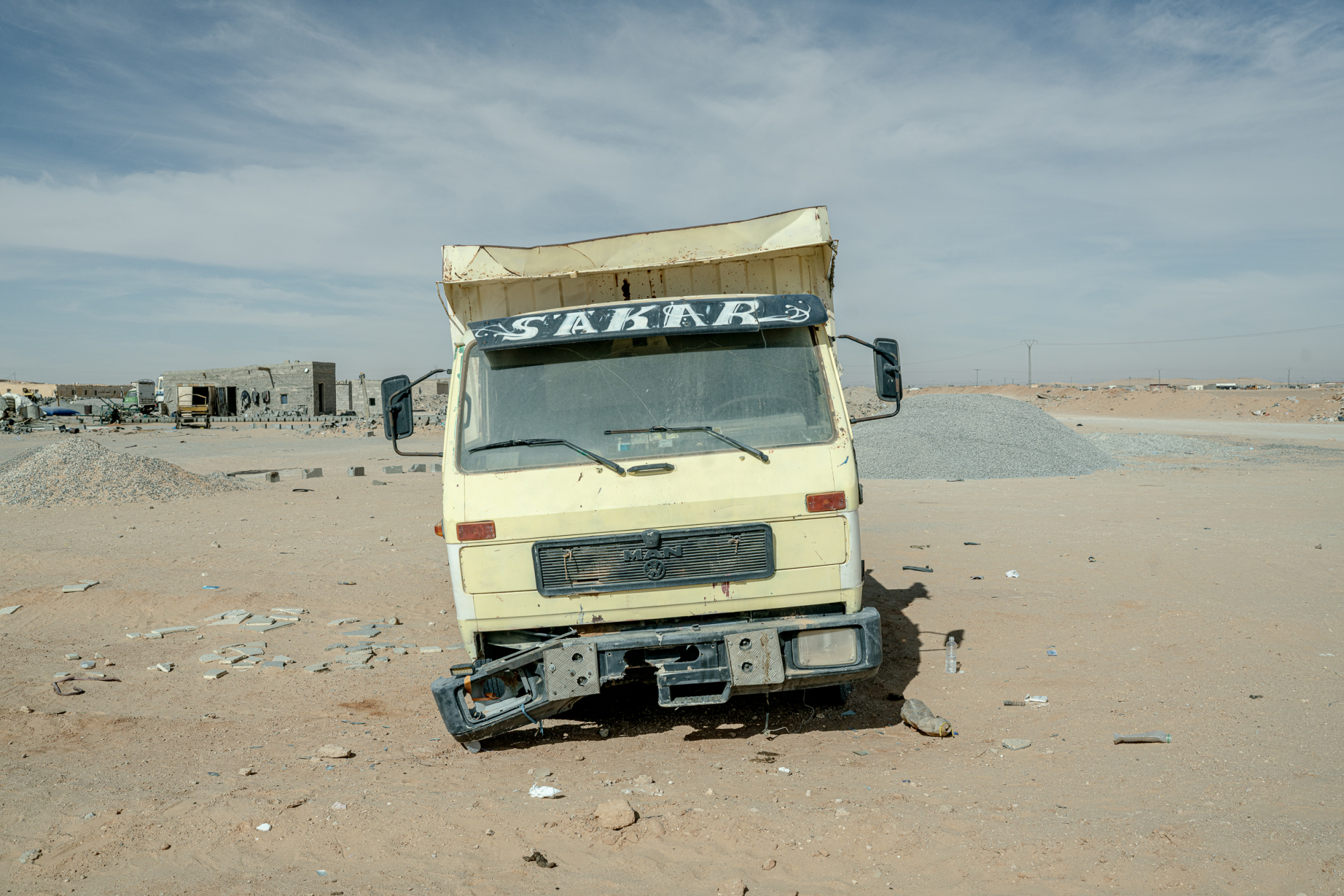
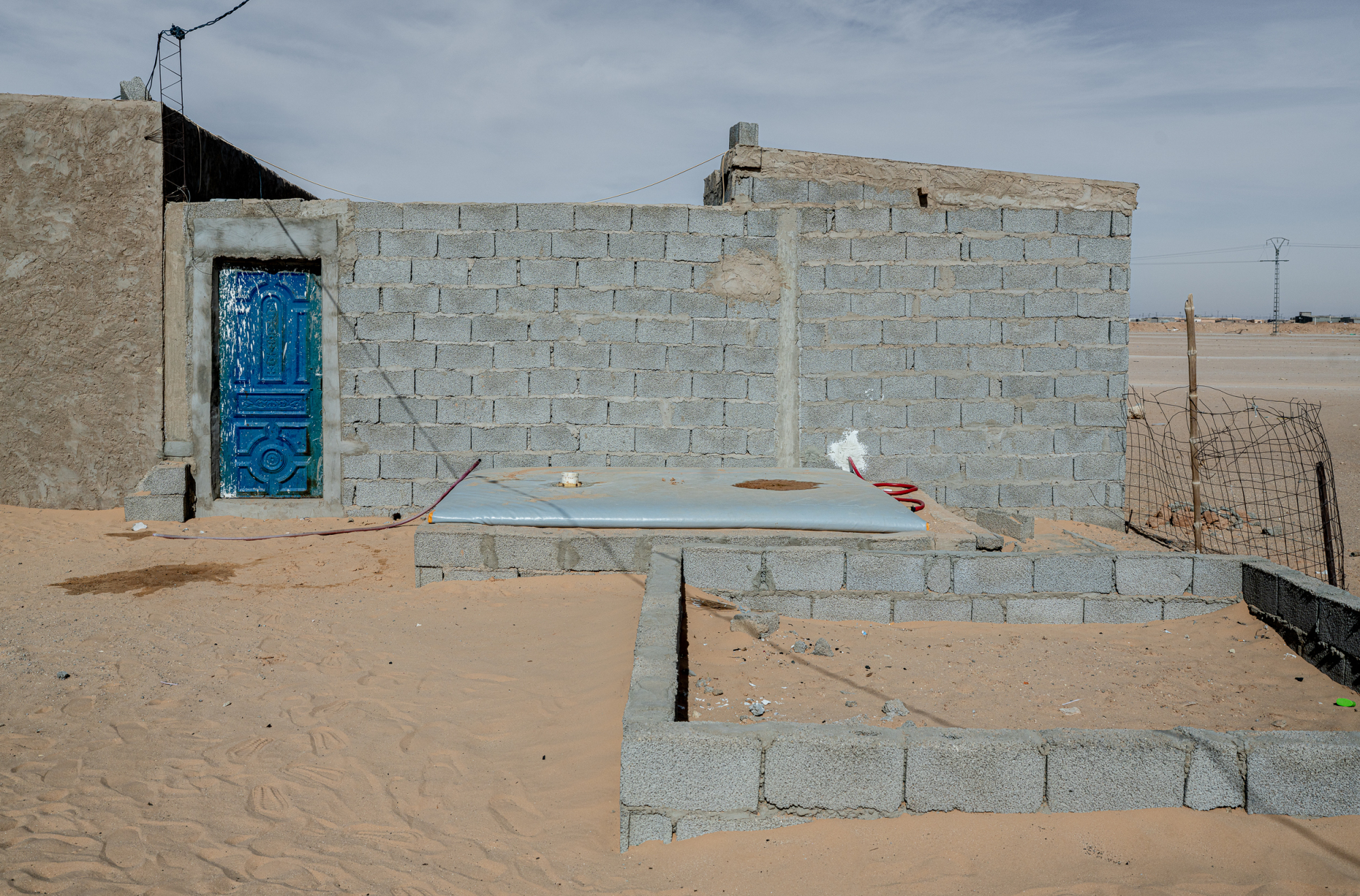
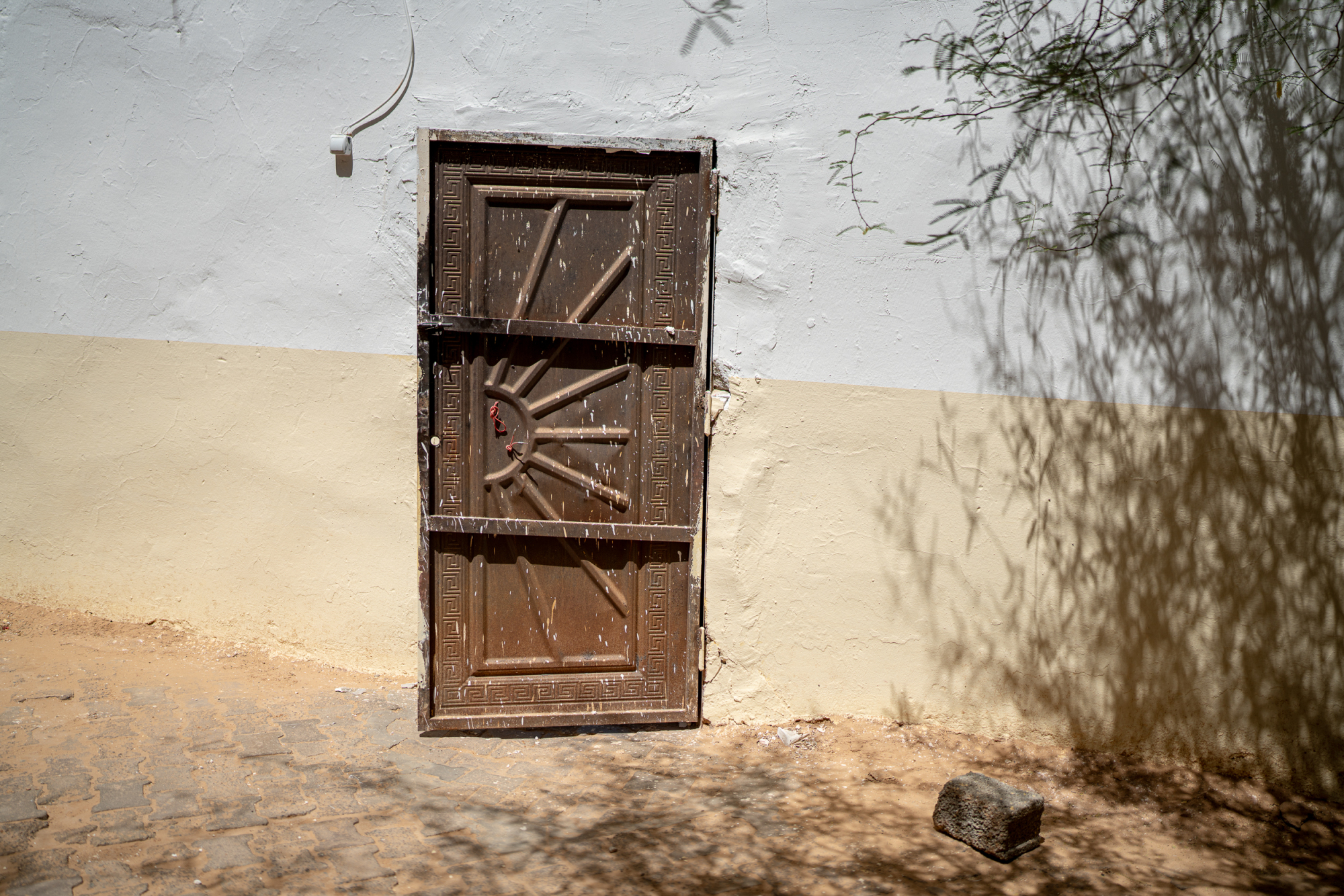
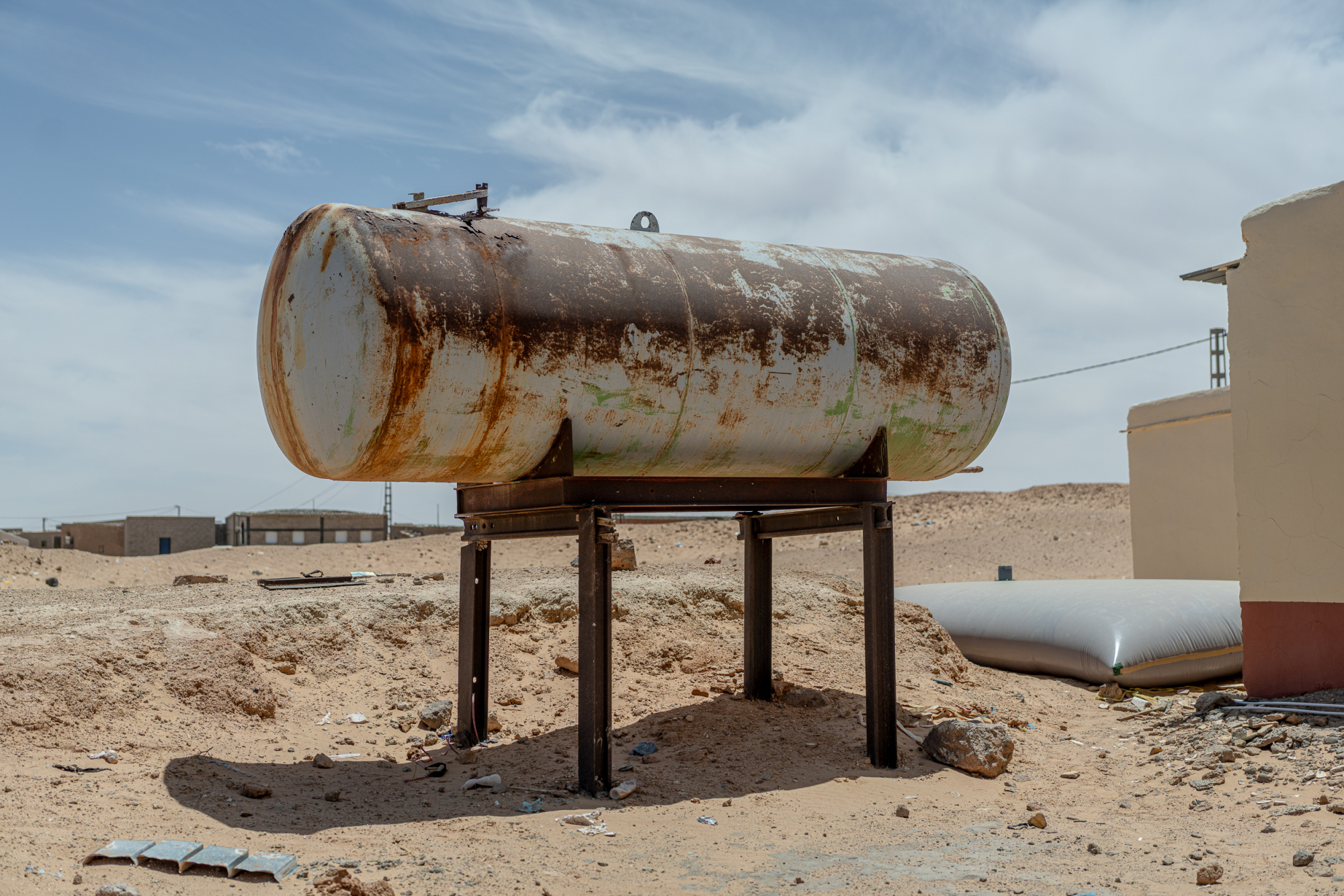
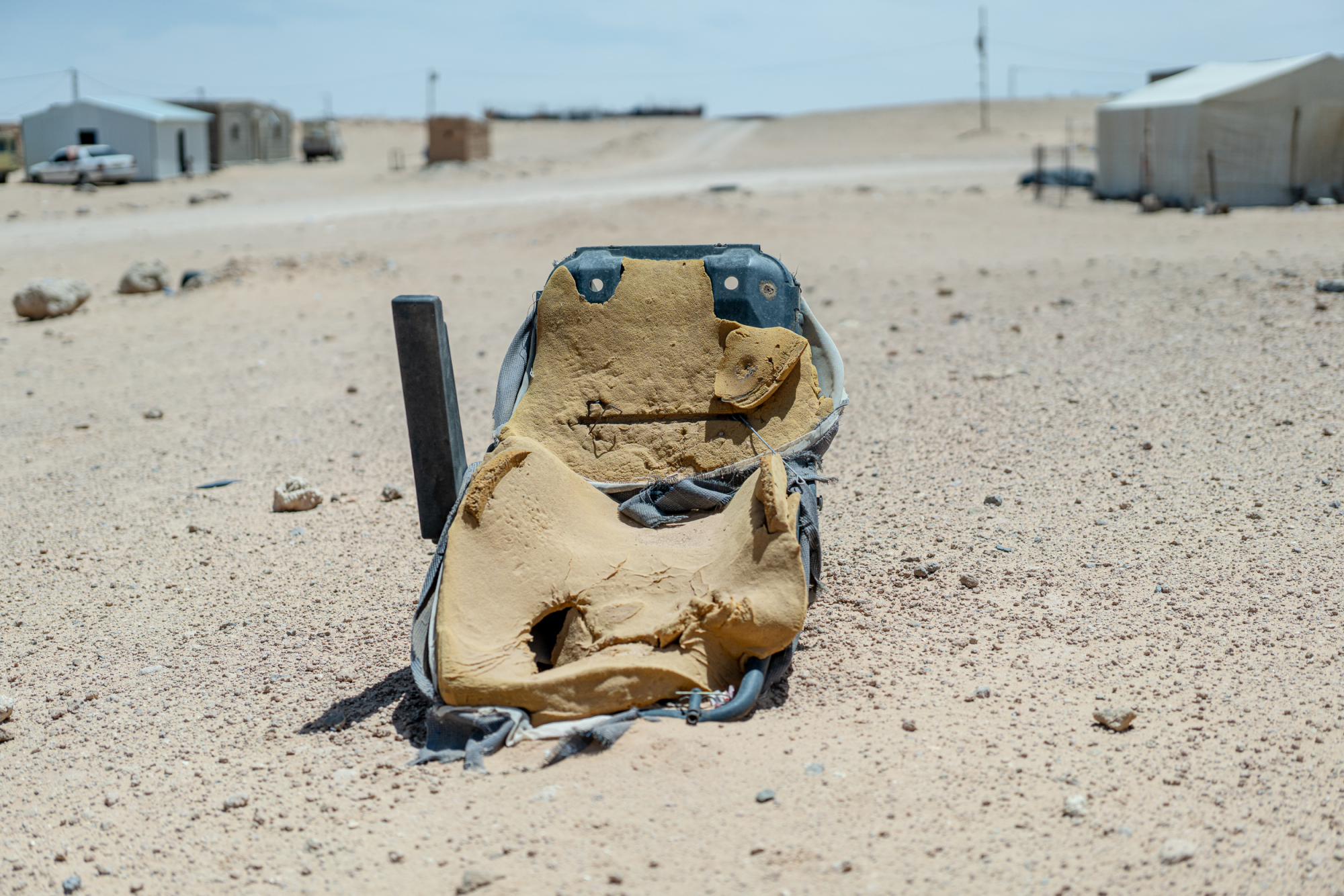
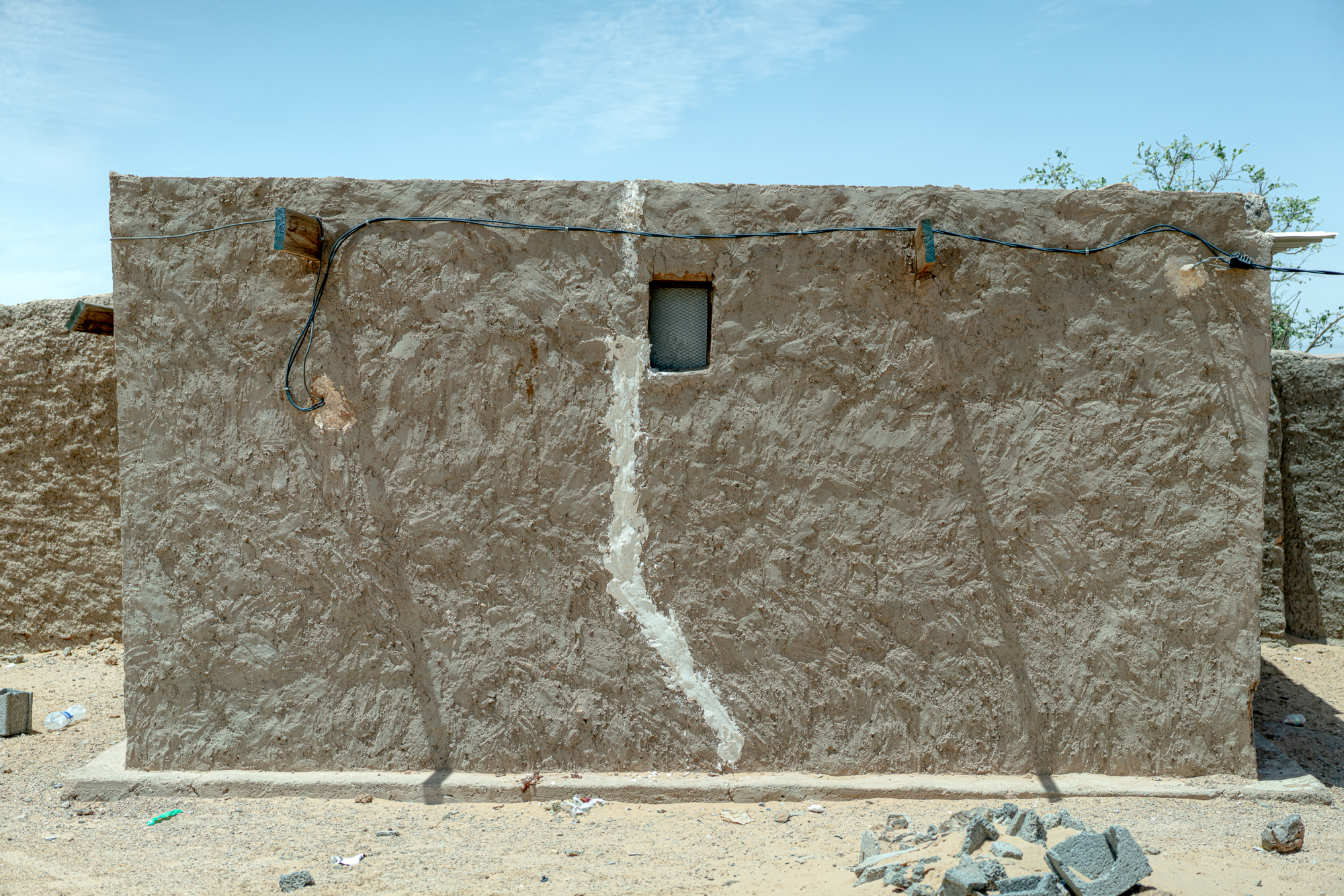
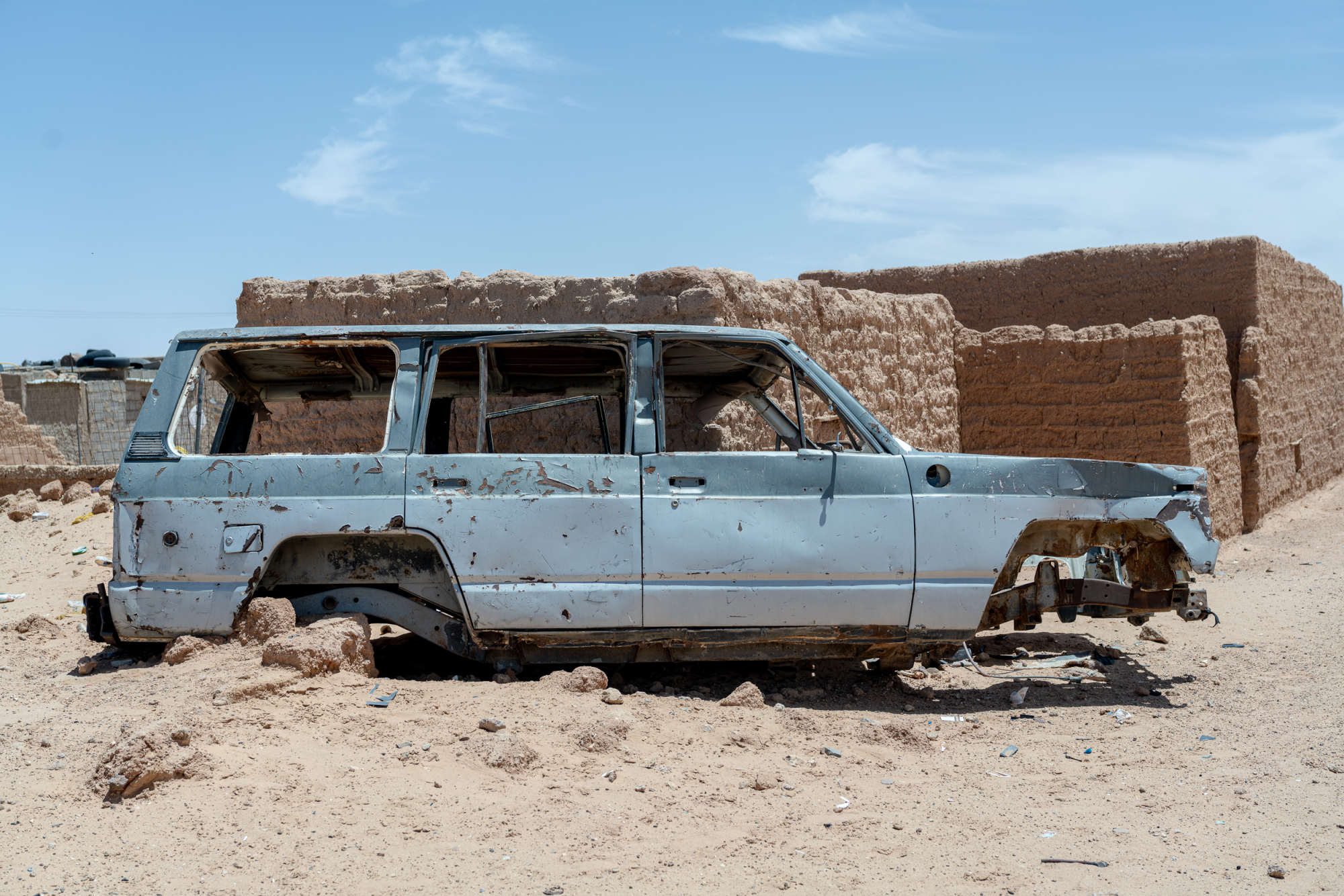
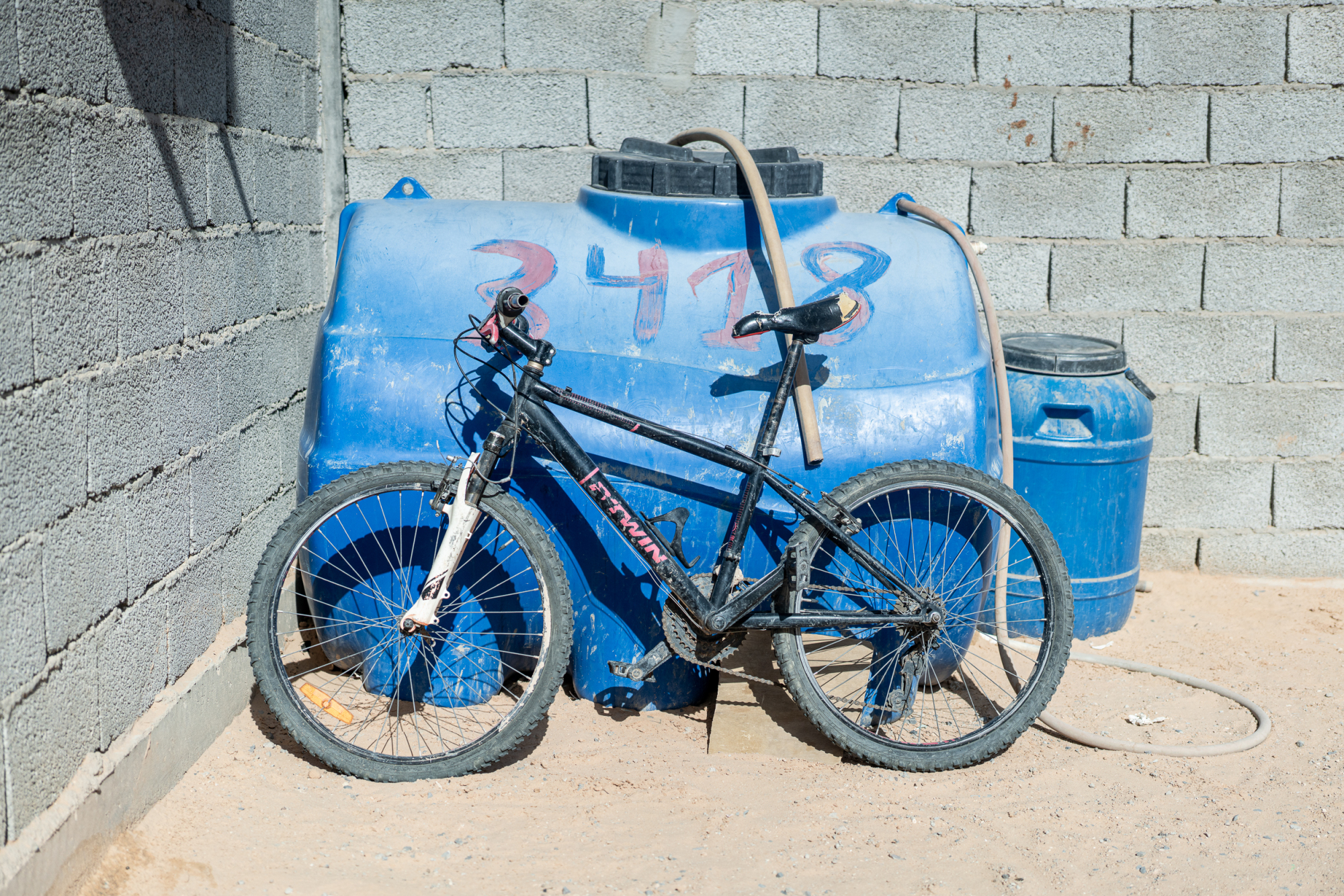
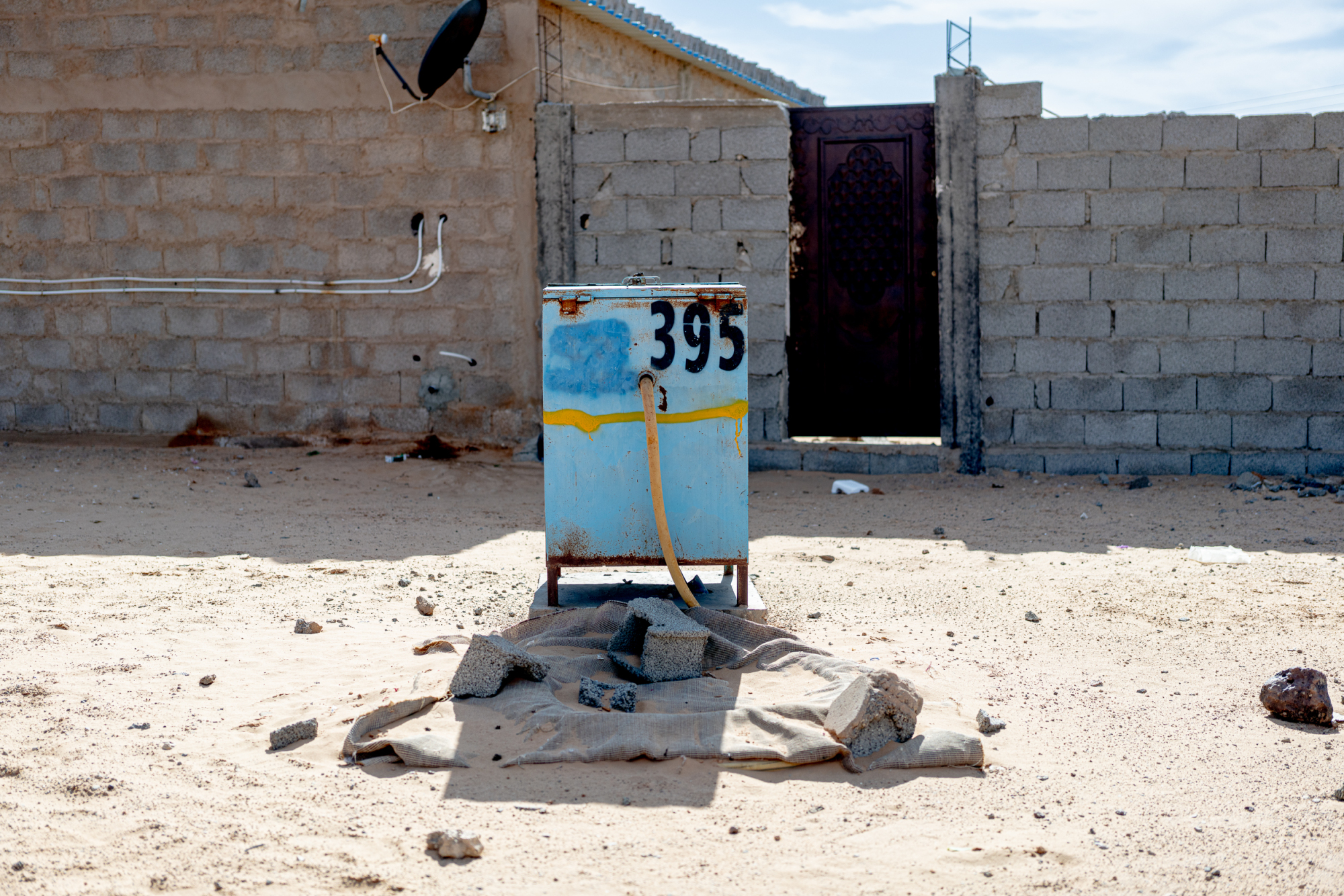
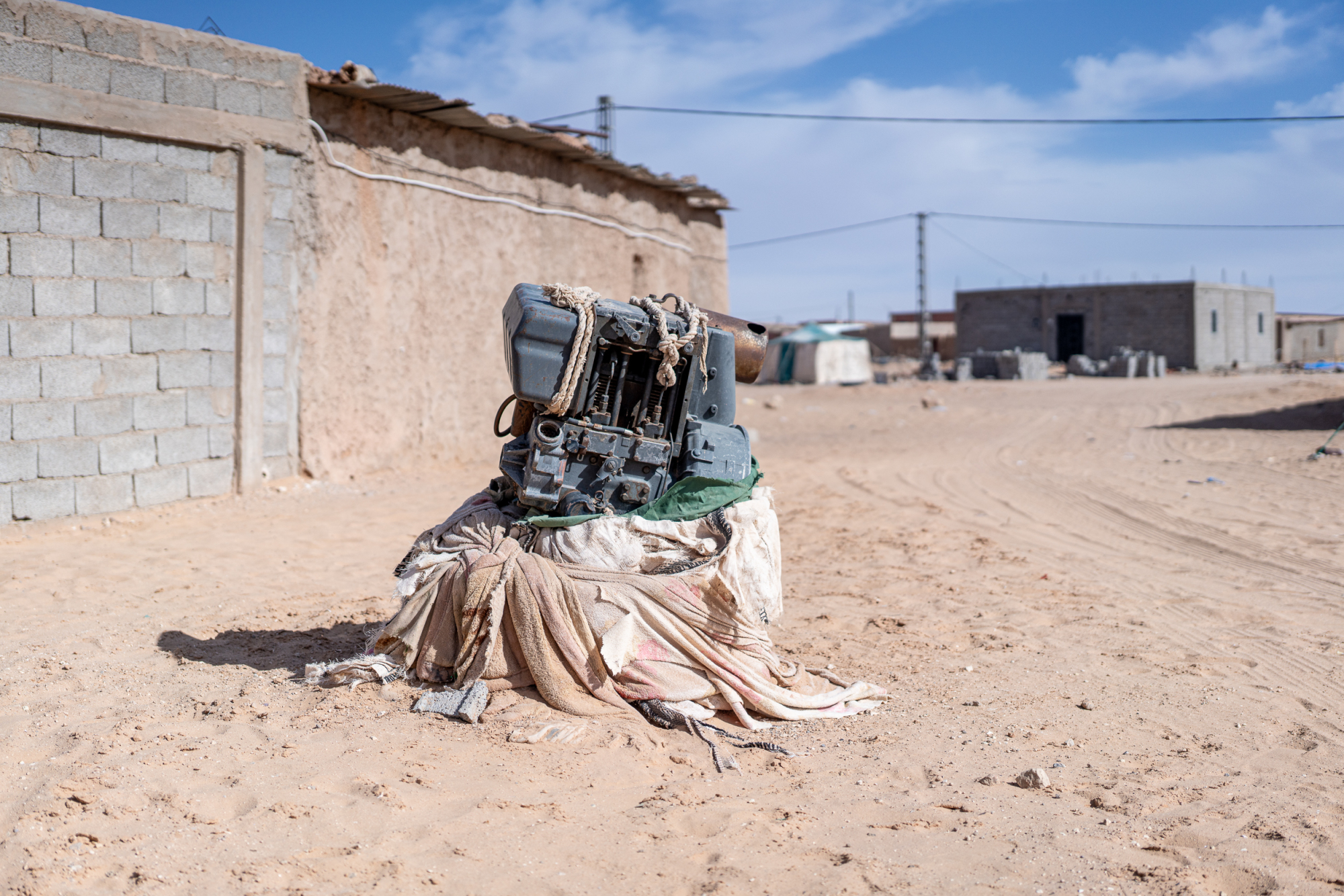
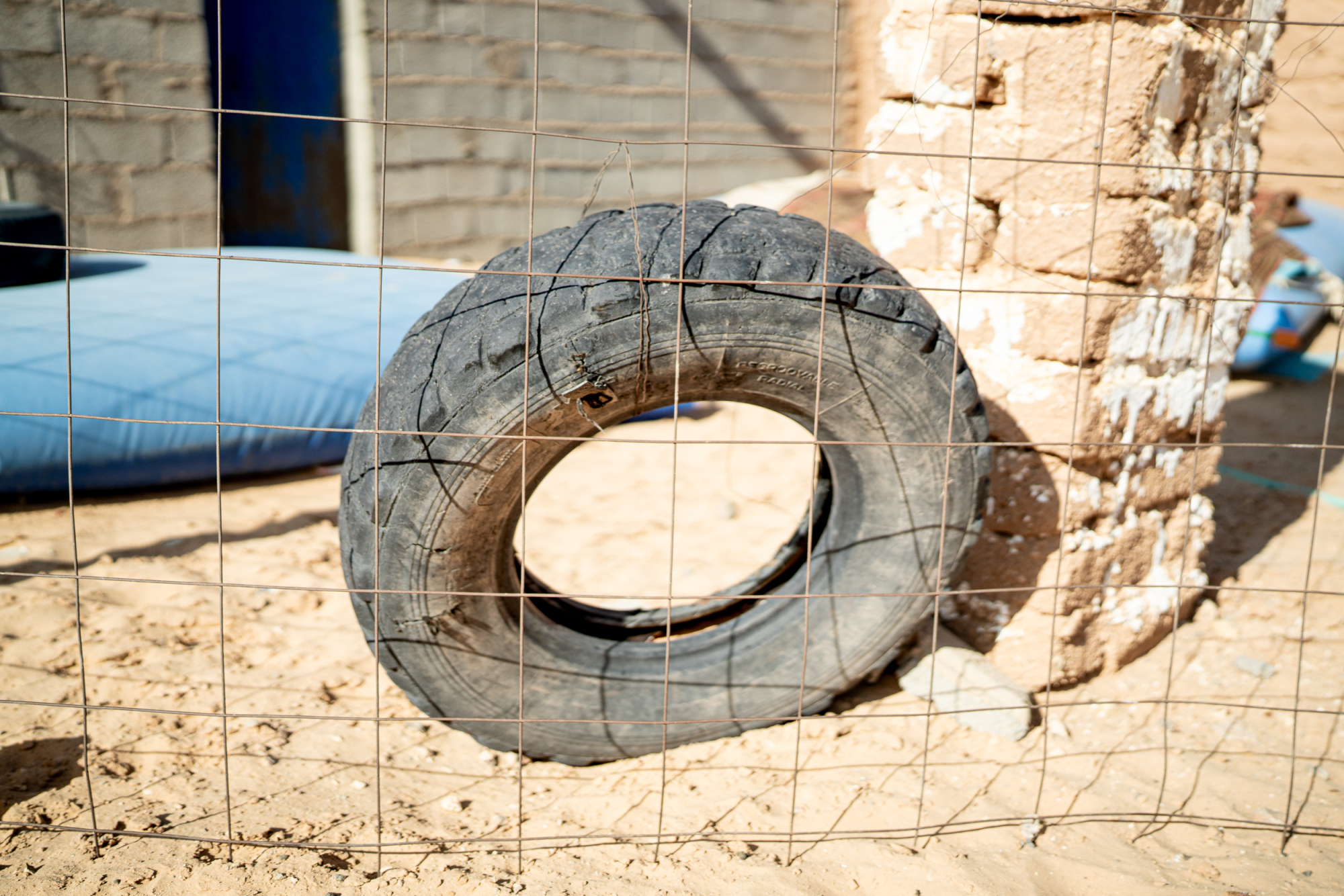
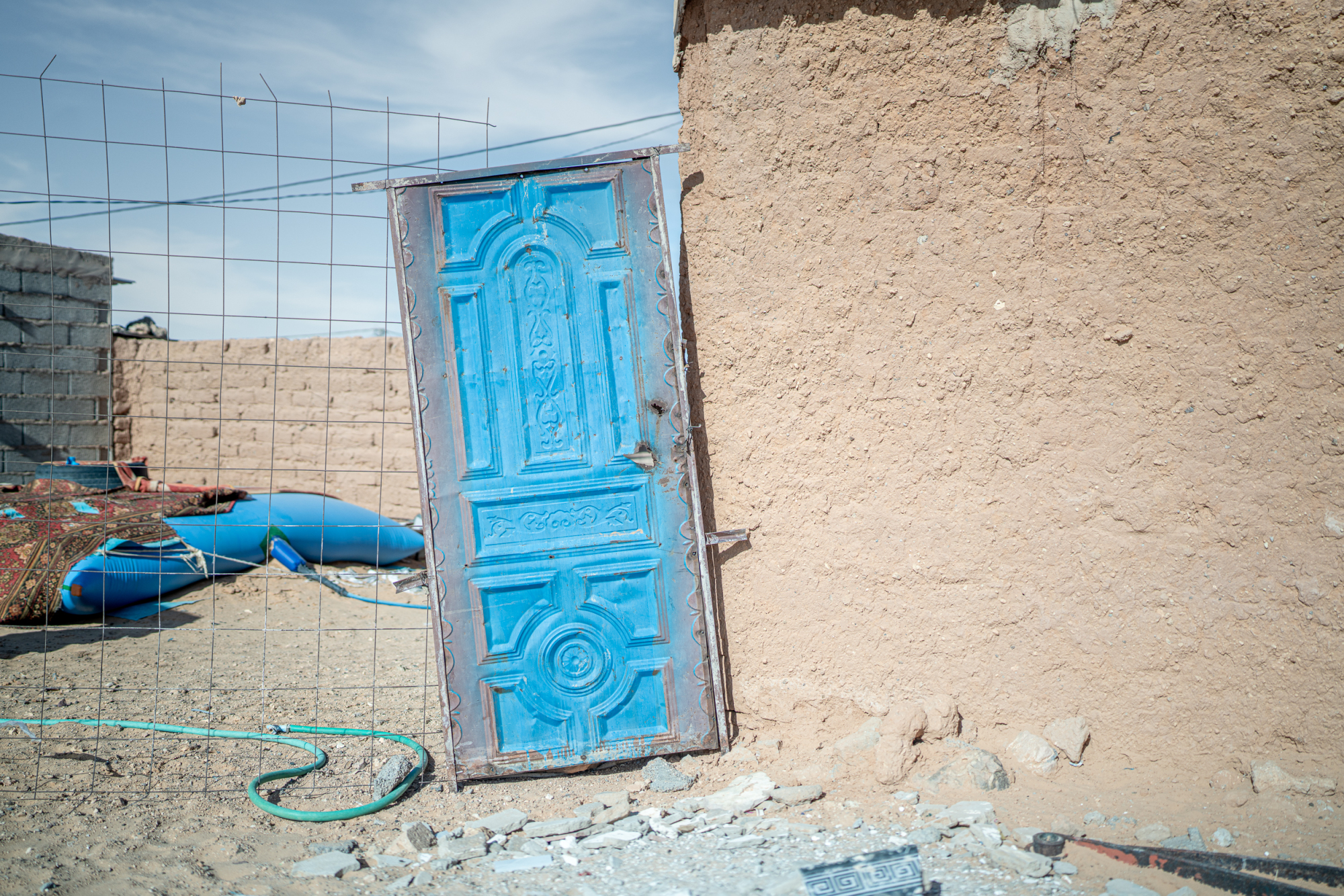
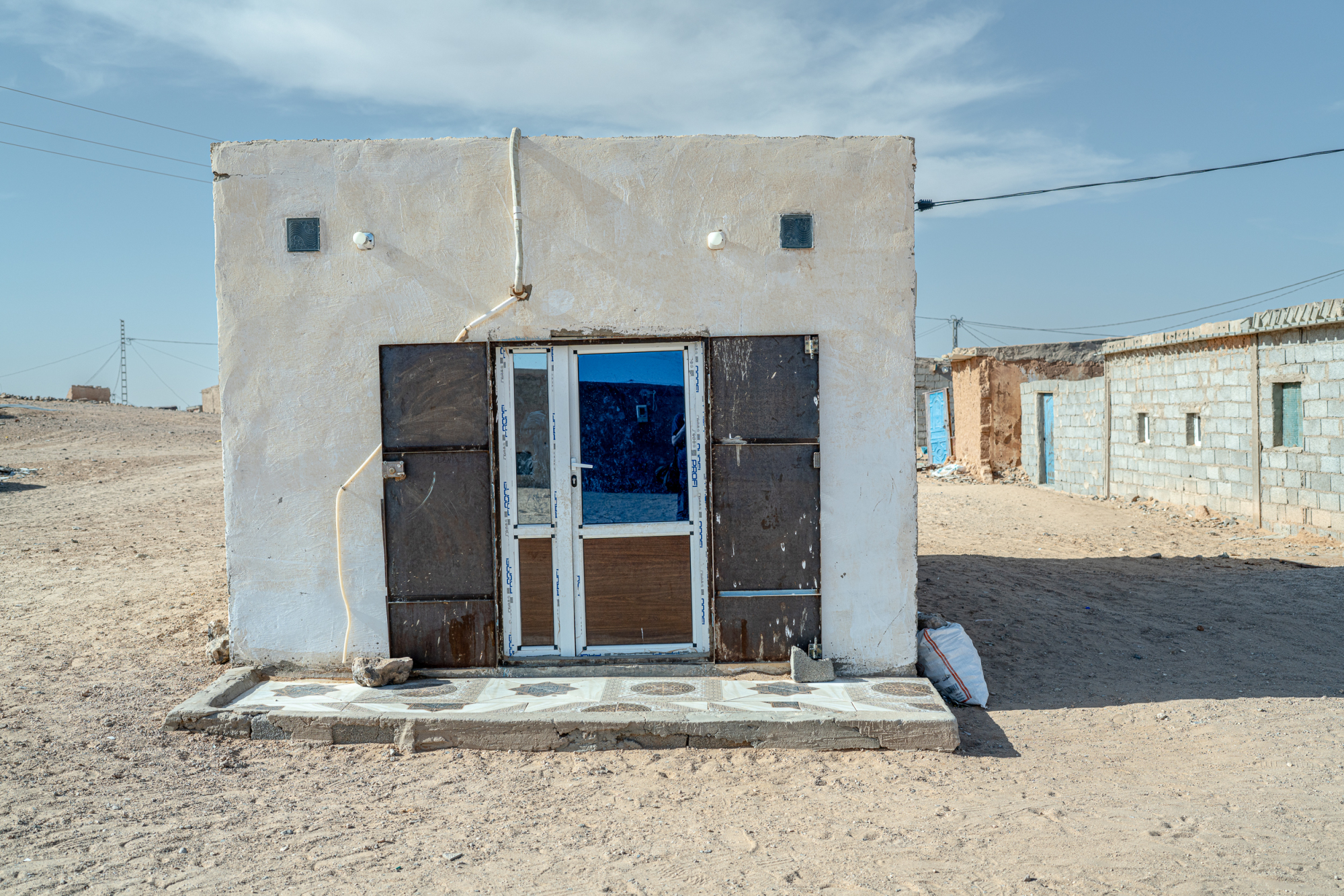
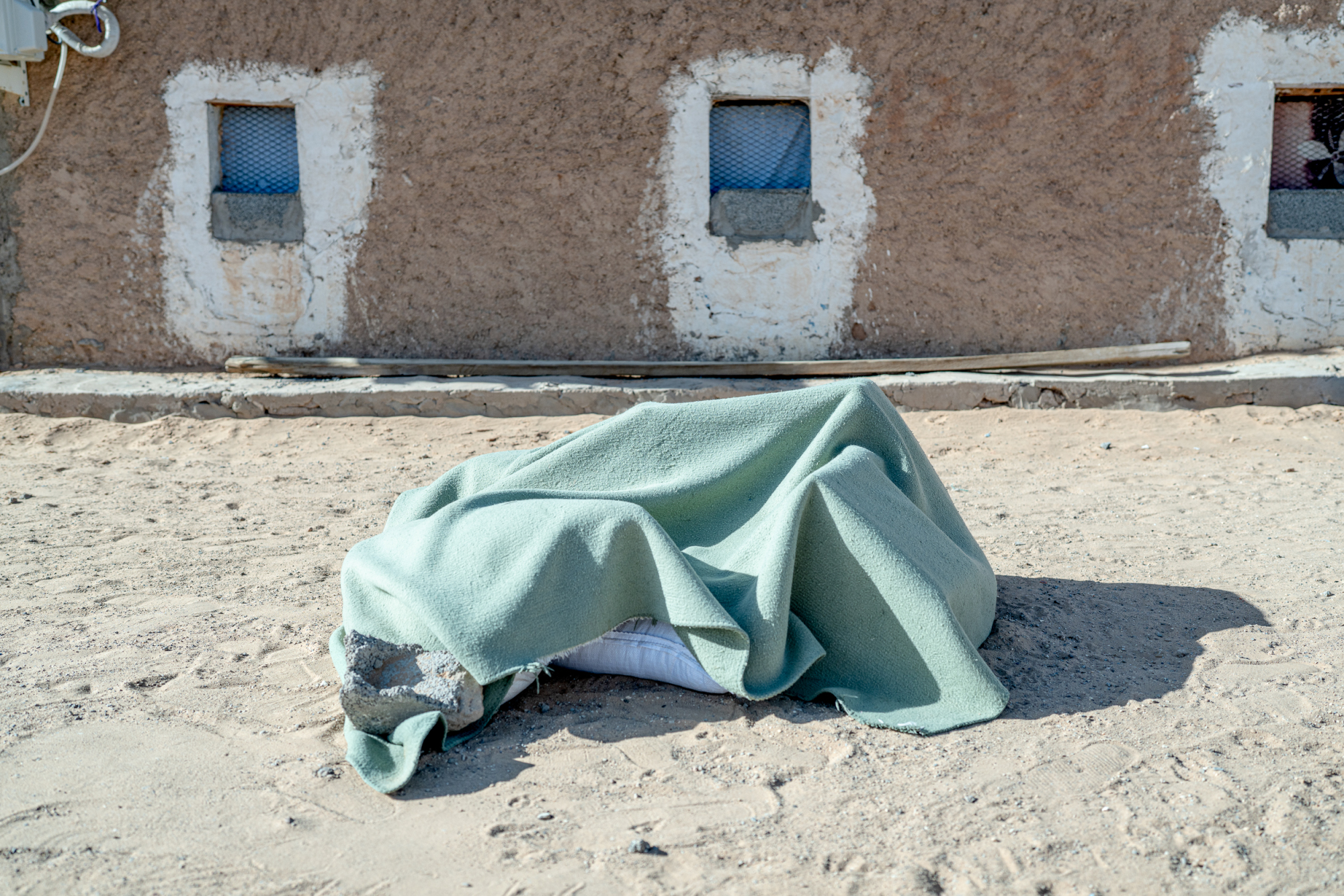
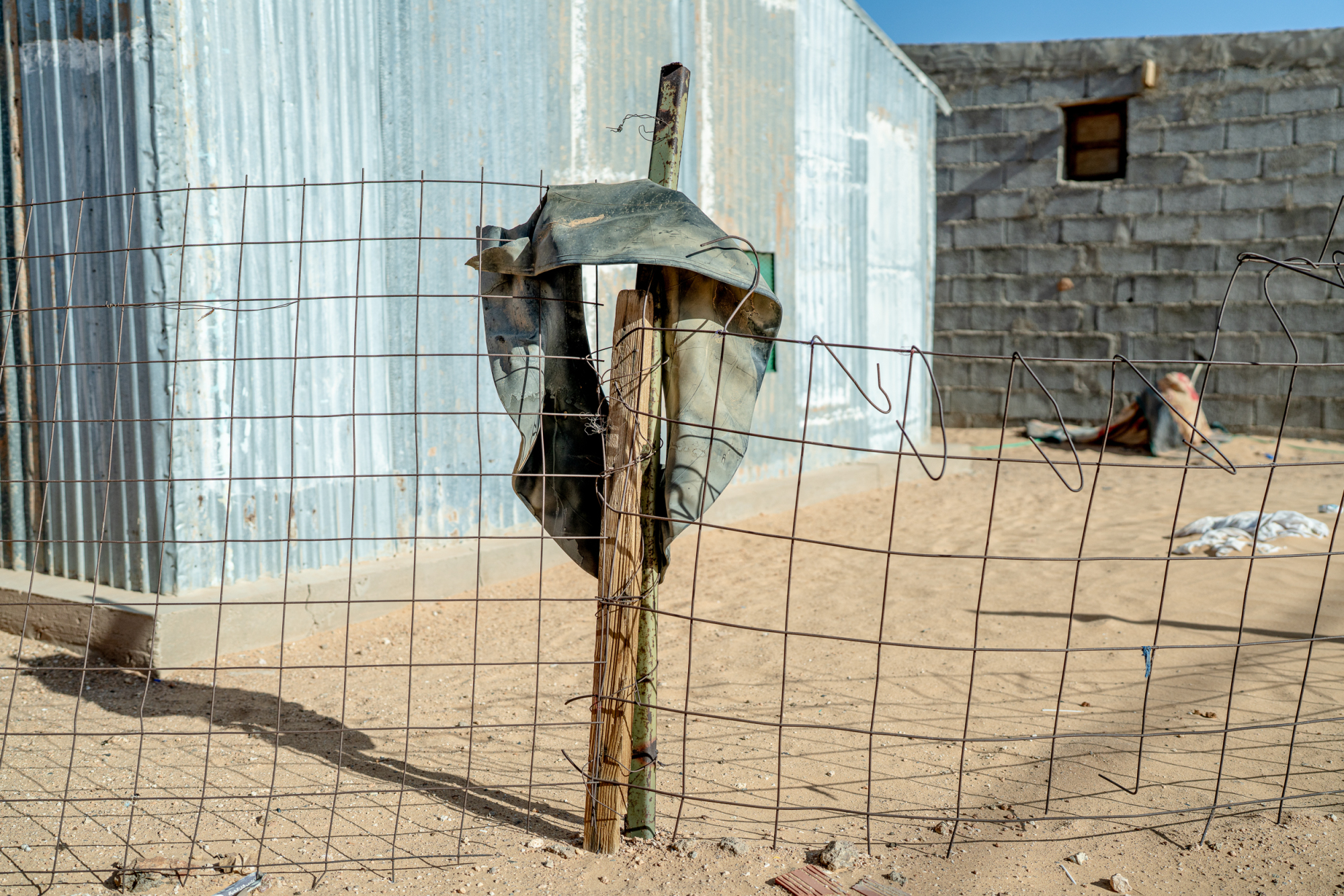
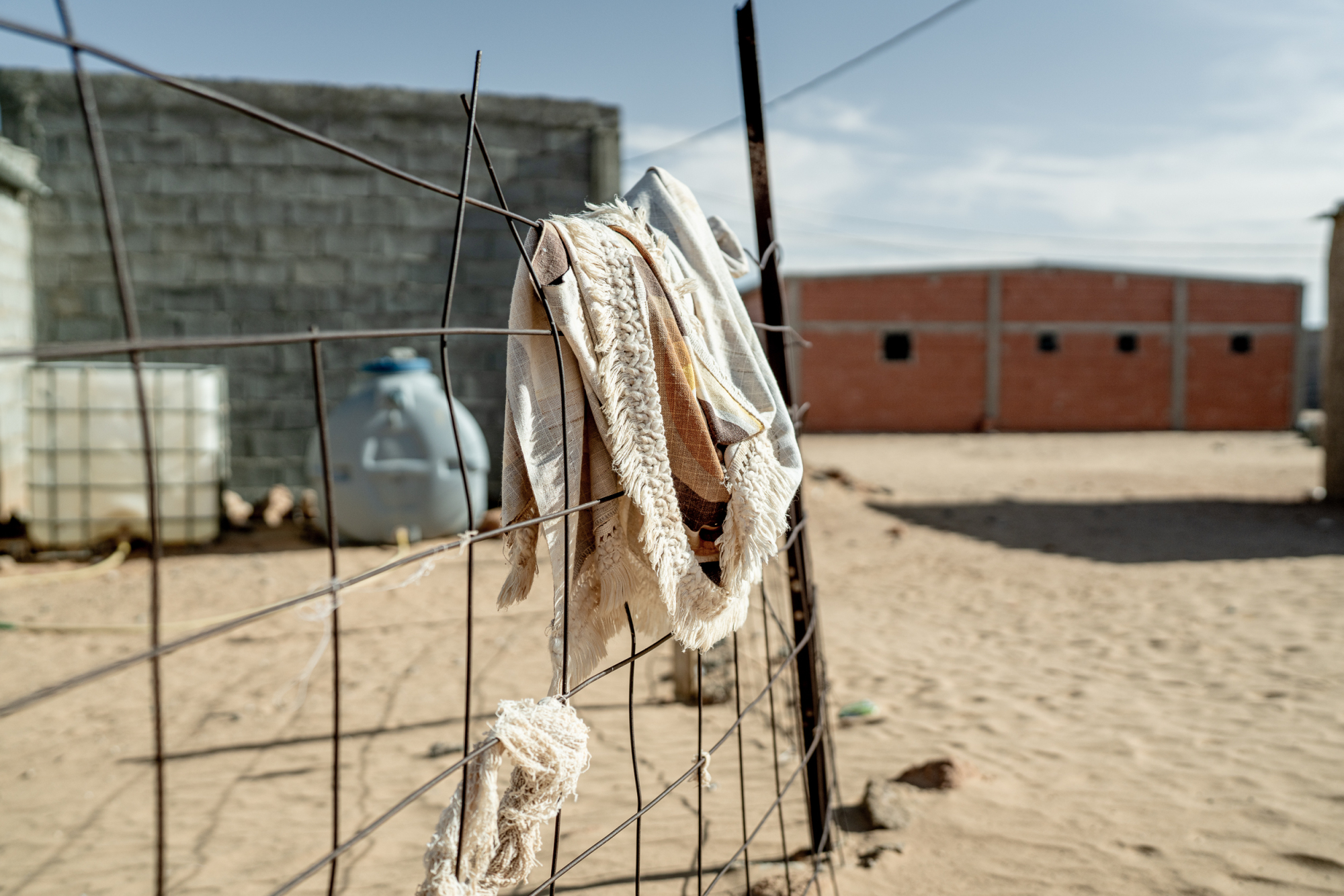
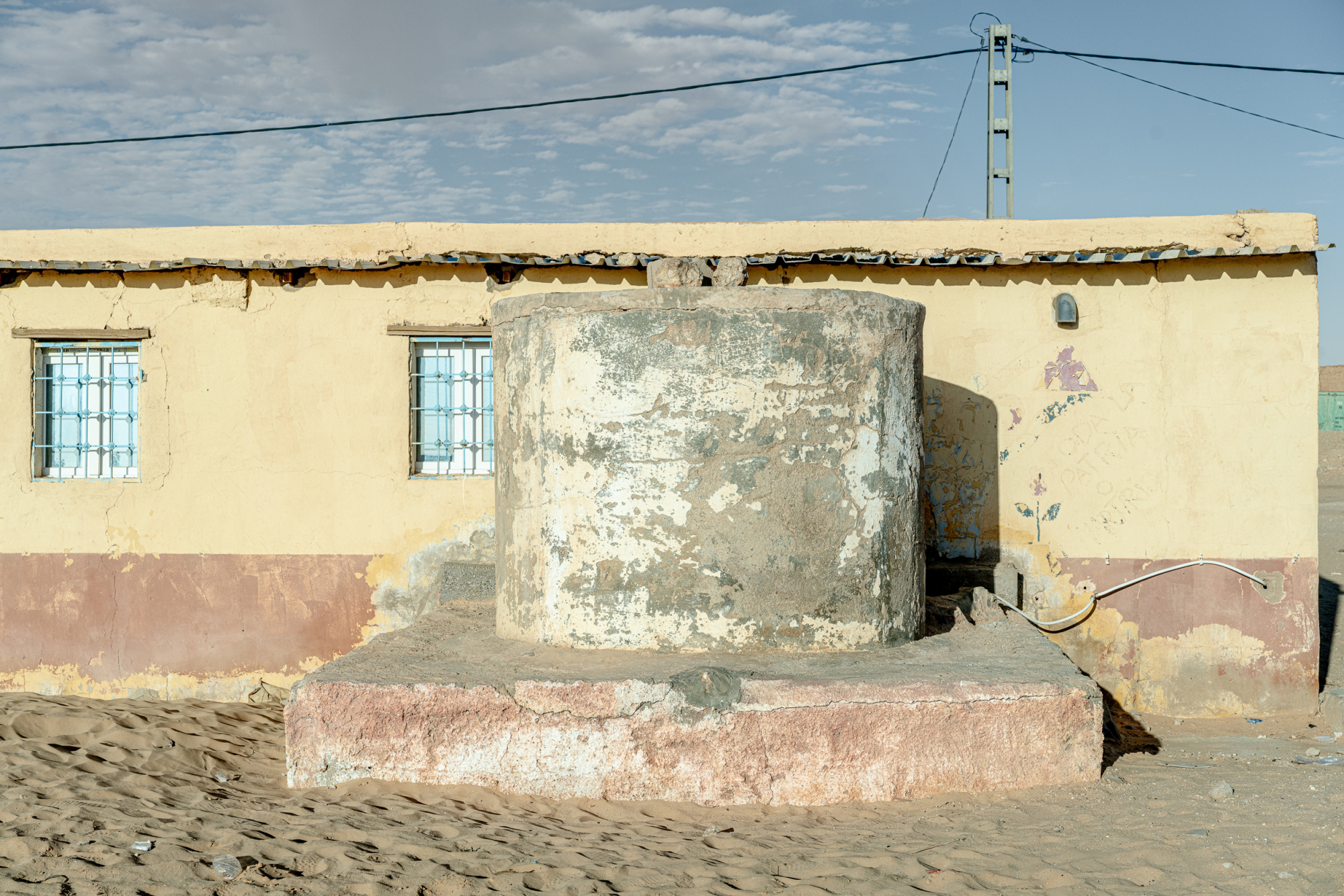
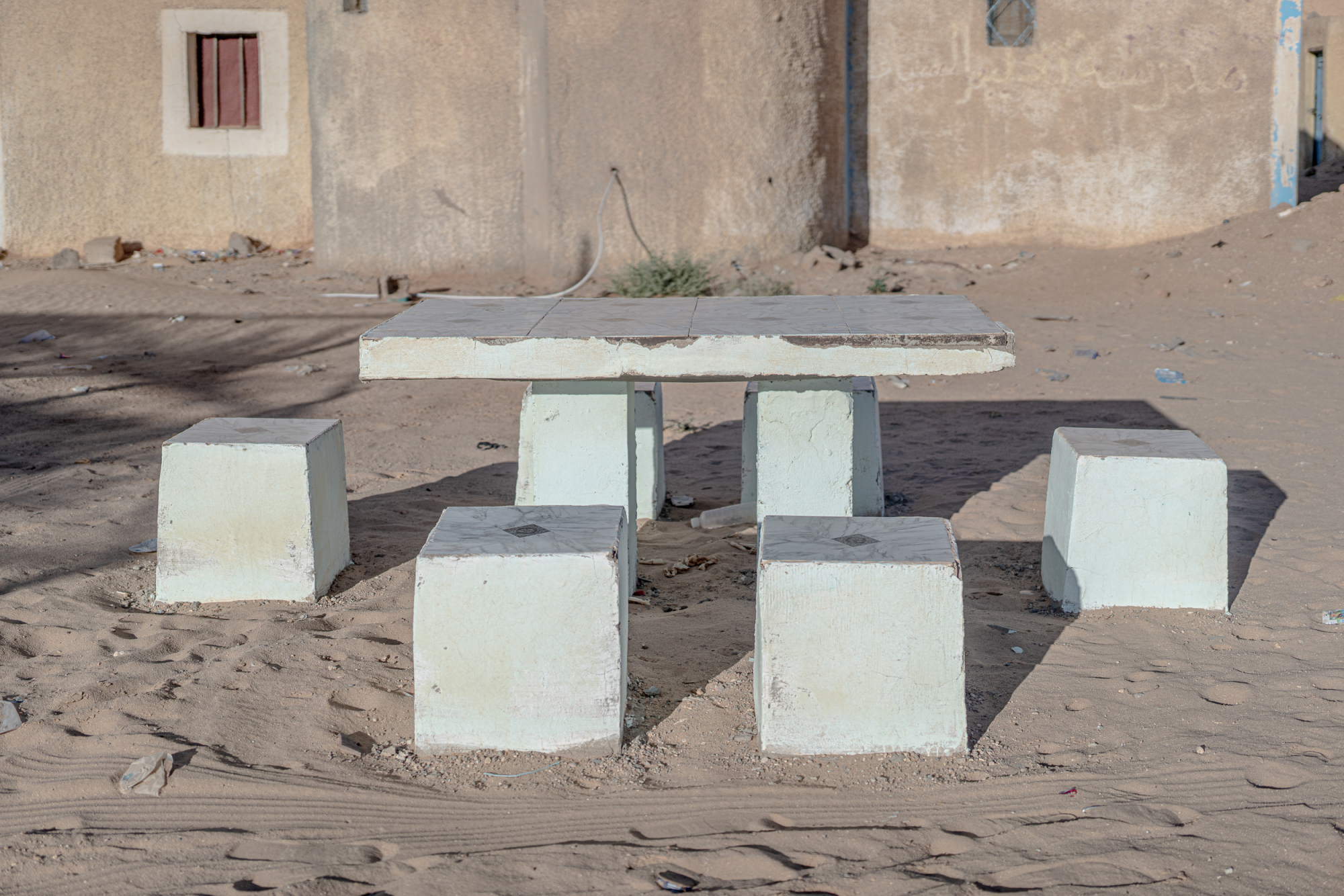
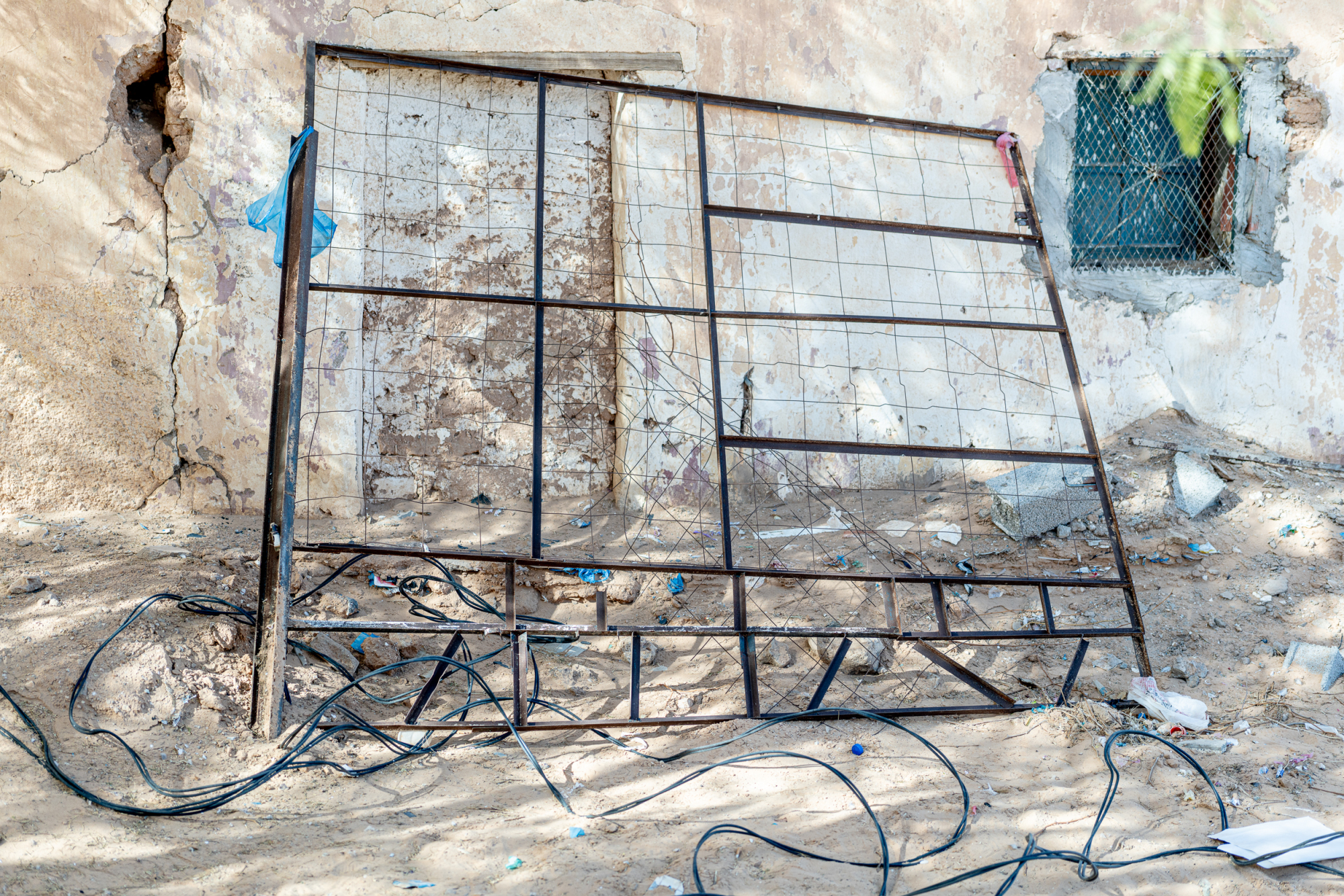
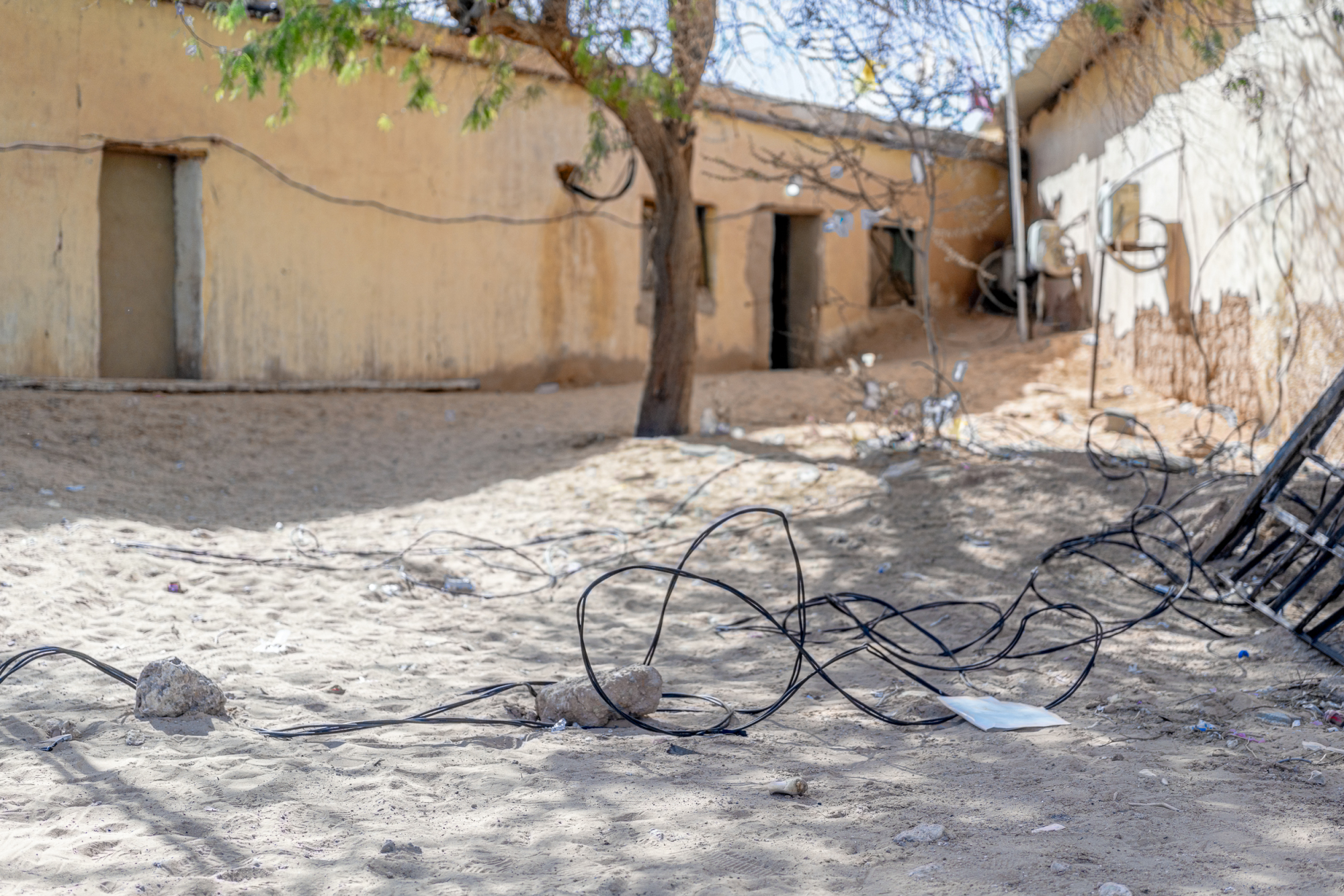
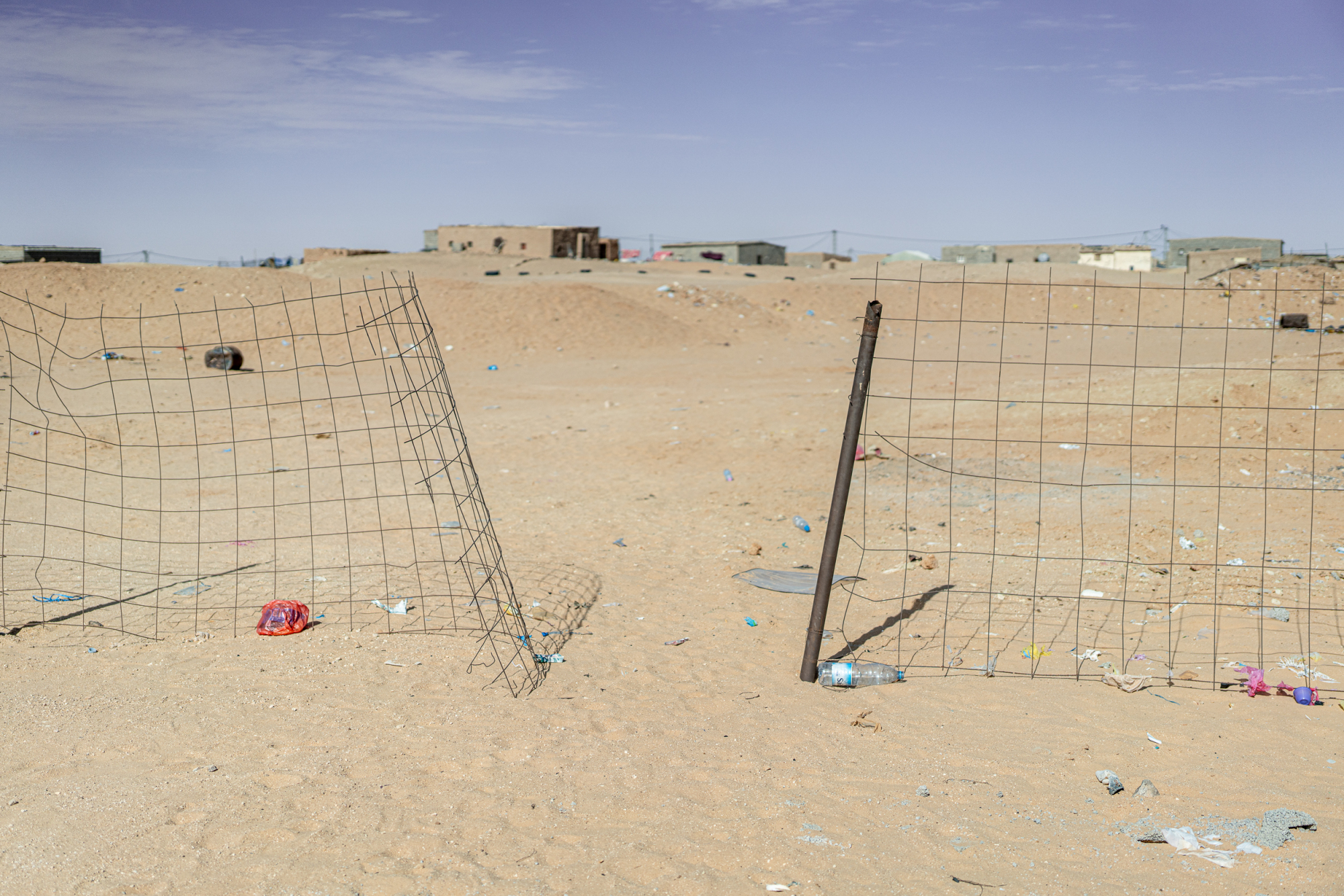
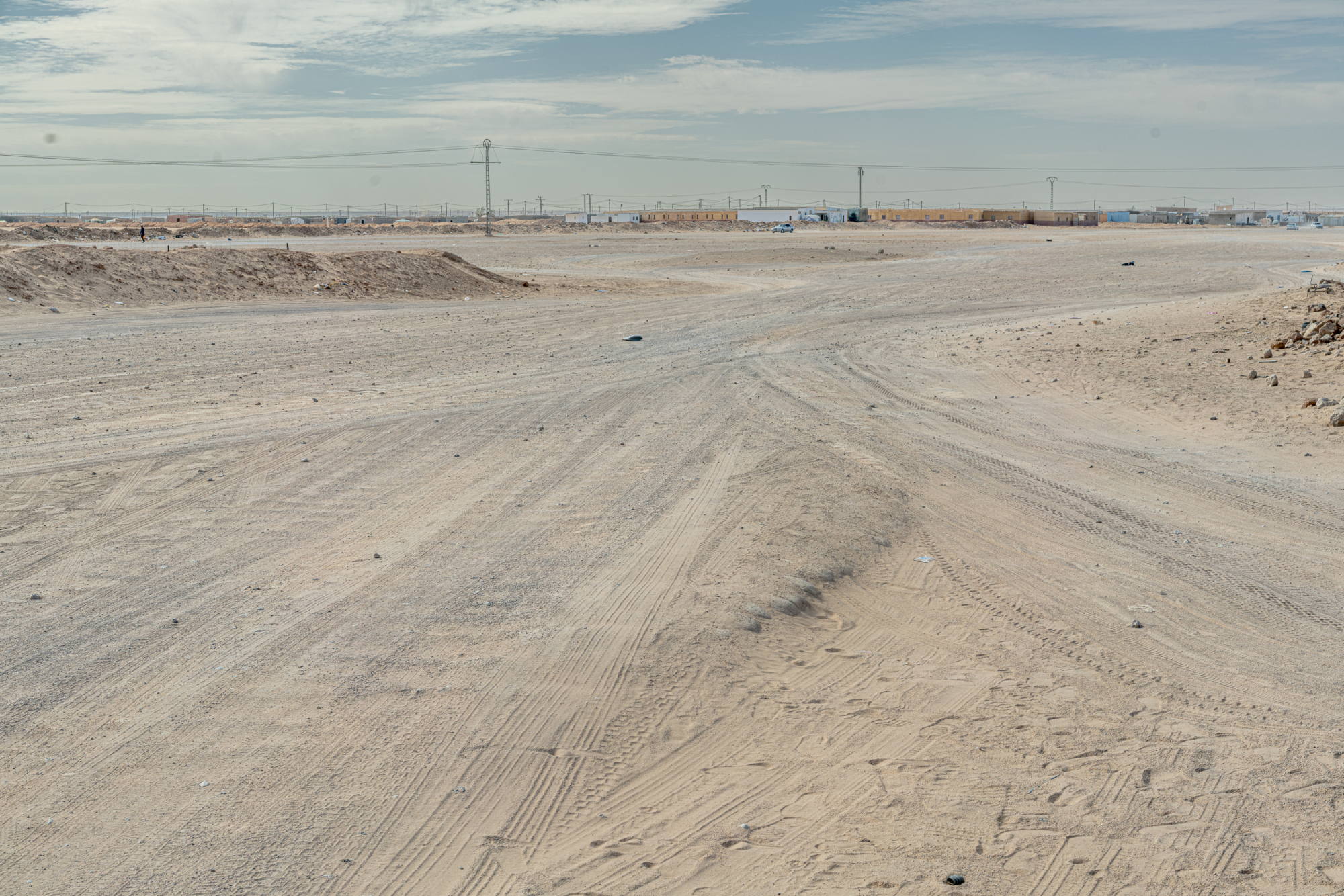
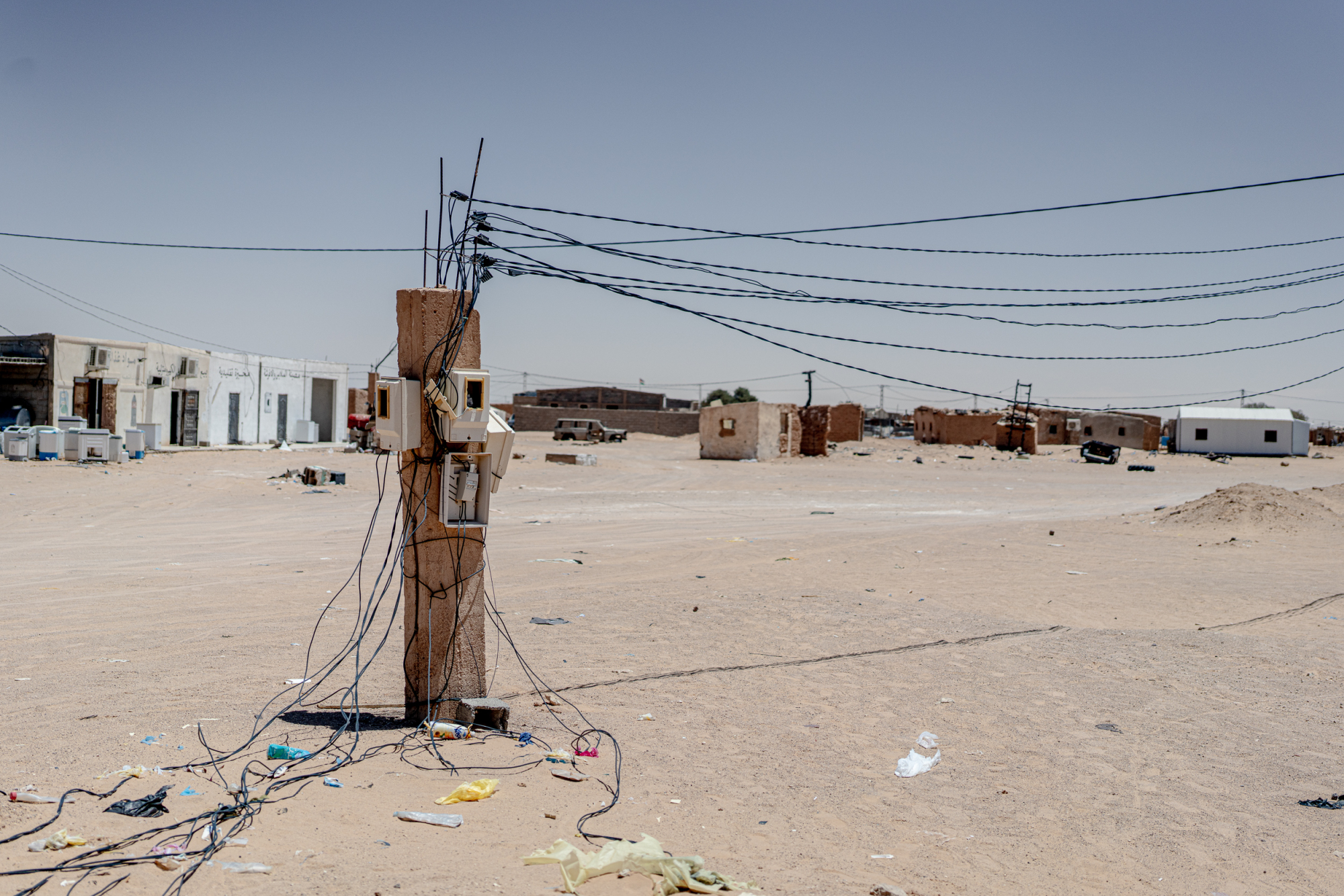
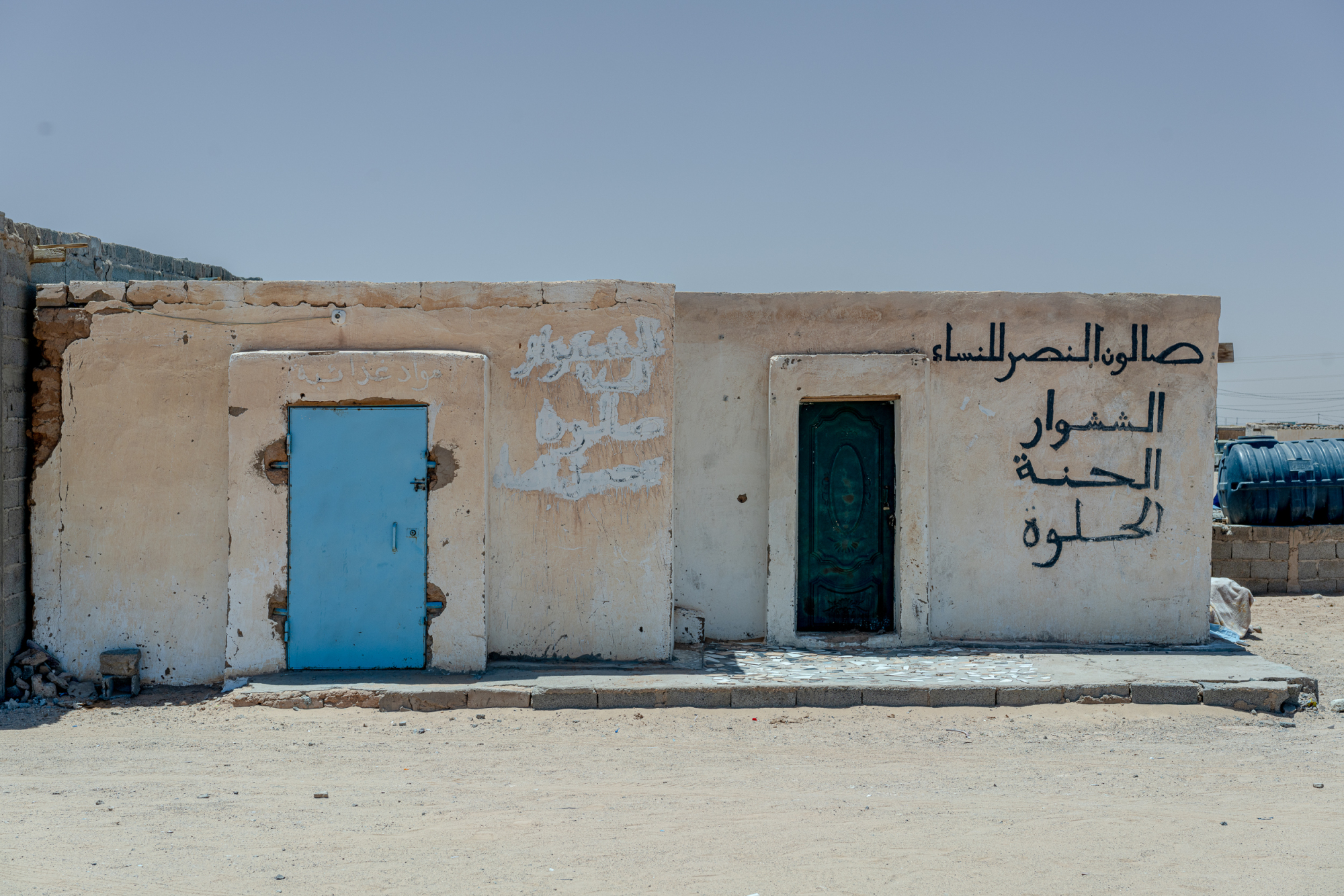
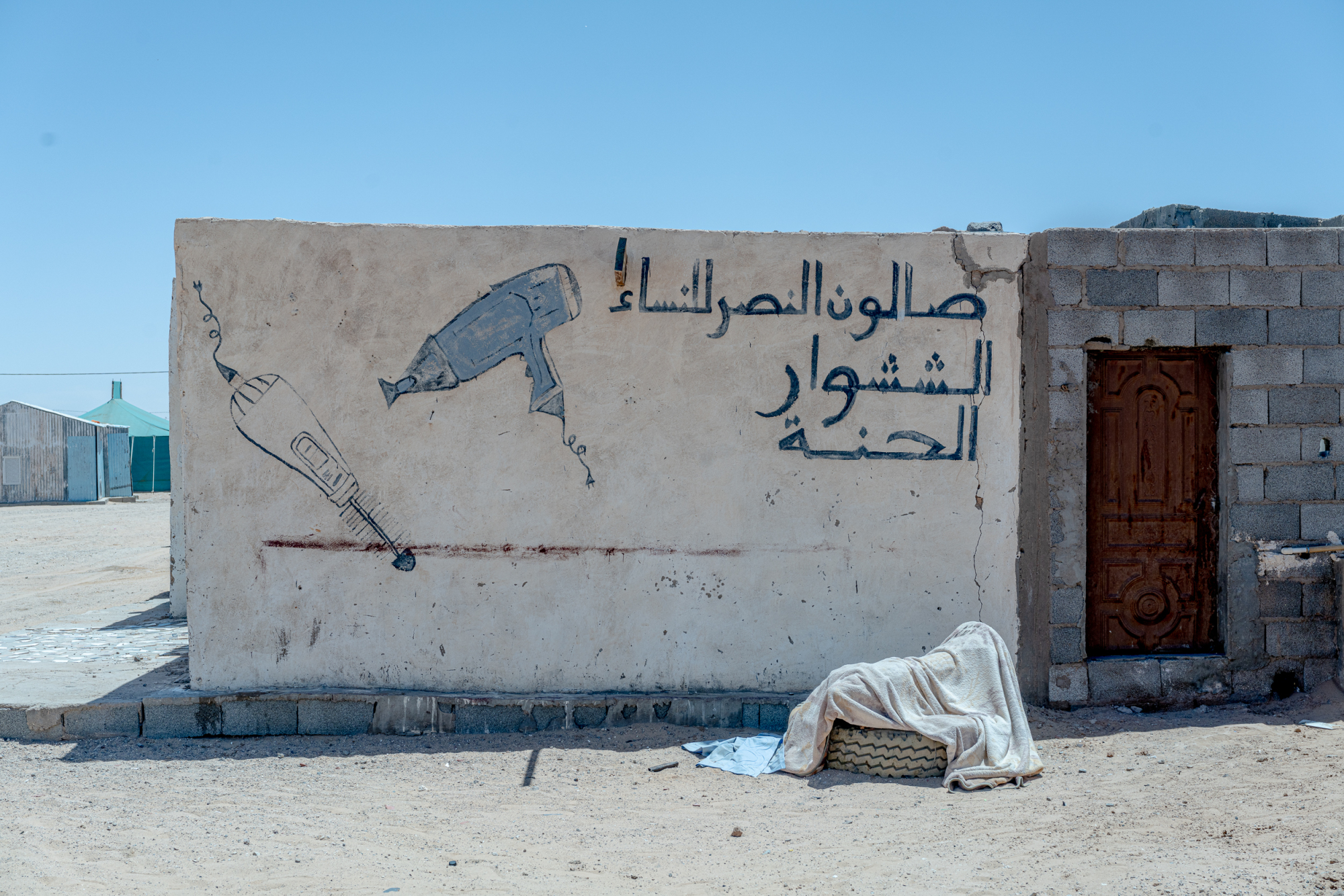
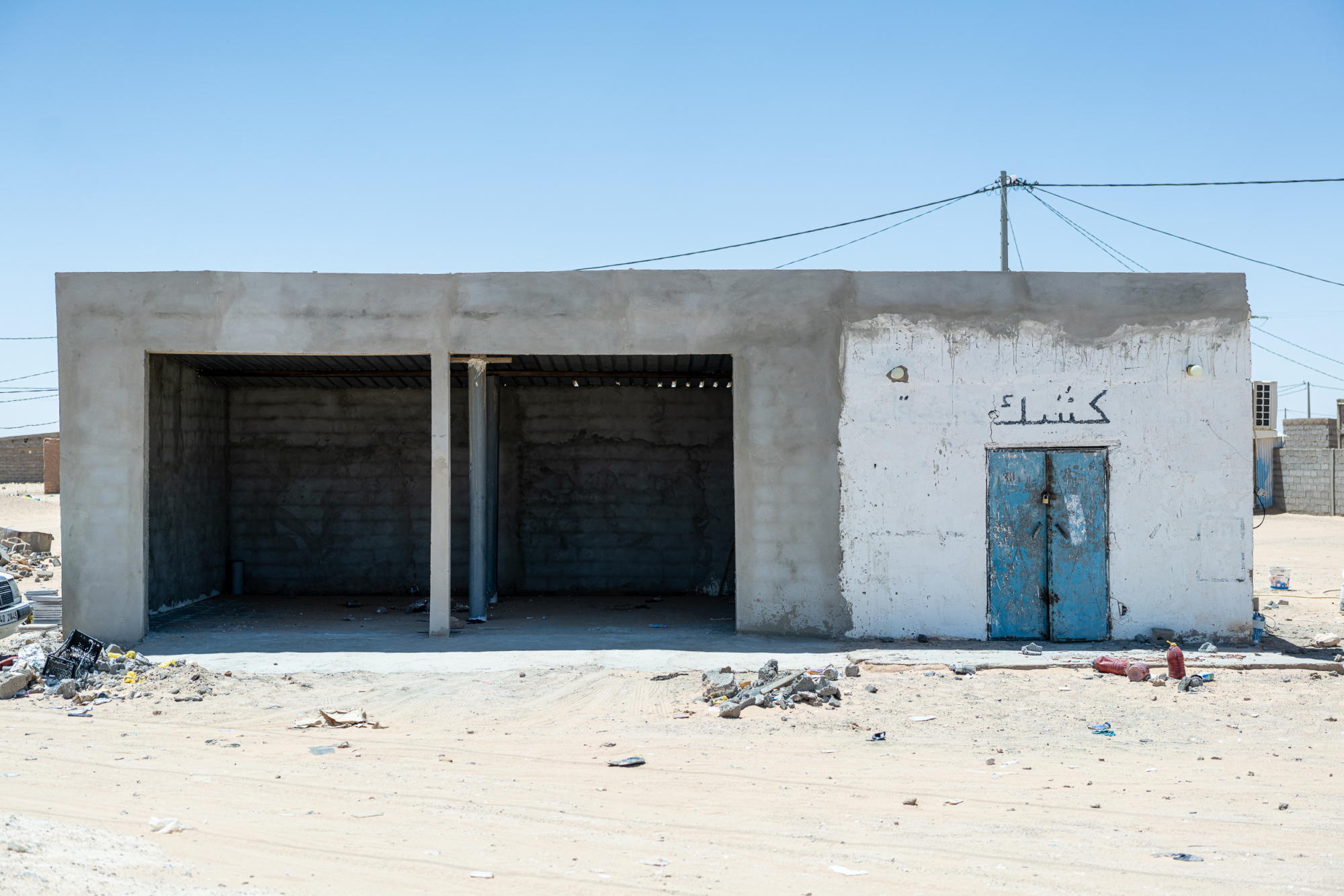
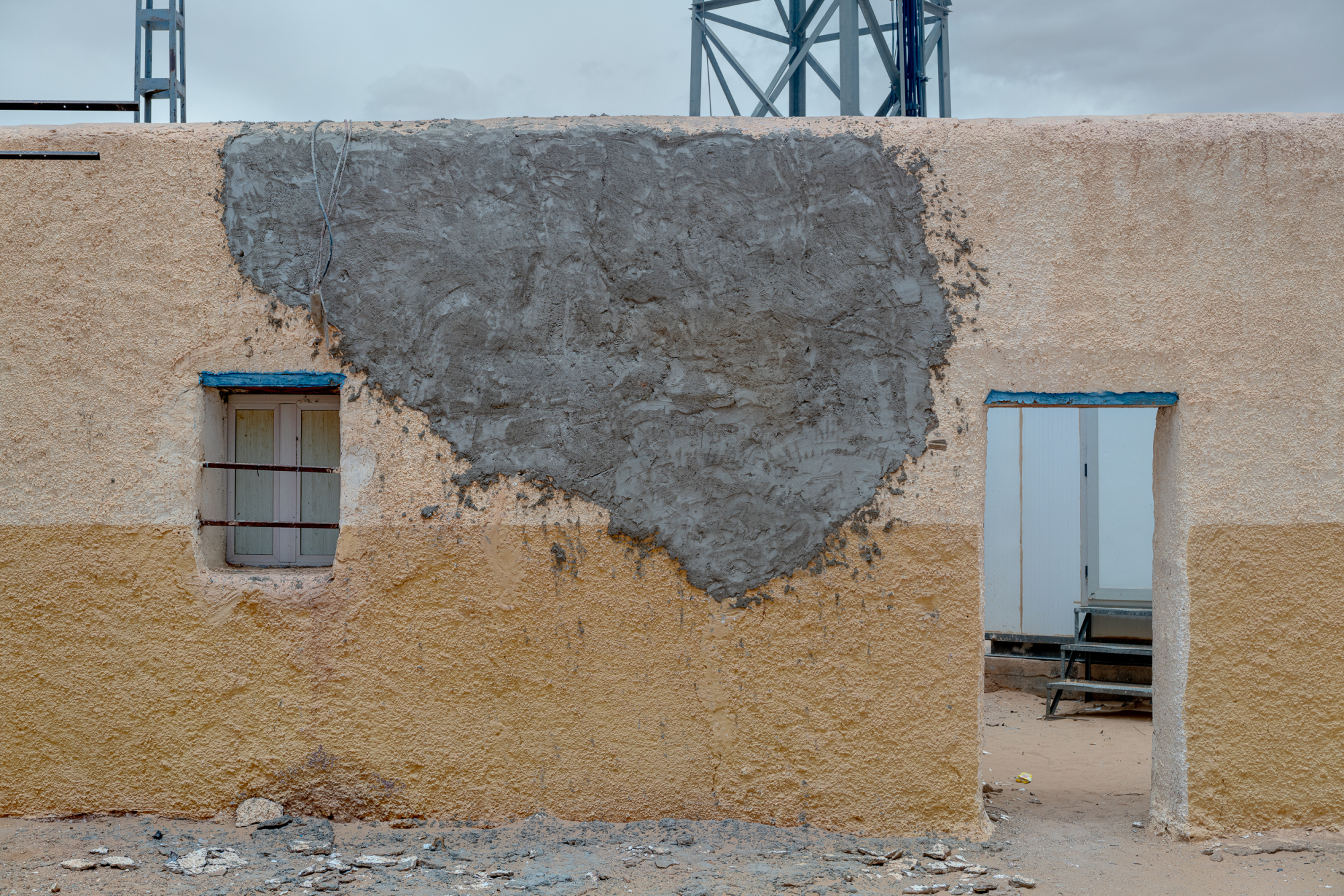
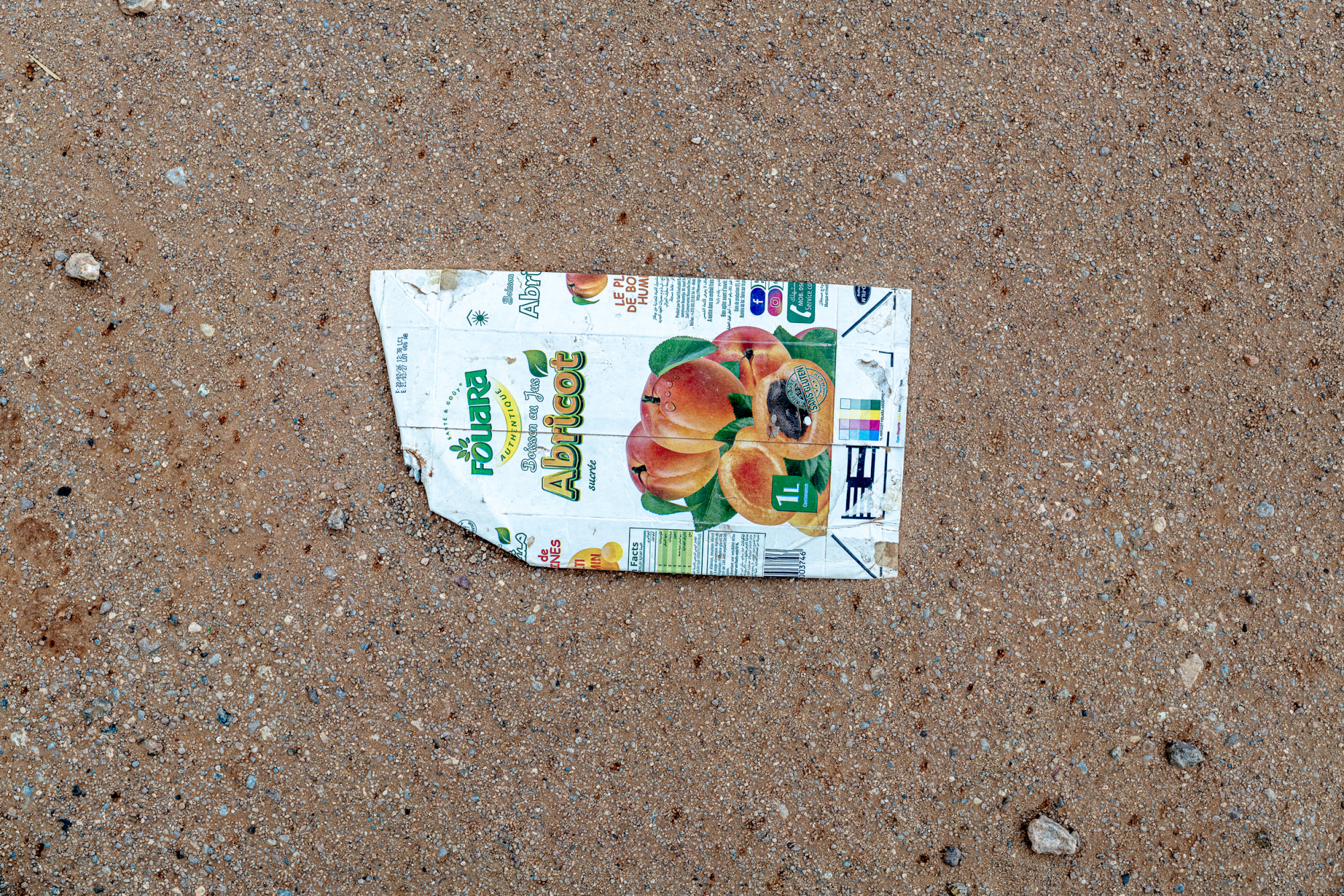
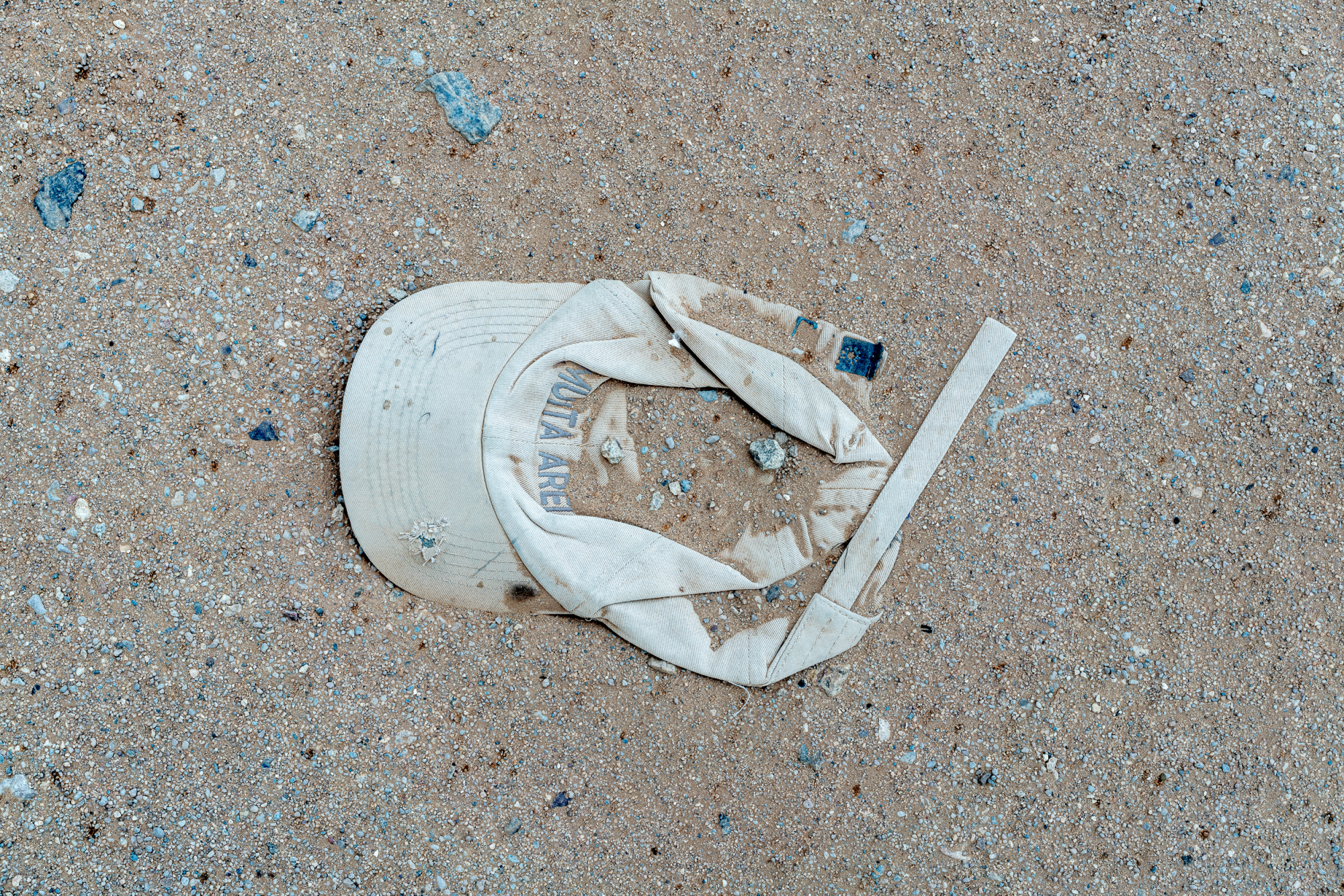
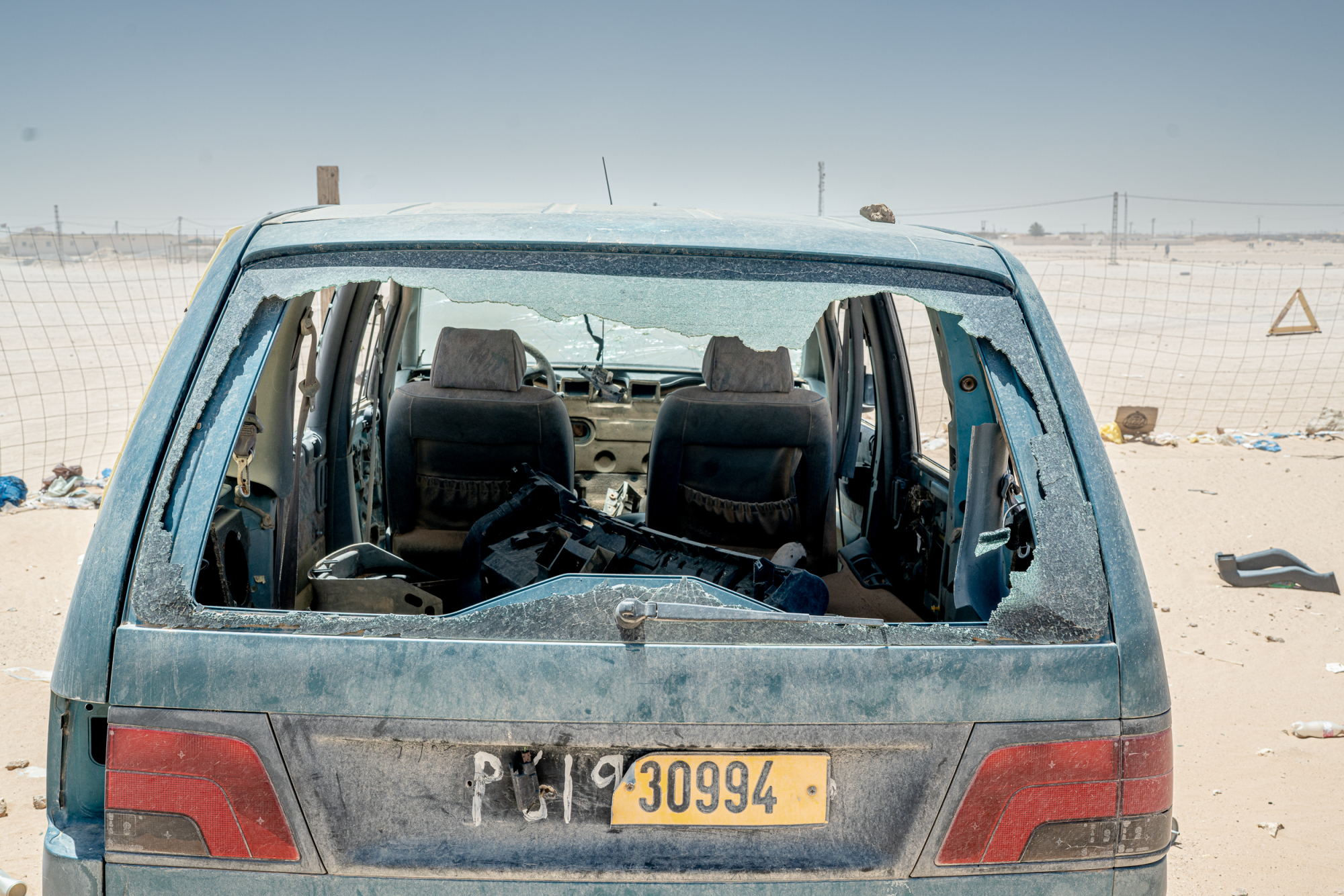
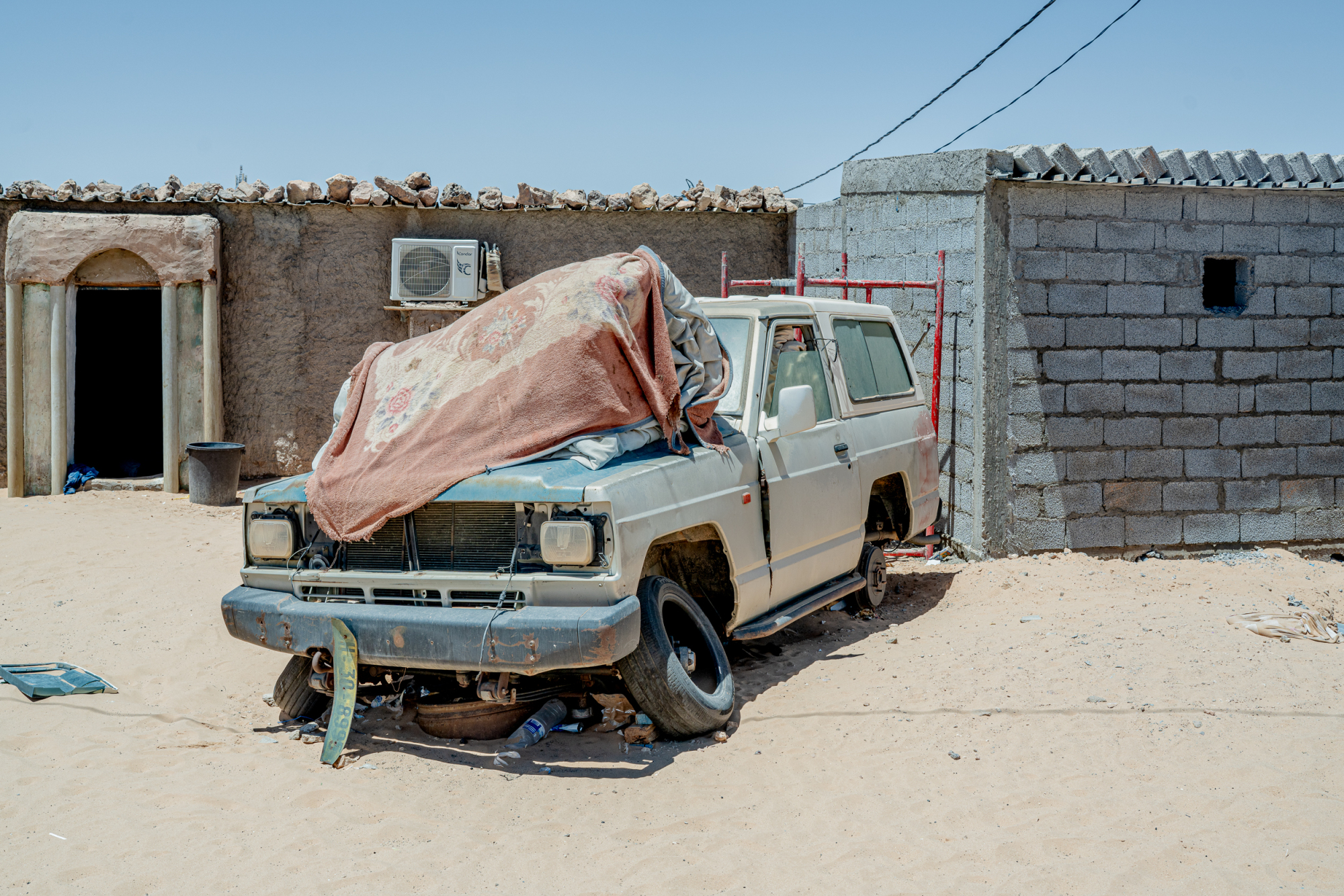
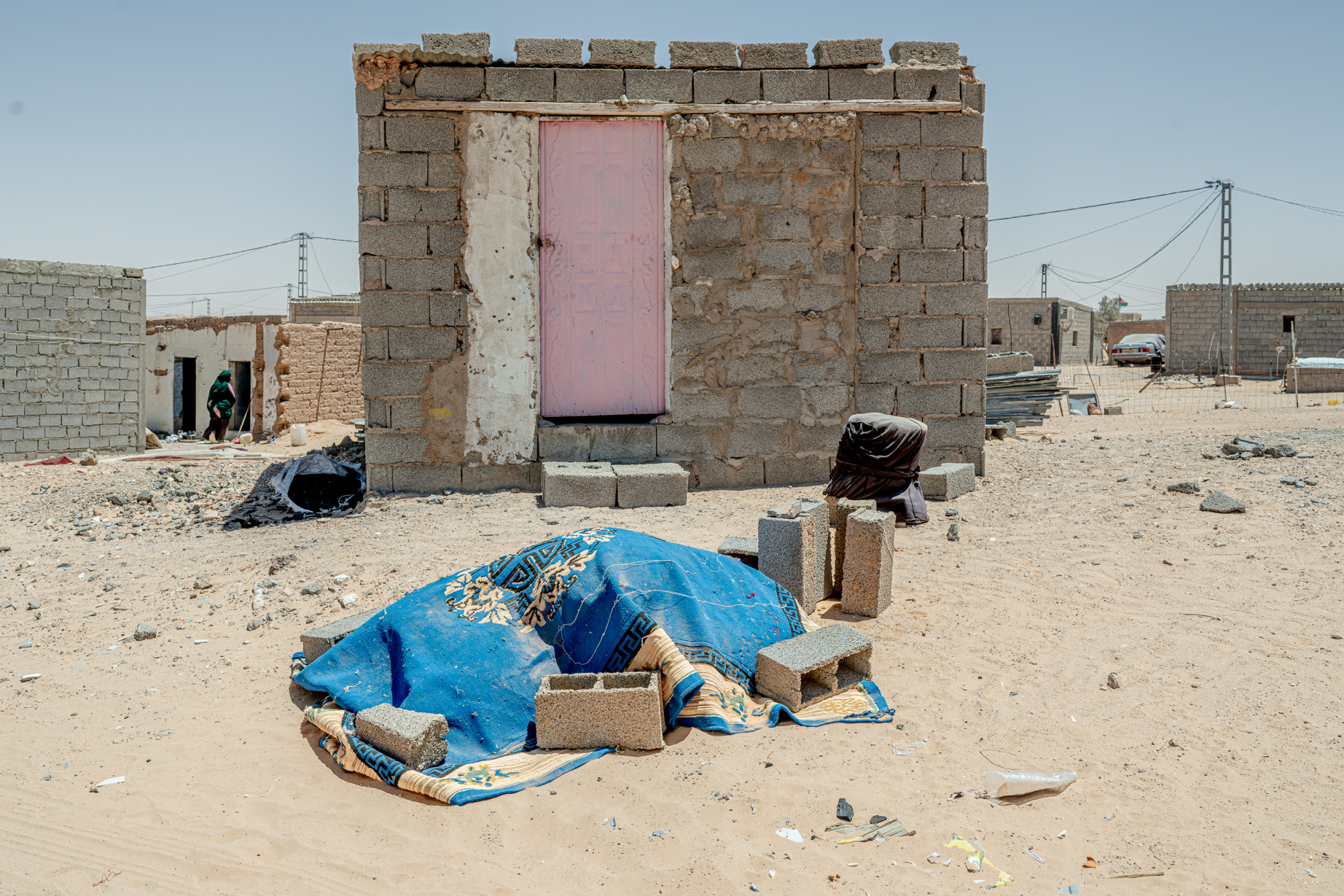
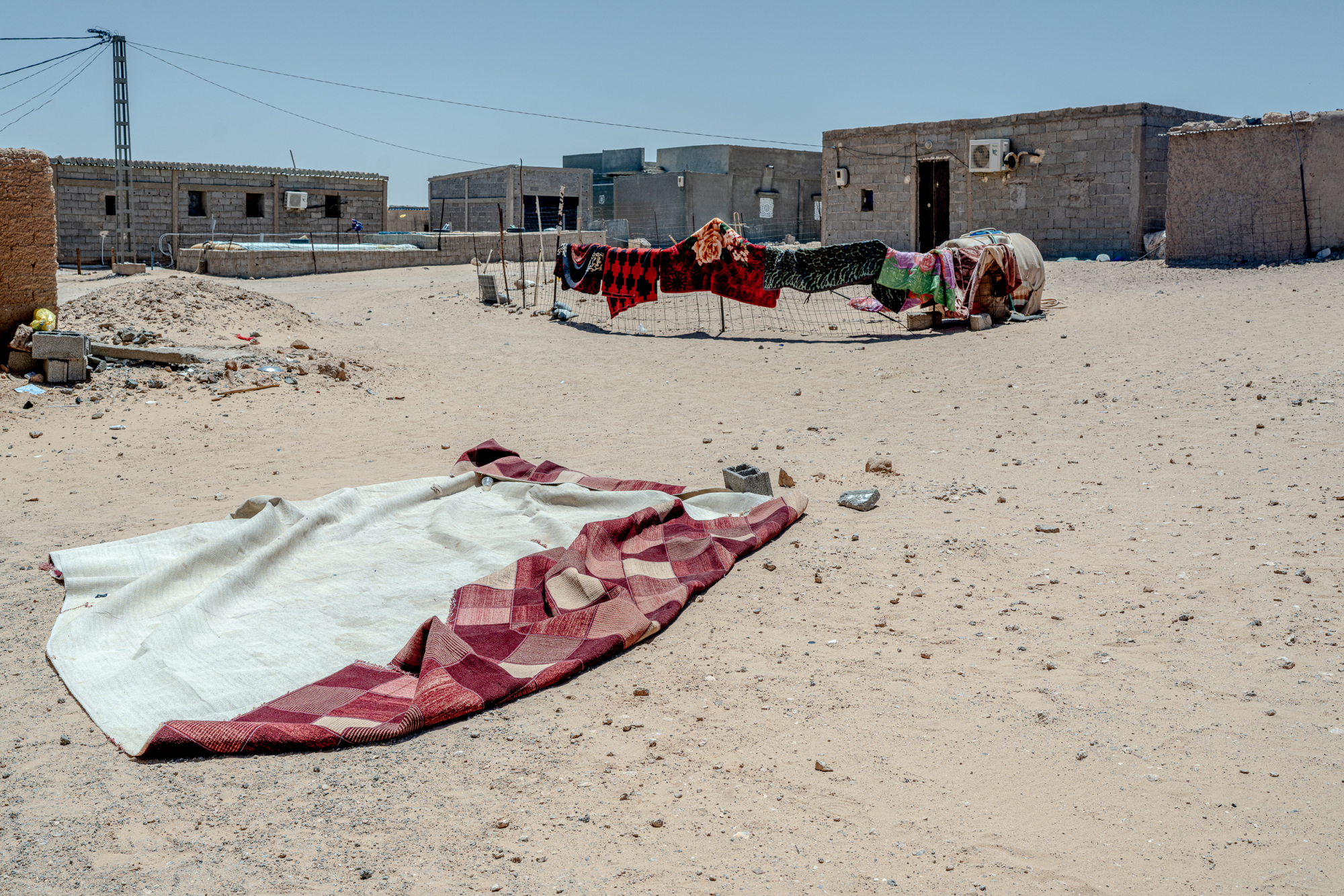
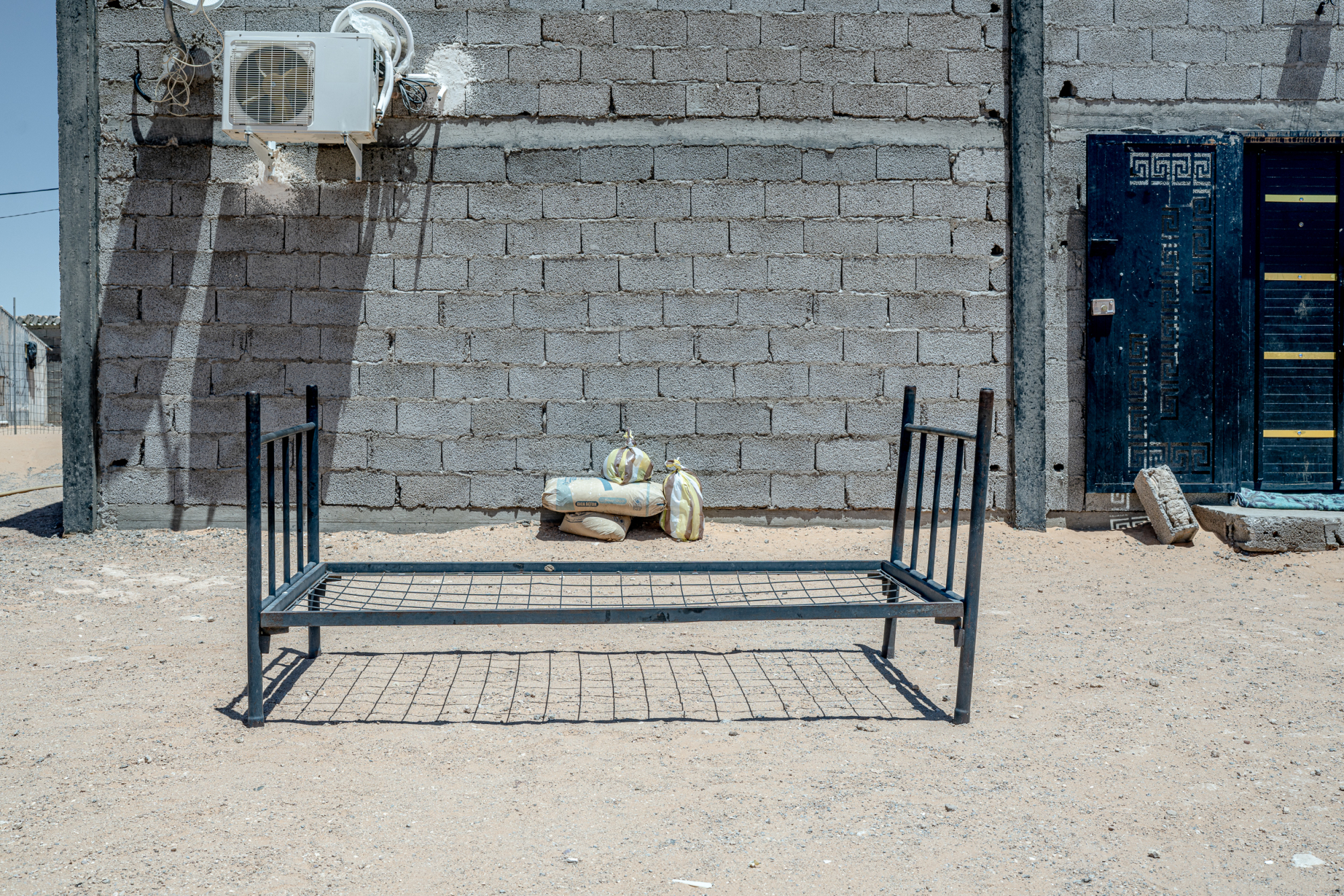
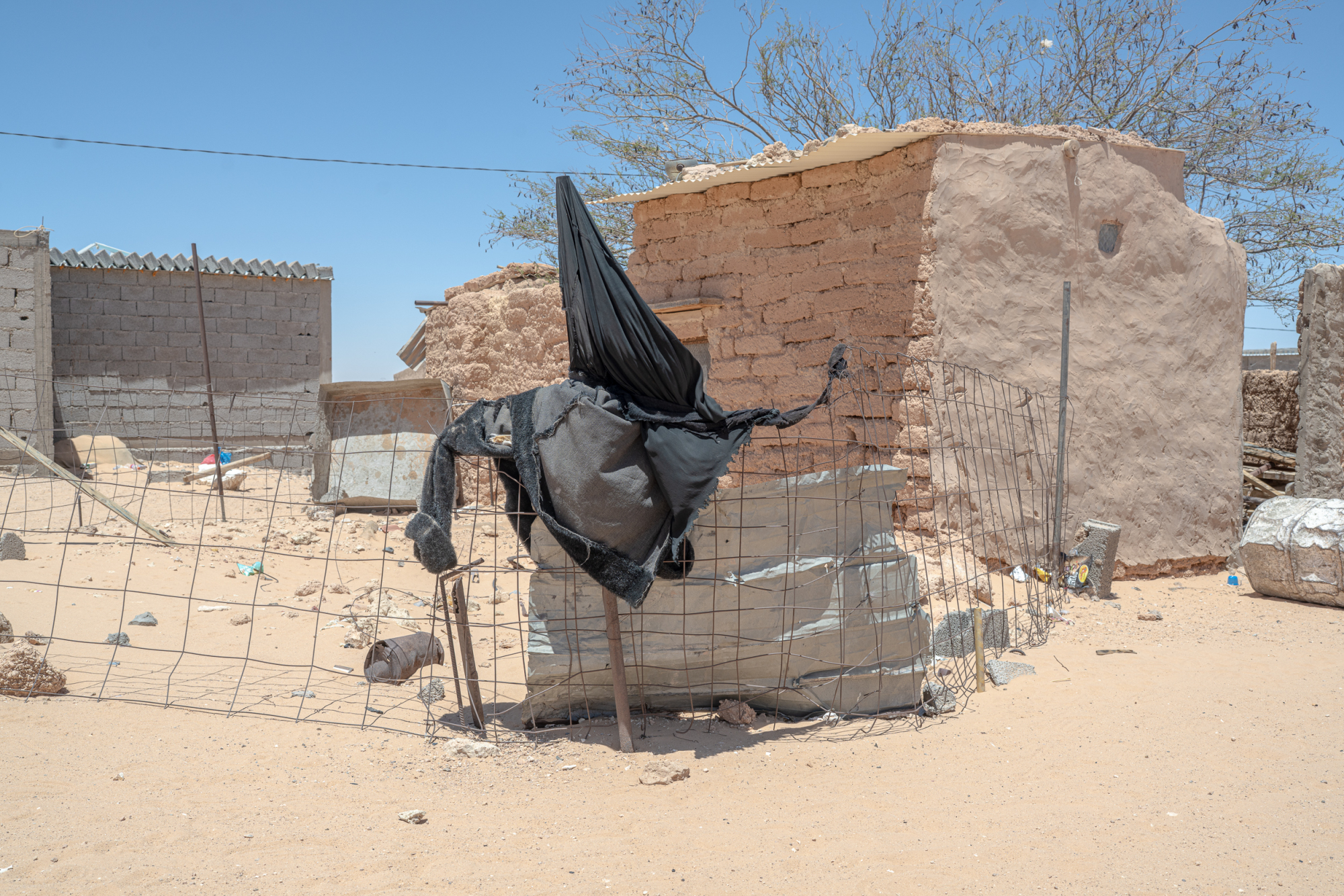
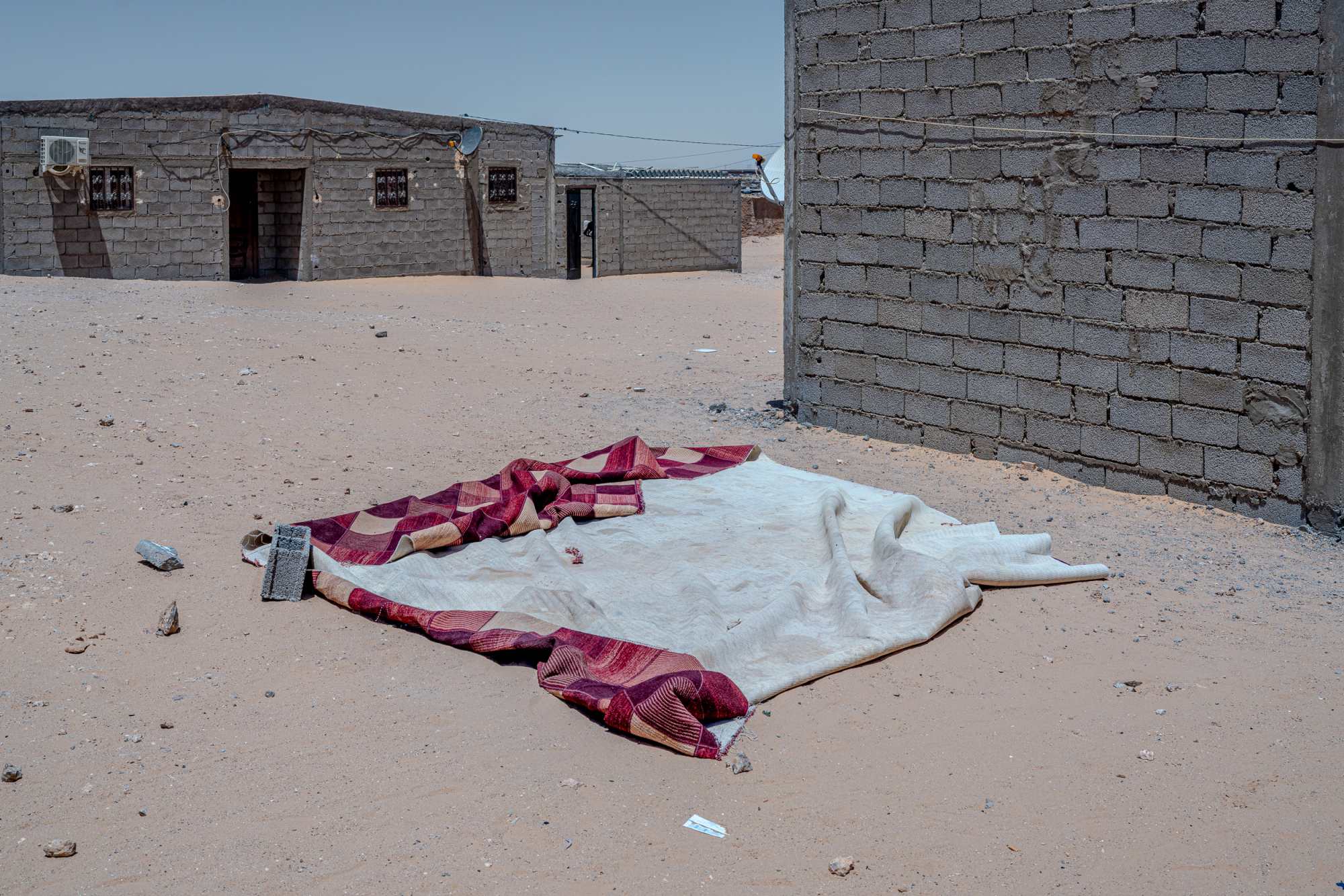
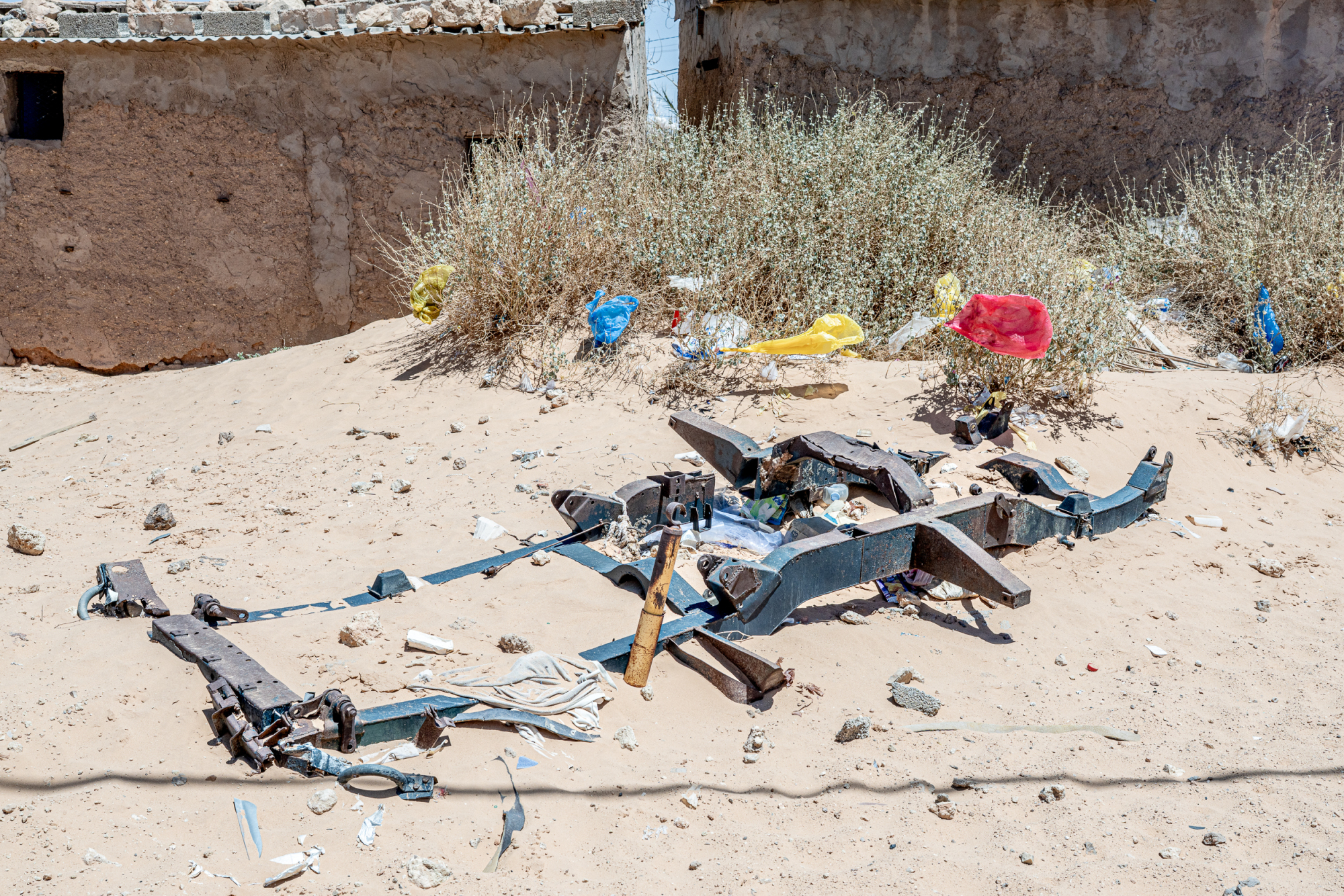
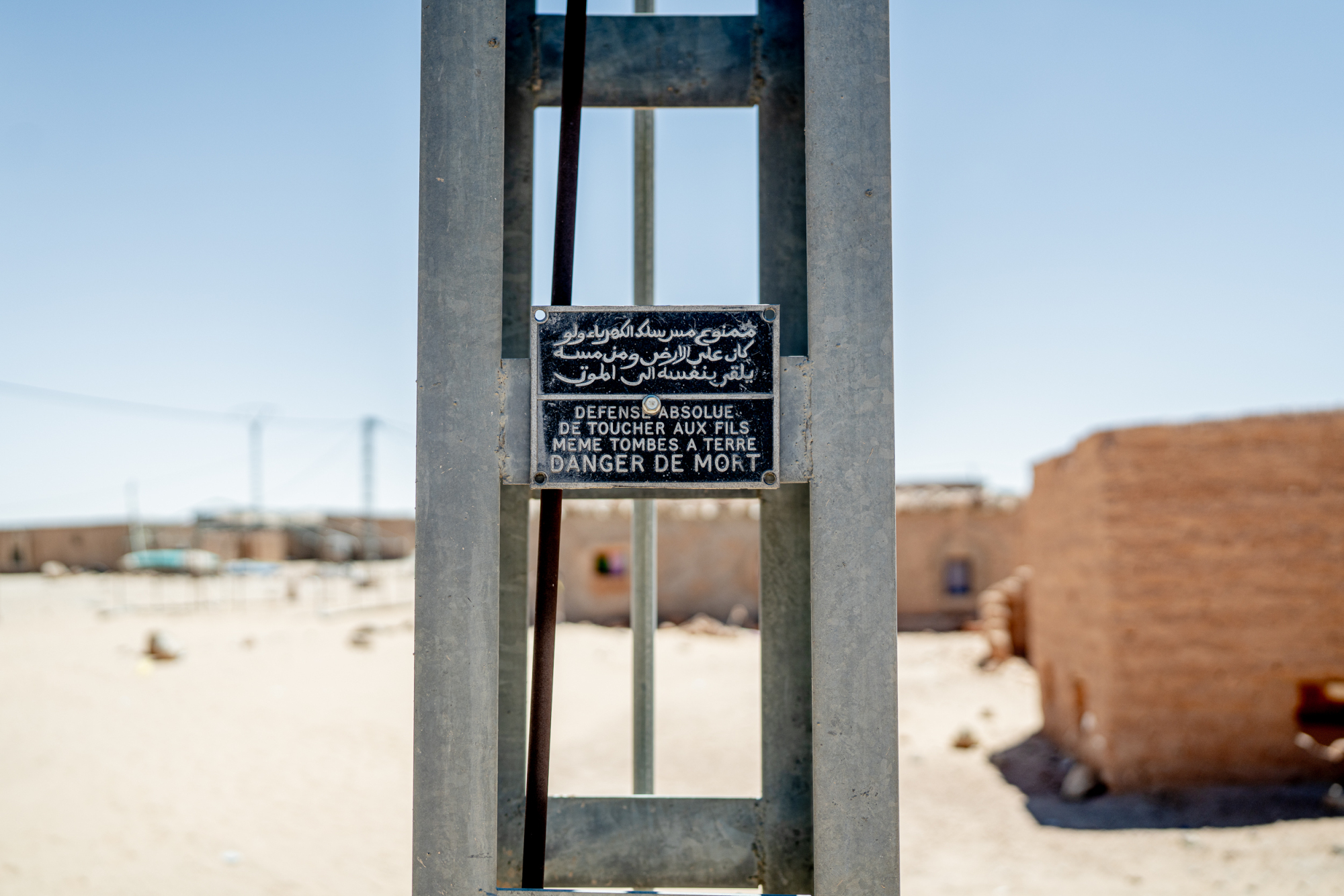
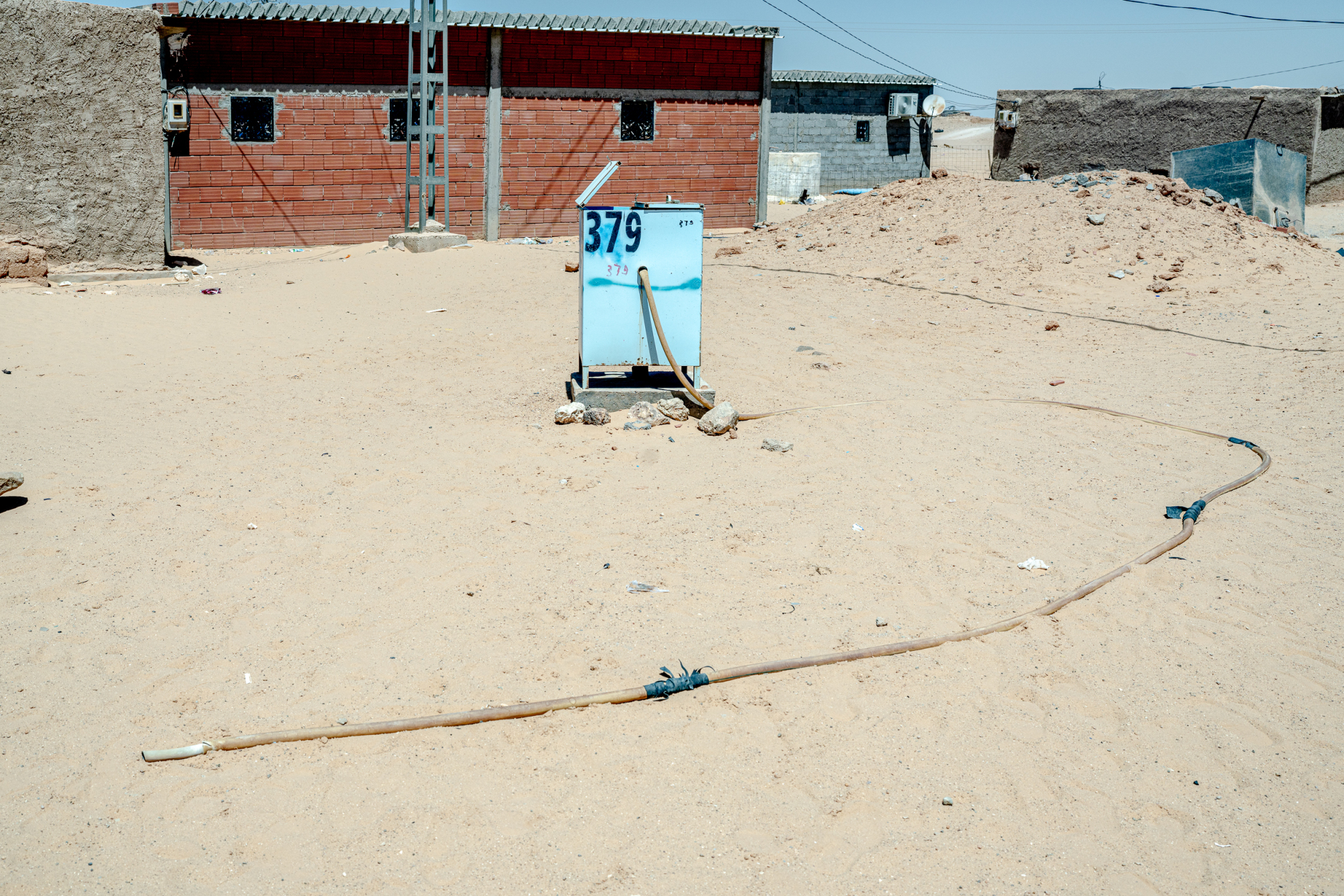
The initial imopression I have is that having escaped veritable ‘war zones’ in Morocca and the Western Sahara, the landscape in Ausserd could easily be seen as a vicarious war zone, with incredible hardship. The collections of debris and stoic nature of the properties have a subsistence feel to them, and I am sure that is not very far from the truth. I have decided, in the spirit of the FiSahara Festival, to regard all the structures as sculptural forms, and seek to portray them as such. The desert light is striking, and have tried to ‘look into the shadows’ as much as possible, portraying the bleached desert colours as faithfully as possible. It was hot in mid May; the temperatures must become intolerable in the height of summer.
I have tried to select what I feel are the best images into a single gallery but i am having difficulty doing that. So I think I will leave the images for now as a chronological series of galleries reflecting the full 5 days of my stay, day by day. It also reflects my changing accommodation of the landscape as it becomes more familiar to me..
Images : Day 5
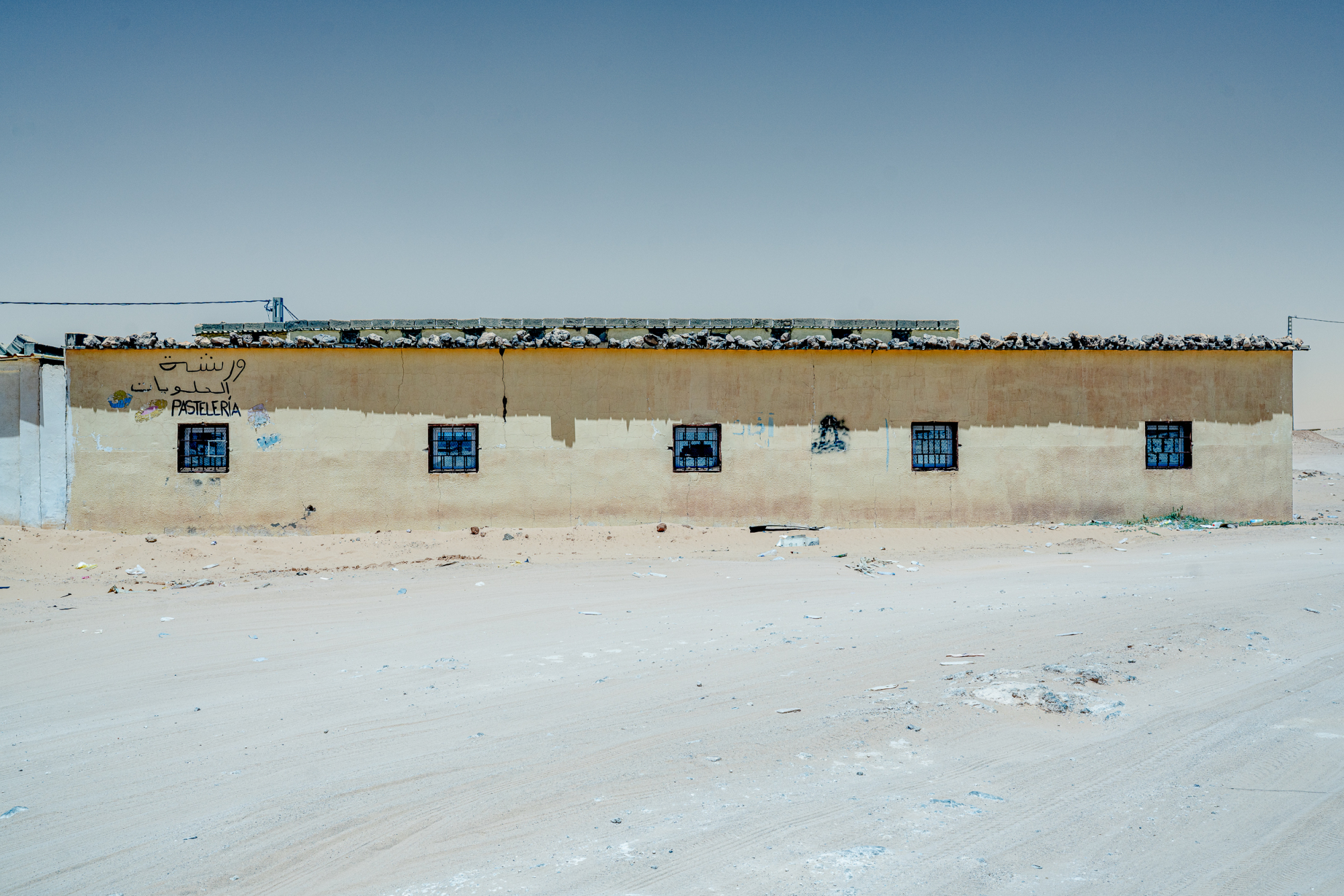
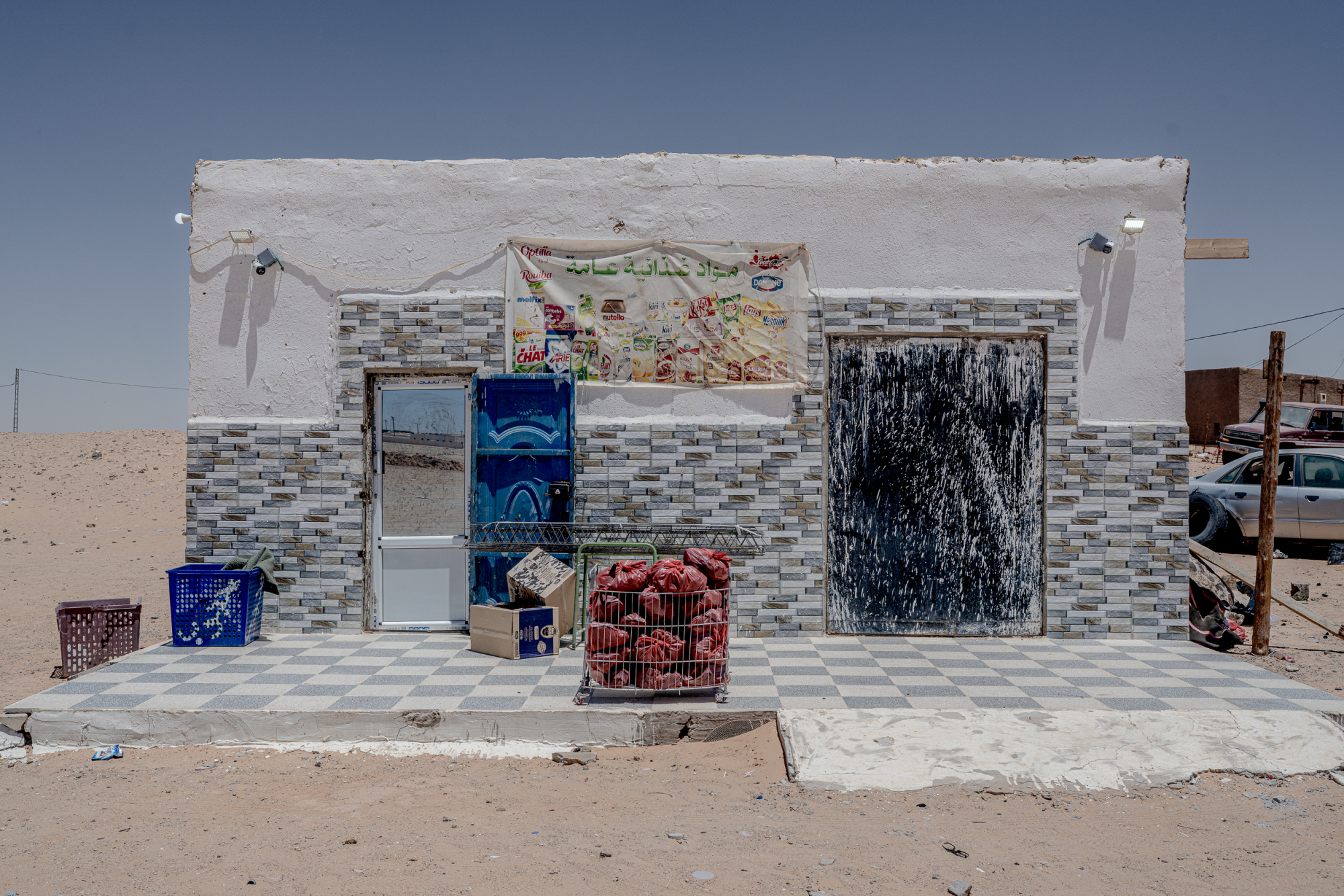
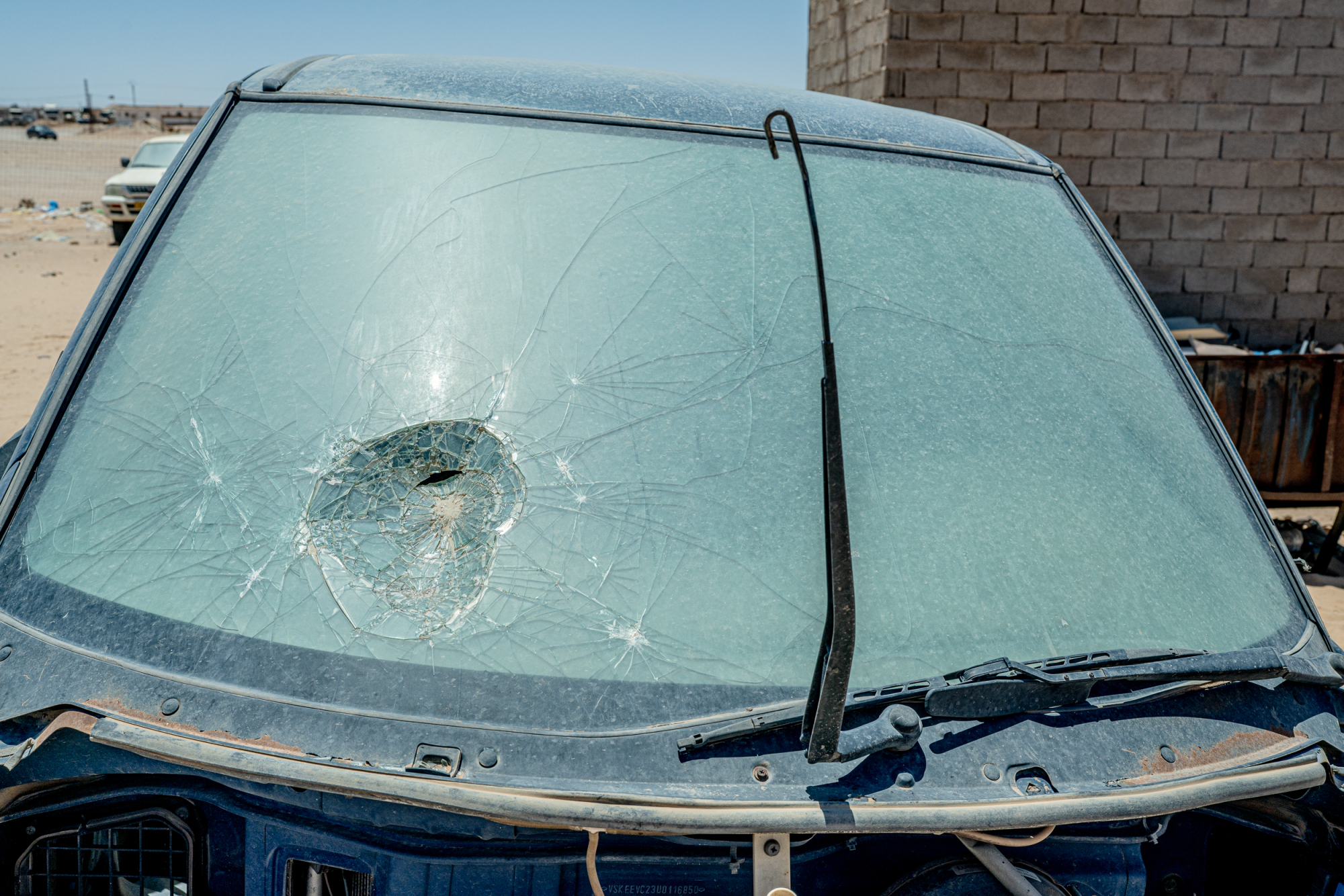
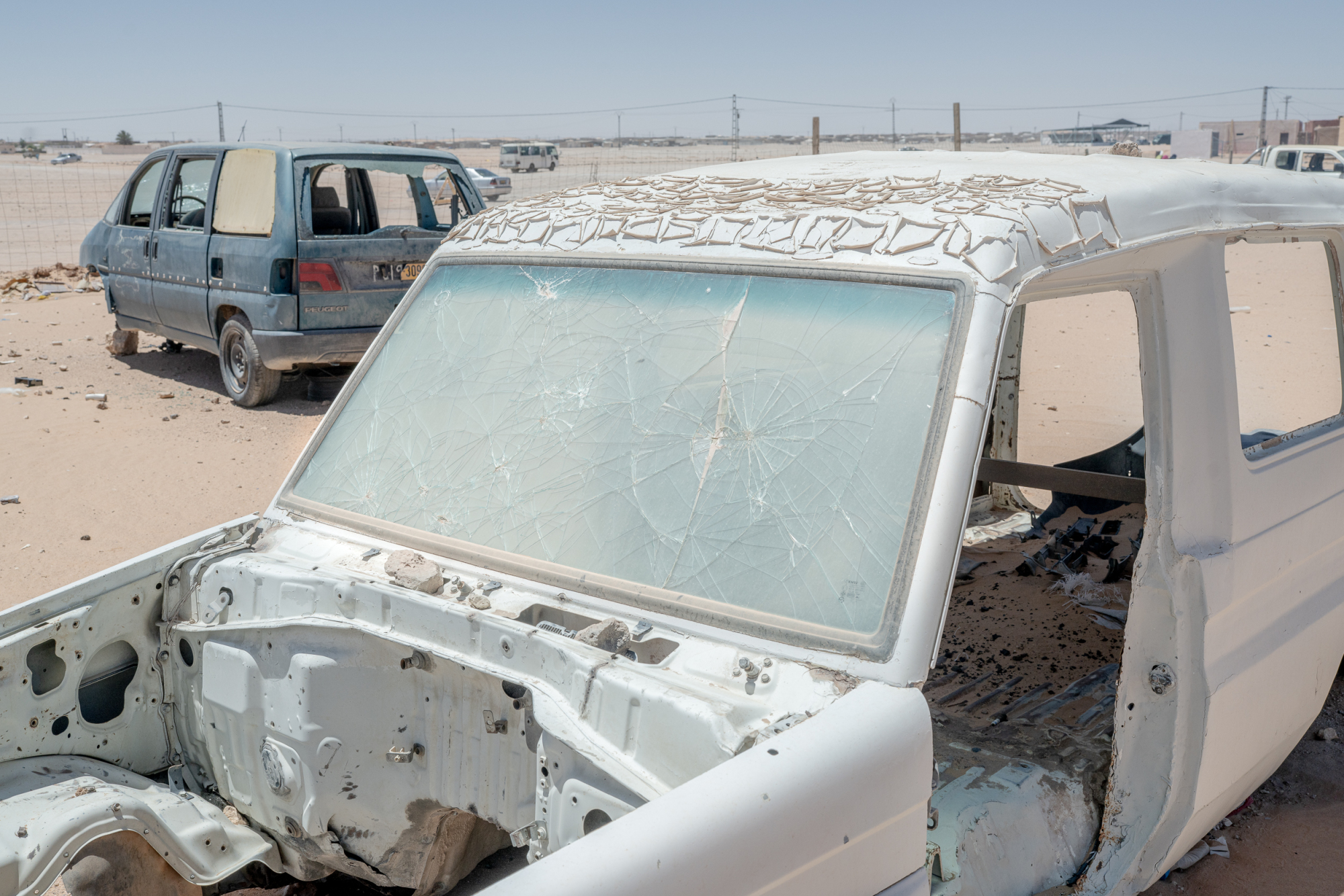
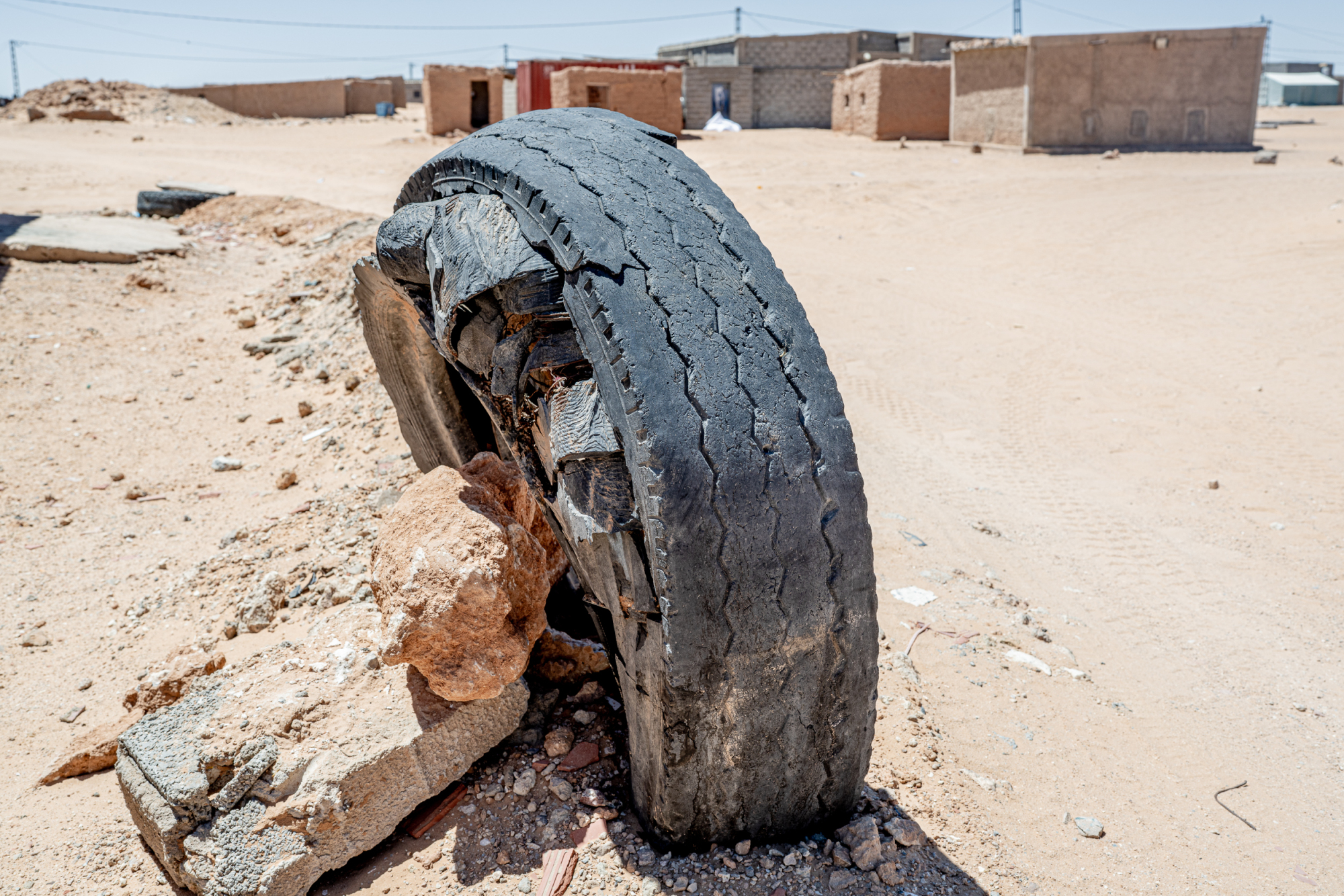
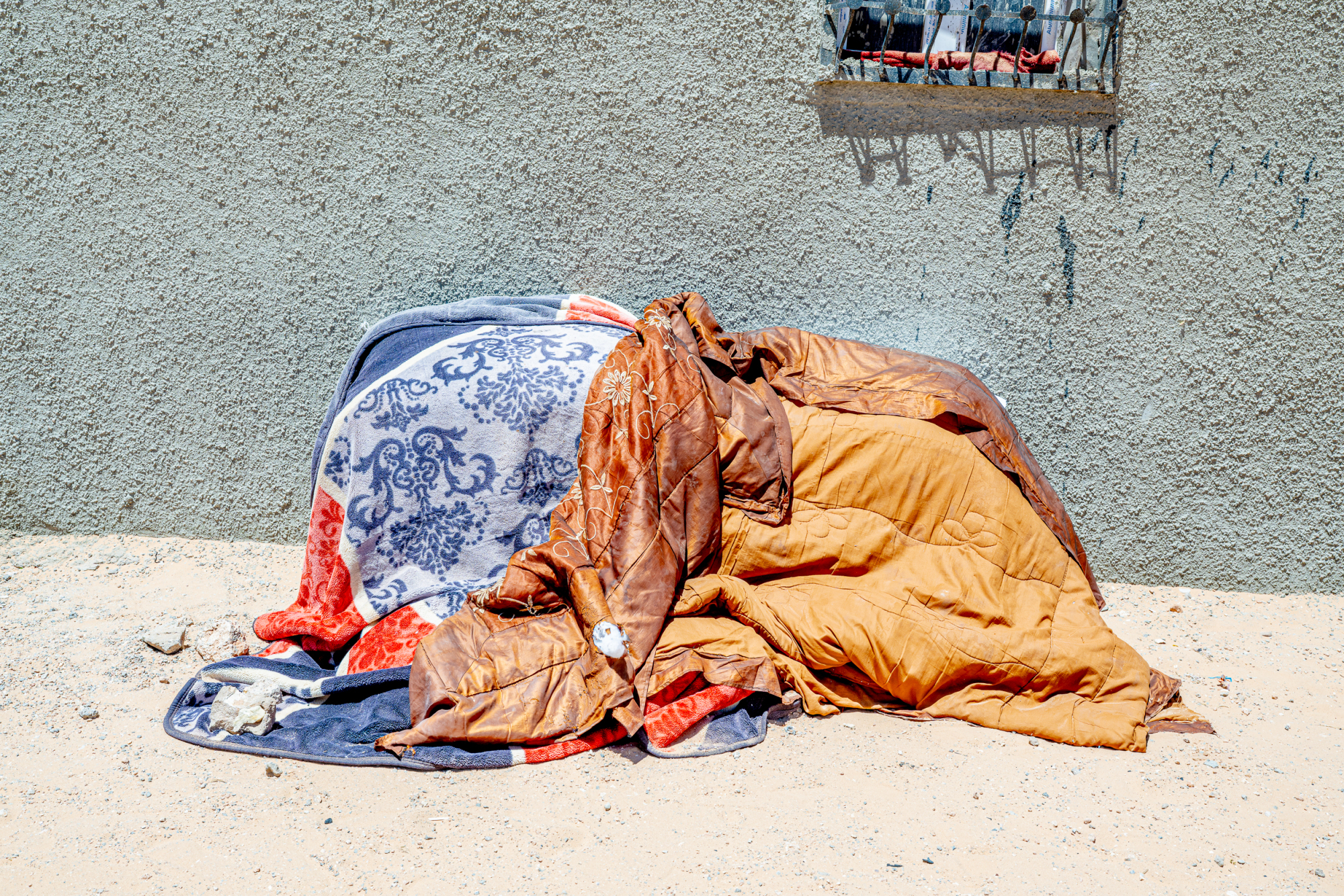
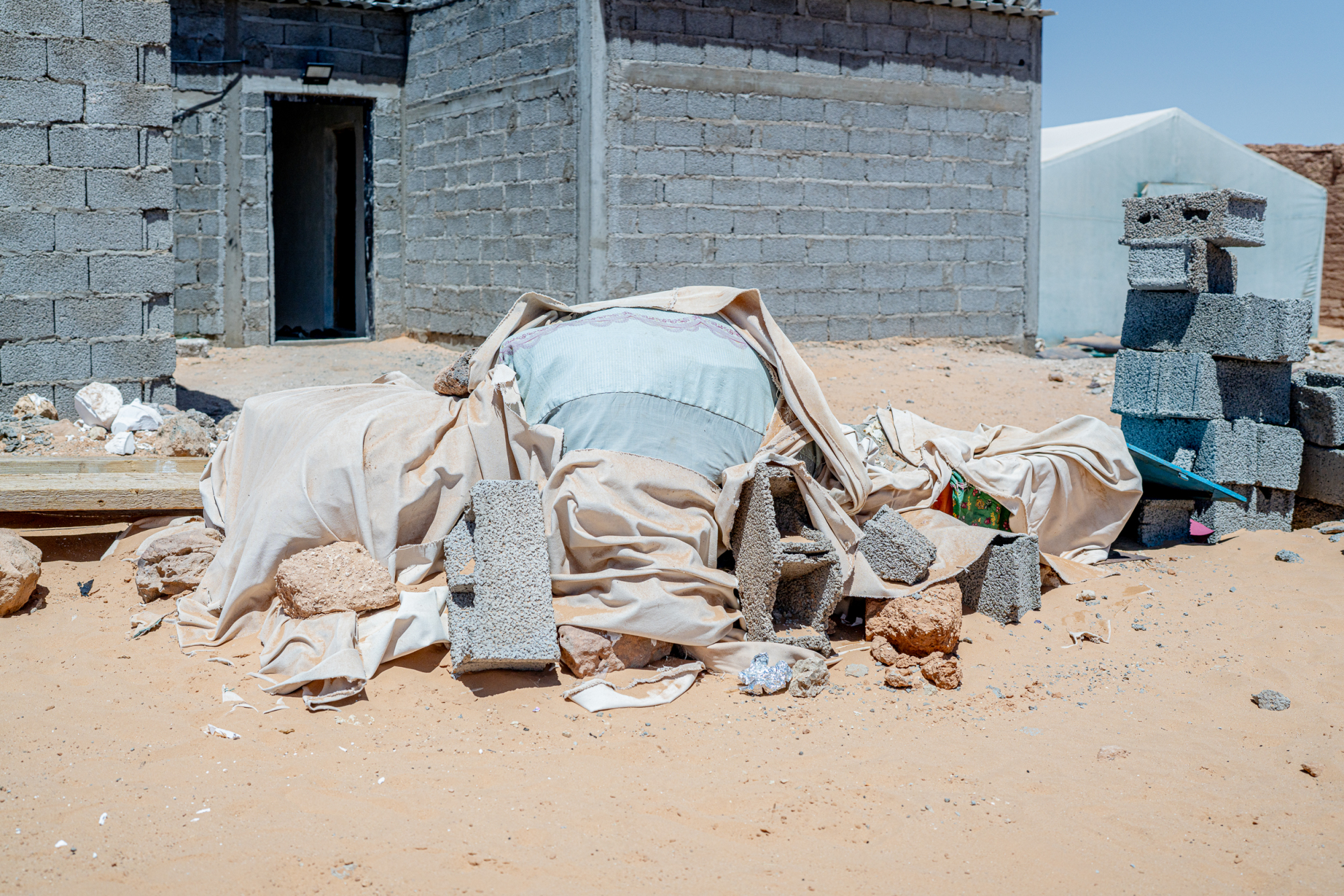
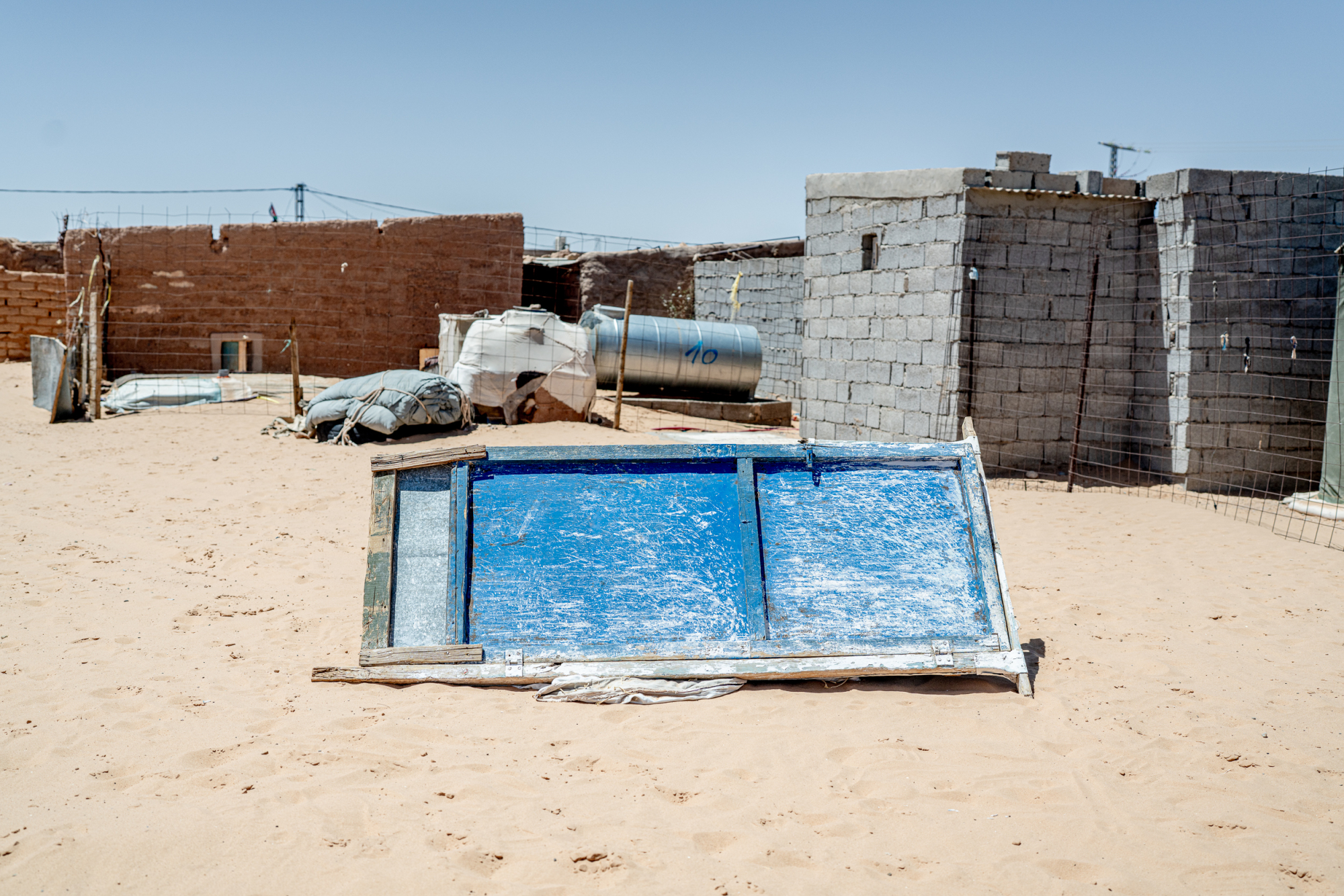
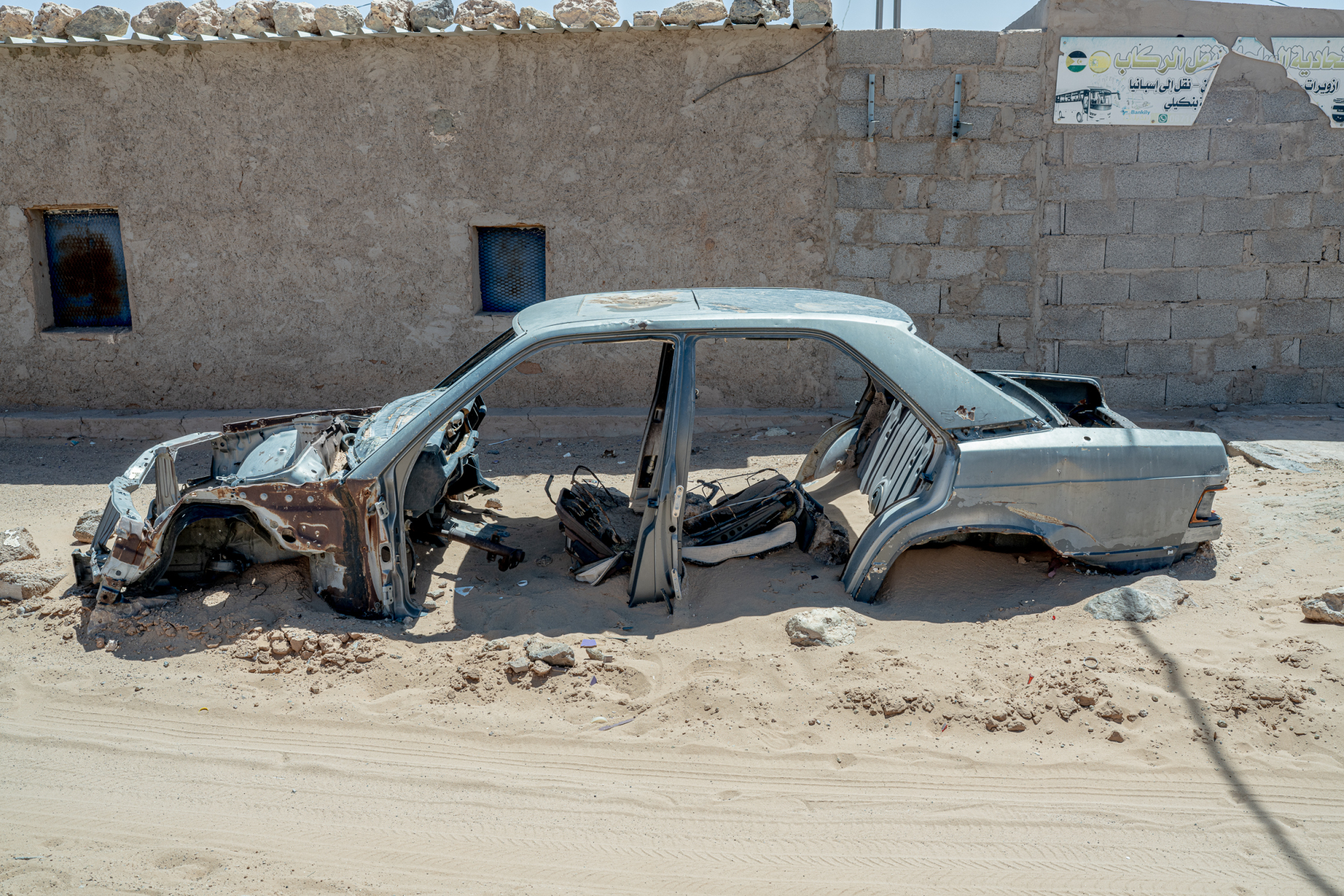
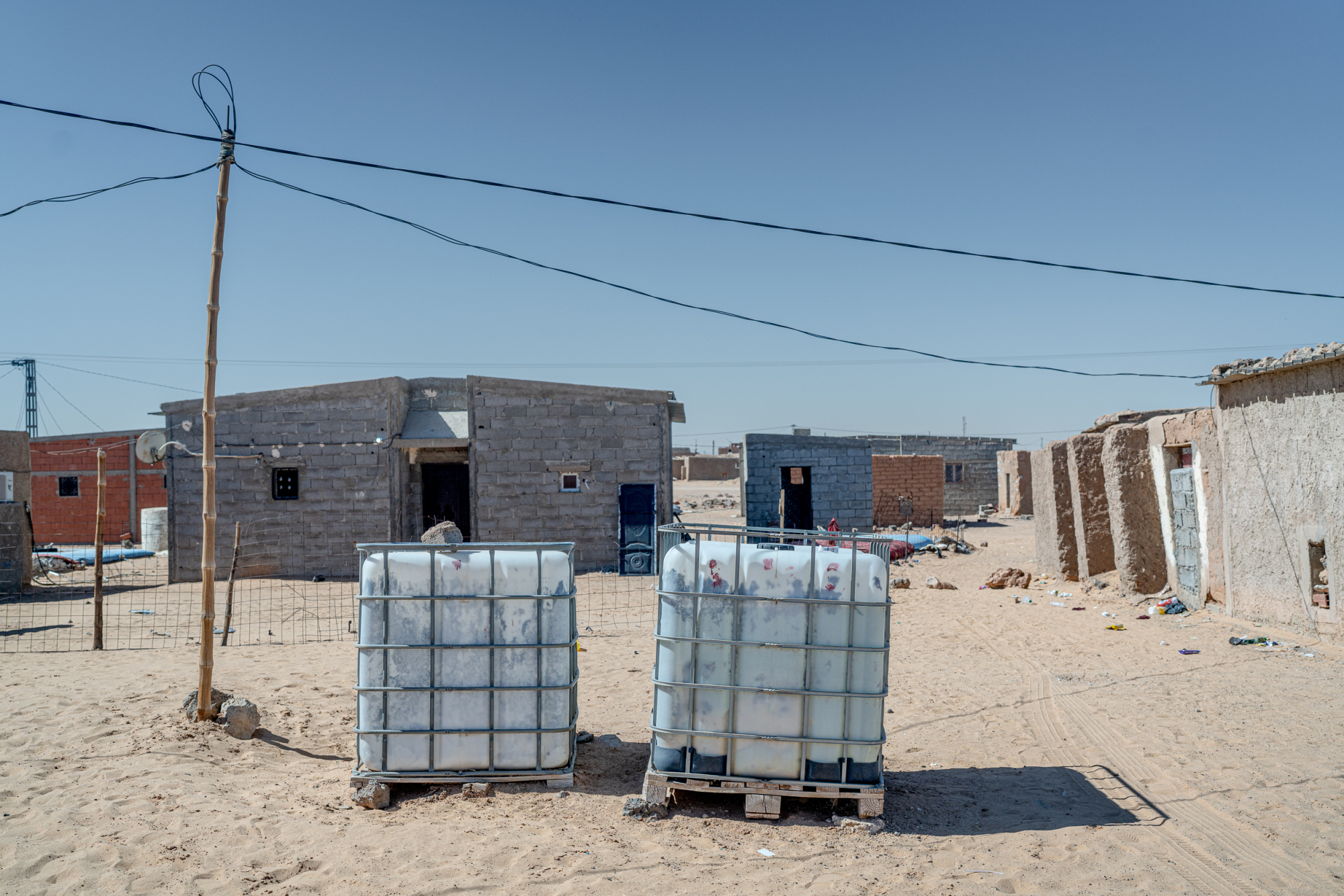
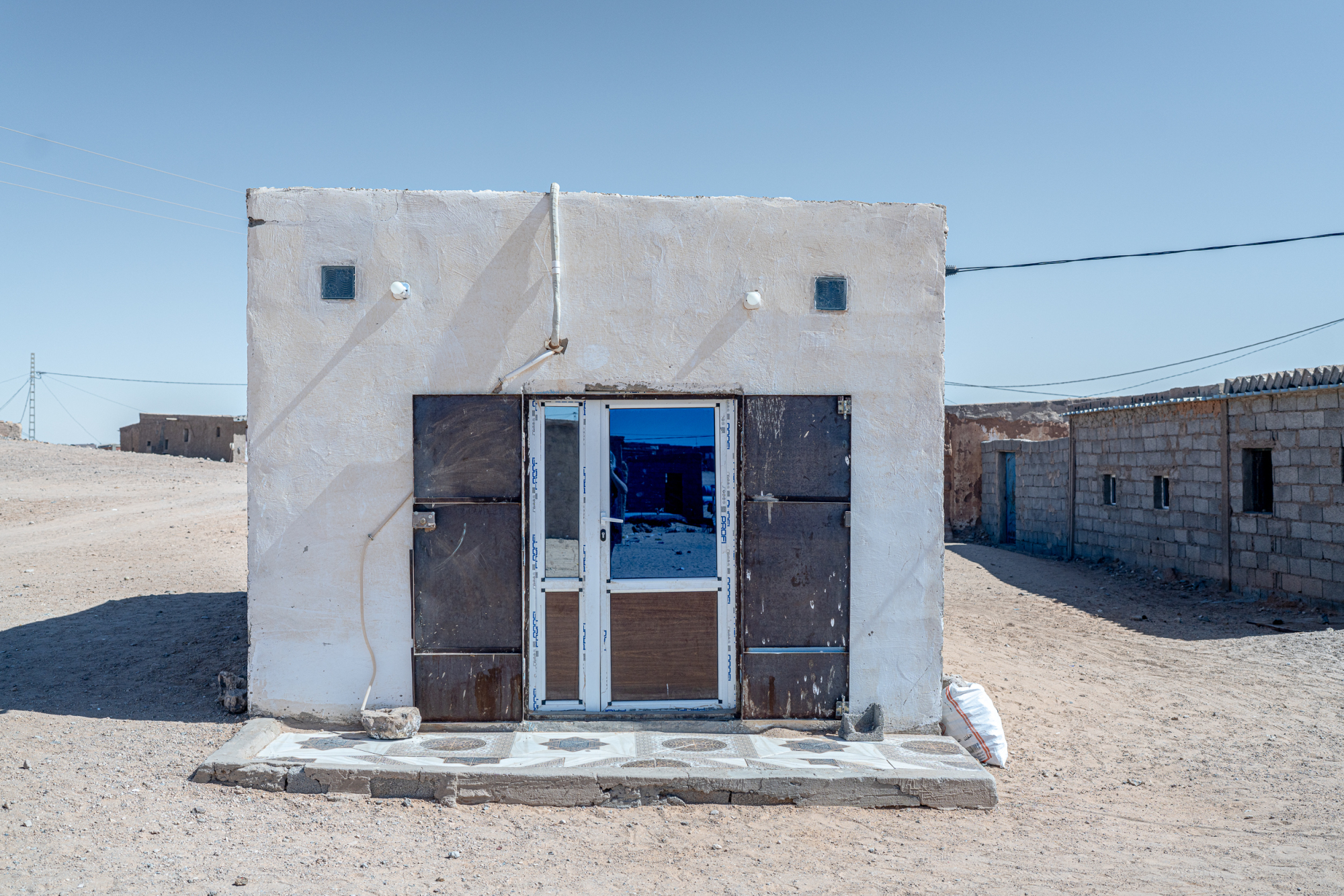
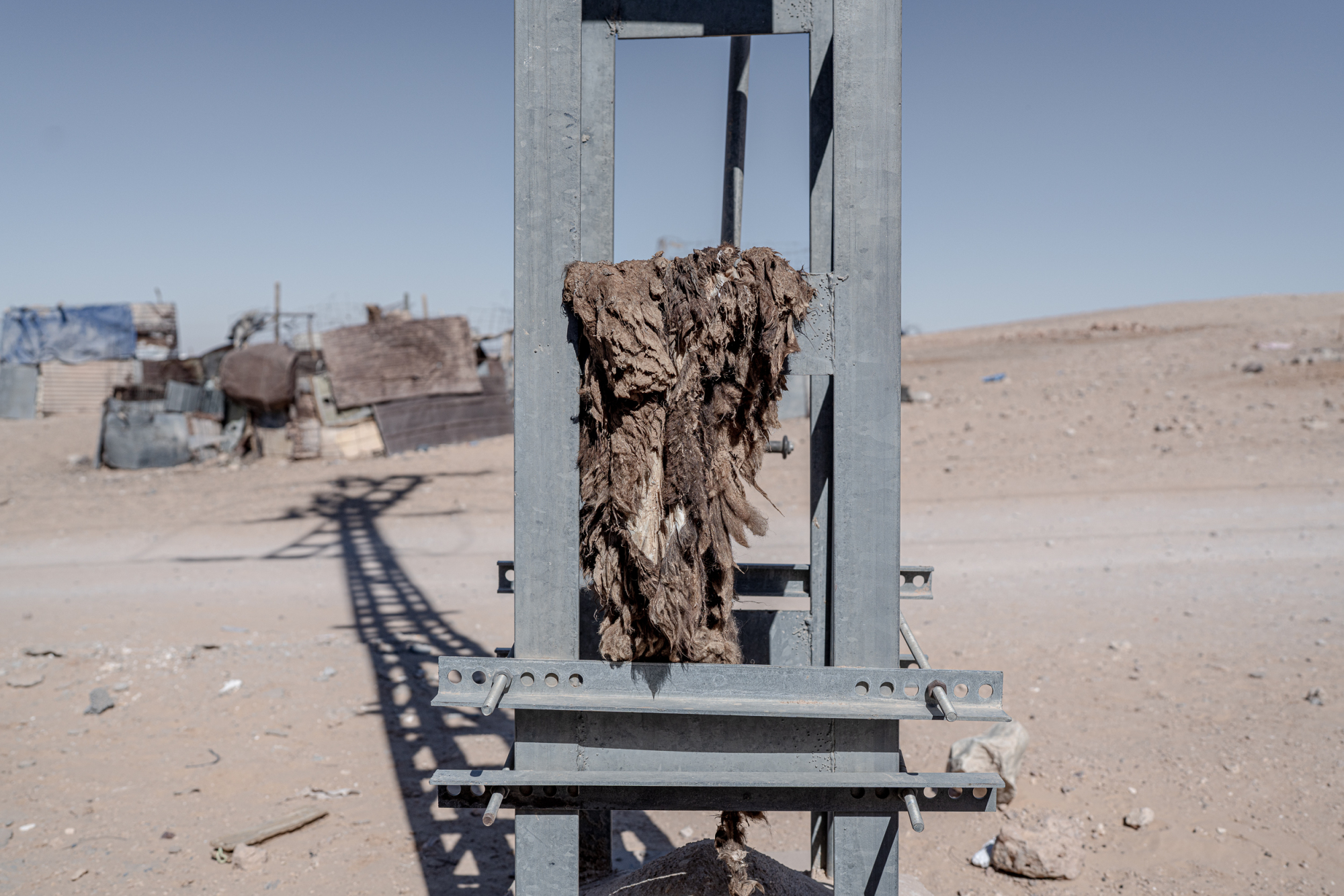
On our last morning, we were taken to the Abidin Kaid Saleh Audiovisual School film making studio in Bojador, another camp some 20 miles from Ausserd. Formed in 2011, the School ‘was named after the self-taught Sahrawi war correspondent who captured footage with his 8mm camera…..The school’s main activities are Year-round film trainings at the school, mobile film screenings, debates, workshops through Solar Cinema Western Sahara and for film production’.
More information about the school can be found here
A full list of films regarding Western Sahara available for viewing can be found here
Below is a small gallery of images from Bojador, including images from the Abidin Kaid Saleh Audiovisual School.
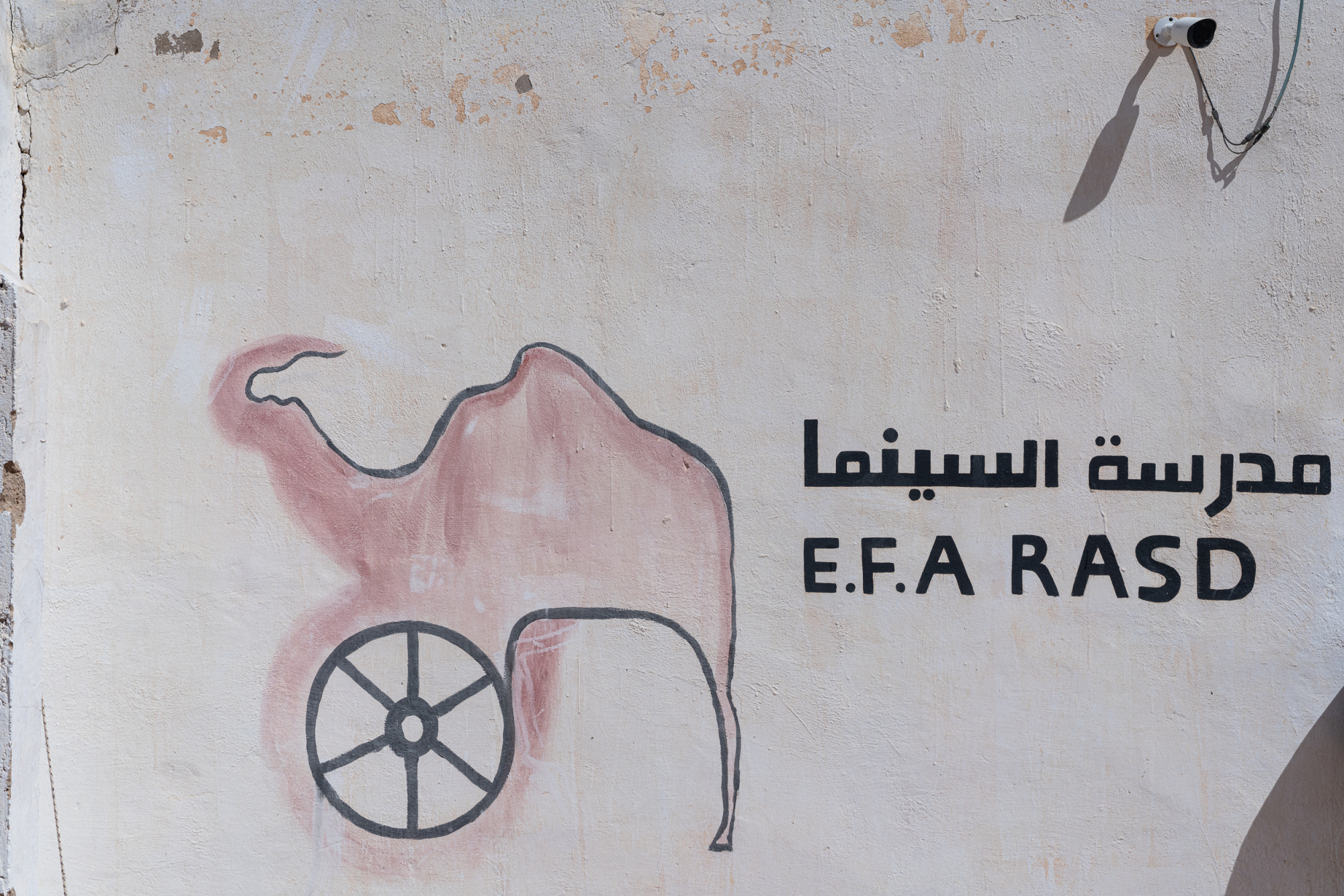
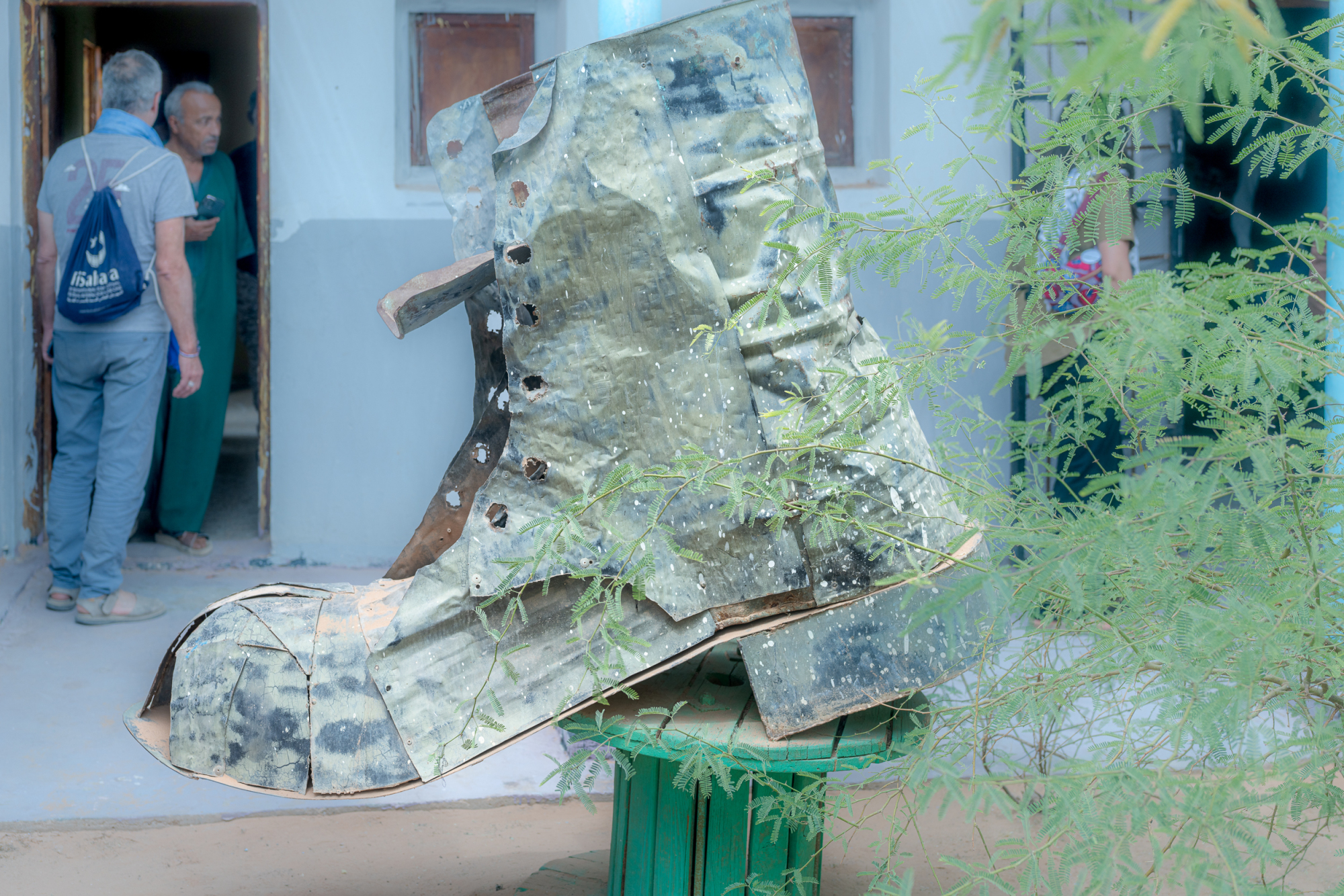
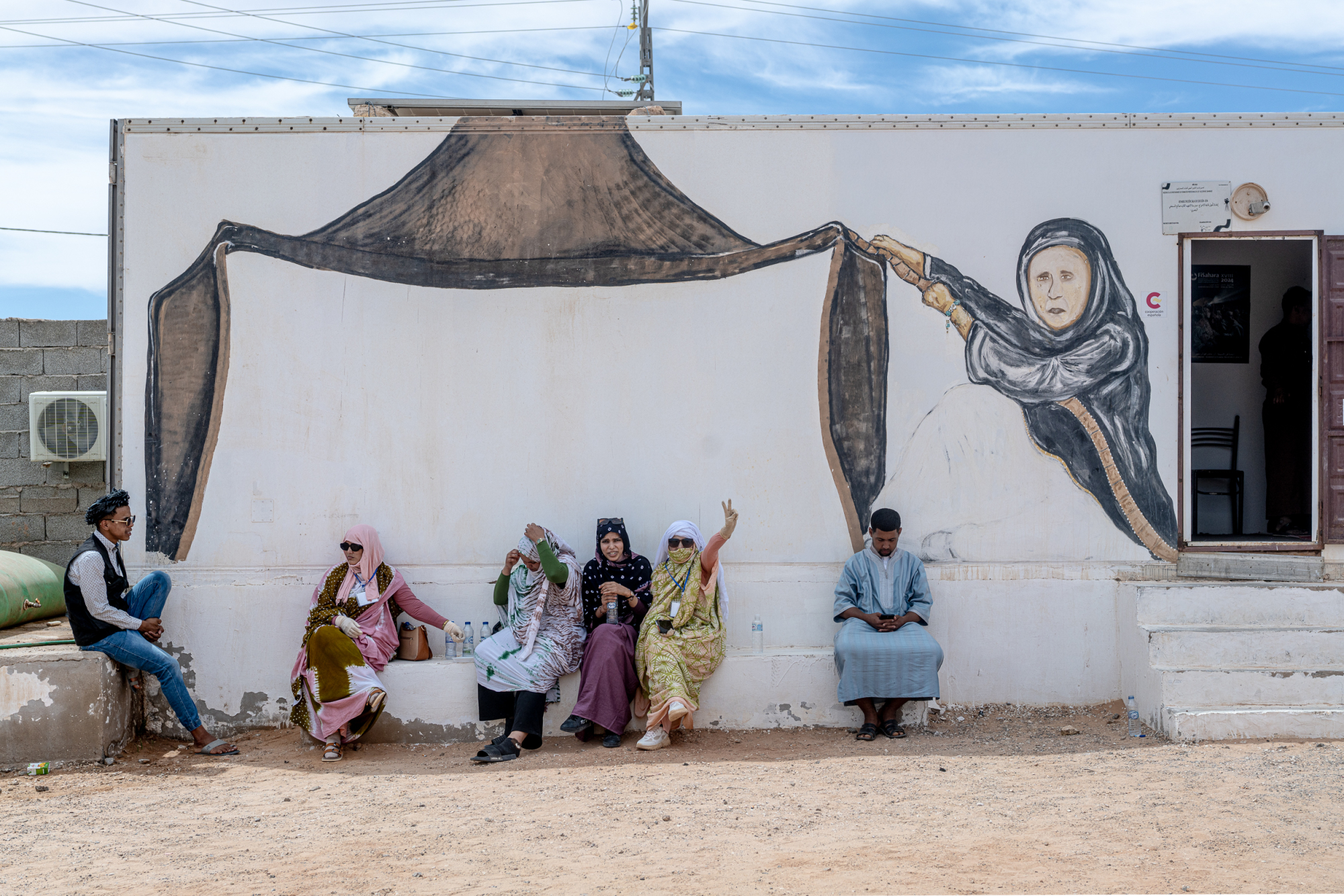
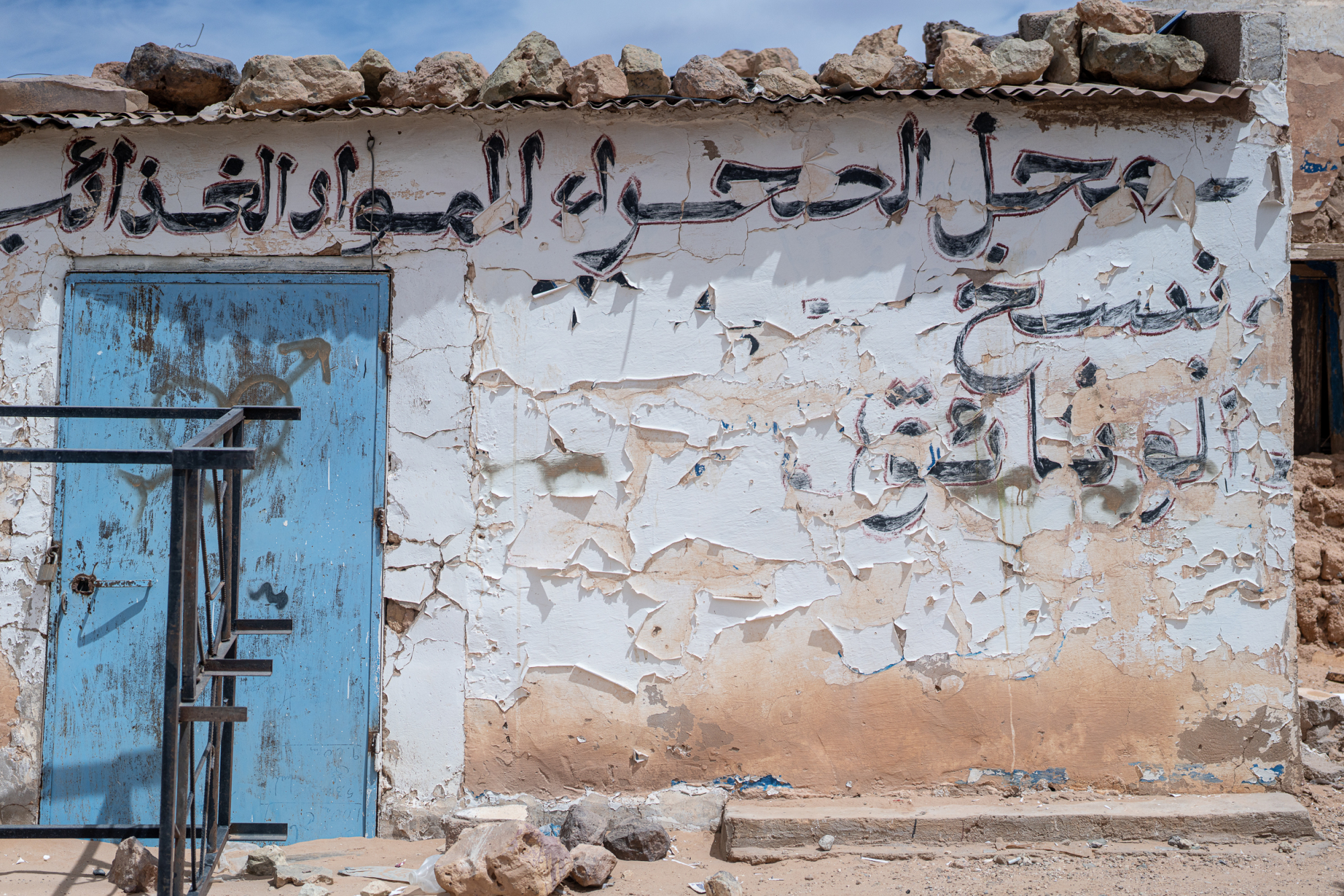
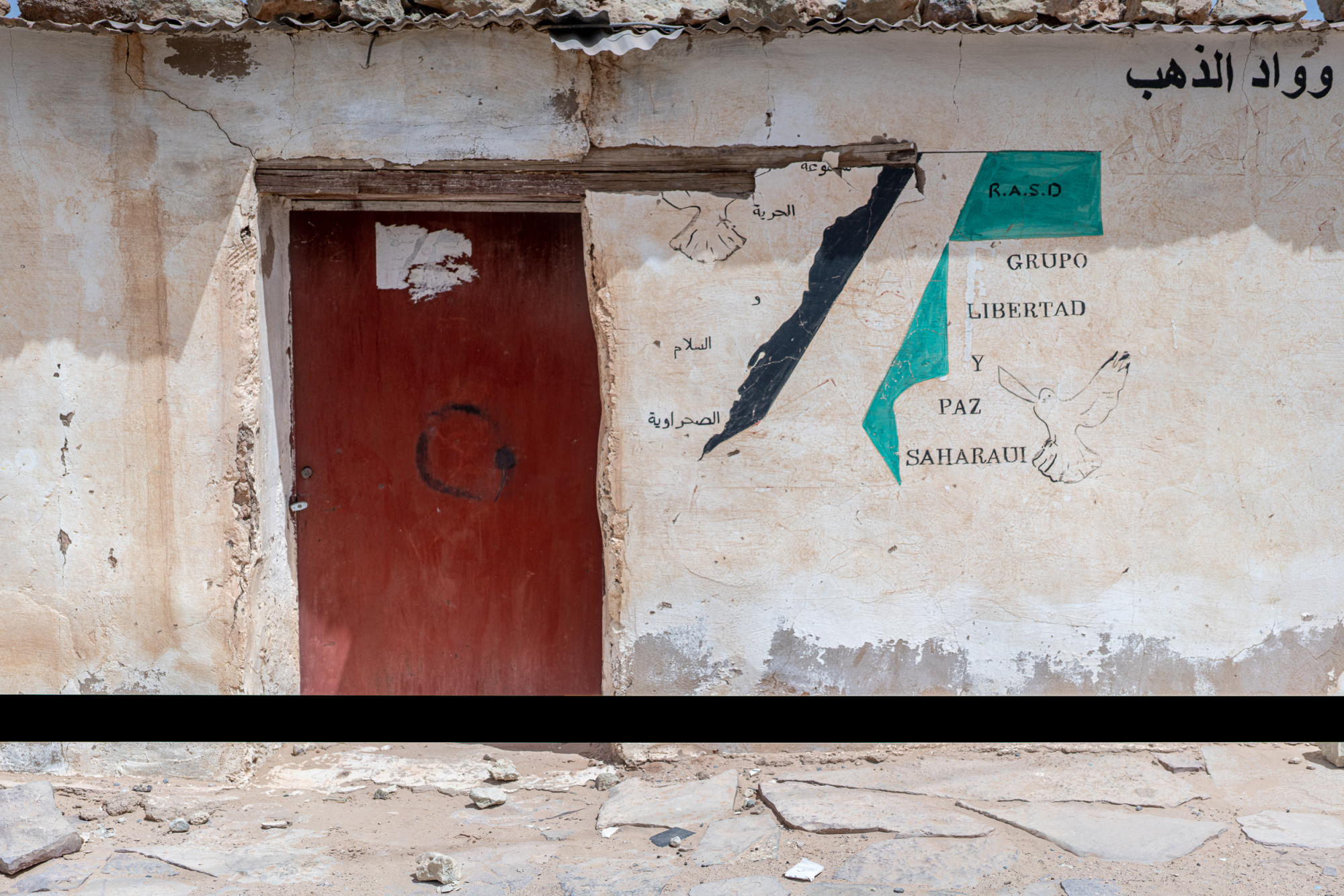
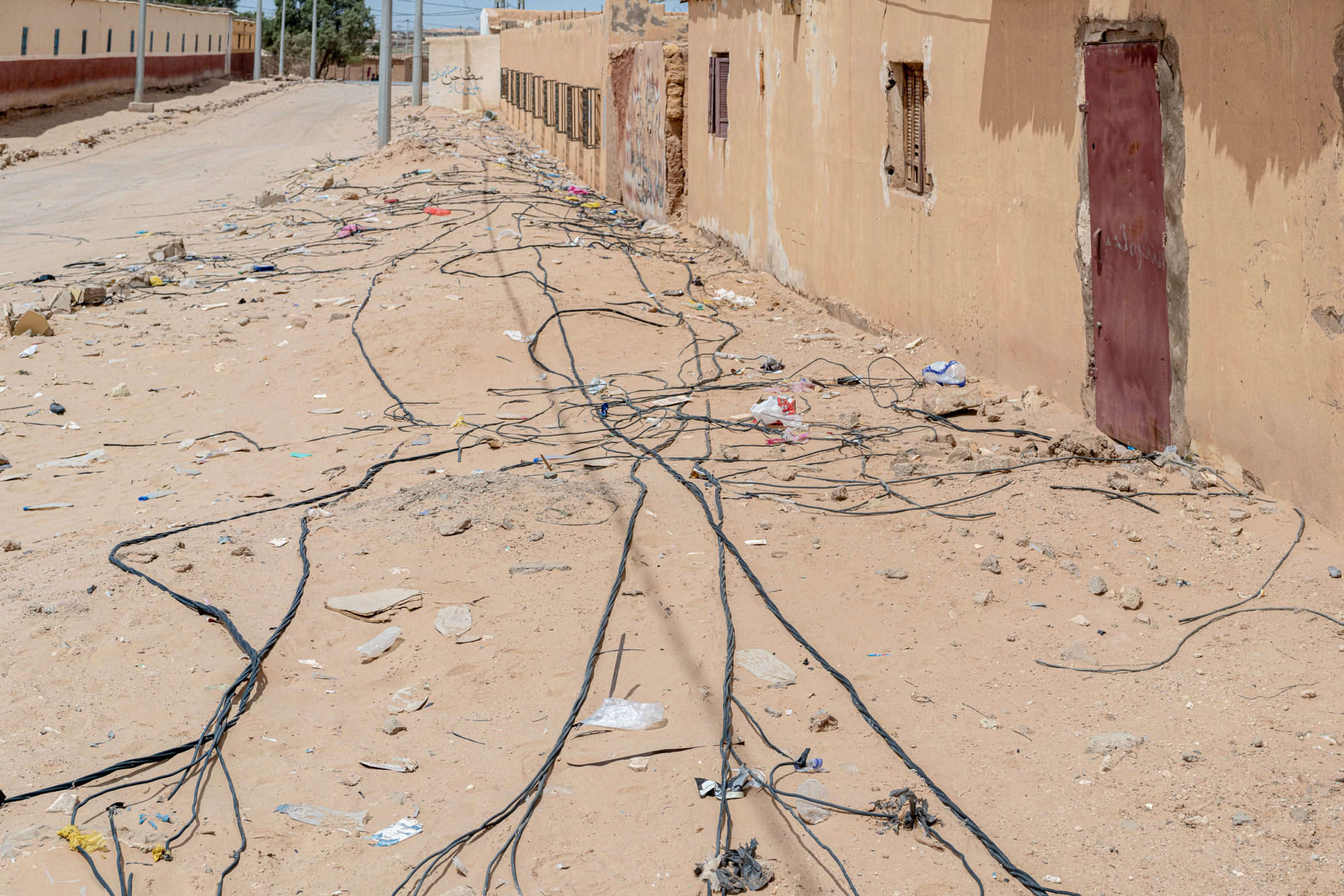
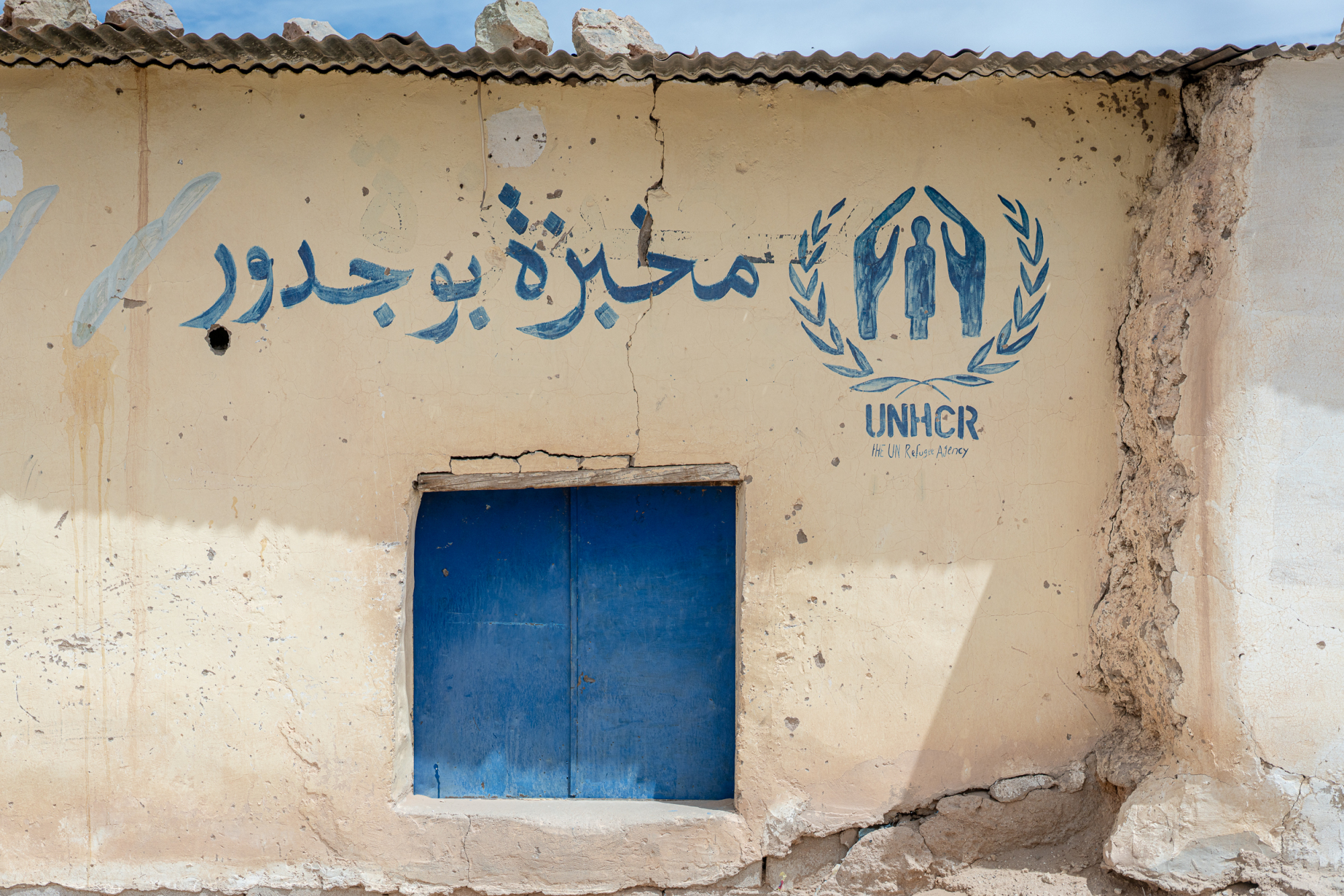
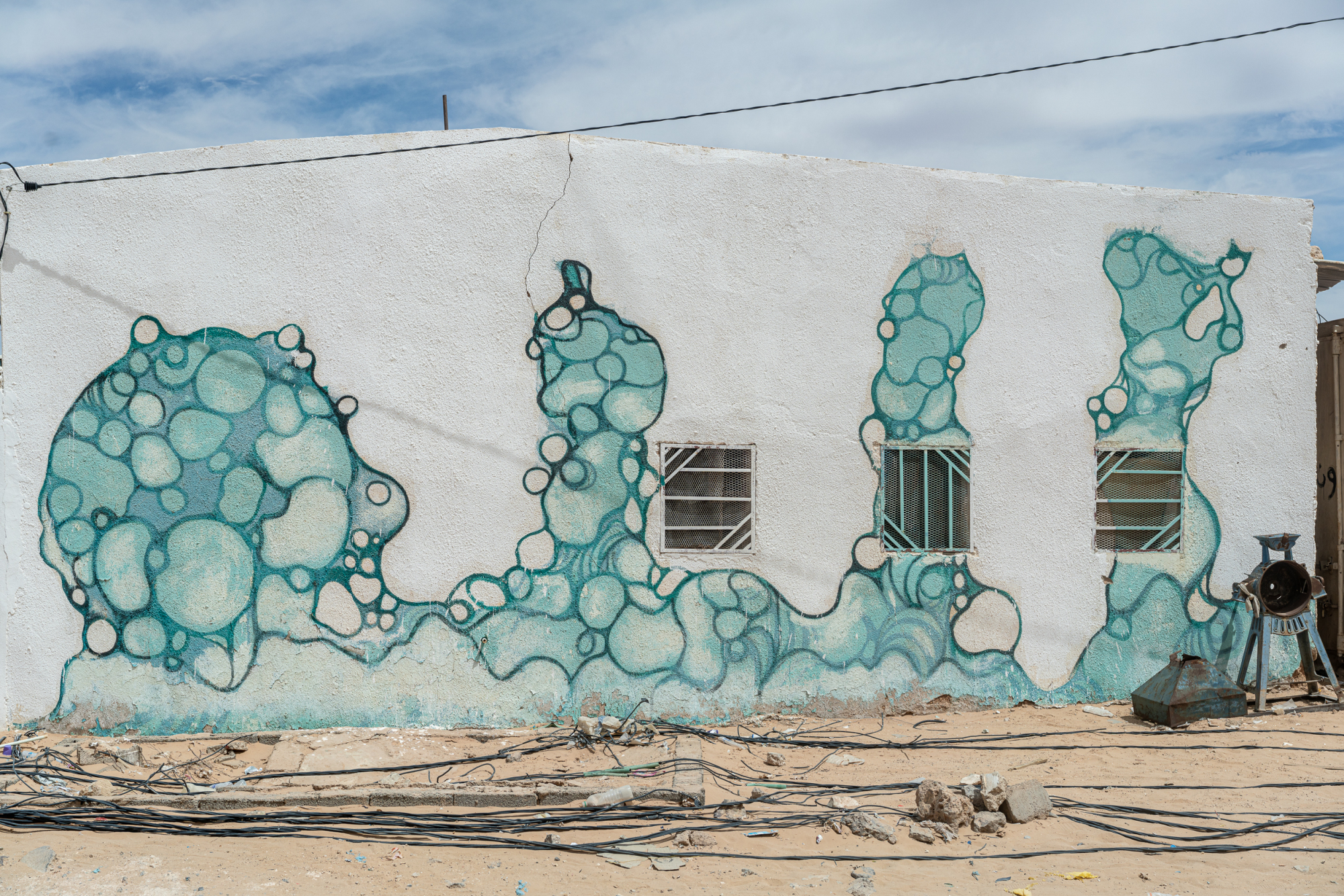
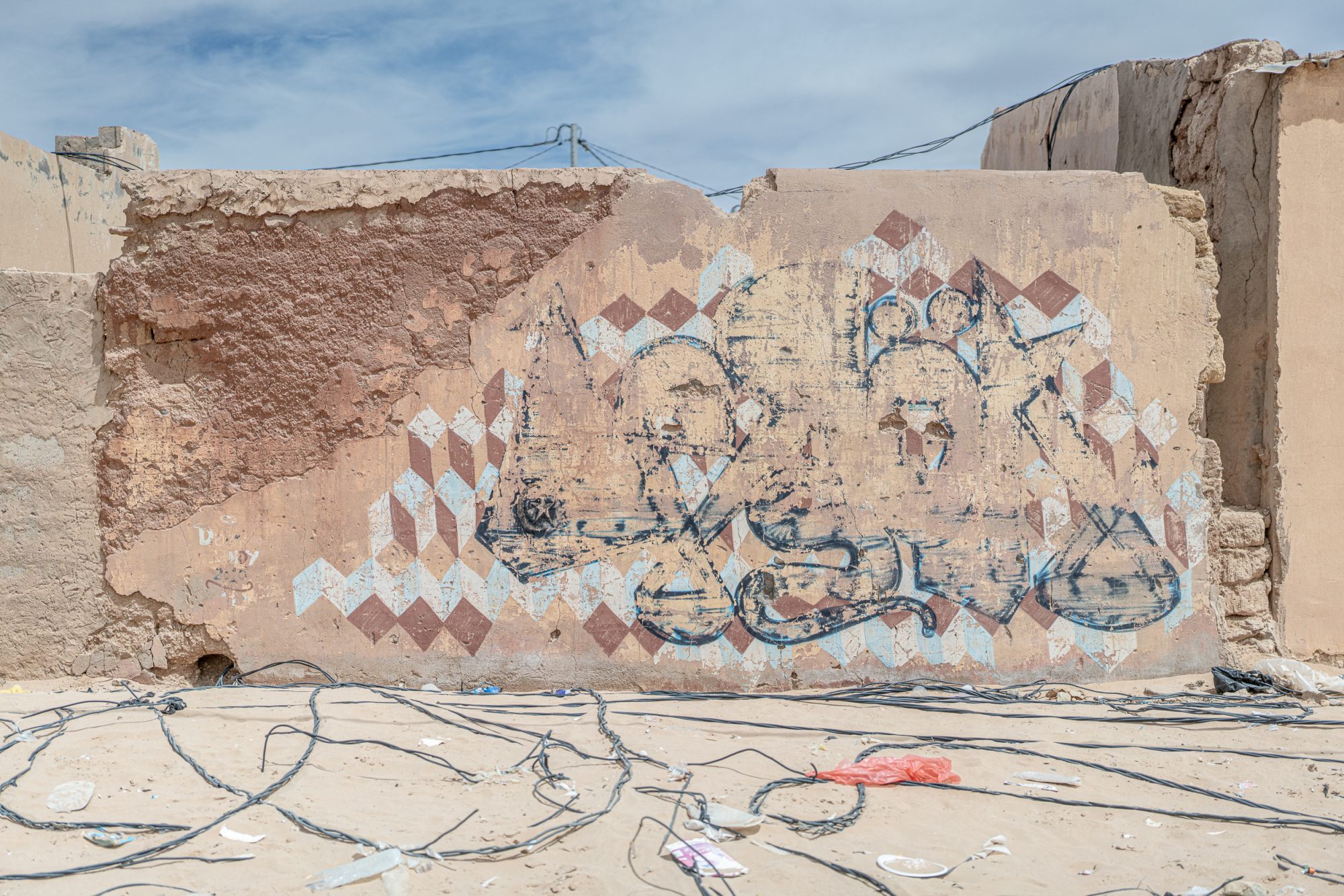
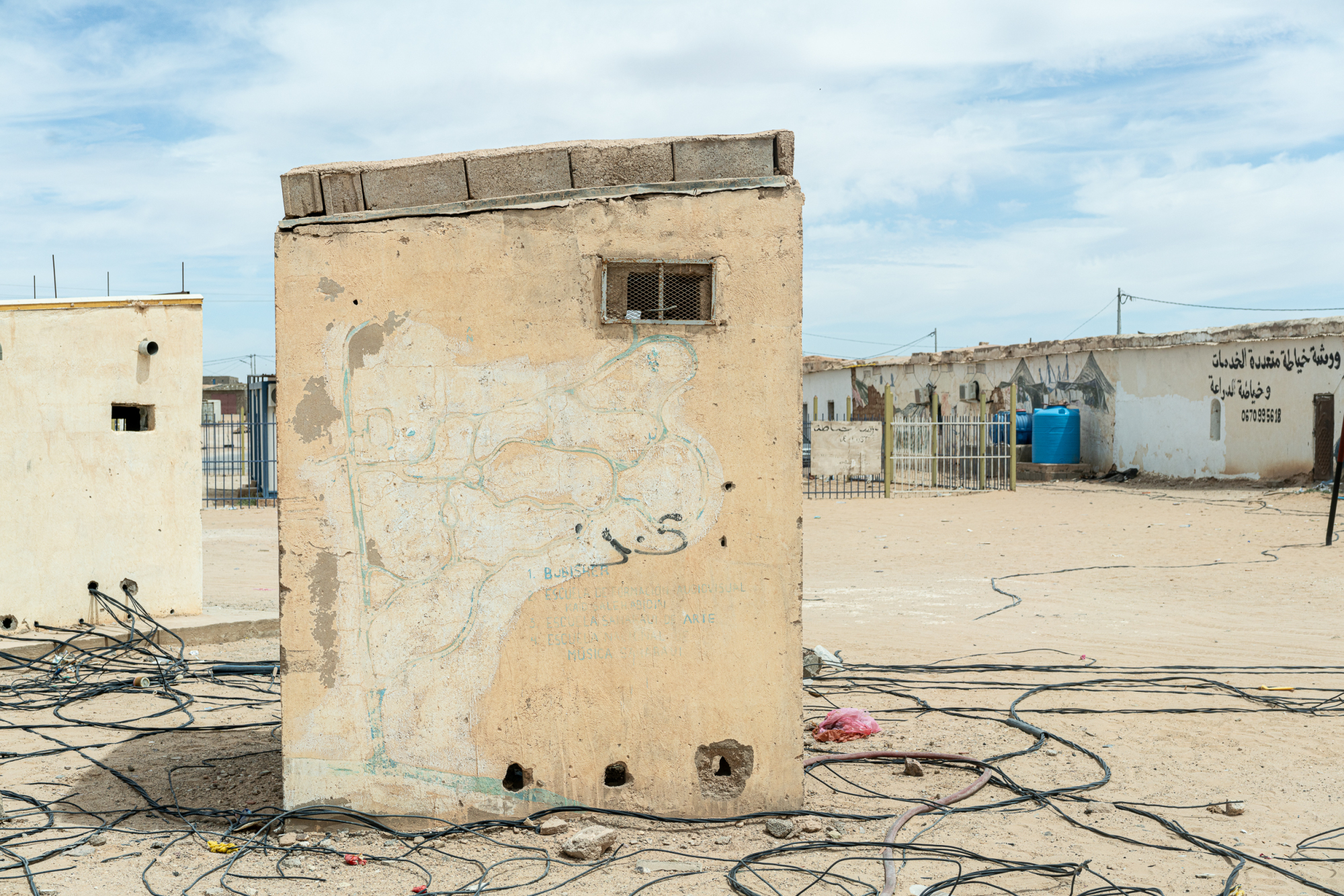
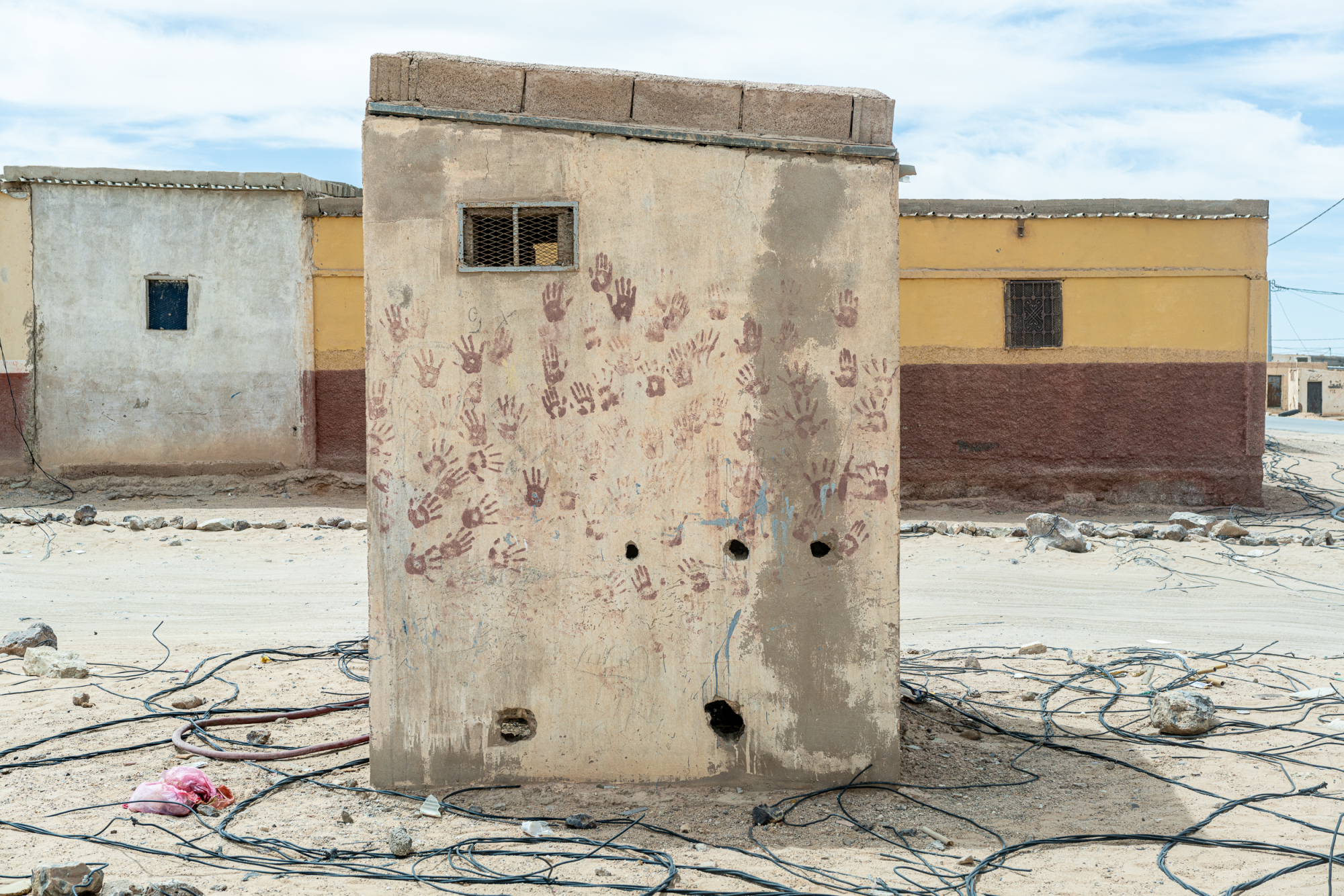
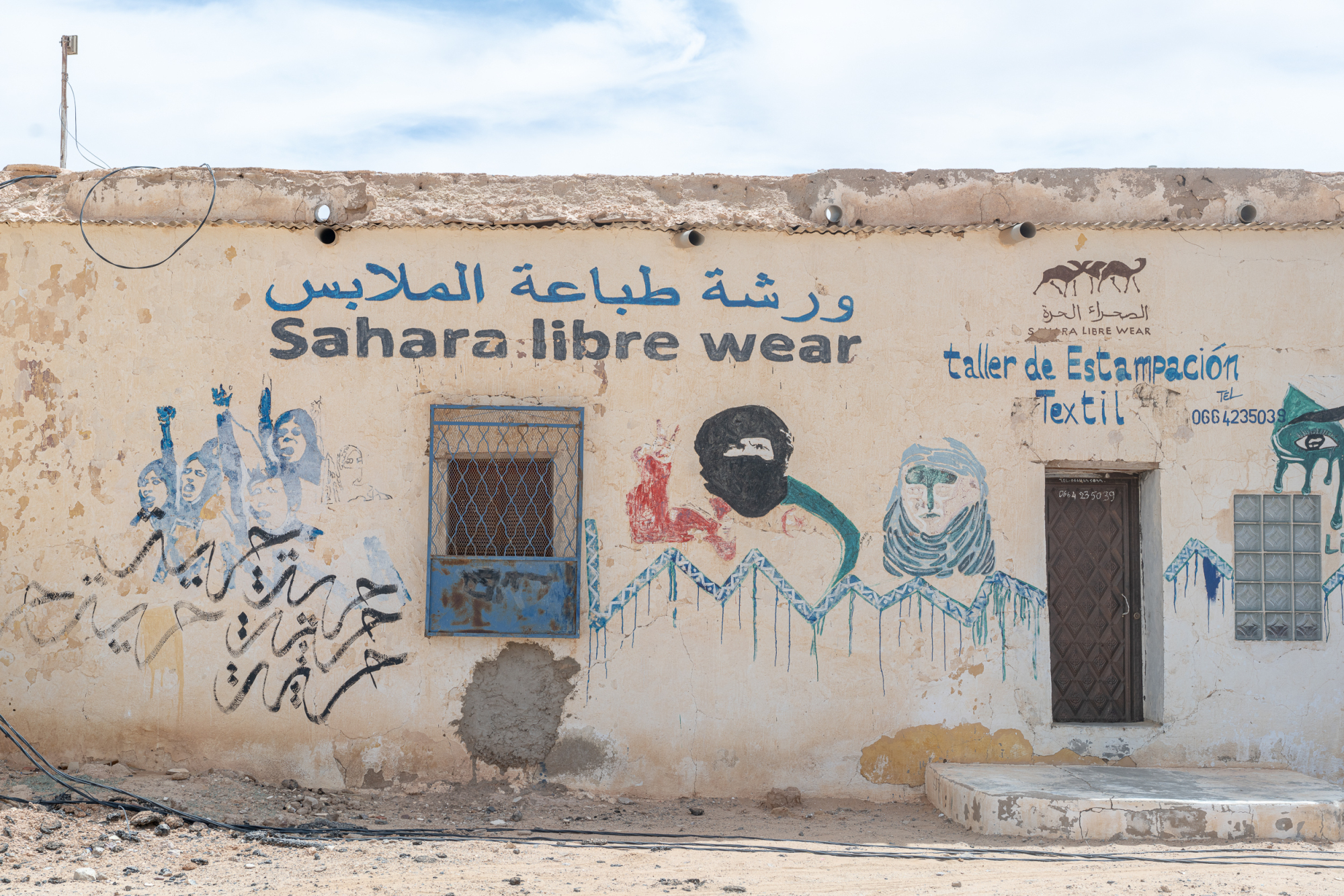
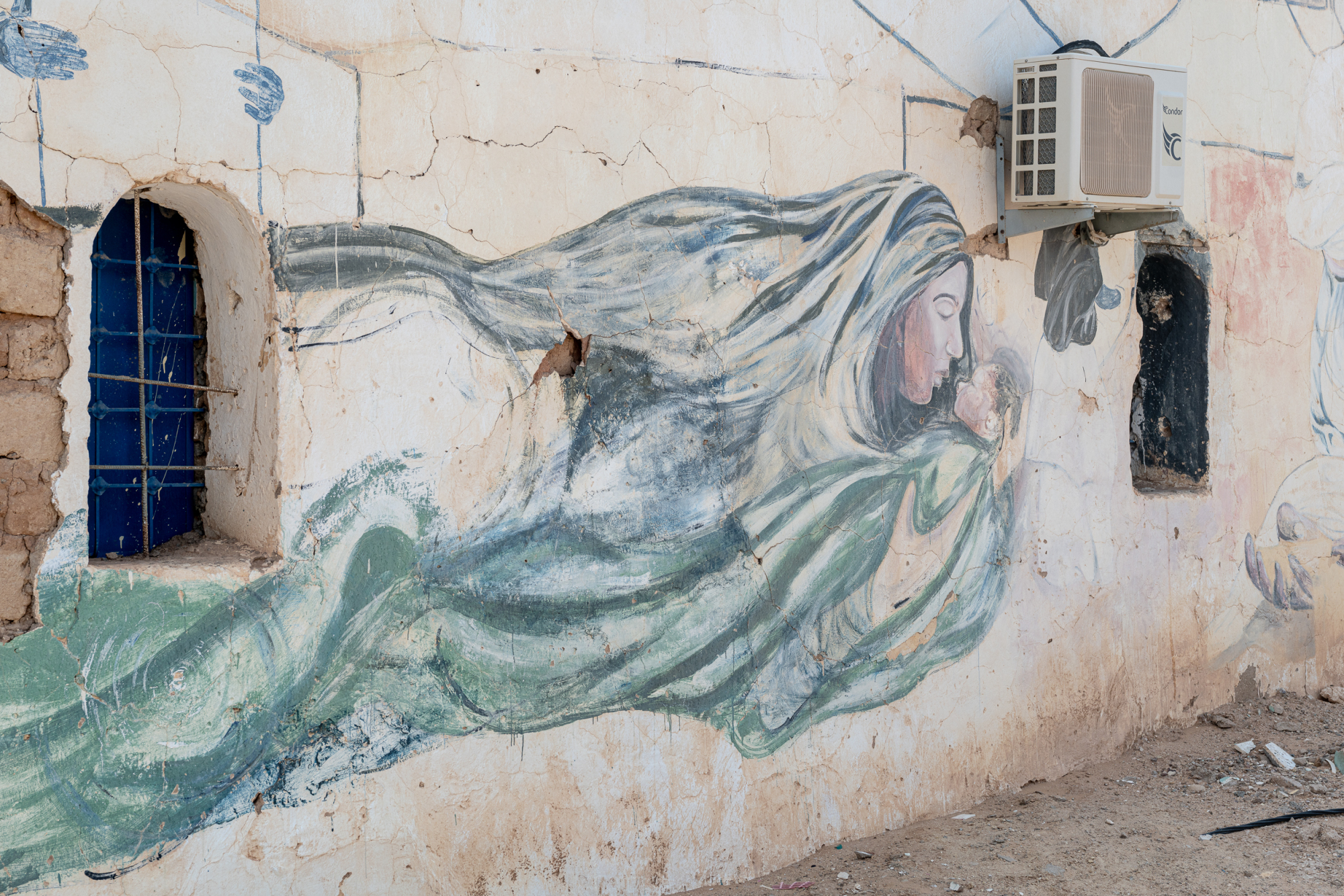
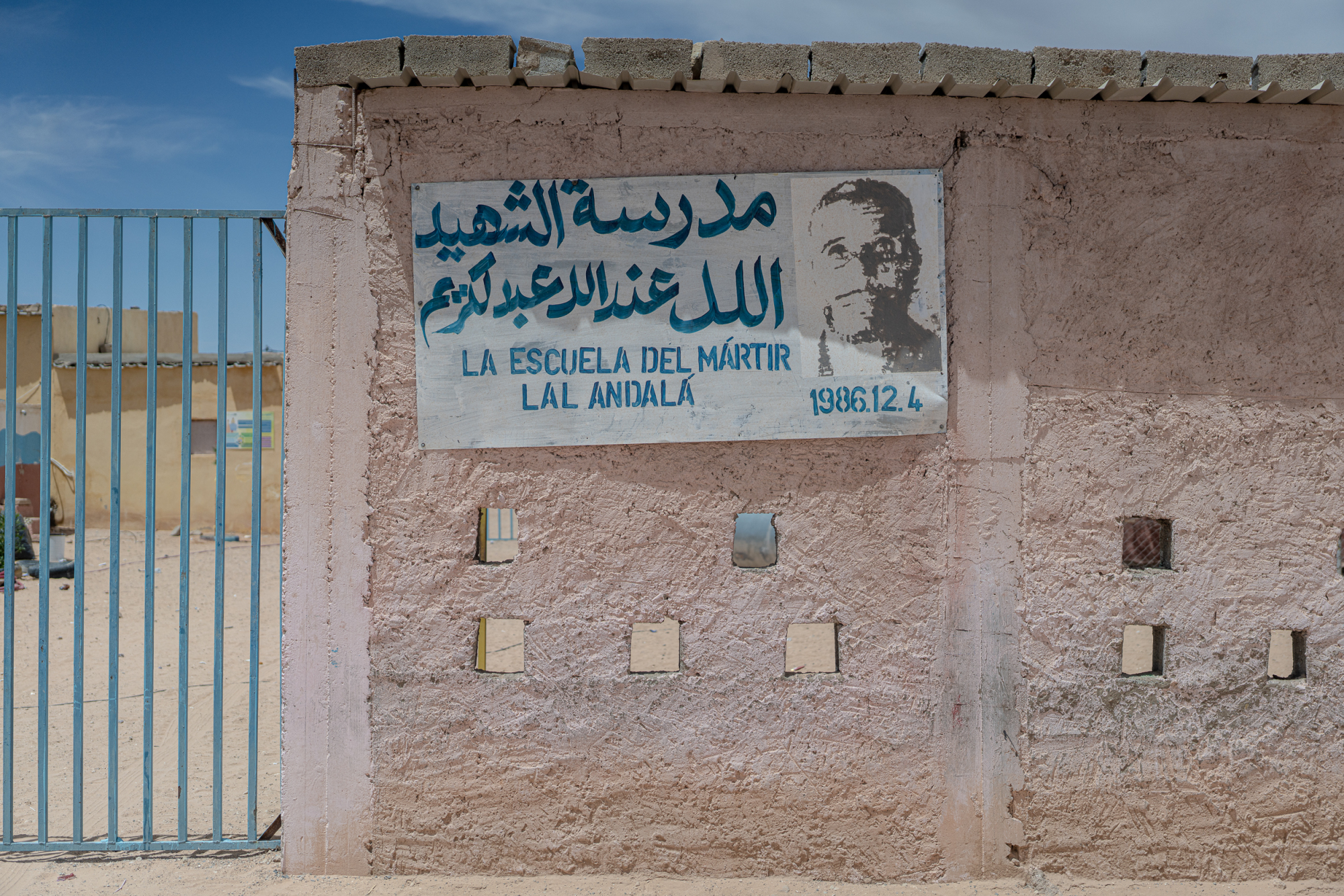
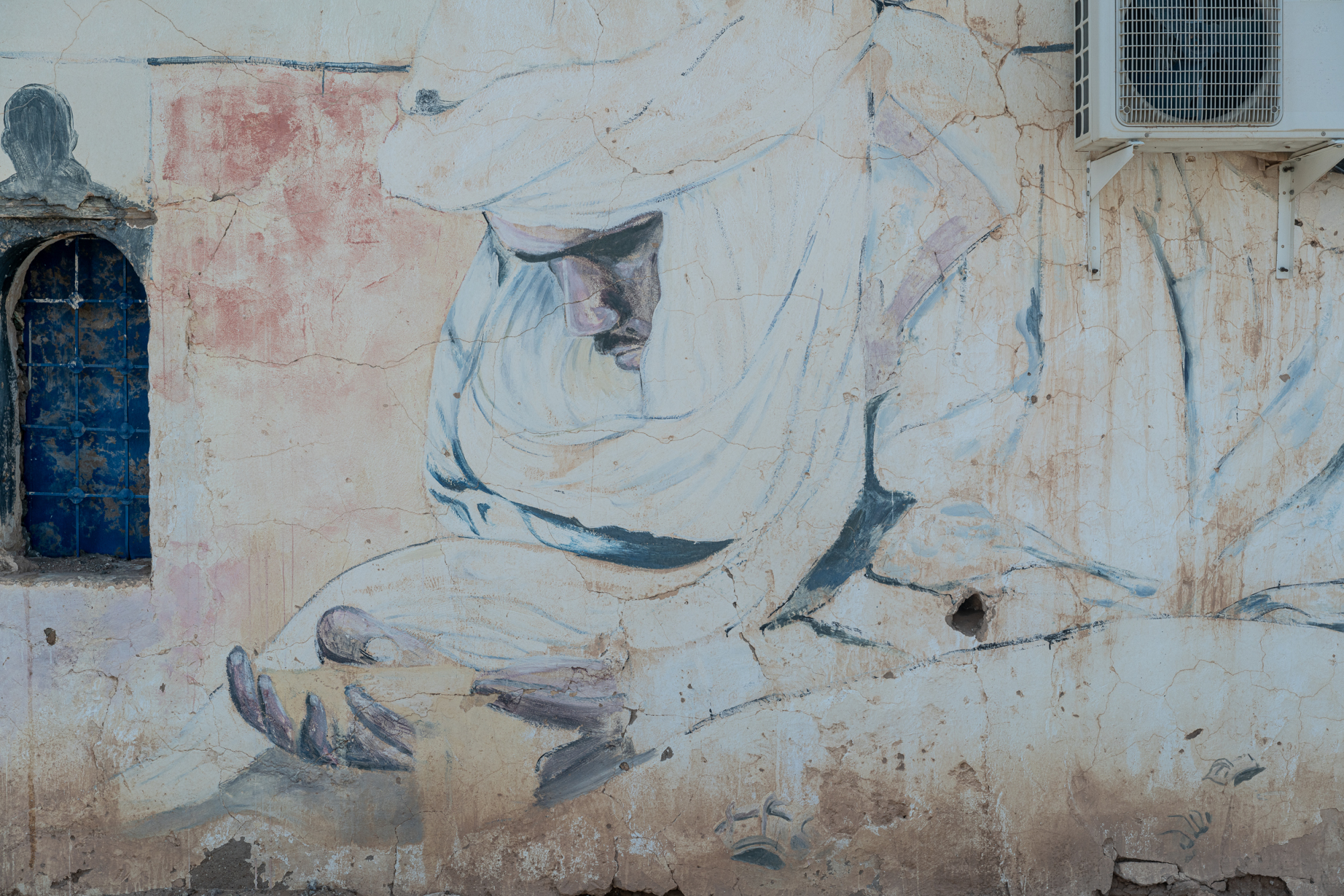
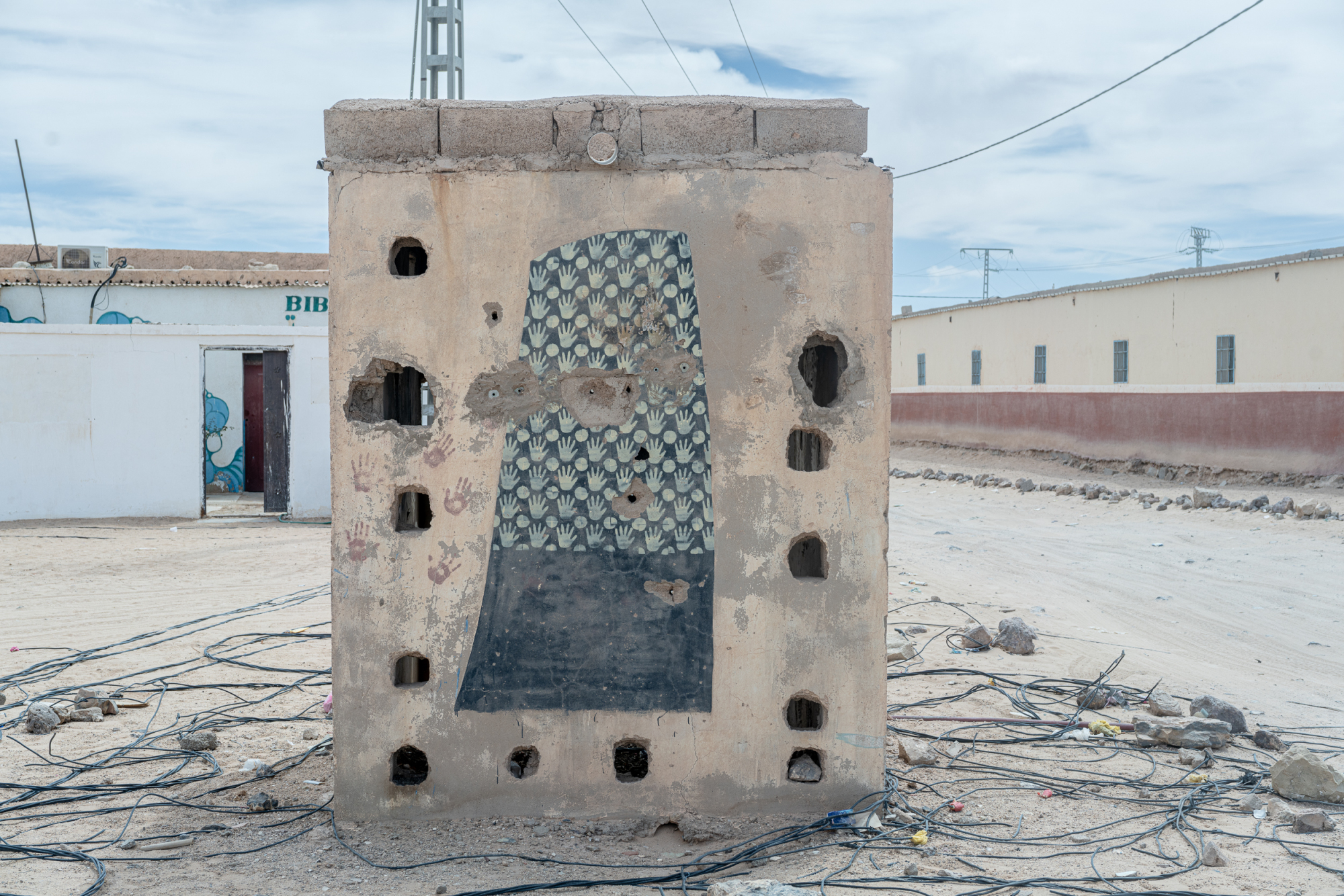
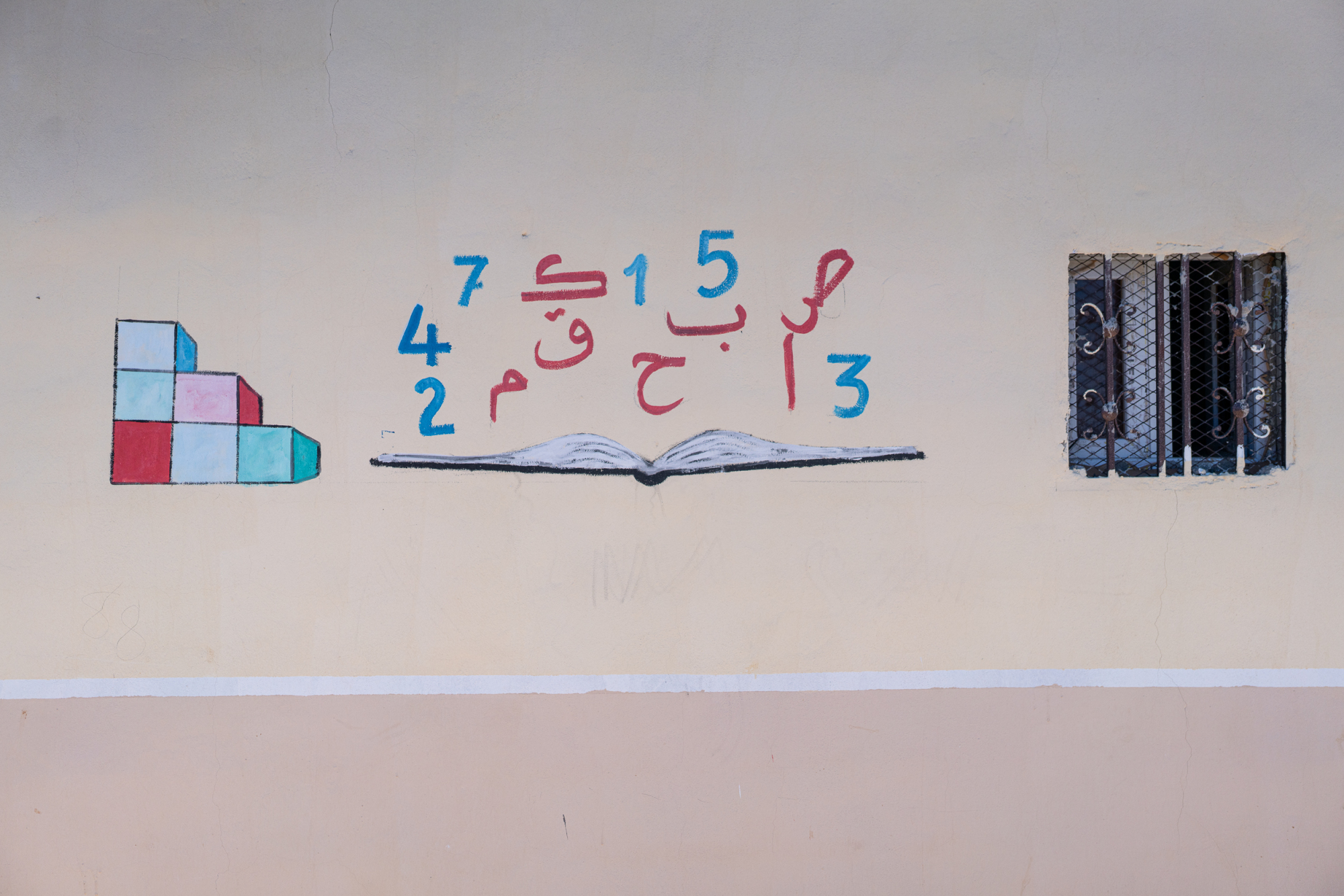
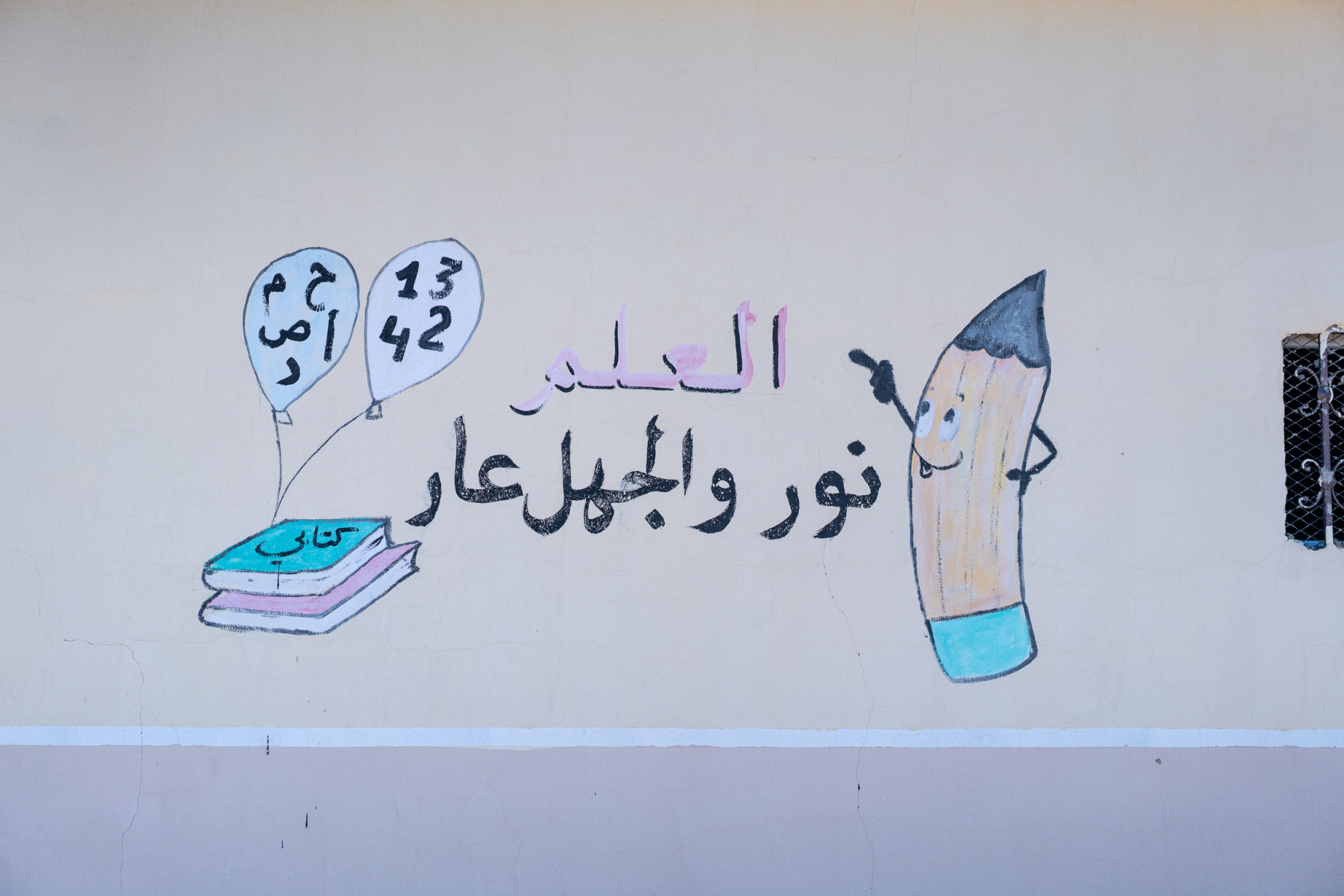
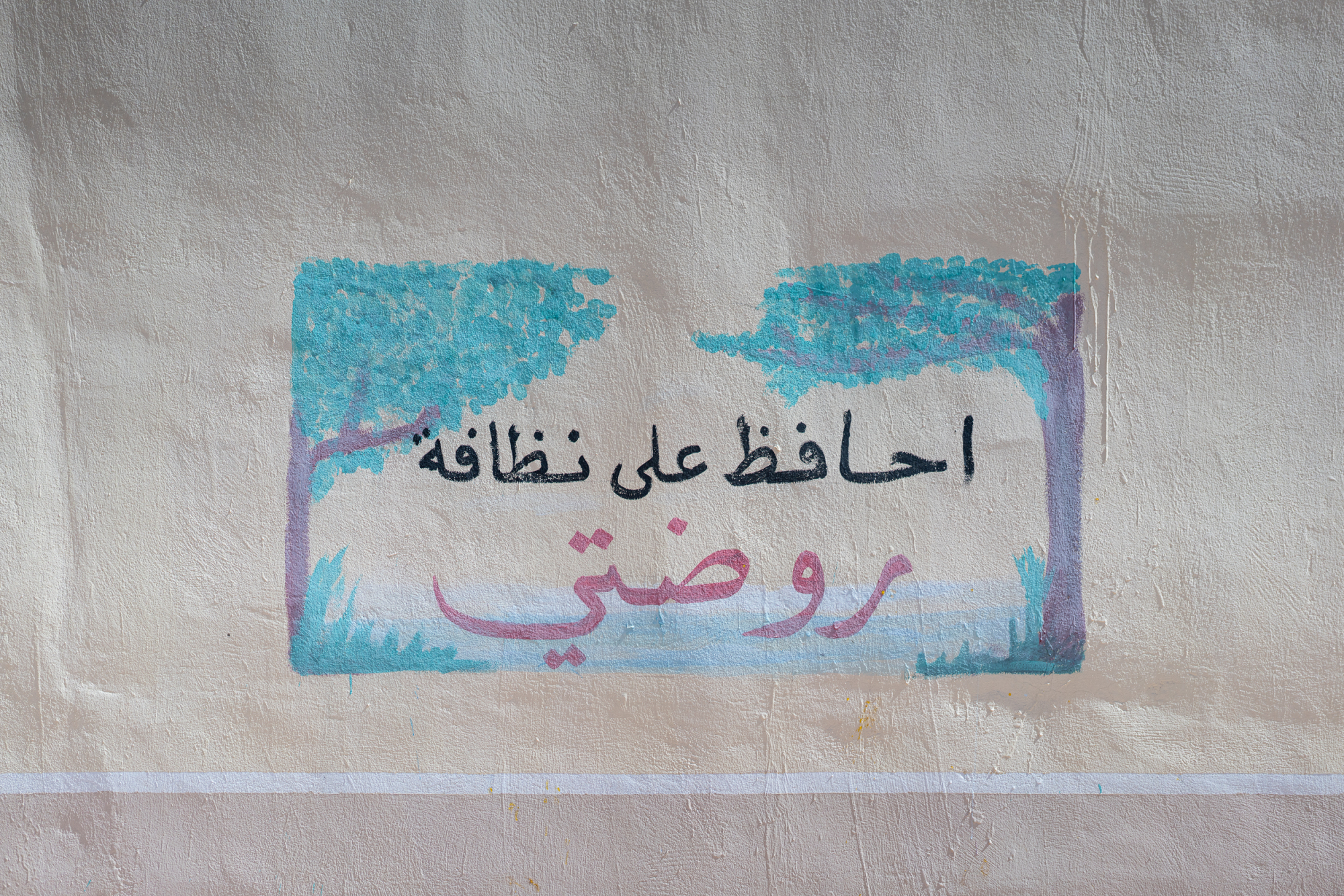
Schools
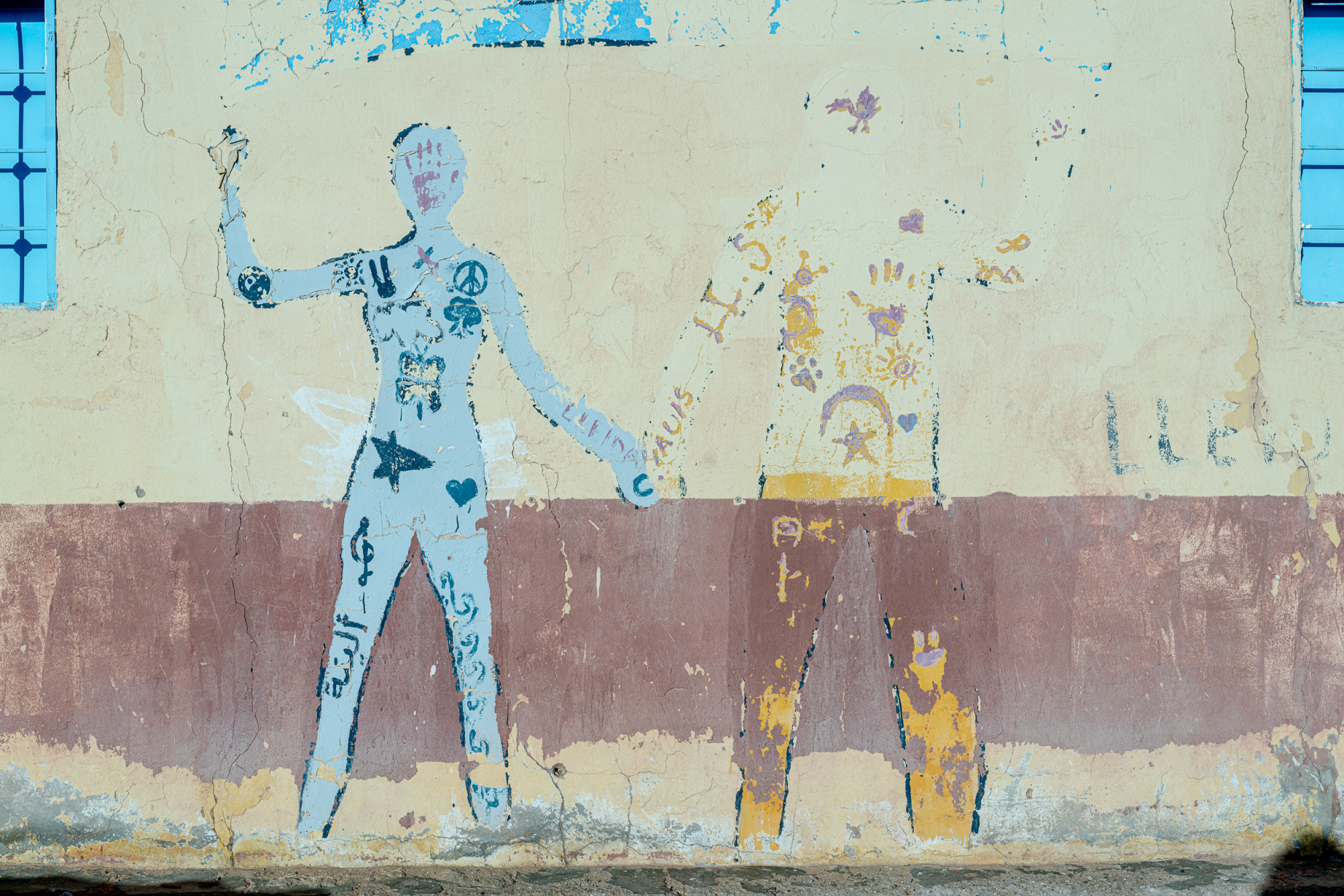
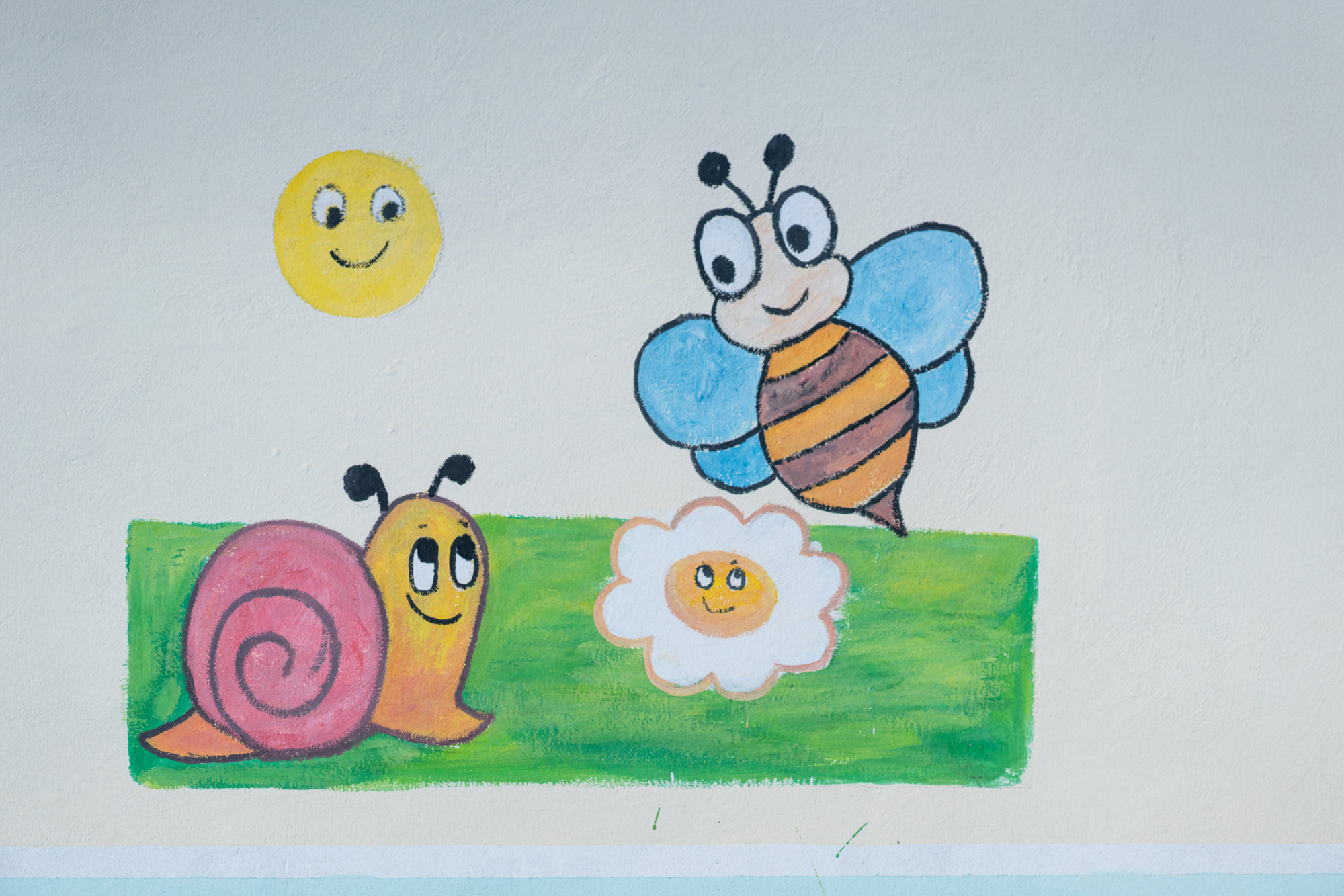
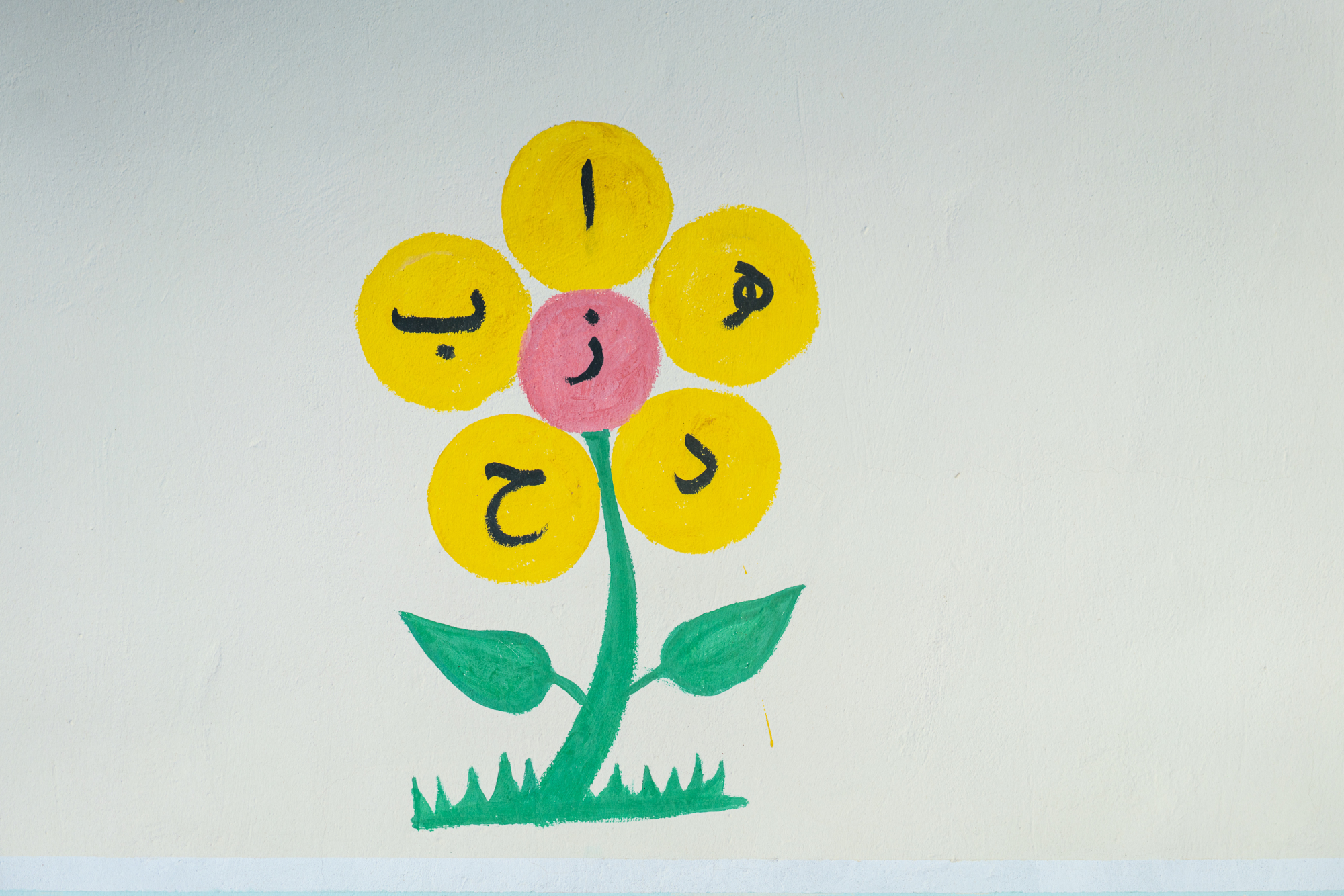
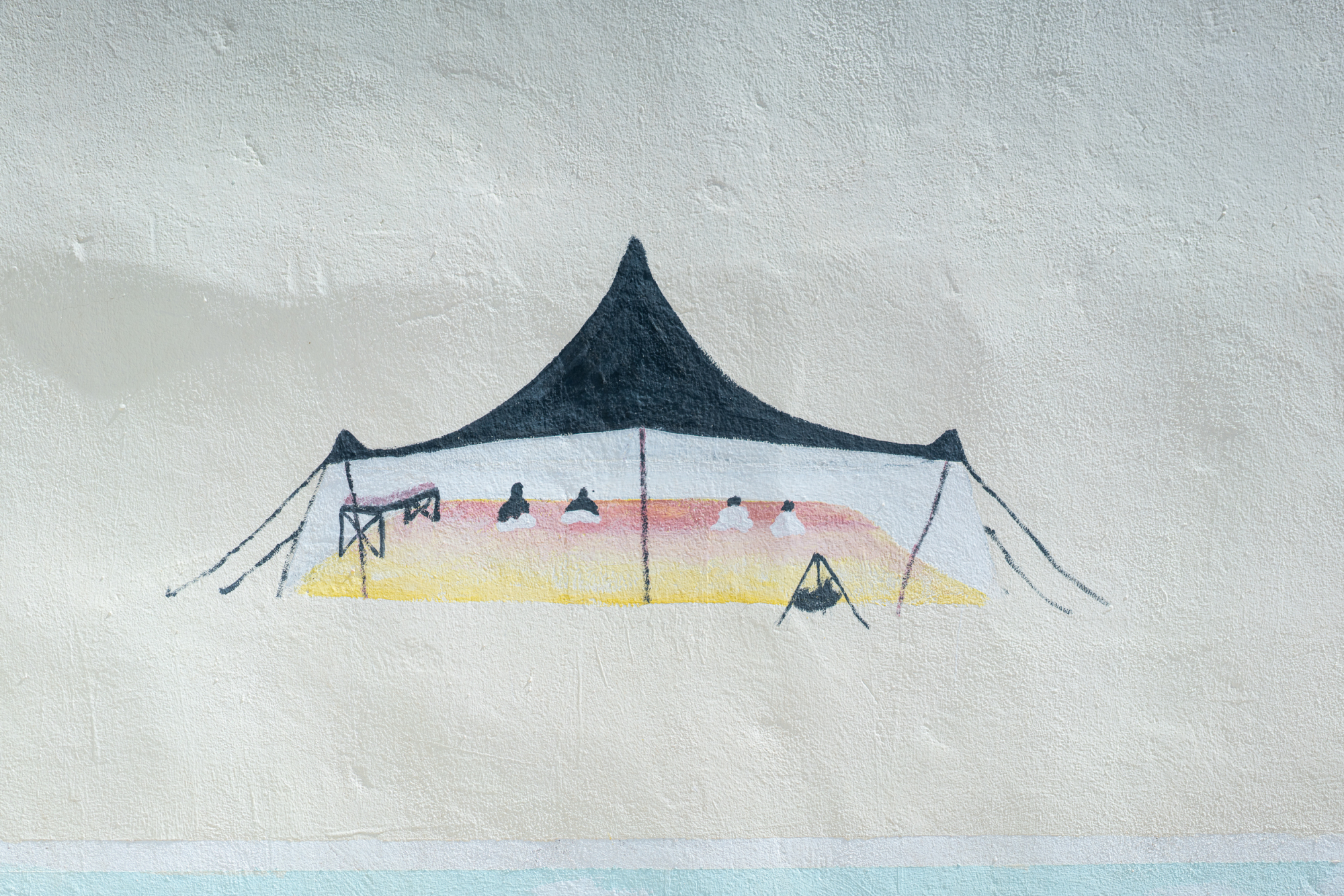
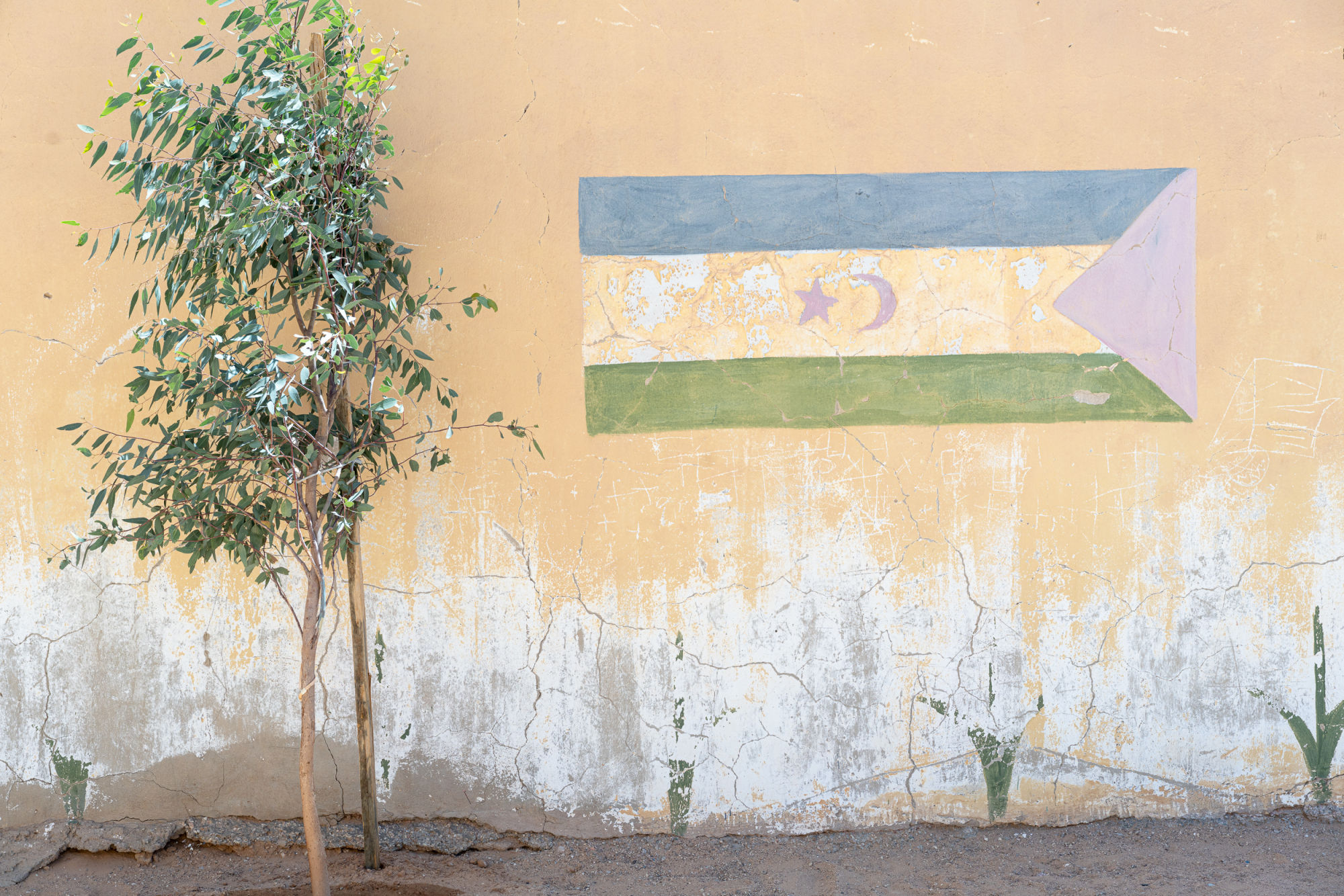
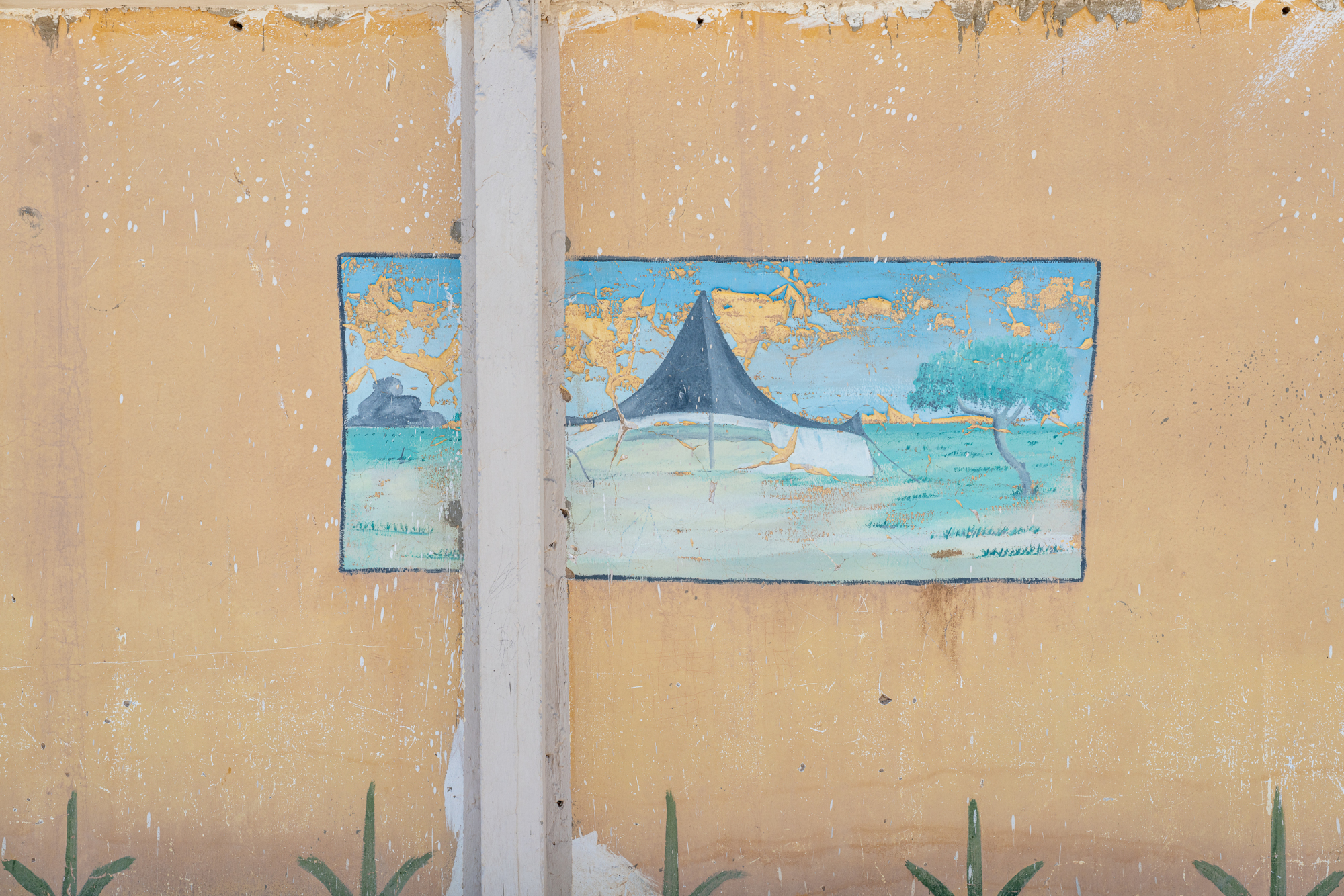
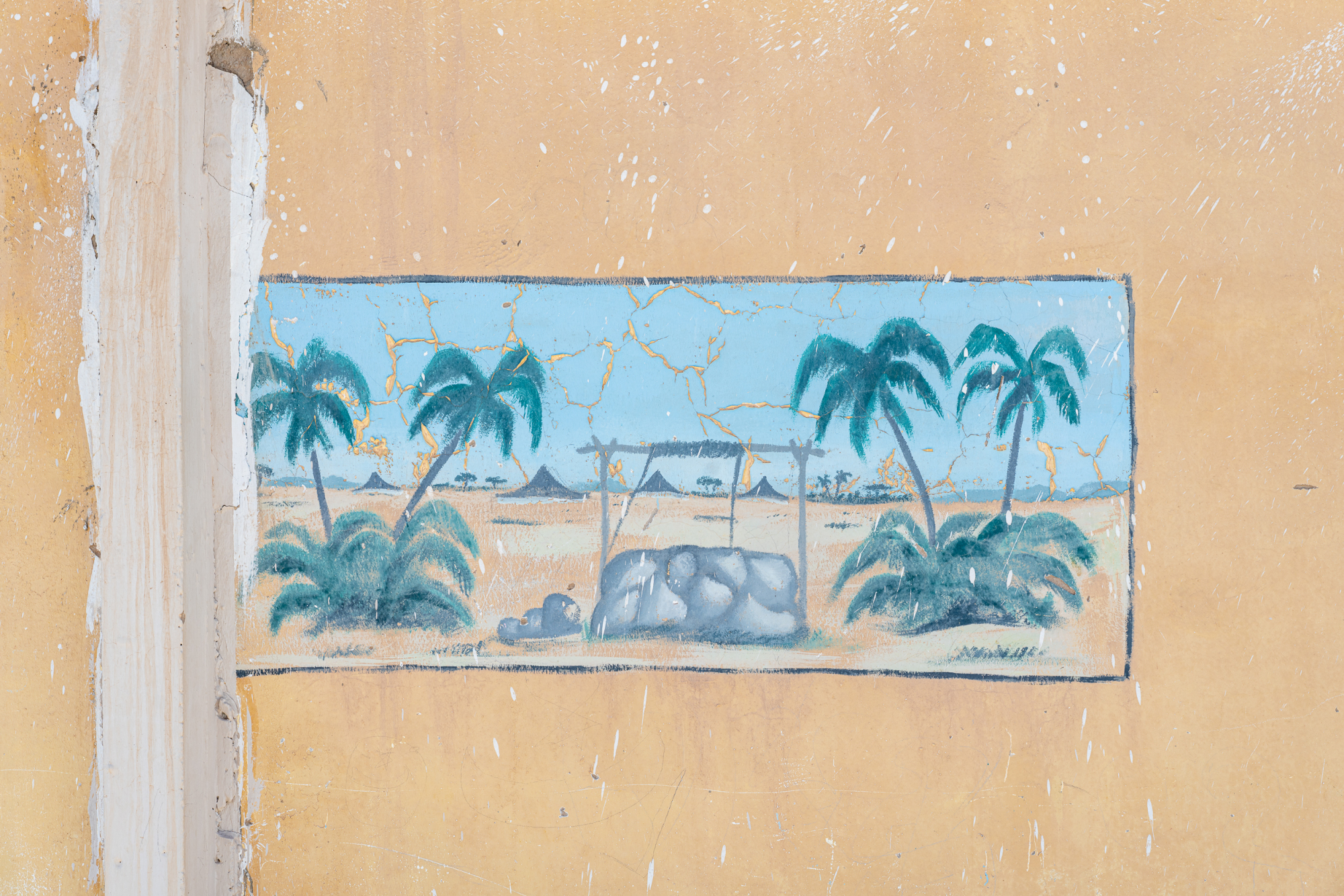
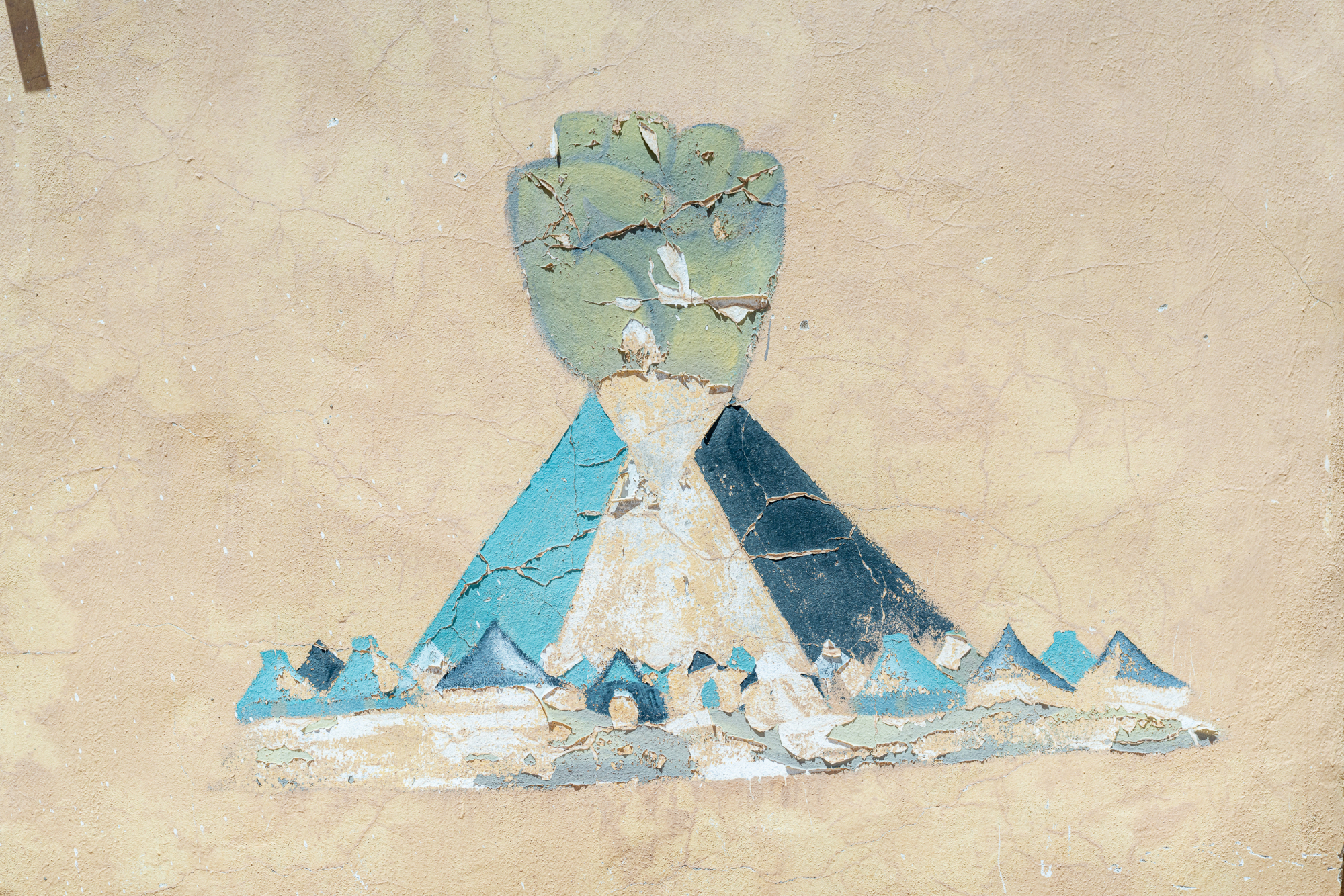
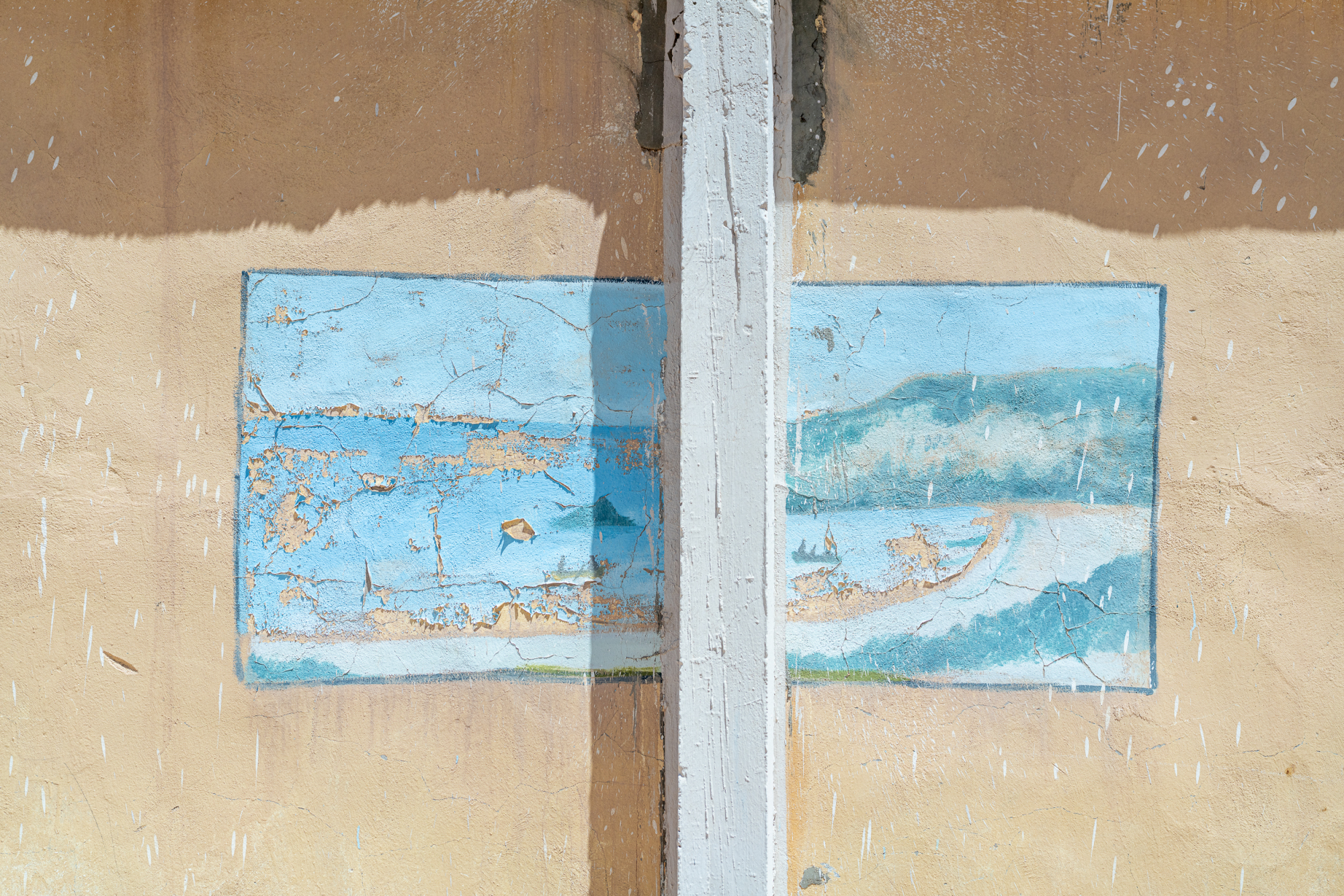
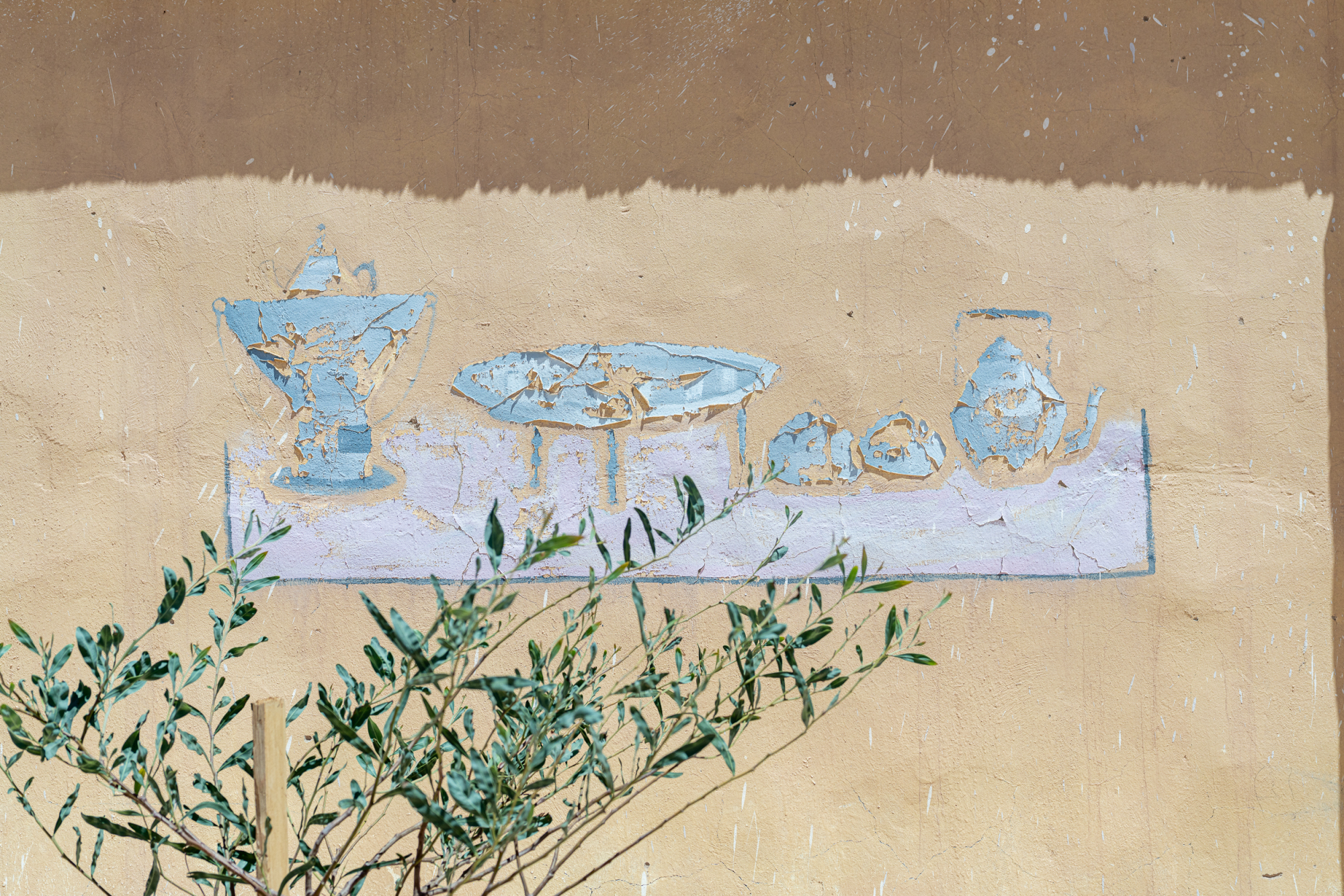
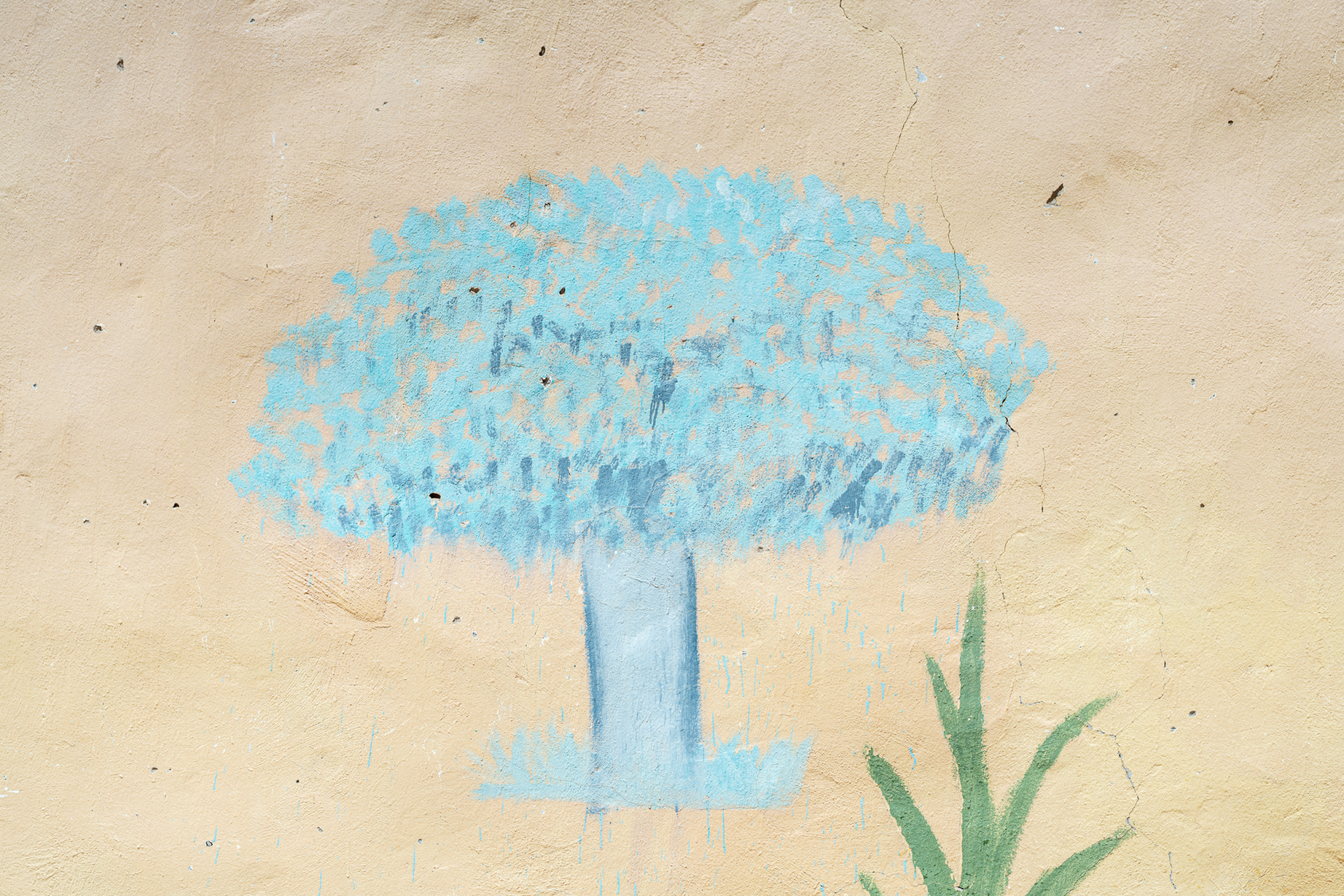
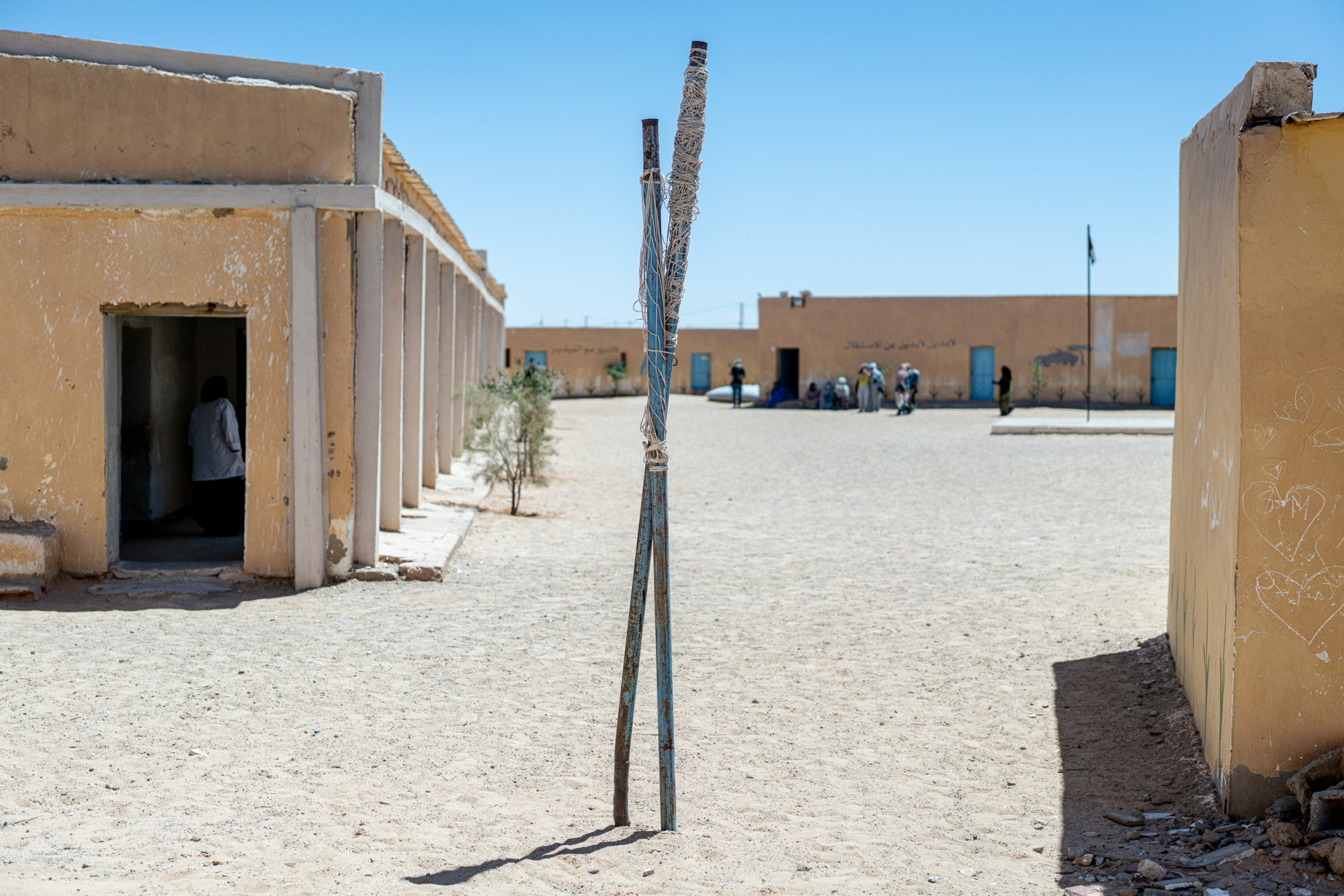
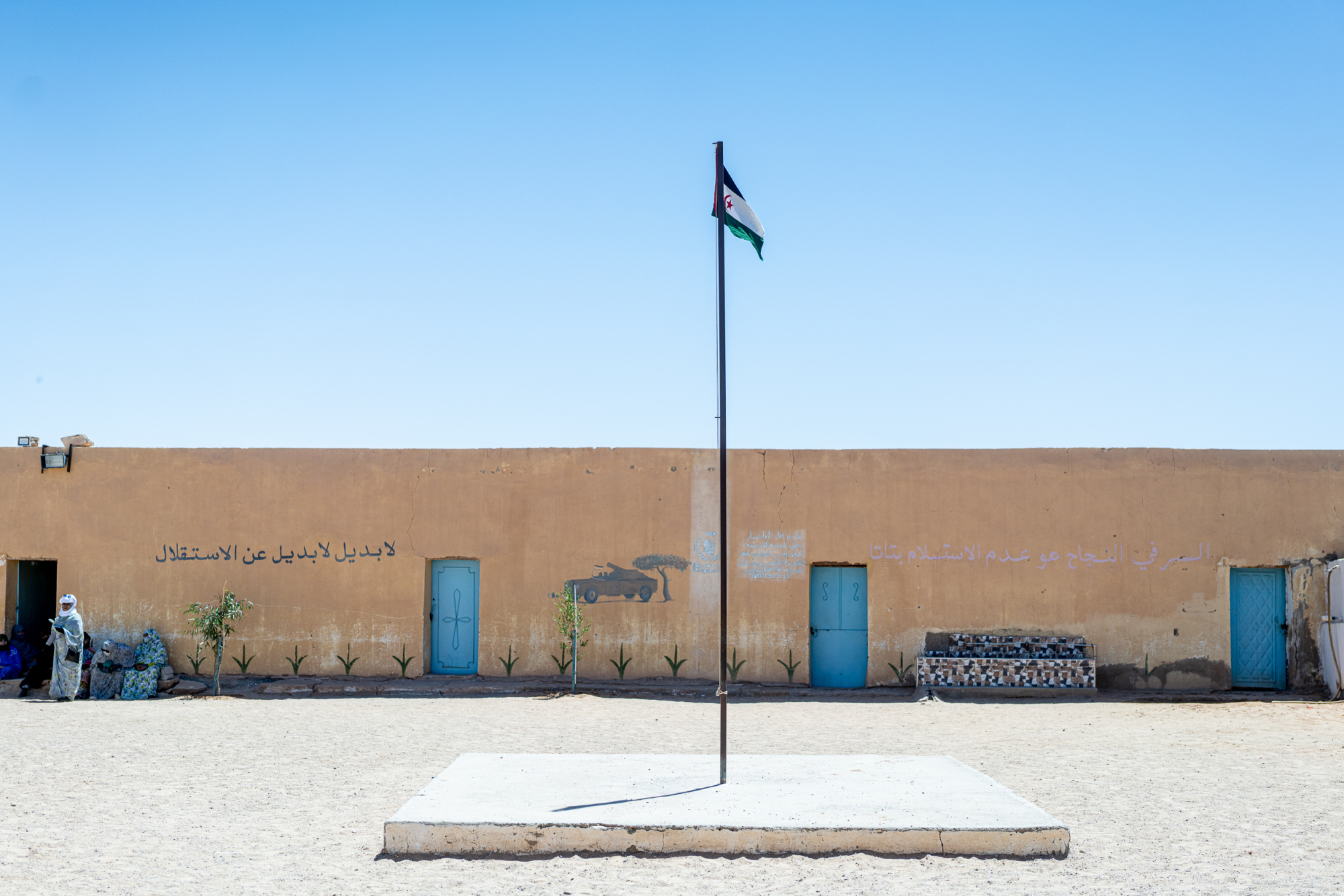
The schools incorporate cultural memory by making art on the walls. Here the symbolism of the Sahrawi tea ceremony, the complex role of the khaima ( traditional tent ), the role of wells/water, historically significant culturally suppressive events such as Gdeim Izik are all drawn upon walls as a perpetual reflection and reminder of both their struggle and the indelible but fragile richness of their society.
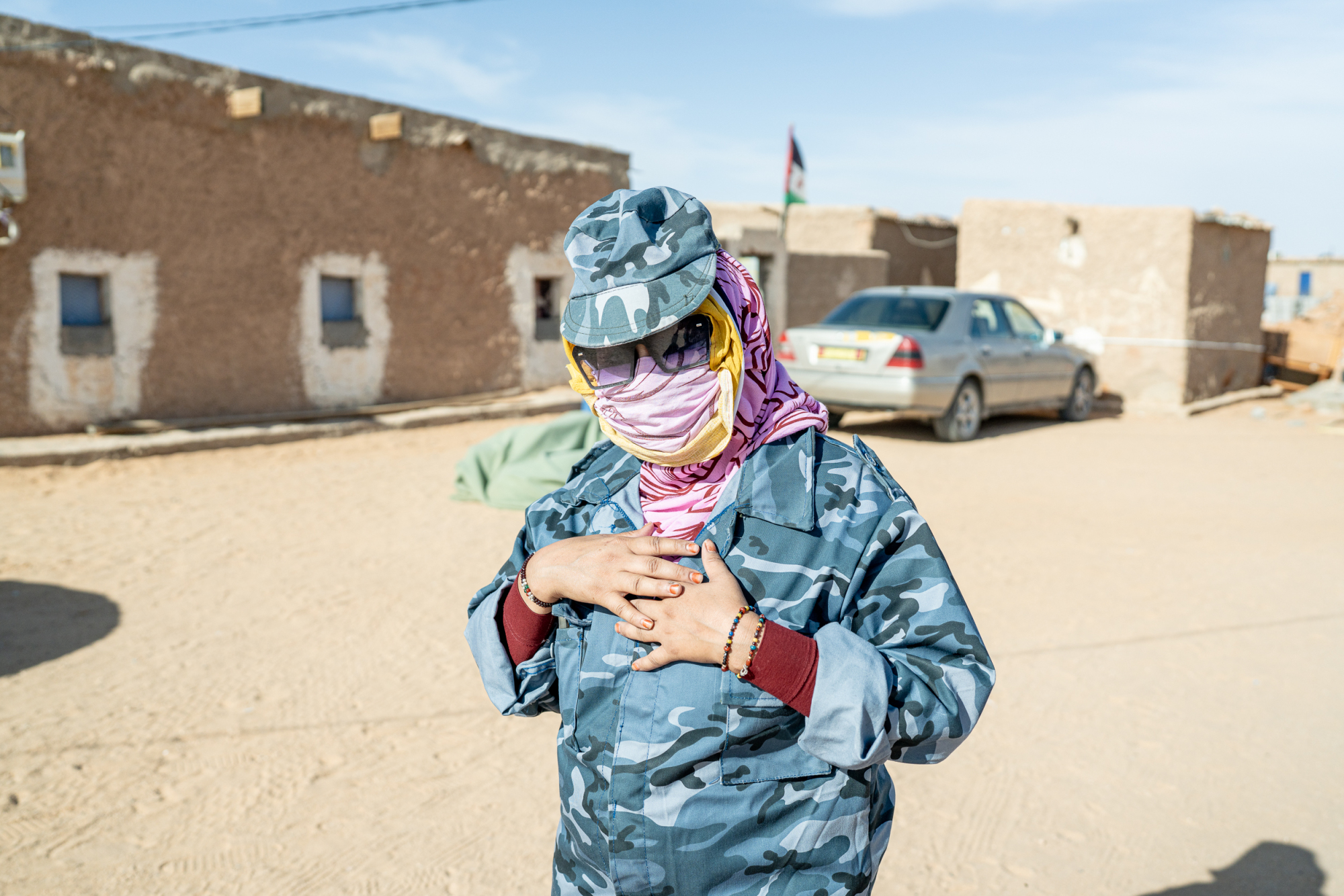
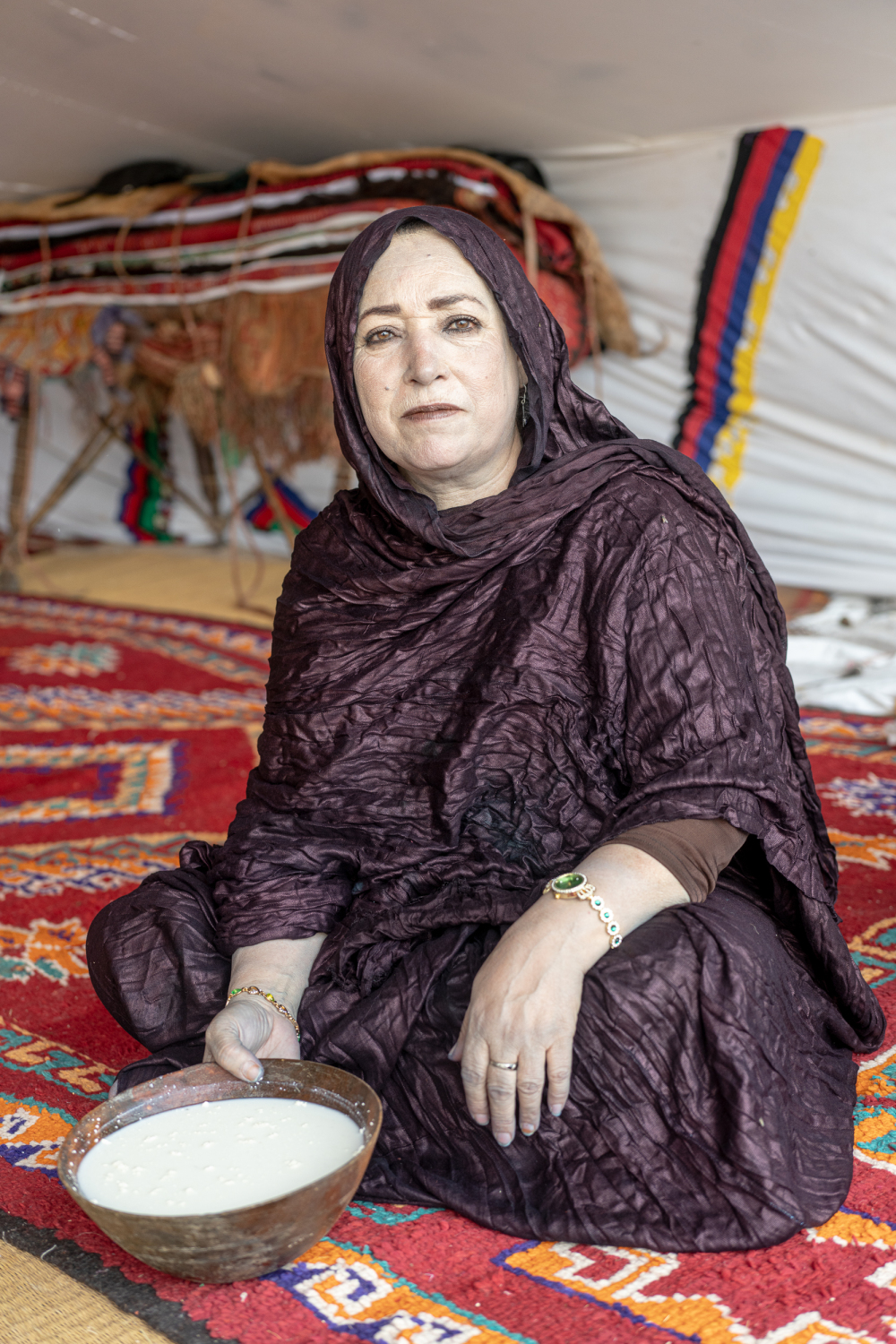
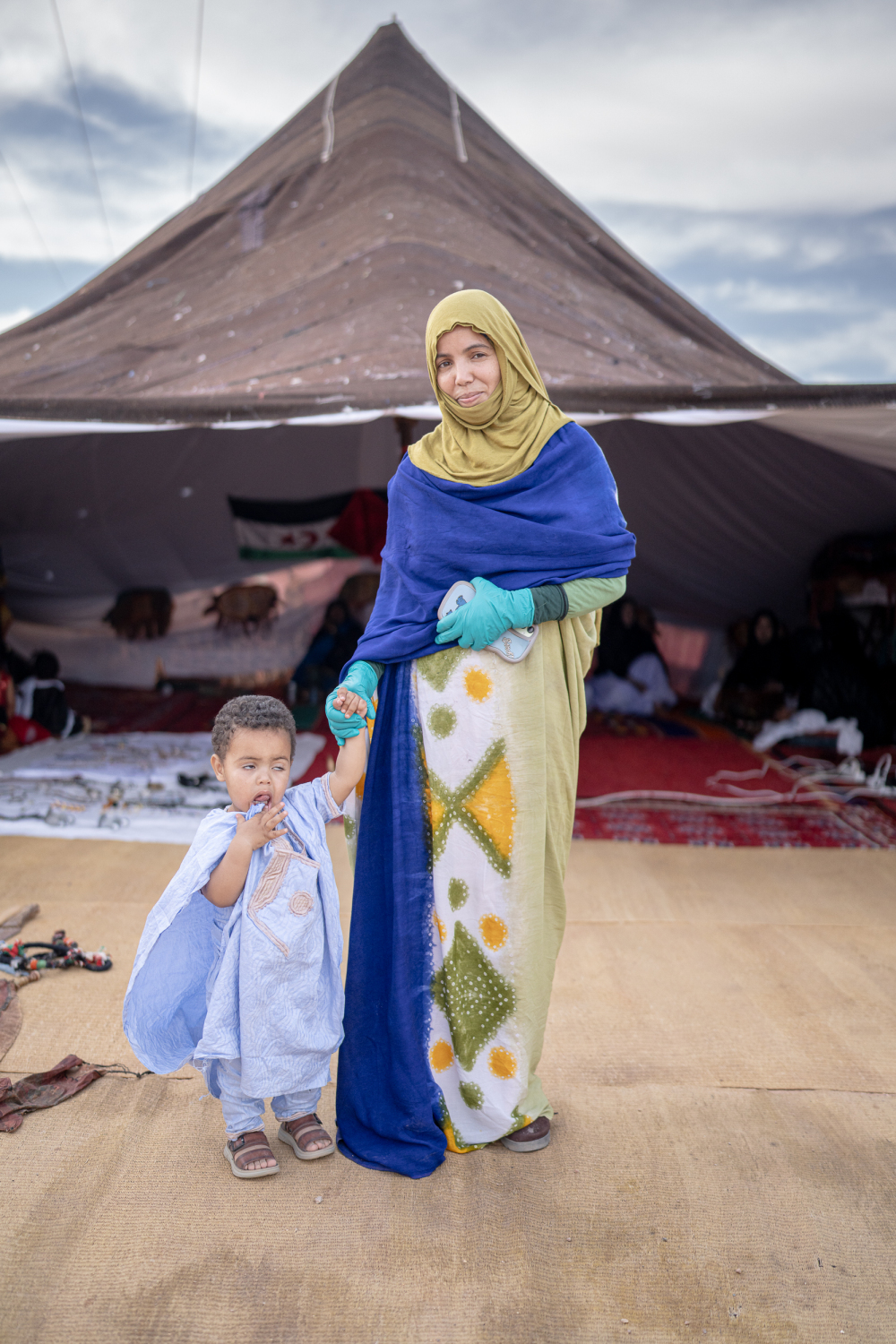
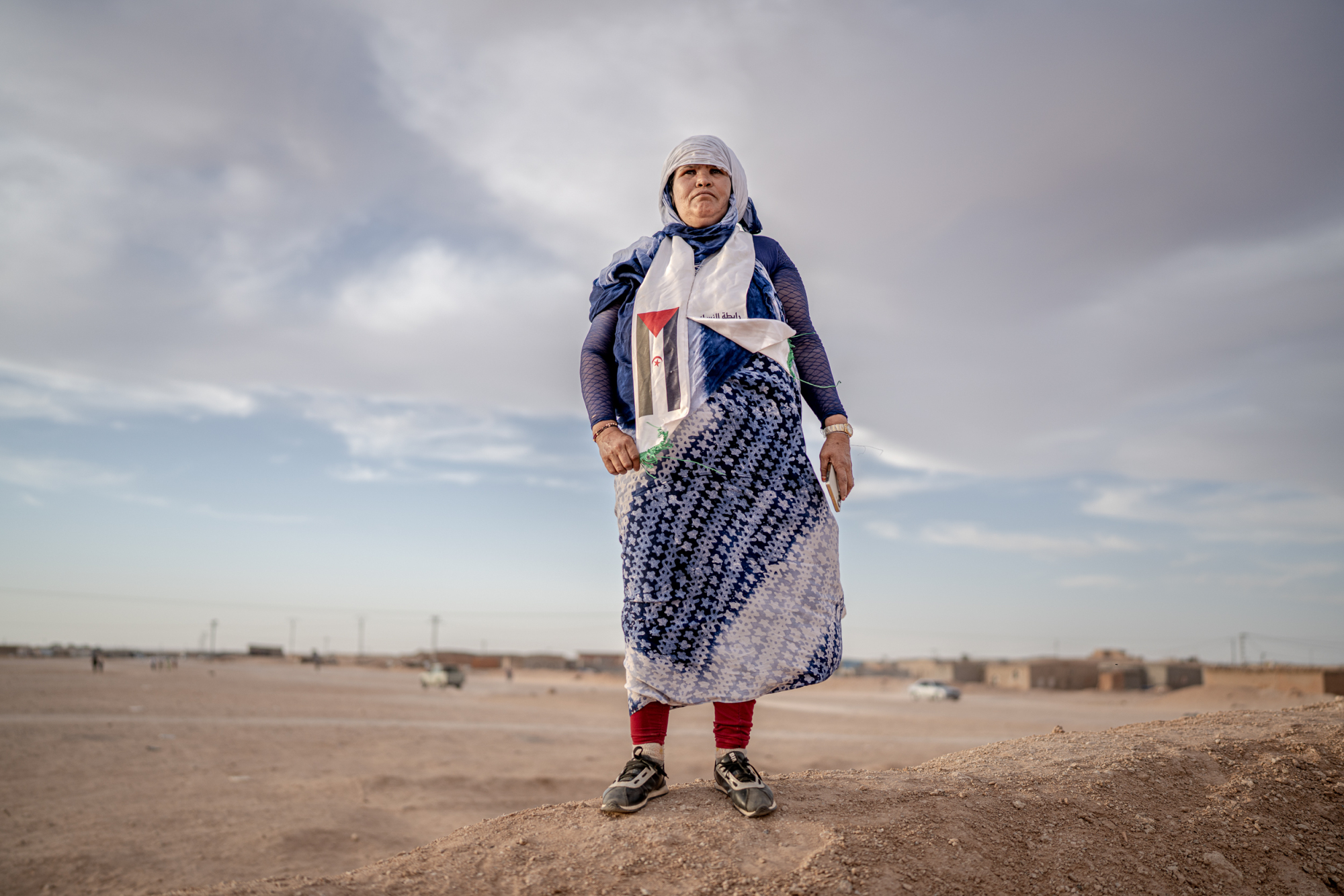
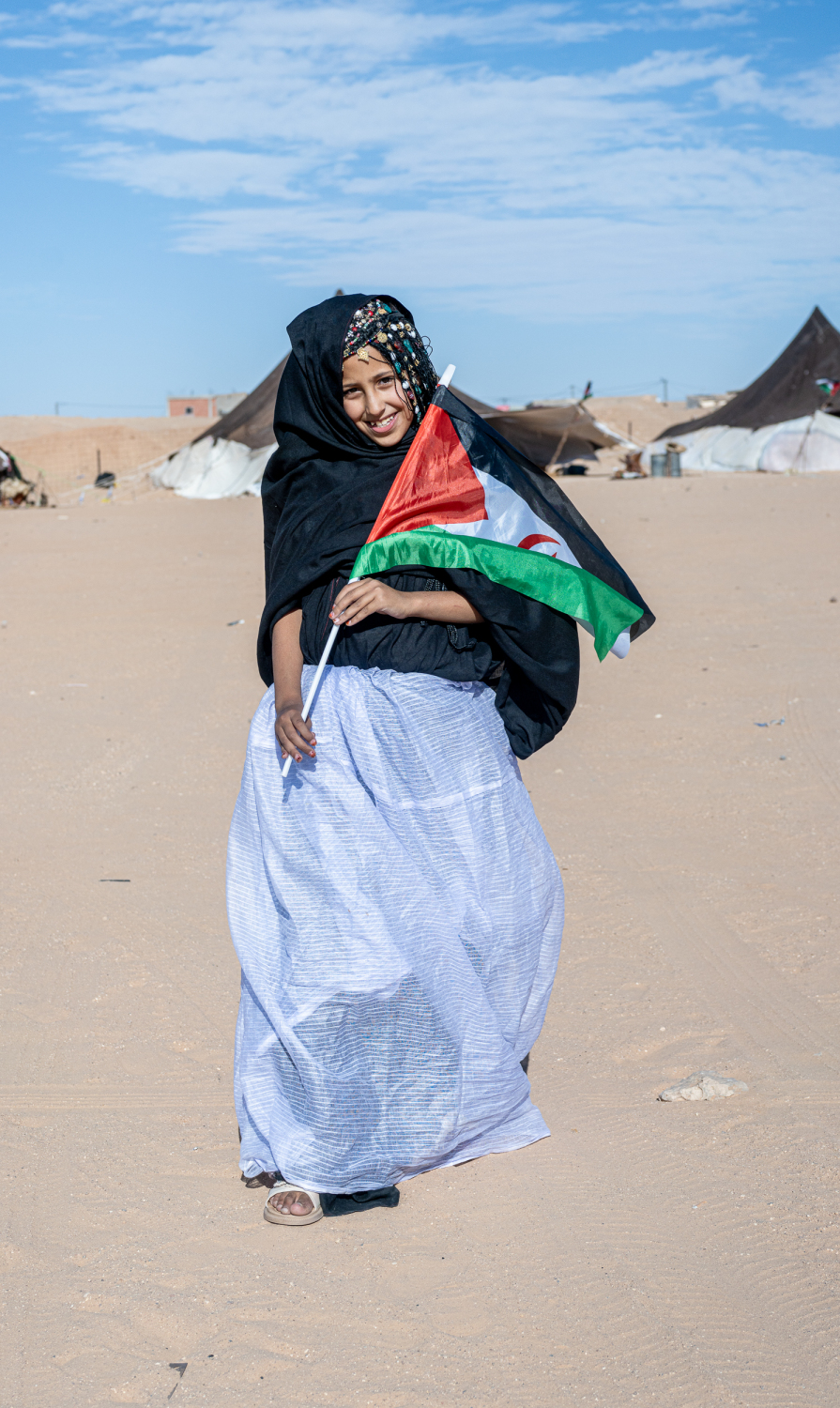
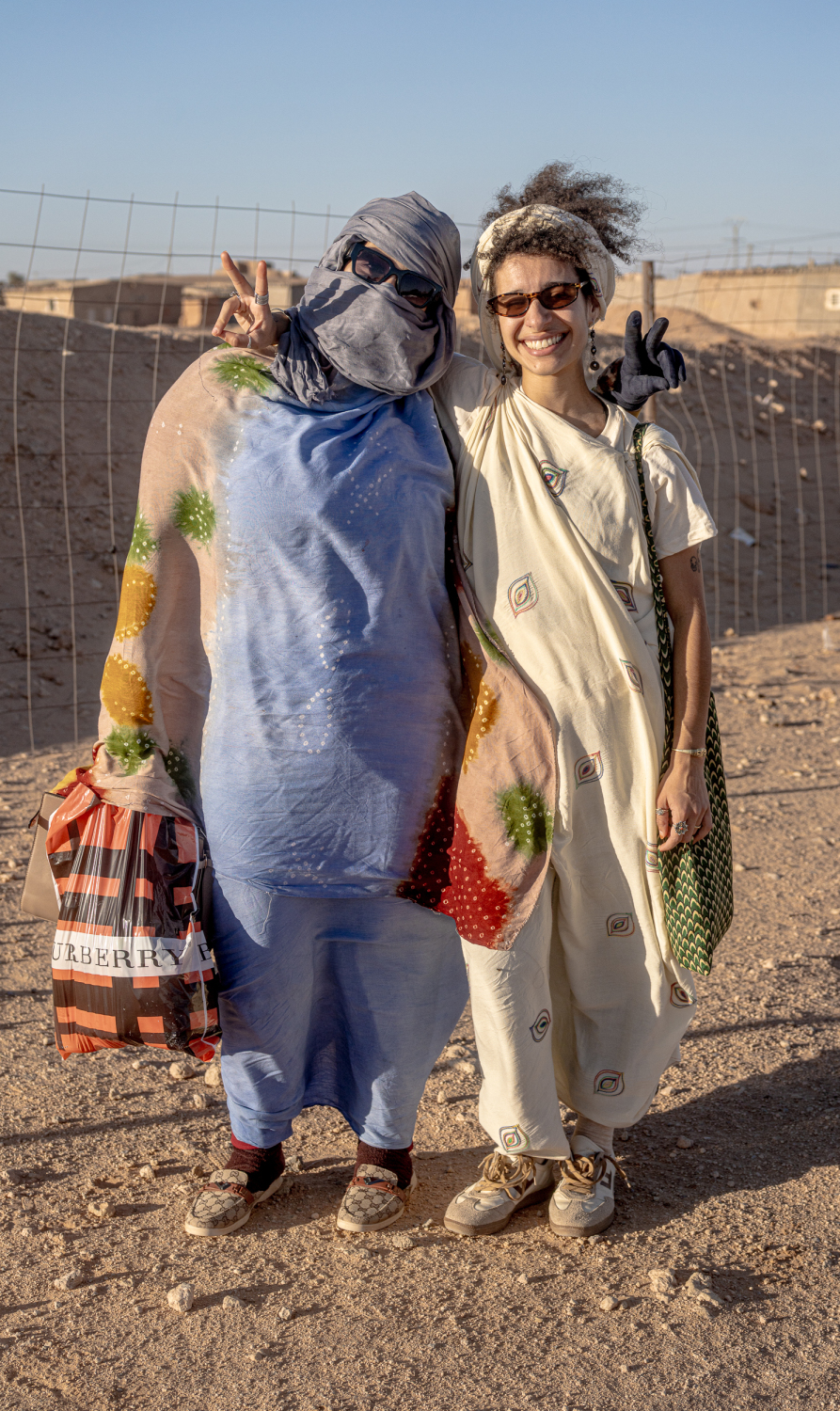
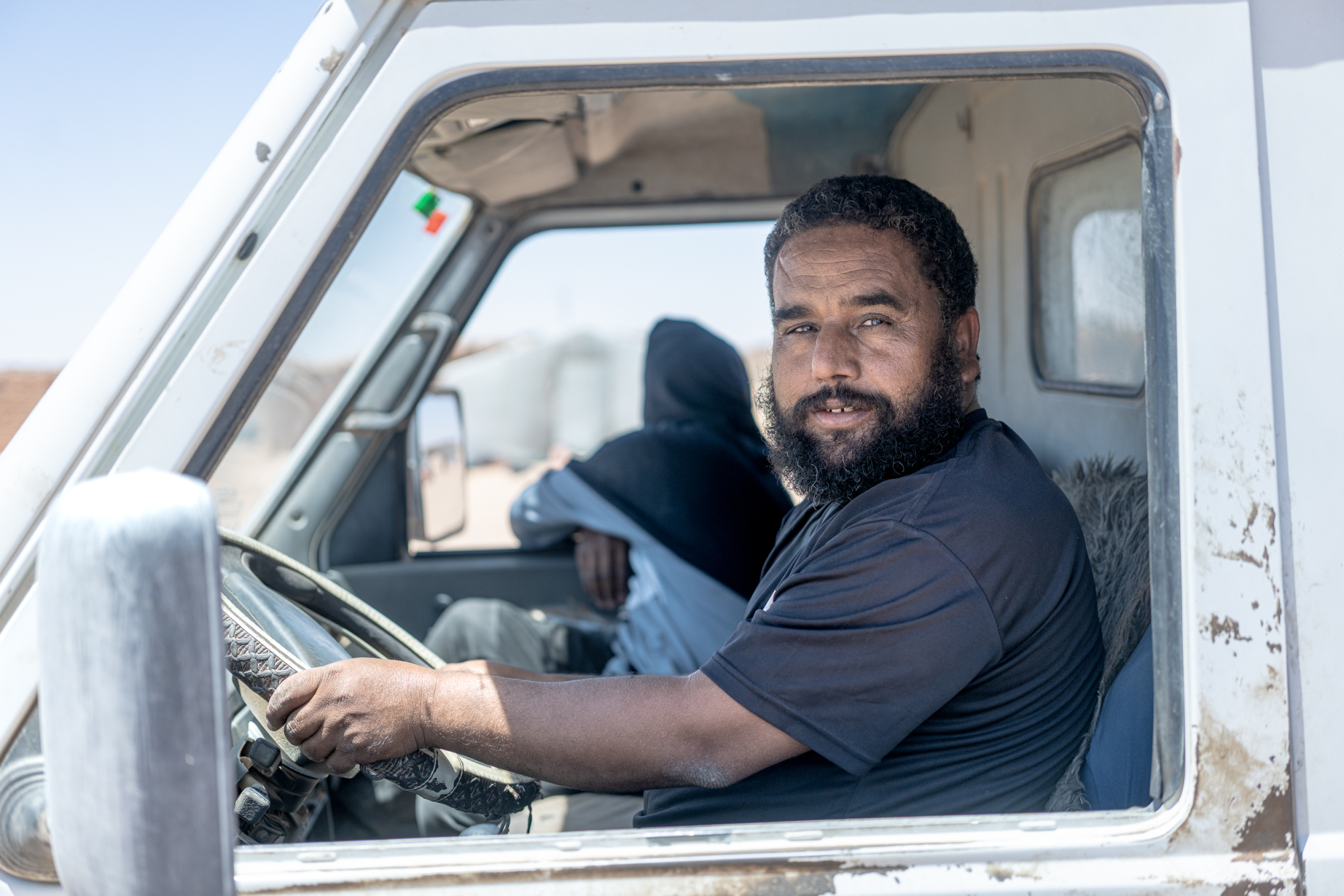
Portraits
In the desert, water is survival. In protracted exile, it is also dignity
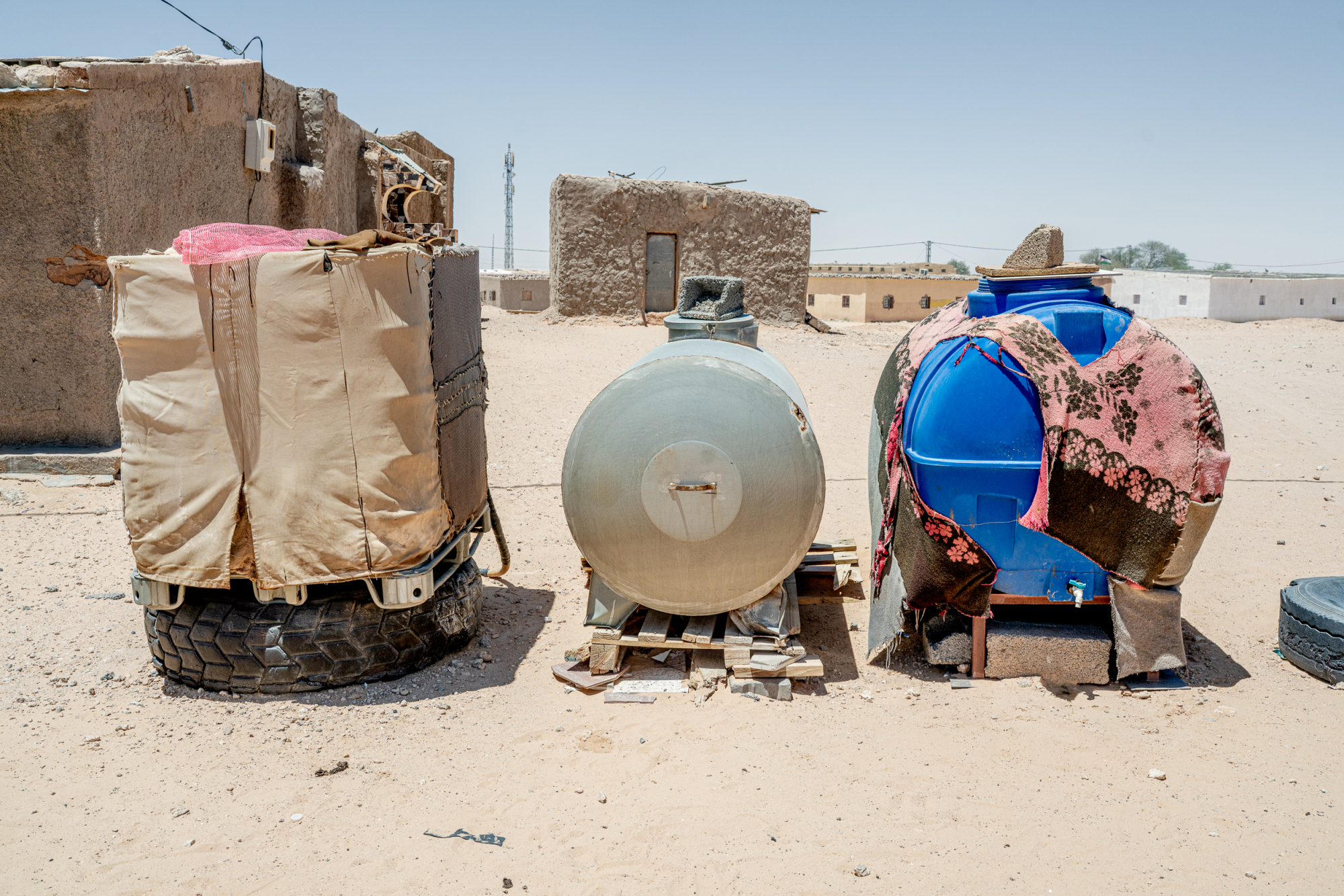
Here are 70+ images depicting a method of water storage found outside virtually every dwelling. They are officially called ‘cisterns’ and appear like water mattresses, some protected or decorated with fabrics, other left as plastic/rubber under the desert sun.
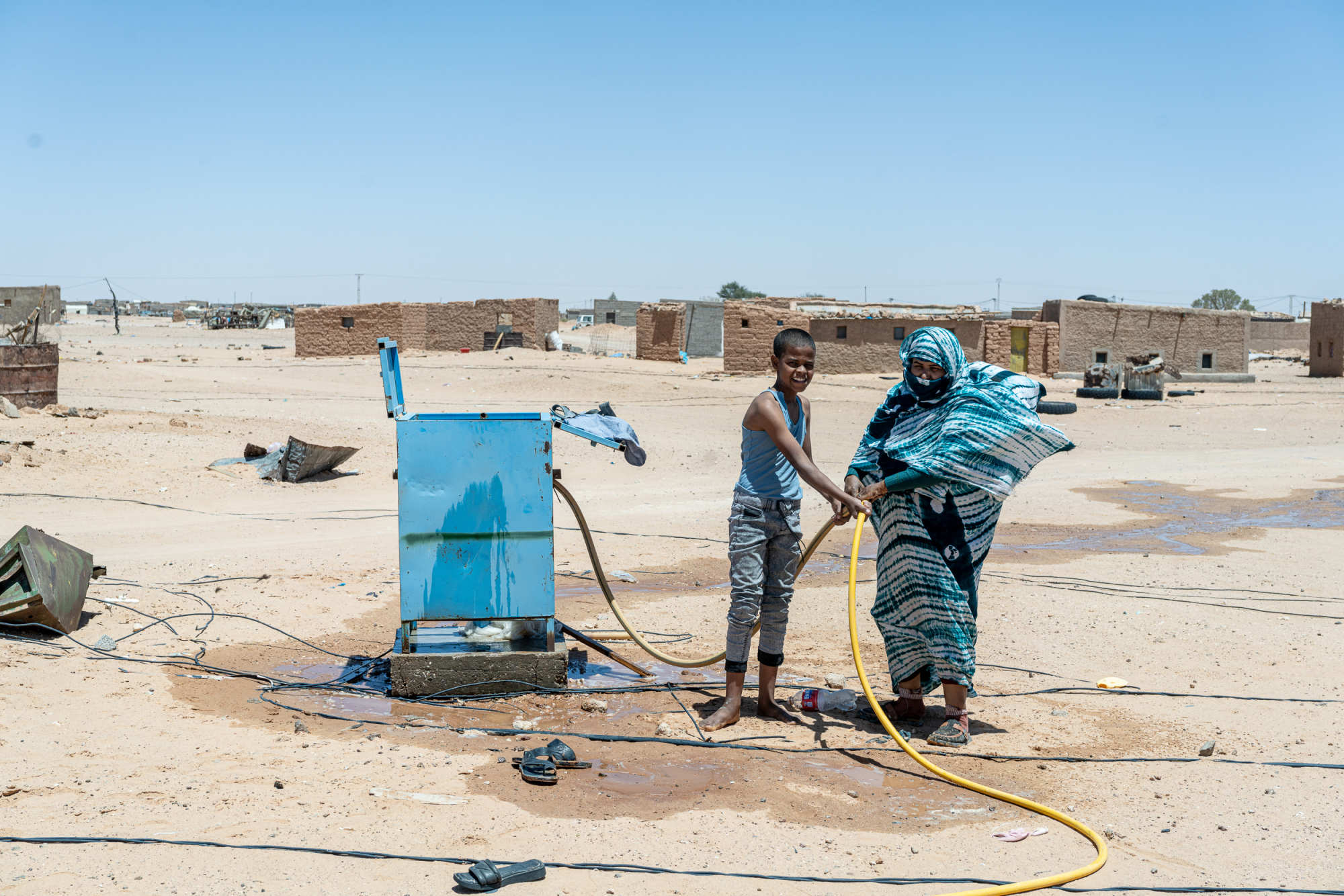
Water is a huge issue to the Sahrawi refugee camps.
‘The drinking water supply system is itself divided in three zones which pump groundwater from different deep aquifers. It is equipped with reverse osmosis plants and chlorination systems for treating water. The allocation of water supplied to the Saharawi refugees for human consumption in 2016 has been estimated at between 14 and 17 L/person/day on average. This supplied water volume is below recommended standards, and also below the strategic objective of the Sahrawi government (20 L/person/day).’
Initially, in 1975, the water supply adopted involved an emergency approach, in that a rapid return to Western Sahara was envisaged for the population. This consisted of manually dug wells with an uptake of shallow groundwater, located in the vicinity of homes, plus superficial ponds dug in Laayoune and Dakhla.
In 1994, heavy rains caused significant floods that led to an epidemic of cholera in Laayoune due to the lack of a sanitation system. This forced the closure of family wells, and a change in the approach to water management (Vivar et al., 2016).
Deep wells were drilled and pumped water was distributed by tanker trucks to the camps. Moreover, the start-up of chlorination systems and bacteriological monitoring was initiated. This supply system improved the safety of drinking water but decrease
the water allocation to 7 L/person/day, which is significantly below the standard of 15 L/person/day of drinking water for emergencies established by the WHO (2011a).In the late 1990s the refugee population increased, while a political solution to the conflict still seemed very far off. The Sahrawi authorities and the UNHCR decided to take steps to improve the water system, always bearing in mind that any type of infrastructure must be portable, in order to be transported to Western Sahara once the conflict was resolved.
https://ruc.udc.es/rest/api/core/bitstreams/eecb8ab5-1d9c-484c-8d5b-5ed41e97def5/content
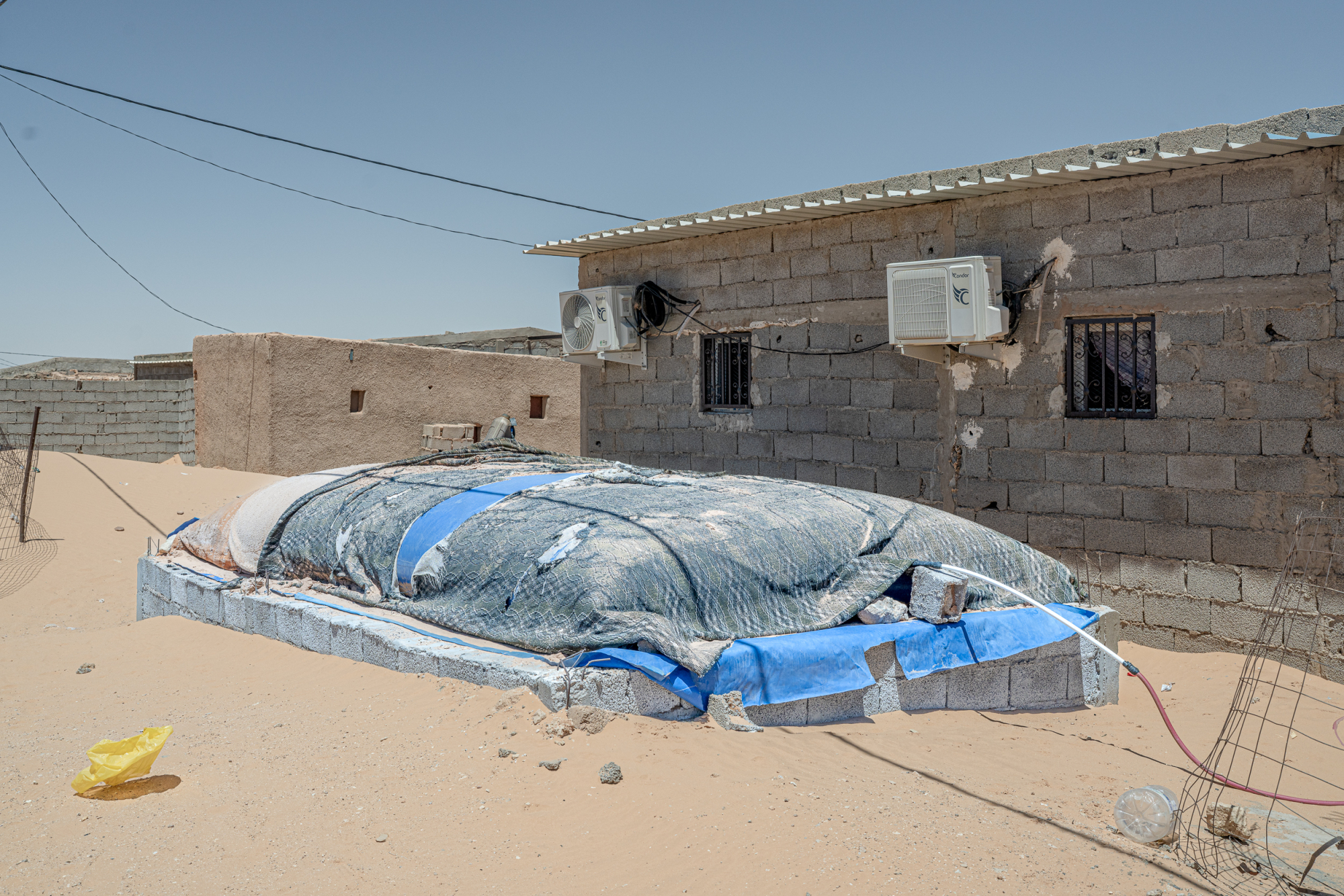
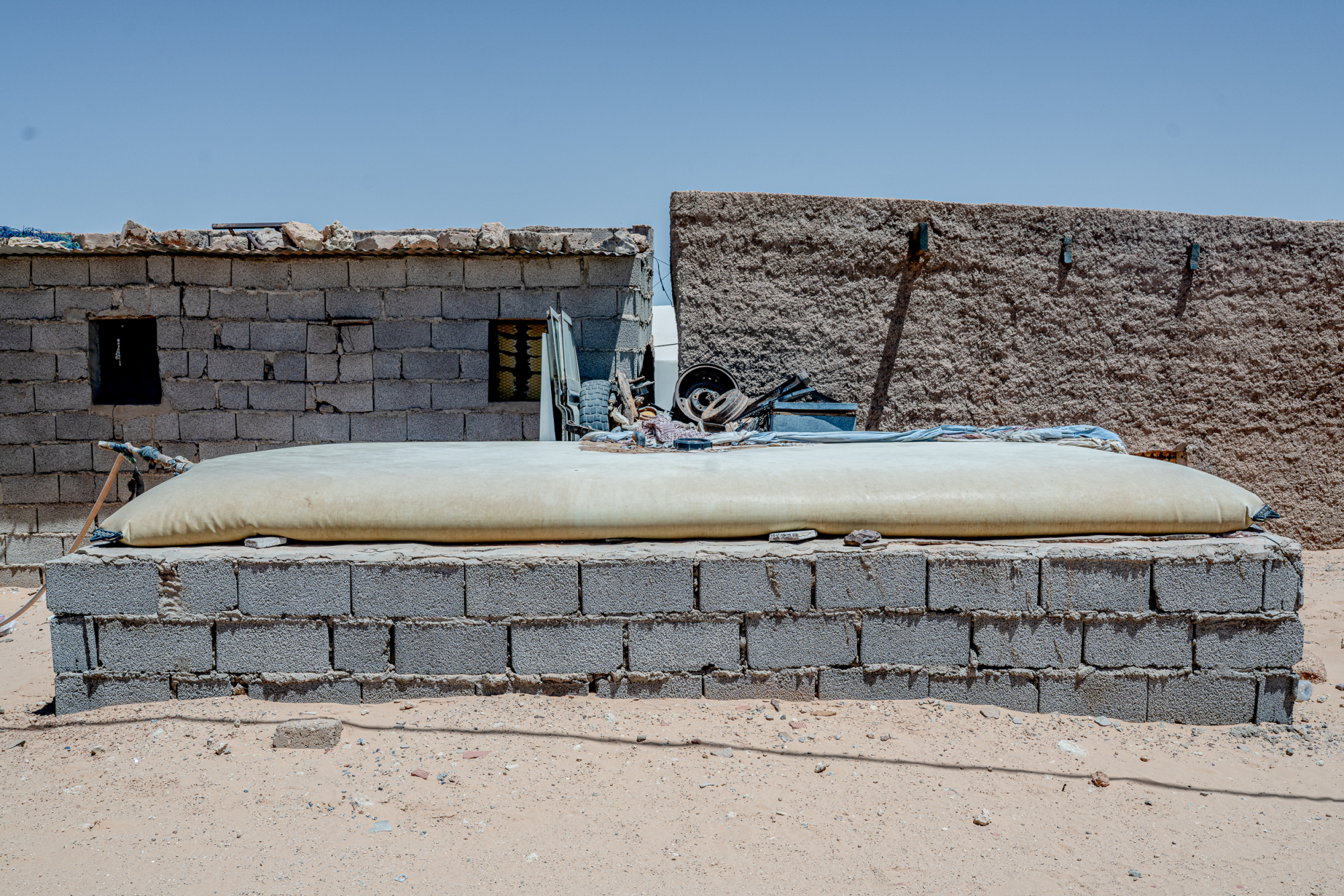
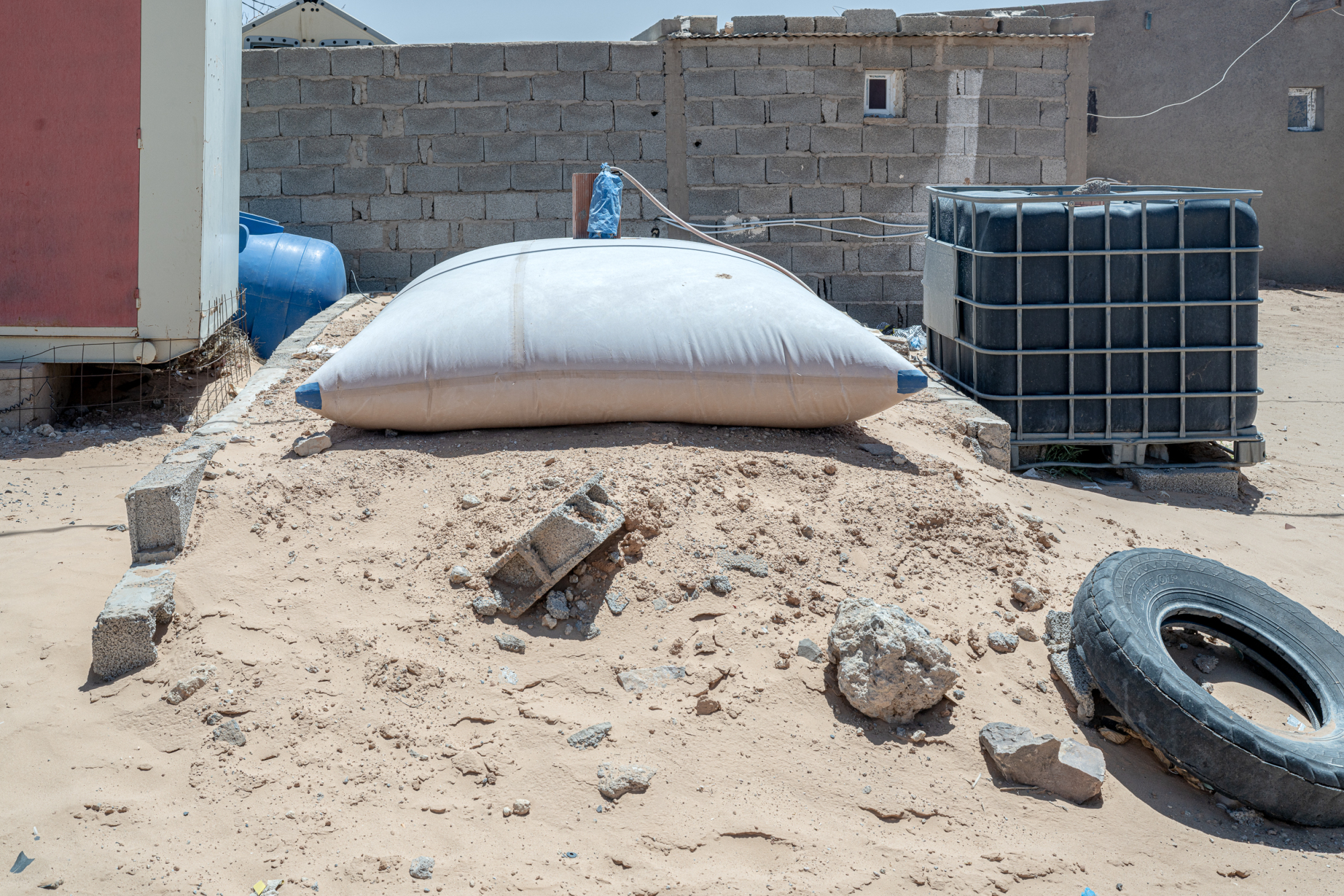
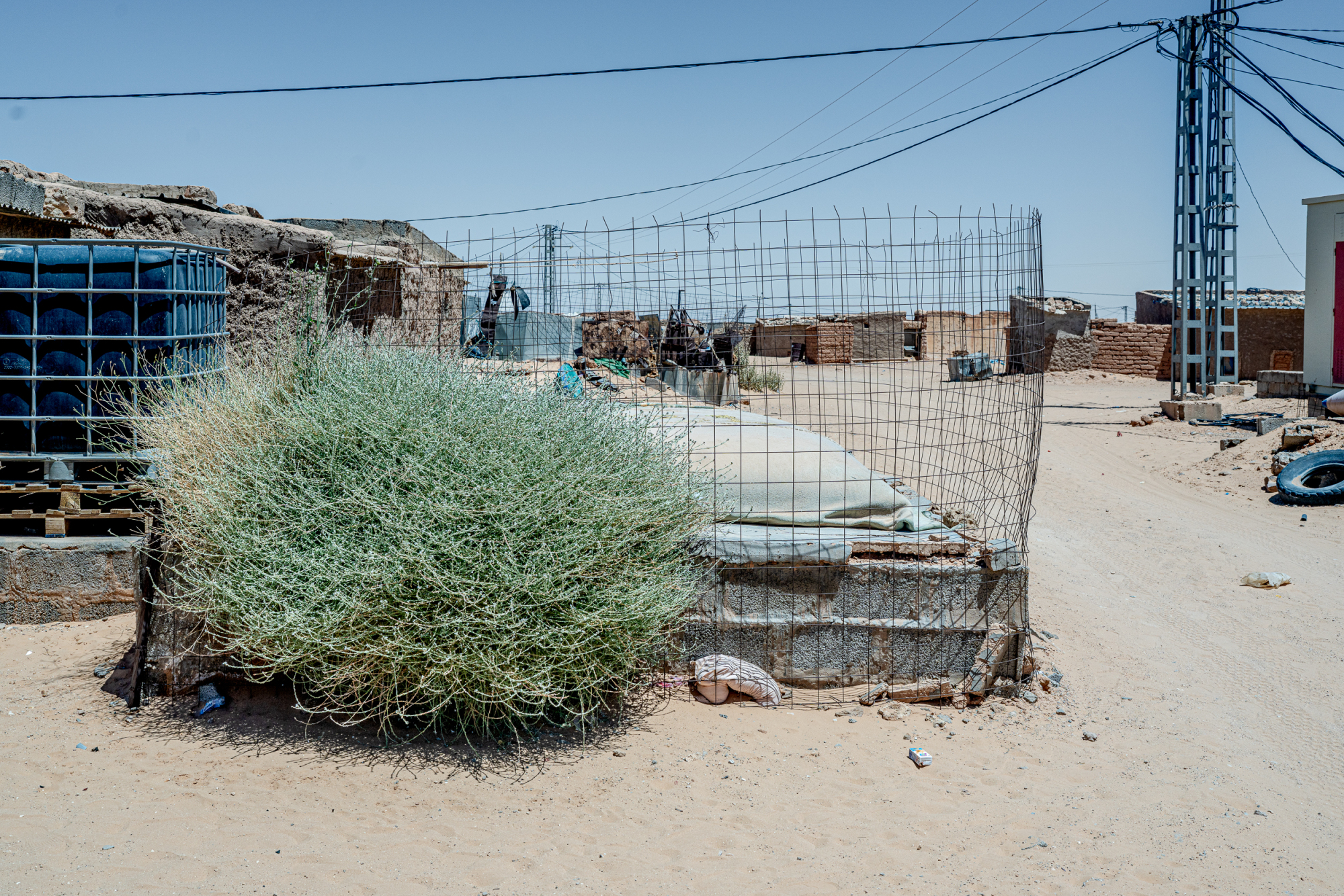
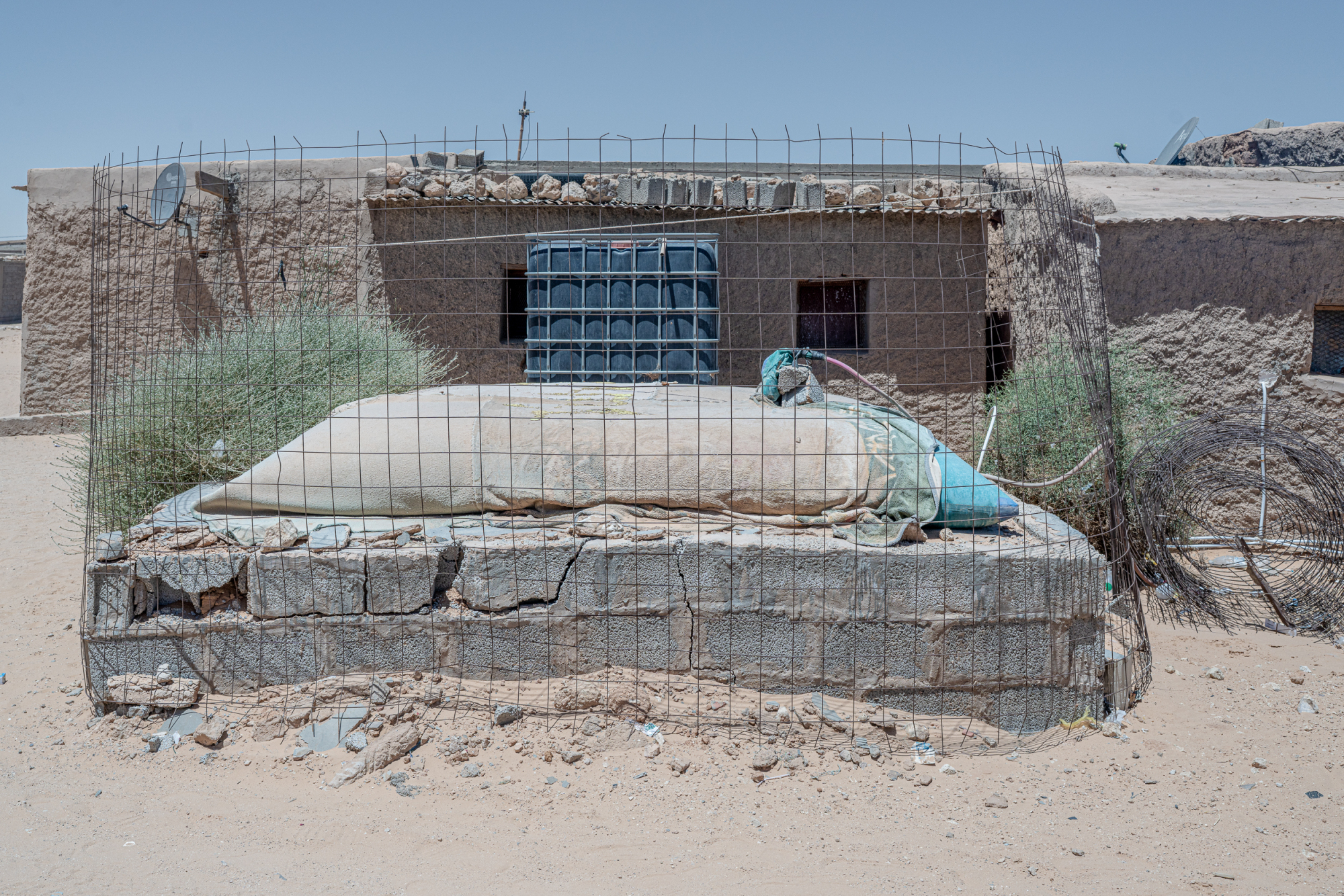
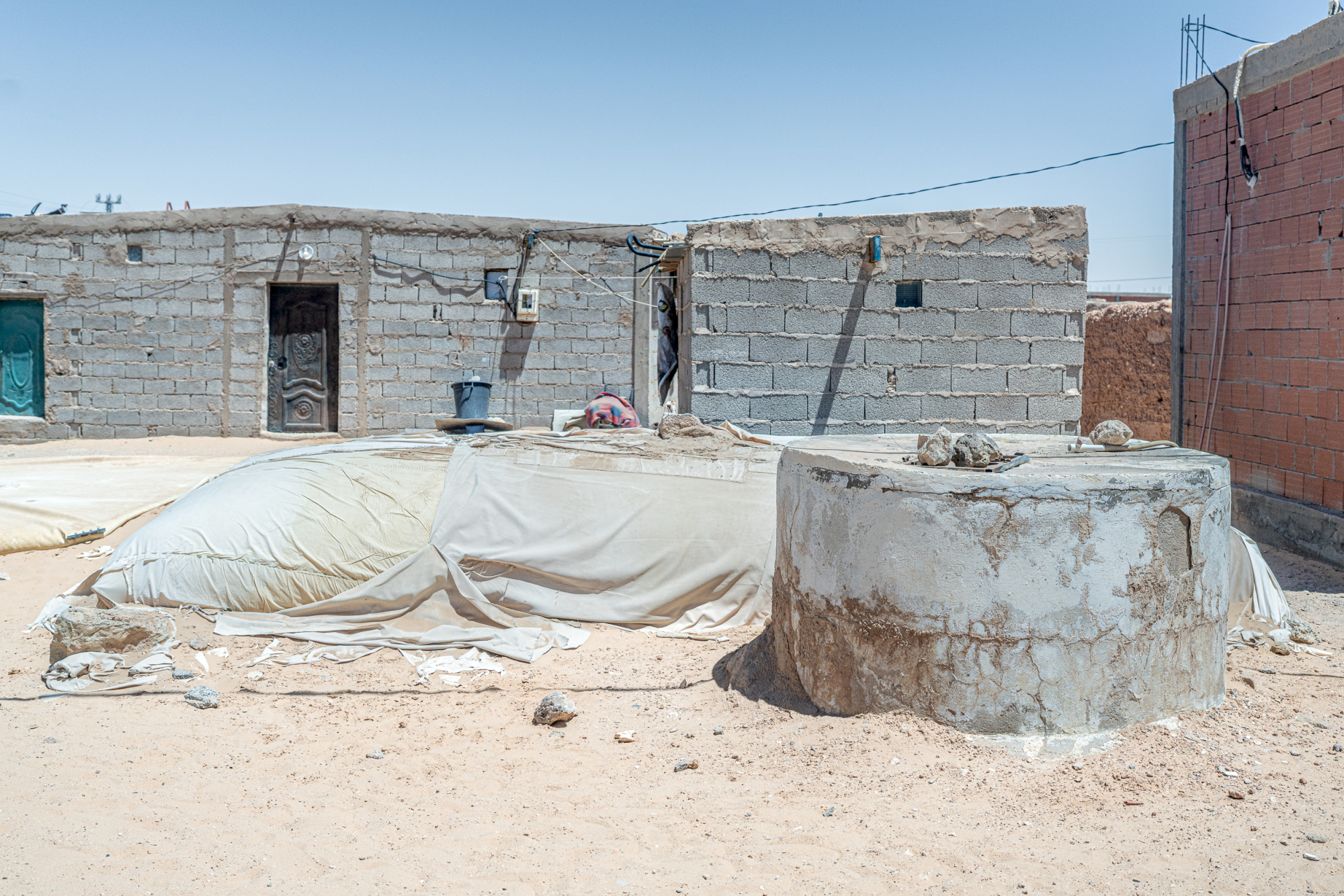
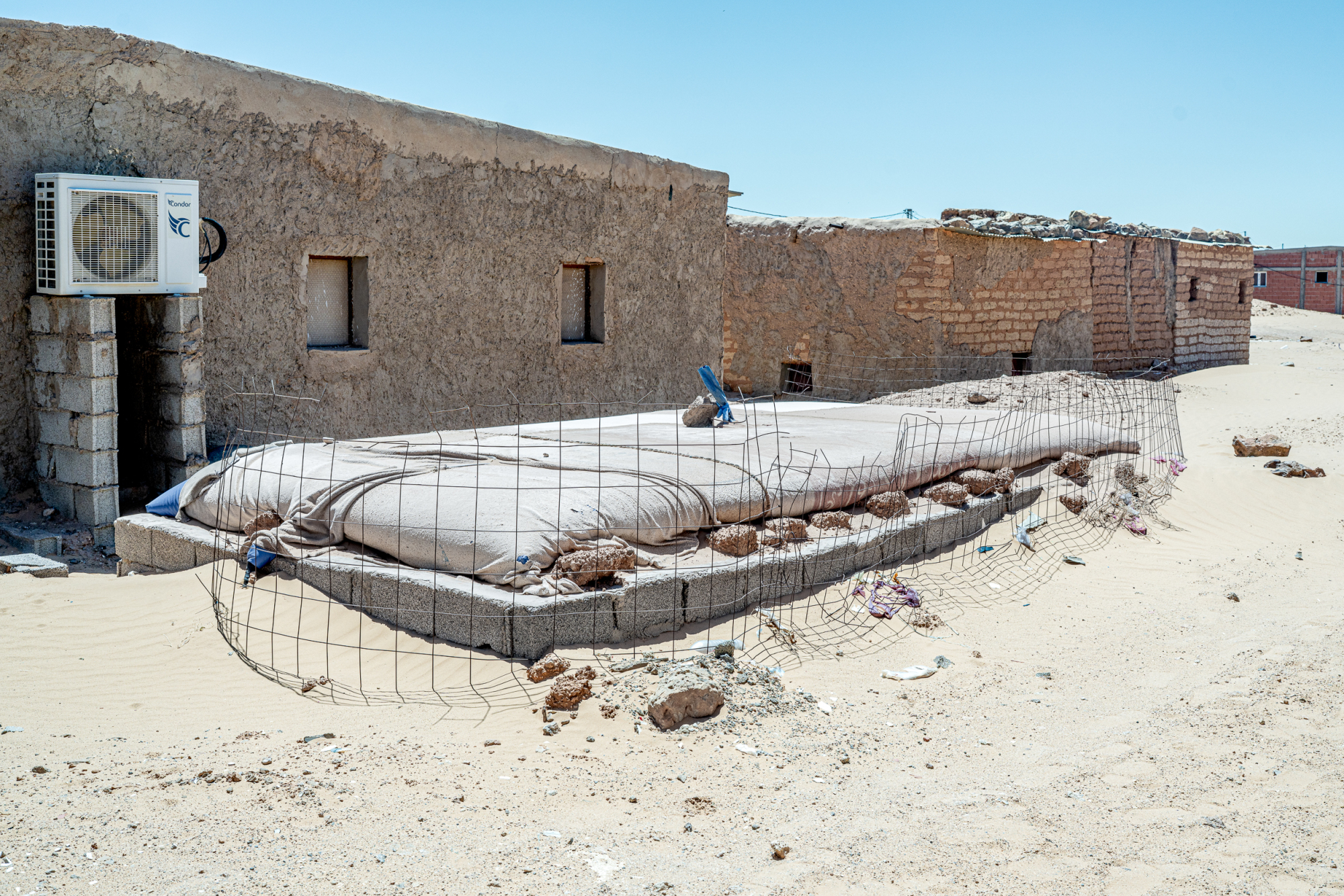
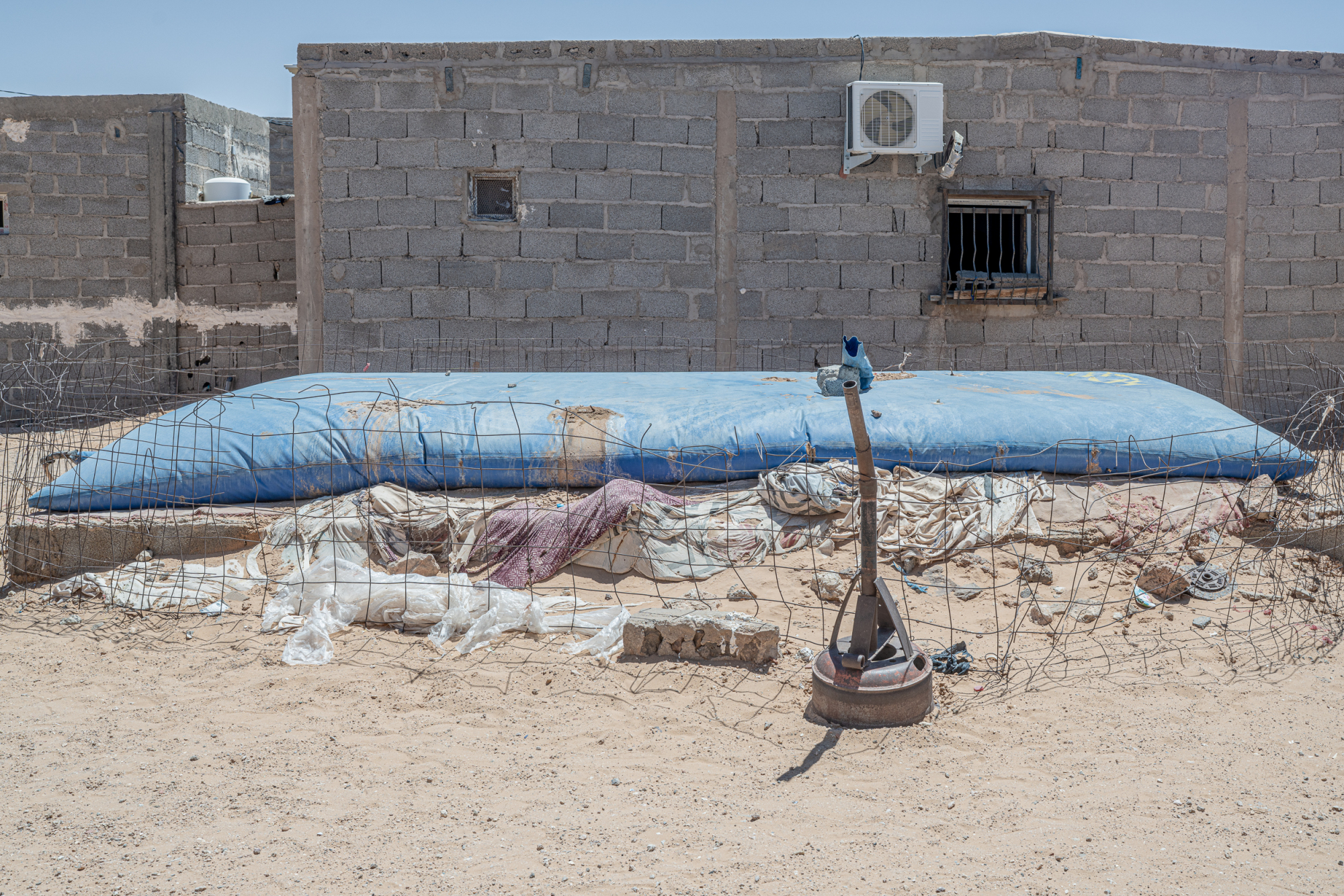
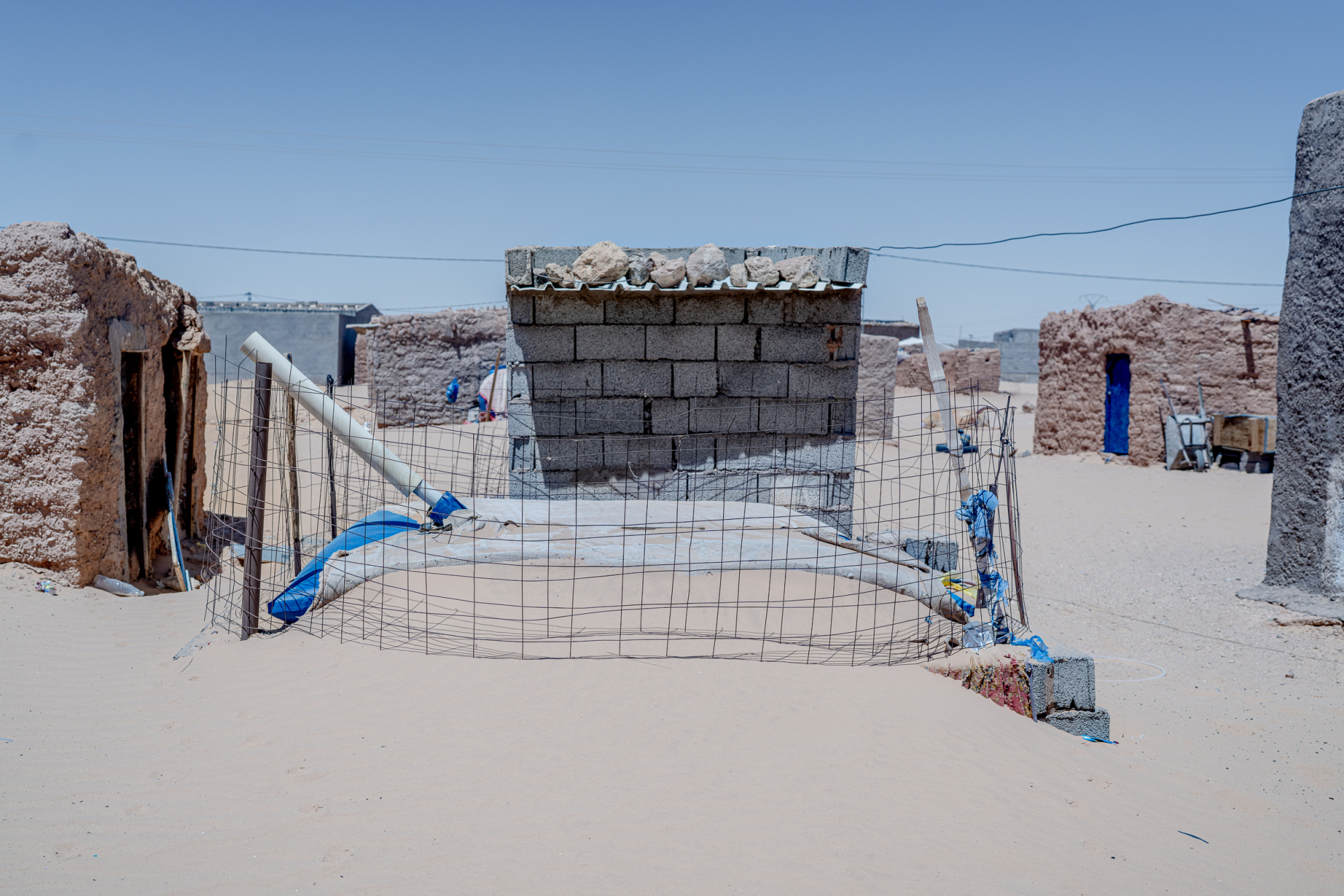
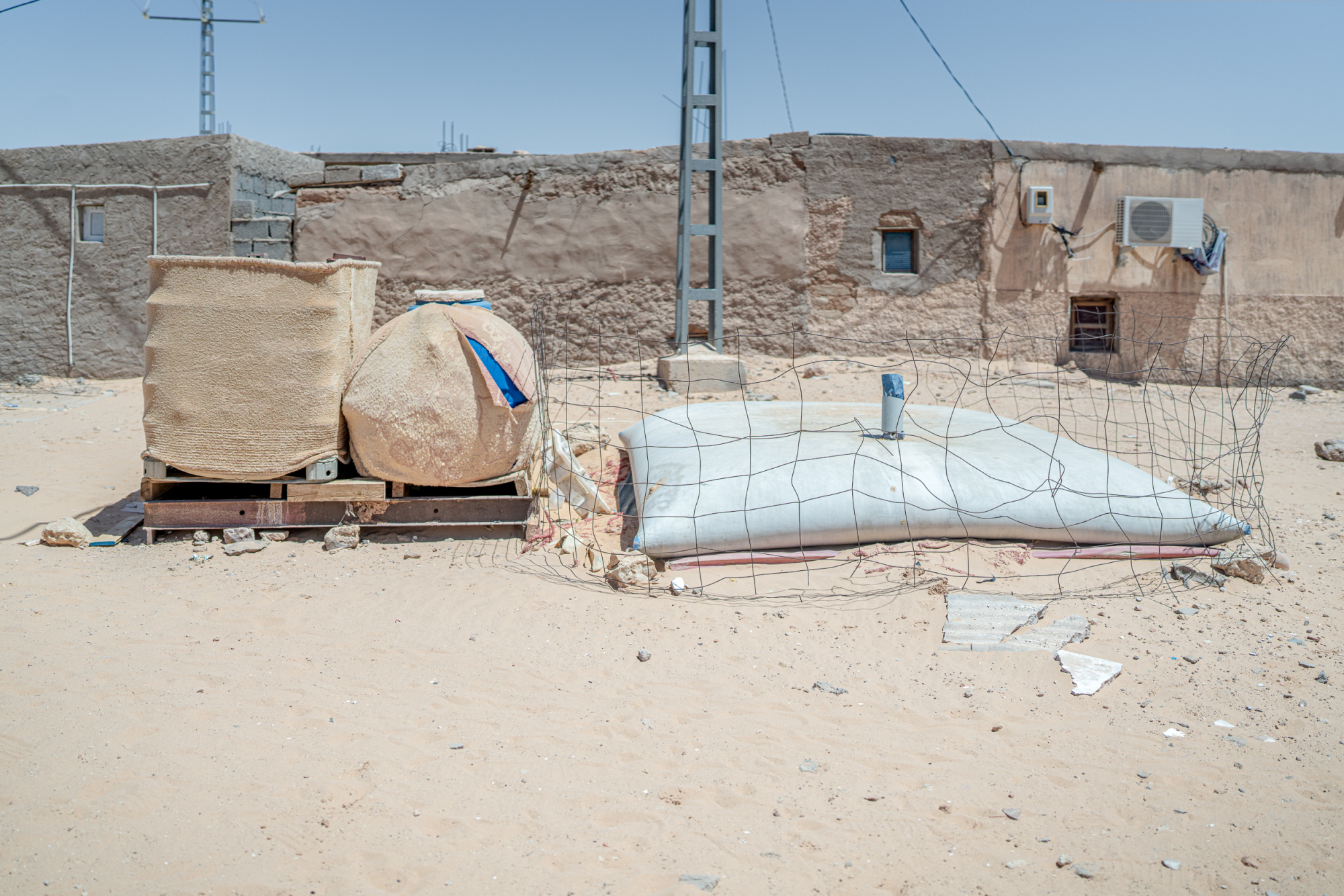
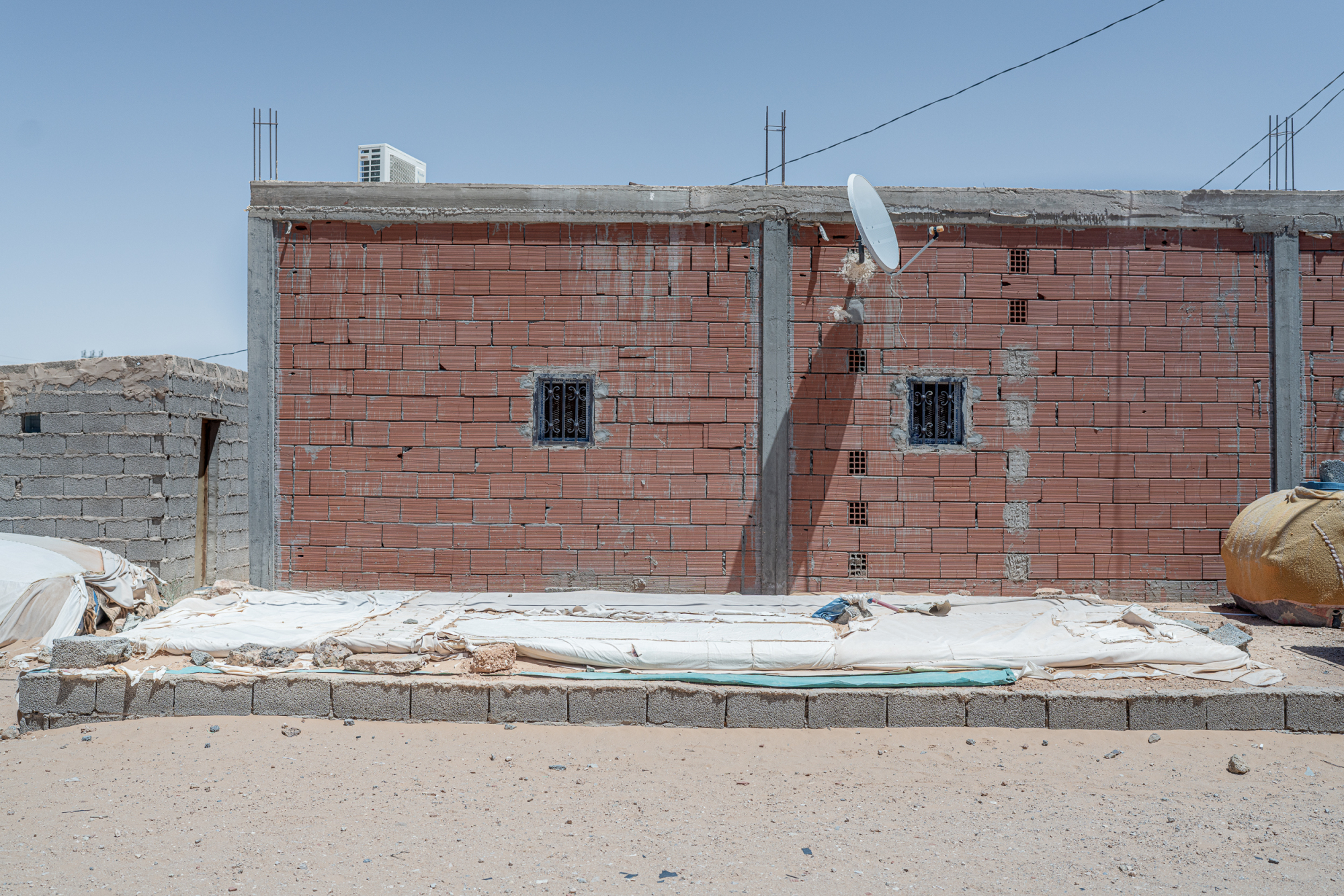
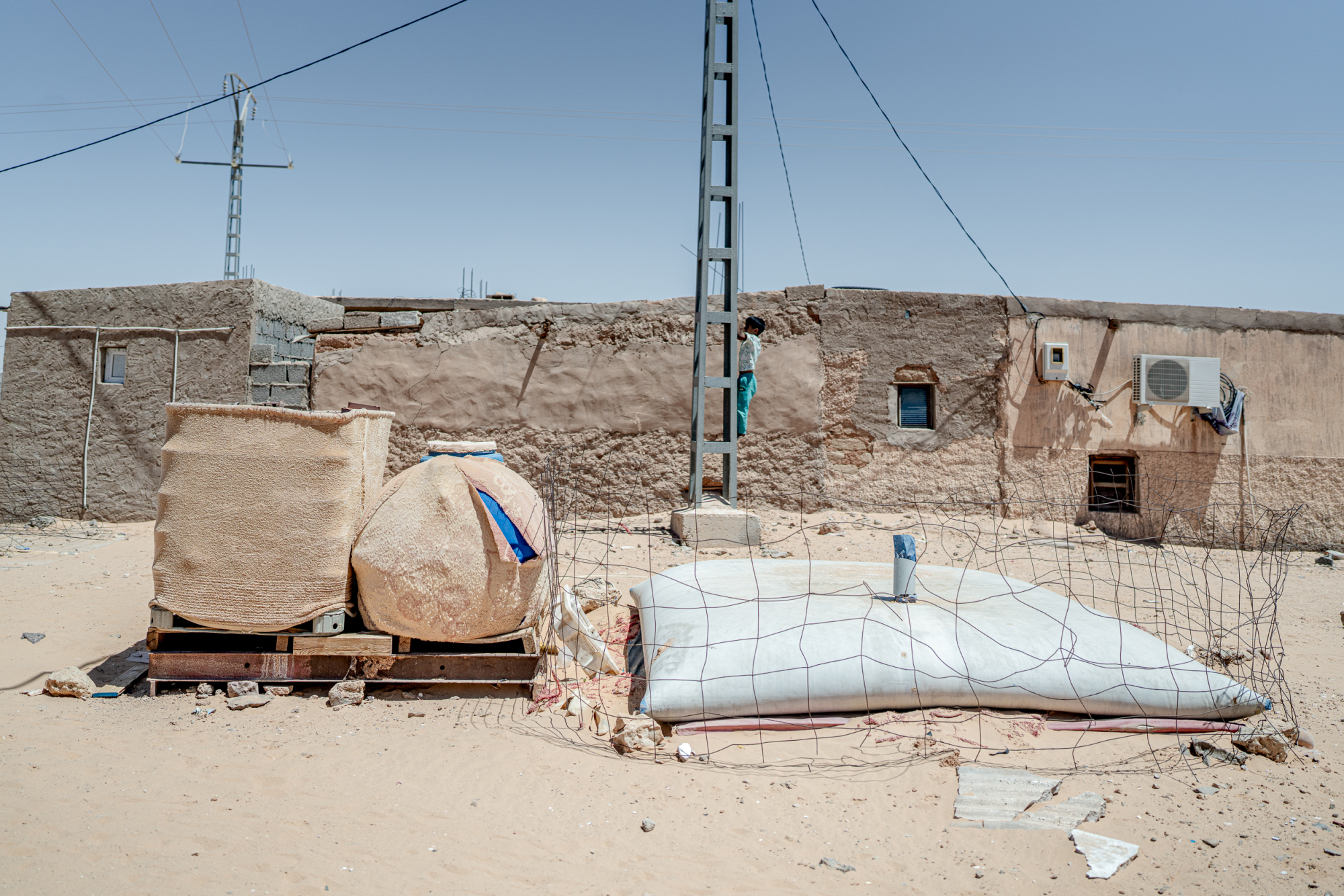
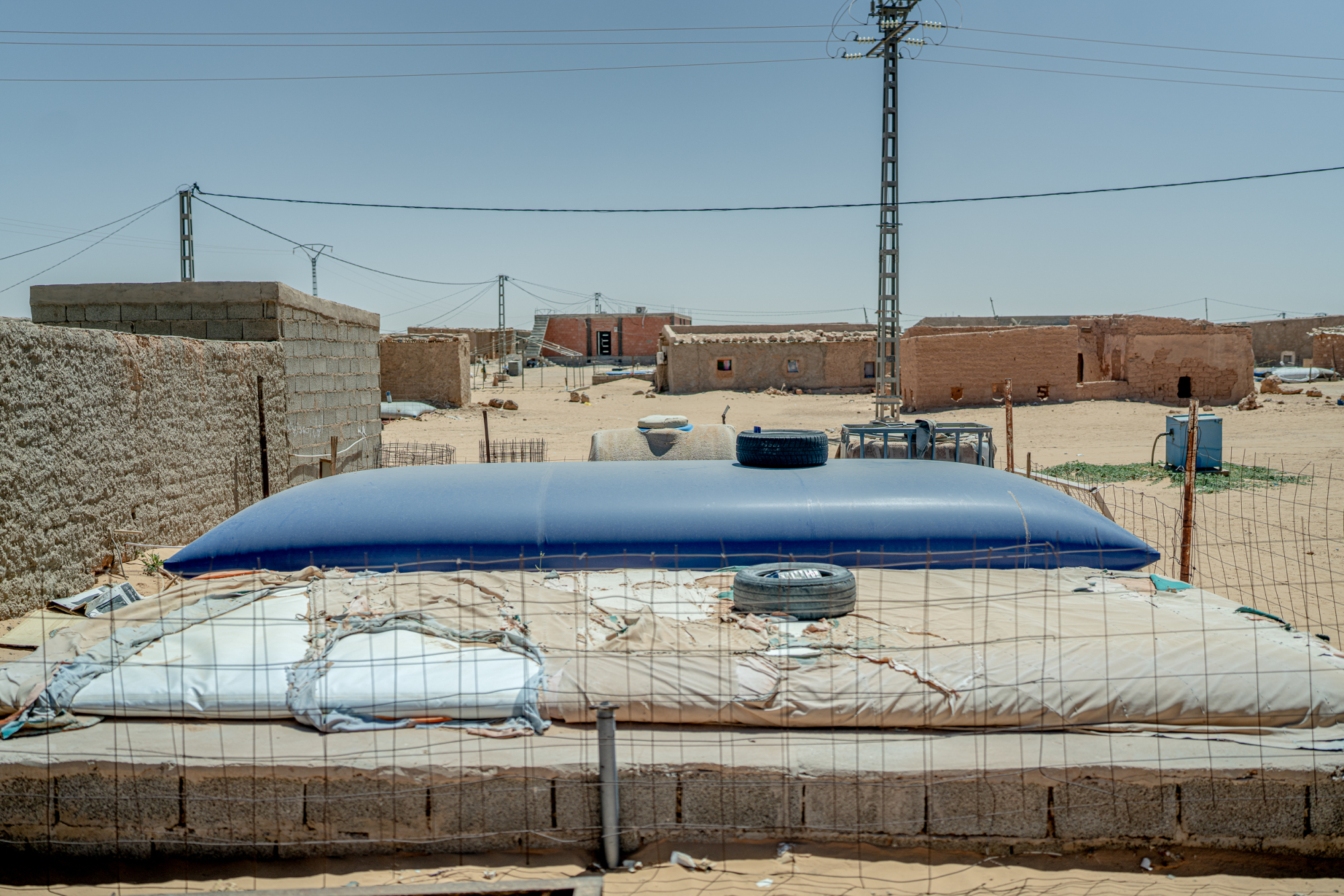
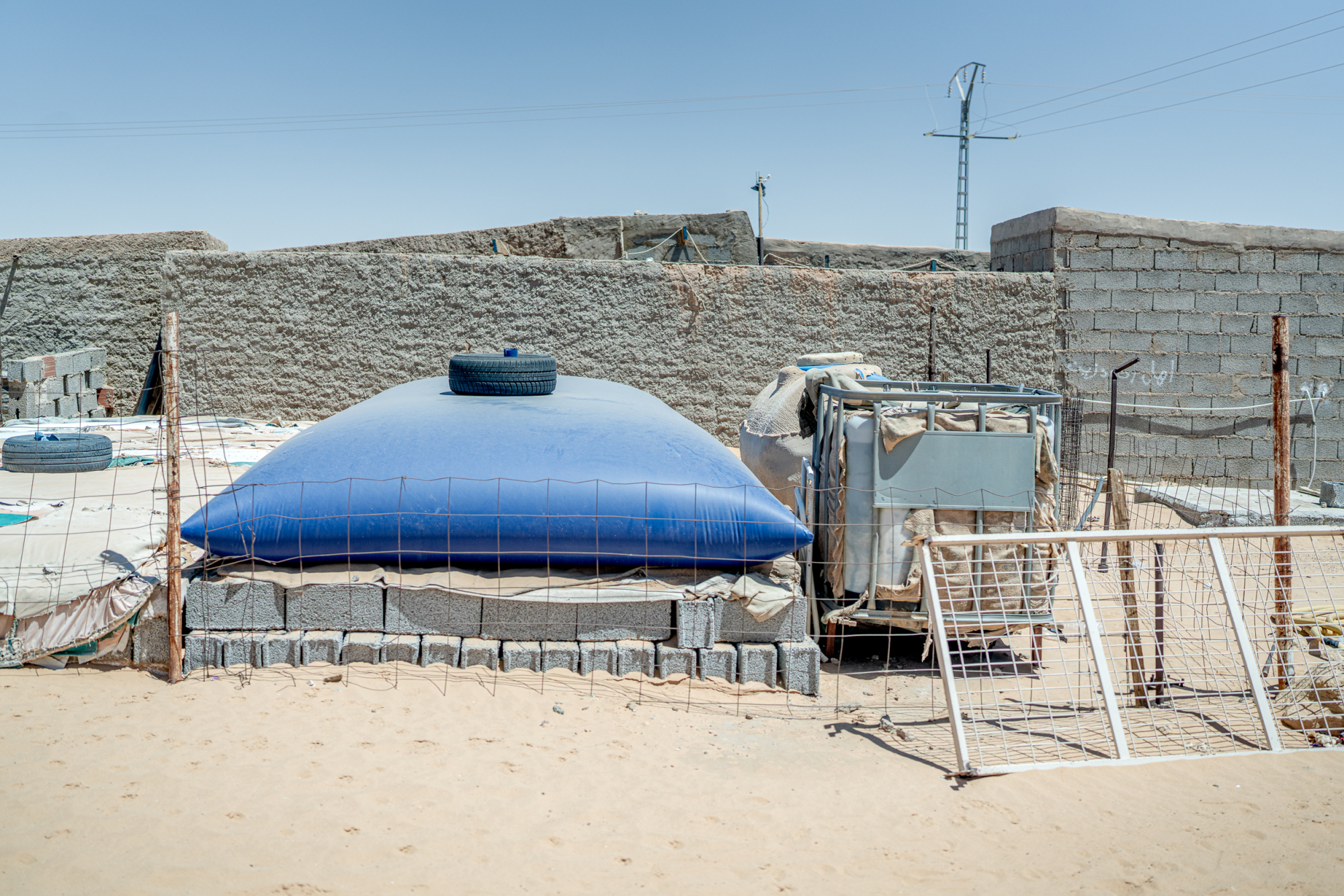
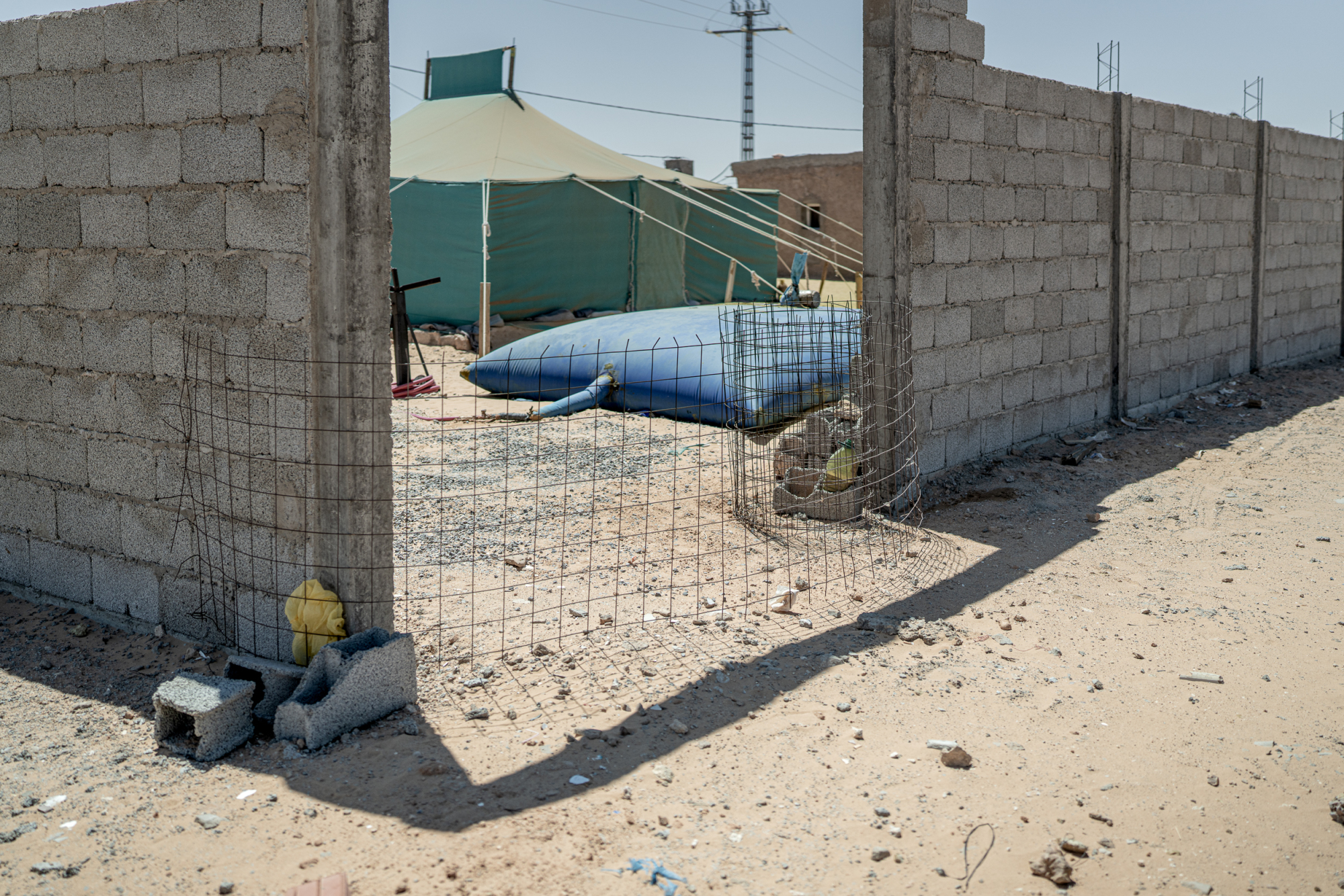
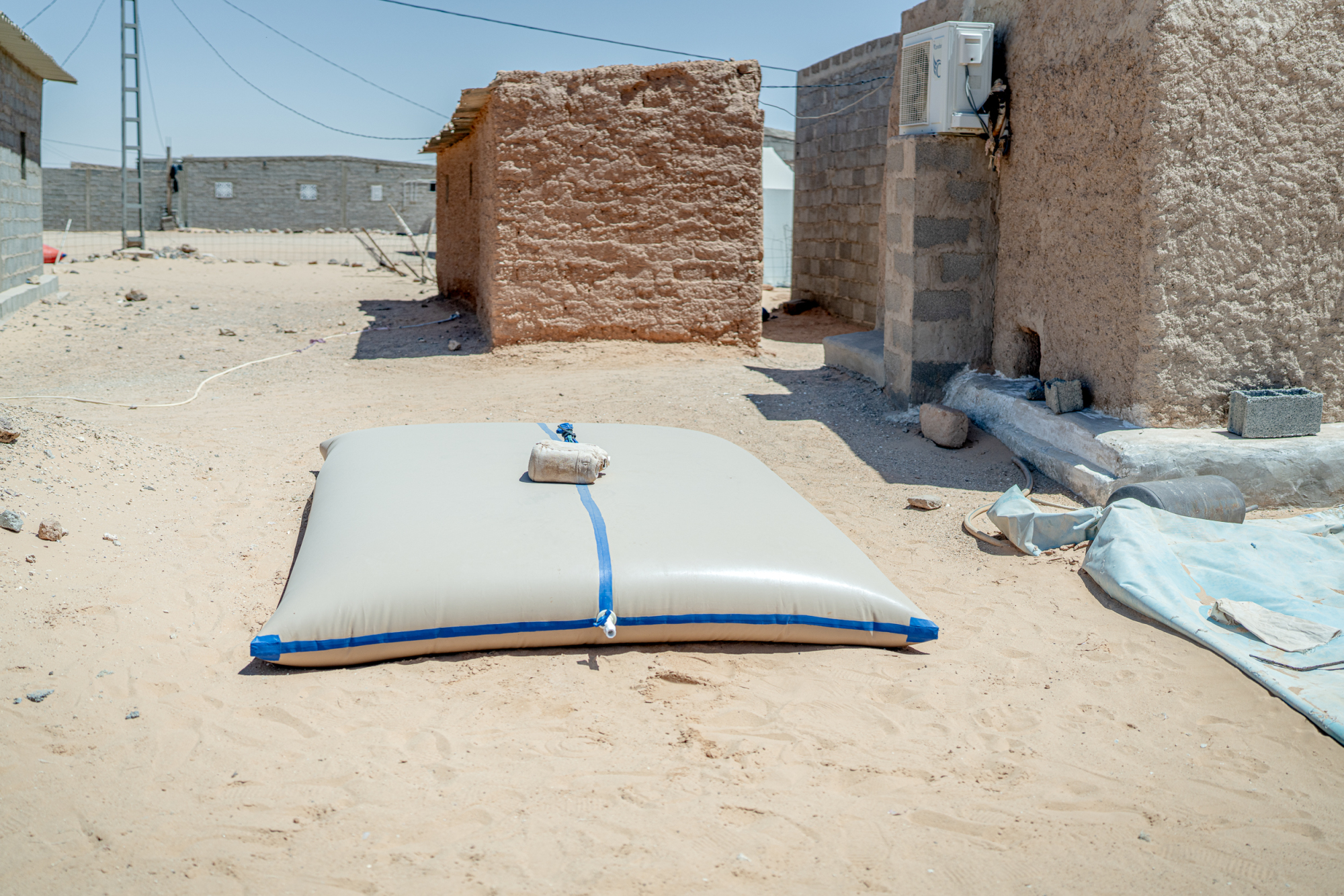
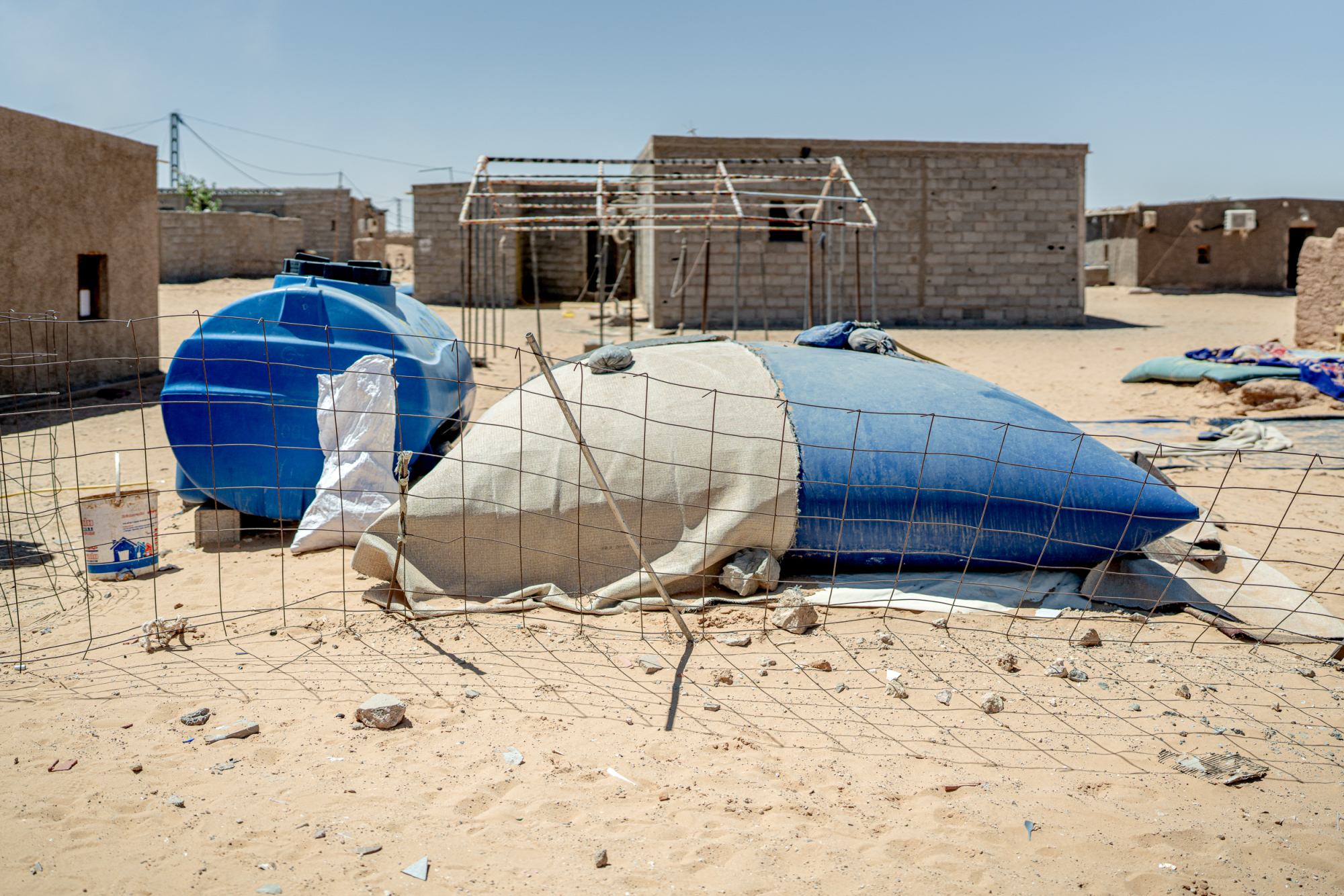
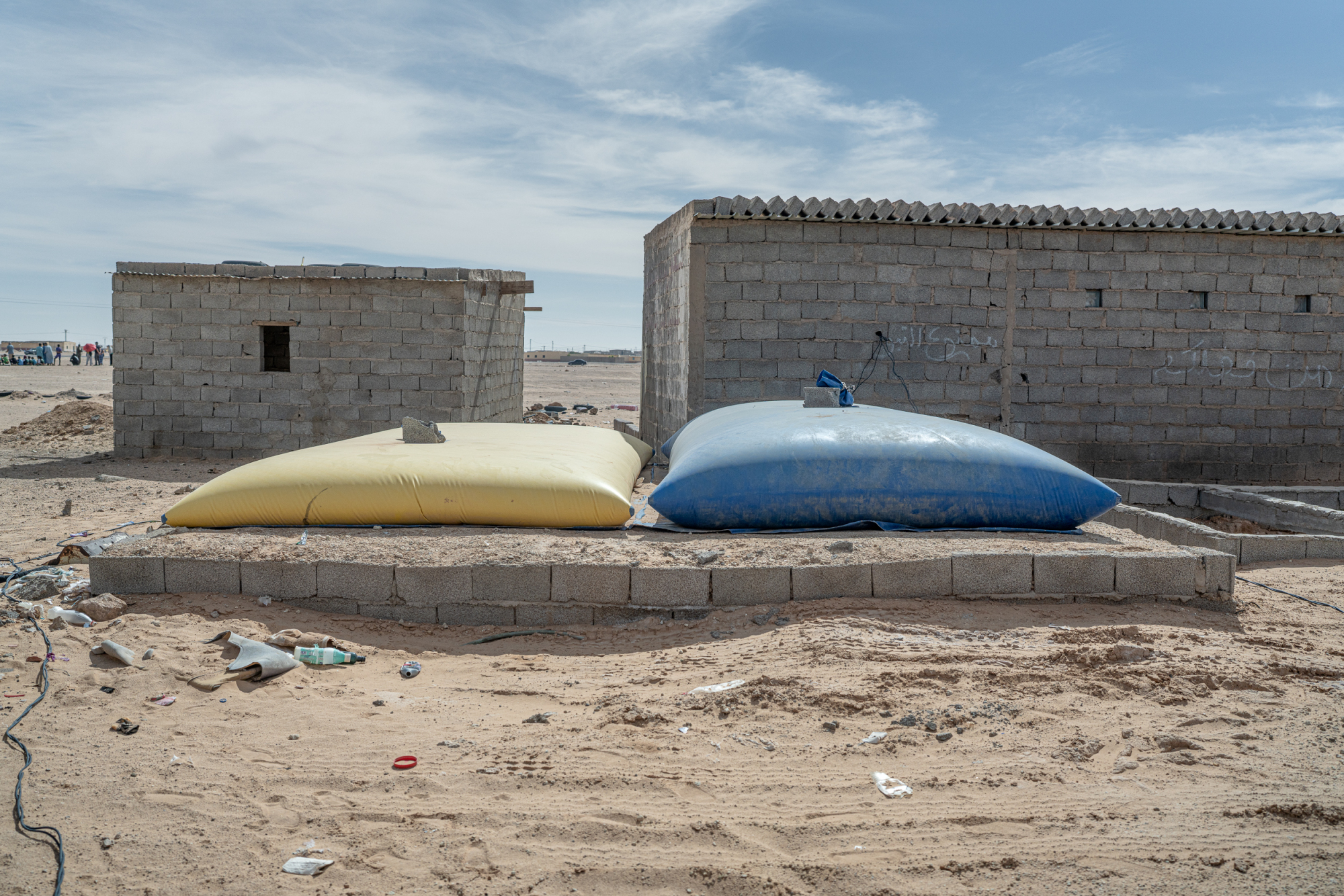
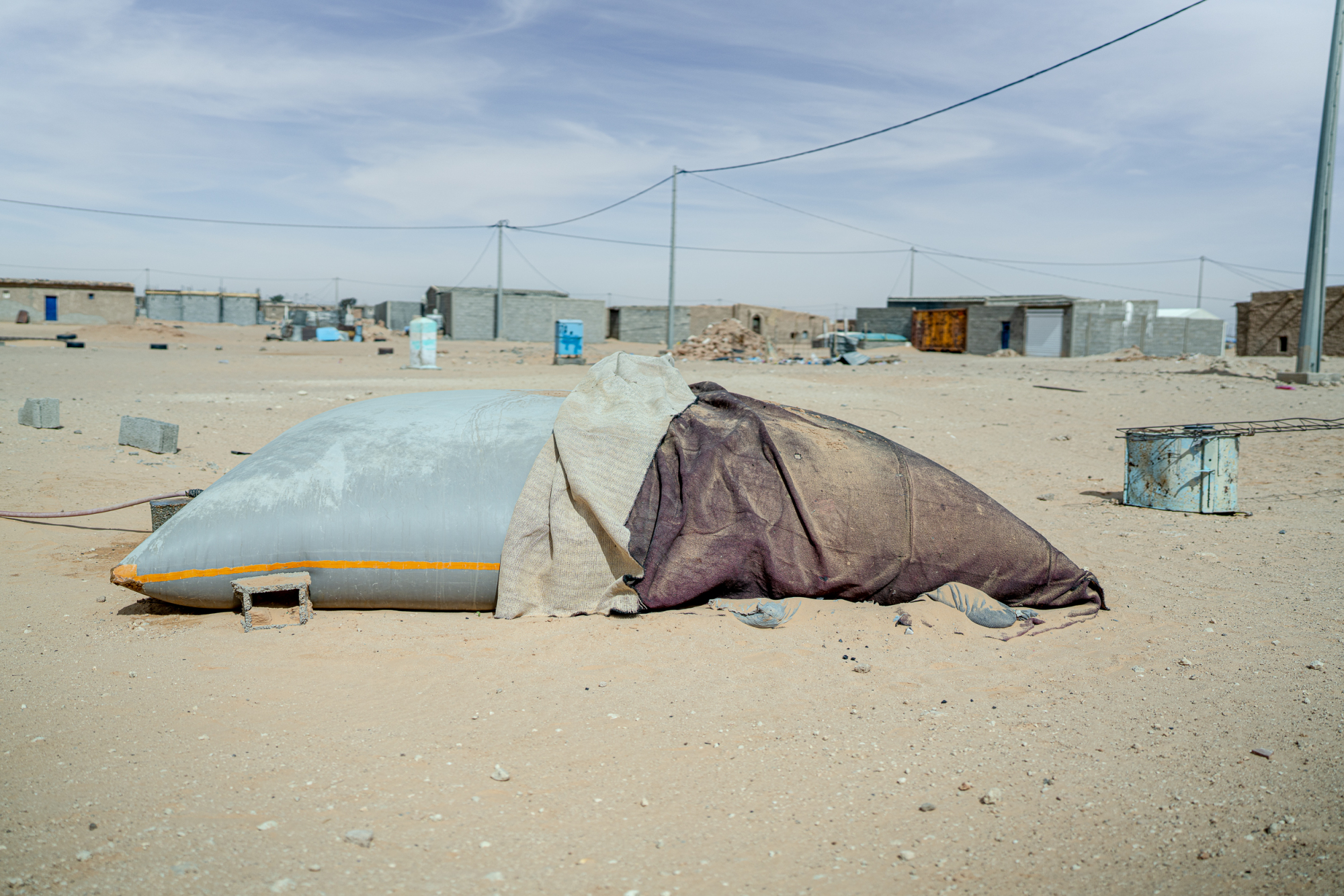
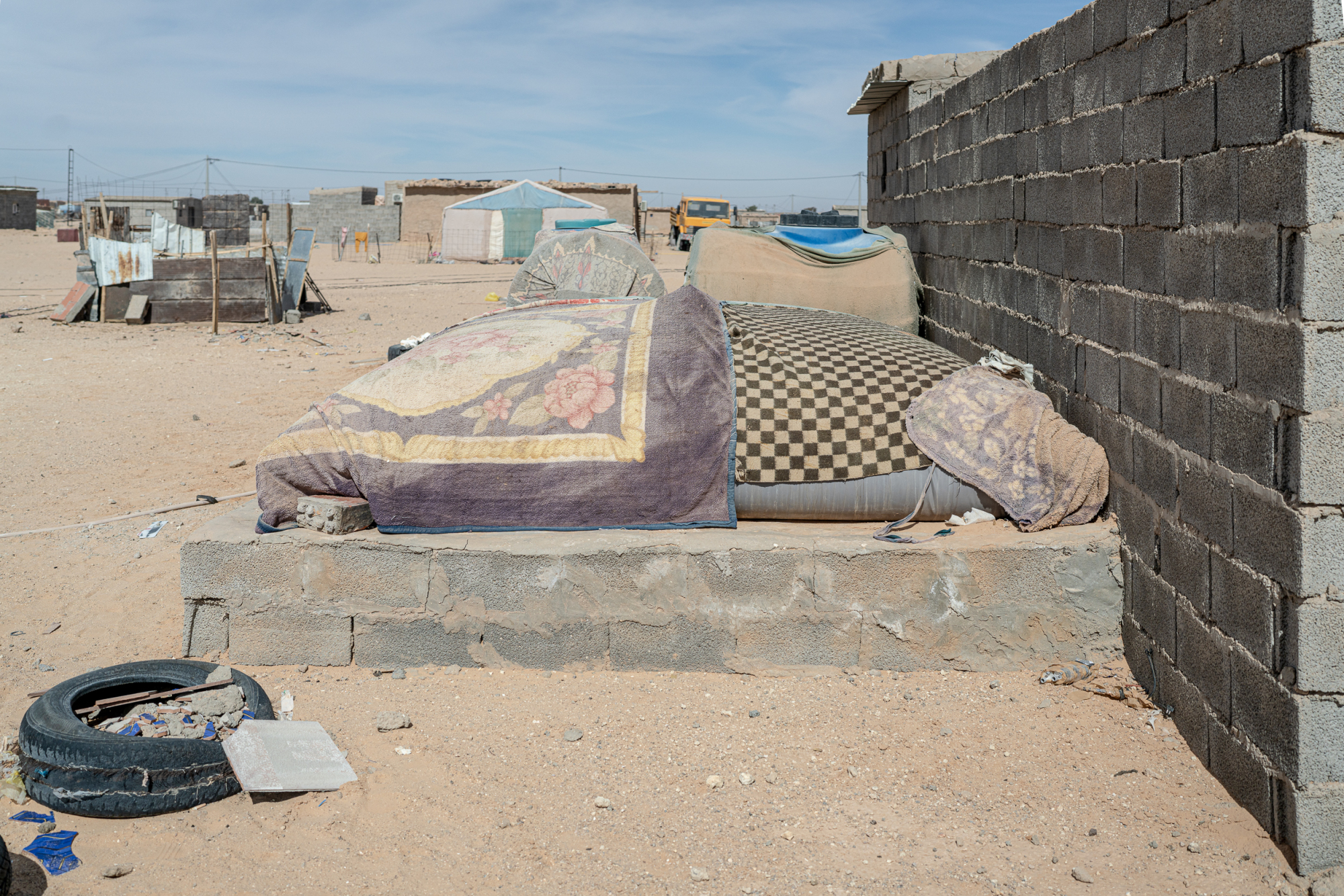
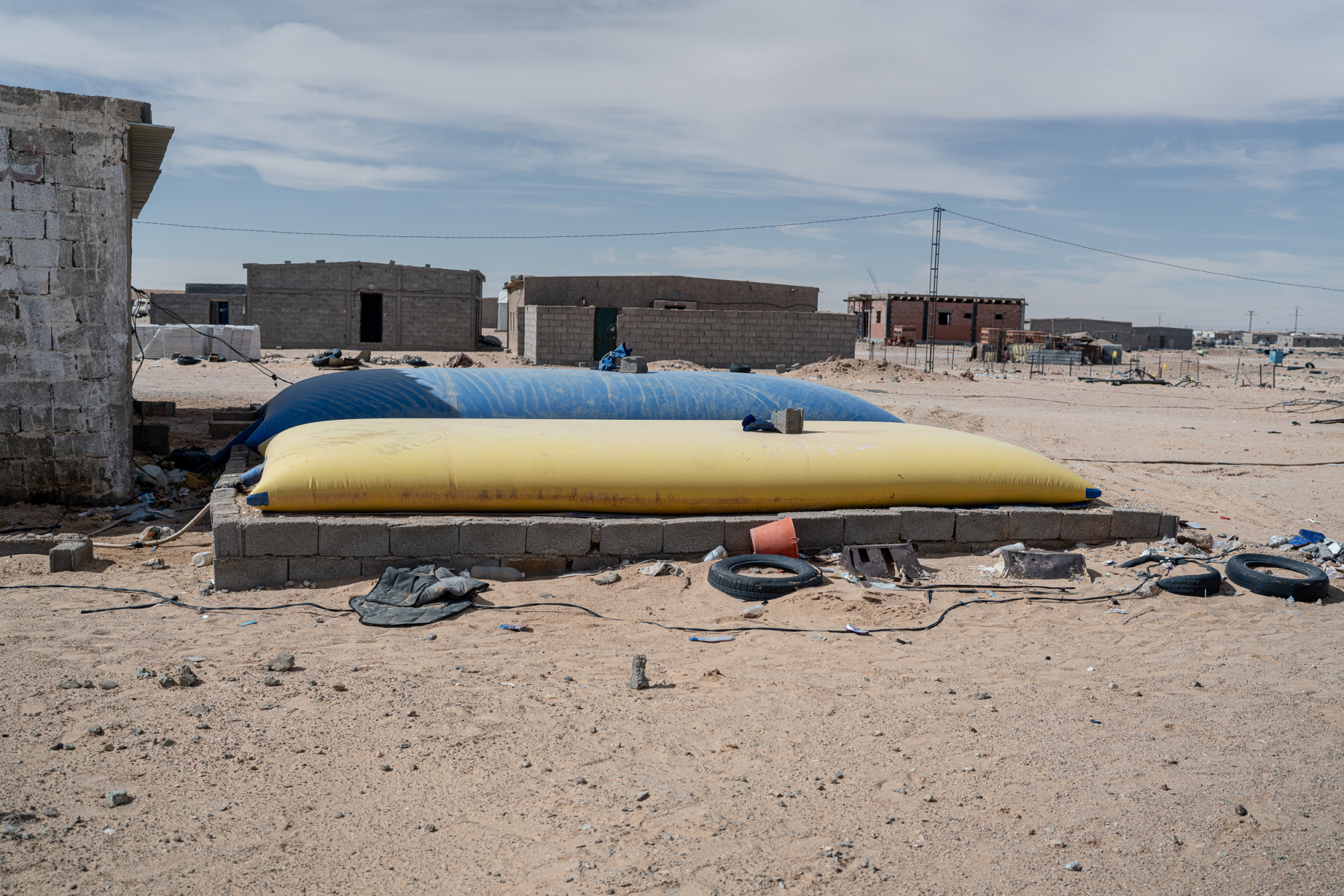
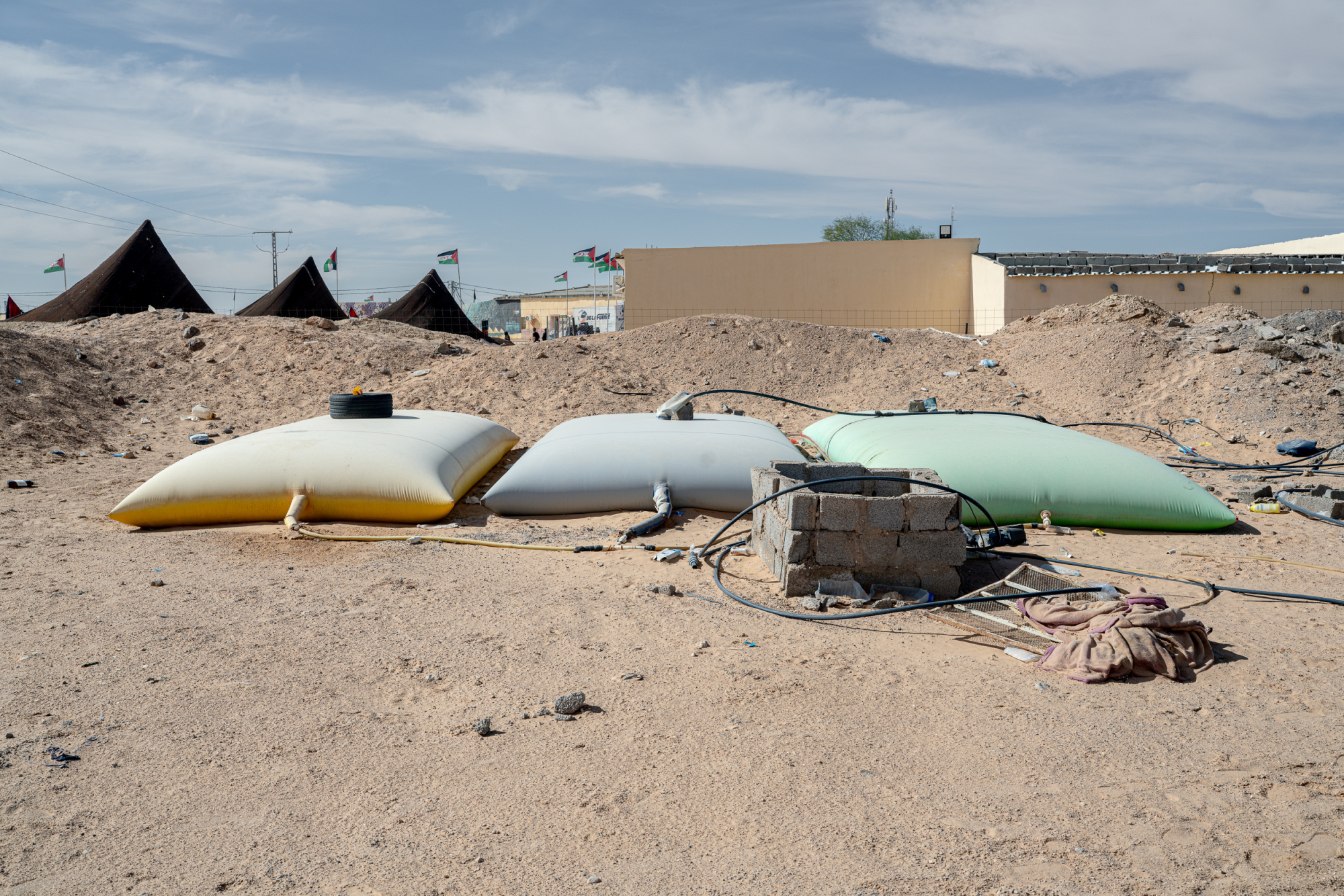
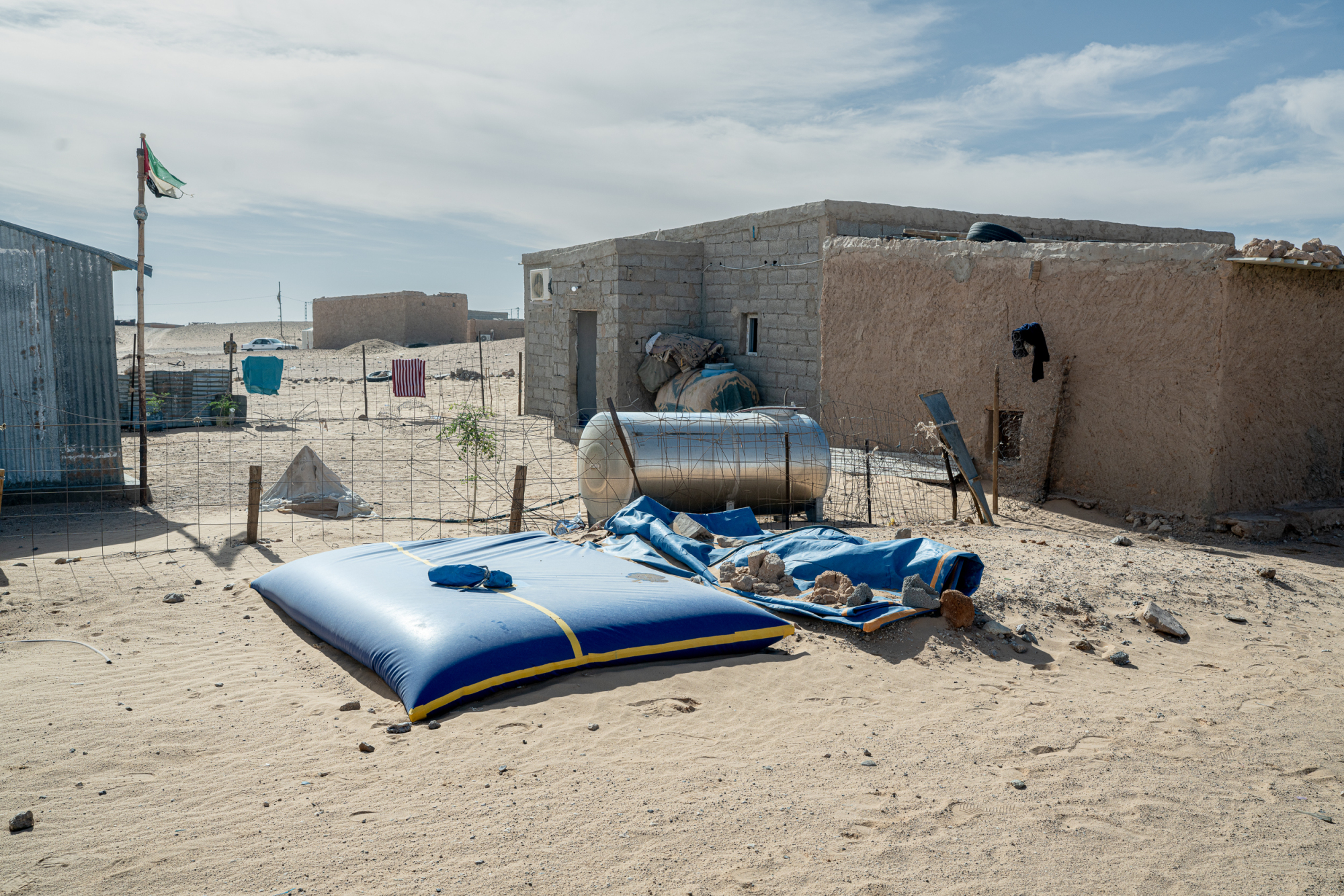
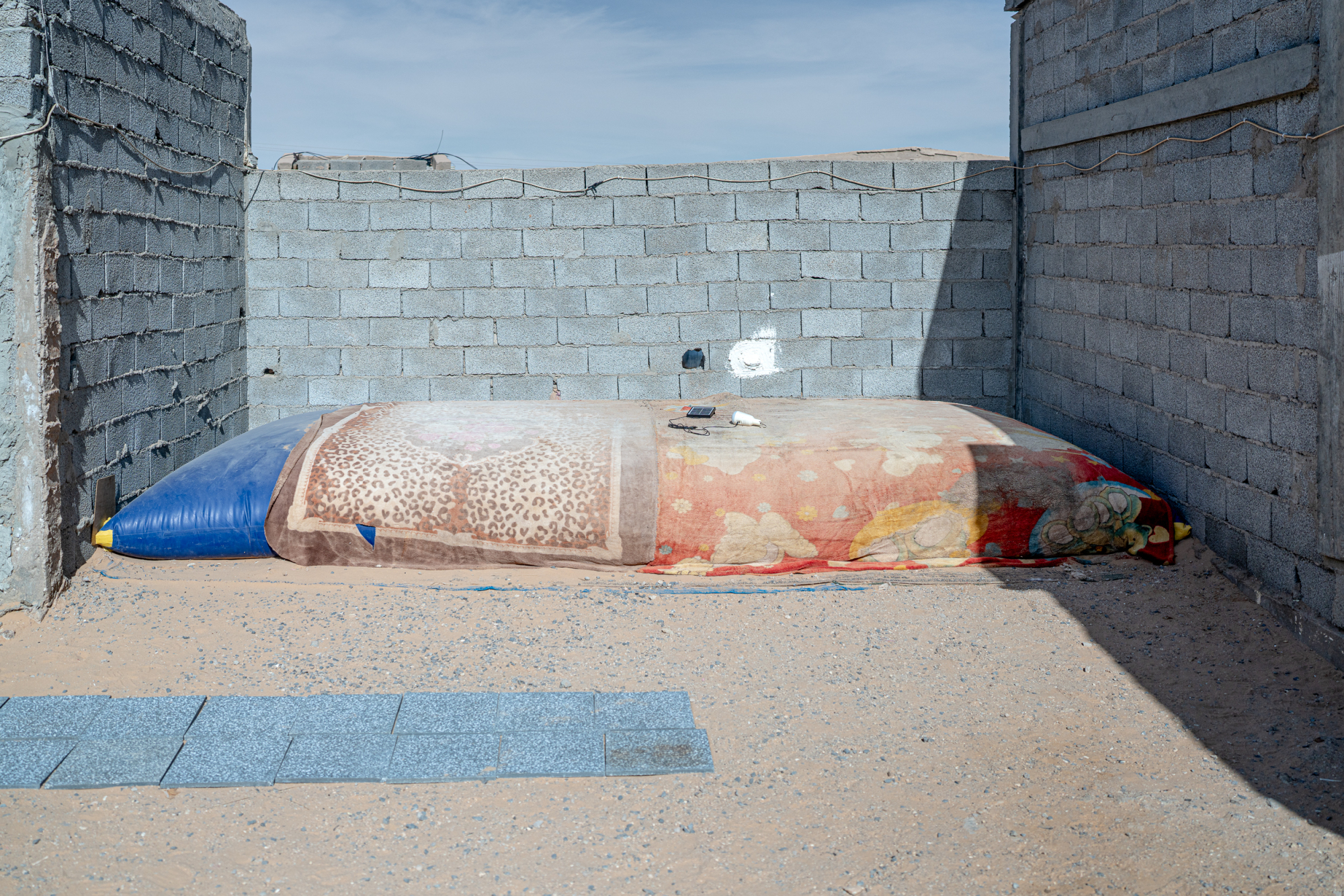
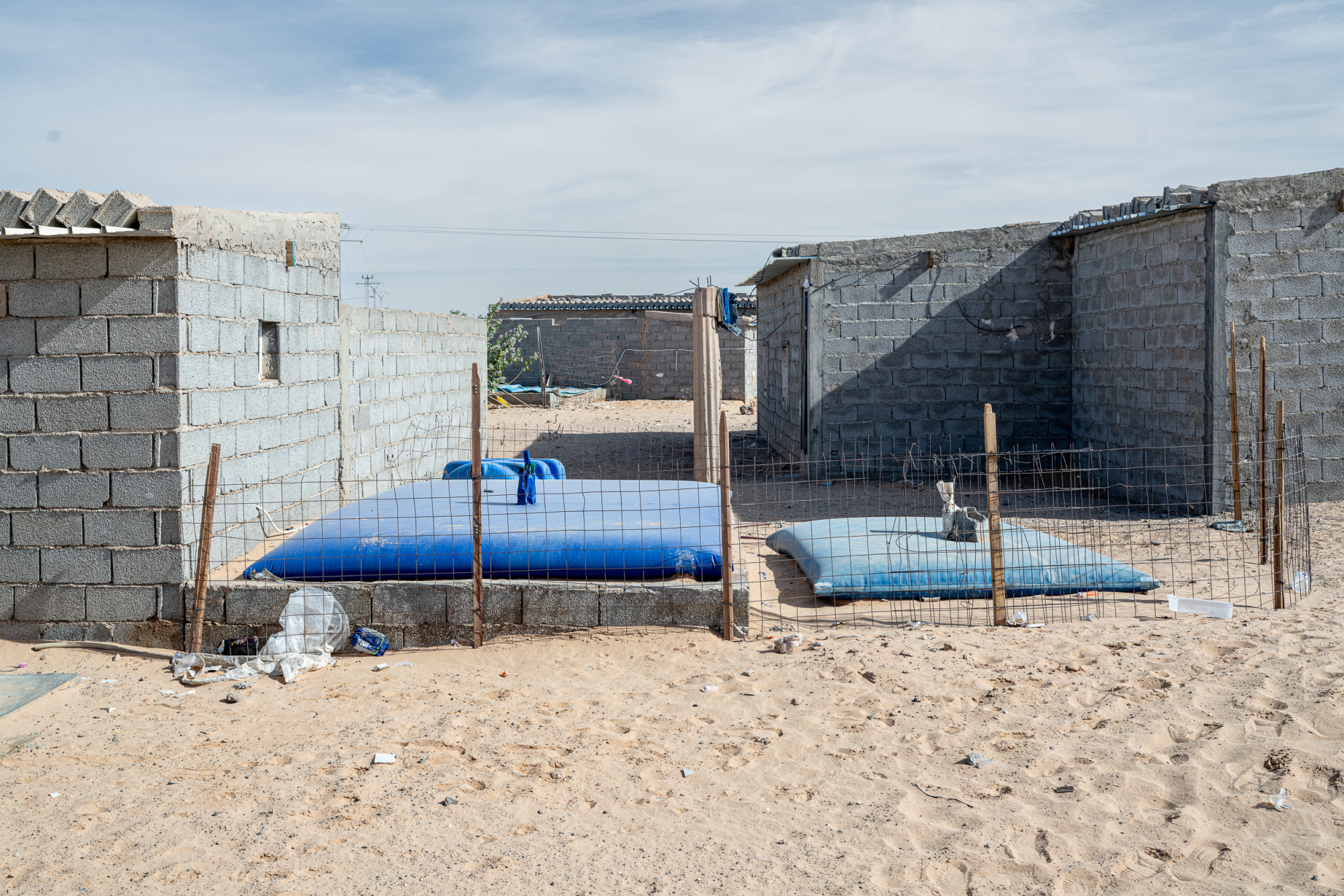
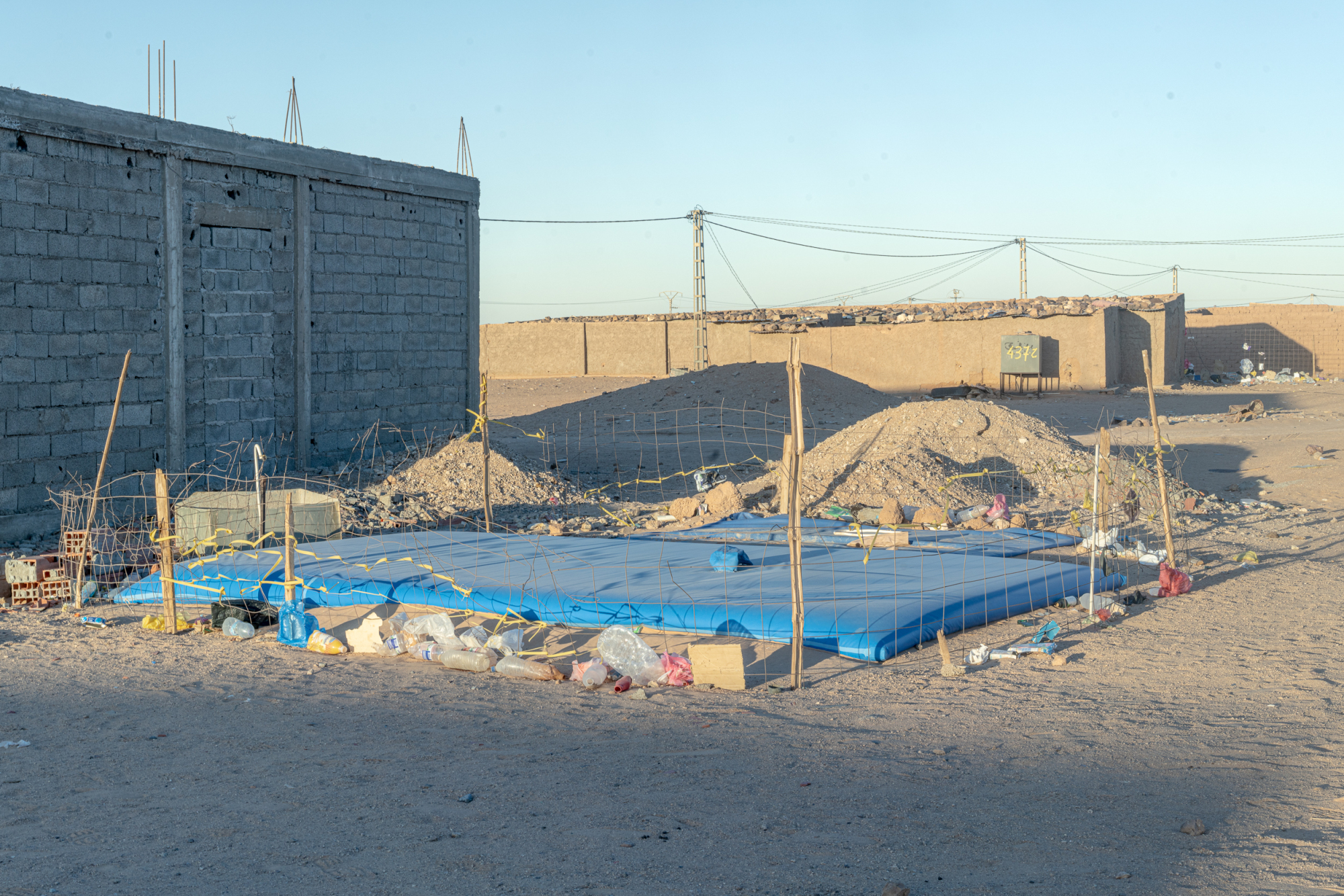
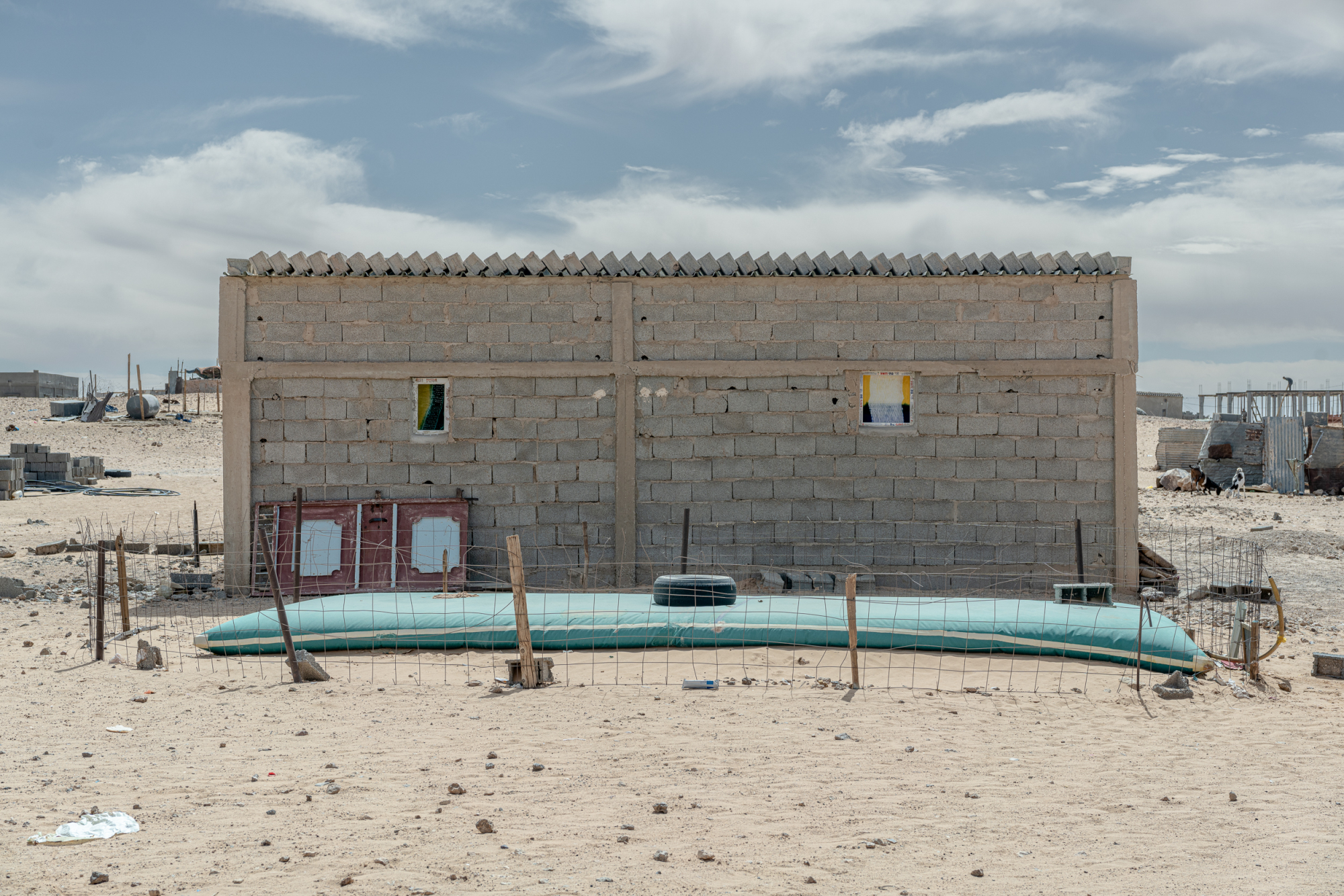
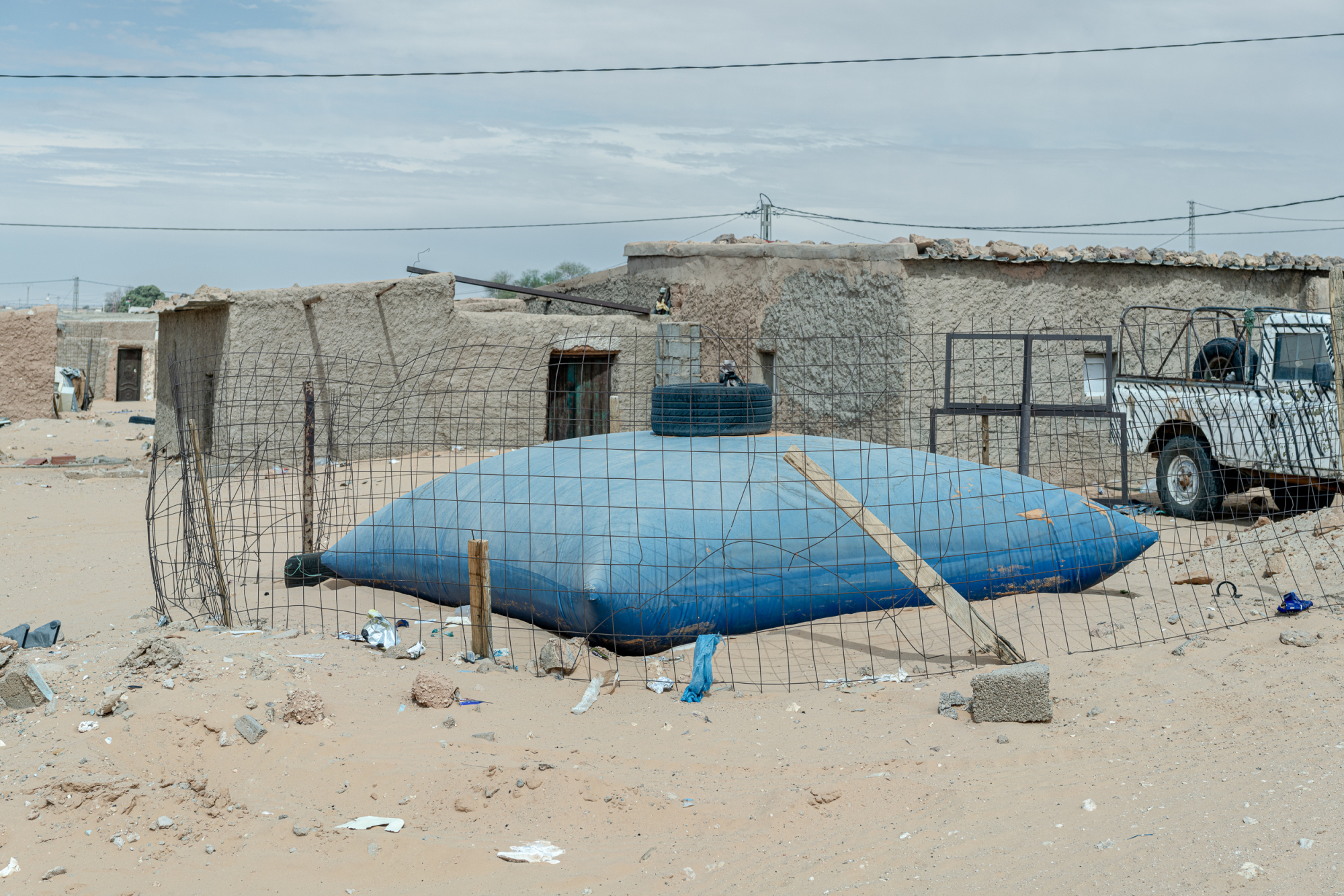
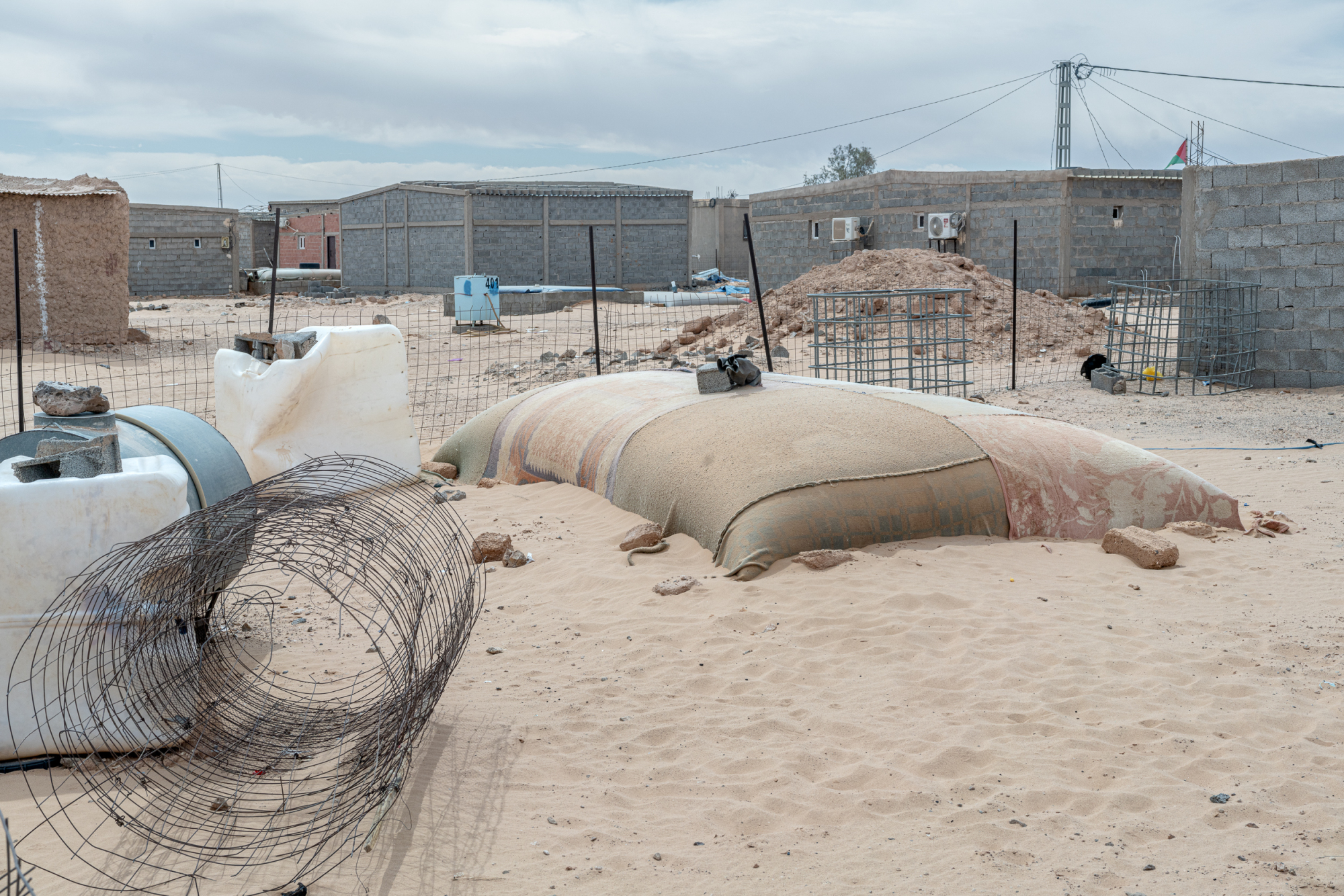
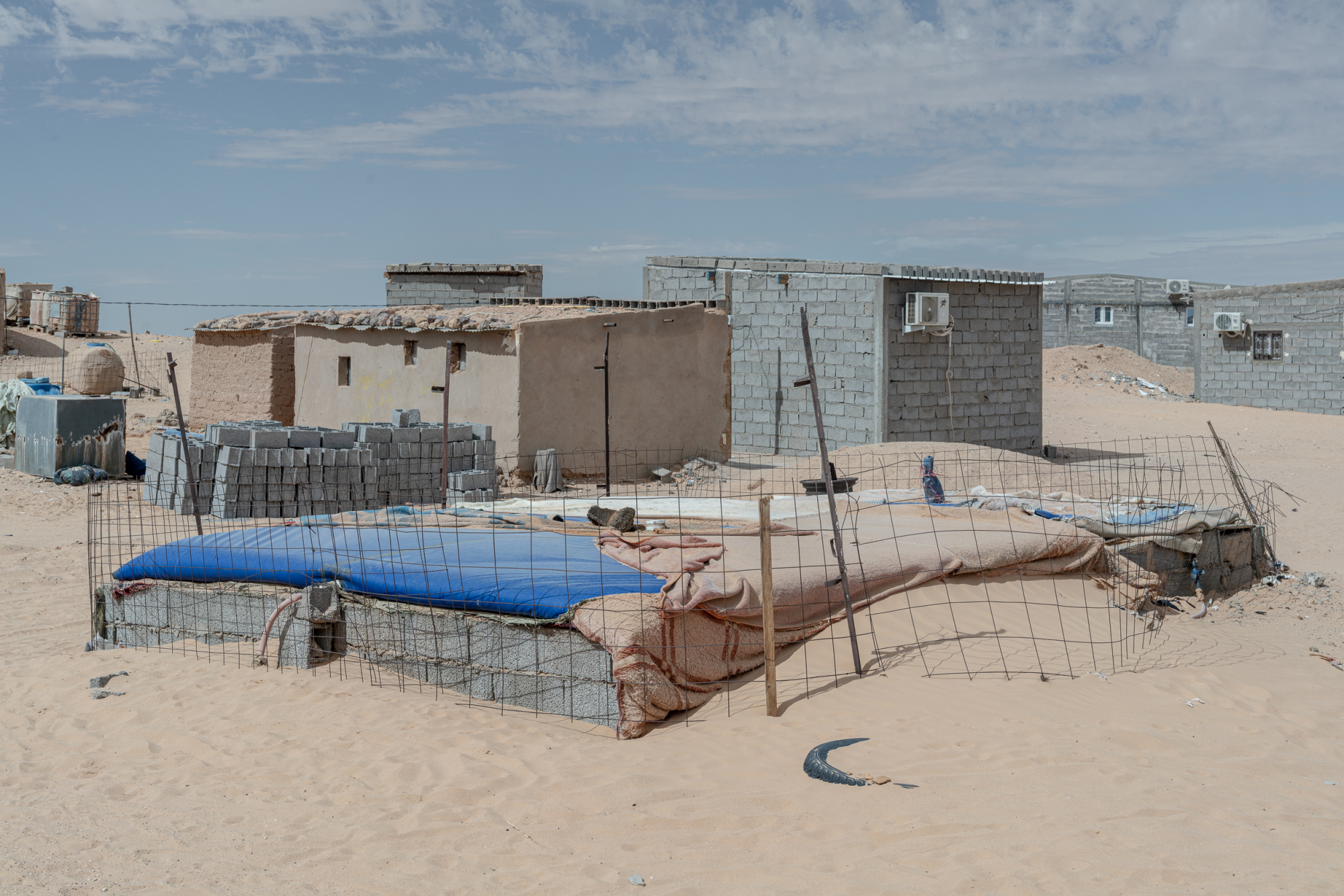
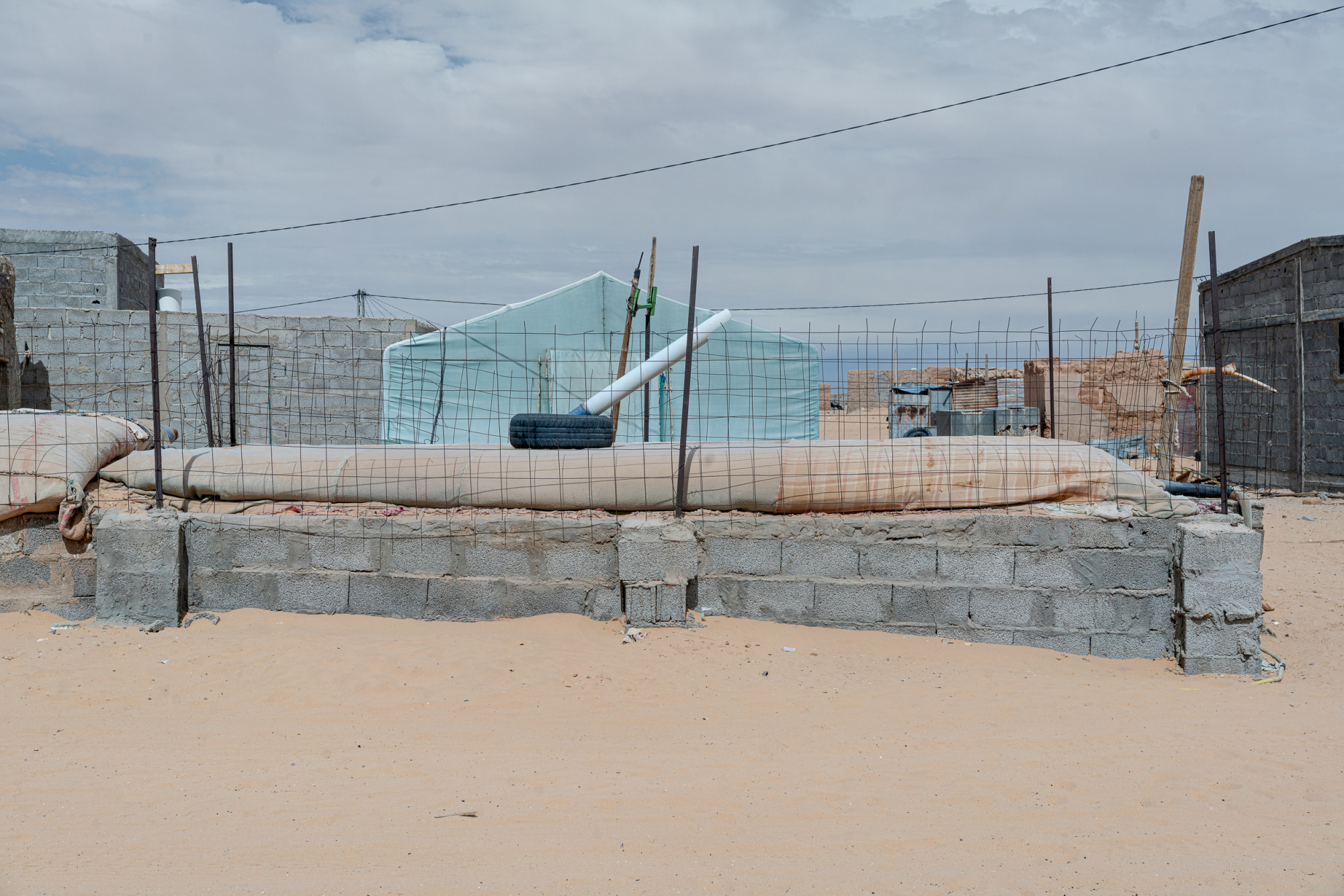
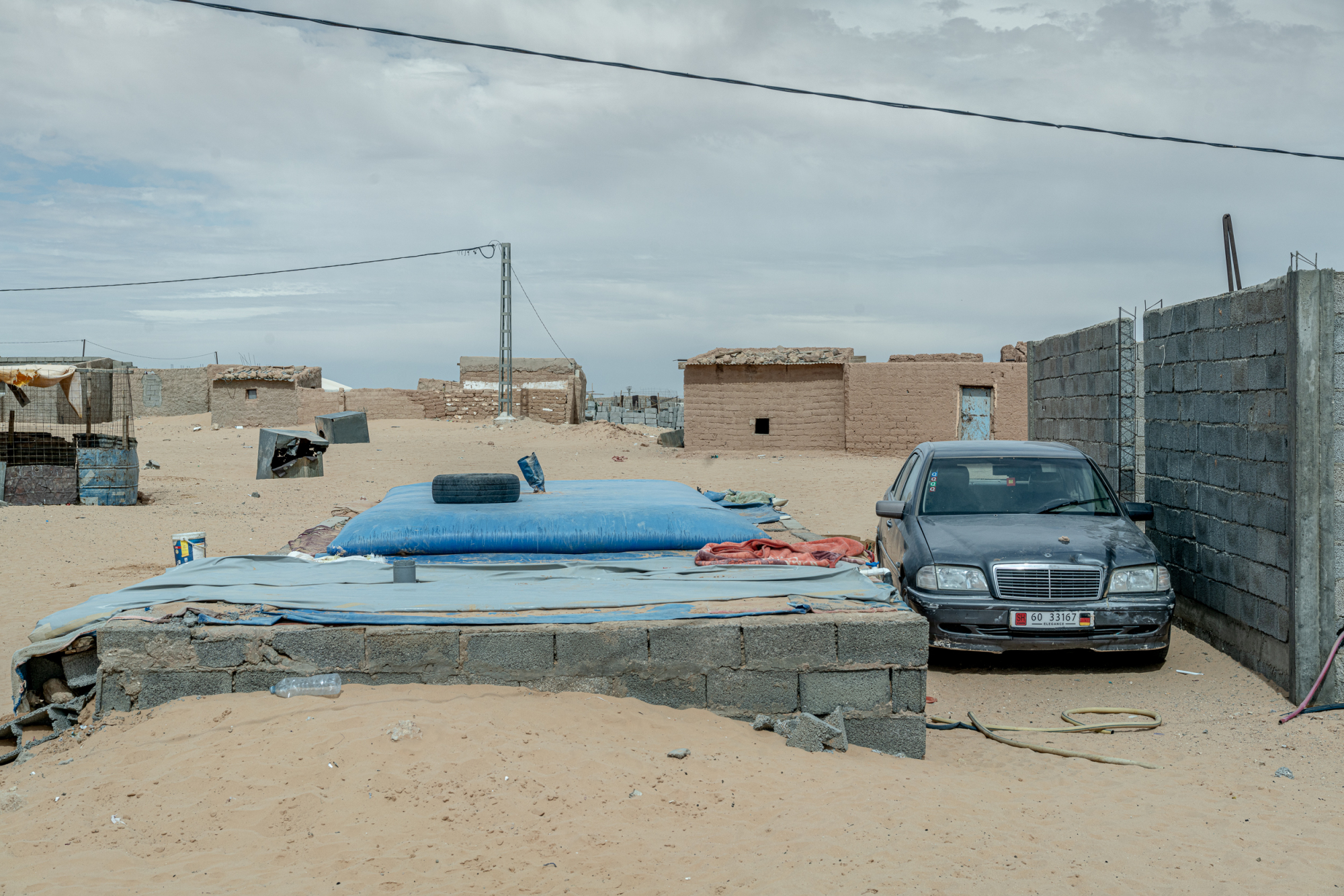
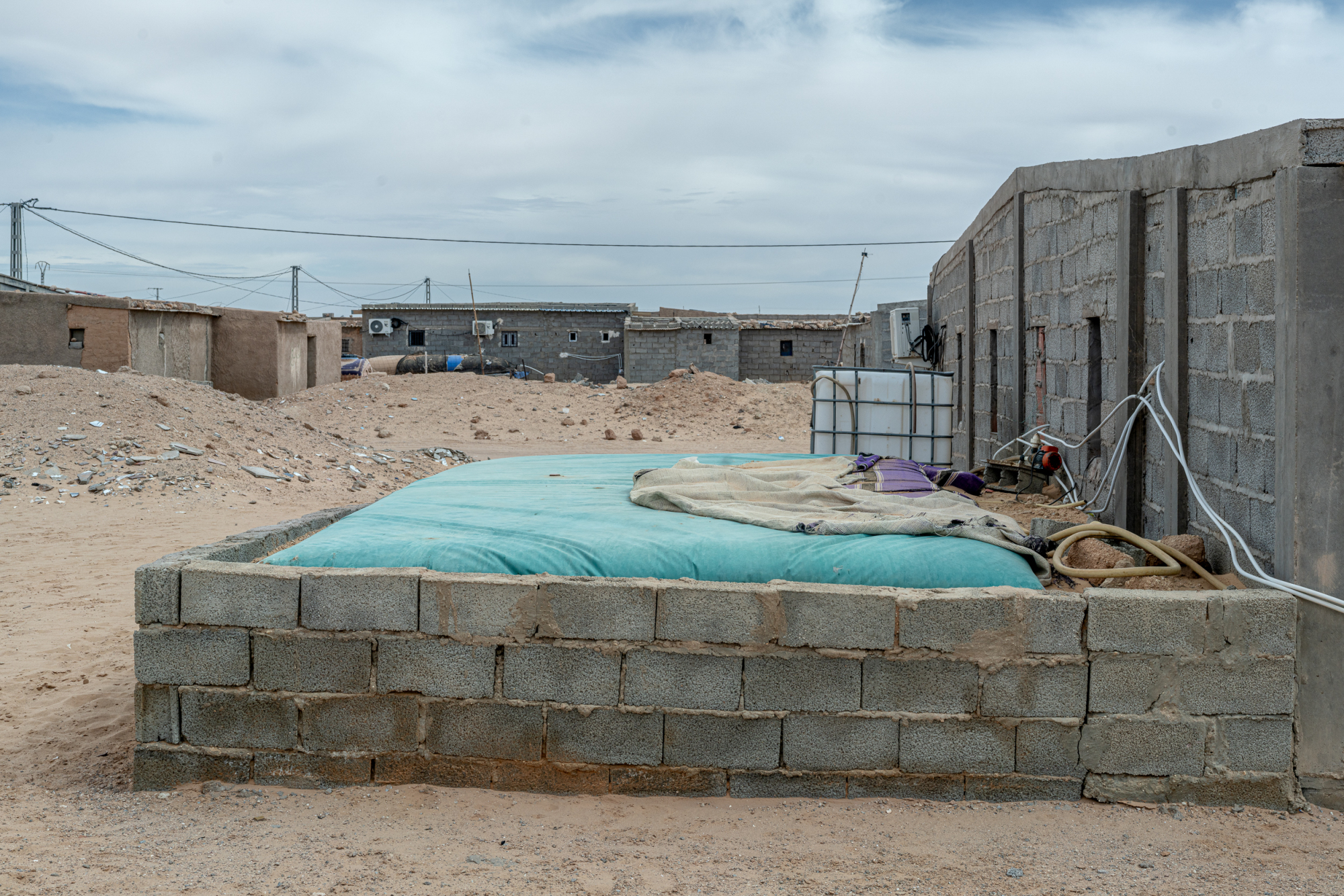
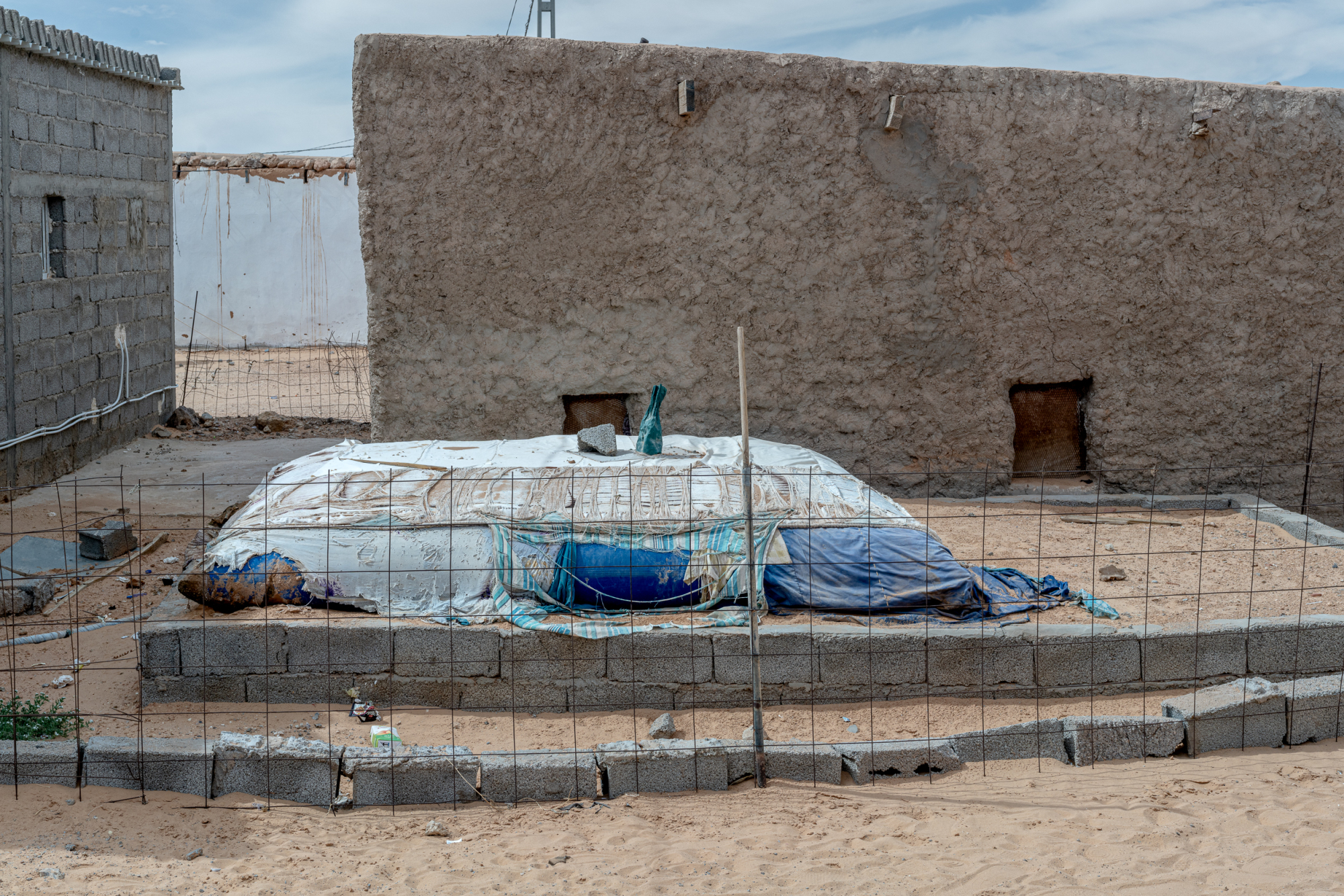
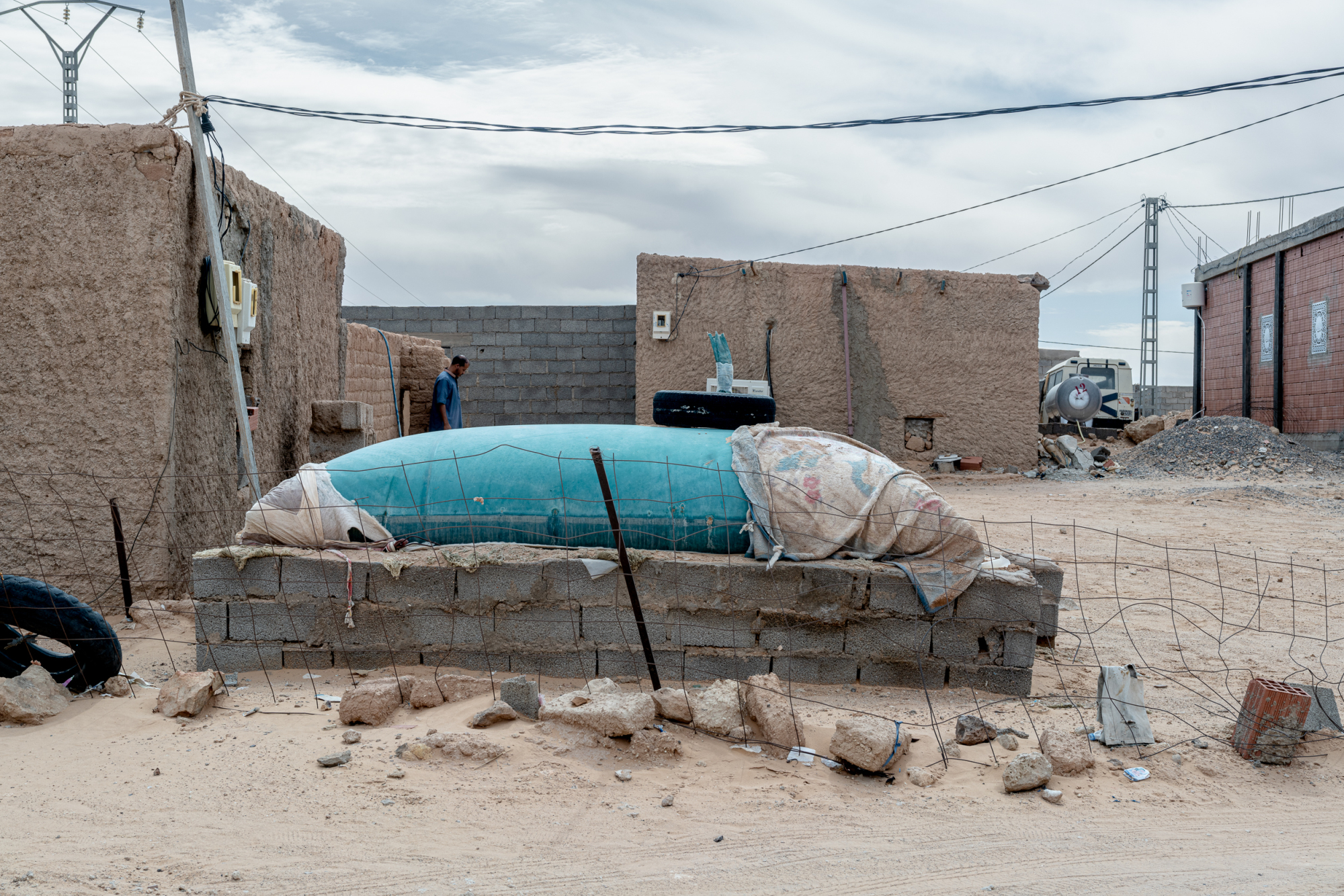
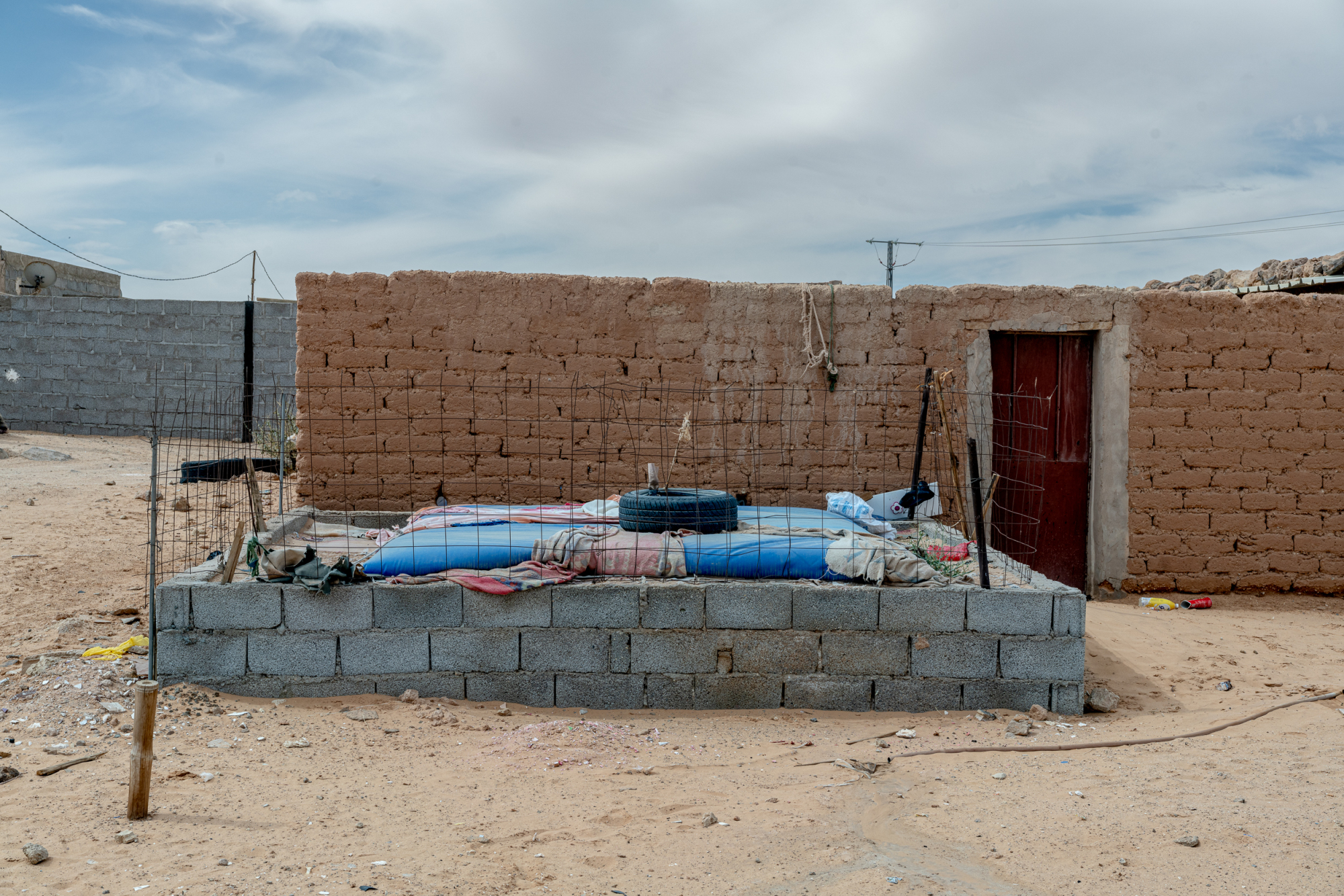
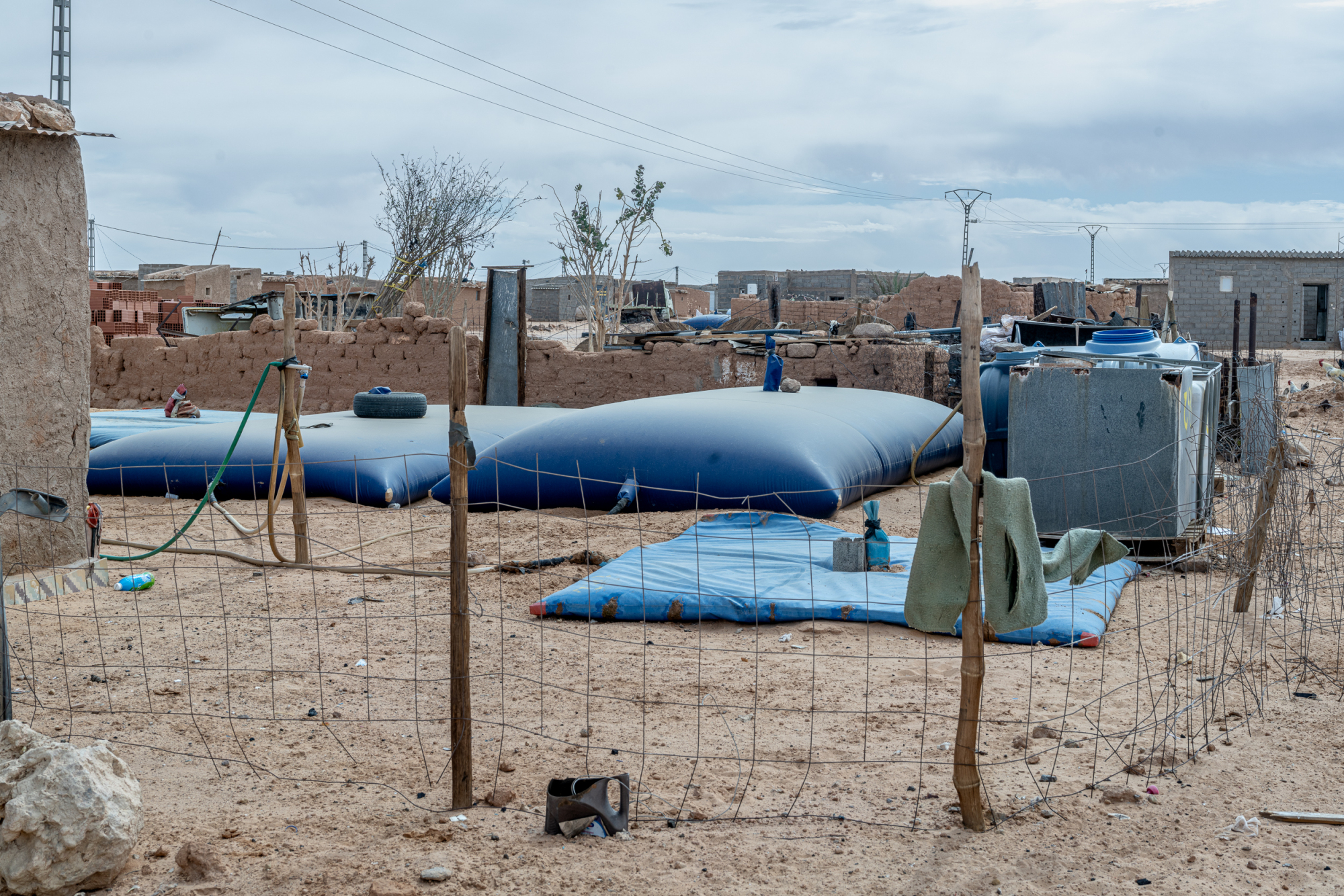
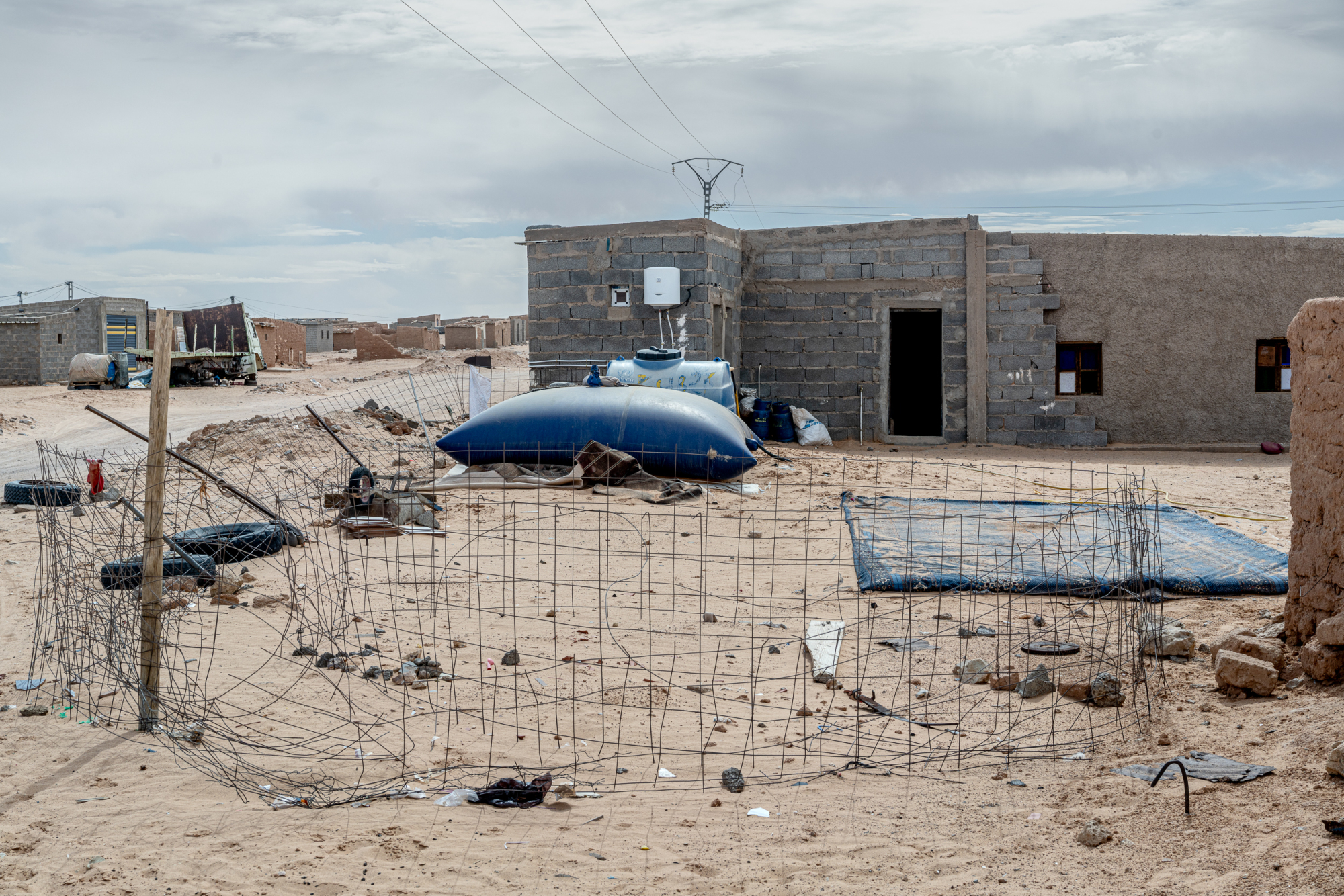
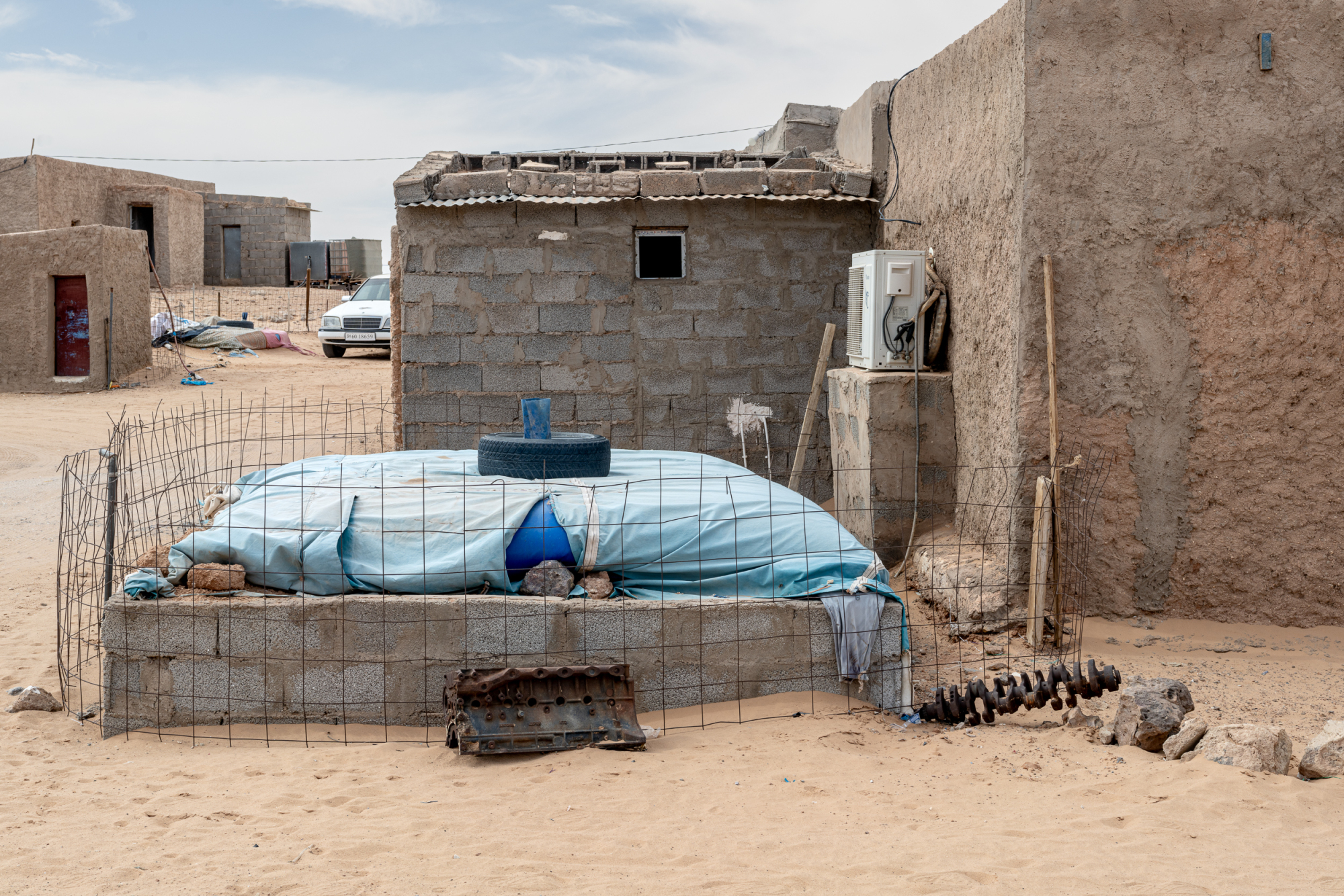
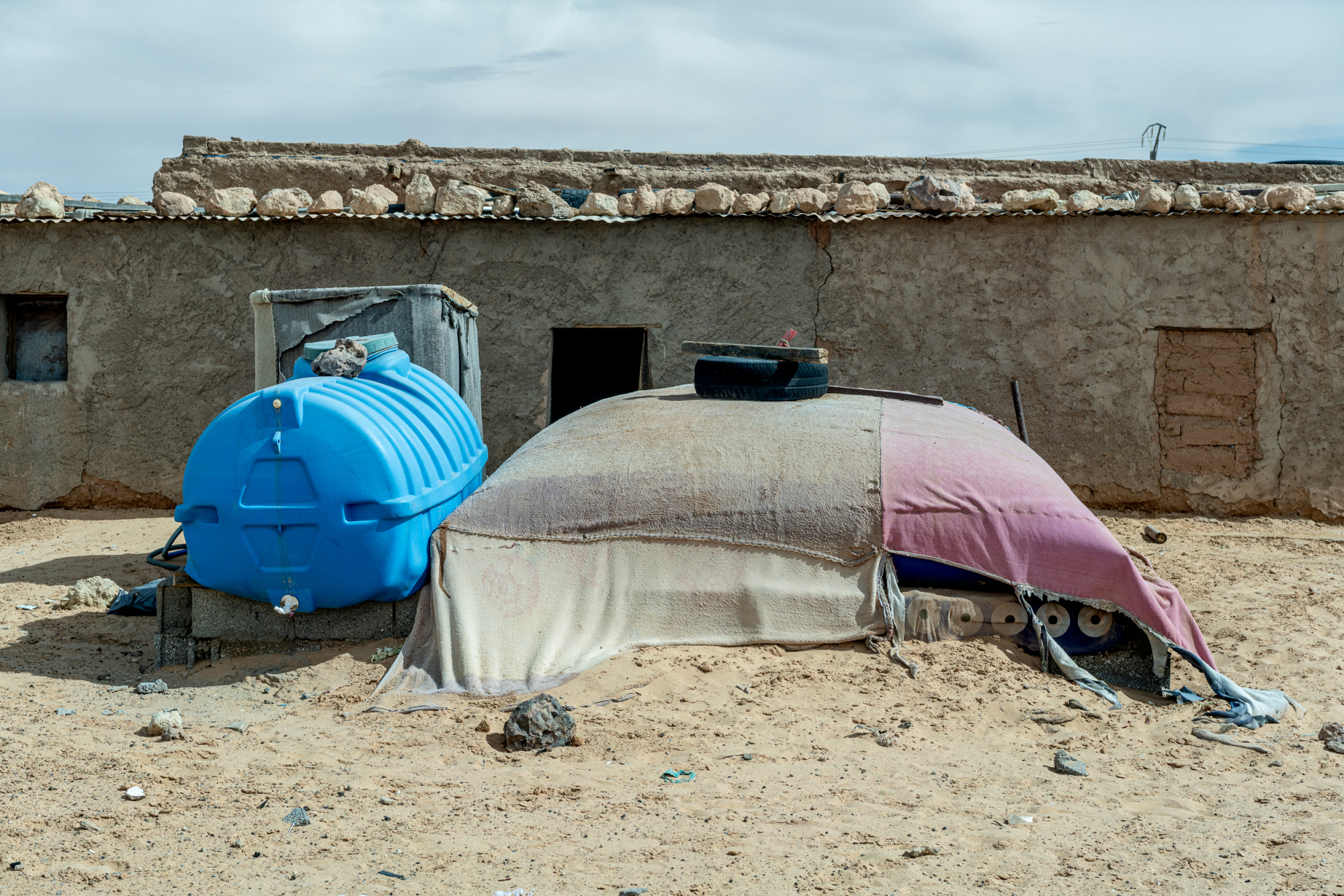
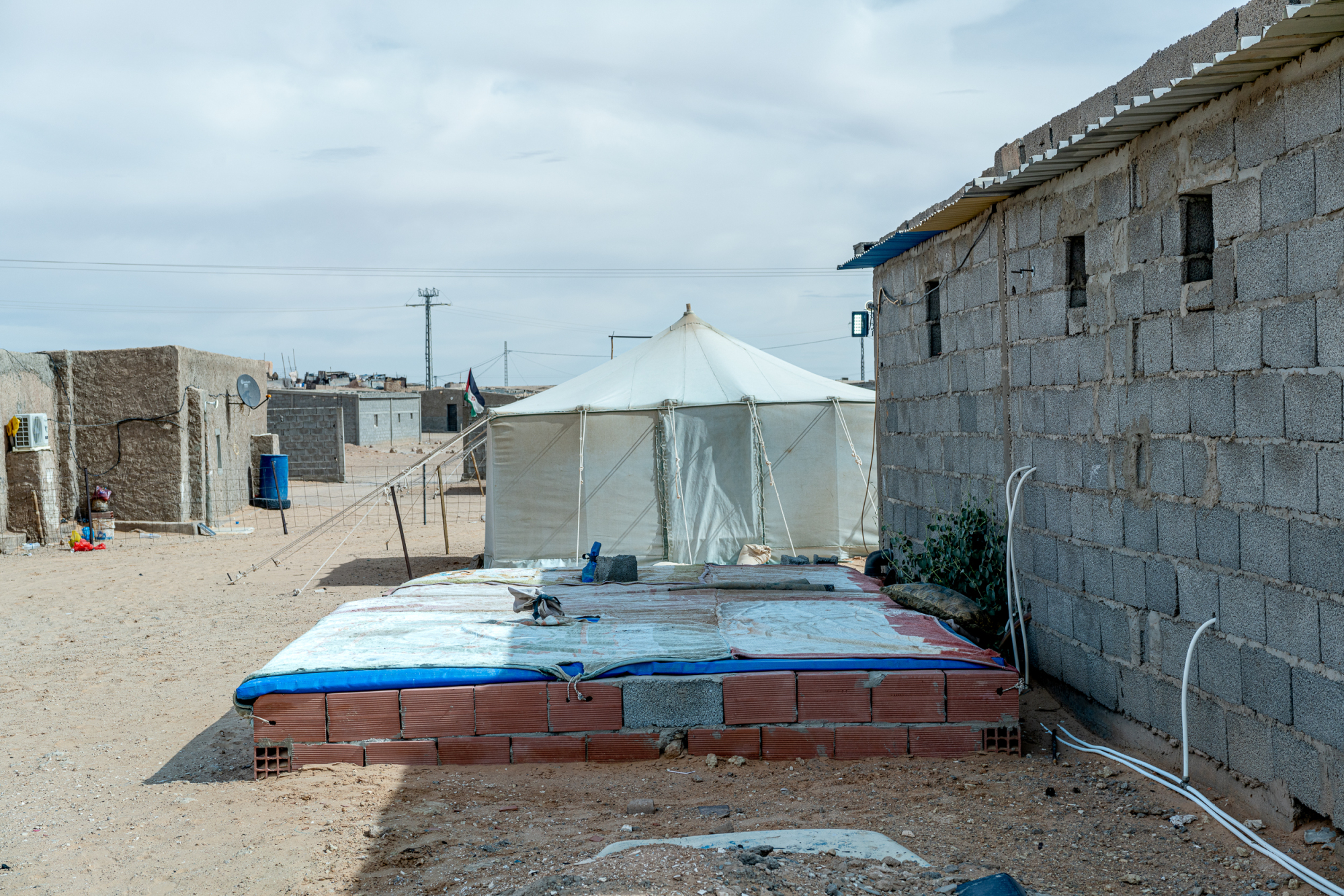
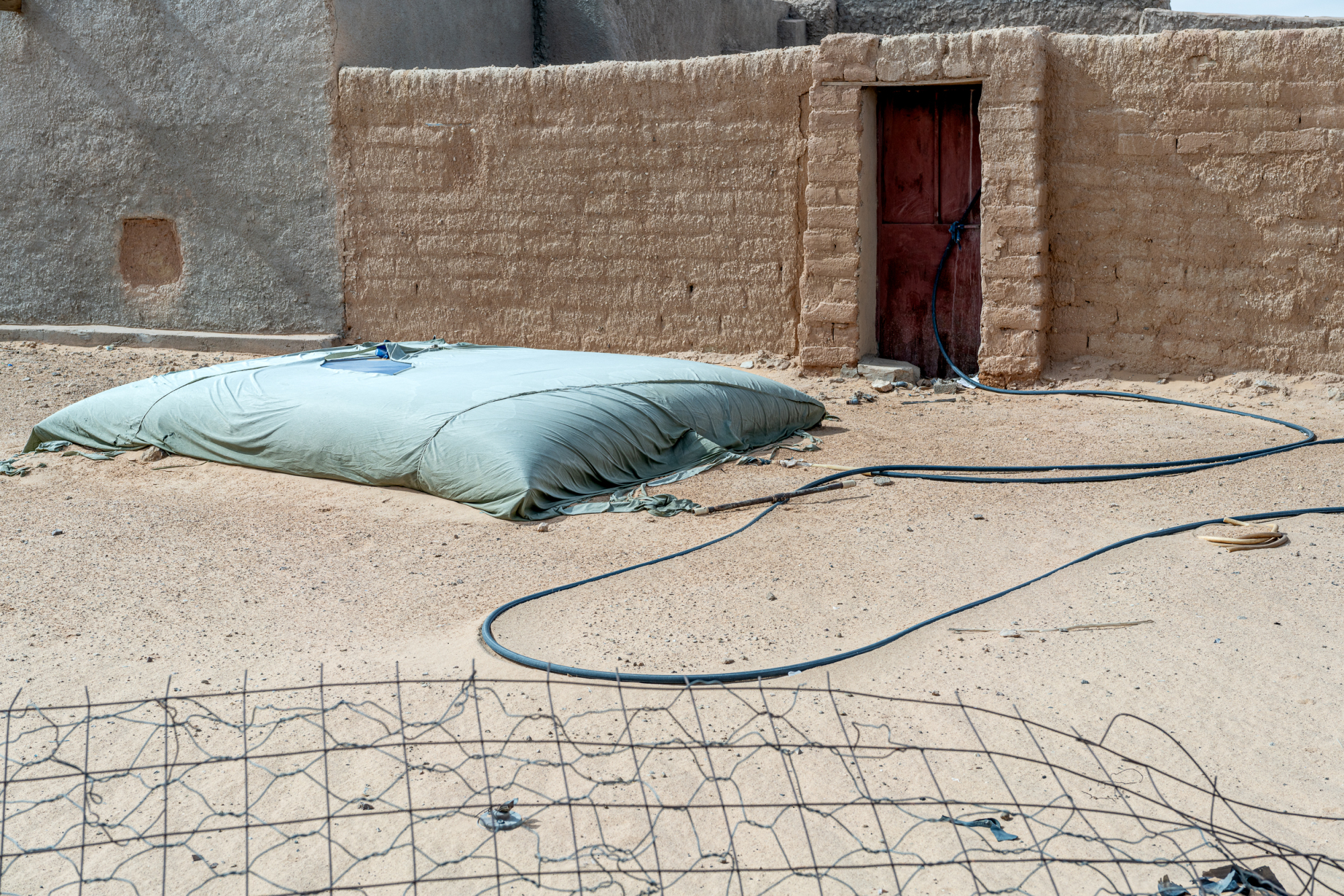
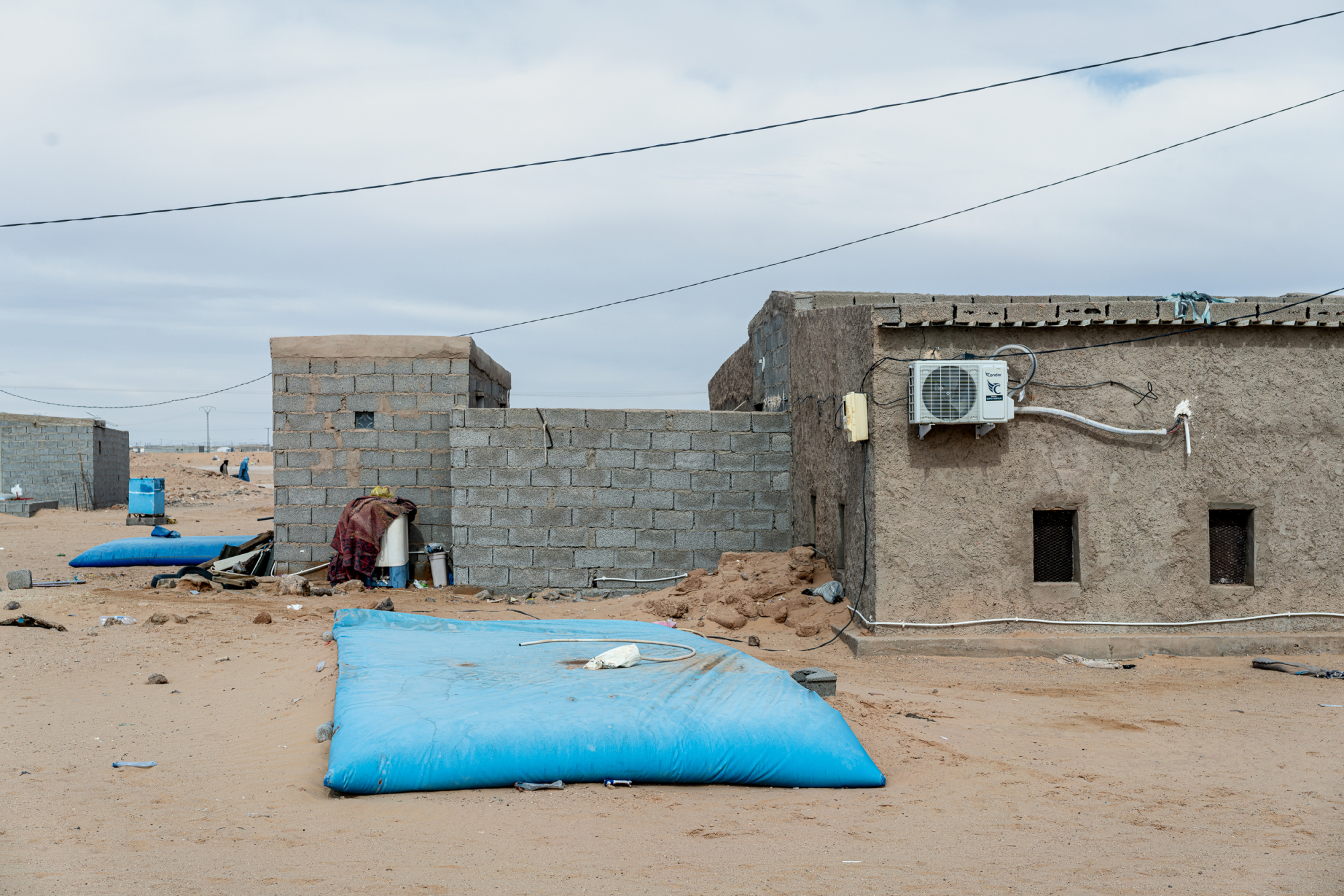
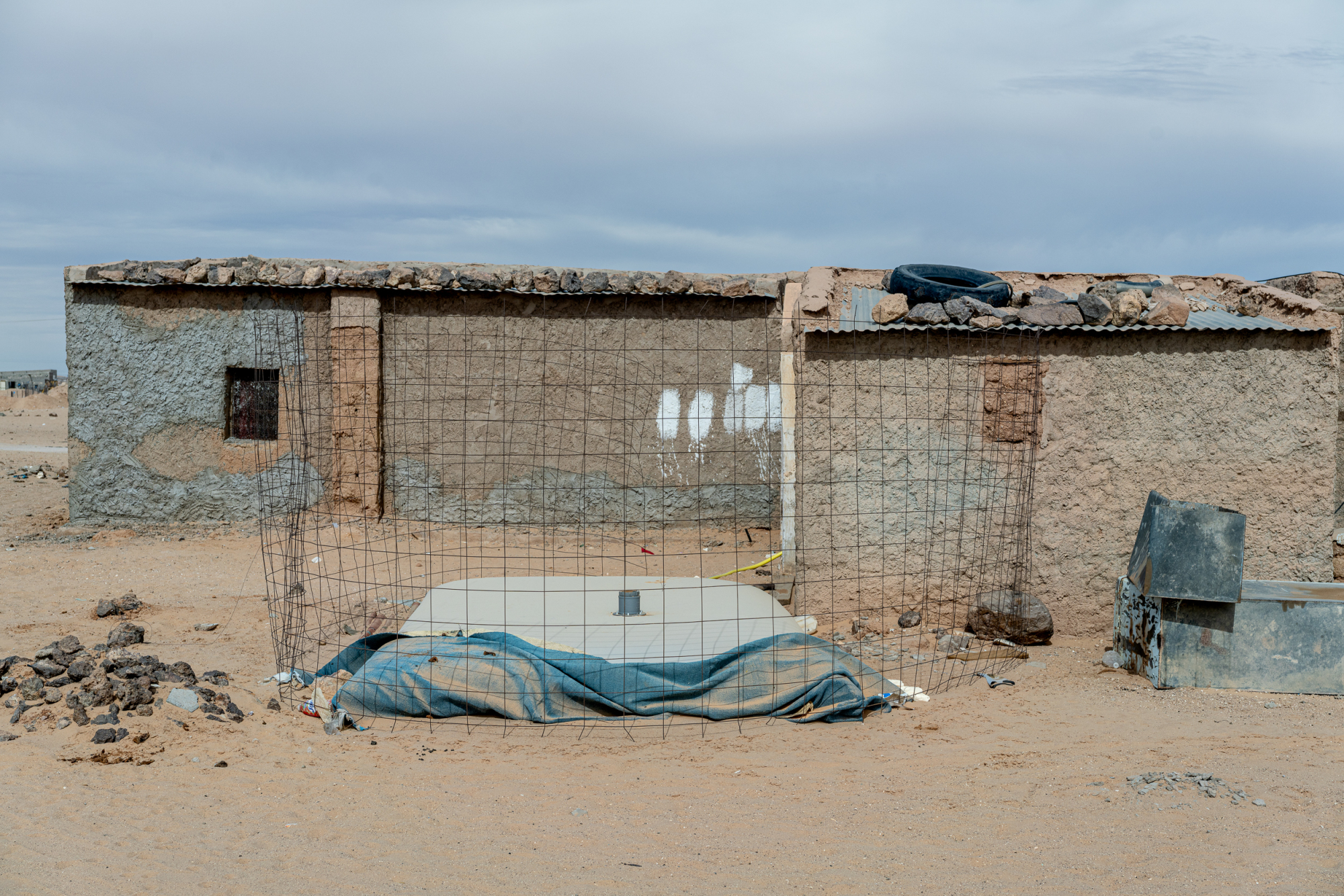
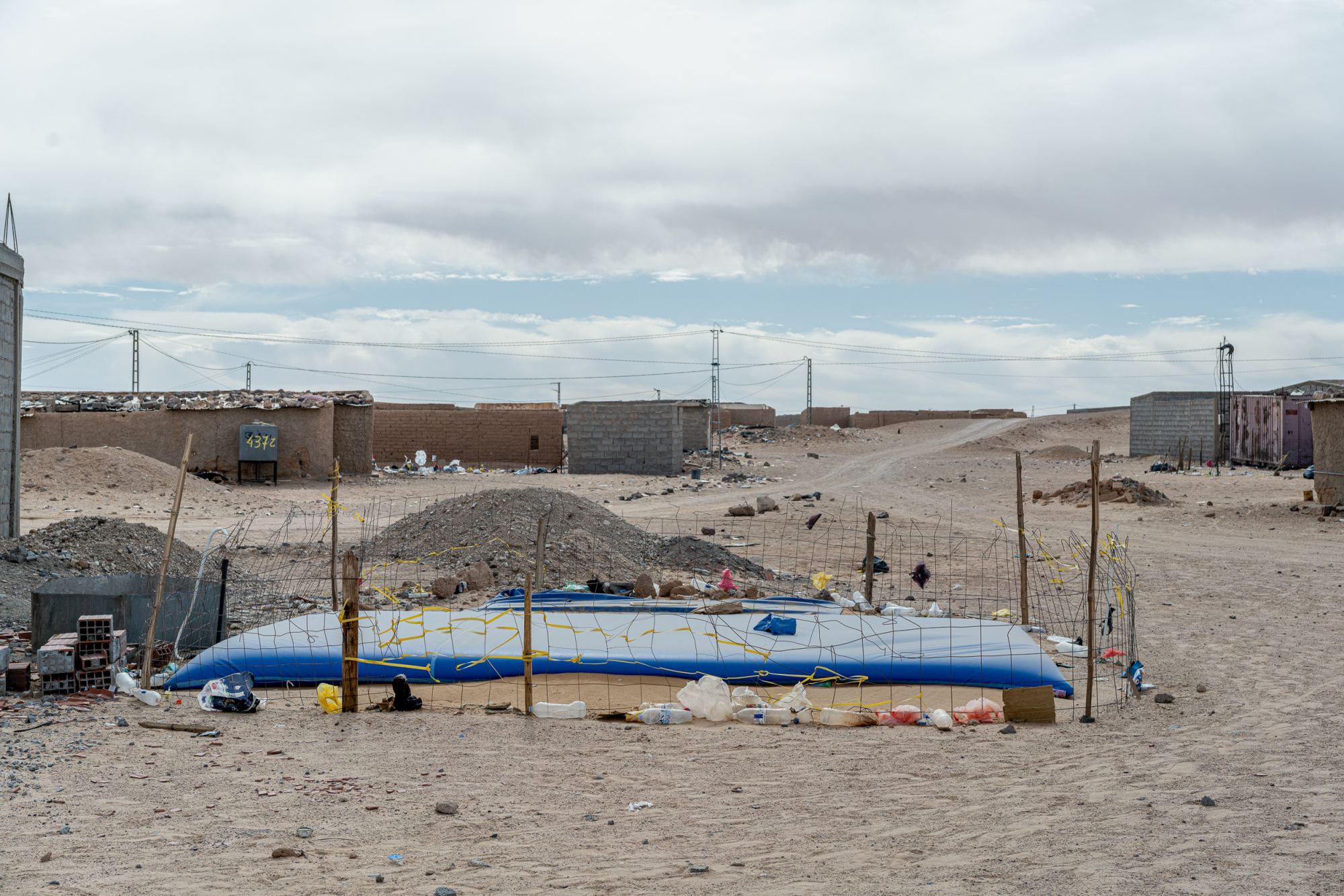
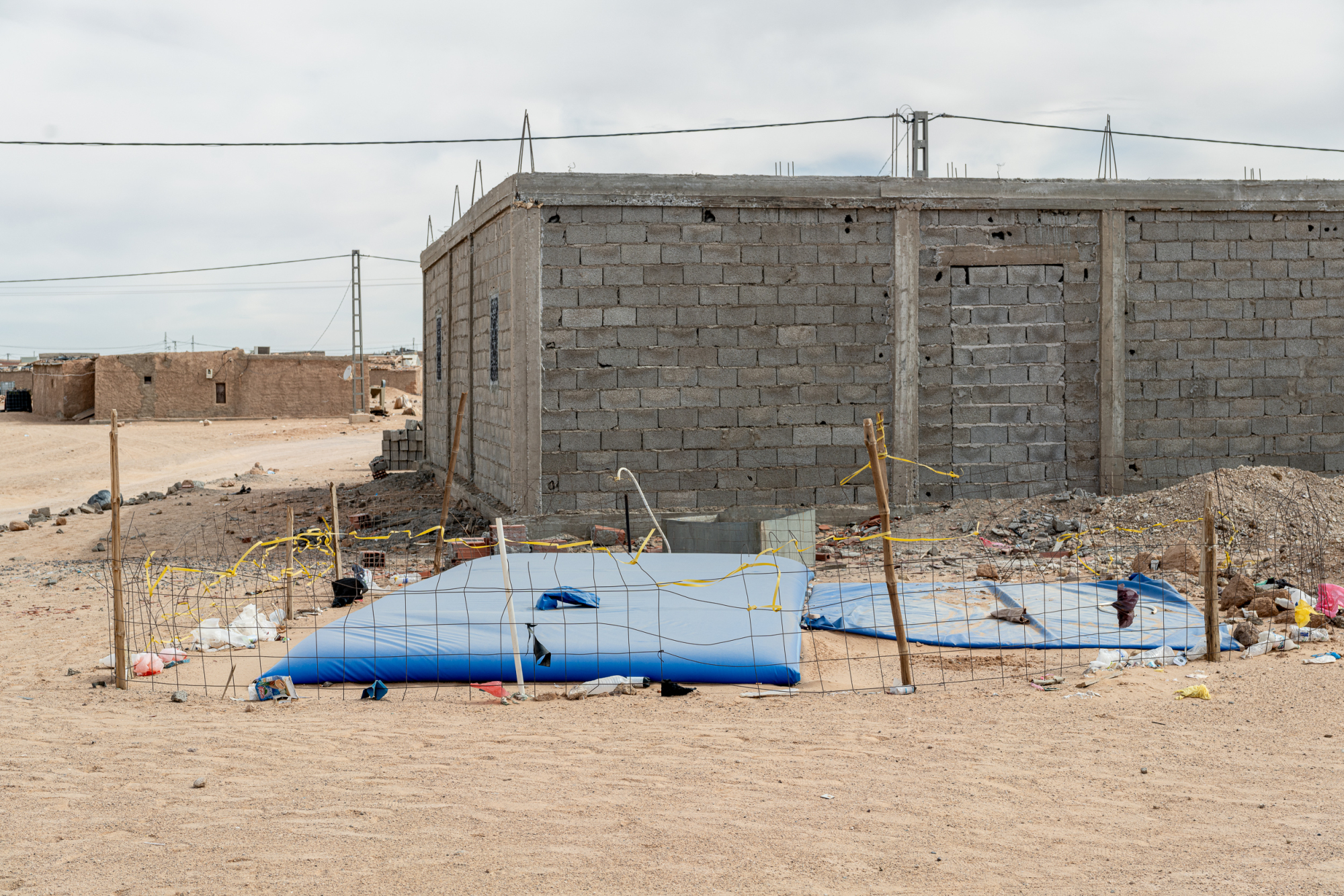
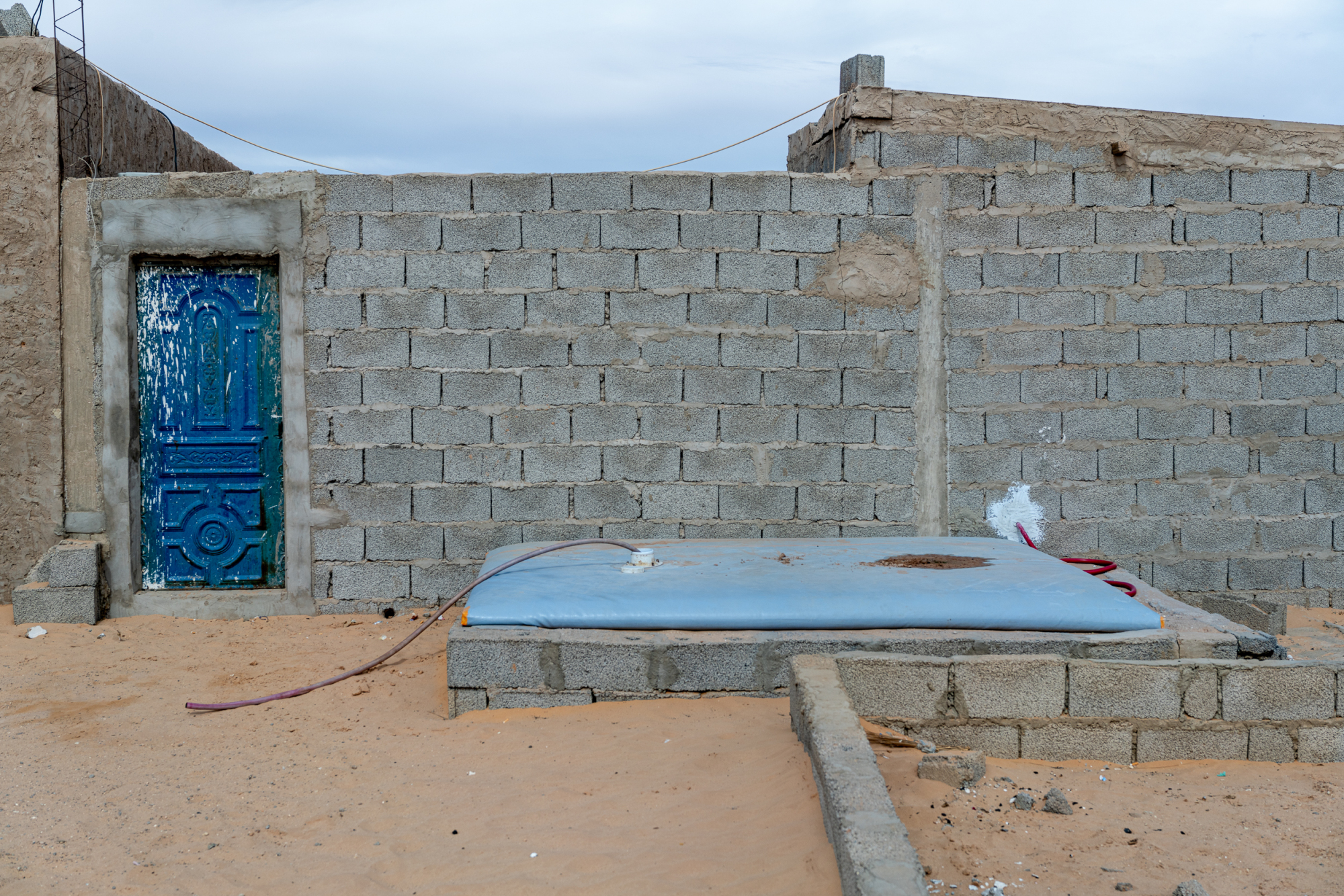
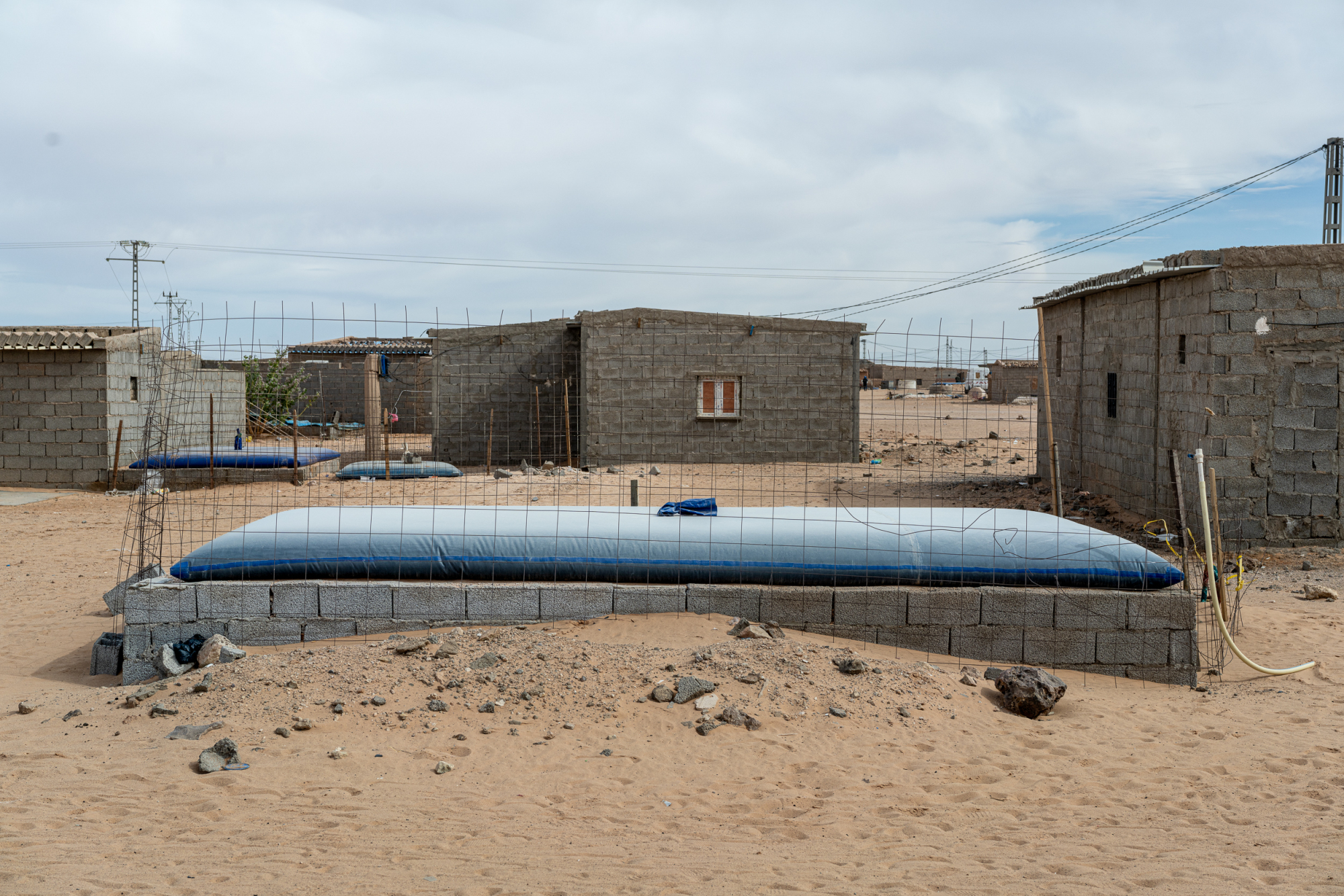
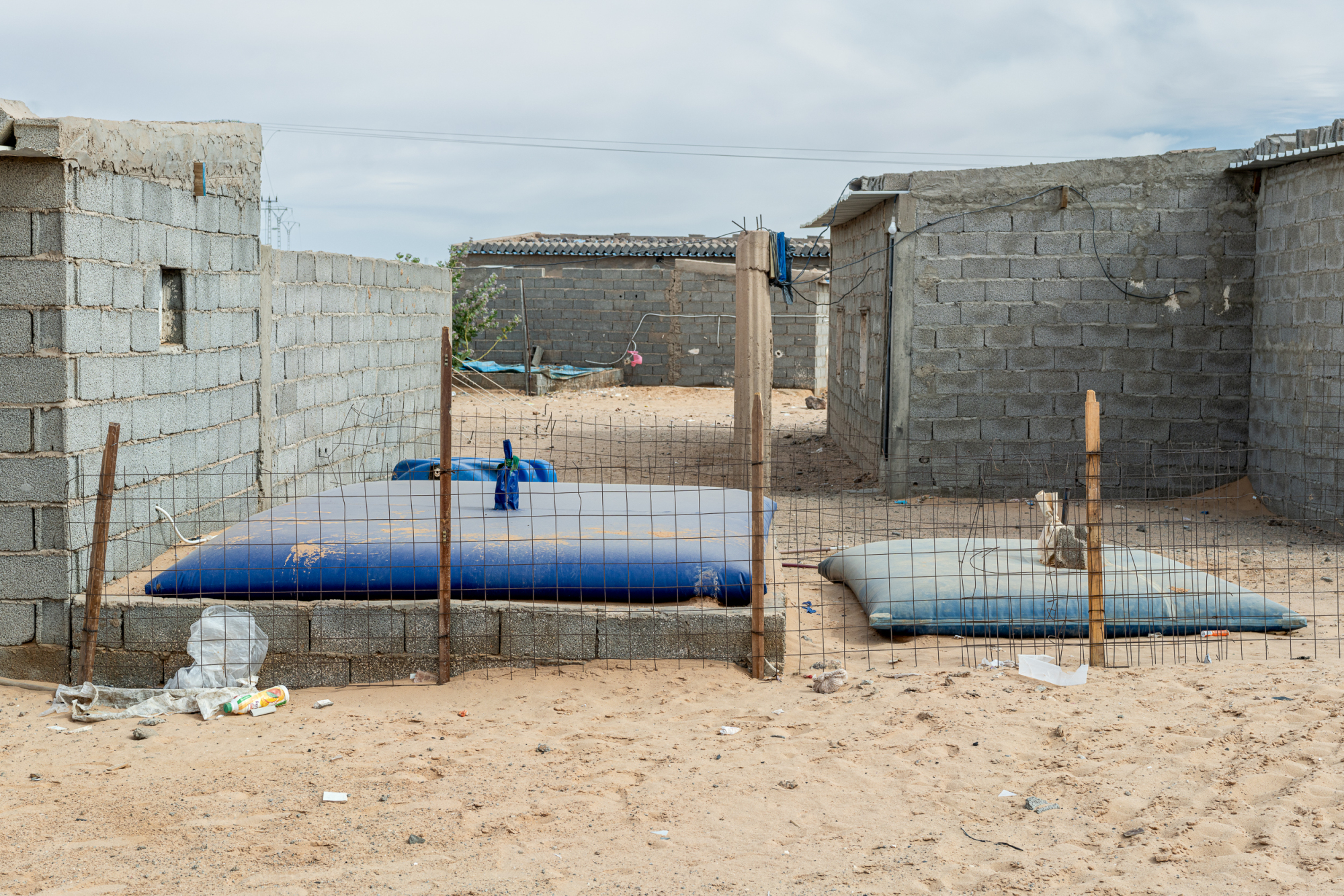
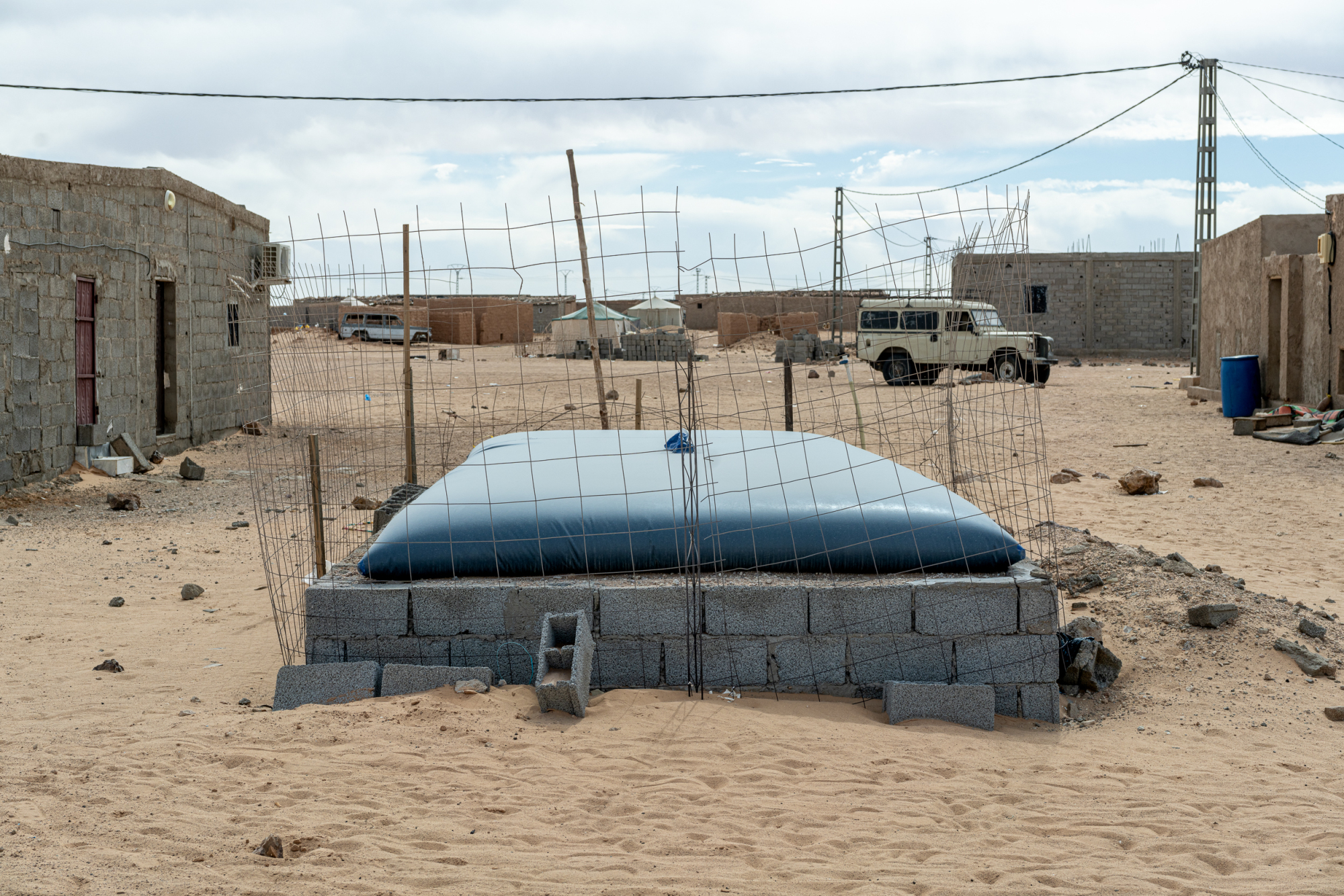
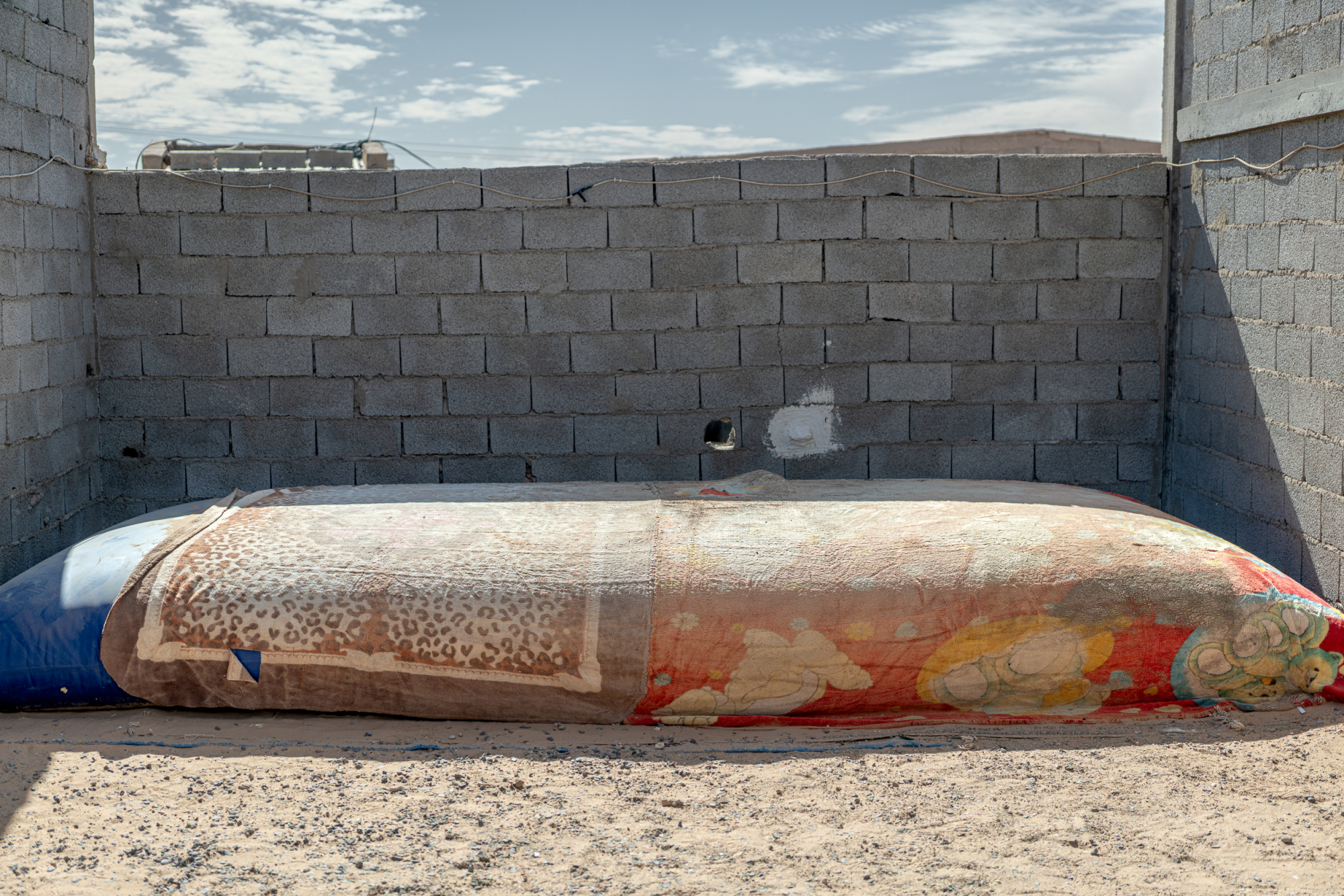
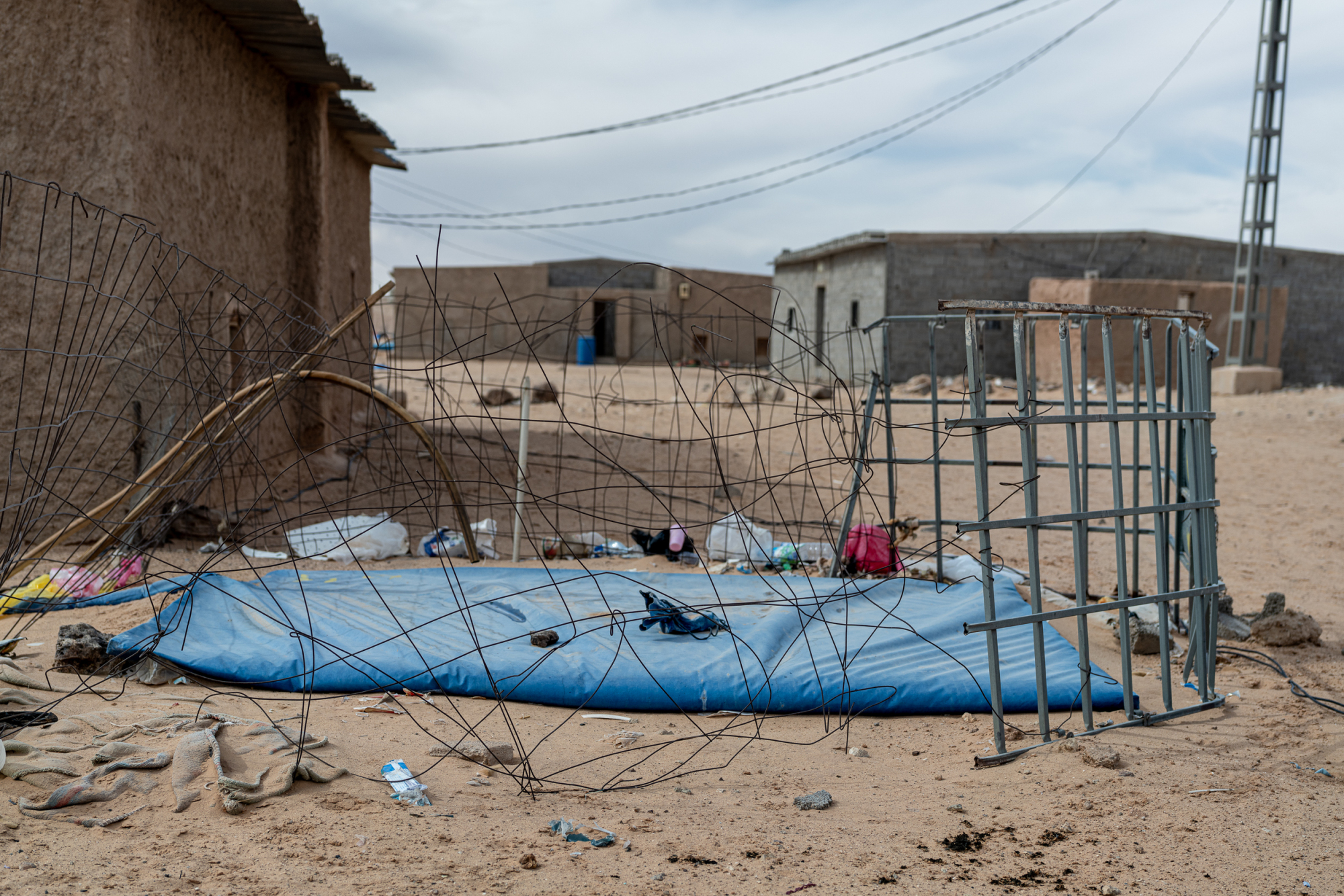
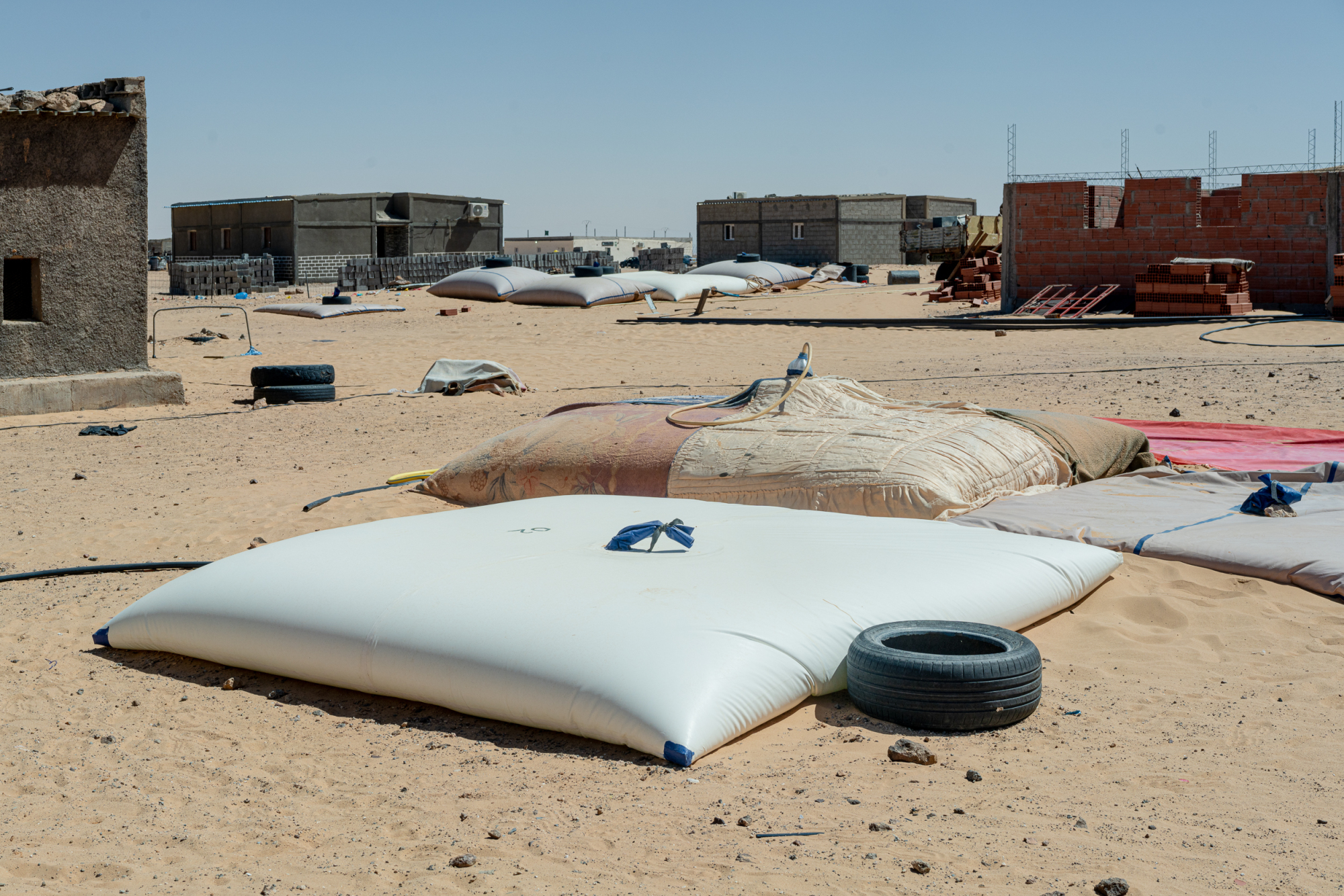
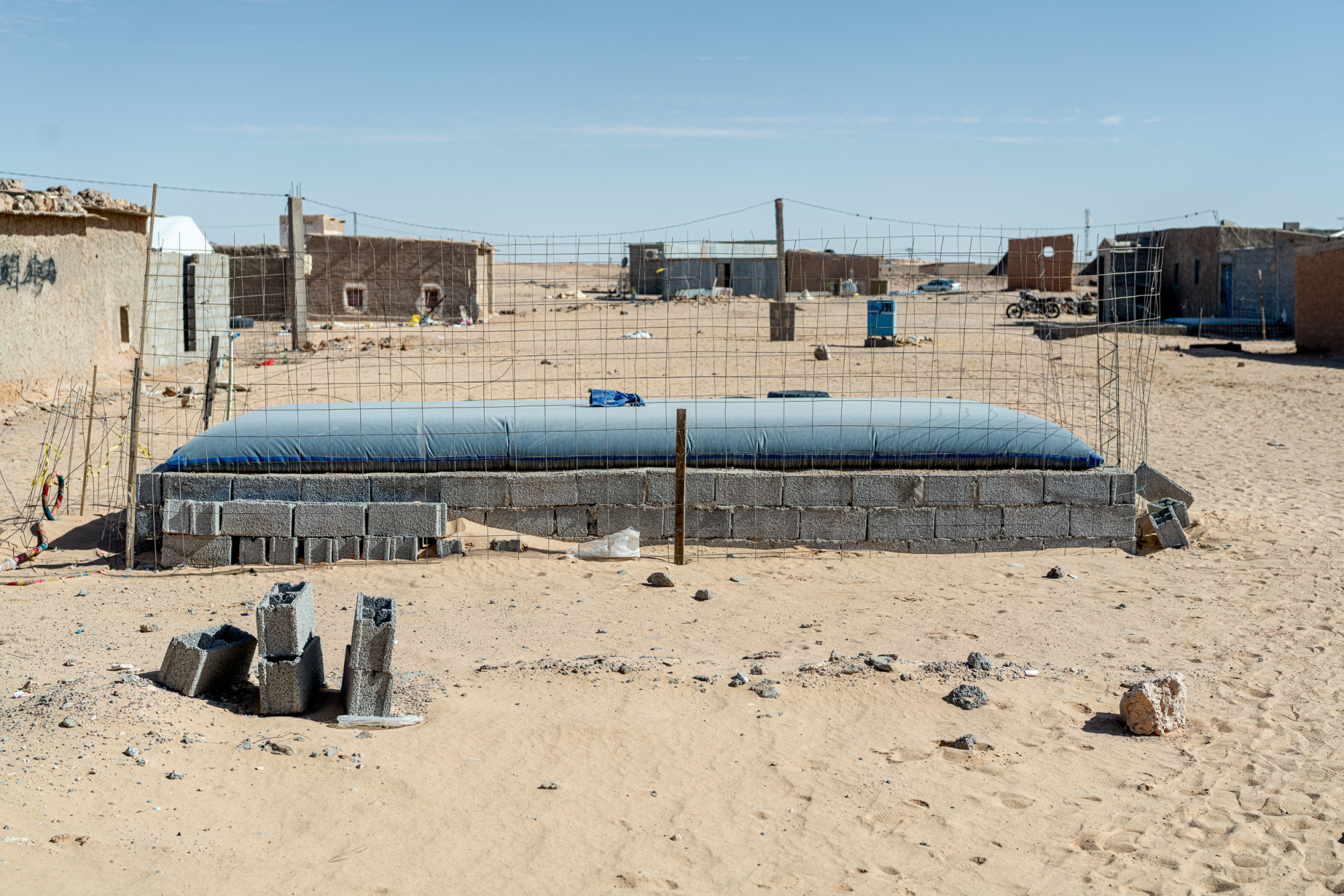
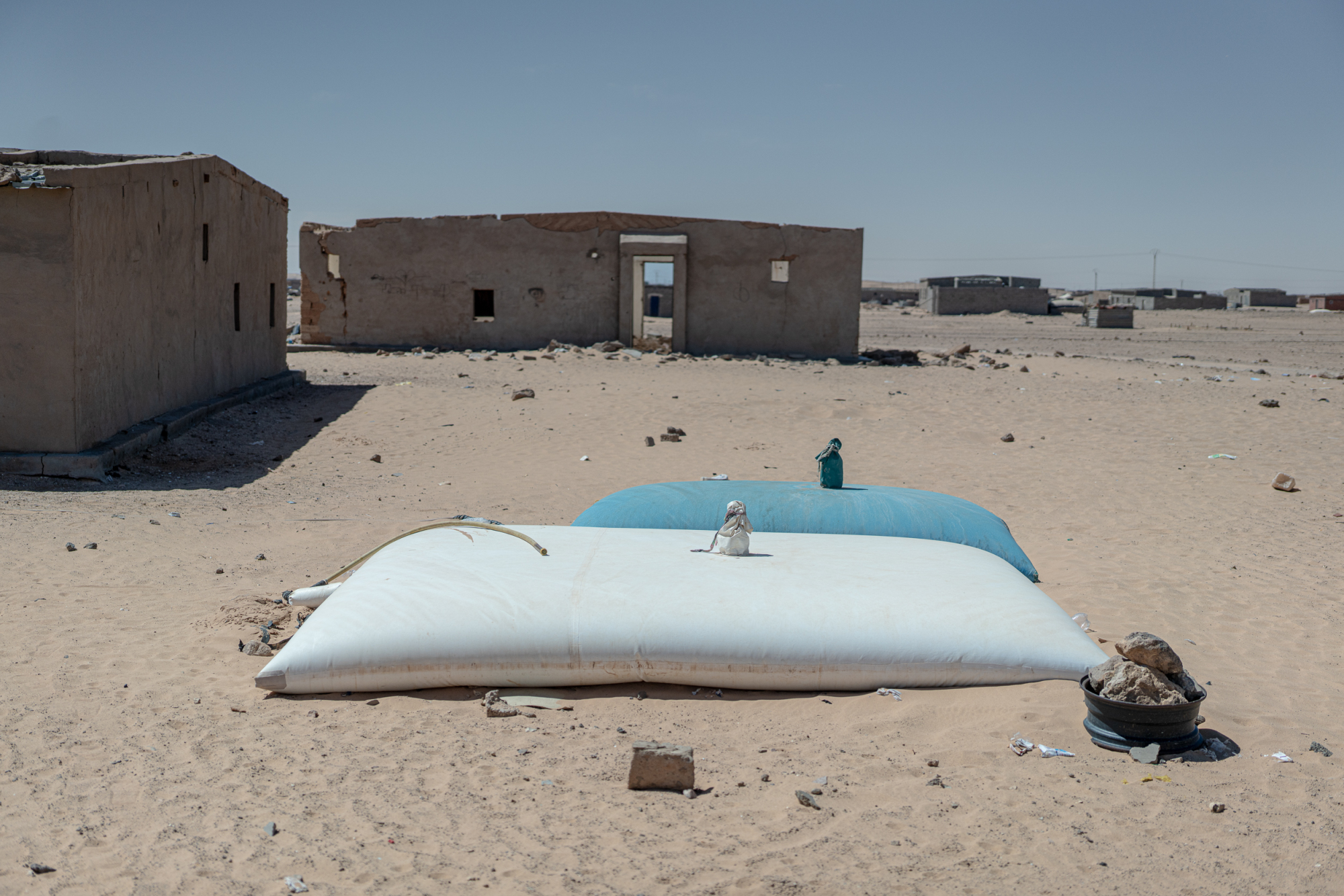
The Sahrawi refugee camps illustrate a paradox of protracted crises: the longer displacement lasts, the more “temporary” systems become permanent — yet without the security of permanence. Water is the clearest expression of this tension. It is life-sustaining, politically sensitive, technically complex, environmentally costly, and socially unequal when fragile. The data show resilience. They also show limits. Ensuring that water continues to flow in Saharawi’ camps is not only a matter of infrastructure. It is a question of whether the international community is prepared to treat long-term displacement with long-term responsibility.
In the desert, water is survival. In protracted exile, it is also dignity.